


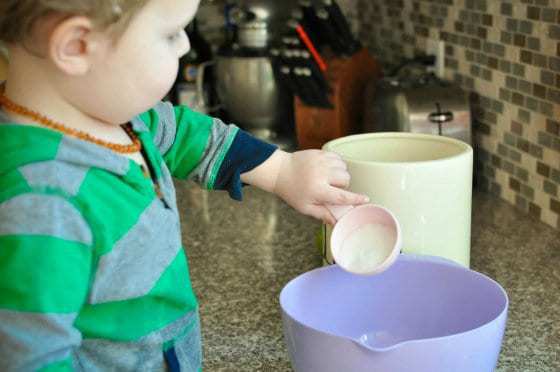
“Me help? Me help?” If you’re a parent to a toddler, you’ve likely heard this enthusiastic phrase countless times. Toddlers are naturally curious and thrive on routine, and they genuinely get a sense of joy and accomplishment from helping around the house. However, finding toddler-friendly chores that are safe, age-appropriate, and manageable can sometimes be a challenge. Many household chores require fine or gross motor skills that toddlers simply haven’t mastered yet, making it essential to find tasks that fit their abilities.
It’s never too early to start teaching your child responsibility, and involving them in simple tasks can help instill a strong work ethic from a young age. Assigning toddler-friendly chores not only helps your little one feel like an important part of the family but also teaches them valuable skills that will continue to benefit them as they grow. Whether it’s helping put away toys or assisting with simple kitchen tasks, even toddlers can help in meaningful ways.
To make it easier for you, we’ve created a list of age-appropriate chores for kids that are both safe and practical. These ideas will not only teach your toddler responsibility but also help them develop gross and fine motor skills. Plus, you’ll find that giving your little one a few manageable household chores helps lighten your own workload while building their desire to help. So, grab a chore chart, and let’s get started on making chores a positive part of everyday life!
Toddler-friendly Chores You Can Add to the Family Chore Chart, Kitchen Edition
Toddlers love helping in the kitchen, but their enthusiasm can quickly turn into a safety concern. Reaching countertop height safely is a challenge, and balancing on a traditional step stool or chair can be downright nerve-wracking. As parents, we want to nurture that desire to help without worrying about falls or accidents.
The Solution:
The Guidecraft Kitchen Helper is a game-changer when it comes to toddler-friendly chores in the kitchen. Designed to give your little one safe access to counter height, it eliminates the risks associated with step stools or chairs. Plus, it’s more than just functional—it’s versatile and thoughtfully designed to grow with your child.
Key Features of the Guidecraft Kitchen Helper:
- Adjustable Heights: Three height settings accommodate children as they grow (up to 125 pounds).
- Safe and Sturdy: Designed with safety rails to prevent falls while your toddler helps with kitchen chores.
- Space-Saving Design: Folds up easily for compact storage when not in use.
- Interactive Sides: Comes with a dry erase board and chalkboard for creative play when they’re not helping in the kitchen.
- Attractive Design: Available in a neutral wood finish or white to blend seamlessly into your home decor.
This product is worth every penny when you see your toddler proudly standing at the counter, ready to help prepare the day’s meal. You’ll love watching them develop a sense of responsibility and confidence as they tackle simple, age-appropriate chores right alongside you.

Toddler-Friendly Kitchen Chores:
While your little one might not be ready to chop veggies just yet, there are plenty of simple tasks they can help with:
- Washing Produce: Let them rinse fruits and veggies in a sink or basin.
- Stirring Ingredients: Use a large, sturdy bowl and a safe utensil for mixing.
- Setting the Table: Simple tasks like placing napkins and utensils.
- Wiping Surfaces: Provide a damp cloth to clean countertops or tables.
- Loading the Dishwasher: Allow them to hand you non-breakable items to place in the rack.
Involving toddlers in kitchen chores helps instill a sense of responsibility and builds their gross and fine motor skills. It’s a fun, practical way to let them feel like an important part of the family’s routine!
DIY Food for Toddlers
Toddlers thrive on independence and love to feel in control—especially when it comes to food! But giving them full reign in the kitchen can lead to big messes and frustration for both of you. Plus, handling multiple ingredients can be overwhelming for little hands.

Solution:
Create aDIY food station that gives your toddler the freedom to assemble their own meals or treats without the chaos. One of the easiest ways to do this is by setting up a topping bar on your countertop. Use a 6-cup muffin tin to hold a variety of toppings, sauces, or add-ins. This way, your child can easily see their choices and spoon out just the right amount.

Why DIY Food Works for Toddlers:
- Encourages Independence: Toddlers love making choices, and this setup gives them the power to create their own snacks or meals.
- Fosters Creativity: Decorating their own mini pizzas, sundaes, or cookies lets them express themselves through food.
- Builds Fine Motor Skills: Scooping, sprinkling, and spreading help develop coordination and precision.
- Keeps Things Tidy: Containing toppings in a muffin tin minimizes mess and keeps ingredients organized.
Fun DIY Food Ideas:
- Mini Pizzas: Offer toppings like cheese, pepperoni, bell peppers, and olives.
- Ice Cream Sundaes: Fill cups with sprinkles, chocolate chips, fruit, and crushed cookies.
- Cookie Decorating: Provide colorful icing, candy pieces, and mini marshmallows.
- Taco Bar: Set out shredded cheese, lettuce, tomatoes, and mild salsa.
- Yogurt Parfait Station: Include granola, fresh fruit, and a drizzle of honey.
Setting up a DIY food station not only makes mealtime more engaging for your toddler but also builds their confidence and sense of ownership over what they eat. Plus, you get to enjoy seeing their creativity and pride in their culinary creations!
Grinding Herbs & Spices as an Age-Appropriate Chore
Finding age-appropriate kitchen chores for toddlers can be tricky. You want tasks that are safe, engaging, and beneficial for developing motor skills—but many cooking activities are too advanced or risky for little hands.
Solution:
Introduce your toddler to grinding herbs and spices using a kid-sized mortar and pestle. This simple yet effective activity aligns with Montessori principles by encouraging independence and fine motor development. Plus, it’s a fantastic way to keep your little one occupied while contributing to family meals.

Why Grinding Herbs & Spices Works:
- Promotes Motor Skill Development: The repetitive motion of grinding helps strengthen hand and arm muscles.
- Encourages Focus and Patience: The rhythmic action keeps toddlers engaged and fosters concentration.
- Builds Sensory Awareness: Grinding aromatic herbs stimulates the senses and connects your child to the cooking process.
- Supports Practical Life Skills: Learning to prepare ingredients builds a sense of responsibility and pride.
How to Get Started:
- Choose the Right Tools: A kid-sized mortar and pestle fits small hands and is easy to manipulate.
- Pick Safe Ingredients: Start with soft herbs like basil, mint, or dried flowers. Move on to larger spices like cumin or peppercorns as they get more confident.
- Supervise Closely: Always supervise your toddler to ensure safe and correct use.
- Incorporate Into Meal Prep: Let them grind herbs for pasta sauces, taco seasoning, or homemade spice blends.
This hands-on chore not only builds practical skills but also gives your toddler a sense of accomplishment as they see their ground herbs become part of a family meal. Plus, it’s a wonderful way to introduce them to the world of cooking in a safe and educational way!
Cleaning Fruits & Vegetables, Household Chores
Toddlers love playing with water, but finding safe and purposeful ways to channel that enthusiasm can be challenging. You want them to feel helpful while keeping them engaged and occupied.
Solution:
Turn their love of water into a practical chore by involving them incleaning fruits and vegetables! Set up the Guidecraft Kitchen Helper in front of the sink to safely elevate your child to counter height. This allows them to comfortably reach the sink and participate in washing produce without the risk of falling.

Tools to Make It Fun:
- Kid-Friendly Vegetable Scrubbers: Use cute, colorful scrubbers like the character potato scrubber or matching vegetable scrubber. These are designed for little hands and add an element of play to the chore.
- Visual Motivation: Encourage your toddler to scrub potatoes and watch them turn from darker to lighter brown or clean dirt out of the crevices of carrots. The visible transformation makes the activity satisfying and fun.
Benefits of Cleaning Produce:
- Builds Motor Skills: The scrubbing motion helps strengthen hand muscles and coordination.
- Promotes Independence: Letting them take responsibility for a simple task fosters a sense of accomplishment.
- Encourages Healthy Habits: Involving kids in meal prep helps build positive associations with fresh produce.
- Sensory Play: The texture of different vegetables and the feeling of running water make this chore an engaging sensory experience.
Cleaning fruits and vegetables is a safe, practical, and educational chore that toddlers can take pride in doing. Plus, it’s an easy way to keep them occupied while you prepare the rest of the meal!
Measuring Ingredients on the List
Measuring ingredients with toddlers can be a challenge. They’re eager to help, but using measuring cups and spoons can be tricky for their small hands, and the mess can make it tempting to skip this task altogether. However, measuring ingredients offers an excellent opportunity to introduce important concepts like math and organization, all while making the cooking process more fun.
Solution:
Involve your toddler in the measuring process with some guidance. With adult supervision, toddlers can safely help measure out ingredients, developing both fine motor skills and early math concepts. Use kid-friendly measuring spoons and cups designed for little hands, which can also make the process more engaging.

Tools to Make It Fun:
- Kid-Friendly Measuring Cups: Invest in colorful, fun measuring cups and spoons with cute faces. The bright colors and playful designs will grab your toddler’s attention and make them excited to participate.
- Simple Math Concepts: While measuring, talk to your toddler about size differences between measuring cups and introduce them to fractions. For example, “Two halves equal one whole!” They’ll start connecting numbers and shapes with real-world applications.
Benefits of Measuring Ingredients:
- Teaches Basic Math Skills: Counting, comparing sizes, and even introducing fractions can be simple and fun for toddlers.
- Improves Fine Motor Skills: Scooping, pouring, and leveling ingredients helps toddlers practice coordination and precision.
- Builds Confidence: Letting toddlers help with the recipe process encourages independence and gives them a sense of accomplishment.
- Sparks Interest in Cooking: By including them in the process, toddlers begin to associate cooking with fun and creativity, and feel proud of their contributions.

Measuring ingredients is a great way to engage toddlers in the kitchen, help them develop new skills, and encourage a love of cooking, all while keeping things fun and educational.
SHOP:
Kitchen Helper
EXPLORE AND CONNECT:
Guidecraft | Facebook | Twitter | Pinterest | YouTube
Cleanup/Project Engineer Age-Appropriate Chores for Kids
Toddlers’ innate curiosity is wonderful, but it often results in messes! From food spills during meals to their experimentation with cleaning supplies, toddlers can leave chaos in their wake. Even when they’re eager to help with chores, their limited motor skills can turn the process into a frustrating experience for both you and them. They may want to assist with activities like vacuuming or cleaning, but adult-sized tools are too big and cumbersome for their tiny hands, making it difficult for them to effectively help—and often creating more mess in the process.
Solution:
The key to getting toddlers involved in cleanup and home projects is to provide them with kid-friendly tools designed just for their size and abilities. These tools are not only safer for little hands but also more functional, giving toddlers the sense of accomplishment when they successfully help clean up.
Tools to Make It Fun:
- Toddler-Sized Cleaning Tools: Invest in child-friendly brooms, dustpans, mops, and even mini vacuum cleaners. These tools are lightweight, easy for small hands to grip, and help toddlers engage with the task without feeling overwhelmed by adult-sized equipment.
- Pretend Tools with Purpose: There are also pretend tools that help toddlers feel like they’re involved in serious projects, such as tiny hammers and screwdrivers. While they’re not for real construction work, they help toddlers practice using their hands in a purposeful way.
Benefits of Cleanup Chores:
- Teaches Responsibility: By letting toddlers help clean up, they learn the value of maintaining a tidy environment, building good habits early on.
- Improves Coordination: Using child-sized tools helps toddlers develop their hand-eye coordination and motor skills in a fun, practical way.
- Boosts Confidence: Letting toddlers participate in cleanup tasks fosters a sense of pride and ownership, making them more likely to help out in the future.
- Encourages Independence: As toddlers get better at using their tools, they’ll start to do more tasks on their own, gaining confidence in their ability to contribute to the household.
With the right tools, toddlers can be effective “cleanup/project engineers” in your home. These age-appropriate tools allow them to safely participate in household chores while also developing essential skills and a sense of accomplishment.
Picture Perfect Hanging: Good Old Fashioned Chores
Toddlers are eager to help, but some household projects, like hanging pictures, can seem too complicated or unsafe for them to get involved in. You want them to feel included in the process, but tasks like measuring, drilling, and ensuring everything is level can be difficult for little ones to participate in, especially when tools are too big or dangerous for them to use.
Solution:
Turn the task of hanging a picture into an age-appropriate, hands-on project that engages your toddler’s curiosity and develops essential skills. By using the Guidecraft Kitchen Helper, you can safely elevate your child to reach higher spaces, giving them a hands-on role in the project without the risk of falls. The Kitchen Helper will allow them to measure the wall, find the center, and even make sure the picture is hung straight, all while being actively involved.

Tools to Make It Fun:
- Toy Power Drill: Give your toddler a realistic, kid-friendly power drill to “pretend” drill holes for the picture. While not functional for actual drilling, this toy helps toddlers get familiar with the concept of tools and motions, developing their hand-eye coordination in the process.
Benefits of Picture Perfect Hanging:
- Builds Spatial Skills: Helping measure and position the picture encourages your toddler to think about space, dimensions, and how objects fit together—key aspects of spatial awareness.
- Introduces Measurement and Numeracy: As you measure the wall and find the center, you can introduce basic number concepts like distance, fractions, and measurements. This fosters early numeracy skills, and even simple conversations like “Let’s measure two inches from the top” will enhance their understanding of numbers.
- Develops Hand-Eye Coordination: Handling tools, measuring tapes, and placing objects on the wall helps toddlers strengthen their coordination and dexterity, vital skills that will aid in countless other tasks.
- Boosts Confidence: Completing a project like this will give your toddler a sense of pride and accomplishment. They get to see the tangible results of their efforts, fostering confidence in their ability to help and contribute.
By turning picture hanging into a fun, skill-building project, you’re not only completing a household task but also teaching your toddler valuable skills like measurement, spatial reasoning, and using tools—skills that will benefit them as they grow.
Floor Cleanup Chore List
Cleaning the floors can be an overwhelming task for toddlers, especially when the tools are too big or difficult for them to handle. However, toddlers are fascinated by the process and love to see the results of their hard work. The challenge is finding a way to let them help while ensuring they’re actually contributing to the cleanup instead of just making a bigger mess.
Solution:
Make floor cleanup fun and engaging for your toddler by providing them with kid-friendly tools that are safe and effective for their size. Miniature Dyson vacuums and sweep-and-mop sets are perfect for toddlers, as they allow them to actively participate in the task while working on their motor skills. By breaking the task into small, manageable steps, like sweeping crumbs into a taped-off area, you can make the process feel like a game, keeping them entertained while cleaning up.

Tools to Make It Fun:
- Mini Dyson Vacuum: A miniature Dyson vacuum that actually works to suck up small, lightweight debris like paper or dust will engage your toddler and give them a sense of responsibility. The realistic sounds make it even more exciting for them to mimic adult cleaning routines.
- Sweep and Mop Set: A sweep and mop set designed for toddlers helps them practice the motions of cleaning while improving their coordination. The playful design makes it feel like an adventure, so they’ll be eager to help out.
Floor Cleanup Game Ideas:
- Taped-off Area Challenge: Use masking tape to section off a small area of the floor and challenge your toddler to sweep crumbs into that area. This simple task gives them a clear target to aim for, turning cleaning into a fun game.
Benefits of Floor Cleanup Chores:
- Improves Motor Skills: Sweeping and vacuuming motions help toddlers develop hand-eye coordination and motor skills.
- Boosts Confidence: By allowing them to take ownership of a simple task, toddlers gain confidence and a sense of accomplishment as they see the results of their efforts.
- Encourages Responsibility: Toddlers begin to understand that helping around the house is part of being a member of the family, and they’ll feel proud of their contributions.
- Instant Gratification: Toddlers love seeing immediate results, and watching the floor become cleaner as they work reinforces positive behavior.

Floor cleanup is a simple yet rewarding chore for toddlers. With the right tools and a fun game to keep them engaged, your little one will feel like a cleaning pro in no time. Plus, they’ll be building essential skills along the way!
Dust Duty, Chores for Preschoolers
Toddlers love to help out around the house, but cleaning the floor can feel like an overwhelming task for both parents and little ones. Adult-sized tools are often too heavy or complicated for toddlers, and without the right support, they might end up more frustrated than engaged. You want your toddler to feel helpful and gain a sense of accomplishment, but how can you make floor cleaning fun and effective for them?
Solution:
Turn floor cleaning into an exciting, hands-on activity by providing toddler-sized tools that are both functional and fun. Mini Dyson vacuums and sweep and mop sets give toddlers a sense of responsibility while helping them develop their motor skills and coordination. By incorporating a simple cleanup challenge, like the Taped-off Area Challenge, you can transform what may seem like a chore into a playful game.

Tools to Make It Fun:
- Mini Dyson Vacuum: A miniature Dyson vacuum that works just like the real thing but is sized for little hands. It sucks up small, lightweight debris like paper and dust, providing a fun and satisfying way for toddlers to contribute to cleaning. The realistic vacuum sounds make the experience even more engaging for your child as they mimic adult cleaning routines.
- Sweep and Mop Set: Designed specifically for toddlers, a sweep and mop set helps your child practice the motions of cleaning while improving their hand-eye coordination. The playful design turns cleaning into a fun adventure, and the simplicity of the tools makes it easy for toddlers to use.
Floor Cleanup Game Ideas:
- Taped-off Area Challenge: Use masking tape to section off a small area of the floor and challenge your toddler to sweep or vacuum crumbs into that area. This gives them a target to aim for, making the task more engaging and fun, and it provides them with immediate feedback as they see the area get cleaner.
Benefits of Floor Cleanup Chores:
- Improves Motor Skills: Sweeping and vacuuming motions help toddlers develop their hand-eye coordination and fine motor skills.
- Boosts Confidence: Toddlers gain a sense of accomplishment and pride as they see their efforts result in a cleaner floor, boosting their self-confidence.
- Encourages Responsibility: As toddlers take part in cleaning, they begin to understand their role in keeping the house tidy, building responsibility from a young age.
- Instant Gratification: Toddlers thrive on seeing immediate results. Watching the floor become cleaner as they work reinforces positive behavior and keeps them engaged.
By providing your toddler with the right tools and a fun, game-like approach, floor cleanup can become a productive, enjoyable chore that fosters essential skills while also making them feel like an important contributor to the family.
Toddler-friendly Chores
Incorporating age-appropriate chores into your toddler’s routine is not only a great way to foster independence, but it also teaches valuable life skills such as responsibility, coordination, and confidence. Whether it’s cleaning produce, helping with household projects, or engaging in fun floor cleanup games, these simple tasks allow toddlers to feel involved and contribute meaningfully to family life. With the right tools and a playful approach, you can transform everyday chores into engaging activities that support their development. By making chores fun, you’re setting the foundation for a lifetime of helpful habits and a sense of accomplishment.
FAQs
- What types of chores are suitable for toddlers and preschoolers?
Toddlers and preschoolers can engage in simple chores like putting their toys away, wiping down surfaces, and helping with snack preparation. These tasks help children learn responsibility and are a great introduction to household duties. - How do I create a list of chores for kids?
Start with basic tasks that are easy to understand and complete, like setting the table, sorting laundry into the hamper, or watering plants. As kids grow, you can gradually add new tasks to their list of chores. - What are some chore ideas for toddlers and preschoolers?
Chore ideas for toddlers and preschoolers include helping to clean up toys, placing dirty clothes in the hamper, or helping to wipe off tables. These small tasks help kids develop a sense of accomplishment and responsibility. - How should I approach assigning chores to my child?
Assigning chores should be based on what your child is capable of completing. Keep tasks age-appropriate, and use simple instructions—kids between the ages of two and three years old are just beginning to learn basic chore concepts. - At what age can children start helping with household chores?
Children as young as two years old are capable of accomplishing simple chores like putting toys away or helping set the table. As they get older, their ability to complete more complex tasks, like putting dishes in the sink or dishwasher, will improve. - What should I consider when teaching children responsibility through chores?
Teaching children responsibility starts with clear expectations and small tasks. Make sure the chores are suitable for your child’s developmental stage and give them enough time to complete them—sometimes, new chores may take longer at first. - What are some weekly chores for children?
Weekly chores for children may include helping to clean up after meals, vacuuming the floors, or helping with laundry. These chores build consistency and help kids learn the importance of keeping their space tidy. - How can I help my toddler with chores?
Help your toddler by starting with two or three steps they can do on their own, such as putting clothes in the hamper or helping you clean up after meals. As they develop, they’ll be able to take on more responsibilities. - How do I know when my child is ready for new chores?
Children are capable of taking on new chores when they have mastered basic tasks and show interest in trying more. You can gradually add new chores to their routine, focusing on what they are developmentally ready for. - How do kids develop responsibility through chores?
Kids develop responsibility through chores by contributing to the household, learning routines, and understanding that helping their parents is part of being a member of the family. The more tasks they accomplish, the more confident they feel. - When should I introduce kids to new chores?
You can introduce kids to new chores as they grow and their motor skills develop. Each new chore should be introduced at a pace suitable for their age and abilities. Regularly check in to ensure they are capable of completing the new tasks effectively. - What household duties can school-age children help with?
School-age children can help with chores like sweeping the floor, folding laundry, setting the table, or washing dishes. These chores teach them responsibility and allow them to contribute more meaningfully to the household. - Why is teaching children responsibility through chores important?
Teaching children responsibility helps them develop important life skills, such as time management, organization, and empathy. It also helps them understand the value of working together and contributing to the family. - How much you appreciate your child’s help with chores?
Expressing appreciation helps reinforce positive behavior and motivates kids to continue contributing. Make sure to praise your child for their efforts, no matter how small the chore may seem. - Can younger kids complete nearly any chore?
Younger kids, such as those around two years old, may not be able to complete nearly any chore, but they can help with simple tasks like sorting items or putting things away. As they grow, their abilities increase and they can take on more complex chores. - How can I get my child involved in kids chores?
To get your child involved in kids chores, start with simple tasks that match their age and abilities. Chores for toddlers and preschoolers could include picking up toys, putting books on a shelf, or helping with pet care. Gradually, as they get older, you can increase the complexity of the tasks. - At what age should I start assigning preschool chores?
Preschoolers can begin helping with chores around the house, such as putting their dirty clothes in the hamper or wiping down tables. Kids between the ages of three and five are typically ready for small, manageable tasks that they can do with guidance. - How can I time your child’s chores effectively?
Time your child by setting reasonable expectations based on their age. For example, toddlers may take a little longer to put toys away, while school-age kids can handle longer chores like folding laundry. The key is to be patient and supportive as they build their skills. - How can I help my child thrive through chores?
Kids thrive when given age-appropriate tasks that challenge them without overwhelming them. By gradually increasing the difficulty of chores, kids learn new skills, become more confident, and feel accomplished in their contributions to the family. - What age will help determine which chores to assign to my child?
The age of your child will help determine which chores are appropriate for them. For younger children, like toddlers, simple tasks like sorting toys or wiping down surfaces are great options. As kids grow and develop, their ability to take on more complex chores, like vacuuming or helping with meal prep, will increase.
You might also be interested in…
For more toddler-friendly tips, check out our Parenting section!
CONNECT WITH DAILY MOM
💖 NEWSLETTER: DAILY READS IN YOUR INBOX 💖
Sign up to receive our picks for the best things to do, see and buy so you can relax and focus on more important tasks! Let us help you be the best version of yourself you can be!
BE SOCIAL WITH US
📌 LOVE IT? PIN IT!📌


I have a 17 month old. Considered a toddler in so many ways but when I see posts like this I’m confused. He’s not old enough for half of the things considered toddler appropriate. Please help
Toddlerhood spans ages 1 through 4, so a 17 months old is still too little to do most things. They really mature around 2-2.5, then you’ll be able to do a lot more. Right now just love your baby and lead by example 🙂 Make cleaning up toys fun, get him a broom and a vacuum ( my daughter loves those things at that age) and just make it a game.