


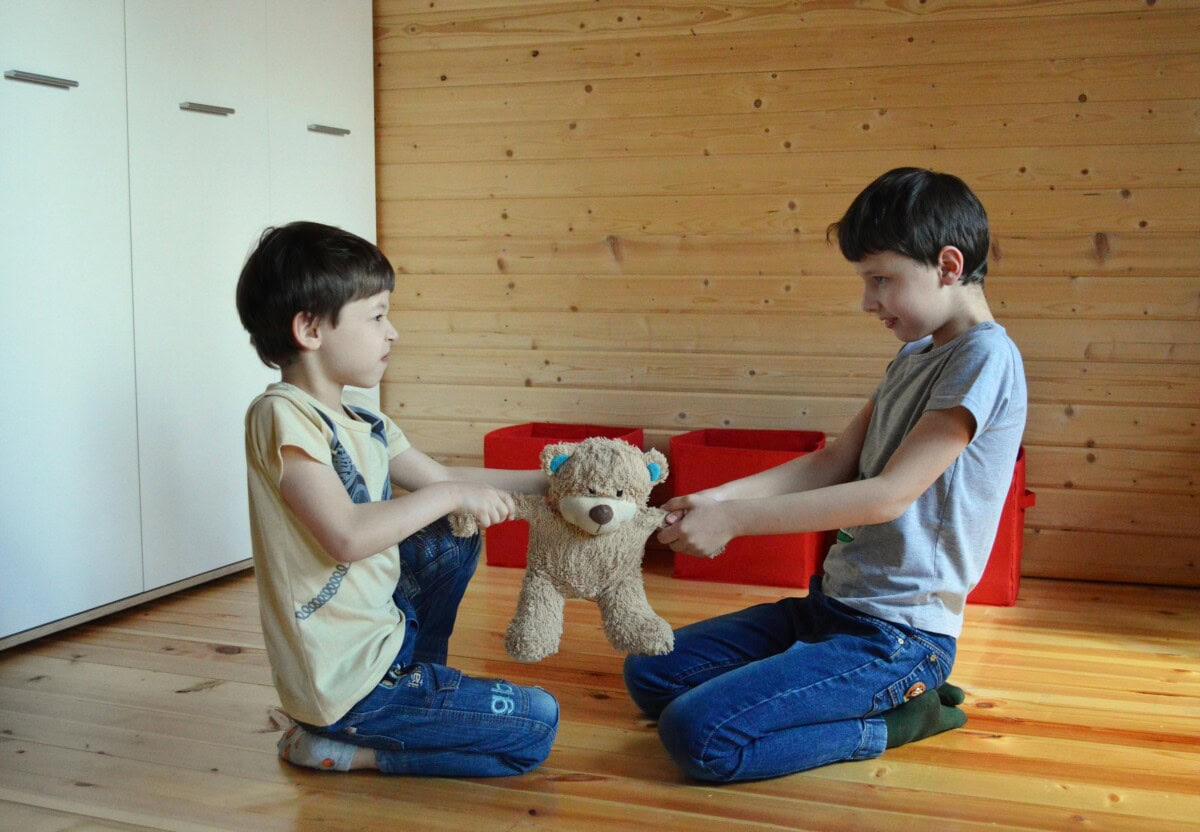
That familiar sound of escalating voices fills the house again. One second the siblings were playing peacefully, and the next moment, World War III has erupted in the living room. Sound familiar? Sibling rivalry is as old as time, yet dealing with the daily battles between brothers and sisters remains one of parenting’s greatest challenges. This comprehensive how to deal with sibling rivalry guide explores practical strategies to reduce sibling conflict, foster meaningful bonds, and transform your home from a battleground to a playground where siblings can thrive together. By understanding the underlying causes of sibling rivalry and implementing proven techniques, parents can help children develop valuable conflict resolution skills that will benefit them throughout life.
What is Sibling Rivalry and Why is it So Normal?
Sibling rivalry refers to the competitive, sometimes hostile relationship between brothers and sisters that often manifests through arguments, jealousy, and competition for resources or parental attention. Rest assured, these conflicts are completely normal for kids and occur in virtually every family with multiple children.
Research shows that sibling rivalry often begins shortly after the birth of a second child and can continue throughout childhood. Studies suggest that siblings between ages 3-7 typically engage in some form of conflict approximately 3.5 times per hour! The good news? These disagreements, while frustrating, actually provide valuable opportunities for children to learn essential social skills.
While constant fighting might feel overwhelming, remember that through these conflicts, children experience important lessons in negotiation, compromise, and understanding different perspectives. A certain amount of bickering between siblings helps children build resilience and develop the emotional intelligence needed to navigate future relationships. Without rivalry, children might miss crucial opportunities to practice conflict resolution skills in a safe environment.
What Are the Causes of Sibling Rivalry That Every Parent Should Know?

Understanding the underlying causes of sibling rivalry helps parents address the root issues rather than just managing surface behaviors. Several factors contribute to friction between siblings:
- Developmental differences: Children at different stages have varying abilities to communicate, share, and understand others’ perspectives
- Competition for resources: Limited parental attention, toys, space, and time
- Individual temperaments: Some personality types naturally clash more than others
- Family dynamics: Parents’ relationships with each child and modeling of conflict
One child may feel threatened when a new baby enters the family, creating feelings of displacement and jealousy. This natural reaction often intensifies when children perceive differences in how parents treat each sibling. Moreover, children who feel their brother or sister receives more parental attention might act out to gain notice, further fueling the rivalry cycle.
External factors can exacerbate these tensions too. Family stress, transitions like moving homes or changing schools, and even simple tiredness or hunger can turn minor squabbles into major battles. Recognizing these triggers allows parents to be proactive rather than reactive when tension builds between siblings.
How Can You Tell When Sibling Rivalry Becomes Something More Serious?
While sibling squabbles are normal, it’s important to distinguish between typical conflict and concerning behavior that requires intervention. Healthy sibling conflict usually resolves quickly, involves fair negotiation, and doesn’t leave lasting emotional damage.
Warning signs that sibling rivalry becomes unhealthy include:
- Constant aggression or violence between siblings
- One child consistently victimizing another
- Intense hatred or extreme fear between siblings
- Conflicts that significantly disrupt family functioning
- Sibling bullying involving persistent name-calling or emotional abuse

The difference between normal competition and harmful conflict often lies in the intensity, frequency, and resolution of disagreements. When one sibling seems genuinely afraid of another or when rivalry consistently prevents children from enjoying family activities together, parents need to step in more actively.
Most importantly, trust your intuition. If something feels wrong about the way your children relate to one another, seeking professional help from a family therapist might provide valuable perspective. Early intervention can prevent patterns of harmful interaction from becoming entrenched in the sibling relationship.
What Are the Best Ways On How To Deal with Sibling Rivalry?

When it comes to managing sibling rivalry effectively, taking a strategic approach rather than simply reacting to each fight makes all the difference. Parents can help children navigate conflicts by establishing a foundation of respect and communication within the family.
Creating an atmosphere where siblings feel secure in their relationship with parents helps minimize competitive behavior. Some practical strategies include:
- Setting clear, consistent boundaries about acceptable behavior
- Avoiding comparisons between siblings
- Teaching children to express feelings with words instead of actions
- Maintaining neutrality during disputes rather than taking sides
Proactive parents might establish family rules that specifically address how siblings should treat one another. For example, “In our family, we speak respectfully even when angry” or “Hands are for helping, not hurting.” When children know the expectations, they’re more likely to meet them.
Additionally, giving each child regular one-on-one time can dramatically reduce rivalry. When children feel secure in their special relationship with parents, they’re less likely to view their sibling as a rival for attention. Even 15 minutes of dedicated parent-child time daily can go a long way toward reducing jealousy and conflict between siblings.
How Can Parents Help the Older Child Adjust?
The firstborn child often struggles with unique challenges when siblings enter the picture. Understanding this perspective helps parents support the older child through this significant transition.
When a new baby arrives, the older sibling may experience a profound sense of displacement after years of enjoying undivided parental attention. This natural reaction can manifest as regression, aggression toward the new sibling, or withdrawal. Parents can help by:
- Acknowledging the older child’s feelings without judgment
- Involving them in age-appropriate care of the younger sibling
- Maintaining special routines established before the baby’s arrival
- Highlighting the privileges of being the “big” sibling
An older child needs reassurance that they haven’t been replaced. Saying things like, “You’ll always be our first special child” or “Being a big brother comes with special privileges” can help validate their unique position. At the same time, avoid overburdening them with excessive responsibilities for their younger siblings.
Finding opportunities to celebrate the older sibling’s achievements separately from family events centered on the younger child helps maintain their sense of identity. For example, if much attention is focused on a younger child’s first steps, make sure to also acknowledge recent accomplishments of the older sibling.
What Strategies Help the Younger Child Navigate Sibling Relationships?


Younger siblings face their own set of challenges, often living in the shadow of more experienced, capable older siblings. Parents can implement specific approaches to help the younger child develop confidence and a strong sense of self.
The younger child may struggle with constant comparisons, whether from family members, teachers, or even self-imposed expectations. To counteract this, parents should:
- Avoid phrases like “Your sister could already tie her shoes at your age”
- Create opportunities for the younger child to develop unique interests
- Celebrate their developmental milestones without comparison
- Allow them to solve problems independently rather than relying on an older sibling
Younger siblings might also contend with the “baby of the family” stereotype, sometimes feeling less capable or taken less seriously. Assigning age-appropriate responsibilities helps them feel valued and competent. For instance, even a three-year-old can help set the table or sort laundry, building confidence in their contributions to family life.
Ensuring that family rules apply equitably to all children (with age-appropriate adjustments) helps prevent the younger child from feeling either overly restricted or unfairly privileged. When each sibling understands that rules reflect their developmental needs rather than parental favoritism, resentment diminishes.
How Can Parents Stop Sibling Fighting in the Moment?
When siblings are in the midst of a heated argument, immediate intervention strategies can prevent escalation and teach valuable skills. The goal isn’t just to end the current fight but to help children develop better conflict management for future disagreements.
During intense conflicts, try these de-escalation techniques:
- Separate fighting siblings to different areas temporarily
- Use a calm, neutral tone rather than adding more emotion
- Avoid interrogating about “who started it”
- Implement the “count to 10” rule before discussing the problem
- Focus on the behavior, not character (“That was a hurtful action” vs. “You’re being mean”)
Physical space management makes a significant difference during conflicts. Sometimes simply moving siblings to different rooms allows emotions to cool. For younger children, establishing “peace corners” with calming activities can provide a constructive way to regain emotional control before attempting resolution.
Timing interventions appropriately requires judgment. Not every disagreement needs parental involvement—children often resolve minor disputes themselves when given the chance. However, when words to use turn hostile or physical confrontation seems imminent, stepping in promptly prevents harmful escalation and models appropriate boundary-setting.
What Prevention Strategies Reduce Sibling Fighting Before It Starts?

Preventing conflicts before they erupt requires thoughtful consideration of the environment and dynamics that trigger sibling fighting. With some planning, parents can significantly reduce the frequency and intensity of disagreements.
Creating a collaborative rather than competitive atmosphere at home sets the foundation for positive sibling interactions. Consider these preventative approaches:
- Structuring the physical environment to minimize trigger points (like separate storage for personal belongings)
- Scheduling regular one-on-one time with each child
- Teaching and reinforcing sharing skills appropriate to each child’s developmental stage
- Planning fun family activities that promote cooperation rather than competition

Anticipating common conflict scenarios helps parents prepare children for potential friction points. For example, before visitors arrive, have a conversation about sharing toys or taking turns showing guests special projects. This proactive approach gives siblings tools to handle potential conflicts successfully.
Environmental modifications can dramatically reduce fighting over toys and space. Having duplicate versions of highly desired items, creating zones for individual play, and establishing systems for taking turns with special items addresses many common sources of conflict. Remember that for children, perception of fairness often matters more than objective equality.
How Can Parents Handle Sibling Disputes Effectively?
When siblings need help resolving conflicts, effective mediation teaches valuable skills while respecting each child’s perspective. The goal is to guide children toward their own solutions rather than imposing parental judgments.
Active listening techniques form the foundation of successful mediation. Parents can:
- Give each child uninterrupted time to express their perspective
- Reflect back what each sibling has said to confirm understanding
- Help children identify the actual problem beneath the argument
- Focus on interests rather than positions (“You both want to feel respected” vs. “You both want the same toy”)
For younger children, offering limited choices works better than open-ended problem-solving. “Would you like to take turns with the tablet for 15 minutes each, or would you prefer to choose different activities?” provides structure while still giving children agency in the resolution process.
Following through on agreements reached during mediation reinforces accountability. When children help generate solutions to their disputes, they develop ownership of the outcome. Parents should check back later: “I notice you’ve been taking turns with the game console as you agreed. That’s showing real maturity and respect for each other.”
How Can Parents Deal with Recurring Conflict Patterns?

Some sibling conflicts seem to replay on loop, suggesting deeper patterns that need addressing. Breaking these cycles requires identifying triggers and implementing consistent responses across all caregivers.
To handle recurring conflicts effectively:
- Keep a simple log to identify patterns (time of day, activities, or situations that consistently trigger arguments)
- Discuss observations with children when everyone is calm
- Develop specific strategies for high-frequency conflict scenarios
- Create positive reinforcement systems that reward cooperation
For example, if siblings consistently argue during transition times like getting ready for school, implementing a visual schedule and building in extra time might reduce stress and conflict. Or if children fight over screen time, a clear rotation system with timers removes the perception of favoritism.
Consistency in approaches between parents, grandparents, and other caregivers prevents children from “testing” different adults with the same behaviors. Regular communication between adults about effective strategies ensures children receive unified messages about acceptable interaction between siblings.
How Can Family Meetings Help Resolve Sibling Conflicts?
Structured family meetings provide a forum for addressing recurring issues, celebrating successes, and building family unity. This formal yet warm approach to communication teaches children valuable skills while reducing day-to-day conflicts.
To hold effective family meetings:
- Schedule regular times (weekly works well for most families)
- Keep meetings brief (10-15 minutes for younger children, longer for teens)
- Allow all family members to add agenda items
- Balance problem-solving with positive recognition
- End with something enjoyable, like a family game or special snack
During these meetings, siblings can voice concerns in a controlled environment where emotions aren’t running high. Parents facilitate rather than dominate the conversation, helping children articulate problems clearly and consider potential solutions. This process empowers siblings to participate in creating new household rules or modifying existing ones.
Following up on previous meeting resolutions shows children that their input matters. When families consistently implement solutions developed together, children learn that constructive problem-solving gets results. This experience translates to improved conflict resolution skills between siblings even outside formal meeting times.
Why Do Children Argue and How Can We Teach Healthy Disagreement?

Understanding that disagreement itself isn’t negative—it’s how disagreement happens that matters—helps parents approach sibling conflict constructively. Children argue for many reasons: to assert independence, test boundaries, process emotions, or simply because they haven’t yet developed sophisticated communication skills.
Teaching healthy disagreement involves:
- Normalizing different opinions and preferences
- Modeling respectful disagreement between adults
- Providing specific language for expressing frustration appropriately
- Recognizing and celebrating when children resolve conflicts well
Parents can introduce phrases that help children express disagreement respectfully: “I have a different idea” or “I don’t see it that way” instead of “You’re wrong!” Teaching the skill of perspective-taking through questions like “How do you think your sister feels right now?” helps children develop empathy alongside assertiveness.
Role-playing common conflict scenarios when everyone is calm allows siblings to practice new skills without the heat of real emotion. This technique works particularly well for children who struggle with emotional regulation during actual conflicts. With practice, children learn that disagreeing doesn’t mean disrespecting or disliking each other.
What Are the Best Ways to Help for Sibling Relationships and Build Lasting Bonds?
Beyond managing conflicts, parents can actively foster positive connections between siblings that develop into lifelong supportive relationships. Creating opportunities for siblings to enjoy each other’s company lays the foundation for enduring bonds.
Some effective approaches include:
- Creating sibling rituals and traditions (Saturday morning pancakes made together, annual sibling photos)
- Encouraging collaborative projects that utilize each child’s strengths
- Teaching siblings to celebrate each other’s accomplishments
- Sharing family stories that emphasize sibling support and connection
When siblings spend time together in enjoyable activities without competition, they discover common interests and build shared memories. Something as simple as a weekly “sibling movie night” with alternating film choices teaches cooperation while creating positive associations with togetherness.
Parents can subtly highlight complementary strengths between siblings: “Noah is great at building things, and Emma has amazing design ideas—together you created something neither could have made alone!” This approach helps children see value in their differences rather than viewing them as sources of comparison or competition.
How Can Parents Stop Sibling Rivalry Long-Term and When Should They Seek Help?

Taking the long view on sibling relationships helps parents maintain perspective during difficult phases. Sibling rivalry evolves as children grow, and strategies must adapt accordingly.
For long-term harmony between siblings:
- Adjust expectations based on developmental stages
- Talk about sibling relationships in positive terms
- Share stories of your own sibling experiences (both challenges and joys)
- Model healthy conflict resolution in all relationships
As children mature, their capacity for empathy, self-regulation, and negotiation grows. What works for toddlers and preschoolers (like physical separation during conflicts) evolves into more sophisticated approaches for school-age children and adolescents (like family problem-solving meetings).
Sometimes, despite parents’ best efforts, sibling rivalry becomes entrenched or harmful. Consider seeking professional help if:
- One child seems genuinely afraid of a sibling
- Physical aggression continues despite consistent intervention
- A child expresses persistent hatred toward a sibling
- Family life is consistently disrupted by sibling conflict
- Parent-child relationships suffer due to constant mediation
Remember that seeking help isn’t a sign of parental failure but rather a commitment to family well-being. A family therapist can provide valuable perspective and techniques tailored to specific family dynamics.
Key Takeaways for Managing Sibling Rivalry
- Sibling rivalry is normal and can actually help children develop important social skills when managed properly
- Understanding the underlying causes of sibling rivalry helps address root issues rather than just symptoms
- Distinguish between typical sibling conflict and concerning behavior that requires more intensive intervention
- Proactive strategies like clear family rules and one-on-one time prevent many conflicts
- Support both older and younger children through their unique challenges in the sibling relationship
- Use immediate intervention techniques during heated conflicts that teach rather than punish
- Create environmental and scheduling arrangements that minimize trigger points for conflict
- Guide children to generate their own solutions through effective mediation
- Address recurring conflict patterns through consistent approaches across all caregivers
- Implement regular family meetings to address issues and celebrate successes
- Teach healthy disagreement skills that children can use throughout life
- Foster positive sibling bonds through shared experiences and recognition of complementary strengths
- Adjust strategies as children develop and don’t hesitate to seek professional help when needed
Remember, the goal isn’t to eliminate all sibling conflict—that’s unrealistic—but rather to help children handle disagreements constructively and build relationships that will support them throughout life. With patience, consistency, and the right approaches, sibling rivalry can transform from a daily battleground into valuable learning opportunities that strengthen family bonds.
FAQs
What are some common reasons why kids fight and how can I help them learn to resolve their conflicts?
Kids often fight over toys or attention, and it can be a part of growing up. To teach conflict resolution, parents can hold a family meeting to discuss interests and needs, encouraging siblings to express themselves and find common ground.
How can I teach my kids to handle things when they feel resentful towards each other?
Teaching kids skills to resolve conflicts can be effective. Encourage them to communicate openly about their feelings and work on understanding each other’s perspectives, which can help them navigate their resentments.
What steps can I take to end sibling rivalry in my home?
To end sibling rivalry, you can establish rules for acceptable behavior, promote teamwork through family activities, and teach kids to recognize and respect each other’s feelings, ultimately fostering a more harmonious environment.
Is it normal for adult siblings to have conflicts, and how can we handle them?
Yes, adult siblings can also experience conflicts. It’s important to communicate openly, respect each other’s boundaries, and occasionally revisit family discussions to address unresolved issues and maintain peace.
How can I stop the fighting between my kids during playtime?
To stop the fighting, set clear rules for acceptable behavior during play and encourage cooperative games that require teamwork. This can help them learn to share and understand each other’s needs.
What are some effective ways to encourage my kids to work together as a family?
You can encourage collaboration by organizing family projects or games that require teamwork. This not only helps reduce rivalry but also strengthens their bond as siblings.
How can I help my children when they still seem to hate each other despite my efforts?
If your kids still struggle with feelings of hate, consider seeking professional guidance. A child psychologist can provide strategies to help them learn empathy and develop stronger communication skills.
Can teaching my kids conflict resolution skills really make a difference in their relationship?
Absolutely! Teaching kids conflict resolution skills is a way to encourage them to manage conflicts independently, which can significantly improve their relationship and reduce incidents of fighting over trivial matters.
What should I do when my children are fighting over a toy?
When kids fight over a toy, intervene calmly and remind them of the rules for acceptable behavior. Encourage them to take turns or find a way to play together, which can help them learn to share and cooperate.
How do I know if my efforts to help my kids grow closer are working?
You can gauge the effectiveness of your efforts by observing their interactions. If they start to engage in more cooperative play and communicate better, it’s a sign that they are learning to appreciate each other’s interests and needs.
You might also be interested in…
Interested in repairing the bond between your kids? Check out this link to nurturing a bond between siblings!
CONNECT WITH DAILY MOM
💖 NEWSLETTER: DAILY READS IN YOUR INBOX 💖
Sign up to receive our picks for the best things to do, see and buy so you can relax and focus on more important tasks! Let us help you be the best version of yourself you can be!
BE SOCIAL WITH US
📌 LOVE IT? PIN IT!📌


