


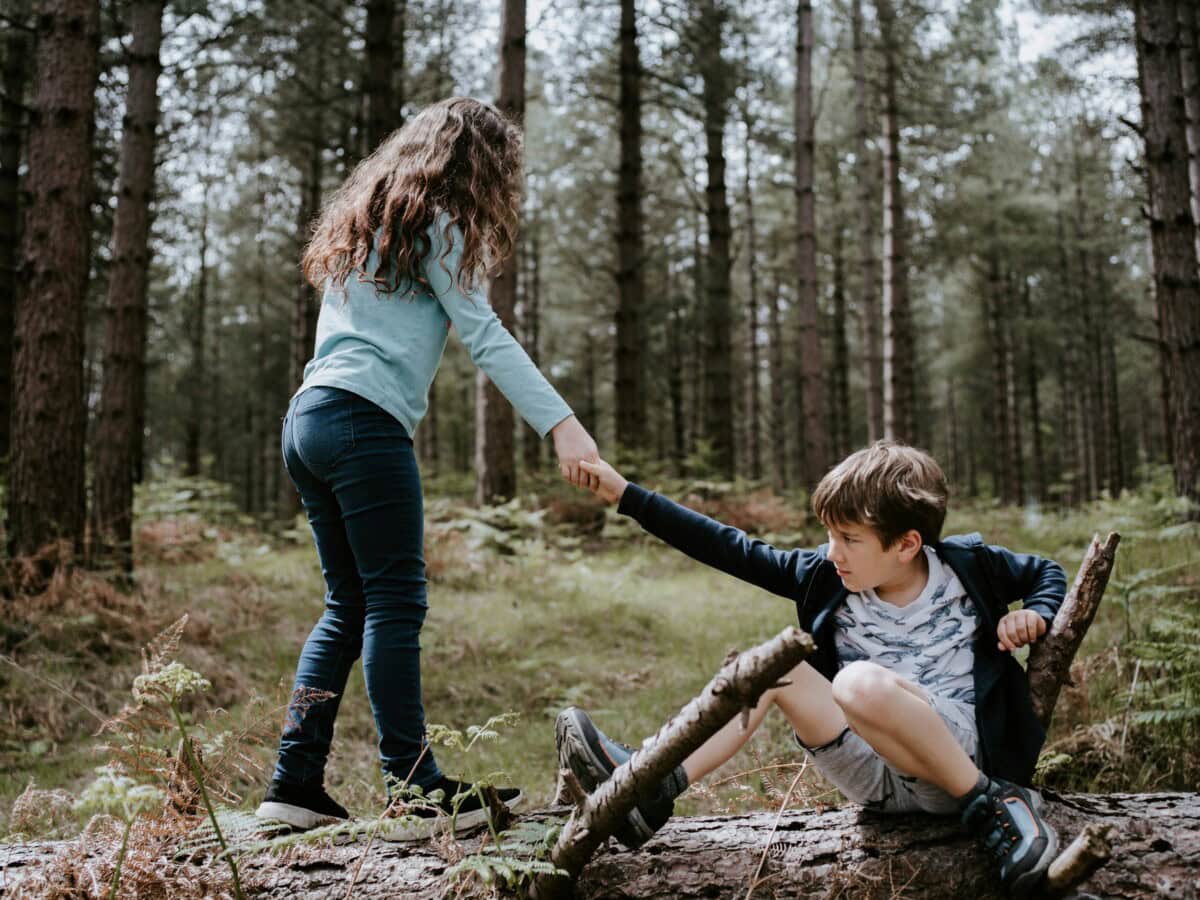
Siblings can be the greatest gift a child receives. That built-in friend, rival, teammate, and confidant—all wrapped into one relationship. The bond is unlike any other, filled with shared memories, inside jokes, and the kind of understanding that comes from growing up side by side.
Still, that closeness doesn’t always come naturally. Kids fight. Tempers flare. Moments of jealousy or competition are part of life. However, with the right support, children can grow into siblings who love each other deeply, respect one another’s differences, and stand strong together through every stage of life.
Raising loving siblings means more than just keeping the peace. It’s about nurturing lifelong friends, creating a strong sibling connection that lasts well beyond childhood. With patience, consistency, and a little intention, it’s possible to raise siblings who are proud of one another, enjoy each other’s company, and build a bond that truly lasts forever.

Why Raising Loving Siblings Matters in Parenting
When kids grow up with siblings who love and respect each other, it changes how they see the world—and their place in it. A strong bond gives children a sense of belonging and a built-in support system that can last a lifetime. While friends may come and go, siblings who are friends often stick around through the highs, the lows, and everything in between.
For parents, raising siblings who love one another isn’t just a feel-good goal—it plays a huge role in shaping the overall family dynamic. It sets the tone for the way children learn to treat others, resolve conflict, and show empathy. That early connection becomes the foundation for many of the relationships they’ll build later in life.
The sibling relationship doesn’t just stay in childhood. It continues to evolve through every stage—helping to create stability, comfort, and continuity as kids grow into adults.
The Foundation of a Strong Sibling Relationship
Sibling relationships start long before kids understand what it means to love someone deeply. From the earliest interactions, they begin learning how to share, negotiate, and exist together under one roof. These first lessons in relationship-building often come from their siblings—and they matter.
A strong sibling relationship isn’t built in a day, but certain habits and attitudes help form a loving bond between siblings early on.
- Spend one-on-one time – Give each child separate attention to make them feel seen and valued.
- Praise acts of kindness – Acknowledge when siblings help each other or show care without being asked.
- Show equal affection – Avoid favoritism by expressing love and support to each child openly and often.
- Support individuality – Encourage each sibling’s unique interests and strengths to build self-worth.
- Celebrate differences – Help kids understand that being different from each other is healthy, not a threat.
Each of these small actions plays a part in raising siblings who love each other and grow into stronger individuals because of the connection they share. That foundation of mutual respect and trust becomes something they carry into every other relationship.
How a Loving Sibling Bond Impacts Childhood and Beyond

The effects of a loving relationship between siblings aren’t just felt in the moment—they ripple out for years. Siblings who love, support, and understand one another often grow into adults with stronger social skills, greater empathy, and more resilience.
Even when kids fight, having a sibling who listens and shows up for them can make all the difference. The sibling bond becomes a source of comfort through life’s uncertainties and changes.
- Builds stronger communication – Siblings who talk and listen well learn how to express themselves clearly.
- Boosts emotional security – A strong bond gives children a sense of safety and belonging.
- Eases major transitions – Siblings often provide comfort during big life changes like school moves or family shifts.
- Encourages healthy risk-taking – When kids feel supported at home, they’re more likely to try new things.
- Teaches loyalty and trust – Defending and standing up for each other creates confidence and closeness.
These lifelong benefits make raising best friends one of the most impactful parts of parenting. When nurtured, this bond becomes a steady, reliable presence—something that brings comfort during childhood and strength in adulthood.
Understanding the Sibling Relationship Dynamic
The sibling relationship is complex—rich with moments of connection, but also full of opportunities for conflict. It’s often the first close relationship a child has, influenced by things like family dynamics, personality differences, age gaps, and how much one-on-one time each sibling gets with their parents.
Some siblings seem to click from day one, while others need more time to warm up to each other. That’s normal. Each sibling relationship is unique, but understanding what shapes it can help parents nurture it more intentionally. The goal isn’t to eliminate every disagreement—it’s to foster a strong sibling bond that helps kids grow, learn, and love through those disagreements.
What Shapes the Way Siblings Treat Each Other
A sibling relationship doesn’t develop in a vacuum. Kids pick up cues from the world around them, especially from their parents. How children treat their siblings is influenced by their experiences, environment, and daily interactions.
- Parental modeling makes a difference – Kids learn how to treat each other based on how they see adults handle conflict, communication, and respect.
- Birth order can play a role – An older sibling might feel pressure to be “in charge,” while a younger sibling may act out to get attention.
- Time with each child matters – When siblings feel equally valued, they’re less likely to compete or fight for your attention.
- Big personality differences – One child might be slow to warm, while another jumps into new situations—leading to misunderstanding between them.
- Changes in the home – Moving, adding a new baby, or family stress can create tension that spills into the sibling relationship.
Understanding these influences doesn’t mean controlling them—but it helps parents find ways to respond with more empathy, intention, and strategy.
Common Challenges Between Siblings
Even siblings who love each other deeply will face moments of frustration. These challenges are a part of life, not a failure of parenting. The key is knowing how to respond and help your children through them without making one child feel like “the problem.”
- Sibling rivalry is real – It often shows up when kids feel the need to compete for praise, space, or independence.
- Kids fight over fairness – Perceived favoritism or uneven treatment can quickly create negative feelings toward each other.
- Differences in developmental stages – A teenager and a young sibling might have very different needs and boundaries, which can cause friction.
- Clashing communication styles – Some kids are loud and direct, others more sensitive—this mismatch can lead to hurt feelings or misunderstandings.
- Fighting becomes a habit – If not addressed early, small sibling fights can snowball into more frequent, intense conflicts.
Keep in mind that these aren’t signs of a broken sibling bond—they’re opportunities to step in, teach, and guide. With the right support, even the messiest sibling dynamics can grow into positive sibling relationships that last a lifetime.

Practical Tips to Raise Loving Siblings
Every parent hopes their kids will get along well, share snacks instead of side-eyes, and build a loving relationship that lasts. But let’s be honest—raising siblings who genuinely enjoy each other’s company is something many parents struggle with. Still, it’s completely possible to foster a stronger sibling connection with small, consistent shifts in everyday parenting.

Creating a peaceful and positive sibling dynamic doesn’t mean preventing every argument. Instead, it means setting the tone, guiding behavior, and teaching your children how to see each other as teammates rather than competition.
Everyday Habits That Nurture Love and Respect
The little things make the biggest difference. Even when kids fight, what they experience daily begins to shape their default way of responding to each other. Simple habits, repeated consistently, help build trust, connection, and the kind of closeness that holds up through life’s tougher moments.
- Make kindness the norm – Reinforce gentle words, listening, and care as everyday behavior—not just during big moments.
- Encourage small acts of help – Asking one sibling to help read a story or assist with a task builds collaboration and care.
- Use positive labels – Refer to them as a “team,” “helpers,” or “buddies” to foster unity and shared purpose.
- Rotate shared responsibilities – This keeps things fair and helps both the older brother and younger sister learn compromise.
- Laugh and play often – Doing fun things together—from board games to backyard soccer—boosts joy and reduces tension.
These habits become part of your child’s routine experience with their sibling, helping to raise siblings who see each other as partners, not rivals.
Modeling Kindness and Conflict Resolution
Teaching our kids how to treat each other starts with what they see from the adults in the room. How conflicts are handled, how feelings are acknowledged, and how mistakes are repaired—all of it gets absorbed quickly.
- Name emotions openly – Saying things like “That made you feel left out” gives kids language to express themselves calmly.
- Show what repair looks like – Apologizing as a parent when needed shows them that accountability builds trust.
- Guide them through disagreements – Help them listen to each other’s perspective instead of jumping to blame.
- Focus on fairness, not equality – Explain why different situations call for different responses, which builds understanding.
- Recognize when to step back – Sometimes, kids can often solve smaller issues themselves—and that builds confidence.
Moments like this help shape siblings who not only love each other, but also learn how to handle tough emotions and get along well.
How to Help Siblings Appreciate Each Other
Improving sibling relationships often begins with one overlooked thing: gratitude. When kids are guided to notice each other’s strengths, it’s easier to appreciate, not resent, their differences.
- Celebrate their wins together – When one child succeeds, invite the other to cheer them on. It builds a culture of shared pride.
- Point out the positives – Casually highlight when brothers and sisters make each other laugh or when one steps up without being asked.
- Create “shout-out” moments – At dinner or bedtime, take a moment for each sibling to say one thing they liked about the other.
- Assign joint projects – Something like organizing their room or planning a weekend activity gives them a shared goal.
- Use storytelling – Share family memories that reflect how they’ve helped or supported one another in the past.
The goal isn’t forced affection—it’s creating awareness. When siblings notice what makes their relationship special and unique, they become more invested in protecting it.
Building a Strong Sibling Bond from the Start
The early years are powerful. This is when friendship begins to form—or falter. While personality plays a role, the bond doesn’t just “happen.” Parents look for opportunities to foster connection from the beginning, and it sets the tone for how siblings relate as they grow.
Think of the sibling relationship as a long game. The more meaningful moments kids share early on, the more trust and closeness builds underneath the surface. When they feel like teammates rather than rivals, it changes everything. Raising siblings who get along well later often starts with intentional connection now.
Encouraging Connection Through Shared Experiences
Spending quality time together doesn’t mean planning elaborate outings. Simple, everyday experiences help build siblings to love and rely on one another. These shared moments become the emotional glue of their relationship.
- Do low-pressure playdates at home – Blocks, crafts, or pretend play give kids space to bond naturally.
- Include them both in simple tasks – Washing the car or baking muffins becomes more fun when it’s a joint effort.
- Let them dress alike sometimes – Even wearing matching shirts can build a sense of belonging (and makes for great photos).
- Rotate their “helper” roles – One helps set the table, the other clears it. It teaches balance and shared contribution.
- Get outside together – Nature walks, chalk art, or kicking a ball around are easy ways to enjoy fun things together.

Shared experiences like these make it more natural for kids to show kindness to each other, even when conflict arises.
Rituals and Routines That Strengthen the Bond
Consistency brings comfort. Familiar routines offer a sense of safety that strengthens the sibling connection. It doesn’t have to be fancy—it just has to feel reliable.
- Create a bedtime ritual – Whether it’s a story, a song, or a high-five, it becomes their special time.
- Celebrate sibling milestones – A first loose tooth or lost game is more memorable when shared together.
- Introduce sibling traditions – Pizza Fridays, silly sock days, or movie nights can become just their thing.
- Rotate the “leader” – Let each sibling take turns choosing an activity or book to read. It teaches mutual respect.
- Mark seasons with rituals – Pumpkin picking in fall or popsicles on the porch in summer create joyful memories.
Through routines, siblings form an emotional rhythm that anchors them—even when personalities clash. Kids get a sense of security knowing their sibling is part of those rhythms too.

Strategies to Help Reduce Sibling Rivalry
Sibling rivalry is something many families experience—even in the most loving homes. While competition and conflict are natural, they don’t have to define the sibling dynamic. When kids feel heard, respected, and secure in their place within the family, those heated moments don’t have to spiral into long-term resentment.
Many parents assume that constant bickering is just part of growing up, but small changes in approach can lead to big shifts in how siblings treat one another. With a bit of structure, patience, and a focus on fairness, it’s absolutely possible to help siblings fight less and get along more.
Tips to Reduce Sibling Conflict Without Taking Sides
If a disagreement pops up, it’s tempting to jump in as the referee. Being too quick to pick sides can add fuel to the fire. Kids become hyper-aware of perceived “favorites,” and tension grows. Instead, focus on guiding them toward solutions without labeling one as the troublemaker.
- Avoid blame and labels – Saying “You always do this” reinforces roles like “the instigator” or “the victim.”
- Give them space to cool off – Stepping away for a few minutes can keep emotions from boiling over.
- Help both kids feel heard – Restate what each child says to show their feelings matter.
- Encourage shared problem-solving – Ask what each sibling thinks is a fair solution and try it out together.
- Use gentle humor – Sometimes laughter (not sarcasm) lightens the mood and helps everyone reset.
Children can often work through conflict when they feel emotionally safe—not just corrected. This builds long-term skills for managing differences.
Creating a Fair and Supportive Home Environment
One of the biggest triggers of sibling rivalry is the belief that one child gets more—more attention, more praise, more freedom. Creating an environment where each child feels valued can reduce that tension before it even starts.
- Offer individual attention – A few minutes one-on-one can make a big difference in how secure each child feels.
- Acknowledge strengths uniquely – Rather than comparing, highlight what makes each sibling special in their own way.
- Stay neutral when possible – Let them work things out without inserting judgment too quickly.
- Keep boundaries consistent – Fair doesn’t mean identical, but it should feel balanced from the child’s perspective.
- Encourage respect for privacy – Let each child have their own “space” to unwind or recharge.
A family therapist or sibling expert will often point out that feeling secure in the family unit is the foundation for stronger relationships between siblings. When children don’t feel like they’re fighting for attention, they’re more open to getting along.
Supporting Each Other Through Life’s Ups and Downs
Life is full of highs, lows, and everything in between—and having a sibling to go through it all with is one of childhood’s greatest gifts. Still, that kind of emotional support doesn’t always happen naturally. Kids need help learning how to be there for each other, how to show empathy, and how to stick together when things get messy.
Encouraging siblings to lean on one another early helps build a sense of loyalty that can carry them through even the toughest days. That kind of connection helps kids get along better not just in the moment, but long-term.
Helping Siblings Show Up for One Another
Support can look different depending on the situation. No matter if it’s a bad day at school or nerves before a big game, knowing their sibling has their back builds emotional safety and connection.
- Celebrate the little things together – High-fives, silly dances, and shout-outs for small wins build a positive cycle of support.
- Encourage check-ins – Suggest kids ask each other, “Are you okay?” or “Want help with that?” during tough moments.
- Reinforce moments of kindness – Call out when one sibling comforts the other or offers encouragement.
- Make helping part of the family culture – It doesn’t matter if it’s picking up a dropped toy or fetching a snack, support becomes second nature.
- Don’t force “fixing” emotions – Teach that just sitting next to someone who’s upset is sometimes the best kind of support.
Once kids start experiencing how good it feels to be there for someone else, kids love doing it again—and that emotional generosity flows naturally into their sibling dynamic.
Teaching Empathy, Compassion, and Forgiveness
Strong sibling bonds don’t mean never getting hurt. Misunderstandings and arguments happen. What matters is how kids learn to respond—to feel with each other, to say sorry, and to make things right.
- Read stories that model empathy – Books are a simple, powerful tool to introduce these concepts without lecturing.
- Point out real-life moments – When someone’s sad or hurt, gently bring it to your child’s attention and ask how they might feel.
- Practice “do-overs” – Let siblings try again when they react poorly. It teaches that mistakes don’t define them.
- Talk about forgiveness often – Not just saying “I’m sorry,” but also hearing “I forgive you” matters.
- Keep it age-appropriate – Compassion looks different at five than it does at fifteen, but the lesson is always worth teaching.
Compassion is something kids get along with best when they see it modeled and practiced in everyday life. It’s not always easy to find the right words, but showing them how to care deeply and make amends sets the tone for a lifelong bond.

Raising Loving Siblings Through All Ages
Relationships between siblings shift as kids grow. What works with toddlers may fall flat with teens—and that’s totally normal. Even though the bond stays, the way siblings connect will change again and again over the years. What matters is adjusting your parenting approach to stay in tune with those changes.
Many parents wonder how to keep siblings close as they go through new stages, especially when personalities start to feel like polar opposites. The key? Stay flexible, stay involved, and always keep the sibling bond in view.
From Toddlers to Teens: Adapting Your Parenting Style
With each stage of childhood, emotional needs shift. Toddlers are learning how to share, elementary-age kids crave structure, and teens need independence—but all of them need to feel supported by their sibling.
- Create space for independence – Older kids may need time away from younger siblings, and that’s okay. Respecting this can prevent resentment.
- Remind them they’re on the same team – Shared family goals or challenges (like a group clean-up) build unity.
- Adjust expectations with age – A toddler won’t understand fairness the same way a 10-year-old does.
- Keep reinforcing kindness – It’s never too late to model what respect, patience, and support look like.
- Encourage shared roles – Let teens take a leadership role sometimes—it empowers them and brings a sense of purpose.
Across ages, your presence and perspective help shape how they relate to one another. Loving siblings aren’t built in a day—but steady effort goes a long way.
Strengthening the Sibling Relationship in the Teenage Years
The teen years can stretch the sibling bond—but they also offer opportunities for surprising closeness. With the right balance of freedom and encouragement, even the most distant siblings can reconnect in meaningful ways.
- Support shared interests when possible – Whether it’s video games, music, or late-night snacks, common ground is golden.
- Give them privacy and time apart – Being together all the time can create friction. Let them come back to each other on their own terms.
- Encourage sibling-only traditions – Let teens create their own rituals that don’t involve parents.
- Remind them they’re part of each other’s history – No one else knows their childhood like a sibling does.
- Stay present but don’t force closeness – Trust that the foundation you’ve built matters, even if they don’t show it right away.
Closeness during the teen years can be hard to find, but with patience and trust, even strained relationships can surprise you. Some of the deepest sibling friendships bloom just before adulthood.
When Siblings Struggle: How to Help Them Reconnect
Even the strongest bonds hit a rough patch. Some siblings drift apart. Others go through periods of tension or resentment. It’s never too late to help them find their way back to one another. Sometimes a little perspective—or a gentle push—can make all the difference.
Repairing a Broken Bond Between Siblings
Distance can creep in after major life changes, personality clashes, or long-standing misunderstandings. Reconnection won’t happen overnight, but small, intentional steps can create space for healing.
- Start with neutral moments – Game nights, car rides, or baking together lower the pressure.
- Talk about the shared past – Childhood memories often break the ice and soften tension.
- Respect their boundaries – Pushing too hard can backfire. Let them rebuild at their own pace.
- Offer empathy, not judgment – Validate both sides without trying to pick a winner.
- Keep the door open – Remind them that the bond is still worth fighting for, even if it’s rocky now.
Many sibling struggles are temporary, especially when there’s space for reconnection without pressure.
Encouraging Long-Term Relationship Growth
Just like any meaningful relationship, sibling closeness needs maintenance. Even when the daily routines change, their connection can grow deeper and more genuine with time.
- Encourage regular check-ins – Texts, calls, or video chats keep the bond alive even from afar.
- Celebrate one another’s milestones – Graduation, new jobs, or birthdays deserve a shoutout from a sibling.
- Support each other’s paths – Even if they’re completely different, each sibling deserves to feel cheered on.
- Make room for forgiveness – Letting go of old grudges can open up new seasons of closeness.
- Model sibling love in your own life – Talk about your own siblings or friends like family to show what that connection can look like.
Over time, siblings can evolve from childhood playmates to lifelong anchors—friends who truly get each other in ways no one else does.

Final Thoughts on Raising a Loving Sibling Relationship
Raising kids who love, support, and respect each other is one of the most meaningful parts of parenting. The sibling bond may start in shared toys and storytime, but it deepens through kindness, effort, and understanding. And while closeness isn’t automatic, it is possible—with intention and care.
- Sibling relationships take effort, not luck. They’re shaped by experiences, habits, and the emotional tone at home.
- Every stage of life offers new ways to connect. Toddlers, teens, and adults all need different kinds of sibling love.
- Conflict is normal, but how it’s handled matters. Teach skills like empathy, problem-solving, and forgiveness.
- Parents help build the bridge. From shared routines to respectful boundaries, your role sets the tone for lasting closeness.
- Even distant siblings can reconnect. Time, space, and gentle guidance can help mend almost any sibling bond.
- Siblings who love and support each other don’t just grow up together—they grow better together.
There’s no single method or perfect formula. Every sibling relationship is different, and some seasons will feel easier than others. What matters most is showing your kids how valuable their connection is—today, tomorrow, and into adulthood.
You might also be interested in…
Are you aiming for a drama-free home? Check out these 9 strategies for creating peace at home!
CONNECT WITH DAILY MOM
💖 NEWSLETTER: DAILY READS IN YOUR INBOX 💖
Sign up to receive our picks for the best things to do, see and buy so you can relax and focus on more important tasks! Let us help you be the best version of yourself you can be!
BE SOCIAL WITH US
📌 LOVE IT? PIN IT!📌


