


What is Sensory Play and Why is it Important?
Sensory play for preschoolers and toddlers is more than just fun, it’s a powerful developmental tool, especially for children with special needs. By definition, sensory play includes any type of hands-on, open-ended play that allows children to explore the world through touch, sound, sight, smell, or movement. This kind of sensory exploration helps support healthy sensory processing, which is often a challenge for children with sensory integration differences. Through structured and unstructured sensory experiences, play encourages self-regulation, attention, and motor development—making it a valuable strategy for therapists, educators, and families alike.
The Benefits of Sensory Play for Kids
Engaging in sensory play can be particularly beneficial for children who need extra support processing sensory input. Activities like water sensory bins, textured play dough, and fidget-friendly sensory play materials allow a child to explore at their own pace in a safe, calming environment. These are the best sensory activities for promoting language development, fine motor coordination, and emotional regulation. Sensory play also helps reduce sensory defensiveness by gradually exposing children to new textures and sensations. Whether in a classroom or at home, sensory play for preschoolers helps children learn how to navigate the world using all of their senses.
The Power of Sensory Play: Build Skills with Fun Sensory Play Ideas
The power of sensory play lies in its adaptability. It meets children exactly where they are, whether they’re just beginning to tolerate touch or ready for more complex activities like themed discovery bins. For children with developmental delays, sensory play can support emerging skills in ways that are non-threatening and engaging. Simple ideas for toddlers or activities for young children, like scooping rice or finger painting, help develop coordination, language, and independence.
Messy play can also be deeply therapeutic—it provides an outlet for expression and helps kids to learn through direct, hands-on experience. By creating space for children to play cooperatively or independently, sensory play becomes a bridge to confidence, connection, and growth. It’s one of the most impactful ways to help children, especially those with special needs, thrive through play

Sensory Play Activities for Toddlers and Preschoolers
Creating developmentally appropriate sensory experiences is essential for both toddlers and preschool-aged children, especially those with special needs. These activities not only encourage exploration but also support early learning, communication, and self-regulation. Whether you’re introducing textures for the first time or building on emerging skills, sensory play can be customized to meet a wide range of needs and comfort levels.
Fun Sensory Activities for Toddlers (Ages 2 to 3)
Toddlers thrive when given opportunities to move, touch, pour, and experiment. At this age, it’s important to focus on safe, simple setups that invite curiosity while strengthening motor skills. Activities that involve scooping, stirring, and squeezing help develop coordination while supporting early sensory processing.
Try these ideas for children ages two and three:
- Fill a shallow tray with dry cereal or oats and provide measuring cups for scooping.
- Offer play dough scented with vanilla or citrus for a full sensory experience.
- Create a bin with sponges, cups, and ladles for gentle water sensory exploration.
- Make a texture basket with crinkly paper, fabric scraps, or silicone brushes.
These experiences are especially helpful for toddlers learning to tolerate new sensations. They also serve as a foundation for more complex play later on.
Messy Play Activities for Preschoolers

For older children, these fun activities become a powerful tool for creativity, problem-solving, and social engagement. It supports developmental goals while also allowing for emotional expression and cooperative interaction. Children in this age group are typically ready for more variety and can handle a wider range of textures and materials.
Here are a few engaging options for preschoolers:
- Create a themed sensory play tray using seasonal elements like leaves, snow, or flower petals.
- Set up a finger painting station with large paper and washable paint for full-body movement.
- Use shaving cream on a tray to practice letter formation or draw simple shapes.
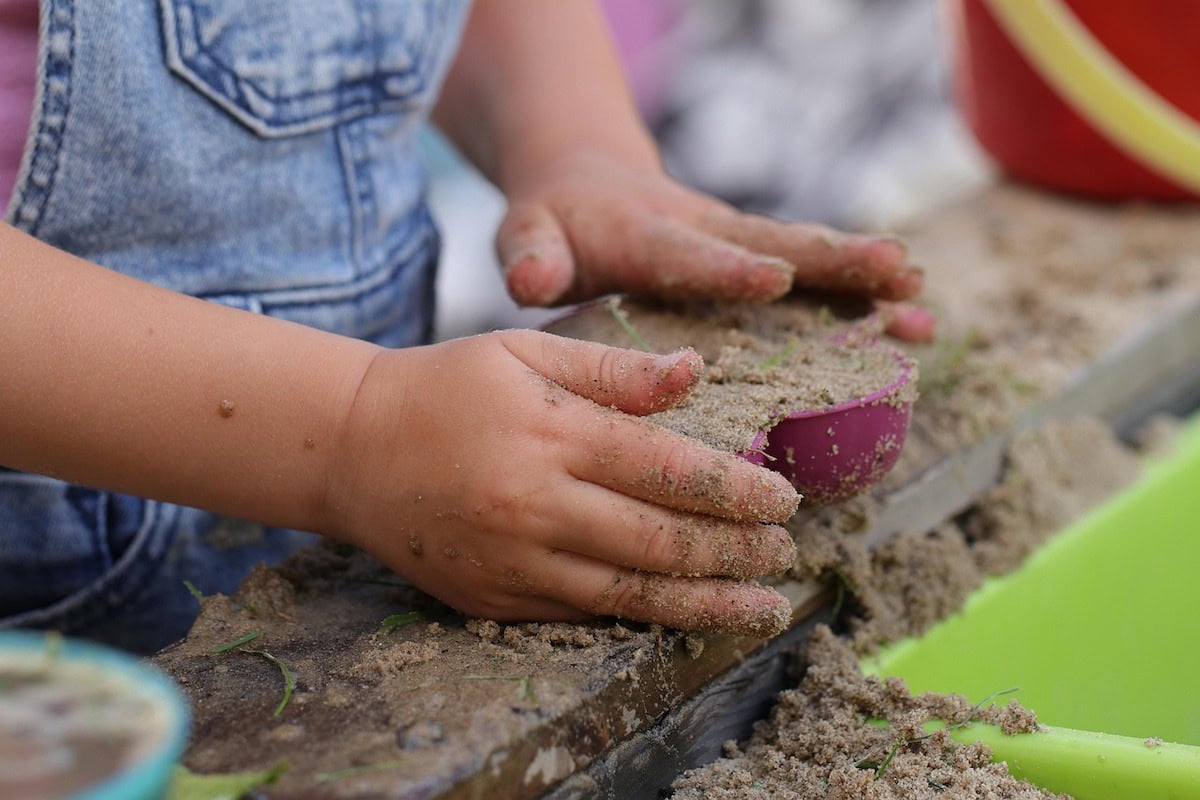
- Offer a mud kitchen outside with pots, spoons, and natural materials like sticks and stones.
Risk-taking and exploration, two essential ingredients for lifelong learning, are encouraged while children think they are only having fun. For children with special needs, these kinds of activities can be calming and help with transitions, focus, and fine motor development.
Make Your Own Sensory Activities for Kids
One of the most rewarding aspects of sensory play is how easy it is to create enriching experiences using everyday items. For parents and educators, especially those supporting children with special needs, customizing activities at home or in the classroom can be both cost-effective and tailored to specific developmental goals. Play offers many benefits when it’s hands-on, engaging, and adapted to meet a child’s unique learning style.
Homemade sensory activities also allow you to:
- Adjust textures and intensity for children with tactile sensitivities.
- Encourage creativity by inviting children to choose tools and materials.
- Modify setups to target specific motor, language, or social skills.
When you make your own setups, you can ensure safety, accessibility, and fun—while reinforcing the idea that play is a fantastic way for all children to grow.

Sensory Materials for Learning and Play
Choosing the right sensory materials makes all the difference when supporting young learners. The ideal selections stimulate curiosity while promoting comfort and focus. Children with varying sensory thresholds often benefit from a range of textures, weights, and resistance levels in their play environment.
Consider these simple ingredients you most likely have at home right now:
- Dry materials like rice, lentils, or pasta for scooping and sorting.
- Soft textures such as cotton balls, felt, or foam blocks.
- Items that change consistency, like gel beads or cornstarch mixtures.
- Natural elements including sand, dirt, and leaves for seasonal exploration.
Thoughtfully selected tools like tweezers, tongs, or scoops also help refine motor skills while supporting therapeutic goals.
Fun Sensory Play Recipes
DIY recipes bring the magic of sensory play into kitchens, classrooms, and therapy sessions. These simple formulas invite children to mix, mash, and mold—making the experience even more immersive and enjoyable. Many are safe to taste or made with non-toxic ingredients, which is particularly important for younger children or those with developmental delays.

Try these favorite sensory play ideas at home:
- Play dough made from flour, salt, oil, and food coloring—customize the scent with essential oils.
- Slime or oobleck (cornstarch and water) for a fascinating texture that shifts under pressure.
- Homemade foam using dish soap and a hand mixer—great for tactile play with minimal setup.
These recipes aren’t just fun, they help children build sensory tolerance and motor coordination in a low-stress, high-engagement setting. With just a few ingredients and a little time, you can create some of the great sensory experiences kids will love.
The Importance of Messy Play
More than just splashes, smudges, and spills, play is a meaningful part of how children of all ages explore, discover, and grow. For many kids, especially those with sensory sensitivities or developmental delays, messy experiences provide an essential pathway to learning and regulation. This type of sensory experience supports tactile awareness, independence, and confidence, especially when it’s introduced in a safe and supportive environment.
Playing this way isn’t limited to early childhood. Older kids also benefit from creative freedom and physical expression. By allowing space for open-ended exploration, messy play also offers moments of self-discovery, communication, and joy that structured activities sometimes miss.
Benefits of Messy Play for Infant, Toddler and Preschool Development
From infancy through kindergarten, playing with their hands can support a child’s critical areas of development. It stimulates curiosity, helps build fine and gross motor skills, and strengthens the brain’s ability to process new input. For many children with special needs, the freedom to get messy without pressure can make a significant impact on emotional and sensory regulation.
Each developmental stage benefits differently:
- Infants: Begin to understand texture and cause-and-effect through safe, edible materials like mashed banana or yogurt.
- Toddlers: Improve coordination, language, and attention by squishing, smearing, or pouring materials.
- Preschoolers: Practice teamwork, expand vocabulary, and build resilience through shared play.
Because play is often child-led, it supports both structured learning goals and the natural way kids will learn when given freedom. It’s an ideal approach, using children’s natural play to learn preschool strategies, where the process is as valuable as the outcome.

Water Play: Sensory Fun for Toddlers and Preschoolers
Water play is one of the most versatile and accessible forms of simple sensory play. Whether it’s in a sink, bin, or outdoor splash area, water invites children to pour, scoop, stir, and observe—engaging multiple senses at once. It’s an excellent way to help a child to learn temperature, weight, and movement.
Switch up their water activities by:
- Adding cups and funnels to promote hand-eye coordination.
- Including floating objects for sorting, counting, or imaginative play.
- Freezing small toys in ice cubes for an exploration of cause and effect.
Because it’s soothing, water is ideal for helping children engage in messy play without overwhelming their systems. More than just fun, water play has meaning, it invites self-paced discovery while supporting motor planning, sequencing, and focus.

In both home and classroom settings, this kind of play promotes connection, curiosity, and joy, all while giving kids the tools they need to learn to play and grow with confidence.
Conclusion
Sensory play is more than just a playful pastime, it’s a research-supported foundation for early learning and development. Whether your child is just a year old or entering kindergarten, the right sensory experiences can spark joy, encourage exploration, and build essential skills that last a lifetime. From messy activities that boost fine motor skills to water bins that calm and engage, each game, texture, and material serves as a building block for growth.
What makes sensory play truly powerful is its flexibility. You don’t need expensive tools or elaborate setups—a simple center with a bin of rice or a tray of finger paint is often more effective than store-bought toys. For example, a child squishing art dough or scooping beans with a spoon is not only having fun—they’re building coordination, confidence, and communication. These hands-on activities work beautifully for children of all ages, including those with special needs, and can be adapted again and again as your child grows.
No matter how old your child is, or where they are developmentally, sensory play creates meaningful opportunities to connect, learn, and thrive. It’s a timeless way to turn curiosity into capability—one scoop, splash, and squish at a time.
WANT TO READ MORE?
13 DIY Sensory Activities for Every Sense
CONNECT WITH DAILY MOM
💖 NEWSLETTER: DAILY READS IN YOUR INBOX 💖
Sign up to receive our picks for the best things to do, see and buy so you can relax and focus on more important tasks! Let us help you be the best version of yourself you can be!
BE SOCIAL WITH US
📌 LOVE IT? PIN IT!📌


