


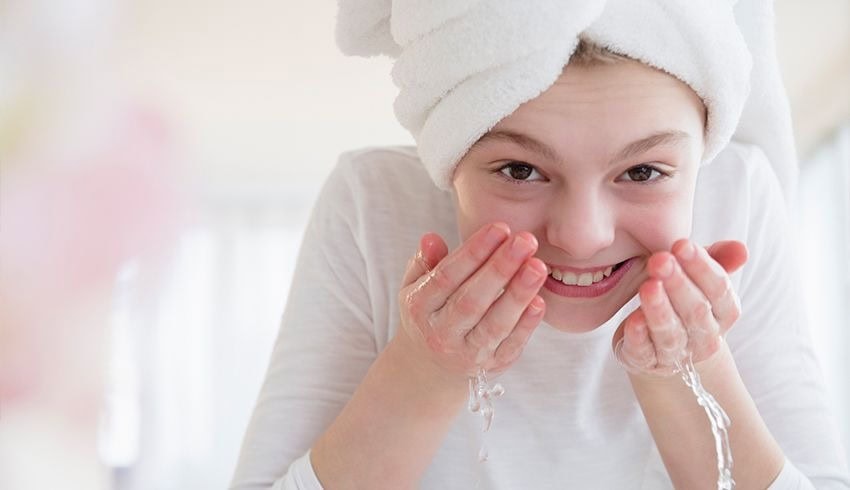
Adolescence is a time of significant changes—physically, emotionally, and mentally. One of the most noticeable transformations is the skin. We’ve all experienced it, and all we can say is “it’s awful!”
As teens and tweens hit puberty, their skin can become oily, more prone to breakouts, and often more sensitive. This is why establishing a daily skincare routine is so important. Skincare for teenagers isn’t just about dealing with acne or breakouts; it’s about teaching young people to care for their skin as it changes, and to develop healthy habits that will benefit them for years to come.
Healthy skincare routines help teens manage not only their skin’s needs during these crucial times but also set the stage for a lifetime of good habits. Learning how to properly cleanse, moisturize, and protect the skin can go a long way in preventing issues like teenage acne or oily skin. When teens develop a skincare routine early on, they are not only tackling current dermatological issues but also laying the groundwork for their long-term skincare journey.

Healthy Skin-Care Routines Help Teens Develop Lifelong Habits
- Cleansing: Regular cleansing removes dirt, oil, and makeup, which can congest pores and lead to acne.
- Moisturizing: Even oily skin needs hydration. Moisturizers help keep skin balanced and prevent excessive dryness or oil production.
- Sunscreen: Protecting the skin from harmful UV rays is essential, especially during the teen years when the skin is more sensitive.
By teaching teens to care for their skin now, they can build habits that will serve them well throughout their lives. A well-established skincare routine sets the foundation for maintaining healthy skin into adulthood, helping prevent issues like acne, irritation, and even serious concerns like skin cancer.
Using products that protect and nurture their skin now can prevent problems before they start. This isn’t just about looking good—it’s about feeling good in your own skin and learning the importance of self-care for long-term skin health.
Understanding Teenage Skin: A Foundation for Skincare
Teenage skin is unlike skin at any other age. During puberty, which typically begins around the age of 12 or 13, the body undergoes hormonal changes that have a direct impact on the skin. These changes often lead to oilier, more sensitive skin, which can make it harder to maintain a clear complexion.
Skincare for teenagers who are navigating these changes, whether they are just starting to experience skin shifts at 12 or are already dealing with more noticeable issues at 13 or older, skincare for teenagers becomes especially important.
Understanding the unique characteristics of teen skin helps teens and parents make better choices when it comes to products and routines.


Teenage Skin Characteristics
- Oil Production: Increased oil production is one of the most common changes. As the body ramps up hormone production during puberty, the skin’s sebaceous glands produce more oil. This can lead to congested pores, which are prime conditions for breakouts and acne.
- Acne-Prone Skin: Acne is common among teens due to the combination of excess oil, clogged pores, and bacteria. Acne can show up as pimples, blackheads, or whiteheads, typically on the face, chest, or back. Proper skincare can help control this condition and prevent scarring.
- Sensitivity: Despite all the extra oil, teenage skin can also be more sensitive. Choosing the right skincare is important for a gentle and effective way to avoid irritating the skin further.
Building a Skincare Routine for Teens and Tweens
You cannot say it enough to your budding teenager, but having a consistent skincare routine is essential as their skin goes through rapid changes. With hormones in full swing, their skin becomes more prone to oiliness, breakouts, and irritation.

A simple but effective skincare routine is the key to tackling teenage skin problems without overwhelming it with harsh treatments. A basic routine doesn’t have to be complicated—just a few steps, consistently followed, can make a world of difference.
Why a Skincare Routine is Essential
- Consistency is Key: A daily skincare routine helps keep skin balanced and clear by addressing concerns like oil production, breakouts, and dryness. It also prevents problems from worsening.
- Simple yet Effective: The best skincare routines for teens don’t have to be elaborate. Focusing on cleansing, using a lightweight moisturizer, and a sunscreen with a good dose of spf can cover all the basics.
- Long-Term Benefits: Starting early with skincare habits can protect young skin from future issues and promote healthy skin as teens grow older.


By committing to a consistent skincare routine kids can learn the importance of self-care and help maintain clear, glowing skin throughout their teen years and beyond.
The Basics of a Teen Skincare Routine
Simplicity is key and may be best when it comes to teenagers! A teen skincare routine doesn’t need to be packed with tons of pricey products to be effective. In fact, a basic routine consisting of cleansing, moisturizing, and protecting with sunscreen is all it takes to keep skin healthy. Let’s break down the essential steps.
Cleansing: The First Step and The Foundation of Skincare
Cleansing is the foundation of any skincare routine and for all skincare ranges – oily to dry skin, to all the in-betweens! For teens, especially those with acne-prone skin, it’s important to choose a gentle cleanser that removes dirt, oil, and impurities without stripping the skin of its natural moisture. Harsh cleansers can cause irritation and make acne worse, so it’s crucial to pick a product that’s gentle yet effective.
- Choose Gentle, Non-Comedogenic Cleansers: Look for cleansers that are non-comedogenic, meaning they won’t clog pores. A gentle, foaming cleanser or a gel cleanser is often the best choice for teens, as these can cleanse the skin without leaving it feeling dry or irritated.
- Avoid Harsh Ingredients: Products with strong fragrances or alcohol can be too harsh on teenage skin. Opt for something that’s simple, soothing, and formulated for sensitive or acne-prone skin.
Gentle, Non-Comedogenic Cleansers.
Even teens with oily or acne-prone skin need moisturizer. Many teens mistakenly skip moisturizing because they think it will make their skin more oily, but the opposite is true. Without proper hydration, the skin may actually produce more oil to compensate, leading to breakouts.
- Lightweight, Oil-Free Moisturizers for Teens: This is ideal for teenagers, especially those with oily or acne-prone skin. These products provide hydration and won’t make the skin greasy.
- Lock in Moisture: Moisturizing helps to lock in the moisture your skin needs, keeping it soft, smooth, and healthy. Even teens with oily skin benefit from using a non-greasy moisturizer that helps maintain a healthy balance.


Moisturizing: Hydrating the Skin
Sunscreen is a must for all skin types, but it’s especially important for teenagers. The skin is more sensitive to the sun’s harmful UV rays during puberty, and without protection, this can lead to sunburn, premature aging, and even skin cancer later in life.
- Daily Sunscreen Use: Applying sunscreen every day is one of the easiest ways to protect young skin. Choose a broad-spectrum sunscreen with at least SPF 30 to protect against both UVA and UVB rays.
- Non-Greasy, Broad-Spectrum Sunscreens for Teen Skin: Look for a sunscreen that is lightweight and won’t congest the pores, especially for teens with oily or acne-prone skin. There are many sunscreen options specifically designed for teenage skin, offering both sun protection and a non-greasy finish.
By sticking to these basic skincare steps—cleansing, moisturizing, and using sunscreen—teens can keep their skin clear, hydrated, and protected, all while preventing common issues like breakouts and sun damage.
Lightweight, Oil-Free Moisturizers for Teens.
The hardest part about moisturizers – is finding the right one! As teenagers explore the realm of skincare, they often go through numerous experiments and mistakes with various skincare products.
A lightweight, oil-free moisturizer works best, especially for those with acne-prone or oily skin. It hydrates the skin without build-up in the pores or adding extra shine. Even if the skin feels oily, it’s important not to skip this step. Without proper hydration, the skin might compensate by producing more oil, leading to more breakouts.
- Benefits of Oil-Free Moisturizers: These products help maintain moisture without making the skin greasy, ensuring a balanced and smooth complexion.
- Moisturizers for Sensitive Skin: Look for a formula that’s suitable for sensitive skin, free from harsh chemicals or fragrances that could cause irritation.
Sunscreen: Protecting Against UV Damage
Protecting your skin from harmful UV rays is crucial, and it’s never too early to start using sunscreen daily. Whether it’s a sunny day or overcast, UV rays can damage the skin, weakening the skin barrier and leading to sunburn, premature aging, and even increasing the risk of skin cancer. For teenagers, the skin is especially vulnerable during these years of growth, so daily sunscreen use is essential. It’s also important to choose a gentle cream that won’t obstruct pores, ensuring that the skin barrier remains intact while providing the protection it needs.
- Daily Sunscreen Use: Applying sunscreen every day, even on cloudy days, helps protect skin from both short-term sunburns and long-term damage. Choose a sunscreen with at least SPF 30 for adequate protection.
- Non-Greasy, Broad-Spectrum Sunscreens for Teen Skin: Choose a sunscreen that’s formulated for teen skin—lightweight, non-greasy, and broad-spectrum to shield against both UVA and UVB rays. This way, teens get all the benefits of sun protection without congested pores or feeling uncomfortable.


A good sunscreen should become a daily habit, no matter what the weather is like. It’s an easy and essential step in protecting the skin from harmful sun exposure.
Non-Greasy, Broad-Spectrum Sunscreens Suitable for Teen Skin.
When it comes to sunscreen, choosing the right one for teen skin is crucial. Here’s what to look for:
- Age-Appropriate: Sunscreens suitable for teens, including those as young as 11 years old or older, are essential for protecting delicate skin.
- Non-Greasy Formula: For female teens or any teen with acne-prone skin, opt for a non-greasy, lightweight sunscreen that won’t feel heavy on the skin.
- Broad-Spectrum Protection: Choose sunscreens that offer broad-spectrum protection against both UVA and UVB rays, ensuring complete protection.
- Popular, Trusted Brands: Popular sunscreens recommended by skincare experts are designed to be gentle on young skin while providing long-lasting sun protection.
- Lightweight and Non-Comedogenic: Select sunscreens that are specifically formulated to be non-comedogenic (won’t clog pores), which is especially important for acne-prone skin.
By picking a sunscreen with these qualities, you ensure your teen’s skin is protected from harmful UV damage without causing breakouts or irritation.
Skincare for Teens and Tweens with Acne-Prone Skin
Acne is one of the most common skin issues for adolescents. It can be frustrating, especially as young people navigate through puberty and hormonal changes that make their skin more prone to breakouts. Skincare for teenagers, particularly those with acne-prone skin, should focus on gentle yet effective treatments to manage breakouts without irritating or drying out the skin.
Dealing with Teenage Acne and Breakouts
Teenagers often deal with acne due to hormonal fluctuations, excess oil production, and congested pores. Here are some tips for avoiding common skincare mistakes:
- Cleansing Regularly: Cleanse the skin twice a day using a gentle, non-comedogenic cleanser to remove excess oil and dirt that can build up congestion in the pores.
- Avoid Harsh Scrubs: Harsh scrubs or over-exfoliating can irritate the skin and make acne worse. Use a mild exfoliant, if necessary, to prevent skin irritation.
- Don’t Pick at Acne: Picking at pimples can lead to scarring and make the acne worse. It’s important to leave breakouts alone and treat them with acne-fighting products.


Best Acne Treatment for Teens with Acne-Prone Skin
When selecting products to treat acne, it’s important to choose those specifically designed for teenage skin. Here are some effective treatments that skincare experts recommend:
- Salicylic Acid: A gentle exfoliant that unclogs pores and reduces inflammation, salicylic acid is commonly found in many products for teenagers.
- Benzoyl Peroxide: Another popular ingredient, benzoyl peroxide, helps to kill the bacteria that cause acne and can reduce swelling and redness.
- Oil-Free Moisturizers: Even teens with acne-prone skin need to moisturize. Choose lightweight, oil-free moisturizers to prevent additional breakouts while keeping skin hydrated.
- Spot Treatments: For specific pimples, consider using spot treatments that contain acne-fighting ingredients like salicylic acid or benzoyl peroxide. These can target individual blemishes without over-treating the entire face.
By using the right acne treatments and following a consistent skincare routine, teens with acne-prone skin can better manage breakouts and achieve clearer, healthier skin.
Best Skincare Brands for Teenagers
Choosing the right skincare products for teenagers can be tricky, especially with so many options on the market. Essential skincare should focus on gentle yet effective ingredients that address their specific skin concerns, such as acne, excess oil, and sensitivity. Luckily, many well-known, dermatologist-approved brands offer products that cater specifically to teenagers.
Recommended Skin Care Products for Teen Skin
Here are some of the best brands for teenagers, known for their quality and effectiveness in treating adolescent skin:
- Neutrogena: A popular choice for acne-prone skin, Neutrogena offers a wide range of products that are both gentle and effective. Their cleansers and spot treatments, such as those with salicylic acid, are favorites among skincare experts.
- CeraVe: Known for its hydrating products that help restore the skin’s natural barrier, CeraVe offers gentle cleansers and a weightless moisturizer, ideal for teens with sensitive or acne-prone skin.
- Clean & Clear: This brand has been a trusted name for teen skincare for years. Their products, including cleansers, moisturizers, and acne remedies.
- La Roche-Posay: Dermatologist-approved and formulated for sensitive skin, La Roche-Posay offers soothing skincare products that treat acne without irritating the skin. Their sunscreens and cleansers are especially gentle for teens.
- Aveeno: Known for its calming and nourishing ingredients, Aveeno offers products that are great for sensitive skin. Their Clear Complexion line helps clear up acne without drying out the skin.
These brands offer a variety of skincare products, from cleansers to moisturizers and treatments, that are effective for teenagers’ unique skin needs. Whether dealing with oily skin, acne, or irritation, these dermatologist-approved brands ensure that skin stays healthy, clear, and protected.
Common Teen Skincare Mistakes to Avoid

When it comes to skincare for teenagers, it’s easy to fall into some common traps. Many teens make the mistake of using harsh products or skipping essential steps like removing makeup or applying sunscreen. These errors can lead to skin irritation, breakouts, and even long-term skin damage. It’s important for teens to learn the right way to care for their skin, so they avoid these mistakes and keep their skin clear and healthy.
Mistakes Teens Make with Their Skin
- Using Harsh Products: Many teens make the mistake of over-drying their skin with harsh or strong cleansers. This can strip the skin of its natural oils, causing it to produce even more oil and worsen acne.
- Not Removing Makeup: Skipping the step of removing makeup at night can lead to clogged pores and breakouts. It’s important to cleanse the skin thoroughly before bed to remove makeup, dirt, and oil.
- Skipping Sunscreen: Sunscreen is essential, even for teens who are mostly indoors. Failing to apply sunscreen daily can lead to sunburn, premature aging, and an increased risk of skin cancer.


The Role of a Dermatologist in Teen Skincare
While a consistent skincare routine can go a long way in managing teen skin, there are times when seeking professional help from a dermatologist becomes necessary. A skincare expert can help create a personalized plan tailored to your teen’s specific skin concerns, such as persistent acne or eczema.
When to See a Dermatologist
- Persistent Acne: If over-the-counter treatments aren’t working, it may be time to see a dermatologist. They can provide stronger treatments or prescribe medication to help clear up severe acne.
- Skin Irritation or Sensitivity: If a teen’s skin becomes overly irritated or inflamed from skincare products, or if dead skin cells are building up and causing congested skin or rough texture, a dermatologist can recommend a gentler routine or products more suited to their skin type.
- Tailored Skincare Plan: Dermatologists can create a customized skincare plan based on the teen’s skin type and concerns, offering professional advice on what products to use and what to avoid.
By avoiding common skincare mistakes and seeking professional help when needed, teens can keep their skin clear, healthy, and protected. Skincare for teenagers doesn’t have to be complicated, but it does require attention to detail and the right habits.
How to Tailor Skincare for Teenage Acne
Acne is one of the most common skin concerns for teens, but it doesn’t have to be a lifelong issue. The key to managing acne is tailoring a skincare routine that’s specifically designed to address the needs of acne-prone skin. Skincare for teenagers should focus on gentle, yet effective treatments that help prevent acne breakouts and maintain a healthy skin balance.


Mistakes Teens Make with Their Skin
Teens with acne often make common mistakes that can make their breakouts worse, such as using harsh products or skipping essential steps in their skincare routine. It’s important to adjust the routine to make it more effective, while also being gentle enough for young skin.
- Skipping Exfoliation: While exfoliating is essential for removing dead skin cells, teens should be careful not to overdo it. Over-exfoliating can irritate the skin, making acne worse. A gentle exfoliator a couple of times a week can help keep the skin clear without stripping it.
- Using Harsh Acne Treatments: While it’s tempting to try strong treatments, these can often be too harsh for youth. Skincare for teenagers should involve products that are effective but also gentle on their sensitive skin.
Tips for Teaching Tweens Healthy Skin Care Habits
Here are some tips on how to adjust a teen’s skincare routine for better acne management:
- Cleansing Twice a Day: Start with a gentle cleanser that helps remove excess oil, dirt, and impurities that can lead to acne.
- Spot Treatments for Acne Breakouts: For active acne breakouts, use spot treatments that contain salicylic acid or benzoyl peroxide. These ingredients can target individual pimples without irritating the surrounding skin.
- Gentle Exfoliation: Exfoliating once or twice a week with a mild exfoliator can help remove dead skin cells, which in turn prevents clogged pores and reduces the likelihood of acne breakouts. Look for exfoliators designed for acne-prone skin.
- Moisturizing Even with Acne: Even teens with acne need to moisturize. Choose a light, oil-free moisturizer that will help maintain the skin’s hydration balance.
Recommended the Best Products for Teens with Acne
- Salicylic Acid Products: Look for treatments or cleansers that contain salicylic acid, for skin concerns like congested pores and inflammation.
- Benzoyl Peroxide Treatments: Benzoyl peroxide is a powerful acne treatment that kills acne-causing bacteria. Spot treatments or gels with this ingredient can be great for reducing active breakouts.
- Oil-Free Moisturizers: It’s important to keep the skin hydrated even if it’s acne-prone. Look for moisturizers that are oil-free and lightweight, specifically designed for acne-prone or sensitive skin.
By following a simple routine, focusing on gentle products, and incorporating acne treatments and exfoliators carefully, teens can keep their skin clear and healthy.
Healthy Skin, Healthy Habits
Building a solid skincare routine for teenagers is an essential step in maintaining clear, healthy skin. By sticking to simple yet effective habits like cleansing, moisturizing, and protecting with sunscreen, teens can avoid common skincare mistakes and manage acne more easily. Healthy skin starts with healthy habits, and by starting early, teens can set themselves up for a lifetime of good skincare practices.
FAQ’s
Q: What is the best skincare routine for tweens and teens?
A: A good skincare routine for tweens and teens typically includes a gentle cleanser, a moisturizer suitable for their skin type, and sunscreen during the day. It’s important to choose products that address their specific needs, such as acne prevention and maintaining skin tone and texture.
Q: How can teenagers determine their skin type for skincare?
A: Teenagers can determine their skin type by observing how their skin feels throughout the day. Oily skin appears shiny, dry skin feels tight, and combination skin has both oily and dry areas. Knowing their skin type helps in selecting the right teenage skincare products.
Q: Are there specific products that are best for teenage skin on the face?
A: Yes, products that are non-comedogenic, oil-free, and specifically formulated for teenagers are best for the skin on the face. Look for items that contain salicylic acid or benzoyl peroxide for acne-prone skin, and hydrating ingredients like hyaluronic acid for dry skin.
Q: How often should tweens and teens cleanse their skin?
A: Tweens and teens should cleanse their skin twice a day—once in the morning and once in the evening. This helps remove excess oil and dirt, preventing breakouts and promoting healthy skin tone and texture.
Q: What role does sunscreen play in a teen’s skincare routine?
A: Sunscreen is crucial in a teen’s skincare routine as it protects the skin from harmful UV rays, which can lead to skin damage and increase the risk of skin cancer later in life. It is important to use a broad-spectrum SPF of at least 30 every day.
Q: Should teenagers use makeup, and how can they incorporate it into their skincare routine?
A: Teenagers can use makeup, but it’s essential to choose products that are non-comedogenic and suitable for their skin type. Incorporating makeup should not replace a skincare routine; always cleanse the skin thoroughly before bed to prevent build up on the pores.
Q: What should teenagers avoid in their skincare products?
A: Teenagers should avoid products that contain harsh ingredients, such as alcohol and fragrances, which can irritate the skin. They should also be cautious with heavy creams that can block pores and worsen acne.
Q: How can teens address acne in their skincare routine?
A: To address acne, teens should use targeted treatments containing ingredients like salicylic acid or benzoyl peroxide in their skincare routine. Consistent cleansing, moisturizing, and sun protection are also important to manage breakouts effectively.
Q: Can a poor skincare routine lead to long-term skin issues for teenagers?
A: Yes, a poor skincare routine can lead to long-term skin issues such as persistent acne, uneven skin tone and texture, and even premature aging. It’s essential for teenagers to establish healthy habits early on to maintain their skin’s health.
Q: When should a teenager see a dermatologist for their skin concerns?
A: A teenager should see a dermatologist if they experience persistent acne that doesn’t respond to over-the-counter treatments, or if they notice any unusual changes in their skin, such as moles that change in size or color, which could indicate skin cancer.
You might also be interested in…
CONNECT WITH DAILY MOM
💖 NEWSLETTER: DAILY READS IN YOUR INBOX 💖
Sign up to receive our picks for the best things to do, see and buy so you can relax and focus on more important tasks! Let us help you be the best version of yourself you can be!
BE SOCIAL WITH US
📌 LOVE IT? PIN IT!📌


