


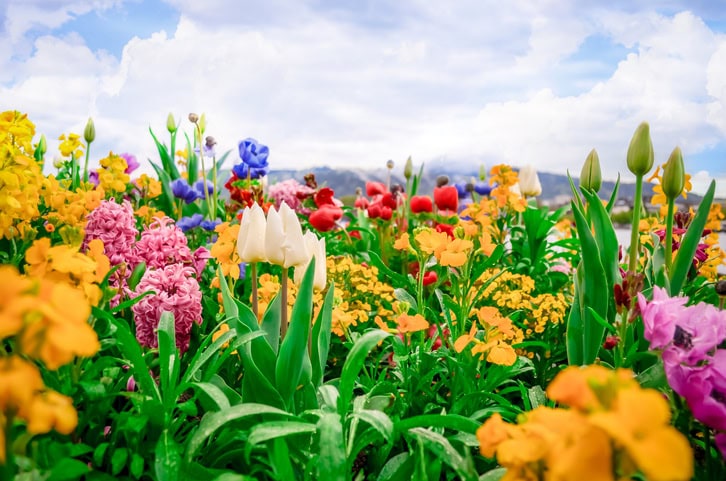
What Is Chaotic Gardening, Really?
Chaotic gardening is the delightfully unpredictable cousin of traditional horticulture—a blend of defiance and conformity. Instead of precise rows and spreadsheet-level planning, this carefree method embraces the thrill of tossing seed packets into the wind (literally) and seeing what the garden gods decide to sprout.
In a world obsessed with control, chaotic gardening is a botanical exhale. It invites gardeners to ditch the rulebook, let nature take the lead, and discover the strange magic that happens when wildness is welcome in your home.

The Definition of a Chaos Garden
Chaotic gardening is the polar opposite of garden planning apps, graph paper, and micromanaging root zones. It’s about tossing a variety of leftover seeds—edibles, wildflowers, perennials, whatever’s in those forgotten seed packets—into your garden space and letting the chips (and seedlings) fall where they may. This isn’t laziness, it’s an intentional choice to let mother nature take the lead and trust in the unexpected.
Chaos garden has its own unpredictable charm. No two chaotic gardens look the same because no one controls the final layout. Instead of cultivating control, you’re cultivating curiosity. And when that curiosity sprouts into sun-warmed kale beside a surprise poppy, well—that’s part of the fun.
What defines chaos gardening?
- You scatter seeds into a garden bed instead of placing them in neat rows
- You embrace the unknown with every handful of old leftover seed packets
- You see what grows, instead of deciding what “should” grow
- You let nature do its thing — survivors stay, weaklings become compost
- You allow a true wild look to take root in a gardening style that creates beautiful chaos


This gardening method speaks to a deeper idea: trusting nature’s instincts over our own. Because sometimes, the best things happen when we get out of the way.
How It Differs from Traditional Gardening
In traditional gardening, the process is systematic. You prep the soil, lay out your rows, space seeds with precision, and monitor every plant like it owes you rent. And sure, that has its place in every garden—but it also leaves little room for creativity, spontaneity, or delightfully rogue sunflowers growing where tomatoes were supposed to be.
Why would someone consider chaos gardening when life already feels so disordered? This gardening trend flips the narrative that we have been told all our lives. It removes the rigid framework and replaces it with a carefree approach that welcomes experimentation and ecological harmony. No sketches. No mulching schedules. No weekly performance reviews for your lettuce. It truly is freeing!
Key differences from traditional gardening:
- Structure vs. spontaneity: Traditional gardens favor rows; chaos gardens favor freedom
- Predictable vs. surprise results: One yields planned outcomes, the other blooms with discovery
- Control vs. collaboration: One demands gardener control; the other lets mother nature take over
- Uniformity vs. biodiversity: One sticks to symmetry; the other invites a mix of plants and pollinators
- Labor-intensive vs. low-maintenance: Traditional gardens require constant care; chaotic gardens thrive with minimal interference


This isn’t a low maintenance approach to gardening —it’s a horticultural remix. An intentional decision to let seeds duke it out in the dirt, to celebrate the unexpected, and to make peace with weeds that might just be misunderstood native plants.
Why Your Garden Needs a Little Chaos
To be truthful, gardening doesn’t have to feel like a daily chore that’s never ending. A little chaos in your garden can be the difference between burnout and bliss. When you sow without overthinking, you invite spontaneity and a swarm of pollinators. Suddenly, that crowded, tangled corner of a wildflowers and random vegetable garden starts to look like a mini ecosystem curated by the garden whisperers of Tiktok.
If you want to add annuals to the mix, that is even better. These quick-turnover bloomers play nicely in the chaos gardeners mix, keeping color and texture alive without long-term commitment. Whether you’re working with a full vegetable patch or a neglected flower bed, letting go means letting nature take the lead—and trusting it might just out-design you.
The Perks of Letting Go
There is serious power in letting go. By choosing not to micromanage every inch of garden space, you give plants the freedom to find their groove, and yourself the gift of less stress. It’s a gardening method that’s just as therapeutic as it is productive.
Here’s what happens when you let chaos bloom:
- Pollinators flock in – bees and butterflies adore wildflowers and messy variety
- Less pressure, more play – forget perfection and see what grows
- Nature balances itself – pests get confused, and vegetables still thrive
- Minimal input, maximum return – especially when annuals grow, bloom and reseed (most of the time)


So go ahead—scatter seeds, pour a drink, and watch your garden do something beautifully unplanned.
A Budget-Friendly Botanical Rebellion
Let’s call it what it is: chaotic gardening is the answer to expensive landscaping. With a few leftover seed packets, some old seeds from last season, and zero need for raised beds or designer compost, you can grow a chaos garden that looks like you spent way more than you did.
This gardening style thrives on mixing what you have, not what you buy. Toss together vegetable seeds, wildflower mixes, even those mystery annuals from last year’s clearance bin. No matching required—just sow and watch the magic happen.
Why it works on a budget:
- Reuses seeds you already own – especially wildflower and vegetable mixes
- Requires no special gear – just simple garden soil, sun, and time
- Reduces waste – gives life to old seeds that might’ve been tossed
- Low-maintenance payoff – spend less time weeding, more time vibing
- Doesn’t demand perfect results – and that’s exactly the point


Your Guide to Start Your Own Chaos Garden: Toss Those Seed Packets and See What Grows
So you’re ready to break up with structure and try chaos gardening? Excellent! This is the gardening approach for anyone who’s tired of rulebooks, spacing charts, and plants that demand weekly check-ins. It’s about taking those dusty seed packets, mixing your wildflower seeds with your vegetables, and letting the growing season write its own story. The beauty lies in letting go—and watching what germinates.

No pressure, no perfection. Just seeds thrown together, some potting soil, and allowing yourself to get a little wild.
Step-by-Step Setup
Starting a chaos garden doesn’t require a green thumb—just a willingness to scatter seeds around and see who shows up to the party. This gardening approach skips the rigid rules in favor of experimentation, surprise, and letting the growing season do its thing. Whether you’re working with backyard beds, a side patch, or even containers with potting soil, the setup is refreshingly simple.
Here’s how to get it going:
- Pick your plot: A corner of soil, raised bed, or deep container will do.
- Loosen the soil: Rough up the surface a bit to give roots a chance.
- Grab your stash: Dump in wildflower seeds, forgotten annuals, vegetables, even larger seeds like beans or sunflowers.
- Mix it up: Blend a variety of plants and seeds together—no need to separate.
- Scatter with chaos in your heart: Broadcast your seeds like you’re seasoning life.
- Water and walk away: The germination will handle itself from here.


No precision, no perfection—just a healthy dose of garden rebellion.
What to Expect as Things Grow
Here’s where the real fun begins. After that initial germination phase, your chaos garden becomes a living experiment in natural selection. Some seeds will thrive, others won’t, and that’s okay. The joy is in watching what unfolds as nature plays matchmaker.
Expect a few delightful realities:
- Uneven sprouting – Not everything grows at the same speed (or even at all).
- Surprise pairings – Basil might cozy up to zinnias; cucumbers might pop under cosmos.
- Shifting structure – The variety of plants you mixed will sprawl and shift the shape of your garden constantly.
- Pollinator chaos – As things bloom, expect bees, butterflies, and beneficial bugs to join the party.
Gardeners Tip: Resist the urge to edit. Let it be wild. This is a gardening approach that thrives when you stop trying to control it.
What to Plant in a Chaos Garden
One of the best parts of a chaotic garden is that anything goes—as long as it grows. Whether you’re tossing zinnia or carrot seeds, or that one mystery mix from the back of the shed, this is where your creative chaos can truly shine. The goal is to fill your garden with a variety of plants that thrive on unpredictability and can hold their own in a free-for-all growing environment.
The key is choosing a bunch of seeds that don’t mind close quarters and won’t pout when things get competitive. This is not the place for divas. It’s survival of the prettiest, tastiest, and most stubborn.
Gardener’s Tip: Watch out for these flowers: periwinkles can take over your garden in no time, and orchids and gardenias are super picky about light and temperature if you want them to do well.


Seeds That Love the Chaos

Some seeds are just built for the unruly, carefree life of a chaotic garden. These are the ones that germinate fast, bloom hard, and don’t need you to hold their hand. They thrive with minimal supervision and are tough enough to compete for space, sunlight, and attention.
Chaos-loving seed MVPs:
- Zinnias – fast bloomers and pollinator favorites
- Sunflowers – tall, dramatic, and surprisingly chill
- Lettuce & radishes – quick vegetable wins
- Cosmos – airy, self-seeding, and endlessly charming
- Calendula – low-key healer with wildflower energy
- Beans & peas – larger seeds that climb or crawl like pros
- Marigolds – pest control meets color explosion


Toss in a mix of annuals, herbs, and greens, and you’ll have a buffet of textures, heights, and colors doing their thing without your micromanagement.
Mixing and Matching for Maximum Magic
Forget about googling plant compatibility—this is where mixing seeds together because something beautifully chaotic. A well-mixed chaos garden doesn’t just look good, it works like a messy, self-sustaining ecosystem. When you blend vegetables, herbs, and flowers, you get beauty, flavor, and function all tangled together.
Tips for a magical mix:
- Combine textures – consider tall stalks, bushy greens, and trailing vines
- Play with height – sunflowers in the back, herbs up front, and everything else winging it
- Stagger bloom times – to keep your garden interesting all season
- Visualize diversity – a variety of plants makes for healthier soil and fewer pests
- Bend the rules – seriously, that’s the whole point
When you mix it all up—a true mix of seeds—your garden becomes a dynamic, evolving space that works just as hard as it plays. It’s the most unpredictable, rewarding way to grow.
Real Talk: Tips to Keep the Chaos from Turning into Regret
Yes, chaotic gardening is fabulously carefree—but even the wildest garden benefits from a little intention. Think of this as your friendly nudge to let chaos bloom, not spiral. A few smart moves early on can mean the difference between Chelsea Flower Show level wow and a backyard jungle no one wants to enter.
From handling large seeds to learning when to water your seeds, these are the small acts of balance that keep your chaos garden functional without killing the vibe.


What to Watch Out For
Before tossing that variety of seeds with wild abandon into your garden, a few pitfalls are worth dodging. Even the most relaxed gardening approach needs a basic awareness of what could go sideways.
Things to keep on your radar:
- Invasive plants – they’ll dominate the space and suffocate everything else
- Too many large seeds – they may crowd out the small seeds during germination
- Over-seeding – more isn’t always better; some plants need room to thrive
- Sun hogs – tall growers can block out sunlight before seeds even sprout
Gardener’s Tip: toss large seeds and small seeds separately if you’re worried about competition—just for a bit of fairness in the chaos.
Minimal Maintenance Strategies
Water your seeds consistently in the beginning, especially if rain’s being stingy. Once things sprout, you can back off a bit and let the stronger plants take over.
Here’s how to stay calm and still get results:
- Start with your seeds first – get them in early so they root before weeds do
- Water deeply, not daily – encourage roots to reach down, not linger at the surface
- Spot-weed selectively – yank bullies, let scrappy underdogs thrive
- Thin if you must – especially if one plant starts hoarding space or sunlight
- Observe, don’t obsess – your garden doesn’t need a micromanager


Even at the Chelsea Flower Show, nature plays a role. Let your chaotic garden breathe, adjust as needed, and trust the process.
The Takeaway: Let Go and Let Grow
Here’s the secret chaotic gardeners have already figured out: the more you release control, the more your garden thrives. When you stop fussing and start tossing that mix of seeds, you create a space where self-seeding plants can take over in the best possible way. What begins as a playful mess quickly transforms into a living, evolving patch of beauty.
This isn’t just a hobby—it’s a mindset shift. A chance to embrace randomness, and the kind of gardening style that doesn’t require perfect rows or manicured beds. You’re not just growing plants—you’re letting go.
Some Final Thoughts on Chaotic Gardening
You don’t need a blueprint – just trust. Have faith that those native wildflowers will fill in the gaps. Trust that self-seeding plants will return next season. Trust that your carefree scattering of a mix of seeds will give you a garden that surprises you in the best way, again and again.
Letting go is part of the process. With each growing season, your chaos garden becomes more resilient, more personalized, and more alive. You’re not breaking the rules—you’re rewriting them in wildflower ink.
FAQ’s
Q: What exactly is chaos gardening?
A: Chaos gardening is all about embracing a wild, unstructured approach to planting. Instead of meticulously planned rows and rigid designs, you let nature take the lead, creating a vibrant and diverse garden that thrives on spontaneity.
Q: How do I start a carefree chaotic garden?
A: To kick off your chaos garden, choose a spot in your yard that gets enough sunlight. Then, just toss in a mix of seeds—wildflowers, herbs, and veggies work great. Don’t stress about spacing or organization; let the plants grow where they may!
Q: Will my chaos garden be hard to maintain?
A: Not at all! One of the best things about chaos gardening is that it requires less maintenance than traditional gardens. You’ll need to do some weeding and occasional watering, but the idea is to let nature do most of the work.
Q: What plants are best for a chaotic garden?
A: Go for a mix! Perennials, annuals, and even some native plants can create a beautiful, chaotic vibe. Think about incorporating flowers that attract pollinators and a few veggies or herbs for a tasty surprise!
Q: Can I chaos garden in a small space?
A: Absolutely! Chaos gardening is perfect for small spaces. You can use containers, raised beds, or even window boxes. Just remember to pack in a variety of plants to achieve that wild look!
Q: How do I handle pests in my chaos garden?
A: Welcome to the wild side! In a chaos garden, some pests are just part of the ecosystem. Encourage beneficial insects like ladybugs, and use natural remedies if things get out of hand. A little chaos can actually keep pests at bay!
Q: Is chaos gardening suitable for all climates?
A: Yes, chaos gardening can work in various climates! Just choose plants that are well-suited to your local conditions. Research native plants that thrive in your area, and let them lead the way!
Q: How can I make my chaos garden more visually appealing?
A: Mix up plant heights, colors, and textures to create an eye-catching display. Incorporate garden art, rocks, or even furniture to add personality. The beauty of chaos gardening is that it can be as unique as you are!
Q: Will chaos gardening attract wildlife?
A: Definitely! A chaotic garden is like a buffet for wildlife. Birds, butterflies, and beneficial insects will be drawn to your diverse plant selection. Just make sure to provide some water sources and shelter to keep them happy!
Q: Can I still grow edible plants in a chaotic garden?
A: For sure! Chaos gardening isn’t just about pretty flowers; you can absolutely include edible plants. Just sprinkle in some herbs, veggies, or fruit trees among the wildflowers for a delightful mix of beauty and bounty!
You might also be interested in…
CONNECT WITH DAILY MOM
💖 NEWSLETTER: DAILY READS IN YOUR INBOX 💖
Sign up to receive our picks for the best things to do, see and buy so you can relax and focus on more important tasks! Let us help you be the best version of yourself you can be!
BE SOCIAL WITH US
📌 LOVE IT? PIN IT!📌


