





























In every household bustling with kids, jobs, and the occasional mystery odor, the question of “Who fed the dog?!” echoes endlessly. It’s the daily drama nobody signs up for, yet every pet parent knows all too well. When it comes to caring of pets, flying by the seat of your pants just won’t cut it—especially if keeping your animals healthy and happy ranks anywhere on your life goals. Without a solid plan, pet care becomes a high-stakes guessing game, starring your dog and a half-empty food bowl.
Truth is, taking care of dogs (and the occasional disgruntled cat) isn’t about winging it. It’s about turning the chaos into something that looks suspiciously like a routine. A printable guide—yes, an easy one—is just the kind of lifeboat a busy pet parent needs to stay afloat. Because let’s be honest, caring for a pet should be more about bonding and belly rubs, and a lot less about playing detective over dinner.
Pet Parenting Information in the Age of Chaos
Modern pet ownership isn’t just about snagging a few cute selfies with your dog or cat—it’s a full-blown operation, complete with logistics that would make anyone sweat. Between soccer practice, endless Zoom meetings, and figuring out what’s for dinner (again), squeezing in time for caring of pets can feel like herding sheep. That’s why having a real system in place isn’t just nice—it’s necessary if you want to keep your pet healthy and happy.
Why Organized Pet Care Is the Unsung Hero of Pet Ownership
There’s a reason every successfulpet owner swears by structure. Organization transforms the daily chaos of pet parenting into a manageable, even enjoyable, rhythm. Without a plan, it’s too easy to forget if you fed the dog, trimmed those claws, or scheduled that overdue vet visit. An organized approach is to make caring of pets feel a lot less like a chore and a lot more like the joy it’s supposed to be.
Here’s why organized pet care wins every time:
- Consistency keeps your pet feeling secure, loved, and well-fed.
- Scheduling vet visits on time keeps yourpet healthy and out of the animal ER.
- Daily routines help prevent missed meals, forgotten walks, and mystery illnesses.
- Shared responsibilities avoid the dreaded “I thought you did it!” chaos.
- Tracking activities like feeding, walks, and grooming makes life easier.


How a Daily Tracker can Save Your Sanity
Imagine a treat you don’t have to clean up after. That’s basically what a pet care tracker offers. It’s a guilt-free, mess-free way for your pet to thrive and makes your mental load lighter. A good daily tracker spells out exactly what needs to happen, who’s responsible, and when. Think of it as the executive assistant your pet owner life always needed but couldn’t afford—except this one is free and doesn’t require dental.
Not only does a tracker help streamline caring of pets, but it also turns daily tasks into bite-sized wins. In the end you will have a happy, healthy pet, and you get to keep what’s left of your sanity – it’s a win!
Caring of Pets: A Full-Family Commitment
Becoming a responsible pet family isn’t just about picking the cutest furry friend at the shelter—it’s about rolling up sleeves and getting everyone involved in the care of your pets. Caring of pets is a full-time gig that runs smoother when every member of the household understands they have a role. Sure, it’s adorable when the kids want to feed the dog “sometimes,” but true success means consistent participation, not a once-a-week guest appearance.
Here’s some fastadvice for making it work:
- Create a shared schedule so every family member knows their daily tasks.
- Set clear expectations from Day One to avoid the blame game.
- Celebrate wins when thepet care routine stays strong all week.

When caring of pets becomes a shared mission, the household vibe shifts from “Oops, we forgot!” to “We’ve got this!”
Why Owning a Pet Is Everyone’s Job
Sure, the idea of owning a pet starts with one enthusiastic family member begging for a dog or cat, but the responsibility should land squarely on everyone’s shoulders. Caring of pets isn’t a solo journey—it’s a team sport. It demands daily commitment, quick thinking, and a lot of unsung hero moments, like remembering to restock the dog food before the bag runs out (again).
When everyone steps up, something magical happens: kids learn real-world skills like empathy, accountability, and maintenance, while adults get a living, breathing reminder to slow down and appreciate life’s simple, snuggly pleasures.
What Animals Need—Every Single Day
Contrary to popular belief, a pat on the head and a half-eaten sock do not constitute a complete care plan for your dog and cat. Caring of pets demands real effort—and if you want to a pet that’s happy and healthy, you’ll need to lock down a daily routine that ticks all the right boxes.
Dogs need consistent exercise, proper nutrition, and daily attention to truly thrive, not just survive. Whether you’re welcoming a new pet into the family or managing the lovable chaos of your current crew, it’s essential to prioritize the basics every single day. Staying committed to the small things is the best way to trulycare for your pet and build a bond that lasts a lifetime.
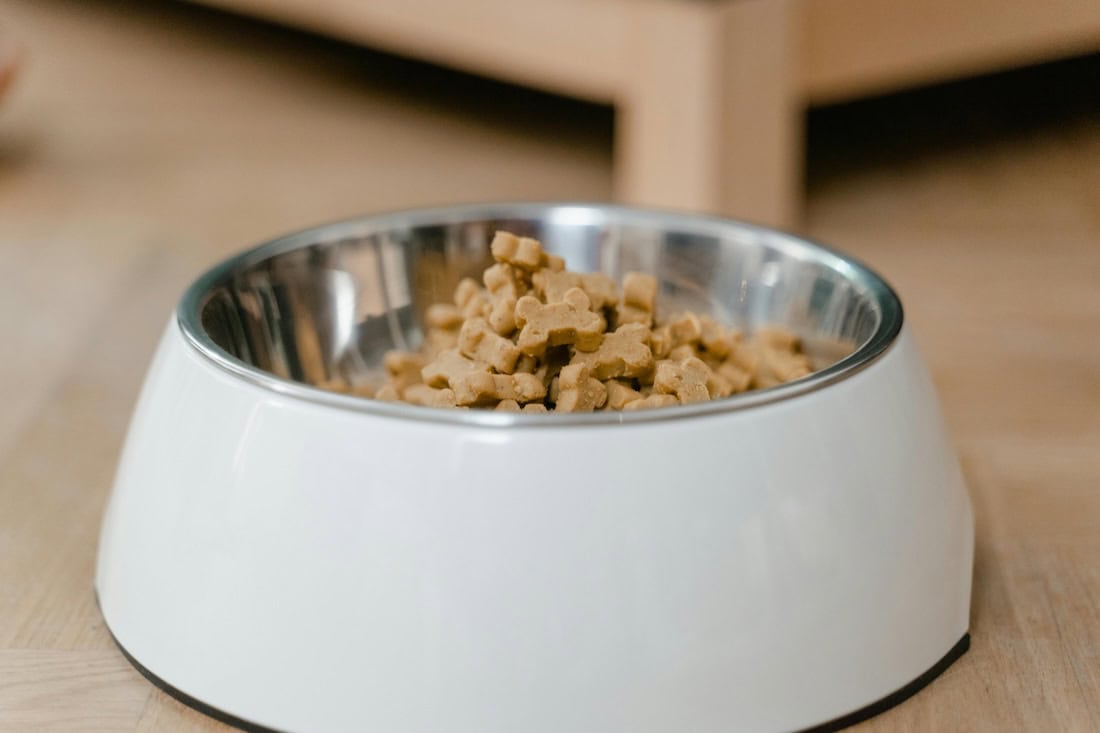
Dogs and Cats Need Routine, Structure, and Family Coordination
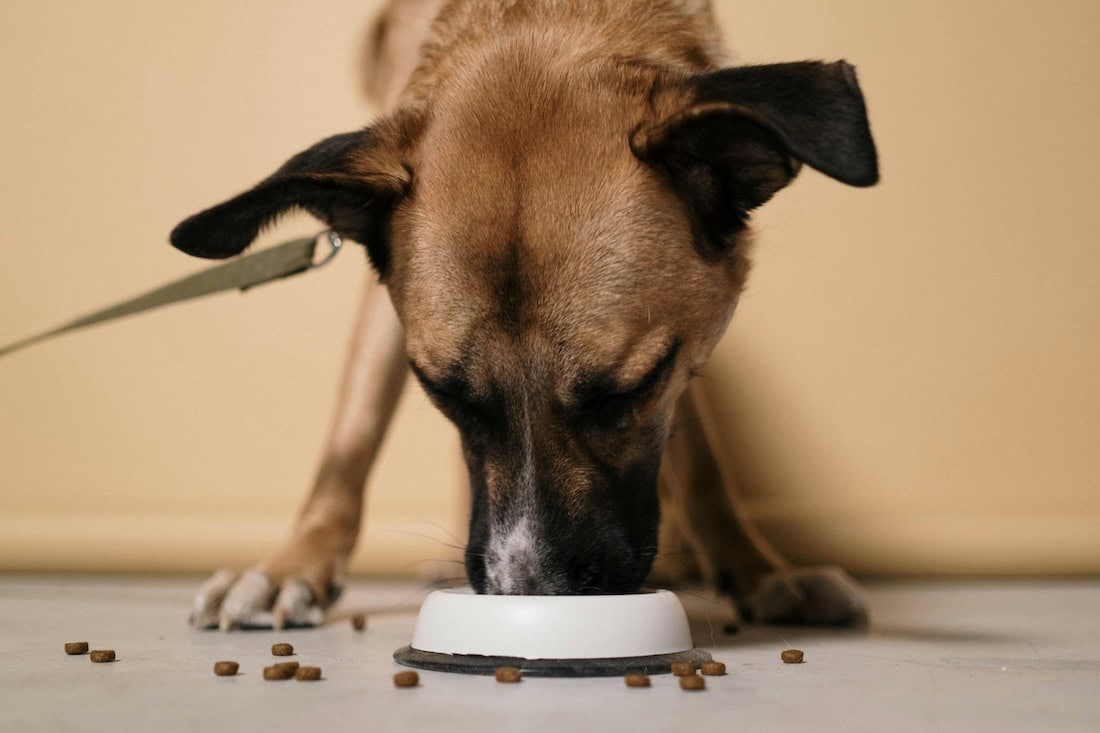
Dogs and cats don’t just need food and a soft bed—they need structure like toddlers need naptime. Predictable routines reduce anxiety, encourage better behavior, and happy pets. Plus, when every human knows exactly when and how to care of your pets, it saves the whole family from last-minute scrambles and snarky finger-pointing.
Here’s why family coordination in caring of pets matters:
- Routine reduces anxiety and helps pets feel secure.
- Structure encourages better behavior and faster training success.
- Clear division of duties prevents missed meals, skipped walks, and vet disasters.
- Happy pets mean happy humans (and fewer arguments about who forgot what).
- Efficient coordination buys back family time for fun, not finger-pointing.
When families coordinate the caring of pets, the payoff is huge: happy pets, happy humans, and maybe even a little extra time for Netflix instead of arguing about who forgot the walk schedule.
The Pet Care Tracker: A Game-Changer for Families
Ask any busy household juggling kids, jobs, and the chaos of owning a pet—a good system can mean the difference between thriving and barely surviving. Enter the Pet Care Tracker: a simple yet brilliant solution to the classic problem of “Did anyone feed the dog?” This tool is all about making veterinary care, feeding schedules, andgrooming tasks feel like second nature, not a scavenger hunt.
When life gets busy, a Pet Care Tracker keeps things running smoothly so that no meal gets missed and noolder dog gets forgotten on their much-needed daily walk.
What Is a Pet Care Tracker and Why You Need One

At its core, a Pet Care Tracker is a centralized spot—either digital or good old paper—where every pet-related task is logged, scheduled, and delegated. It transforms chaotic guesswork into calm coordination. Whether you’re dealing with the wild demands of anew pet or managing the gentle needs of anolder dog, having everything in one place keeps everyone on track.
Top reasons you’ll wonder how you lived without it:
- Provides full visibility into what’s been done and what still needs doing.
- Helps ensure that everypet needs regular attention, from meals to medication.
- Takes the drama out of daily pet care tasks, making life easier for everyone.
A Pet Care Tracker isn’t just a good idea—it’s essential if you want to meet all yourpet needs regular health and happiness requirements.
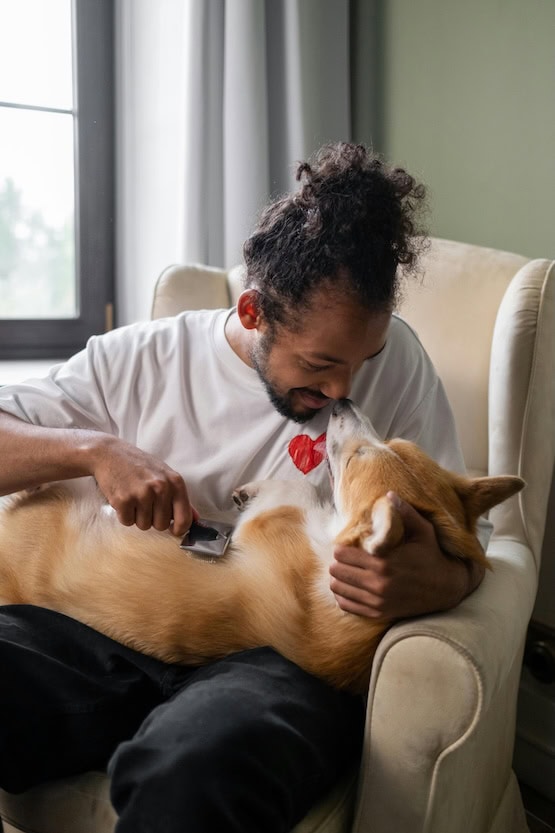
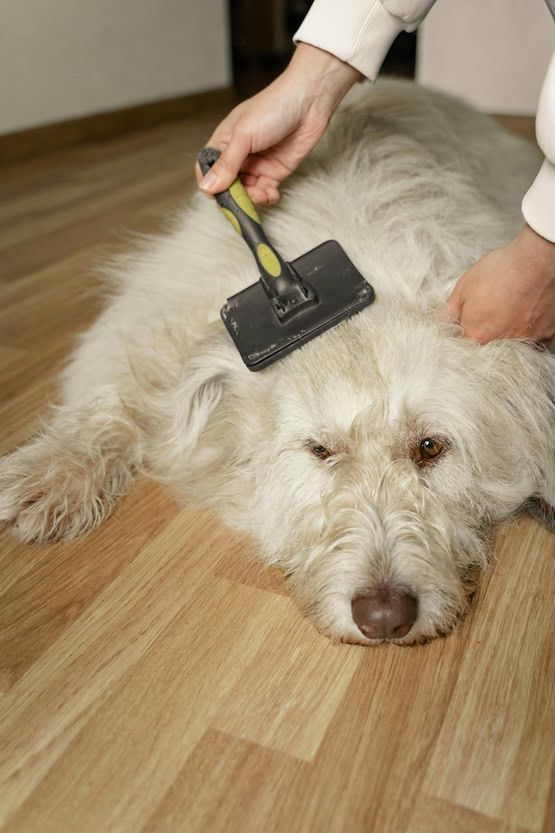
How This Tool Eliminates Chaos (and Accusations)
We’ve all been there: the accusations fly, the dog gives a guilt trip stare, and nobody can remember if dinner was served. A Pet Care Tracker cuts through all of that noise. With a quick glance, you’ll know if today’s walk happened, if meds were given, or if it’s time to take your pet for an overdue potty break.
How it saves your sanity:
- Reduces forgotten tasks like feeding, walking, or scheduling veterinary care.
- Eliminates blame games when certain pets need special attention.
- Brings peace of mind because every detail is tracked in real-time.
In short, it saves relationships, sanity, and maybe a few shoes from getting chewed out of spite.
Great for Managing Feeding, Grooming, Walks, and Even Veterinary Tasks
Not all heroes wear capes—some come in the form of neat, color-coded charts. A Pet Care Tracker makes managing the daily pet care grind so much easier, especially when handling the unique demands of certain pets who require more TLC than others.
Tasks you’ll manage like a pro:
- Feeding schedules for multiple pets with different needs.
- Grooming logs tokeep your pet looking fresh and feeling great.
- Walk and exercise tracking to ensure daily activity is never skipped.
- Routine veterinary care reminders so no important check-up slips through the cracks.
It’s the kind of effortless system that turns a bunch of disconnected chores into a tight, efficient operation.


How to Use the Tracker
Ready to make the Tracker work for you? It’s easy (and low-maintenance, just like the dream pet everyone pretends exists).
Assign Responsibilities: One Person Handles Food, Another Tracks Vet Visits

Instead of assuming someone else took care of it, clear assignments make life simple. One person feeds the dog, another is in charge of walks, and someone else becomes the family’s official veterinary care coordinator.
Simple assignment tips:
- Match tasks with strengths. Love organizing? Take vet records. Love playing outside? You’re on walk duty.
- Rotate roles every week to keep things fair and fresh.
- Use visual cues like checkmarks or stickers so everyone can look and see the progress.
When everyone has a clear task, the guesswork—and the arguments—magically disappear.
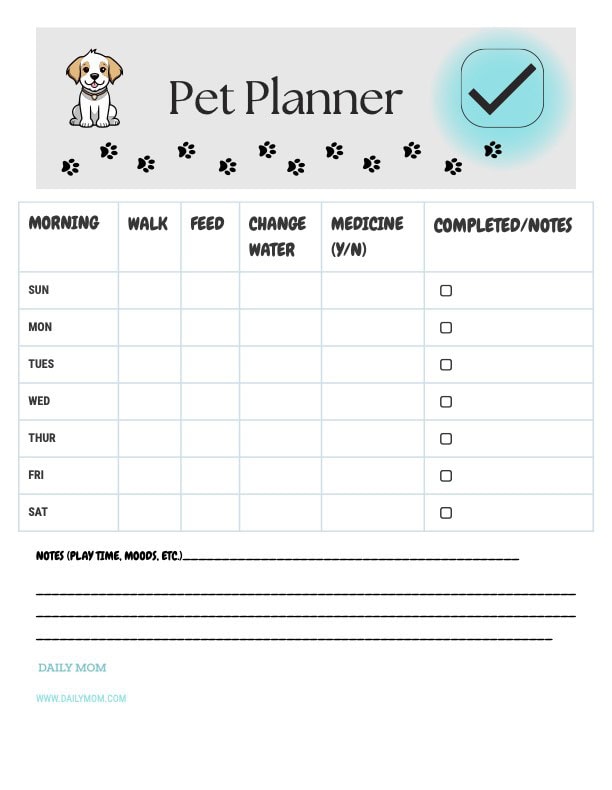
Check out this pet tracker here to kick things off!
A Centralized Place for Info Like Allergies, Meds, and Microchip Details
When it comes tocaring of pets, details matter. A Pet Care Tracker is the perfect one-stop-shop for all the vitalinformation about your pet’s health, needs, and safety.
Info you should track:
- Allergy information to avoid surprise vet visits.
- Medication schedules to keep your pet healthy and stress-free.
- Microchip numbers and registration details for added peace of mind.
Think of it like a personal assistant for your furry family members—no tipping required.

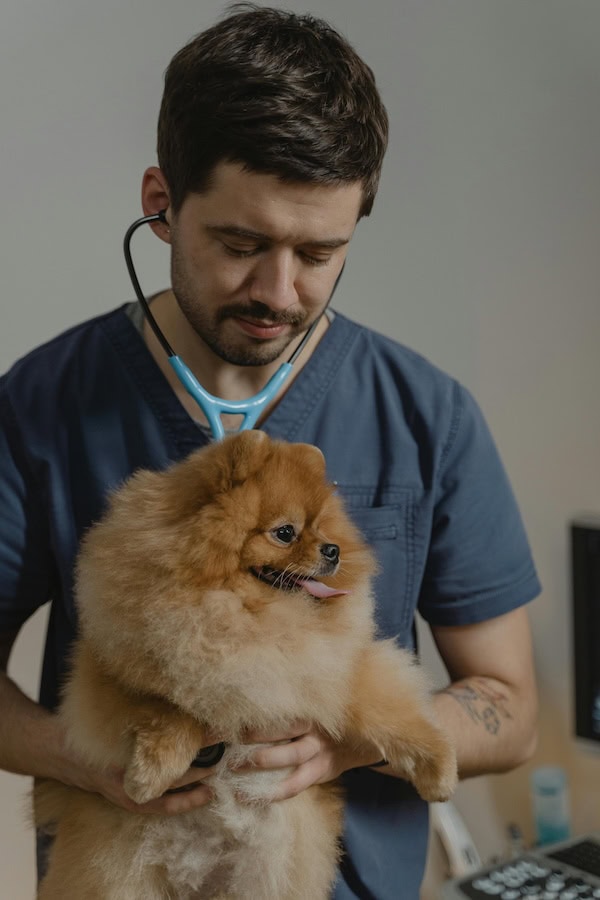
How to Take Care of Dogs Like a Pro to Keep Them Healthy
Mastering the art of caring of pets—especially when it comes to dogs—means more than just tossing kibble into a bowl and calling it a day. Whether you’re dealing with a rambunctious puppy or an older dog, it’s important to weave preventive care into their daily lives. When you ensure that your pets get consistent attention and proper health checks, you’re not just preventing problems—you’re setting them up for a happy and healthy life.
Adopting a pet from a shelter brings even more reason to stay consistent. Many rescue dogs come with hidden health issues or emotional wounds that a good routine and reliable preventive care can gently heal over time.
Take Care of Dogs: Essentials To Remember
If dogs could write a wishlist, it would include more treats, endless belly rubs, and a clear, predictable daily routine. Taking care of a dog well means building habits that meet their basic needs and beyond.
Key essentials to take care of dogs like a pro:
- Nutrition first: Choose food that’s best for your pet, avoiding filler-packed junk.
- Exercise is non-negotiable: Daily walks, games, and brain teasers keep boredom at bay.
- Mental stimulation matters: Dogs need puzzles, training games, and new adventures to stay sharp.
By giving them a routine packed with movement, attention, and challenges, you ensure that your pets thrive physically and emotionally.
Take Your Dog Out Regularly, Keep Them Mentally Stimulated
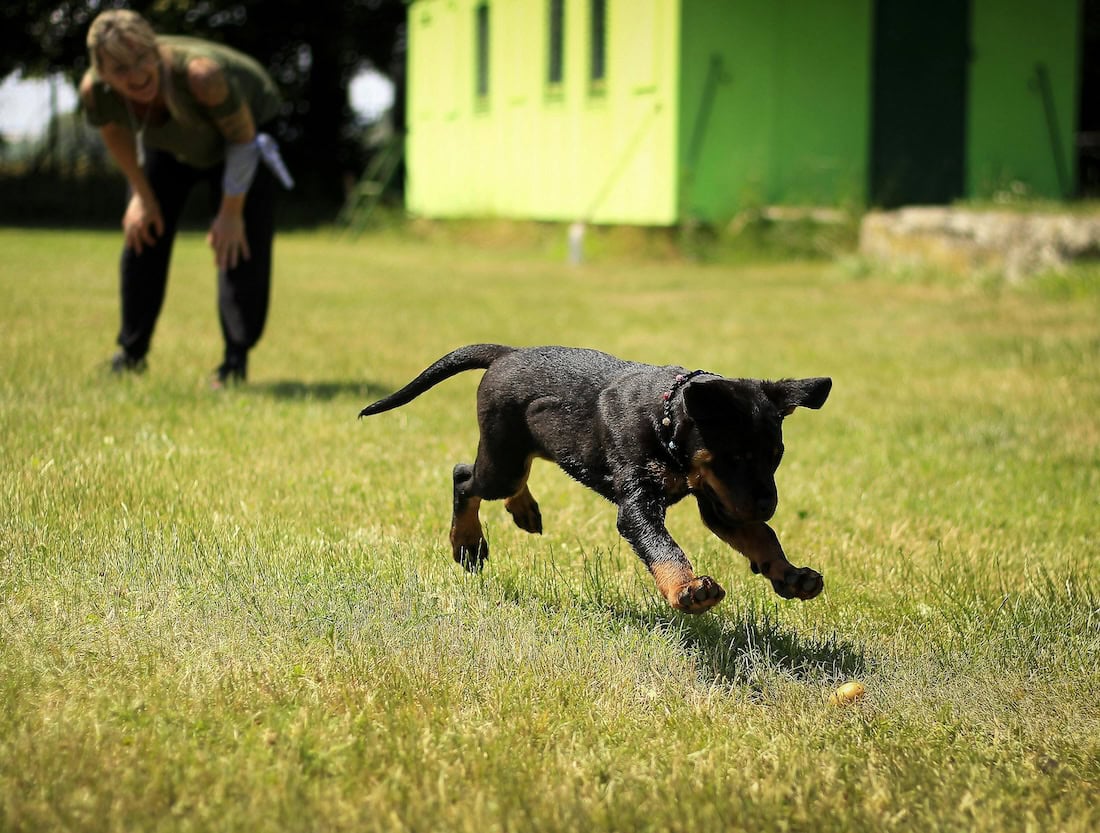
Take your dog out for regular walks, even when the weather’s lousy or your couch is calling your name. Daily outings aren’t just about bathroom breaks—they’re critical for socialization, mental stimulation, and releasing pent-up energy.
Here’s why those daily walks and games matter:
- New smells and sights keep your dog’s brain active and curious.
- Physical activity keeps joints, muscles, and hearts strong—especially in older dogs.
- Frequent outings help reduce behavioral problems caused by boredom or anxiety.
If a new pet seems nervous about the world, structured outdoor time can build confidence at their pace.

Add Reminders for Grooming, Bathing, and Dental Care
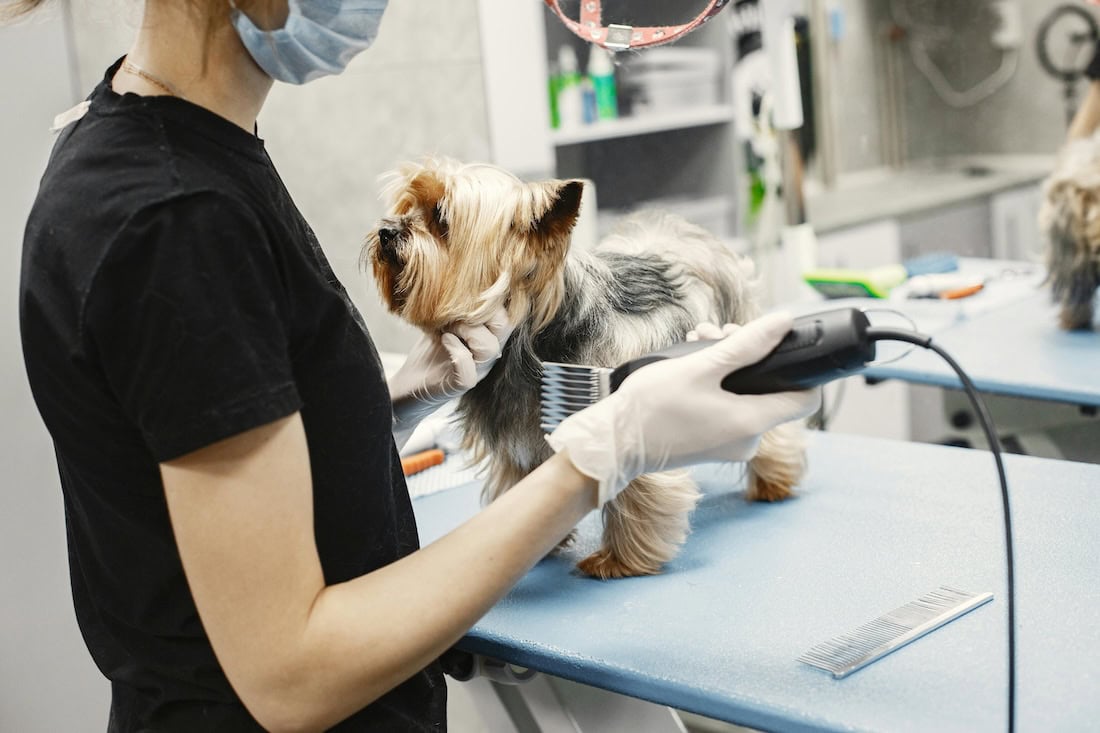
Grooming and dental care aren’t just for beauty pageants—they’re essential parts of overall pet care and health. Skipping them can cause infections, costly veterinary care, and a whole lot of unnecessary suffering.
Stay on top of grooming with these simple reminders:
- Brush coats regularly to avoid painful mats and skin infections.
- Bath as needed to remove dirt, allergens, and loose fur.
- Prioritize dental care by brushing teeth and offering dental chews.
Preventive care through grooming doesn’t just keep your pet looking good—it actively protects their health and happiness. Plus, a freshly bathed dog smells better curled up on the couch next to you.
More Than Just Kibble: What Pets Truly Require
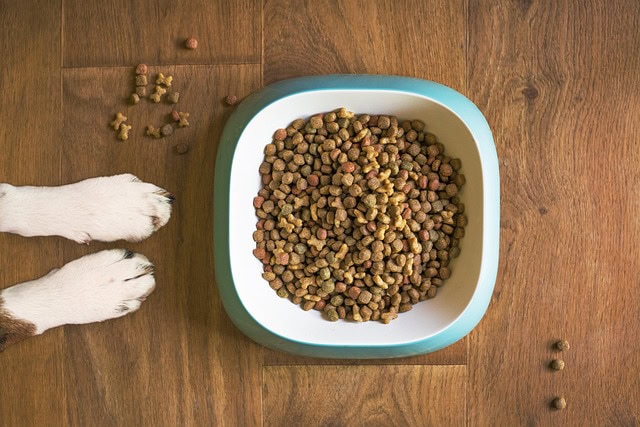
Sure, kibble fills the food bowl, but a bag of crunchies isn’t the golden ticket to responsible pet ownership. Cats and dogs—and everything in between—thrive on emotional connection, mental stimulation, and routine health care. Simply put, pets require more than the basics if you want them to live long, tail-wagging lives.
Especially for first time pets, understanding that love means more than just taking time to feed your pet is critical. It’s about attention, structure, and keeping their health in check with regular veterinarian visits and preventive care steps.
Make Sure That Your Pet Gets Holistic Care
Keeping your dog or cat alive is one thing – helping them truly thrive is another. To ensure your pet is living their best life, holistic care should cover their physical, emotional, and social needs.
What holistic pet care looks like:
- Physical health: balanced nutrition, regular exercise, and vaccination schedules.
- Emotional care: playtime, affection, and positive human interaction.
- Social enrichment: training classes with a certified dog trainer or socialization outings.
Ignoring any one of these layers can lead to stress, anxiety, or preventable illnesses—none of which fall under the banner of responsible pet ownership.
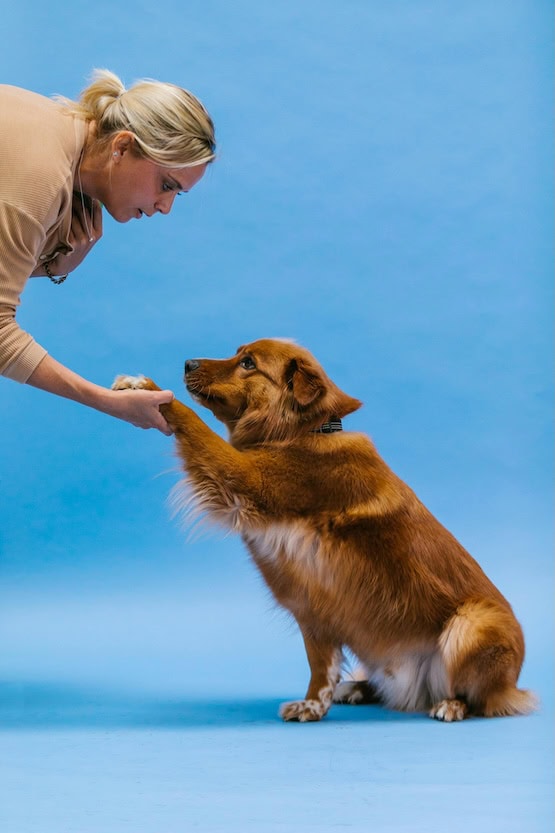

Pets require more than just basic needs—give them your time
Tossing a few toys in the corner and calling it a day won’t cut it. Pets require active participation from their humans to meet their deeper needs. Spending time with your cat or dog—whether that’s cuddling on the couch, learning new tricks, or playing outside—is how real bonds are formed.
And guess what? First time pets are especially sensitive to the amount of attention and reassurance they receive. A neglected pet often becomes an anxious or misbehaving one—something even a bag of the fanciest kibble can’t fix.
Veterinary and Health Checkpoints
Staying on top of your pet’s health doesn’t just happen. It requires planning, tracking, and a whole lot of follow-through toensure your pet stays strong and safe.
Track vet appointments, microchip status, and health updates
A good veterinarian is like a secret weapon in your pet-care arsenal, and regular visits are key to preventing major health disasters. Regular checkups at a trusted animal hospital can catch minor issues before they turn into serious problems.
Here’s what to track to stay on top of it all:
- Annual visits to the vet for full-body exams and vaccination boosters.
- Microchip updates to ensure quick recovery if your dog or cat ever gets lost.
- Health records that log vaccinations, injuries, and illnesses over time.
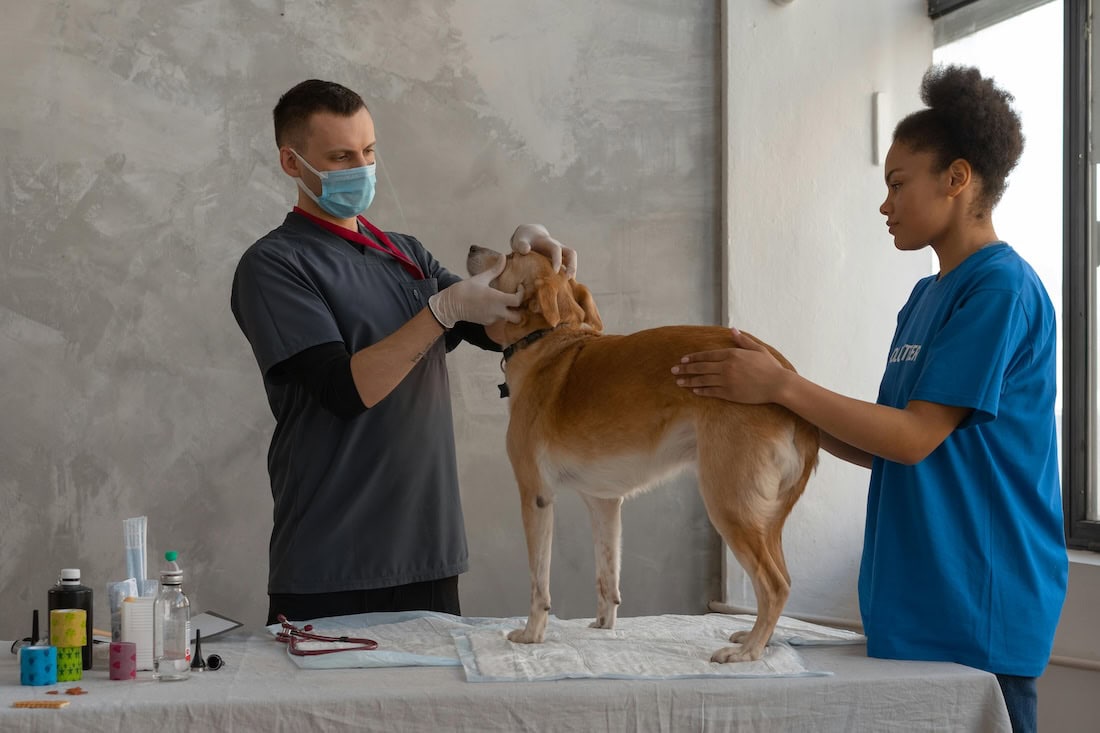
Being diligent with these checkpoints shows true responsible pet ownership—plus, it spares you costly surprises down the road.
Tips to Make Pet Care Fun (And Actually Get Done)
Making caring of pets part of daily life doesn’t have to feel like another line on a never-ending to-do list. Whether you’re juggling cats and dogs, fish, or the occasional rogue hamster, the trick is to weavepet care into your home’s natural rhythm. Especially for a first-time pet owner, learning how to interact with pets that’s engaging can be the difference between chaos and joyful companionship.
Setting up a simple tracking sheet or using playful incentives can make every task—from brushing to feeding—feel less like work and more like family bonding. Because let’s be honest: apet is a big responsibility, but it should also be big fun.
Gamify It: Turn Tasks into Teamwork
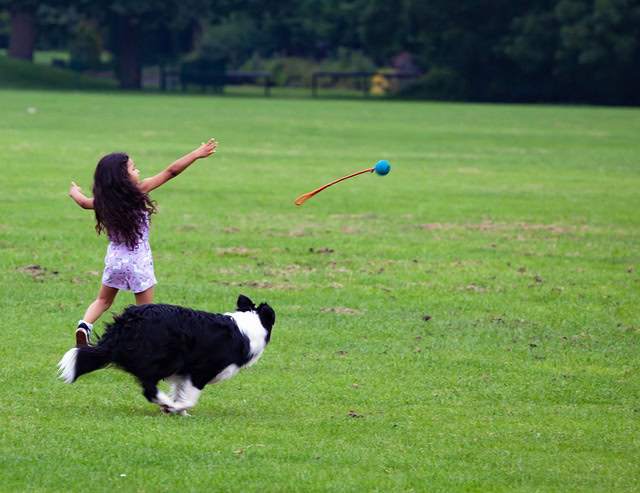
Who said pet care had to be boring? One of the smartest hacks for busy families is to turn daily chores into games. Creating challenges, point systems, or even mini-rewards helps everyone stay motivated—and ensures the cats and dogs get the attention they deserve.
How to Gamify pet care at home:
- Create a pet care leaderboard with rewards for most consistent walker, best groomer, or fastest water-bowl refiller.
- Turn training into contests—who can teach the dog the best trick this week?
- Use stickers or apps to track who fed, walked, or groomed the pet each day.
When the whole family competes to be the best at caring of pets, the tasks magically stop feeling like chores and start feeling like wins.

Make Each Pet Care Task Feel Less Like a To-Do, More Like a Mission
Let’s face it: nobody races home excited to scoop litter boxes or pick up dog poop. Switching up the task to feel like a “mission” can totally change the vibe. Imagine you’re a secret agent on a mission to check out a stealthy cat, or a wildlife expert studying your dog’s “natural habitat” in the backyard. It might seem goofy, but keeping things fun and interactive with pets is awesome for both dogs and kids.
How to mission-ize your pet care tasks:
- Narrate walks like you’re exploring uncharted territory together.
- Groom with a purpose, calling it a “spa day” instead of a bath.
- Feeding time becomes a chef’s challenge—how gourmet can you make it look?
Injecting imagination into everyday routines helps keep a pet feeling exciting, especially for a first-time pet family.
Make Pet Ownership Part of the Family Rhythm
Owning pets isn’t just an occasional responsibility—it’s a daily lifestyle. To truly succeed at owning a dog or caring for a cat, families need to stitch pet care into their daily flow, the same way brushing teeth or packing lunches becomes second nature.
Blend pet care into your daily rhythm:
- Morning walks become part of waking up and getting moving.
- Evening feeding gets tied to dinner prep or bedtime routines.
- Weekend vet checklists get reviewed along with grocery lists and errands.
This mindset shift works wonders not just for your sanity but also for meeting the needs of common household pets of all kinds. Whether you’ve got a first-time pet or a seasoned old-timer, turning pet care into a natural extension of the day helps ensure your pet feels valued, safe, and loved.
And remember—there are all types of pets that need this consistency, not just dogs. From birds to bunnies, establishing routines is crucial to building trust and maintaining health.
When families prioritize the daily rhythm of caring of pets, they aren’t just checking boxes—they’re building habits that keep everyone, furry or otherwise, thriving.
Pets Need Love, Structure, and Yes, Even a Chore Chart
Cats and dogs might not argue over who’s taking out the trash, but they thrive on the same thing humans do: a mix of love, structure, and predictable daily life. Without it, even the best-behaved pets can turn into tiny whirlwinds of mischief. Whether you’re managing a first-time pet or a seasoned old-timer, having a clear routine—and yes, even a basic chore chart—makes it easier to keep a pet happy and healthy.
Why every home with pets needs a chore chart:
- Creates visual accountability so no one “forgets” to feed the dog again.
- Helps split duties like grooming, walks, and cleaning litter boxes fairly.
- Teaches kids (and adults!) about responsible pet ownership.
Adding a simple sheet to the fridge or using a printable pet care chart transforms everyday tasks into easy wins. It’s a small step that makes a massive difference in building trust, love, and lasting bonds with your common household pets.
Take Pet Care Seriously—But Keep It Fun
Taking caring of pets seriously doesn’t mean the entire household needs to march around like a boot camp. Sure, pet owners need to hit those non-negotiables—feed your pet, schedule regular veterinary care, and stick to routines—but sprinkling in a little fun keeps everyone, including your furry family members, excited to participate.
The winning combo for happy homes with pets:
- Stay committed to routines like feeding, walking, and grooming.
- Inject joy into daily tasks through play, praise, and silly moments.
- Celebrate milestones, like mastering a new trick or completing a chore chart streak.
Owning a pet is a big responsibility, but it’s also one of life’s biggest joys. When families interact with pets daily with a balance of structure and fun, they’re not just ticking off tasks—they’re building lifelong memories with their cats and dogs.
FAQ’s
Q: What are the basics of pet care that every owner should know?
A: The basics of pet care include providing a proper diet, regular exercise, routine vet check-ups, grooming, and lots of love and attention. Each pet has unique needs, so it’s important to research what works best for your specific animal.
Q: How often should I take my pet to the vet?
A: Generally, you should take your pet to the vet at least once a year for a check-up. However, if your pet is older or has health issues, more frequent visits might be necessary. Don’t forget about vaccinations and preventative care!
Q: What should I feed my pet?
A: The best diet for your pet depends on their species, breed, age, and health status. Always choose high-quality pet food that meets their nutritional needs. For specific dietary advice, consult your vet!
Q: How much exercise does my pet need?
A: The amount of exercise varies by species and breed. Dogs typically need at least 30 minutes to 2 hours of exercise daily, while cats enjoy playtime but may not need as much structured exercise. Find activities that keep them engaged and active!
Q: What are some common grooming tips for pets?
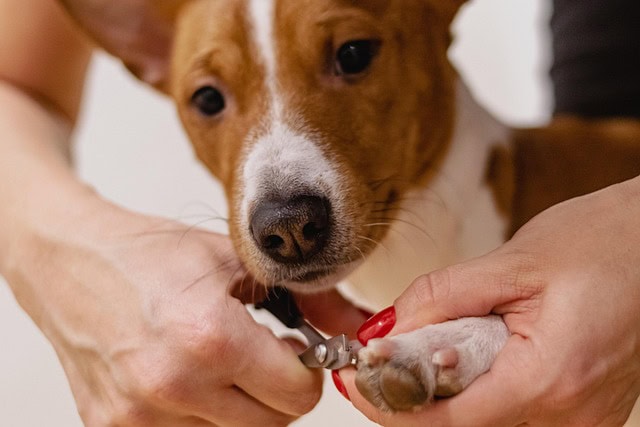
A: Regular grooming is essential! Brush your pet’s fur to prevent mats, bathe them as needed, and keep their nails trimmed. Don’t forget dental care—brushing your pet’s teeth regularly helps prevent dental diseases!
Q: How can I tell if my pet is sick?
A: Watch for changes in behavior, appetite, or energy levels. Signs like vomiting, diarrhea, coughing, or excessive scratching can indicate something’s wrong. If you notice anything unusual, it’s best to consult your vet ASAP!
Q: What should I do if my pet gets lost?
A: If your pet goes missing, start by searching your neighborhood and calling their name. Use social media to spread the word and contact local shelters. Having your pet microchipped and keeping their ID tags updated can also help reunite you faster!
Q: Can I train my pet at home?
A: Absolutely! Home training is not only possible, but it can also be super rewarding. Use positive reinforcement techniques, be consistent, and keep training sessions short and fun. There are tons of online resources and classes to help you out!
Q: What are some signs of good pet health?
A: Healthy pets generally have a shiny coat, bright eyes, good appetite, and normal energy levels. Regular vet check-ups can help monitor their health, so keep an eye on any changes that might pop up!
Q: How can I make my pet feel more comfortable during stressful situations?
A: Creating a safe space for your pet, using calming products like pheromones, and sticking to their routine can help reduce stress. Practice positive reinforcement to help them associate the stressful situation with good experiences.
You might also be interested in…
CONNECT WITH DAILY MOM
💖 NEWSLETTER: DAILY READS IN YOUR INBOX 💖
Sign up to receive our picks for the best things to do, see and buy so you can relax and focus on more important tasks! Let us help you be the best version of yourself you can be!
BE SOCIAL WITH US
📌 LOVE IT? PIN IT!📌