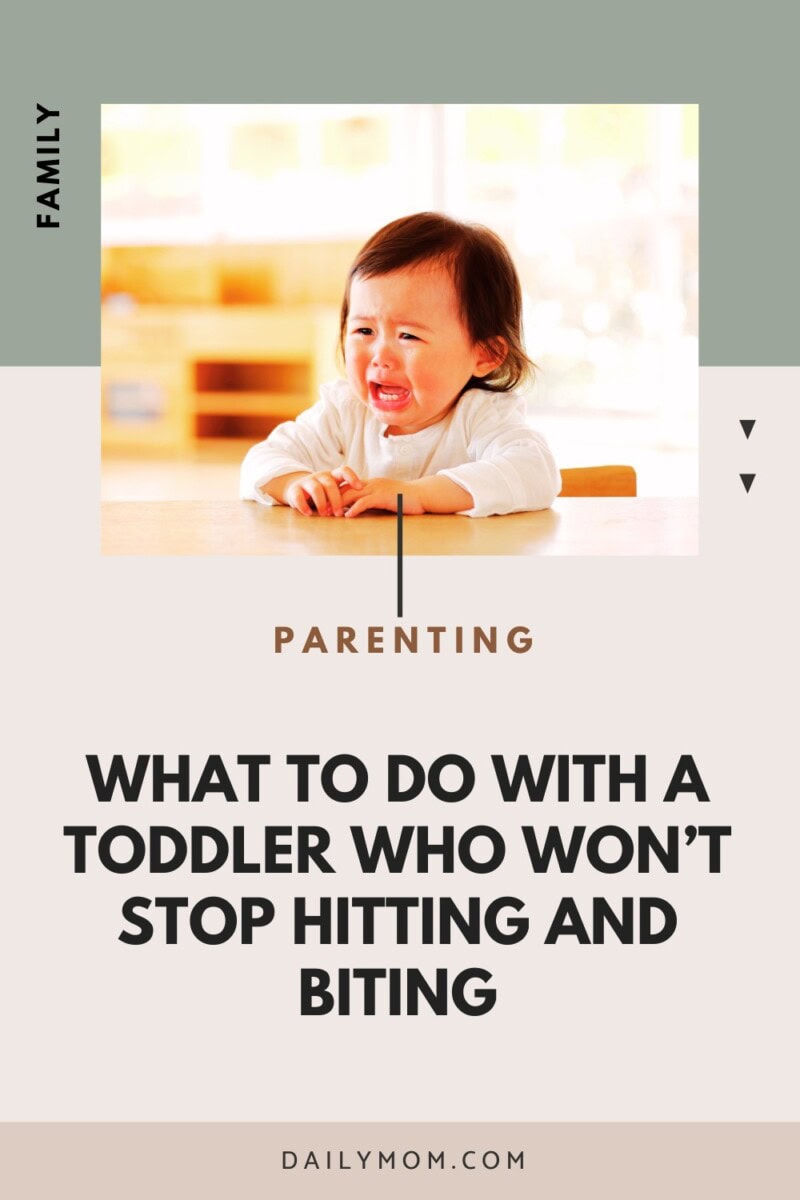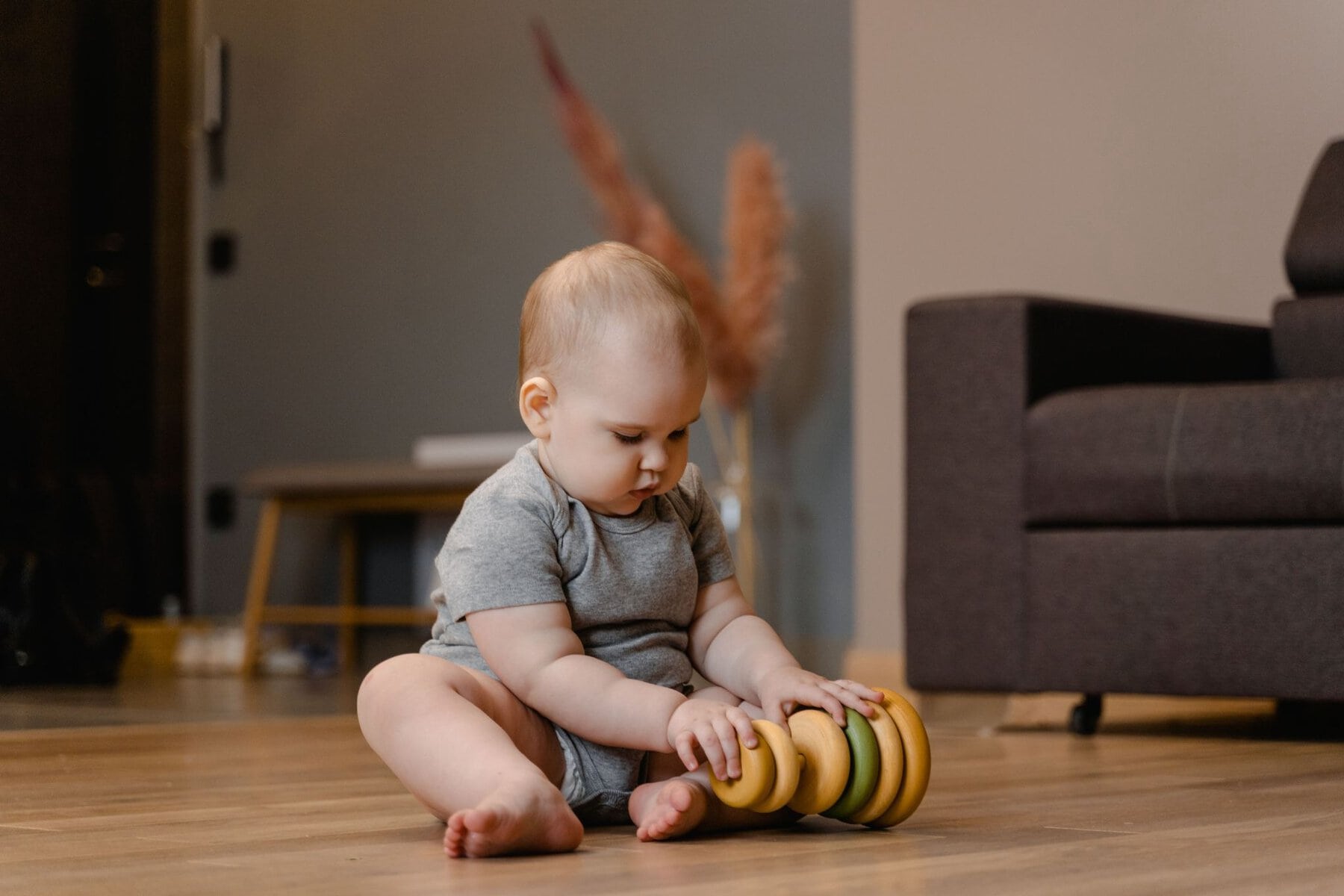



























Toddler aggression can be one of the most frustrating challenges for parents and caregivers. Whether it’s a 15 month old hitting, a 2 year old biting, or a 3 year old who hits others during playtime, the behavior can feel alarming. If your son or daughter is hitting or if you’re hearing about your toddler biting others at daycare, you are not alone.
Understanding Why Toddlers Hit
Is It Normal for a Toddler to Hit?
Yes, toddlers who bite and hit are very common—especially between 15 to 36 months. Young toddlers often lack the language or impulse control to express frustration or needs. So when a 16 month old is hitting or a 2.5 year old hits another child, it doesn’t mean they’re “bad”—it means they’re still learning. The American Academy of Child and Adolescent Psychiatry confirms that these actions are typical in early development.
Why Do 2 Year Olds Hit?
Two year olds may hit when they’re overwhelmed, overstimulated, or struggling to communicate. Teeth are not for biting, but a toddler doesn’t always know that. When they play with others, they might hit or bite another child to protect a toy, express a need, or respond to a tantrum.
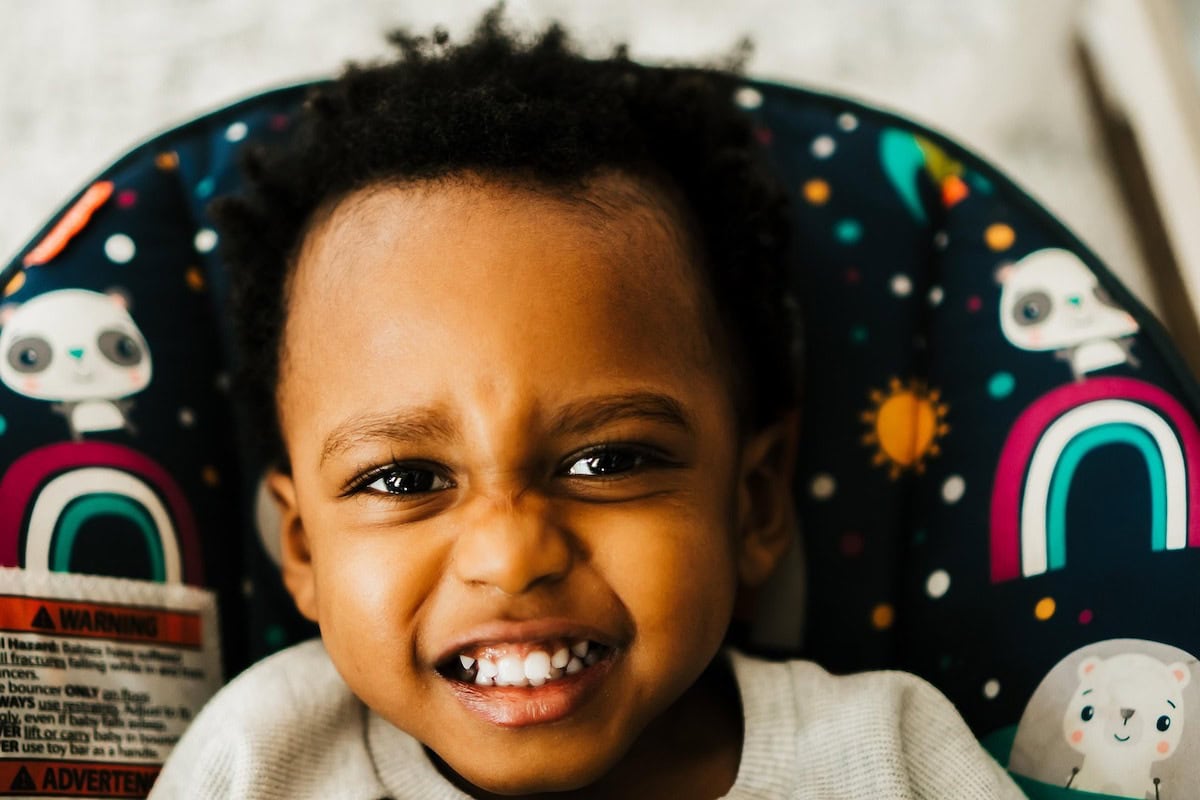
Hitting and Biting: What’s Behind the Behavior?
When a Toddler Starts to Bite
Biting often appears between 15 and 24 months. It can be sensory, emotional, or a reaction to teething pain. You might wonder how to respond to hitting—and the answer starts with understanding why it’s happening.
Managing Toddler Aggression Before It Escalates
An aggressive toddler might hit people or bite. Your preschooler isn’t old enough to understand that biting and hitting hurts others. Keeping your toddler from hitting the whole family in the face with hands or toys, and explaining that this is “bad” and that we don’t hit, is important. And while this is just a normal developmental phase, it is one that needs guidance. Hitting hurts, and your toddler needs to learn that hitting is not okay.

How to Stop Hitting and Biting in Toddlers
Effective Ways to Stop Your Toddler from Hitting
Here are strategies that help:
- Physically stop the behavior if necessary—gently but firmly hold your child’s hands to prevent them from hurting you or others. This isn’t about punishment; it’s about keeping everyone safe while teaching your toddler self-control.
- Stay calm and use simple, clear language. Say something like: “No hitting. Hitting hurts people.” Avoid yelling, as it can escalate your toddler’s emotions. A calm tone models emotional regulation and helps your child feel secure even during correction.
- Use natural consequences for hitting. For example, “You hit your friend, so we’re taking a break from play.” The consequence should be directly tied to the behavior and something your child can understand.
If you’re wondering how to stop a very young toddler hitting others, these same strategies apply. Toddlers this age are just beginning to learn about cause and effect, so repetition and consistency are key. Follow through every time, and reinforce gentle behavior when you see it. Over time, your toddler will begin to understand that hitting is not okay, and that there are better ways to express frustration or get attention.

Gentle Techniques to Prevent Hitting and Biting
- Gentle parenting doesn’t mean allowing harmful behavior—it means addressing it with empathy, respect, and calm discipline. It’s about helping your toddler learn what to do, not just what not to do. Instead of reacting with punishment, focus on connection and guidance.
- Modeling empathy is a powerful teaching tool. When your toddler is upset, get down to their level and say, “I see you’re frustrated. Let’s use our words instead of hitting.” This helps your child feel seen and understood while gently redirecting their behavior.
- Offer alternatives to hitting or biting so your toddler has a safe outlet for big emotions. You might say, “If you feel mad, you can stomp your feet,” or provide a pillow to squeeze. Some toddlers respond well to a quiet corner with soft toys or sensory tools—a calm-down space where they can reset without punishment.
- Set clear, firm boundaries with kindness. Say, “I won’t let you hit me,” or “Hitting hurts. I’m here to help you be gentle.” This kind of response enforces limits without shame or fear. It teaches your toddler that boundaries can be loving and that you’re their safe place even when they’re struggling.
- The goal isn’t perfection—it’s progress. With gentle consistency, your toddler learns to trust both you and the limits you set.

What to Do When a Child Hits Repeatedly
If your child hits again and again, consistency matters. Use positive parenting techniques to respond to hitting, and explain why hitting is not something we do. Remain calm, and follow through with logical consequences for hitting. For example:
- If they hit a sibling, remove them from play and explain: “When we hit, we lose playtime. Let’s try again later.”
- Avoid hitting your child. When you hit your child back, your little toddler only understands that you hit them and they look to you for guidance. Hitting them will tell them that hitting is good, which is the opposite of what you are trying to tell your toddler.
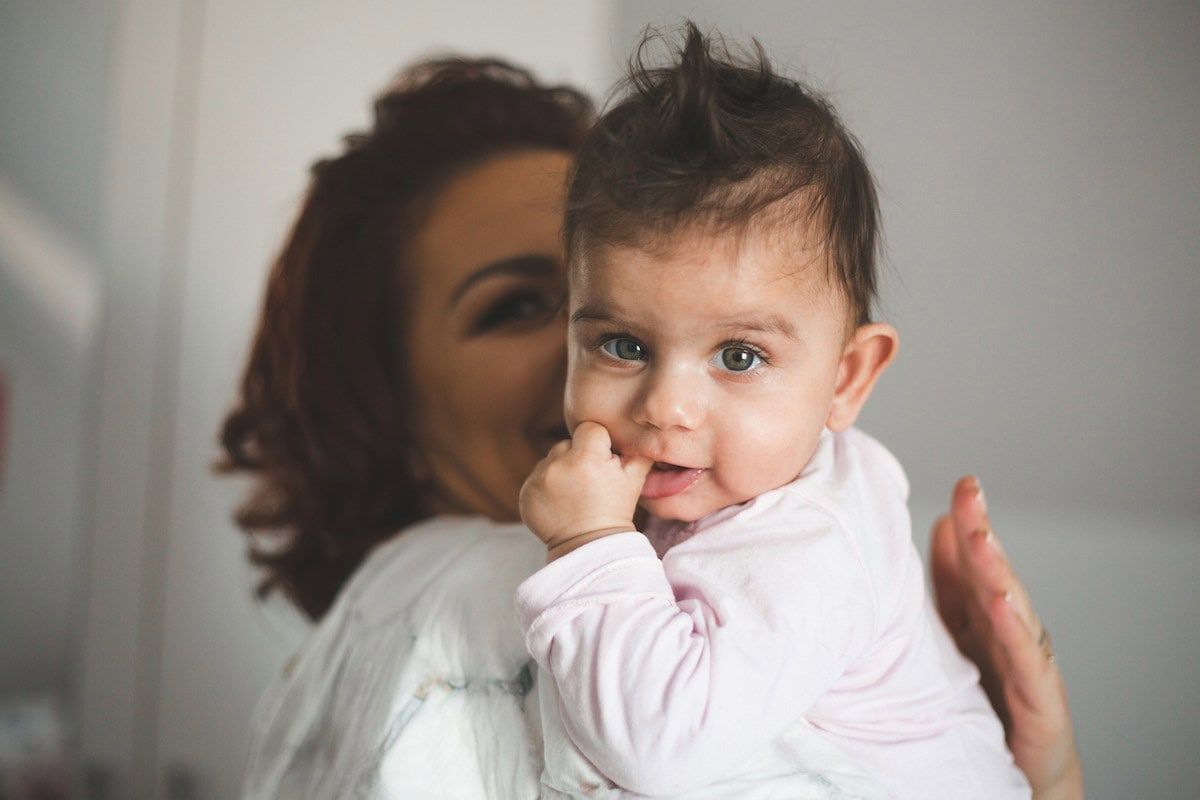
What to Do If Your 2 Year Old Toddler Hits or Bites
Why Does My Toddler Hit or Bite Me and Others?
Many parents and caregivers report feeling helpless when their child hits them or bites a friend. It may feel personal, but it’s not. Toddlers may hit others simply to test limits or express unmet needs.
Your child is hitting because they don’t yet know how not to. That’s where you come in to help your child.
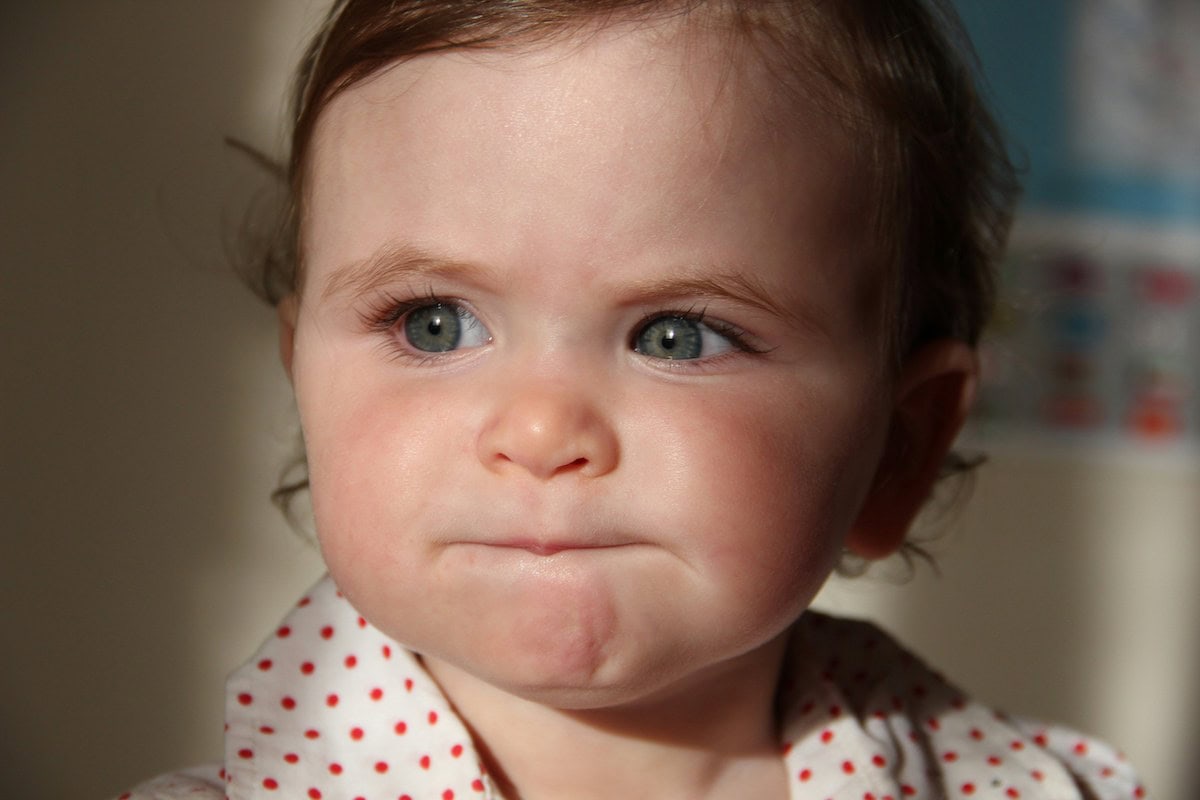
How to Help Your Toddler Stop Hitting
If your daughter or son is hitting you and your husband, or hits someone else, use a consistent phrase like “Hitting is not OK” or “No hitting. Let’s be kind.” Over time, repetition helps toddlers know hitting is wrong.
If you’re asking, “How can I stop my child from hitting?”—try this approach:
- Name the feeling: “You’re angry.”
- State the limit: “But we don’t hit.”
- Offer an alternative: “You can stomp your feet or tell me.”
Support for Moms Dealing with Toddler Aggression
You’re Not Alone, Mom — This Is a Common Phase
If you’re searching for ways about how to stop your child from hitting, you’re likely exhausted and worried. Remember: many mothers have or have had a child who hits. This hitting phase will pass with consistent guidance. Reach out to other moms with children the same age, or even older moms who have been there and done that before. Having the support of a group of other mothers is essential during difficult phases in raising your babies.

Other Moms’ Advice and What Actually Works
If you’ve ever asked a friend, “How do I stop my toddler from hitting?”, you’ve probably heard a range of answers. Many moms find that positive parenting approaches to hitting—which focus on teaching rather than punishing—are not only more effective but also strengthen the parent-child relationship over time.
Start with clear, consistent consequences that make sense to your toddler. Logical consequences are directly related to the behavior: “If you hit, you lose the toy,” or “If you can’t play gently, we’ll need to take a break.” These teach accountability while still respecting your child’s dignity. Natural consequences—like a friend not wanting to play after being hit—also help toddlers begin to connect their actions with real outcomes.
One of the most important pieces of advice from experienced parents is to avoid spanking. While it might feel like an instinctive reaction in a tense moment, spanking sends the confusing message that hitting is an acceptable way to solve problems. Instead of reducing aggression, it can increase it. As one mom put it, “I don’t want to teach my child that big people hit when they’re angry.”
Instead, offer your toddler alternatives and emotional tools. Try saying, “Tell me with words,” or “I know you feel like you need to hit. Let’s take a break together.” These phrases validate your child’s feelings while reinforcing better choices. Remember, toddlers don’t yet have the impulse control of older kids. They need lots of practice, patience, and your steady guidance to learn how to respond to frustration without resorting to hitting or biting.
And always allow your child to talk to you, even if it’s spoken in toddler gibberish. The biggest reason they are lashing out physically is because they can’t communicate properly. Allowing them to feel heard and to voice their problem is a huge part of helping them get through this phase. Bonus? It also lays a foundation for older years, when they will know that they can come to you and talk to you about their issues.

Ideas to Prevent Hitting Before They Start
Positive Discipline: A Great Idea for Toddlers
Positive discipline focuses on teaching, not punishing. It respects the child’s brain development and builds emotional intelligence.
Natural consequence ideas can include:
- “We’ll try again later.”
- “We’re going home now.”
- “You need to be gentle to play with others.”
Teaching Empathy Before Toddlers Start Hitting
One of the most effective ways to prevent hitting is by actively teaching your toddler empathy before aggressive behavior becomes a habit. Toddlers are still learning how to manage big emotions, and they often don’t understand how their actions affect others. You can guide this learning by talking openly about feelings, using everyday moments to build emotional awareness.
Start with books about emotions and friendship—many picture books are designed specifically to help young children recognize and name their feelings. Pair this with simple role-play using toys or dolls: act out a situation where one character hits and talk through better choices and how others might feel. These playful moments stick with toddlers and help them process complex social cues.
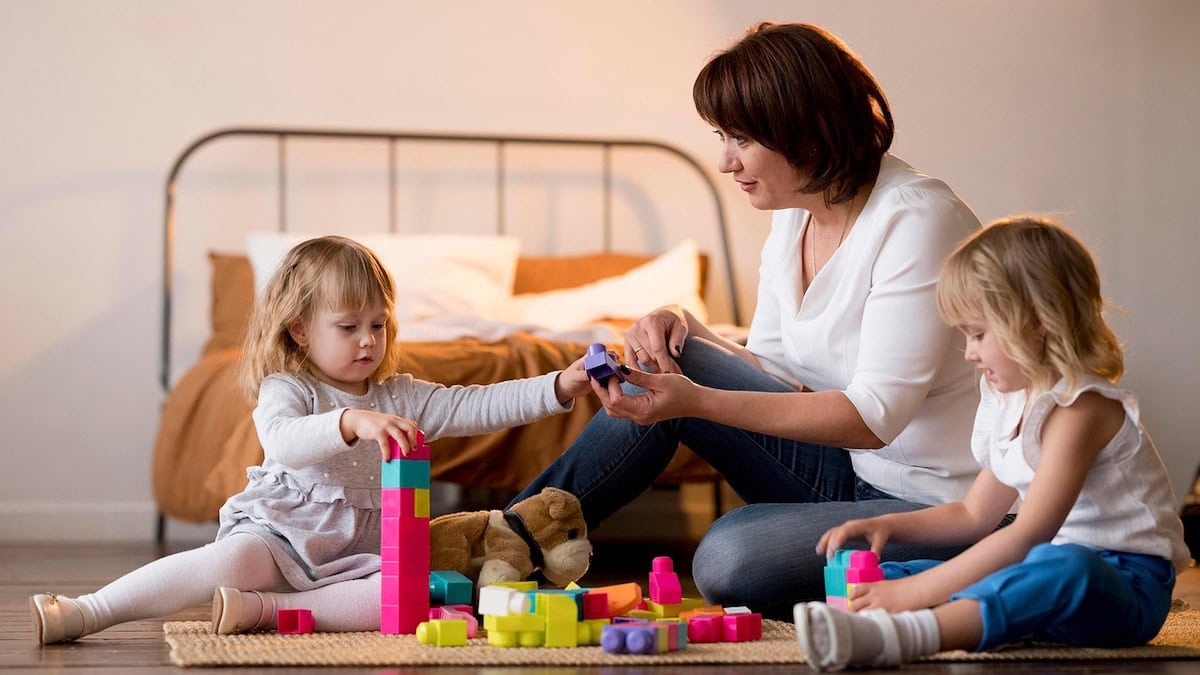
When your child makes a kind choice, praise gentle behavior immediately:
- “You gave your friend a hug. That was kind.”
- “You didn’t hit. You used your words. Good job!”
These affirmations reinforce positive behavior and build your child’s confidence in handling emotions the right way.
When conflict does happen, involve your toddler in repairing the relationship. Let them help fix the situation—whether that means saying sorry, drawing a picture for a hurt friend, or helping clean up a shared toy area. These are all hands-on ways to learn accountability and compassion.
You can also guide reflection with gentle, age-appropriate questions:
- “How would your friend feel if you hit them?”
- “How would you feel if they hit you?”

These conversations, repeated over time, help your toddler begin to connect cause and effect with emotional outcomes. Teaching empathy early builds a strong foundation for positive social interactions and reduces the likelihood of ongoing hitting or biting behavior.
Toddlers Will Hit and Bite…But You’ve Got This
Whether you’re dealing with a 15 month old hitting, a 2 year old biting, or preschoolers and kindergarteners hitting friends, the behavior is a normal, yet challenging, part of development.
The key is to stop hitting behavior early through calm, consistent, and positive parenting strategies. Tell your toddler what you do want them to do, give them the tools to succeed, and remember: this is too shall pass.
You’ve got this, mama. And you’re not alone.
WANT TO READ MORE?
Here’s 5 Great Ways to Deal with Temper Tantrums
CONNECT WITH DAILY MOM
💖 NEWSLETTER: DAILY READS IN YOUR INBOX 💖
Sign up to receive our picks for the best things to do, see and buy so you can relax and focus on more important tasks! Let us help you be the best version of yourself you can be!
BE SOCIAL WITH US
📌 LOVE IT? PIN IT!📌