































Family outings are a wonderful way to make memories, keep kids active, and enjoy quality time together. But between busy schedules, unpredictable weather, different ages, and limited budgets, planning an enjoyable day out can sometimes feel like another item on a mom’s never-ending to-do list.
The good news? Family outings don’t have to be expensive, complicated, or perfectly planned to be fun. Whether you’re looking for indoor playgrounds, outdoor adventures, or simple activities close to home, there are plenty of ways to keep children entertained while making the experience enjoyable for parents, too.
Why Planning Easy Family Outings Makes Life Better for Moms
Motherhood comes with a lot of moving parts. Between preparing meals, managing school schedules, coordinating extracurricular activities, and keeping up with household responsibilities, finding time for fun can be challenging.
And while spending time at home can be wonderful, sometimes everyone needs a change of scenery.
Planning regular family outings gives children something exciting to anticipate while helping moms break away from their usual routines. The best part is that these experiences don’t have to require hours of research or elaborate preparation.
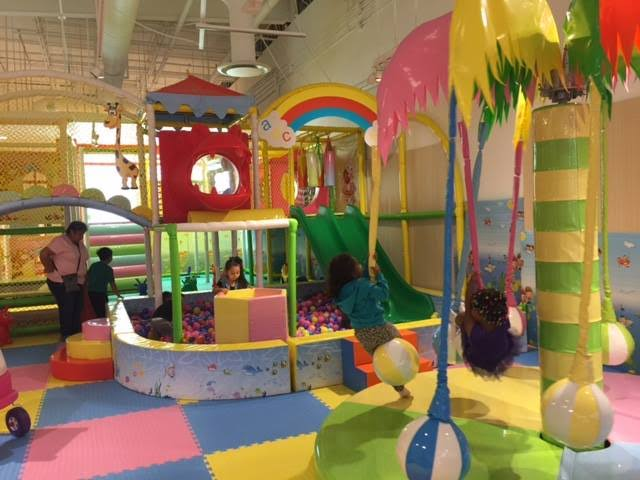
Having a handful of reliable, family-friendly destinations makes it easier to decide what to do when the weekend arrives or the kids suddenly announce they’re bored.
Benefits of Keeping a Family Outings List
Instead of starting from scratch every time you want to leave the house, create a running list of activities that work for your family.
Consider organizing your ideas into categories:
- Quick family outings: Neighborhood playgrounds, local libraries, walking trails, and nearby parks.
- Indoor family outings: Indoor playgrounds, children’s museums, trampoline parks, and recreational centers.
- Budget-friendly family outings: Free community events, nature walks, public playgrounds, and library activities.
- Special occasion outings: Zoos, aquariums, amusement parks, and family entertainment centers.
- Rainy-day activities: Indoor play spaces, bowling alleys, craft workshops, and interactive museums.
Keep the list in your phone’s notes app so it’s easy to access when you need inspiration.
You can even save important details like admission prices, parking availability, operating hours, and whether a destination offers activities for multiple age groups.
This simple habit can turn a stressful Saturday morning into an easy decision about where to spend the afternoon.
The Benefits of Active Family Outings for Growing Children
Kids naturally want to move, climb, explore, and test their abilities. Active play is an essential part of childhood, and family outings can provide opportunities for movement that aren’t always available indoors at home.
Activities involving running, balancing, jumping, and climbing help children develop important physical skills while encouraging independence and confidence.
According to the Centers for Disease Control and Prevention, children ages 3 through 5 should be physically active throughout the day, while children and teens ages 6 through 17 should get at least 60 minutes of moderate-to-vigorous physical activity daily.
Active family outings can be an enjoyable way to help children incorporate more movement into their daily routines.
How Active Play Supports Childhood Development
Physical activity offers benefits beyond simply helping kids burn energy.
- Physical development: Climbing, jumping, running, and balancing support coordination, muscle strength, and motor skills.
- Confidence and independence: Trying new activities gives children opportunities to overcome challenges and celebrate accomplishments.
- Problem-solving skills: Navigating obstacle courses and playground equipment encourages children to think through unfamiliar situations.
- Social development: Group play provides opportunities to share, communicate, cooperate, and take turns.
- Emotional well-being: Physical activity can help support mood, reduce stress, and provide a healthy outlet for energy.
For moms, the goal isn’t necessarily to schedule a structured workout. It’s simply to create more opportunities for children to move their bodies while having fun.
A trip to a playground, an afternoon at an indoor activity center, or a family walk through a local nature trail can all contribute to a more active lifestyle.
Indoor Family Outings: A Great Option When the Weather Doesn’t Cooperate
Every mom knows the frustration of planning an outdoor adventure only to have the weather ruin the plans.
Whether it’s pouring rain, extremely hot, unusually cold, or simply too windy for a comfortable playground visit, having indoor family outings in mind can save the day.
Indoor entertainment centers are especially helpful because they provide a dedicated place for children to play and explore without families having to rely on ideal outdoor conditions.
Finding an Indoor Playground Northridge Families Can Enjoy
For families in the San Fernando Valley, finding an indoor playground Northridge families can enjoy can be a practical alternative to traditional outdoor activities.
Indoor playgrounds often feature a variety of attractions designed to encourage movement, creativity, and social interaction.
Depending on the facility, children may enjoy:
- Climbing structures that encourage coordination and problem-solving.
- Slides and tunnels designed for exploring.
- Soft-play areas suitable for younger children.
- Obstacle courses that challenge older kids.
- Interactive games that encourage imaginative play.
- Dedicated toddler areas separated from more energetic play spaces.
One of the biggest advantages of indoor playgrounds is that much of the entertainment is already built into the experience. Instead of organizing games or bringing multiple activities from home, moms can allow children to explore the available attractions while supervising them.
Indoor playgrounds can also make planning easier for families with siblings of different ages, particularly when the facility offers separate activity areas.
However, not every play center is suitable for every family, so doing a little research beforehand is important.
What to Check Before Visiting an Indoor Playground
Before committing to an indoor family outing, take a few minutes to review the facility’s website or call ahead.
Indoor Playground Planning Checklist
Save for your next outingConfirm operating hours and whether reservations are required.Review admission prices, sibling discounts, and adult entry fees.Check age and height restrictions for play equipment.Ask whether toddlers have a separate play area.Find out if grip socks or other special clothing are required.Review food, snack, and outside drink policies.Check parking availability and restroom facilities.Review supervision rules, accessibility, and safety guidelines.
0 of 8 checkedReset
If possible, look at recent parent reviews to get a better idea of the atmosphere, cleanliness, staffing, and how crowded the facility tends to be.
For families with toddlers or younger preschoolers, choosing a location with age-appropriate equipment and clearly designated play areas can make the experience more comfortable.
Budget-Friendly Family Outings That Don’t Require a Big Spending Plan
Family fun doesn’t have to come with a big price tag.
Between admission fees, snacks, parking, and the occasional souvenir request, even a simple afternoon out can become expensive. Fortunately, there are plenty of affordable family outings that offer just as much excitement.
Affordable Family Outing Ideas for Kids
1. Explore a New Neighborhood Playground

Instead of visiting the same park every weekend, try a playground in a nearby neighborhood. Different climbing structures, slides, and play areas can make an ordinary park visit feel like a brand-new adventure.
2. Visit Your Local Library
Many public libraries offer free story times, craft activities, reading challenges, and children’s events. They can be particularly useful for younger children and families looking for quiet indoor entertainment.
3. Plan a Nature Scavenger Hunt
Turn an ordinary walk into an adventure by asking kids to find specific things along the way, such as a yellow flower, an unusual rock, or three different types of leaves. This works well in parks, nature trails, and even around the neighborhood.

4. Attend Community Events
Check your city’s parks and recreation calendar for seasonal festivals, outdoor concerts, children’s workshops, and holiday celebrations. Many communities offer free or inexpensive activities throughout the year.

5. Pack a Picnic Lunch
A picnic can transform a regular lunchtime routine into a special outing. Bring sandwiches, fruit, water, and a blanket to a local park. After eating, let the kids enjoy the playground or explore a nearby walking path.
One money-saving tip is to look for free admission days or discounted family memberships at museums, zoos, and other attractions. Some public libraries also offer passes to local cultural destinations.
If your family visits the same location frequently, compare the cost of a membership against individual tickets. Depending on how often you go, a membership may offer worthwhile savings.
How to Plan Family Outings With Kids of Different Ages
One of the biggest challenges parents face is finding activities that appeal to children at different developmental stages.
A toddler might be thrilled with a small slide and a sensory play station, while an older child wants something more adventurous.
Choosing activities with several options can make family outings easier and reduce arguments over what everyone wants to do.
Family Outing Ideas by Age Group
| Age group | Activities to consider |
|---|---|
| Babies and young toddlers (0–2) | Stroller walks, library baby programs, sensory play, toddler-friendly play spaces |
| Preschoolers (3–5) | Indoor playgrounds, children’s museums, nature walks, playground visits |
| Elementary-age kids (6–10) | Obstacle courses, bowling, zoos, skating, interactive museums |
| Tweens (11–12) | Mini golf, climbing gyms, escape-room experiences designed for families, biking trails |
| Mixed-age families | Aquariums, botanical gardens, large parks, family entertainment centers |
These are general suggestions rather than strict age limits. Always consider your child’s interests, developmental abilities, and each facility’s specific safety requirements.
Let Kids Help Choose Family Outings
Children are often more excited about an outing when they feel involved in the planning process.
Try offering two or three parent-approved choices and letting them vote.
For example:
“Would you rather visit the indoor playground, go bowling, or explore a new park?”
For families with several children, consider rotating who gets to choose the weekend activity.
This teaches compromise while helping everyone feel included.
What Moms Should Pack for Stress-Free Family Outings
We’ve all experienced those moments when a perfectly good outing is interrupted because someone is thirsty, hungry, uncomfortable, or suddenly needs a change of clothes.
A little preparation can help prevent some of those frustrations.
Instead of packing a huge bag for every adventure, create a small family outing essentials kit that stays ready to go.
The Family Outing Essentials Checklist
- Water bottles: Bring enough water for everyone, especially during active play.
- Easy snacks: Pack fruit, crackers, or other age-appropriate snacks, provided the destination allows outside food.
- Wipes and hand sanitizer: Helpful for sticky fingers and quick cleanups.
- Extra clothing: Especially useful for toddlers, potty-training children, and messy activities.
- Socks: Many indoor playgrounds require grip socks or regular socks for entry.
- Basic first-aid supplies: A few adhesive bandages and other simple essentials can come in handy.
- Weather essentials: Sunscreen, hats, jackets, or rain gear depending on the destination.
- Comfort items: A small toy or familiar item may help younger children feel secure.
- Tickets and confirmations: Save digital reservations or admission information on your phone.
For babies and toddlers, remember diapers, a changing pad, and any feeding supplies.
A small backpack with organized compartments often makes it easier to find what you need without digging through everything.
Create a Grab-and-Go Family Outing Bag
If your family goes on outings regularly, keep a dedicated bag stocked with nonperishable essentials.
After each trip, take a minute to replace anything you’ve used.
This small habit can eliminate a lot of last-minute scrambling and make spontaneous adventures much easier.
Making Family Outings Enjoyable for Moms, Too
Family outings should be fun for the entire family, including the person organizing them.
When moms are responsible for managing every detail, it’s easy for a day of fun to turn into another exhausting responsibility.
The solution isn’t necessarily to plan more. Sometimes, it’s about simplifying expectations.
Schedule Family Outings Around Your Children’s Routines
Consider your children’s energy levels and typical schedules before choosing a time to leave home.
For many families, mornings are ideal because children are well-rested and haven’t yet become overwhelmed by the day’s activities.
Other families may find that afternoon outings work better, particularly when younger kids still need naps.
Some helpful strategies include:
- Avoid scheduling activities too close to a toddler’s usual nap time.
- Give children a snack or meal before arriving when appropriate.
- Choose destinations within a manageable driving distance.
- Keep the outing shorter when children are tired or overstimulated.
- Build in time for bathroom breaks and transitions.
- Leave room for unexpected changes rather than planning every minute.
A successful family outing doesn’t have to last an entire day.
Sometimes, 60 to 90 minutes of active play followed by a relaxing afternoon at home is exactly what everyone needs.
Give Yourself Permission to Keep Things Simple
Not every family outing needs to involve multiple destinations, a restaurant meal, and a packed itinerary.
In fact, choosing one activity and enjoying it at a comfortable pace can make the day more enjoyable.
When possible, share responsibilities with your partner, another caregiver, or an older child who can help with age-appropriate tasks.
And remember that leaving a little earlier than planned isn’t a failure. Recognizing when everyone has had enough is part of making family time enjoyable.
Encouraging Social Skills Through Family Outings
Family outings offer children opportunities to interact with people outside their usual home and school environments.
At playgrounds, activity centers, museums, and community events, children encounter situations that encourage communication and cooperation.
They might need to wait for a turn on the slide, ask another child to play, or figure out how to share a popular activity.
These small experiences help children practice important social skills.
Simple Ways to Support Social Development During Family Outings
Parents can encourage positive social experiences without constantly directing every interaction.
Try these approaches:
- Model friendly behavior. Show children how to greet others and speak politely.
- Practice taking turns. Remind younger children that playground equipment is shared.
- Encourage invitations. Help children ask others if they’d like to join a game.
- Respect personal space. Explain why it’s important to give other children room to play.
- Support independence. Allow children to solve small, age-appropriate disagreements while staying nearby to help when needed.
For shy children, remember that social confidence often develops gradually.
Some kids need time to observe a new environment before feeling comfortable joining an activity.
Allowing children to participate at their own pace can make outings more positive and reduce unnecessary pressure.
Balancing Screen Time With More Family Outings
Screens are a normal part of many households. Tablets, televisions, and digital games can provide entertainment, educational opportunities, and occasionally a much-needed break for busy parents.
However, finding a healthy balance between digital entertainment and physical activity is important.
Regular family outings can help children discover enjoyable alternatives to screen-based activities.
Instead of focusing exclusively on limiting screen time, consider introducing more experiences that naturally capture your children’s attention.
Screen-Free Family Outing Ideas
Here are some ideas that encourage curiosity and hands-on engagement:
- Visit an interactive science or children’s museum.
- Explore a botanical garden or nature center.
- Go on a family bike ride.
- Try an indoor climbing or play center.
- Attend a community art or craft workshop.
- Visit a local farm or seasonal pumpkin patch.
- Plan an outdoor scavenger hunt.
- Play mini golf or go bowling together.
For younger children, even simple activities such as collecting leaves, watching ducks at a pond, or exploring a new playground can provide engaging alternatives to screen time.
The key is finding activities that genuinely interest your children rather than making every screen-free moment feel like a requirement.
Choosing Family Outings That Work for Your Budget, Schedule, and Energy
Not every weekend looks the same.
Some Saturdays are perfect for a full-day adventure, while others are better suited to a quick trip to the neighborhood park.
It helps to match your plans to the amount of time, money, and energy your family has available.
Easy Family Outing Planning Guide
| If you have… | Consider these family outings |
|---|---|
| 30–60 minutes | Neighborhood walk, quick playground visit, library trip |
| 1–2 hours | Indoor playground, bowling, local nature trail |
| Half a day | Children’s museum, zoo, aquarium, community festival |
| A small budget | Picnic, free library event, public park, scavenger hunt |
| Rainy weather | Indoor activity center, museum, craft class |
| High-energy kids | Large playground, obstacle course, trampoline park with age-appropriate activities |
| Tired or overwhelmed kids | Quiet library visit, stroller walk, low-key nature outing |
Keeping expectations realistic helps reduce stress.
You don’t need to fill an entire weekend with scheduled events. In fact, leaving some unstructured time for rest and independent play can make family outings feel more special when they happen.
How to Handle Common Family Outing Challenges
Even the best-planned day can come with unexpected challenges.
Someone might refuse to leave the playground, siblings may disagree about an activity, or a child may become overwhelmed by a noisy environment.
Having a flexible approach can make these moments easier to manage.
When Kids Don’t Want to Leave
Transitions can be especially difficult for younger children who are deeply engaged in play.
Give children clear, age-appropriate warnings before it’s time to go.
You might say, “We have ten more minutes to play, and then we’re heading home for lunch.”
A visual timer can also help children who struggle with understanding how much time is left.
When Siblings Want Different Activities
If children have competing interests, look for destinations with multiple attractions or agree on a rotation system.
For example, one child might choose the first activity while another chooses the next.
You can also explain ahead of time that everyone will have an opportunity to participate in something they enjoy.
When a Child Becomes Overstimulated
Crowded indoor playgrounds, noisy family entertainment centers, and busy events can sometimes feel overwhelming.
Watch for signs that your child needs a break, such as irritability, withdrawing from activities, or difficulty following directions.
Stepping into a quieter area, offering water, or simply heading home can help.
For children with sensory sensitivities, look for destinations offering sensory-friendly sessions, reduced-noise hours, or smaller group activities.
When the Weather Changes Unexpectedly
Keep a backup activity in mind whenever you’re planning outdoor family outings.
For example, if rain cancels a park visit, you might head to a nearby library or indoor play facility instead.
Having a flexible alternative means a weather change doesn’t have to cancel the entire day.
Creating Family Outing Traditions Kids Will Remember
Some of the most meaningful childhood memories come from simple traditions rather than elaborate vacations.
Maybe it’s visiting the same pumpkin patch every fall, enjoying a picnic on the first warm weekend of spring, or going to a favorite indoor playground whenever it rains.
Repeating these experiences gives children something familiar and exciting to look forward to.
Simple Family Outing Traditions to Try
- Monthly adventure day: Choose one weekend each month to visit somewhere new.
- Seasonal bucket lists: Make a short list of activities for spring, summer, fall, and winter.
- Birthday outings: Let the birthday child choose a special family activity.
- Friday afternoon adventures: Celebrate the end of the school week with a playground or library visit.
- Family nature challenge: Explore a different walking trail or park each month.
- Rainy-day tradition: Visit a favorite indoor play center, then enjoy a cozy evening at home.
You can even create a family adventure journal where kids draw pictures, save admission tickets, or write about their favorite experiences.
Over time, this becomes a meaningful keepsake filled with memories from your family’s everyday adventures.
Frequently Asked Questions About Family Outings
What are the best family outings for toddlers?
Toddlers often enjoy simple, interactive activities such as age-appropriate indoor playgrounds, library story times, stroller-friendly nature walks, and children’s museums with designated toddler areas. Choose activities that allow plenty of exploration while accommodating naps, snacks, and frequent breaks.
How can moms plan affordable family outings?
Start with free or low-cost destinations such as community parks, libraries, nature trails, and local festivals. Check for discounted museum days, library attraction passes, and family memberships. Bringing snacks and water can also reduce unnecessary spending.
What are good indoor family outings for rainy days?
Indoor playgrounds, children’s museums, bowling alleys, recreational centers, and family-friendly craft workshops are popular rainy-day options. Choose destinations that match your children’s ages and interests, and check admission requirements before visiting.
How often should families plan outings with kids?
There’s no perfect schedule. Some families enjoy an outing every weekend, while others prefer one or two special activities each month. Regular opportunities for play, movement, and family connection matter more than how often you visit a particular attraction.
What should moms bring on family outings?
Useful essentials include water, age-appropriate snacks, wipes, extra clothing, basic first-aid supplies, weather-appropriate gear, and anything younger children need for feeding or diaper changes. For indoor playgrounds, check whether socks or other special items are required.
How can I make family outings less stressful with multiple children?
Choose activities suitable for several age groups, prepare essentials ahead of time, and avoid overscheduling. Let children participate in choosing destinations, set clear expectations before leaving home, and stay flexible when plans change.
Making Family Outings About Connection, Not Perfection
At the end of the day, the best family outings aren’t necessarily the most expensive or elaborate ones. They’re the experiences that give children opportunities to explore, stay active, build confidence, and spend meaningful time with the people they love.
Whether it’s discovering a new indoor playground, spending an afternoon at a local park, attending a community event, or trying something completely different, the little adventures often become the memories children cherish most.
For busy moms, the secret is keeping things manageable. A little preparation, a few reliable activity ideas, and the willingness to be flexible can turn an ordinary afternoon into something special.
Family outings don’t have to be perfect to be meaningful. Sometimes, all it takes is getting out of the house, trying something new, and enjoying the moment together.
CONNECT WITH DAILY MOM
💖 Where every mom deserves a moment. 💖
FIND US ON OUR SOCIALS
LOVE IT? PIN IT!