





























What is a Self-Sufficient Garden?
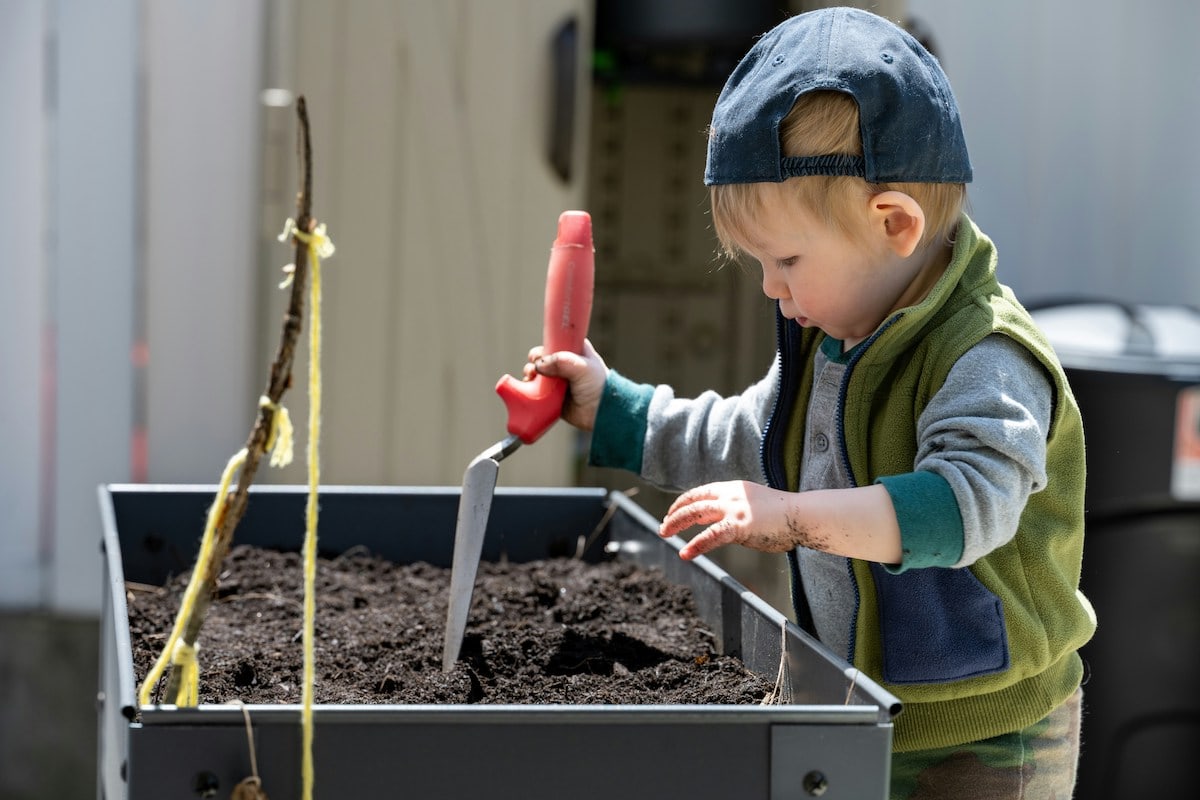
A self-sufficient garden is more than just a patch of green in your backyard, it’s a living classroom where your child can grow food, learn real-life skills, and build a deeper connection with the earth. At its heart, a self-sufficient garden is designed to sustain your household by producing enough fruit and vegetables to grow food for your family, season after season.
Whether you’re planting in an allotment, using container gardening on your patio, or mapping out a full-blown garden complete with raised beds, companion plants, and vertical gardening towers, you’re encouraging your child how to become more self-reliant. That means showing them how to grow your own food, sow seeds or nurture seedlings, collect rainwater, manage pests without harsh pesticides, and even save seeds for the next season. These are the building blocks of self-sufficiency and resilience.
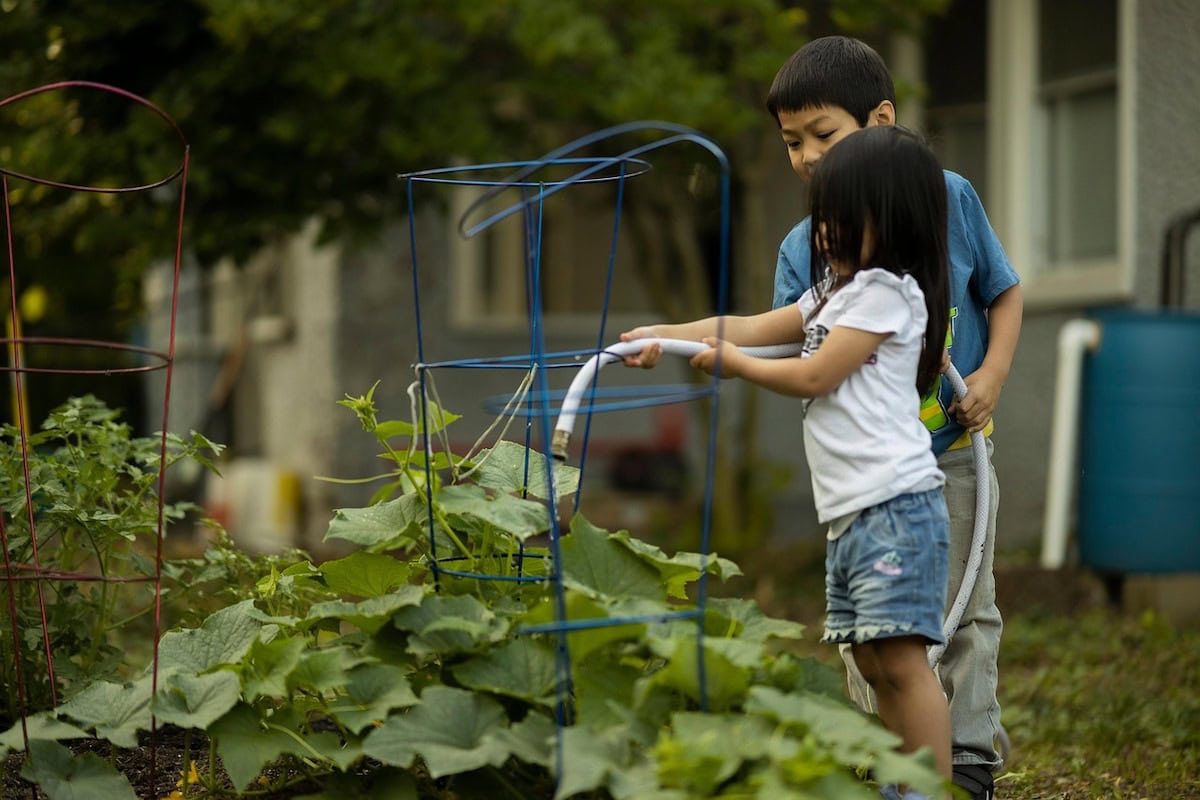
Becoming more self-sufficient doesn’t require acres of land. Even a small garden can contain plenty of goodness, from kale, peas, and squash to cucumbers and root vegetables, and a thriving tomato plant or two. Add a few fruit trees, a spot for medicinal herbs, and a compost pile, and your family is well on its way to growing enough food to reduce grocery store runs.
Self-sufficient gardens matter in how they sustain families. Once upon a time, they were called kitchen gardens and everyone seemed to have one. Teaching children about self-sustaining gardens matters because it’s knowledge that has been lost in recent generations. By relearning how to have a self-sustaining garden as parents, future generations will know this “lost knowledge.” Your hard work will ensure generations to come will know how to:
- protect the garden organically
- understand crop rotation
- use kitchen scraps for compost
- find ways to preserve what the garden provides
Not only will you all be interacting with nature, but you’ll also be creating a sustainable food source that you can access year round and save time at the store.
How Kids Benefit from Learning Self-Reliance through Gardening
Want an example of how powerful this can be? Look at families following the lead of garden educators like Huw Richards and Sam Cooper, who encourage growing homegrown food all year. Through smart planning, choosing crops that are easy to grow, and adjusting your garden to make the most of limited space, it’s entirely possible to grow crops of a variety of leafy veg, vegetables, and fruit, even indoors, season after season!
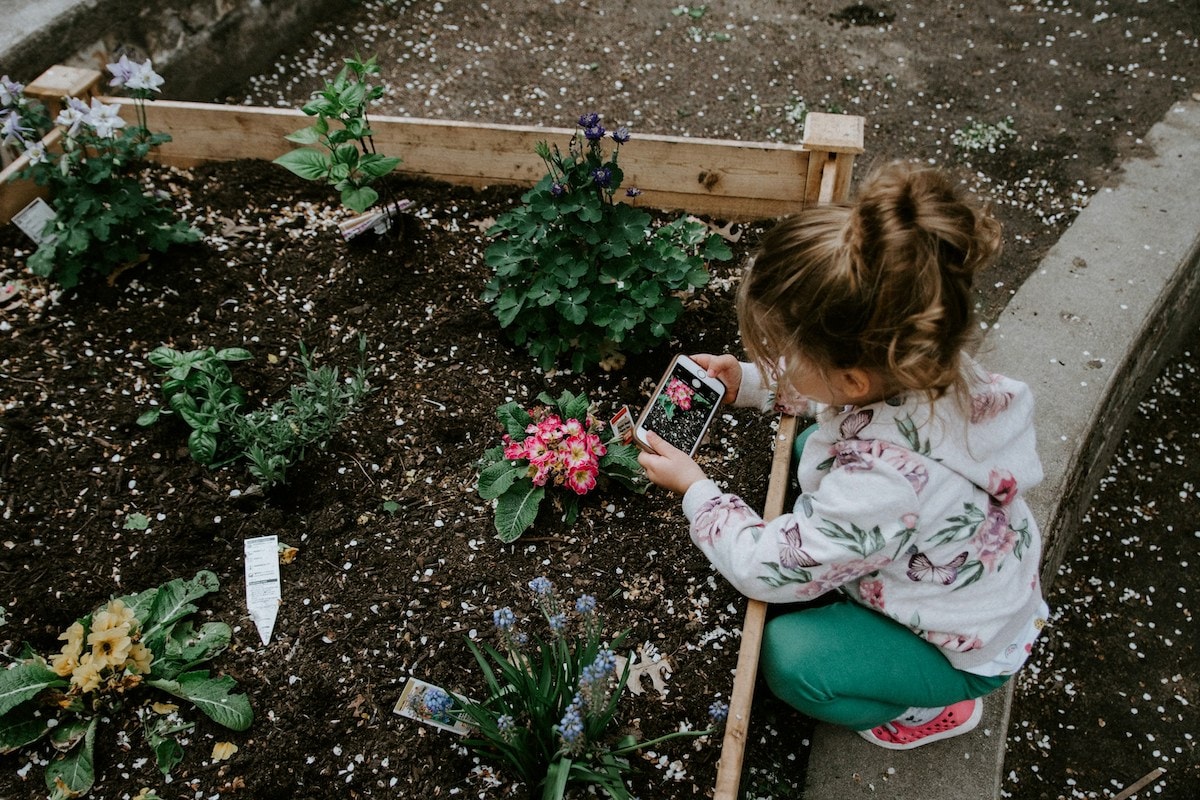
A garden offers more than just produce, it offers a fun opportunity to learn patience, responsibility, and the joy of harvest. So, whether you’re just starting with a few container plants or dreaming of a full-blown self-sufficiency garden, remember that you’re not just growing veg, you’re growing self-confidence, family bonds, an appreciation for nature, and a love for a self-sufficient way of life.
Step 1: Help Your Kids Plan Their Garden
Planning a garden with your kids is part dream-building, part digging in the dirt, and 100% fun. It’s where the idea of a self-sufficient garden starts to take root—literally! Whether you’re working with a small garden, or a full vegetable garden, getting your children involved in the planning process encourages them the value of self-sufficiency, patience, and the satisfaction of growing something from the ground up. Kids thrive outside, and they thrive when they’re involved and “doing” and gardening is one of the best ways to incorporate both of those things together!
Create a Garden Plan Together
Hand over the crayons or markers because it’s time to let your kids imagine the ultimate garden! Encourage them to draw, label, or list their favorite things to grow. Are they dreaming of sweet peas, crunchy carrots, or leafy lettuce? Maybe they want a towering tomato plant or a rainbow of root vegetables? Let their creativity and imaginations run wild!

Next, walk them through the steps of a growing plan. What does a plant need to thrive? Water, sun, soil, and love! Talk about what it means to sow a seed, watch it the seed sprout, and eventually see it become something you can pick, eat, or even turn into soups and stews. This is a great time to encourage kids to become self-sufficient, where your family can grow your own food, enjoy the homegrown flavors, and also grow some medicinal plants too.
By involving kids in the decisions of what to plant, how much you need to grow, and where it might go, you’re not just building a garden, you’re nurturing future gardeners.
Choose a Layout Suited to Your Climate
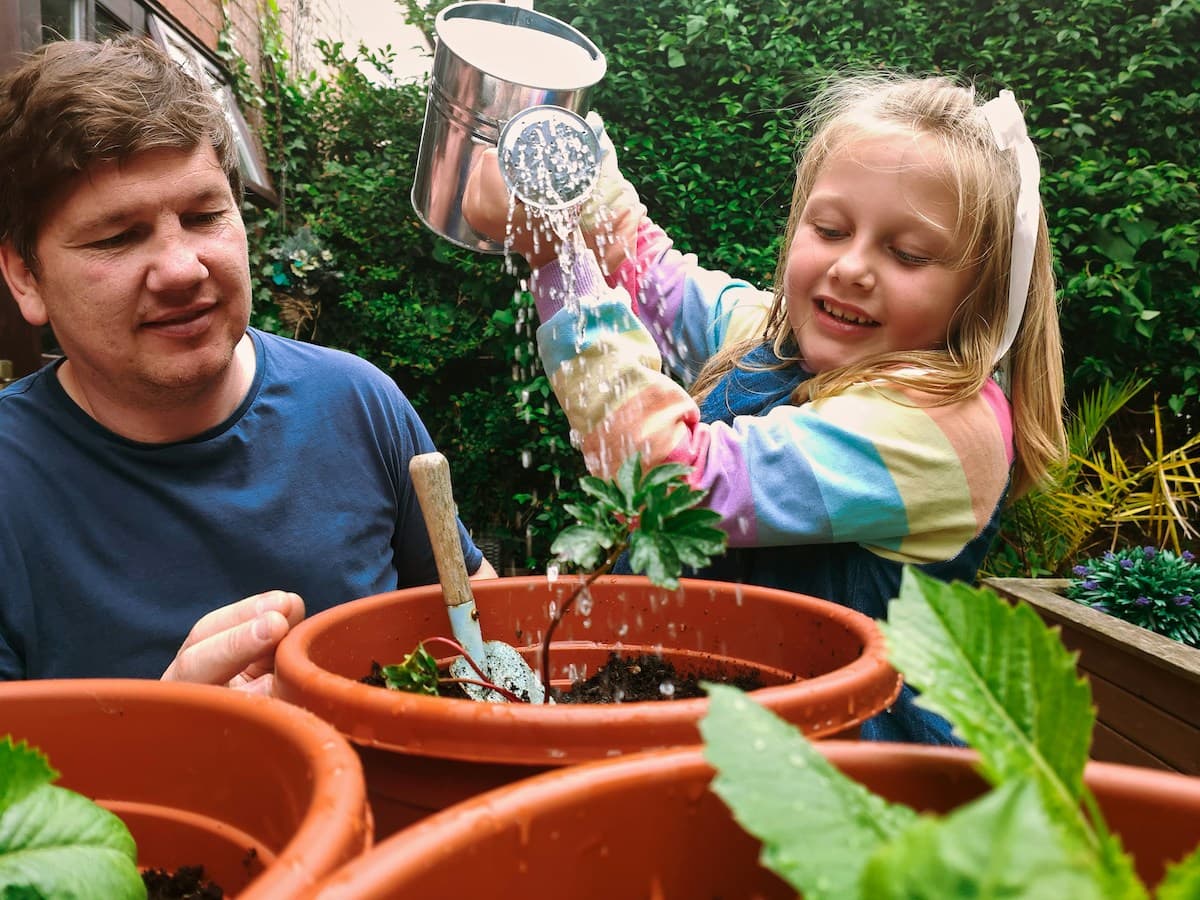
Every good garden requires a solid layout, and your kids can absolutely help with this part too! Head outside with them and observe how sunlight hits different spots throughout the day. Is one corner always shady? Does another get full sun all afternoon? Grab a notebook and let them map it out.
Talk about how sun, shade, and temperature affect what you can grow. In warmer climates, leafy greens might bolt quickly, while in cooler areas, broccoli and squash might be superstars. Explain that different plants are suited to your climate in different ways and often have to be planted at different times and that successful gardens are built by paying attention to these clues from nature.
Even if you’re working with containers or trying out vertical gardening, they’ll love helping you figure out where everything should go. You might even sneak in a quick lesson about companion plants, or how some plants help others grow by adding nitrogen in the soil, which is a mini science lesson that will stick!
Creating a Growing Plan for Seasonal Success
Timing is everything in gardening and it’s a fantastic lesson for kids to learn patience, about observation, and cause-and-effect. Walk them through your climate’s growing season and help them make a calendar of when to plant, when to harvest, and what can be grown year-round if one is clever about it. Indoors, for example, you can grow certain herbs or vegetables, even in winter!
Explain how some crops like broccoli and carrots love the cold, while others like tomatoes and squash need warmth and longer days. This helps them understand that gardening isn’t just about putting a seed in the ground, it’s about working with nature.
By helping you plan, track, and even journal your garden’s progress, your child gets to see how nature’s cycles unfold and how their efforts (and a little dirt under their fingernails) play a part in creating a sustainable way to feed your family.
Step 2: Grow Skills with Your Young Gardener
Once your little gardener has helped make the garden plan, it’s time to roll up those sleeves and dig in, literally! Giving kids age-appropriate gardening tasks builds confidence, encourages responsibility, and helps them learn knowledge they’ll need in the future. Plus, it’s a great way to burn off energy and get messy in all the best ways.
Teaching the Basics of Self-Sufficiency
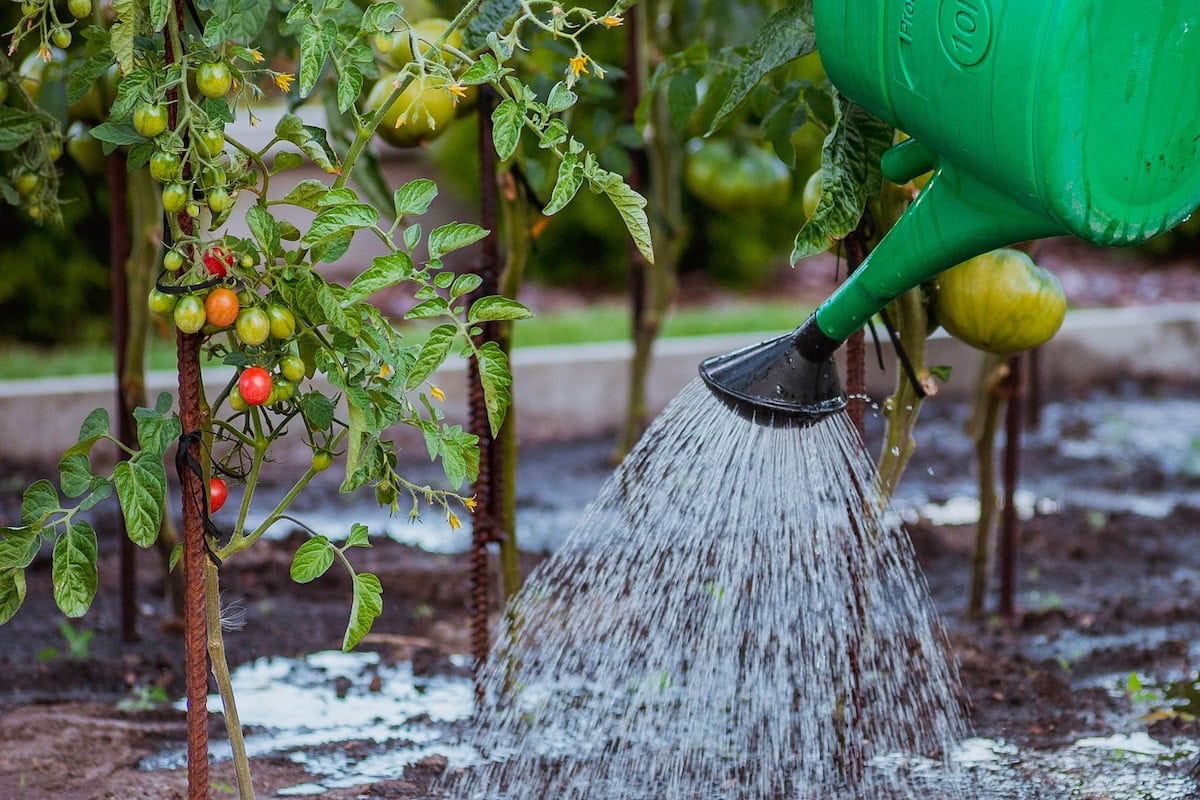
Start with the simple stuff, because to a child, even filling a watering can feels like a big job. Demonstrate to them how to water gently, how to check the soil with their fingers, and how to recognize when plants look thirsty or happy. These basic tasks aren’t just cute chores, but important knowledge to add to the foundation of self-sufficiency.

Explain how being able to grow your own food means understanding what a plant needs to thrive. Show them how to sow seeds in neat rows (or creatively chaotic ones!), and talk about how all these tiny efforts add up to something powerful: the ability to feed your family and reduce dependence on the grocery store. The magic of a self-sufficient garden is that every little job is part a bigger lesson.
You can even turn soil-checking into a science experiment. Ask, “Is it too wet? Too dry? Just right?” and then ask them what to do next, depending on what they answer. Each decision they make helps them become more self-sufficient, and they won’t even realize they’re learning valuable life lessons in the process.
Learning to Plant Vegetables and Fruit Trees
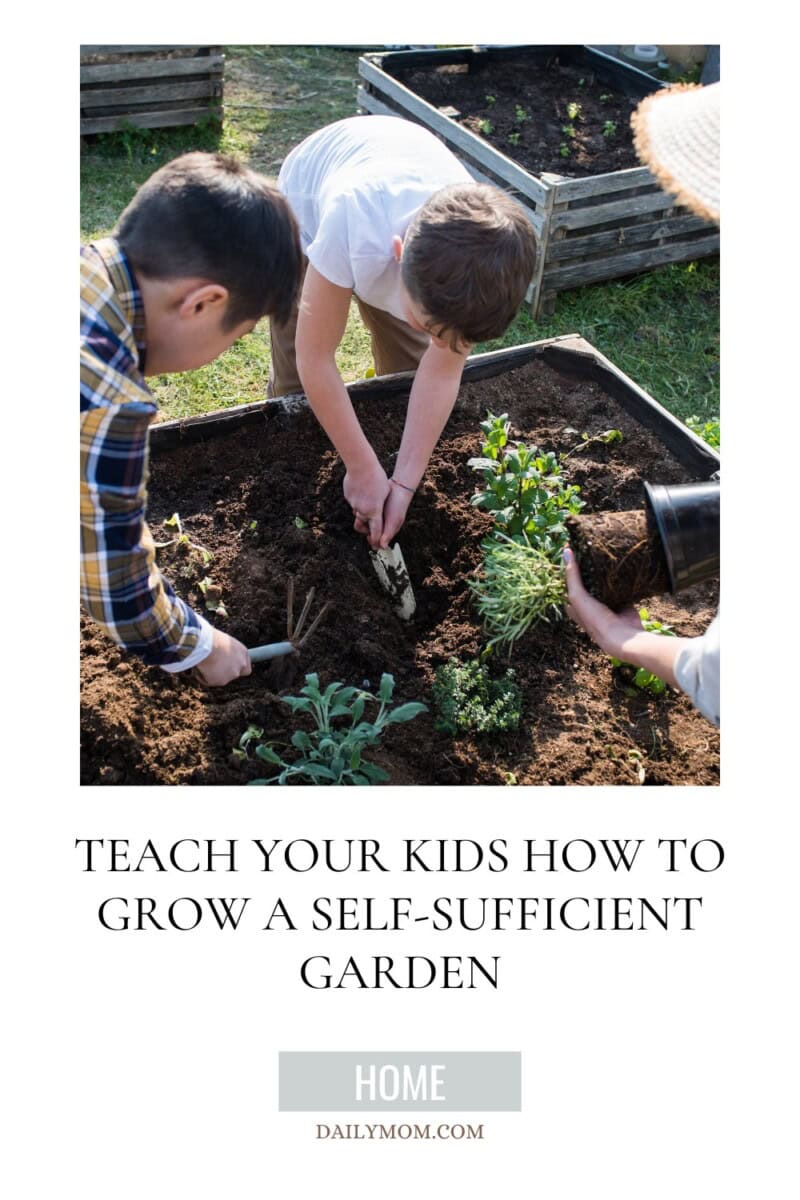
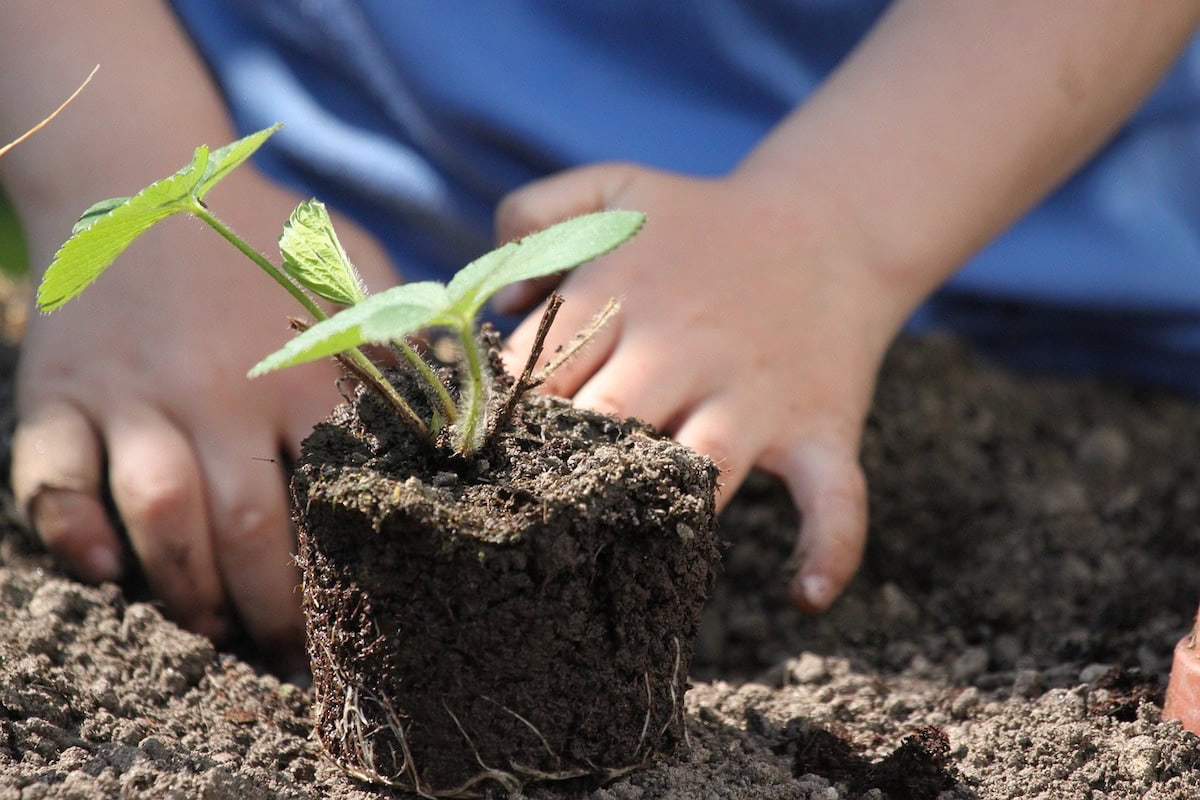
Now comes the exciting part—planting! Kids love watching things grow, so start with vegetables and fruit trees that offer quick wins and tasty rewards. Think peas, lettuce, chard, carrots and radishes. These are not only nutritious, but also easy to grow, making them ideal for curious hands.
If you’ve got the space, planting a few dwarf fruit trees—like apple or peach—can be an epic adventure. If not, try container gardening for smaller veg like lettuce or tomatoes. Let your kids help dig, gently place the seedlings, and tuck them into the soil like they’re putting them to bed. Make a game out of thinking of creative names to name their plants, like “Mrs. Sprout” or “Kale-esi” or “Sir Tommy Toe.”
Starting Seeds Indoors for a Head Start
Want to sneak in a little indoor science fun? Start your seeds indoors before the weather warms up. It’s a great way to give your garden a head start—and to keep those green thumbs busy while it’s still chilly outside.
Set up a little seed-starting station on a sunny windowsill or under a grow light. Let your kids create labeled seed trays, personalize them with decorations, and check them each day for signs of life. Read books or watch videos on Youtube with them about how light, warmth, and water help tiny seeds wake up and grow into strong seedlings.
You can even turn germination into a daily ritual: “Let’s check the seeds!” Building good habits takes time and when part of the habit building is waiting with anticipation, it makes the learning more fun! Watching that first sprout poke through the soil is a thrill for all ages. Plus, it reinforces that good things take time, attention, and a little dirt under your fingernails.
Before you know it, they’ll be talking about germination, planting, and gardening like mini experts—and your self-sufficient garden will be growing right along with them.
Step 3: Have Gross Fun with Composting!
Let’s be honest—kids love anything that’s a little gross. Worms and bugs? Rotting banana peels? Weird smells? Yes, please! That’s why composting is the perfect way to sneak in a hands-on science lesson that also happens to be one of the most powerful tools in your self-sufficient garden. Compost turns yesterday’s leftovers into tomorrow’s lush, leafy vegetables. It’s a great lesson in recycling and reducing waste at the dump!
How to Compost with Kids
Start by giving your compost pile or bin a fun name, like “The Rot Spot” or “Worm World?” You can even name the worms and other bugs you see! “Hi Gerald! How’s the dirt coming along?” Building a mini bin with them using an old bucket or container is a fun project for if you have a small patio garden or limited space available.

Explain what goes in the compost and how things break down and add nutrients to the soil. Show them how to collect kitchen scraps like:
- fruit peels
- veggie ends
- eggshells
- ripped up cardboard
- coffee grounds
And be sure to tell them what should definitely stay out, and why since meat, dairy, and plastic are not good to add!
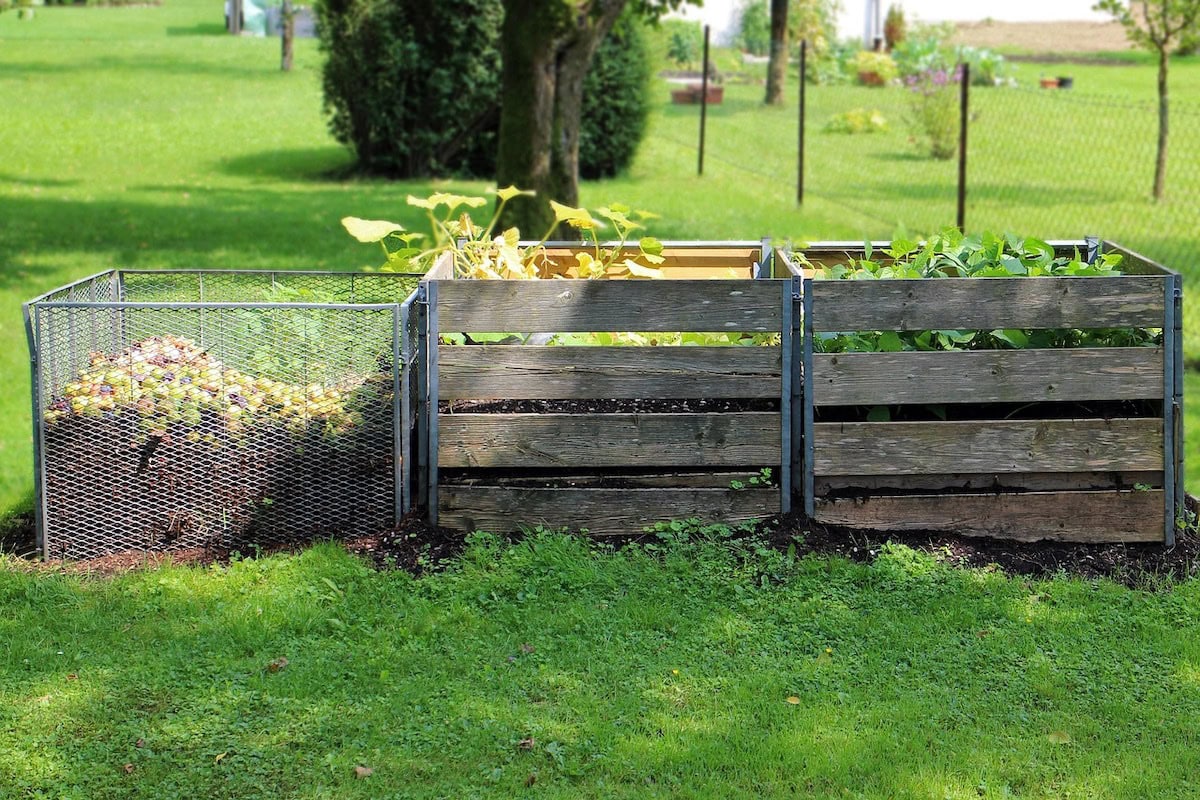
Explain them how this process adds rich nutrients back into the soil. You can even nickname it “garden gold” because of how it helps your plants, from mint to fruit trees, grow stronger and tastier, with more vitamins and minerals. This is a golden opportunity (pun intended) to connect the dots between sustainability, self-sufficiency, and the very real, very squishy cycle of life.
Bonus idea: create a compost chart! Kids can keep track of what they add and watch how it changes over time. Who knew that rotting things could be so fun and rewarding?
Celebrate Every Harvest Together
Once those plants have grown tall and strong, thanks in part to your amazing compost, it’s time to harvest! This is the moment kids wait for, and celebrating it makes all their hard work feel worth it.
Let them pick leafy vegetables, pull up root veggies, or snip herbs straight from your garden. Mark the harvest date on the calendar or in a garden journal. Let your kids take “before and after” photos. Throw a backyard harvest party, even if it’s just the family and a big bowl of fresh peas.
To make the most of the homegrown goods, cook together! Try simple recipes like veggie-packed quesadillas, kale chips, or a warm pot of soups and stews made from your own squash, carrots, or chard. For fun gift ideas, make garden-fresh salsa, herb butters, or bundles of dried medicinal plants to share with friends and family.
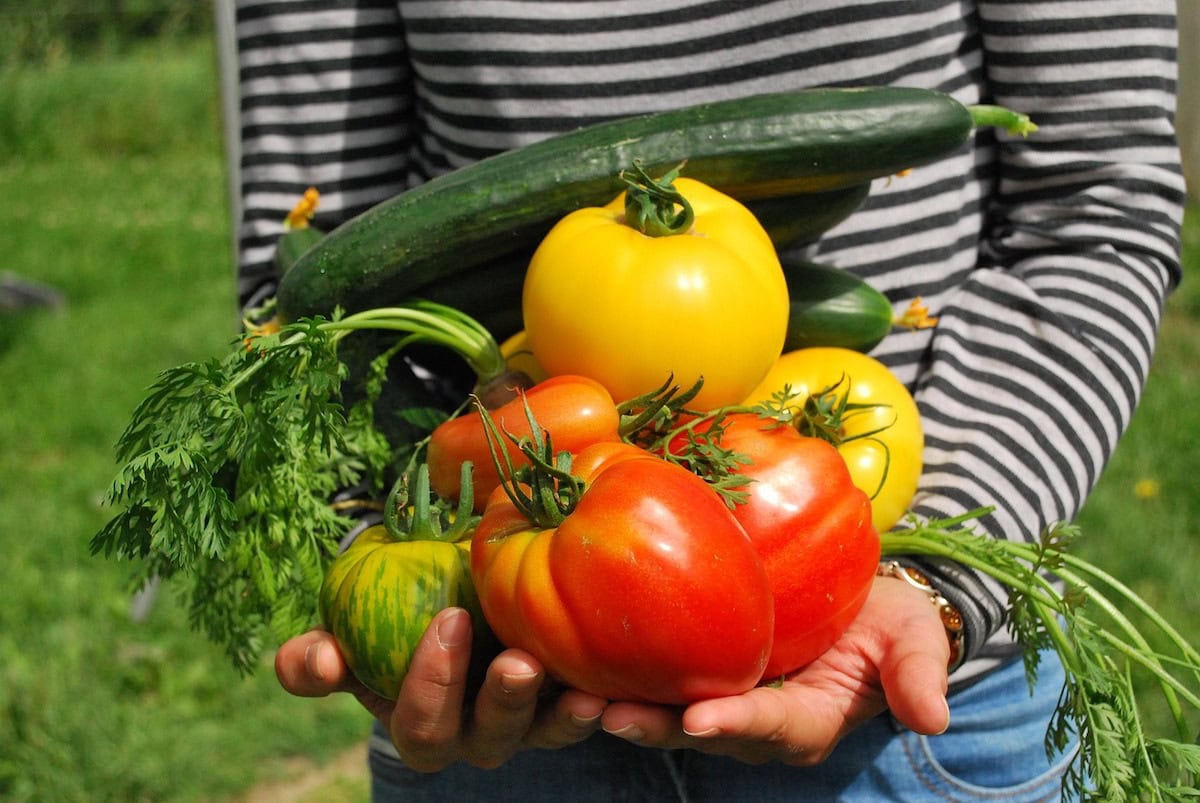
The joy of watching something grow, picking it with your own hands, and turning it into something delicious is a lesson in self-sufficiency that sticks. Your kids aren’t just learning how to garden, they’re learning how to sustain themselves, how to appreciate self-grown food, and how to celebrate the self-reliant lifestyle in the most delicious way possible.
Step 4: Introduce Self-Sufficient Lifestyle Habits That Kids Will Love
The garden is about more than just planting; it’s about embracing self-sufficiency, where every little action supports the garden, the planet, and your family’s well-being. These everyday habits might seem small, but they add up to powerful lessons in self-sufficiency, conservation, and good old-fashioned hands-on fun.
How to Collect and Use Rainwater
If your kids love puddles (and let’s be honest, they do), they’re going to love collecting rainwater! Building a simple rainwater collection system together can be as basic as placing a bucket outside or as crafty as setting up a rain barrel with a spout and screen. Either way, it’s a family-friendly DIY project that connects kids to the bigger idea of sustainability.
As the water fills up, talk about why rainwater matters: how it helps you water the garden without turning on the hose, how it reduces waste, and how it’s a clever way to tend your self-sufficient garden. They are learning real-world lessons in resourcefulness, and your kids will feel like eco-heroes every time they fill a watering can straight from the sky.
Take it a step further and let them decorate the rain barrel or label your “rain gauge.” It’s a fun, creative way to make conservation part of their routine, plus, they’ll love having a job that feels important.
Dealing with Garden Pests Naturally
Now here’s a topic kids can really sink their teeth into (figuratively): pests! Bugs in the garden are mysterious, funny, and sometimes a little gross, which are perfect for curious little minds.
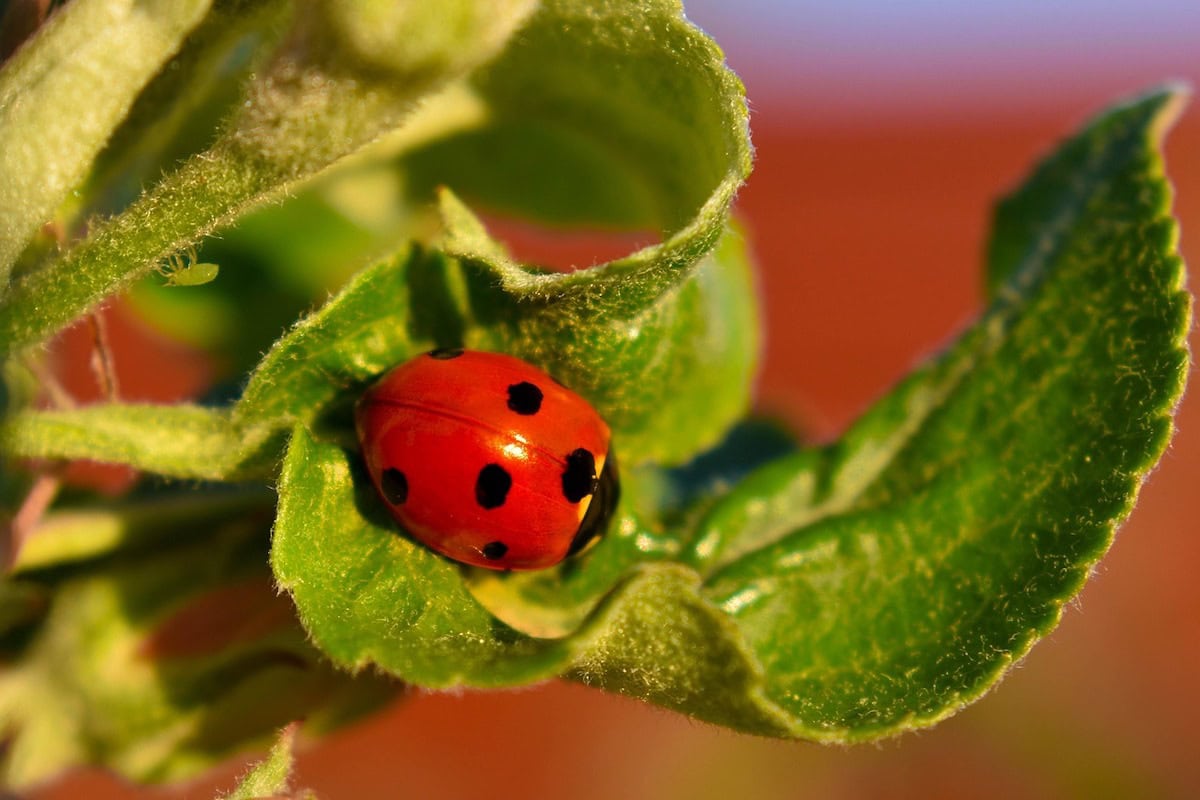
Start by helping your child learn the difference between “good bugs” and “bad bugs.” Ladybugs? Thumbs up! Aphids? Not so much. Make it into a spotting game in the garden. You can even keep a “Bug Journal” where they draw or describe the critters they see.
Instead of using harsh chemicals, talk about natural solutions. Maybe you plant some companion plants that help keep bugs away (like marigolds near vegetables) or make a DIY bug spray from water and a drop of dish soap. These child-safe, eco-friendly tricks empower kids to be protectors of the garden, while reinforcing the values of organic gardeningand long-term self-sufficiency.
Explaining how everything in nature is connected, and for a little ecosystem, adds a mini biology lesson to your gardening day. Plus, letting kids take charge of bug patrol gives them a sense of ownership and pride in the garden they’re helping to care for.
Lifelong Lessons From a Self-Sufficient Garden
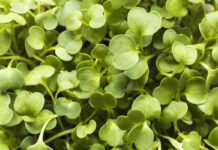
A self-sufficient garden grows more than just fruit and vegetables; it grows character. As kids water seeds or seedlings, check for hungry bugs, and wait patiently for the next harvest, they’re learning real-life values: patience, care, and resilience.
These daily tasks teach them how to maintain and nourish something over time, adapt when crops fail, and celebrate when efforts pay off. That’s the foundation of a lasting self-sufficient lifestyle.
And the lessons stick. Whether they go on to tend a full allotment, try container gardening on a balcony, or show their own kids how to grow food, they’ll carry forward the knowledge of self-reliance and the joy of homegrown living.
By involving them now, you’re not just building a garden—you’re nurturing lifelong skills that support a more thoughtful, capable, and sufficient future.
WANT TO READ MORE?
Gardening With Kids: 5 Fun Ways to Get Your Kids Involved
CONNECT WITH DAILY MOM
💖 NEWSLETTER: DAILY READS IN YOUR INBOX 💖
Sign up to receive our picks for the best things to do, see and buy so you can relax and focus on more important tasks! Let us help you be the best version of yourself you can be!
BE SOCIAL WITH US
📌 LOVE IT? PIN IT!📌