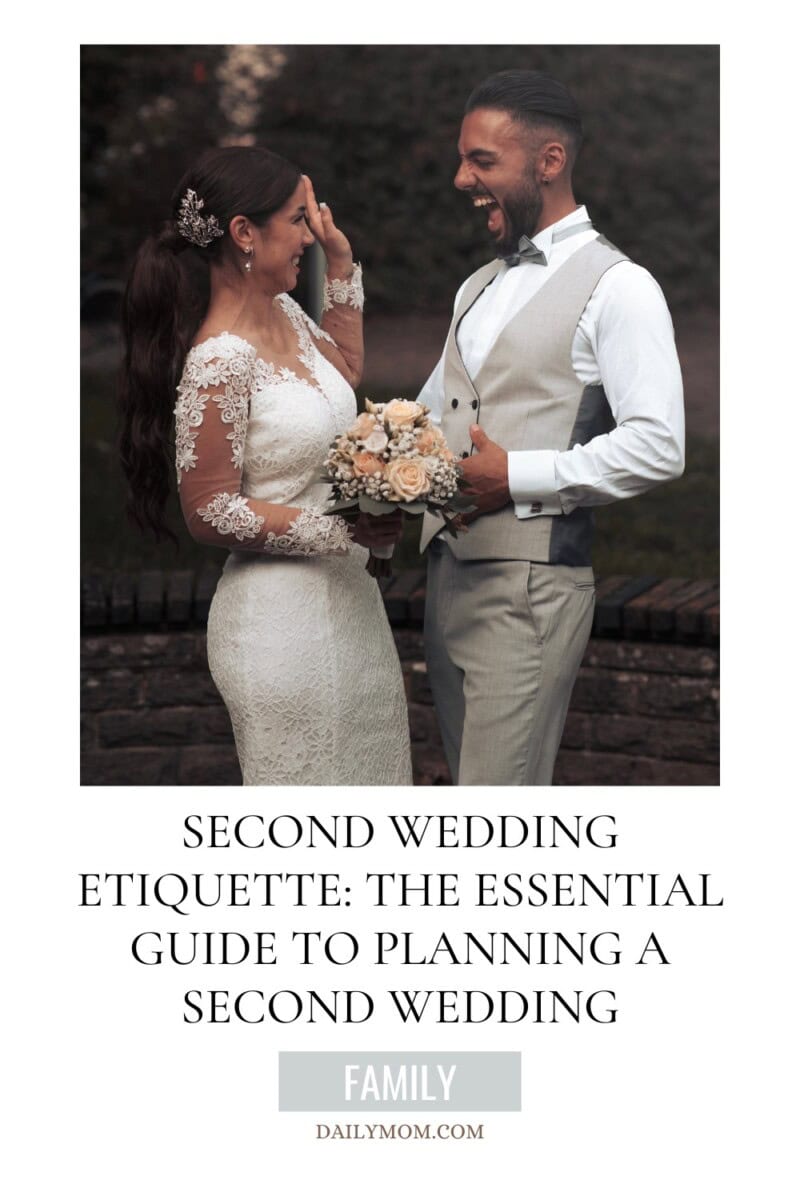






























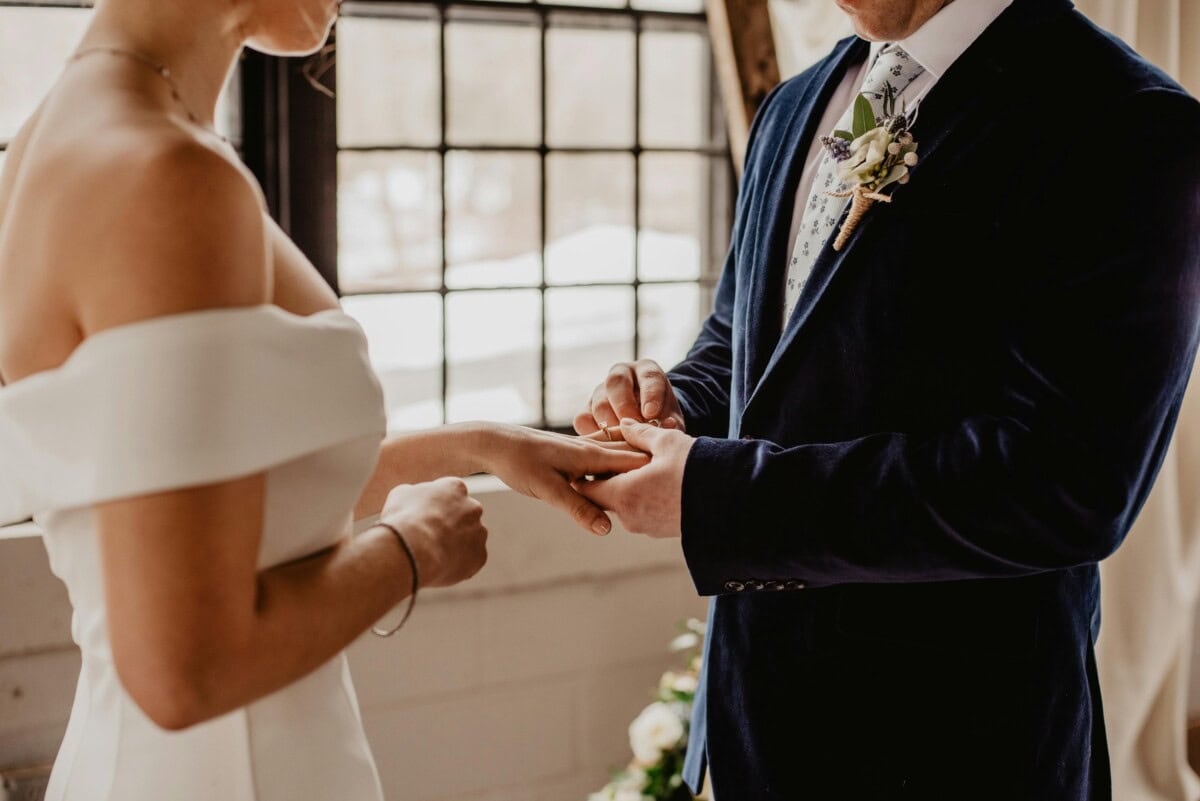
Love doesn’t come with an expiration date, and neither does the right to celebrate it beautifully. Whether you’re a widow, widower, or someone whose previous marriage ended in divorce, getting married for the second time deserves just as much joy and celebration as the first time around. Statistics show that over 40% of marriages today involve at least one spouse who’s been married before, making second wedding etiquette more relevant than ever. When someone you love has passed away and you die to the old life, finding a new relationship with your fiancé represents hope and healing.
This comprehensive guide addresses every aspect of second wedding etiquette, from managing family dynamics to creating meaningful celebrations. Whether you’re working with a wedding planner or handling the details yourself, you’ll discover how to navigate common etiquette questions, plan a wedding that reflects your current relationship, and celebrate your new marriage with confidence. Your happiness matters, and this wedding deserves to be exactly what you want it to be. Even couples considering third weddings will find valuable etiquette tips throughout this guide.
Wedding Etiquette Basics for Second Marriages
Modern second wedding etiquette has evolved significantly from outdated rules that once insisted on small, subdued ceremonies. Today’s approach focuses on authenticity and celebration rather than restriction. The key difference between first and second wedding expectations lies in understanding that your guests know this isn’t your first trip down the aisle – and that’s perfectly fine.
Traditional wedding protocols suggested that second weddings should be smaller affairs, but contemporary etiquette encourages couples to celebrate however they choose. Whether you want an intimate gathering or a grand celebration, your second wedding should reflect your personality and relationship, not arbitrary rules from the past.
Setting appropriate boundaries with family opinions becomes crucial when planning a second wedding. Some relatives might have strong feelings about celebration size, guest lists, or ceremony elements. Remember that while their input might be well-meaning, this wedding is about you and your new spouse, not managing other people’s expectations.
Common etiquette mistakes include:
- Over-explaining your choices to family and friends
- Apologizing for wanting to celebrate your love
- Letting past wedding experiences dictate current decisions
- Allowing guilt about your previous marriage to diminish your joy
Second Wedding Planning Essentials
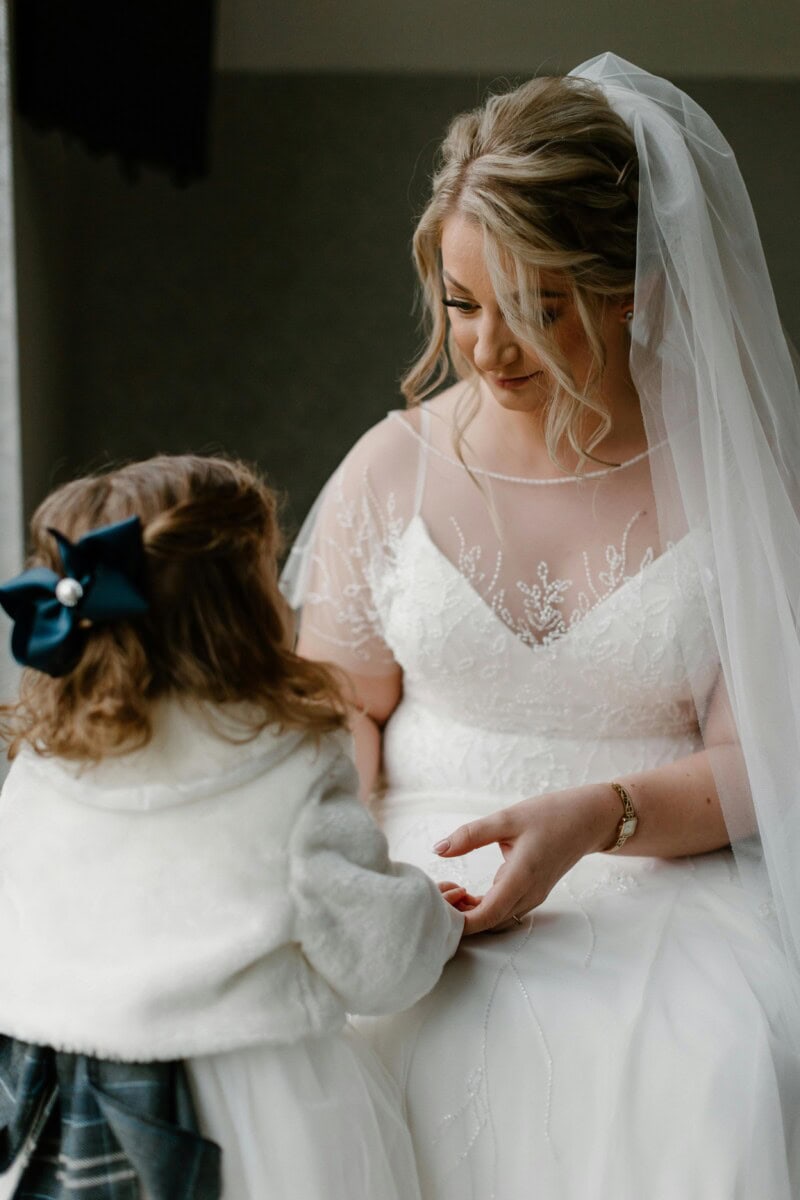
Planning a second wedding often comes with different considerations than first-time wedding planning. Many couples find they can move more quickly through the engagement period since they already understand their preferences and have established financial independence. Shorter engagements are not only acceptable but often preferred by couples who know what they want. When you remarry, the timeline often reflects your maturity and decisiveness compared to the first time around.
Budget planning typically differs for second weddings since most couples pay for their own celebration rather than relying on parent contributions. This financial independence can actually be liberating, allowing you to make choices based purely on your desires rather than others’ budgets or opinions. The average cost varies widely, but many couples find they spend less on their second wedding while getting more of what they actually want.
Guest list management requires careful consideration, especially when there might be overlaps from your first wedding. Don’t stress about inviting people who attended your previous celebration – focus on surrounding yourself with people who support your current happiness. Some guests might not attend, and that’s perfectly acceptable too.

Key planning considerations include:
- Timeline flexibility (6-12 months is often sufficient)
- Venue selection that reflects your current style
- Vendor selection based on your specific needs
- Coordination with children’s schedules and custody arrangements
Second Wedding Ideas for Meaningful Celebrations
Second wedding ideas often lean toward more intimate, personalized celebrations that reflect the couple’s maturity and established relationship. Destination weddings become particularly popular for second marriages, offering a fresh start in a beautiful location while naturally limiting the guest list to your closest loved ones. Many couples also find inspiration in traditional wedding elements but adapt them to fit their current circumstances.
Creative themes work exceptionally well for second weddings. Consider celebrations that highlight your shared interests, travel experiences, or the unique journey that brought you together. Seasonal themes, hobby-focused celebrations, or locations with special meaning can create incredibly personal wedding experiences. Working with wedding ideas that reflect both partners’ personalities helps create a wedding that feels authentic to your new partnership.
Unity ceremonies take on special significance in second marriages, particularly when blending families. Instead of traditional unity candles, consider sand ceremonies where each family member contributes a different colored sand, or tree planting ceremonies that symbolize growing together. These rituals can include your children and help create a wedding that honors your entire blended family. When you include your children in these meaningful moments, you’re helping two families become one.
Popular second wedding concepts include:
- Garden parties with casual elegance
- Wine country celebrations with intimate tastings
- Beach ceremonies with barefoot receptions
- Historical venues that offer sophisticated ambiance
- Home-based celebrations that feel warm and personal
Wedding Party Selection and Dynamics
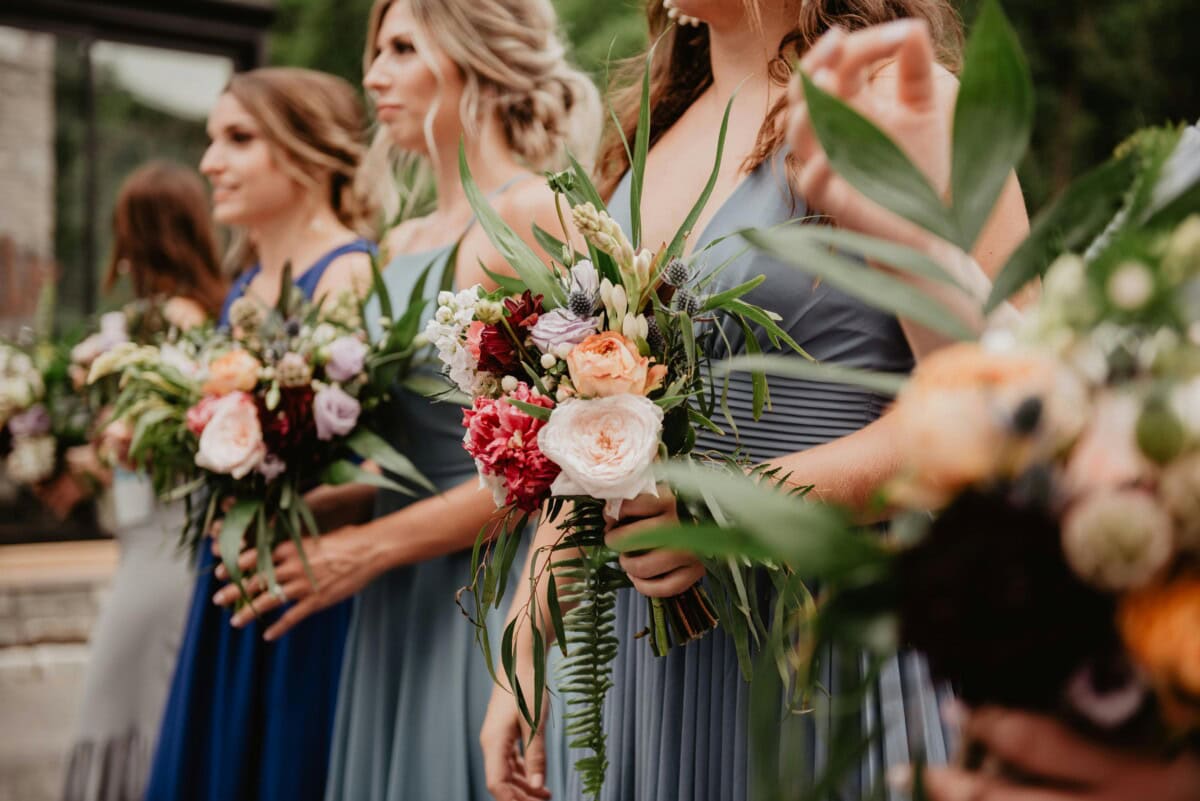
Choosing your wedding party as an established adult often means your social circle has evolved significantly since your first marriage. This evolution is natural and shouldn’t cause stress – select people who are currently important in your life and supportive of your new relationship.
Many second-time couples opt for smaller wedding parties or eliminate them entirely. There’s no requirement to have a traditional wedding party structure. Some couples choose only a best man and maid of honor, while others include adult children or very close friends in modified roles. When you create a wedding that reflects your current life, the traditional wedding party format might not fit your needs.
Including adult children in your wedding party can be meaningful, but approach this decision carefully. Consider their comfort level, relationship with your new partner, and overall family dynamics. Children should never feel pressured to participate, but when they’re enthusiastic, their involvement can be deeply special.
Wedding party considerations:
- Choose based on current relationships, not past obligations
- Consider non-traditional roles that fit your celebration style
- Include children thoughtfully and without pressure
- Remember that smaller is often more manageable
Groomsmen Considerations
Selecting groomsmen for your second wedding might involve choosing different friends than your first time around, and that’s completely natural. Life changes, friendships evolve, and your current support system might look different than it did years ago. Focus on men who support your new relationship and bring positive energy to your celebration.
Including sons or stepsons as groomsmen can be incredibly meaningful for blended families. This inclusion helps them feel valued in your new union and can strengthen family bonds. However, gauge their comfort level first – some children might need time to adjust to the new relationship before taking on such a prominent role. The groomsmen selection process often differs significantly from traditional approaches when family dynamics are complex.
Bachelor party expectations often differ significantly for second weddings. Many grooms prefer more mature celebrations – perhaps a weekend trip with close friends, a nice dinner, or an activity that reflects current interests rather than traditional bachelor party activities. The focus shifts from “last night of freedom” to celebrating with your closest male friends and family. Similarly, bachelorette parties for second-time brides often take a more sophisticated approach to celebration.
Modern groomsmen considerations:
- Select based on current friendships and family relationships
- Plan bachelor celebrations that match your current lifestyle
- Include family members like brothers, sons, or close friends
- Focus on meaningful connections rather than large groups
Bride Confidence and Choices
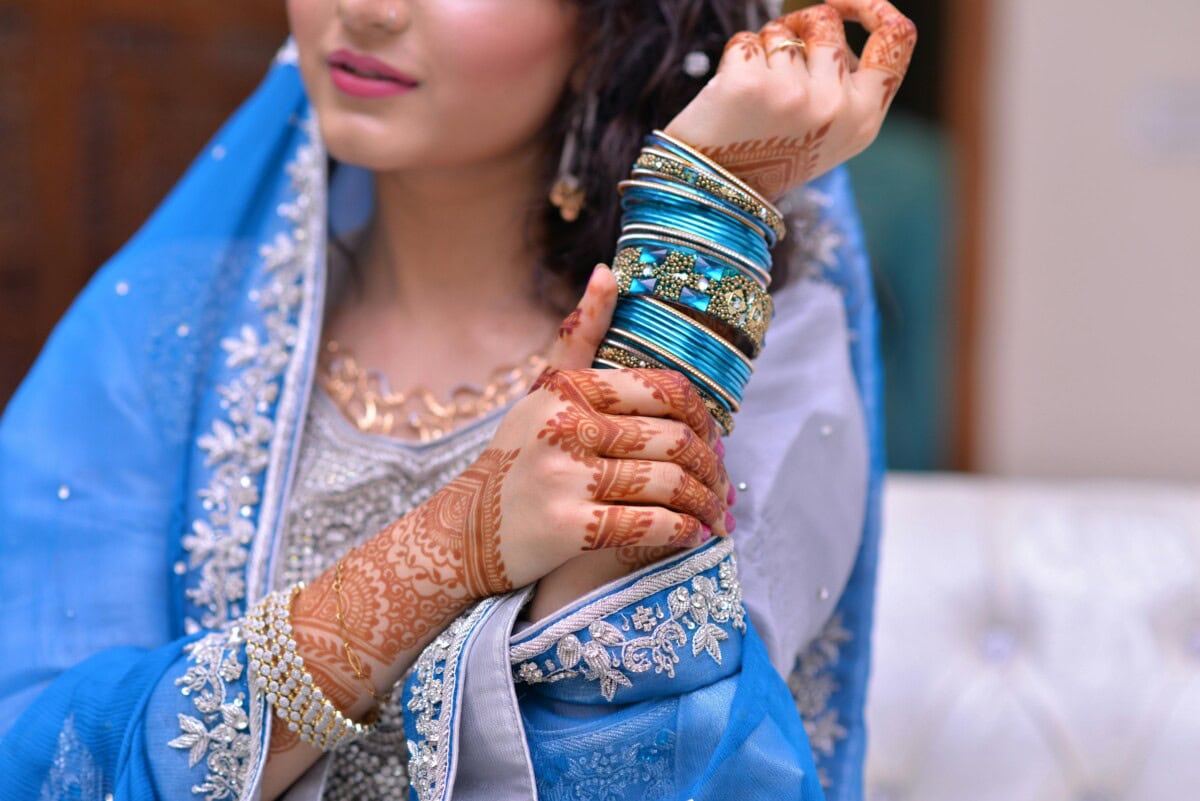
Being a second-time bride comes with unique advantages that deserve recognition and celebration. You know yourself better, understand what makes you comfortable, and likely feel more confident in your decision-making. These qualities are tremendous assets, not limitations. The journey of being married for the second time brings wisdom that enhances every aspect of wedding planning.
Beauty and style decisions for your second wedding should reflect your current preferences and personality. You might choose different styles now than you did years ago, and that evolution should be celebrated. Many second-time brides opt for more sophisticated looks, designer pieces they couldn’t afford previously, or styles that better reflect their established sense of self.
Managing pre-wedding emotions can feel different the second time around. You might experience more calm and certainty, or you might face different anxieties about blending families or managing complex logistics. Both responses are completely normal and valid. Some brides worry about comparisons to their first wedding, while others feel excited about applying lessons learned. Whether your previous spouse was lost to death or divorce, entering a new partnership brings its own emotional landscape to navigate.
Second-time bride advantages:
- Greater self-knowledge and confidence
- Financial independence for style choices
- Clearer priorities and decision-making abilities
- Appreciation for the significance of marriage
First Wedding Comparisons and Second Wedding Etiquette
One of the biggest challenges many couples face is avoiding unhealthy comparisons to their first wedding. This comparison trap can steal joy from your current celebration and create unnecessary stress. Instead of focusing on what was different “before,” concentrate on what makes this relationship and celebration special now.
Creating entirely new traditions helps establish your current wedding as its own unique event. Perhaps you’ll write personal vows, choose completely different music, or incorporate elements that weren’t important to you previously. Your current love story deserves its own celebration, free from the shadow of past experiences.
Some guests might make their own comparisons, especially if they attended your first wedding. Help them navigate these feelings by focusing conversations on your current happiness and excitement. When people mention your previous wedding, acknowledge their comment graciously but redirect attention to your present celebration.
Strategies for avoiding comparisons:
- Create new traditions that reflect your current relationship
- Choose different venues, styles, or celebration elements
- Focus on present happiness rather than past experiences
- Help guests understand this is a completely new beginning
Remarriage Ceremony Options

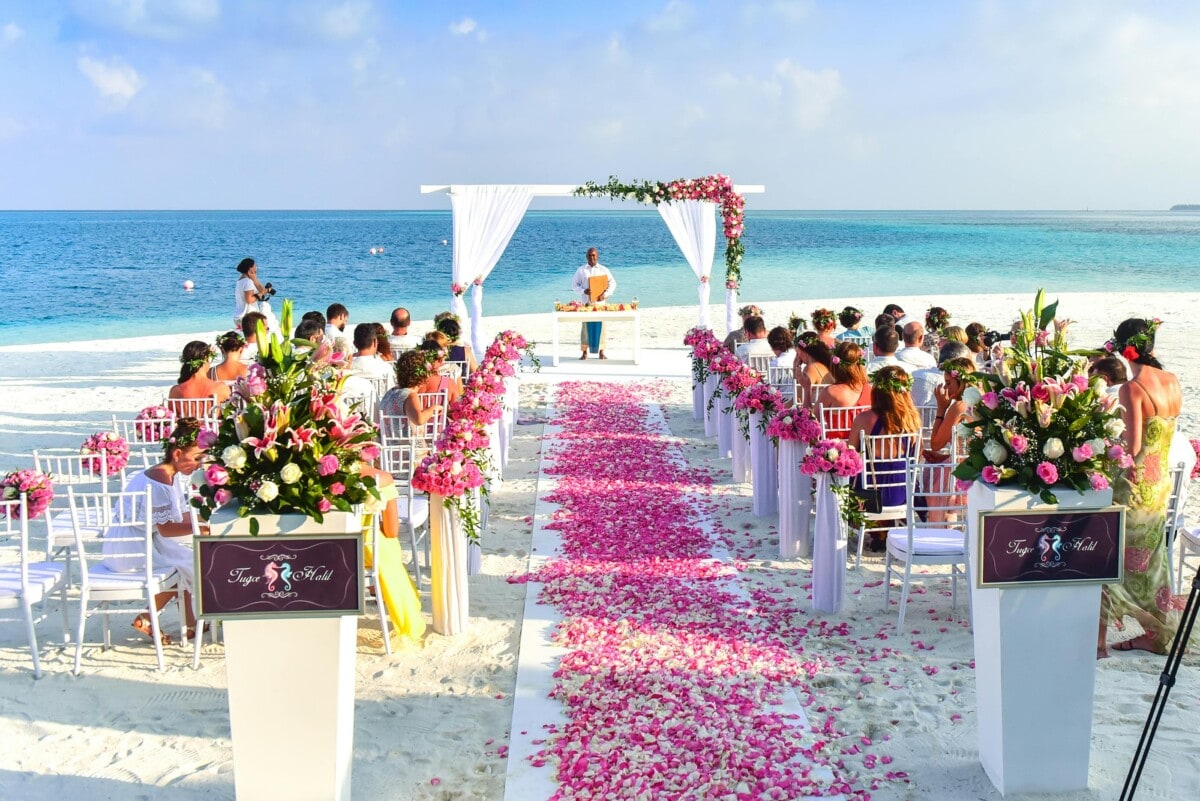
Second marriages offer wonderful flexibility in ceremony styles and structures. If your first wedding was religious, you might choose a civil ceremony this time, or vice versa. Some religious institutions have specific requirements for remarriage, so research these early in your planning process to understand your options.
Writing vows for a second marriage can be particularly meaningful since you can draw on life experience and maturity. Your vows might acknowledge growth, lessons learned, or the unique circumstances that brought you together. Many couples find that second-time vows feel more authentic and personal because they’re written from a place of greater self-awareness. The officiant can help you craft a ceremony that honors your journey while focusing on your future together.
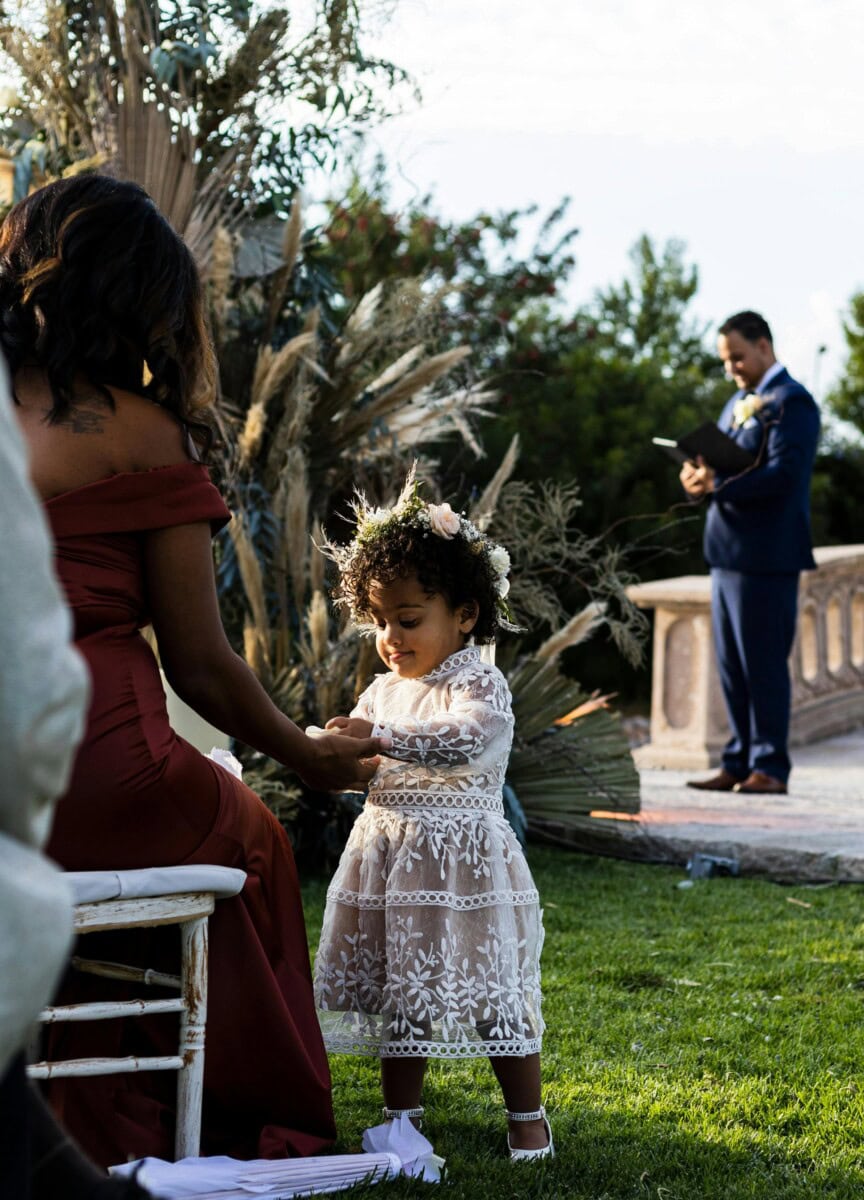
Consider modifying traditional processionals too. You might choose to walk down the aisle together, be escorted by your children, or create an entirely new entrance that feels authentic to your relationship. Some couples include flower girls from their blended families, while others prefer adult-only wedding parties. Traditional elements like the bouquet toss or garter toss can be modified or skipped entirely based on your comfort level and guest demographics.
Ceremony elements to consider:
- Civil vs. religious options based on your current preferences
- Personal vow writing that reflects your maturity
- Modified processionals that feel authentic
- Unity ceremonies that include blended family members
Planning a Second Wedding on Your Terms
The beauty of planning a second wedding lies in your ability to prioritize what truly matters to you as a couple. You’re likely more decisive about your preferences and less influenced by others’ expectations. This clarity can lead to more meaningful, personalized celebrations that truly reflect your relationship.
Scaling your celebration to match your current life stage makes perfect sense. If you have children from previous relationships, consider how to include your children meaningfully throughout the planning process and celebration. This might involve special roles in the ceremony, family unity rituals, or simply ensuring they feel comfortable and included.
Managing complex family dynamics requires patience and clear communication. Some family members might struggle with your remarriage, while others celebrate enthusiastically. Set boundaries early about what input you’ll accept and stay focused on creating a celebration that makes you and your new spouse happy.
Planning priorities:
- Focus on elements that truly matter to you both
- Include children thoughtfully in planning and celebration
- Manage family dynamics with clear boundaries
- Create celebrations that reflect your current life stage
Wedding Planning Logistics
Invitation wording for second weddings should celebrate your union without over-explaining your situation. Simple, elegant language that focuses on your joy works best. Consider phrasing like “Together with our families” or “With joy and gratitude” rather than mentioning previous marriages or complex family situations.
Coordinating with divorced co-parents requires careful navigation, especially when children are involved. Communicate early about the wedding date, children’s involvement, and any special considerations. Keep conversations focused on what’s best for the children while maintaining appropriate boundaries.
Timeline management often differs for second weddings since you might need to coordinate with children’s school schedules, custody arrangements, or other family obligations. Build flexibility into your planning timeline and communicate clearly with your wedding planner and vendors about any unique considerations.
Logistical considerations:
- Choose invitation wording that celebrates without explaining
- Coordinate respectfully with co-parents about children’s involvement
- Build flexibility into timelines for complex family schedules
- Communicate unique needs clearly to vendors
Wear White: Color Choices for Second Brides
The old rule about not wearing white to your second wedding is completely outdated and should be ignored. Modern etiquette fully supports brides wearing whatever color makes them feel beautiful and confident. White, ivory, champagne, blush, or any other color that speaks to you is entirely appropriate for your second wedding.
If you prefer alternatives to white, consider colors that have special meaning to you as a couple, complement your venue, or simply make you feel radiant. Many second-time brides choose sophisticated colors like deep blue, elegant gray, or rich burgundy that reflect their mature style preferences.
Your dress choice should reflect your personal style and the tone of your celebration, not arbitrary rules about what second-time brides “should” wear. Whether you choose a traditional white gown, a colorful dress, or something completely unconventional, the most important thing is that you feel beautiful and authentic.
Color choice considerations:
- White is completely appropriate for second weddings
- Choose colors that reflect your personal style
- Consider venue and season when selecting shades
- Focus on what makes you feel confident and beautiful
Etiquette Questions: Common Concerns Answered
Many couples planning second weddings have similar etiquette questions about what’s appropriate and what might seem excessive. The truth is that any celebration size is appropriate if it reflects your preferences and budget. Some couples want intimate gatherings, while others prefer large celebrations – both choices are perfectly valid.
Regarding gift-giving expectations, be realistic and gracious. Some guests may feel they’ve already given you wedding gifts at your first wedding, while others will be delighted to celebrate your new union with presents. Focus on the presence of loved ones rather than presents, and don’t let gift expectations influence your guest list decisions.
Bridal shower planning for second weddings often differs from first-time celebrations. Many second-time brides skip showers entirely or opt for more casual gatherings like wine tastings or dinner parties. If friends want to host something, suggest experiences over traditional gift-focused events.
Common concerns addressed:
- Large celebrations are absolutely appropriate
- Gift expectations should be relaxed and gracious
- Bridal showers can be modified or skipped entirely
- Bachelor and bachelorette parties can be more mature affairs
Maid of Honor Selection
Choosing your maid of honor for a second wedding might mean selecting someone different from your first wedding, and that’s perfectly acceptable. Your honor attendant should be someone who supports your current relationship and brings positive energy to your celebration.
Modified responsibilities often apply to second wedding maids of honor. Traditional duties like hosting bridal showers might be scaled back or eliminated entirely. Focus on having your maid of honor provide emotional support, help with wedding day logistics, and celebrate alongside you rather than managing extensive pre-wedding events.
Including adult daughters as your maid of honor can be incredibly meaningful, creating a special bond during this significant life transition. However, consider their comfort level and relationship with your new partner before extending this invitation. Children should feel honored, not obligated, if chosen for this role.
Maid of honor considerations:
- Choose based on current relationships and support levels
- Modify traditional responsibilities to fit your celebration style
- Consider adult daughters if appropriate and comfortable
- Focus on emotional support rather than extensive planning duties
Wedding Gifts and Expectations
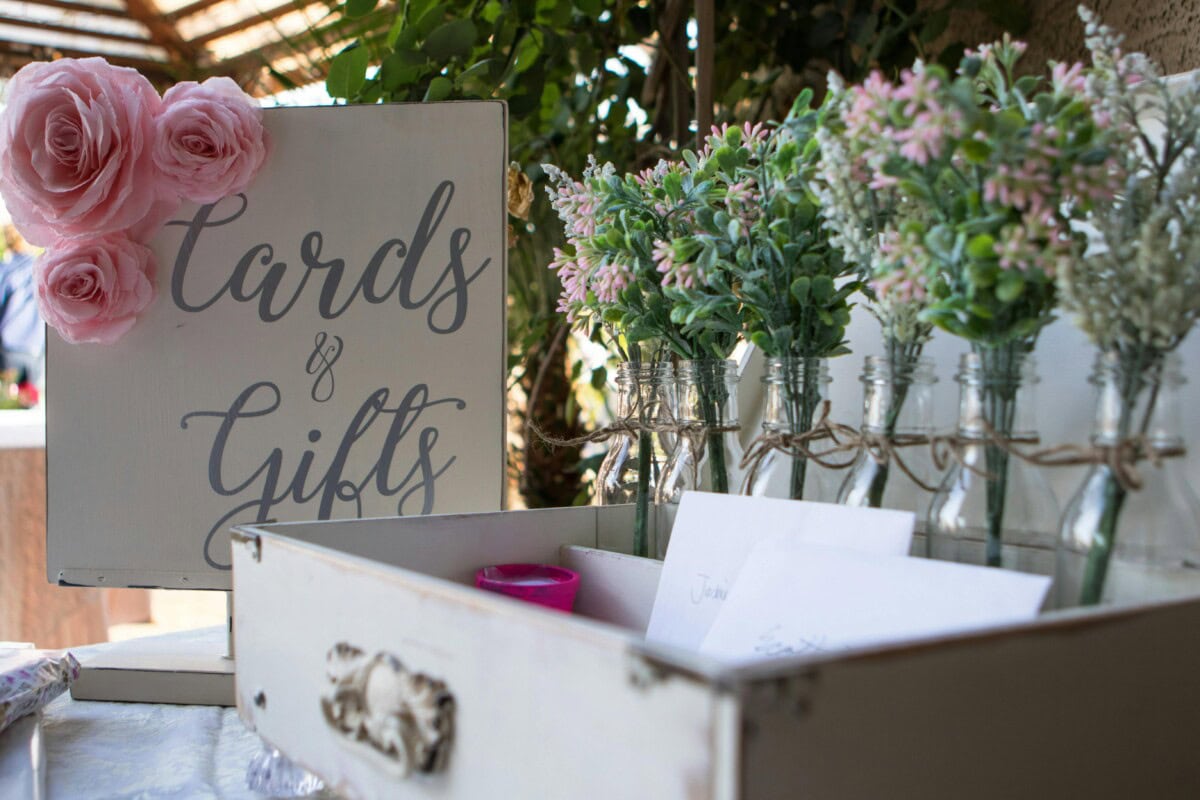
Realistic gift expectations for second weddings acknowledge that many guests may give smaller presents or choose experiential gifts over traditional household items. This difference is completely normal and shouldn’t influence your feelings about guest attendance. Some people may not give gifts at all, especially if they attended your first wedding.
Alternative gift ideas work particularly well for second weddings. Consider suggesting experiences like date night funds, contributions to your honeymoon, home improvement projects, or charitable donations in lieu of traditional registry items. These options often feel more appropriate for established couples who already have basic household necessities.
Handling guests who feel they’ve “already given” requires grace and understanding. Never make anyone feel obligated to give gifts, and focus conversations on how happy you are they can celebrate with you. The greatest gift is having loved ones present to witness your new beginning.
Gift consideration strategies:
- Maintain realistic expectations about gift-giving
- Suggest alternative gifts that fit established couples
- Focus on presence over presents
- Handle gift situations with grace and gratitude
Previous Marriage: Handling the Past
Acknowledging your previous marriage requires delicate balance – being honest about your history while keeping the focus on your current relationship. You don’t need to hide your past, but you also don’t need to dwell on it during your celebration. Most guests understand that life is complex and are simply happy to celebrate your current happiness.
Managing relationships with your ex can be challenging during wedding planning, especially when children are involved. Maintain appropriate boundaries while ensuring necessary communication about children’s involvement happens respectfully. Keep conversations focused on what’s best for the kids while protecting your emotional well-being. When dealing with a former spouse, clear boundaries help ensure your wedding planning remains positive and focused on your new partner.
Helping children from your previous marriage navigate their feelings about your new wedding requires patience and understanding. Some children embrace the celebration, while others may struggle with loyalty conflicts or adjustment difficulties. Consider family counseling if needed to ensure everyone feels supported during this transition.
Strategies for handling the past:
- Acknowledge history without dwelling on details
- Maintain appropriate boundaries with former spouse
- Support children through their adjustment process
- Focus conversations on current happiness and future plans
Create a Registry for Established Couples

Creating a wedding registry when you already have household essentials requires creativity and thoughtful consideration. Experience registries work particularly well for second marriages, allowing guests to contribute to date nights, travel funds, or shared activities that enhance your relationship. When you create a registry that reflects your established lifestyle, guests appreciate having meaningful options for gift-giving.
Honeymoon registries have become increasingly popular for second weddings, letting guests contribute to specific aspects of your trip rather than household items. This approach feels more appropriate for couples who already have established homes and prefer creating memories over accumulating possessions.
Home improvement registries offer another excellent option for second marriages. Consider items that help you blend two households, upgrade existing possessions, or create new shared spaces. Luxury items you wouldn’t typically buy for yourselves make excellent registry additions.
Registry alternatives include:
- Experience registries for dates and activities
- Honeymoon funds for travel contributions
- Home improvement items for blending households
- Charitable donations to causes you support
Low-Key Celebration Benefits
Many second-time couples discover that smaller, more intimate celebrations create deeper connections and more meaningful memories. Low-key weddings allow for more personal interaction with each guest and often feel less stressful to plan and execute. These celebrations often become the best wedding experience for couples who prioritize authentic connections over elaborate productions.
Intimate wedding advantages include greater flexibility in venue choices, more personalized attention to details, and typically lower costs that allow for higher quality elements. Many couples find they can afford better food, flowers, or photography when they’re hosting fewer people.
Elopement and micro-wedding options work particularly well for second marriages, especially when complex family dynamics make larger celebrations challenging. These intimate settings often feel more authentic to couples who value substance over spectacle and want their wedding to reflect their mature approach to love and commitment. The ceremony and reception can be combined into one seamless, meaningful experience.
Low-key celebration ideas:
- Intimate ceremonies with immediate family only
- Destination elopements in meaningful locations
- Backyard celebrations with casual elegance
- Restaurant buyouts for sophisticated small gatherings
Parent Involvement and Expectations
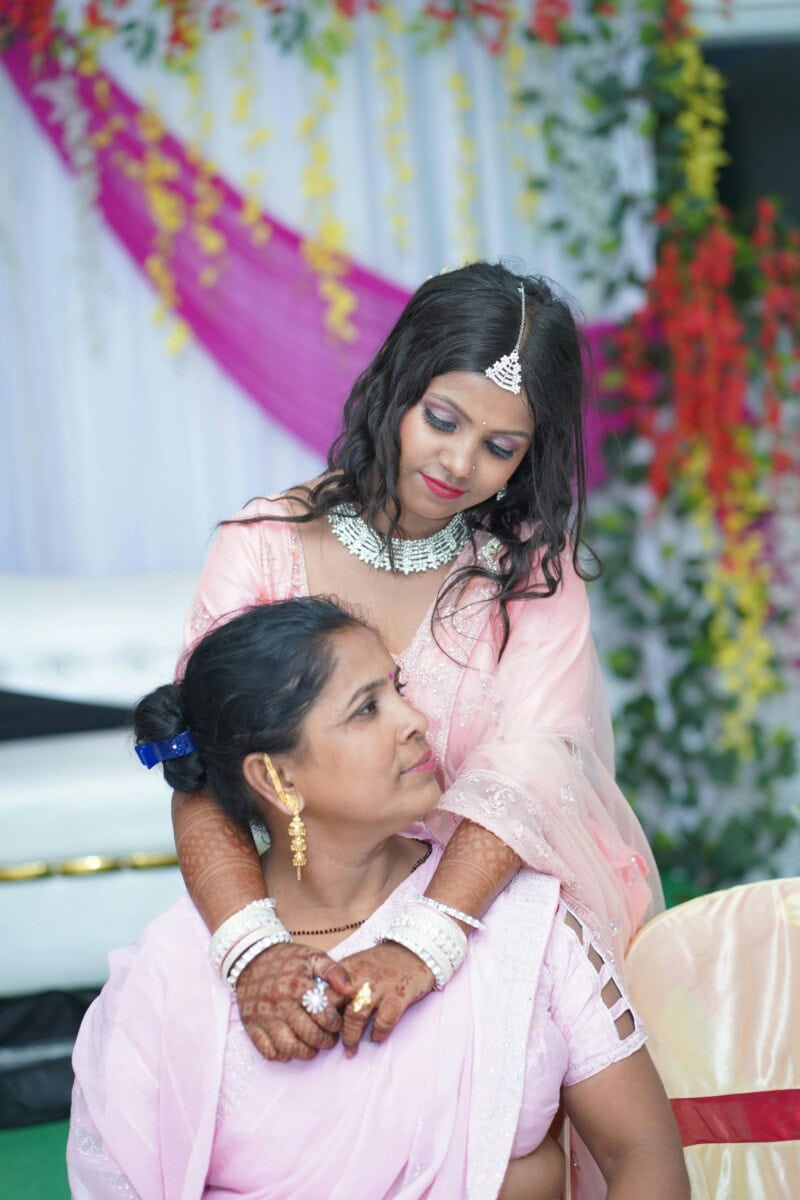
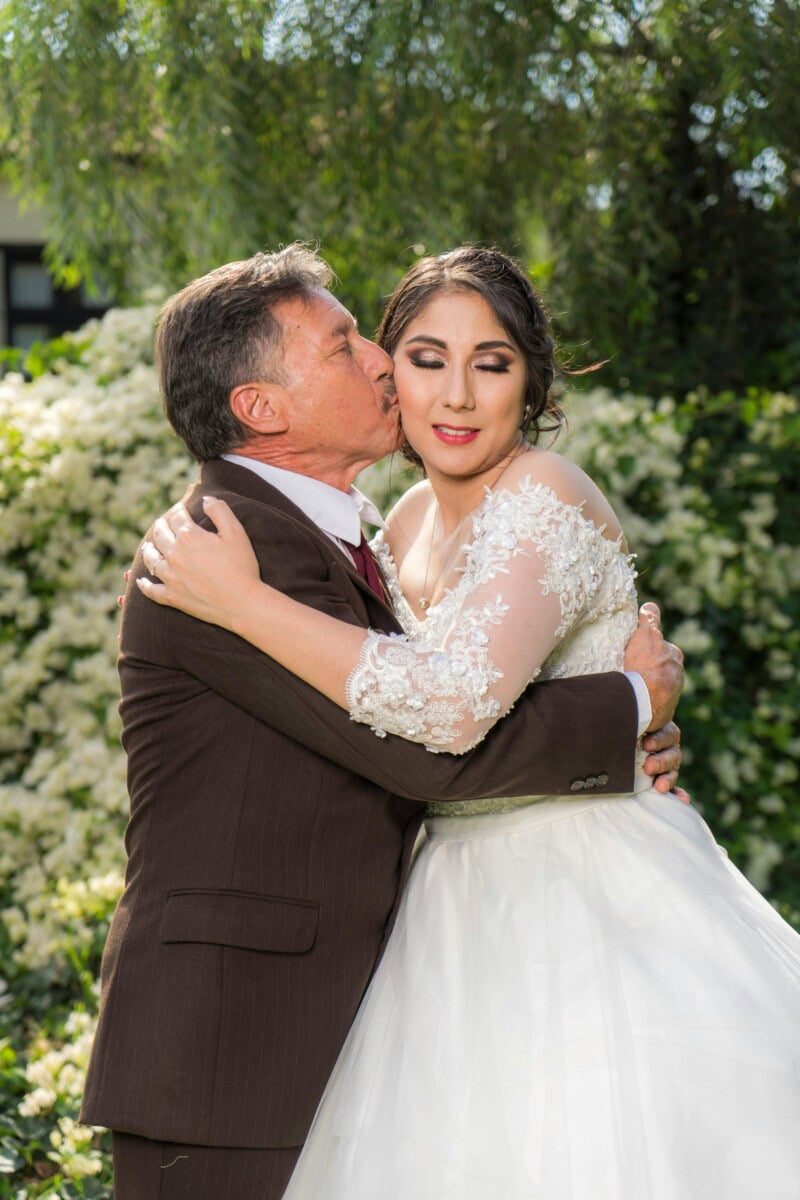
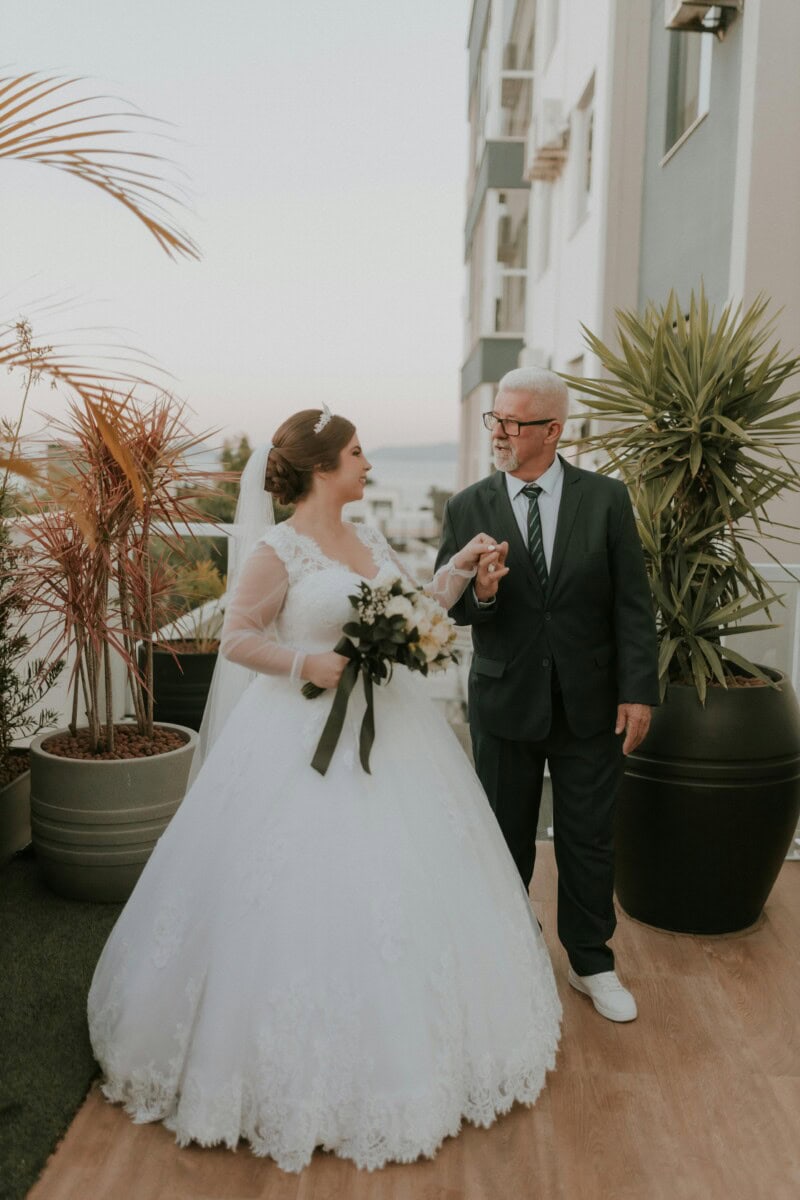
Managing parental expectations for your second wedding can be challenging, especially if your parents had strong opinions about your first marriage or continue to have concerns about your choices. Set clear boundaries about their involvement level while remaining respectful of their feelings.
Some parents may be less excited about a second wedding, while others might be relieved and supportive of your new happiness. Navigate these dynamics with open communication, clear expectations, and focus on creating a celebration that honors your relationship while maintaining important family connections.
Including elderly parents who may have health or mobility considerations requires special planning. Consider venue accessibility, seating arrangements, and timing that accommodates their needs while ensuring they can participate meaningfully in your celebration.
Parent involvement strategies:
- Set clear boundaries about input and involvement levels
- Communicate openly about expectations and limitations
- Consider elderly parents’ health and mobility needs
- Focus on maintaining positive relationships while protecting your vision
Marriage Preparation for Success
Preparing for your second marriage involves different considerations than your first time around. You bring experience, potentially children, established careers, and financial assets to this new union. Premarital counseling can be particularly valuable for addressing blended family dynamics, financial planning, and relationship expectations.
Important discussions should cover practical matters like finances, parenting philosophies, career goals, and lifestyle preferences. Legal considerations including prenuptial agreements, estate planning, and custody arrangements may be necessary. These conversations, while not romantic, are crucial for building a strong foundation.
Blended family preparation becomes essential when either partner has children. Creating new family traditions, establishing household rules that work for everyone, and maintaining respect for co-parenting relationships requires patience, flexibility, and commitment from both partners.
Preparation areas to address:
- Financial planning and asset management
- Blended family dynamics and parenting approaches
- Legal considerations including estate planning
- Communication strategies for complex situations
Second Marriage Foundation Building

Building a successful second marriage requires learning from previous relationship experiences without being haunted by them. Use your insights about communication, conflict resolution, and compatibility to make better decisions in your new relationship. Your experience is an asset, not a liability.
Communication strategies become particularly important in second marriages, especially when children are involved. Develop clear systems for discussing household decisions, parenting choices, and relationship concerns. Many couples find that their communication improves significantly with age and experience.
Maintaining individual identity within your new marriage helps ensure both partners feel fulfilled and respected. Second marriages often work best when both people bring their established selves to the relationship rather than trying to recreate their younger selves or merge completely.
Foundation building elements:
- Learn from past experiences constructively
- Develop strong communication systems
- Maintain individual identities within the marriage
- Build supportive networks for your new relationship
Remarry with Confidence
Your decision to remarry deserves celebration and support, not judgment or second-guessing. Embrace your second chance at love with confidence, knowing that your experience and maturity bring valuable assets to this new relationship. Every love story is unique, and yours deserves to be honored regardless of your marital history.
Focus on the key principles that truly matter: authenticity, joy, and celebration of your unique relationship. Don’t let outdated etiquette rules or others’ opinions diminish your happiness or influence your choices. This is your time to create the wedding celebration that truly reflects who you are as a couple today.
Key principles for confident remarriage include staying true to your values, celebrating authentically, including loved ones meaningfully, and focusing on your future together rather than past experiences. Your second wedding isn’t a consolation prize or a “do-over” – it’s a celebration of finding love again.
Confidence-building strategies:
- Embrace your second chance at love without apology
- Focus on authentic celebration over others’ expectations
- Celebrate your unique love story and journey
- Plan boldly and joyfully without unnecessary restrictions
Conclusion
Second wedding etiquette ultimately comes down to celebrating your love authentically and joyfully. Whether you choose an intimate gathering or a large celebration, traditional elements or completely unique touches, the most important thing is that your wedding reflects your genuine happiness and commitment to each other.
Remember that your love story didn’t end with your first marriage – it evolved, grew, and led you to this new chapter. That journey deserves to be celebrated with the same enthusiasm, joy, and support as any other love story. Your second wedding isn’t a lesser celebration – it’s a testament to resilience, growth, and the enduring power of love.
Essential second wedding etiquette reminders:
- Authenticity trumps tradition – celebrate in ways that feel genuine to your relationship
- Size doesn’t matter – intimate or large celebrations are equally appropriate
- White is always appropriate – color choices should reflect your personal style
- Gift expectations should be relaxed – focus on presence over presents
- Children’s involvement should be thoughtful – include them meaningfully without pressure
- Past relationships require boundaries – acknowledge history while focusing on the future
- Family dynamics need management – set clear expectations and maintain your vision
- Registry alternatives work well – consider experiences and luxury upgrades over basics
- Low-key can be meaningful – intimate celebrations often create deeper connections
- Confidence is key – your happiness deserves recognition and celebration
Your second marriage represents hope, growth, and the beautiful reality that love can find you more than once. Plan your wedding with confidence, celebrate with joy, and remember that this new beginning deserves all the happiness you can create together.
FAQs
What is the etiquette for a second wedding?
When planning a second wedding, etiquette typically emphasizes the importance of acknowledging the previous marriage while celebrating the new union. It’s essential to communicate openly with family and friends about your intentions, and you may also wish to keep the ceremony low-key, reflecting your personal style and preferences. Consider avoiding traditional elements that might evoke memories of the first wedding, and instead focus on creating a unique experience that resonates with you and your partner.
How should the bride and groom choose their wedding party for a second marriage?
The selection of a wedding party for a second marriage can be a sensitive topic. It’s important for the bride and groom to consider including close friends and family who support their new union. They may choose to have bridesmaids and groomsmen from their existing circle rather than replicating the previous wedding party. This approach allows for a fresh start and can help avoid any potential awkwardness related to past relationships.
What are some second wedding ideas to consider?
When planning a second wedding, couples often look for unique and personal touches. Consider intimate venues, destination weddings, or even themed celebrations that reflect shared interests. You might also explore creative ways to incorporate elements from your first marriage, such as honoring children from a previous marriage or including family traditions that mean a lot to both partners.
Should I create a registry for my second wedding?
Creating a registry for a second wedding is generally acceptable, but it’s wise to approach it with sensitivity. Some guests may feel that since you have already established a home, a registry may seem unnecessary. To navigate this, consider creating a registry that includes meaningful experiences or items that reflect your new life together, rather than household goods.
What should I wear to my second wedding?
Choosing an outfit for a second wedding can be a personal decision. While some brides opt to wear white, others prefer non-traditional colors or styles that reflect their personality. Ultimately, the key is to wear something that makes you feel confident and beautiful while honoring the significance of the occasion.
How can I include my children in a second marriage ceremony?
Involving children from a previous marriage in a second wedding can create a sense of unity and family. This can be achieved by giving them special roles, such as walking down the aisle, standing with the bride and groom during the ceremony, or participating in a family unity ceremony. Engaging them in the planning process can also help them feel included and valued.
What are some common etiquette questions regarding gifts for a second wedding?
Guests often wonder about the appropriateness of giving gifts for a second wedding. It’s generally considered thoughtful to give a gift, but many couples may prefer experiences over material items. If you have a close relationship with the couple, consider discussing gift ideas with them directly to ensure your choice aligns with their preferences.
How should I approach the topic of my previous marriage when planning a second wedding?
Addressing your previous marriage during the planning of a second wedding requires sensitivity and transparency. It’s important to communicate with your partner about how both of you feel regarding the past. You may choose to acknowledge it in your invitations or during the ceremony, but it’s essential to focus on the new beginnings and the love that has brought you together.
You might also be interested in…
Need more ideas on how to plan your special day? Check out this link to planning a wedding from start to finish!
CONNECT WITH DAILY MOM
💖 NEWSLETTER: DAILY READS IN YOUR INBOX 💖
Sign up to receive our picks for the best things to do, see and buy so you can relax and focus on more important tasks! Let us help you be the best version of yourself you can be!
BE SOCIAL WITH US
📌 LOVE IT? PIN IT!📌