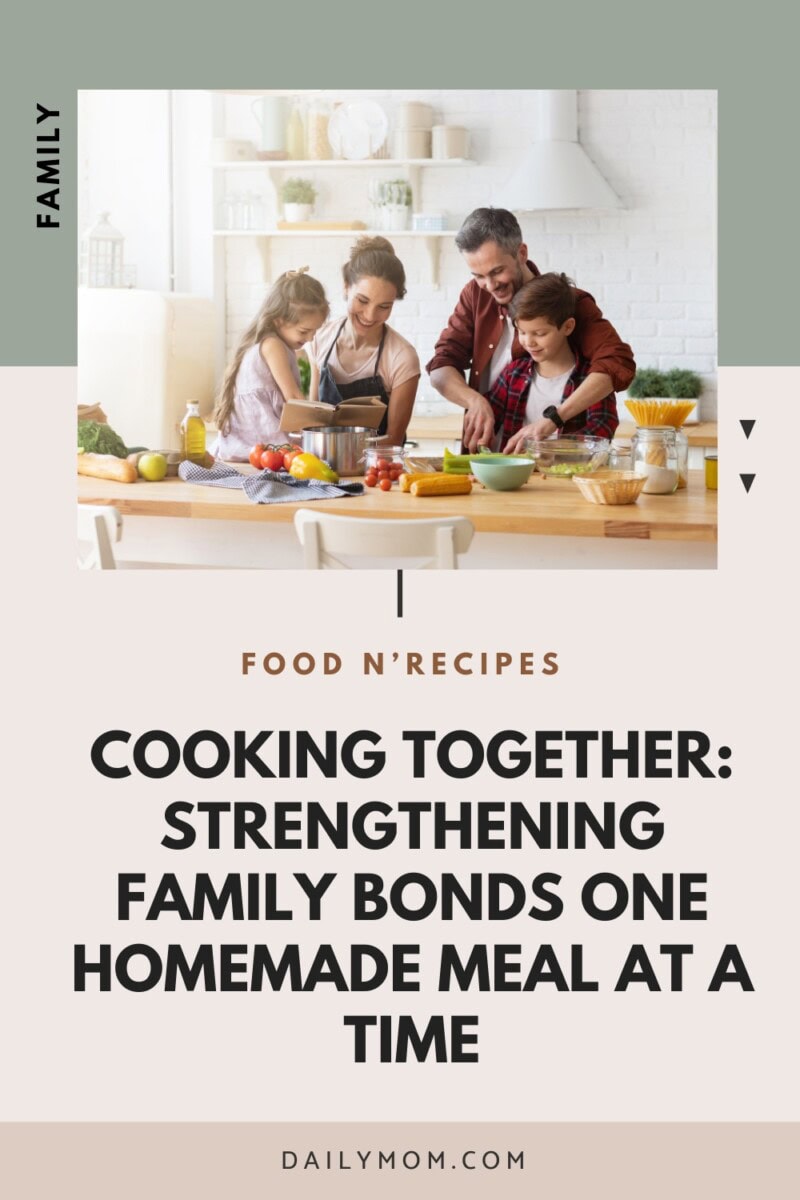


































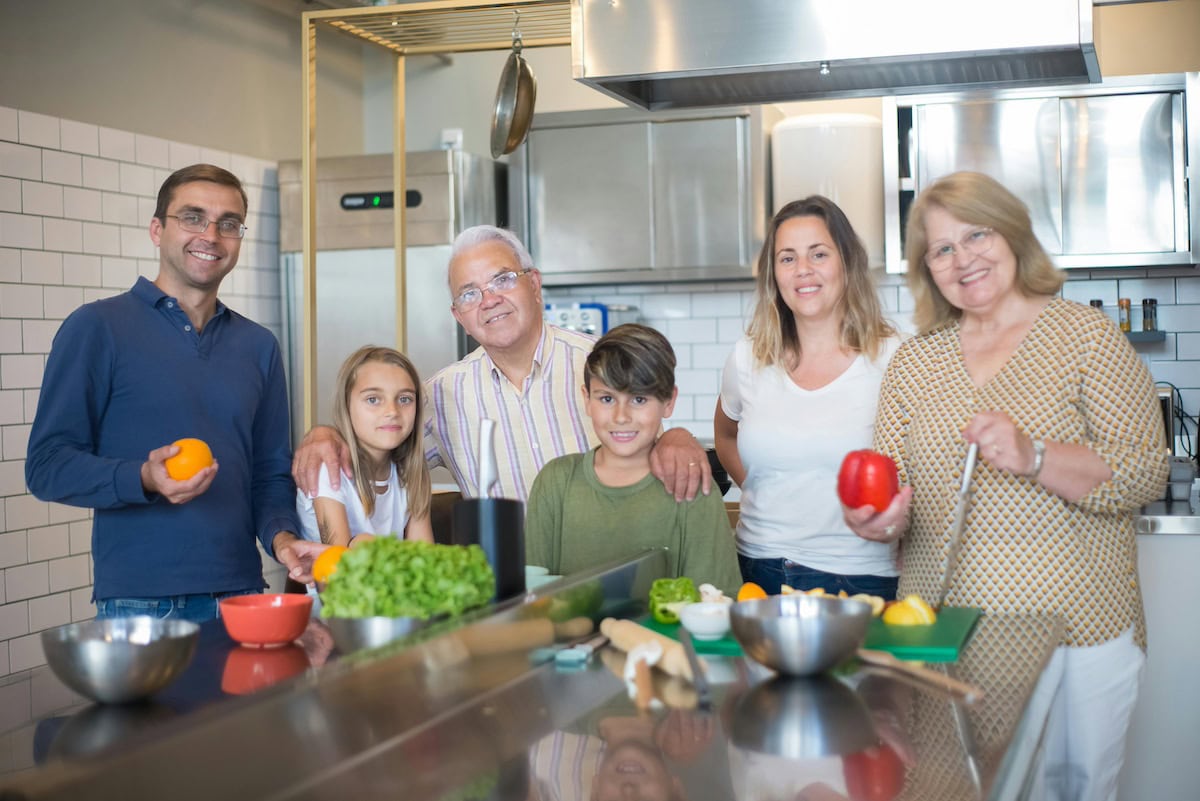
In the rush of everyday life with endless work deadlines, school pickups, and dinner squeezed between soccer practice and homework, the importance of food and connection is often forgotten. The kitchen was not just a place to heat something up, but a space where people gathered, talked, chopped, tasted, and connected. Somewhere along the way, fast-paced schedules and food delivery apps have stolen that little bit of magic.
But there’s something quite powerful about taking back one day a week. One night, the family sets the table, gets flour on their hands, and makes something from scratch. Something warm and familiar, like a recipe that’s been tucked into a drawer or scribbled on a stained index card in Grandma’s handwriting. Because when food comes from a shared past, it brings more than flavor; it brings connection and love!
Reclaiming time at home to cook together doesn’t have to be dramatic. There’s no need for five-course meals or perfectly curated ingredients; it begins with the decision to make room for each other. When you do this, you are choosing connection over convenience, even just once in a while. It starts with that one night where everyone steps into the kitchen, and whether it’s setting the table or mashing the potatoes – it’s all part of the process, and it means everyone getting involved in any way possible!
And here’s what happens: the simple act of preparing meals transforms into a powerful way to connect. It becomes a ritual of laughter, messes, and memories. It revives the joy of cooking not just as a task, but as a shared experience. One that fosters a sense of belonging, not just around a table, but within the hearts of everyone who shows up.
So, dust off those old family recipes. Plan for a slow Sunday supper or a cozy Friday dinner. Let the act of cooking together as a family bring people together in a way that fast food never could. Because in a world that constantly pulls us in different directions, sometimes the best way to feel closer is to stand shoulder-to-shoulder at the kitchen counter.
Why Food and Connecting to Others Matter More Than Ever
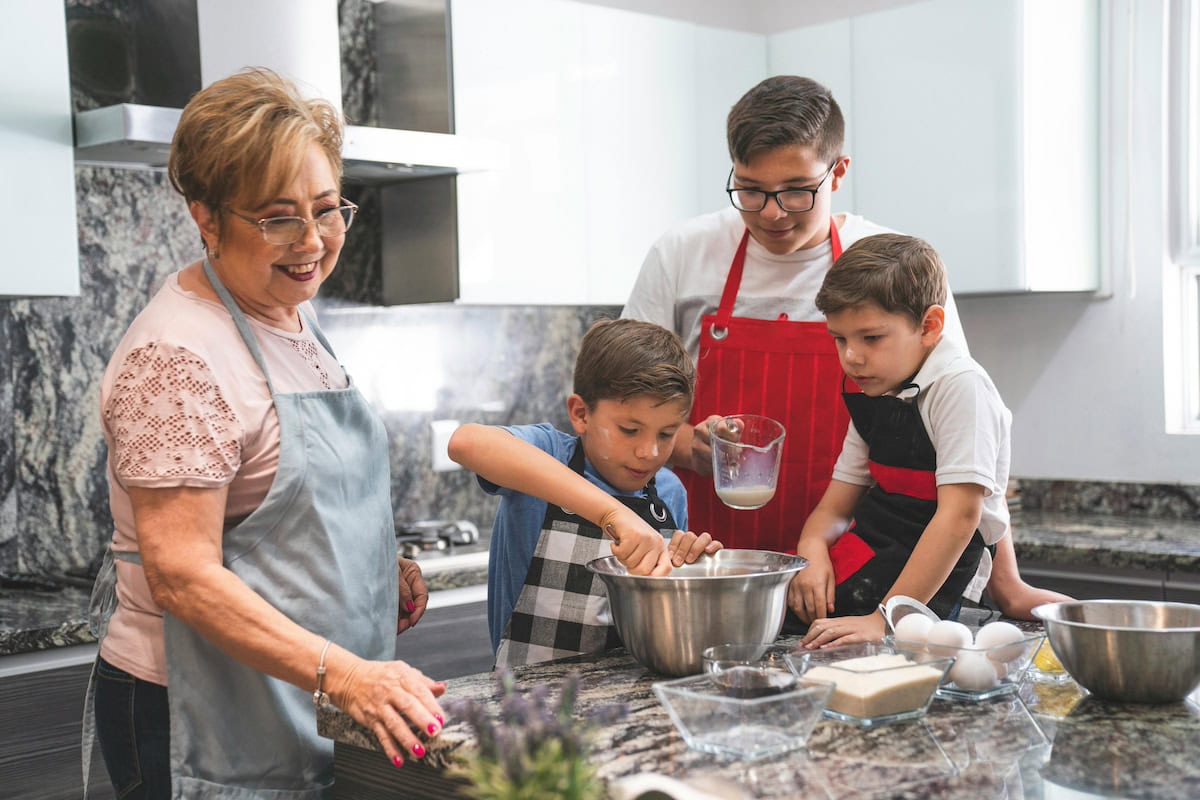
Something special happens when people gather around food. It’s not just about filling plates, it’s about filling a space with conversation, comfort, and care. In a world that often feels divided and digital, the simple act of cooking a meal and sharing a table has the power to bring people together in real and lasting ways.
The food we eat holds more than just nutritional value. Meals prepared together, especially those made from scratch, become vessels of tradition, storytelling, and emotional grounding. There’s a reason why homemade soup tastes like love or why Grandma’s meatloaf can trigger a memory so vivid that it brings tears. That’s the power of food. It connects us to the past, anchors us in the present, and reminds us that we belong to something and to someone.
The Emotional & Social Benefits of Shared Meals That Will Enhance Your Connection
Cooking and sharing a meal with a group of friends or family taps into something primal and deeply human — the need for connection.
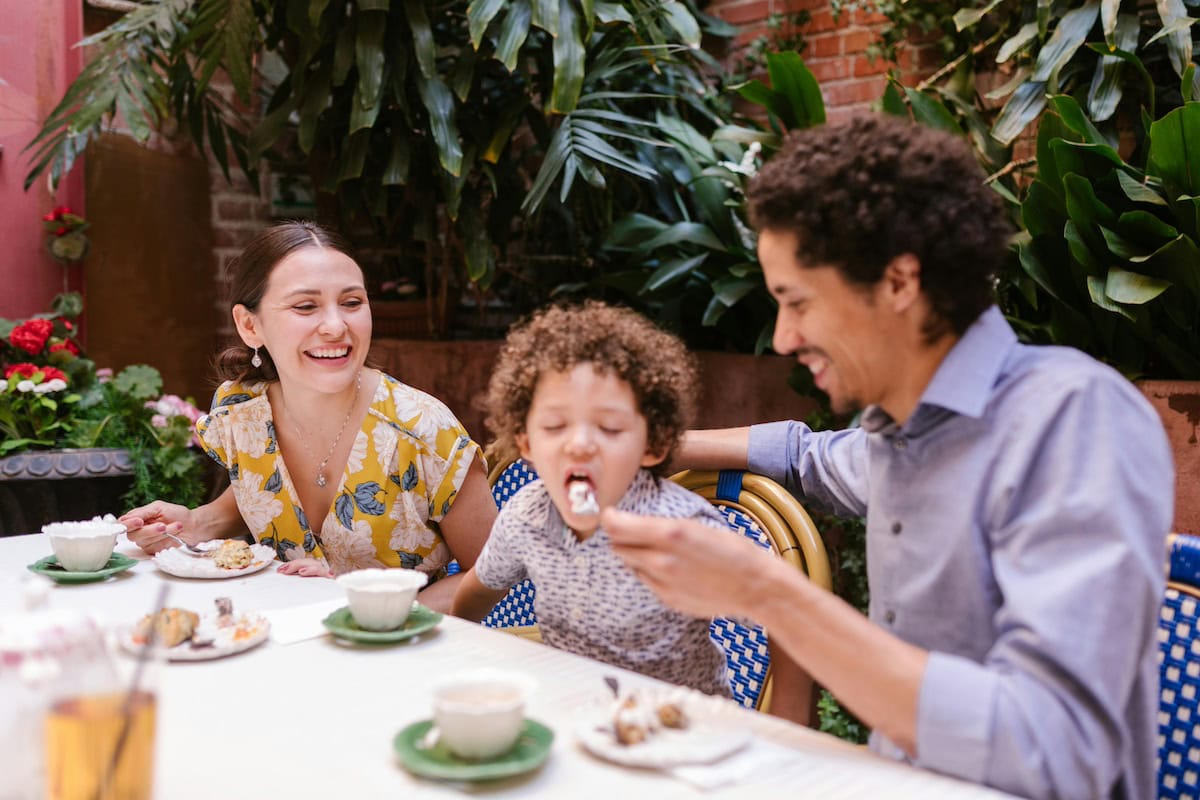
- It fosters a sense of belonging: When everyone has a seat at the table, they feel seen, heard, and included.
- It enhances social connections: Conversations over dinner tend to flow more naturally and meaningfully than over texts or screens.
- It creates an environment where stories, jokes, and even tough talks can be shared.
Homemade Food From Scratch Carries Memory and Meaning
The act of eating is never just about the food. Remember, there’s memory in every bite — whether it’s the cinnamon in a coffee cake that smells like holidays, or the warm, savory depth of a stew that’s been passed down for generations.
- Food made from scratch carries stories: Every ingredient, every step, is rooted in memory.
- Handwritten recipes or family dishes reconnect people to their heritage and culture.
- Preparing meals with intention turns food into a shared experience that bridges gaps between generations and personalities.
It’s Good for the Mind and Body, Too

It’s not just sentimental, it’s backed by science. Eating together benefits both physical and mental health. Studies have shown that regular family meals are linked to higher self-esteem, better academic performance in kids, and lower rates of depression and substance abuse.
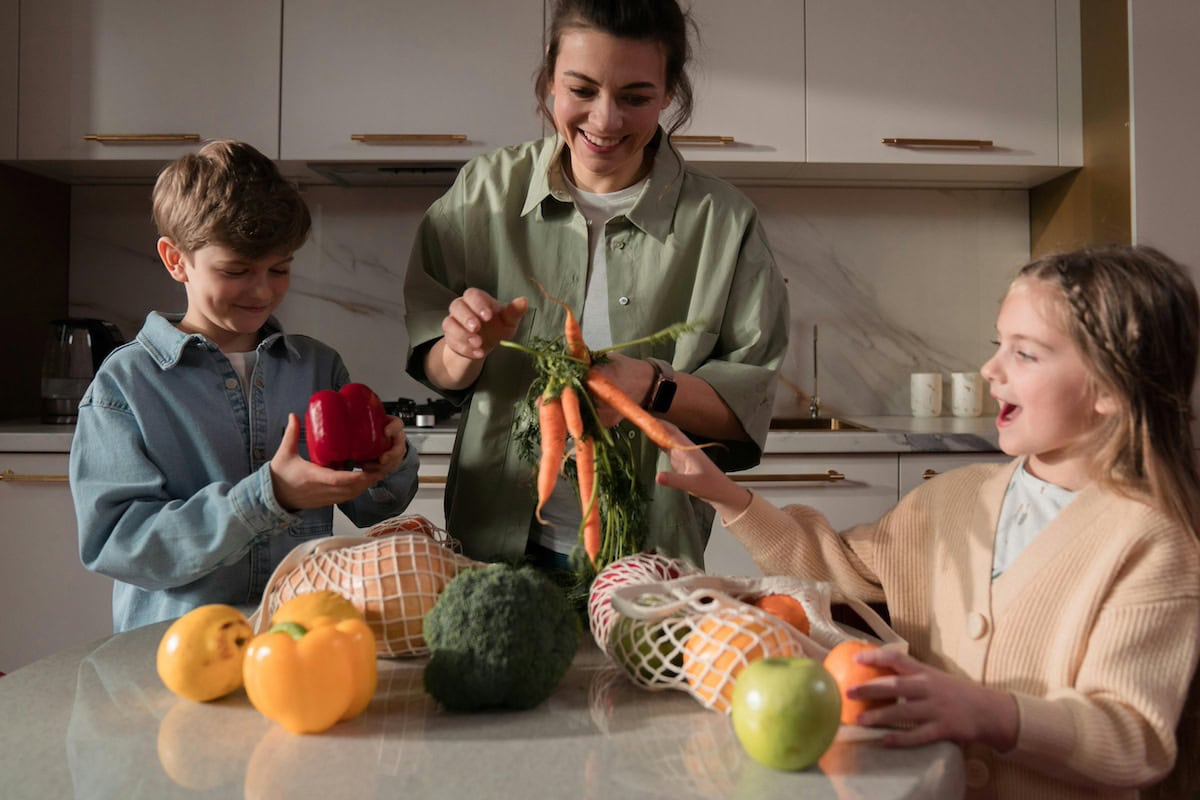
- Stronger communication skills: Families who eat together regularly tend to talk more openly and often.
- Better mental health outcomes: The routine and social connection provide emotional security.
- Healthier eating habits: Home-cooked meals are more likely to include diverse food groups and fewer processed ingredients.
At the end of the day, it’s not just about what’s on the table; it’s about who is around it. Sharing food, preparing meals, and taking the time to connect with the food we eat builds relationships, restores tradition, and reminds us of what matters most: people, connection, and the nourishment we give each other in every sense of the word.
The Case for Grandma’s Recipe Cards
There’s something about pulling out an old recipe card with yellowed edges, smudged ink, maybe even a little flour still stuck to it that instantly slows time. It’s more than a list of ingredients. It’s a portal. A handwritten note from a different era. A reminder that someone, somewhere, once stood in a kitchen with love and intention, hoping to feed the people they cared about.
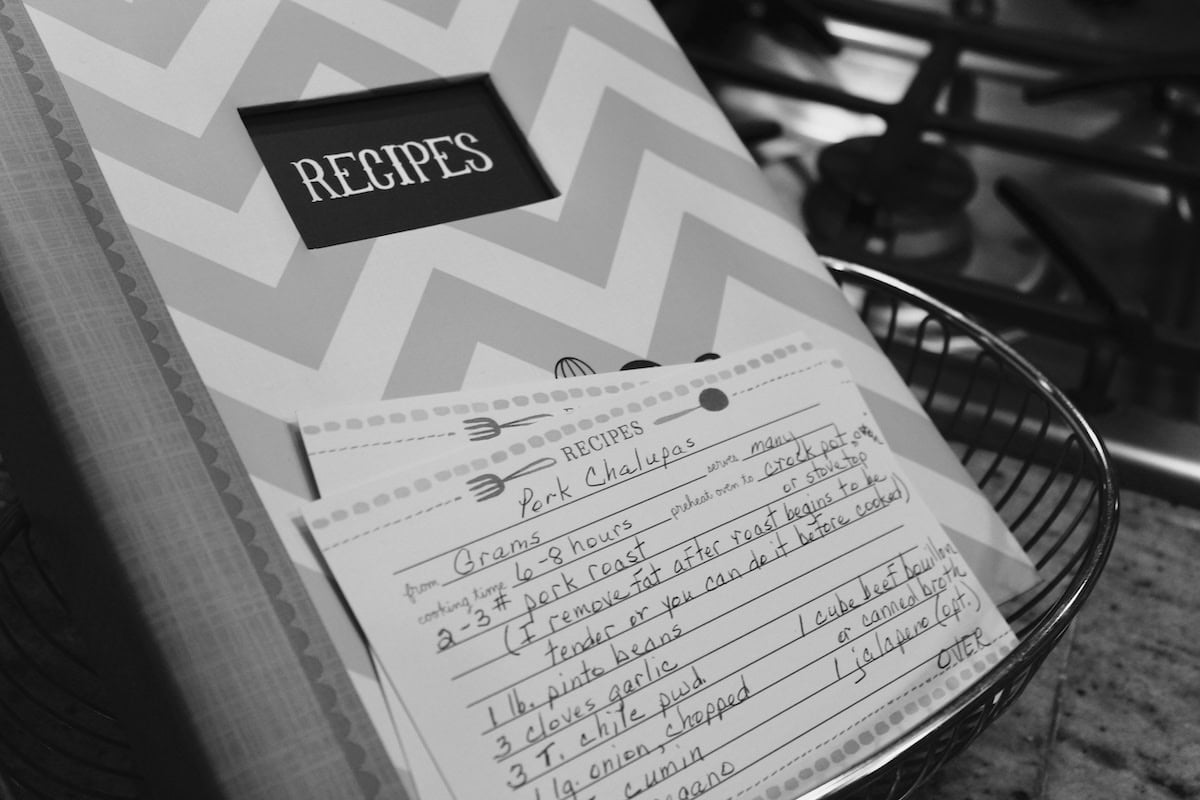
These old family recipes are small treasures. They carry flavors of childhood, smells of celebration, and the quiet magic of food prepared not for trend, but for tradition. Reviving those dishes brings back not just the taste, but the people and stories tied to them.
Why Old Recipes Matter
- Grandma’s recipe cards are like edible heirlooms — practical, but deeply personal.
- They’re memory keepers: Every dish has a backstory — a holiday, a snow day, a Sunday afternoon.
- They represent a relationship with food that was rooted in care, thrift, and resourcefulness.
- They offer comfort: There’s something grounding about making a meal the same way it was made decades ago.
A Little Nostalgia Goes a Long Way
In a world of trendy cooking videos and five-ingredient hacks, the charm of Grandma’s pot roast or homemade biscuits stands out. There’s no filter on these meals, and that’s the point. They feel real. They taste like home.
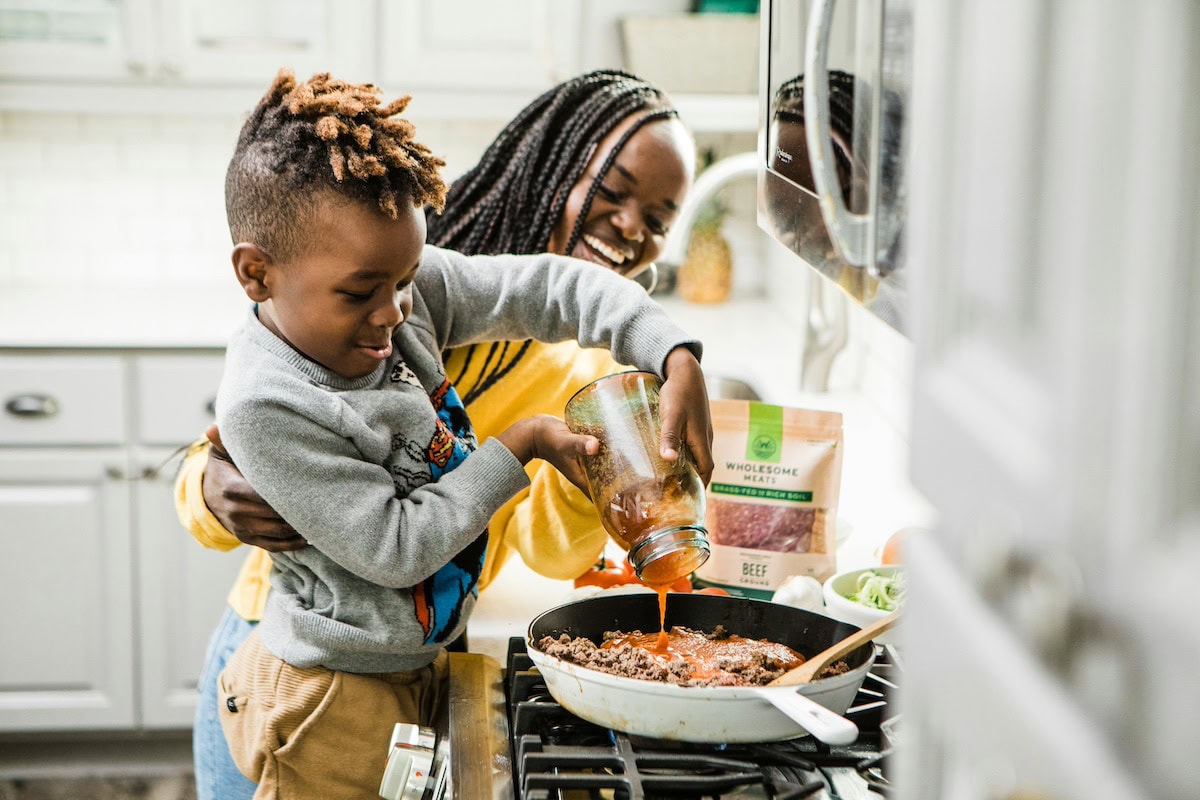
- Vintage recipe cards often came with notes like “a pinch of this” or “until it smells right” — and that’s where the magic is.
- Even the handwriting is meaningful, seeing Grandma’s script can feel like a warm hug.
- Cooking these recipes can help reconnect with family members who are no longer here, keeping their traditions alive at the table.
Where to Begin: Start a Conversation
- Not everyone has access to a dusty recipe box, and that’s okay! The beauty of these recipes is that they live in people, not just paper.
- Call a grandparent, aunt, or elder and ask what they used to cook “back in the day.”
- Recreating a childhood favorite by guessing and adjusting the process can be just as fun as the result.
- Ask for stories, not just instructions. Food becomes more meaningful when it’s tied to memory.
In the end, these meals connect us to something bigger. They bring the past into the present, and they give us a chance to savor not just the food, but the stories behind it. Whether it’s homemade pasta, apple crumble, or a casserole from the ‘60s, don’t underestimate the power of reviving a meal that once brought people together. Because chances are — it will again.
Simple Starter Recipes from Grandma’s Kitchen That You Can Cook Together
Not every family recipe has to be a complex masterpiece. In fact, the charm of many old-school meals lies in their simplicity, hearty ingredients, minimal steps, and maximum comfort. These are the kinds of dishes that warm the home, stretch across generations, and make everyone feel like they belong. And the best part? They’re perfect for cooking together.
Starting with easy, comforting recipes makes it more likely that everyone, from picky eaters to hesitant cooks, will enjoy it. Everyone will get involved and enjoy the experience. Whether you’re working with young kids or cooking side-by-side with a grandparent, the process matters just as much as the finished plate.
Here are a few feel-good dishes to bring out that nostalgic flavor and ease into the rhythm of preparing meals at home.
Chicken Pot Pie
- Comfort in a crust. This dish is a classic for a reason.
- Teaches multiple techniques: chopping veggies, sautéing, stirring sauces, and rolling dough.
- Use up what you have: leftover chicken, frozen peas, or even veggie scraps can all make their way in.
- Customize it: make mini pies in ramekins or one big dish for the whole group.
Homemade Biscuits
- Flaky, buttery, and surprisingly easy once you get the hang of it.
- Great for little hands: kids can help mix dough, use cookie cutters, and brush on butter.
- Pairs with everything: serve with soup, stew, jam, or honey.
- No special equipment needed: just a bowl, a fork, and some counter space.
Apple Crumble
- Warm, cozy, and smells like fall — even if it’s July.
- Built for teamwork: peel and slice apples, mix the crumble topping, and sneak a few bites along the way.
- No fuss: no crusts to roll or pies to cool — just layer, bake, and enjoy.
- Talk-worthy: share stories of apple picking, holidays, or Grandma’s trick for the perfect cinnamon blend.
These gentle recipes are more than just meals; they’re invitations. To slow down, to savor, to try new (yet old) things. They’re a chance to create connections in the kitchen and pass along the kind of food that’s never gone out of style. Most importantly, they’re prepared together, offering a delicious way to break down barriers and foster that shared experience one bite at a time.
Food and Connection: Make It a Ritual: Start Home-Cooked Meals One Day a Week

Every lasting tradition starts with one small, intentional decision. And in the case of family meals, that could be as simple as choosing one night a week where everyone shows up, rolls up their sleeves, and cooks a meal together at home. It doesn’t have to be a grand event — what matters is the consistency, the commitment, and the space it creates for real connection.
Think of it as a reset button. No matter how busy the week is, everyone knows there’s that one evening carved out to reconnect, laugh, and share. Over time, this rhythm of cooking together fosters not only closeness, but something even more valuable: belonging.
Choose Your Night, Claim Your Time
- Start small. One meal a week is achievable for most families, even with hectic schedules.
- Slow Sundays: A great way to wind down the weekend and prep for the week ahead.
- Friday night unwind: Decompress after the workweek with something cozy and fun, think homemade pizza or tacos.
- Midweek pause: Wednesdays can become a welcome break in the week with comfort food and conversation.
Make It Collaborative
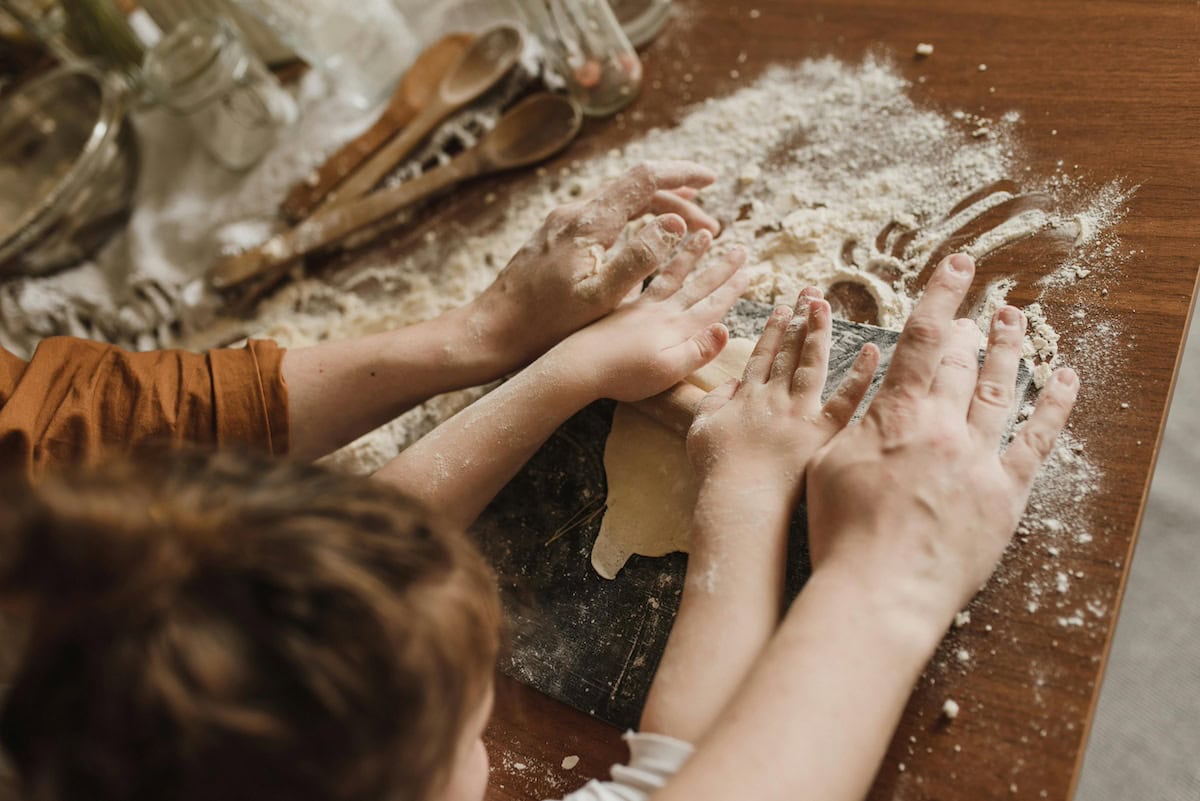
- A meal prepared together becomes more than just food; it becomes a shared mission.
- Host a family “menu brainstorm” night: Let everyone vote on what to make and who does what.
- Assign age-appropriate roles: little kids can wash produce, older ones can chop or stir, and adults can handle the hot stuff.
- Rotate who gets to pick the recipe: This keeps it exciting and ensures everyone feels included.
Turn It Into Something Special
This doesn’t need to be formal or fussy — but it can be intentional. Creating an environment that feels cozy and inviting makes a big difference in turning dinner into a ritual rather than just a routine.
- Set the table: Light a candle, use the “nice” napkins, or play some background music.
- Dress it up or dress it down: Have a pajama dinner one week, and a dress-up theme the next.
- Celebrate the little wins: Burned the garlic? Dropped a spoon? Laugh about it — it’s all part of the shared experience.
Establishing a weekly home-cooked meal isn’t about perfection, but about presence. And when that one evening becomes a fixture on the calendar, it naturally starts to build momentum. What begins as “just Wednesdays” might eventually spill into more days, more dishes, and more moments shared together. Because when cooking becomes a ritual, it turns everyday food into something sacred.
The Benefits of Cooking Meals Together
There’s something quietly magical about gathering in the kitchen with a shared purpose, such as slicing, sautéing, laughing, and tasting. Cooking a meal isn’t just about what ends up on the plate. It’s about the process, the participation, and the many little life lessons that bubble up along the way. When meals are prepared together, they become an experience, not just a task. And the benefits? They’re far more layered than most people realize.
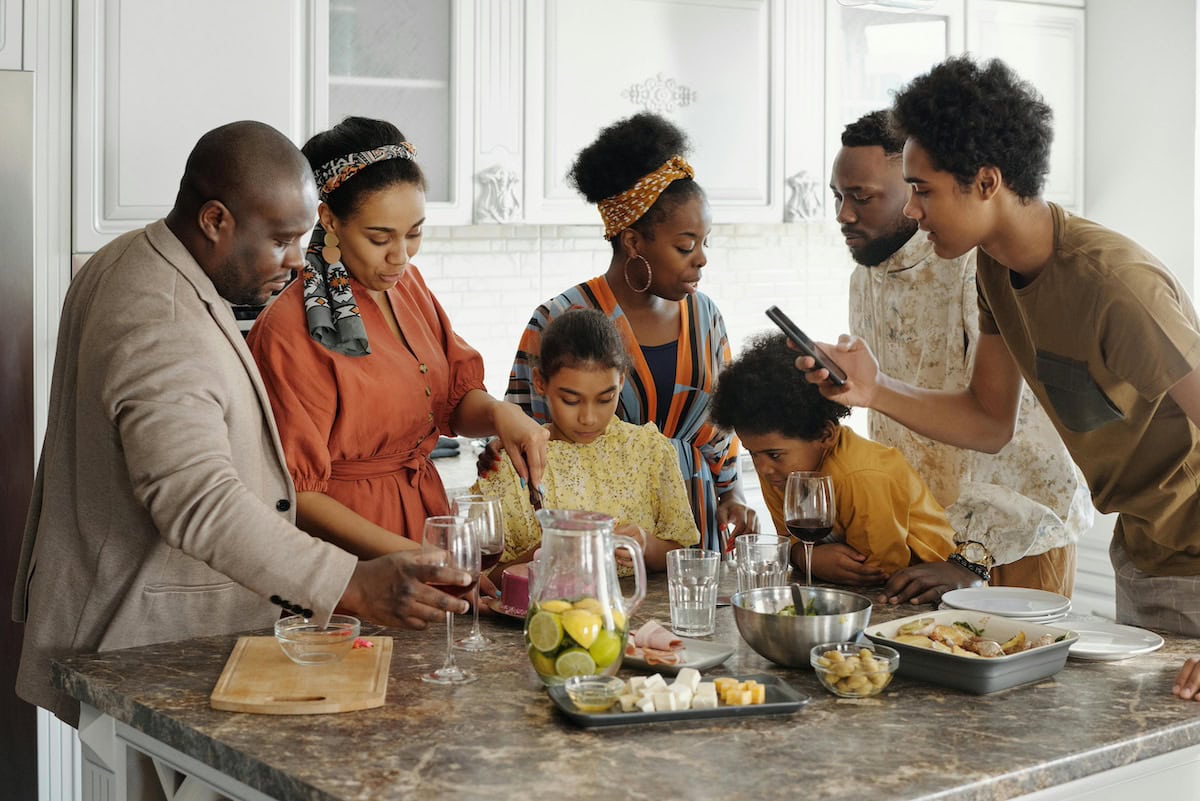
Cooking together as a family brings out creativity, teaches useful skills, and offers one of the rare chances in a busy week to actually slow down and enjoy each other’s company. Whether you’re elbow-deep in biscuit dough or just rinsing carrots, it’s all part of something meaningful that connects us.
Save Money Without Sacrificing Comfort

- Home-cooked meals made from scratch almost always stretch further than takeout or frozen dinners.
- Simple pantry staples go a long way: beans, rice, pasta, and seasonal produce can create endless meals.
- Batch cooking = budget wins: double your favorite recipe and freeze portions for later.
- Leftovers become next-day heroes: last night’s roast chicken? Now it’s chicken salad, soup, or quesadillas.
Teach Valuable Domestic Skills
- Every stir, chop, and sprinkle is a learning moment — and it doesn’t take a fancy cooking class to get there.
- Kids learn real-life lessons: reading instructions, measuring ingredients, and using kitchen tools safely.
- Cooking boosts confidence: there’s something empowering about making something delicious with your own hands.
- It promotes independence: skills built now will serve them (and their future roommates) for years to come.
Make Healthier Food Choices
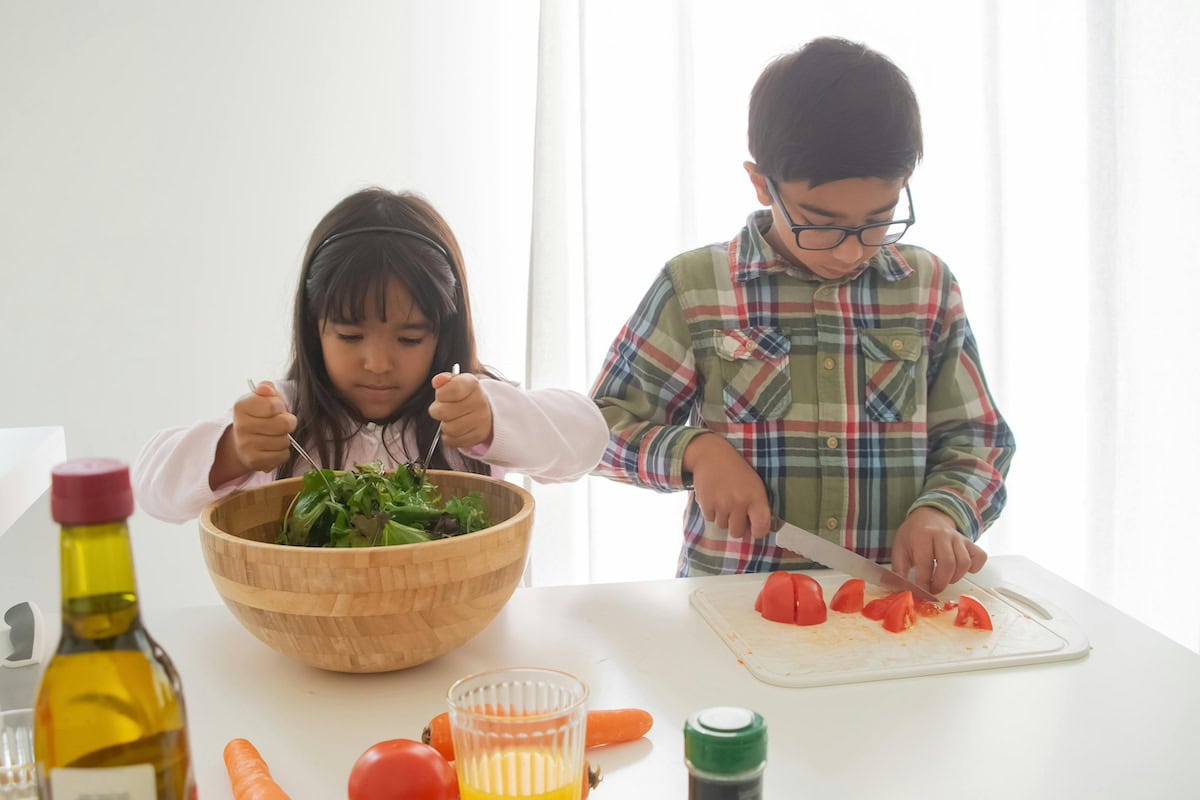
- When you cook at home, you’re in control — not a drive-thru menu or mystery label.
- You choose the ingredients: fewer preservatives, better quality, and full control over flavor.
- Learn the food groups through hands-on activities that teach balance and nutrition naturally.
- You can try new foods gradually by introducing new textures or flavors in fun, low-pressure ways.
Build Stronger Family Bonds
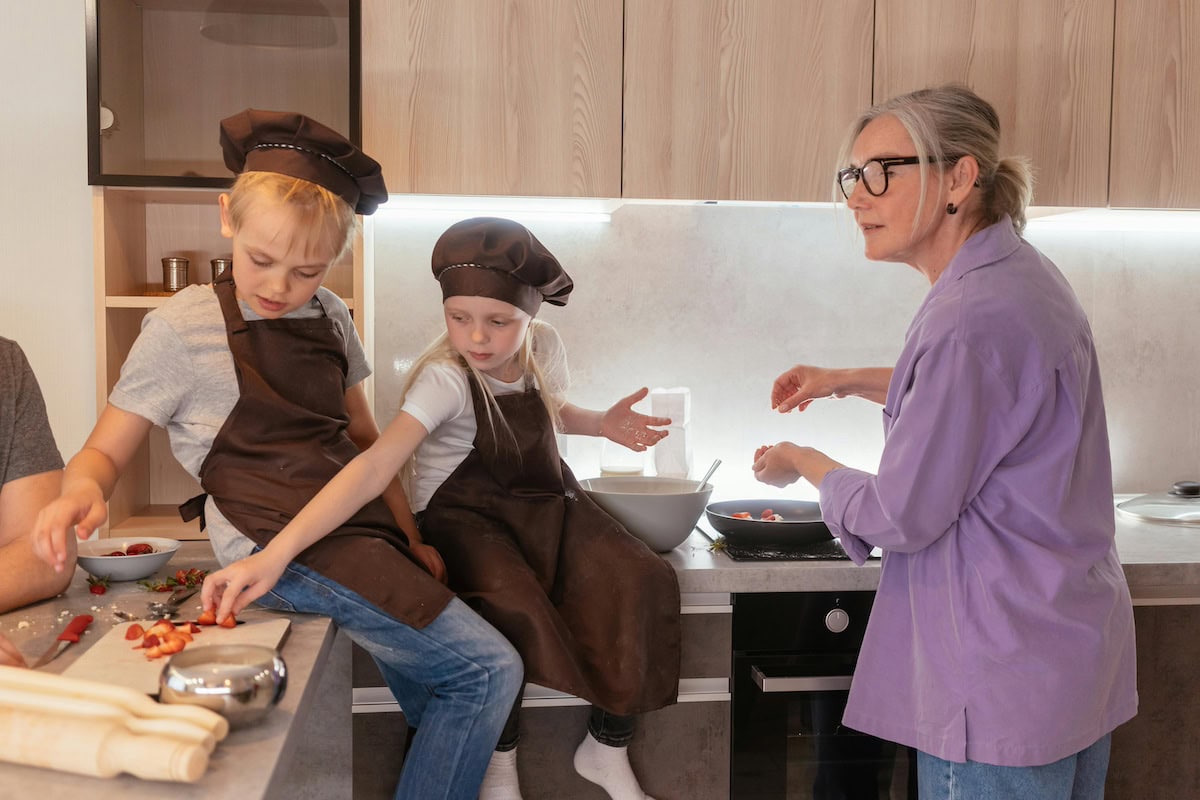
- Cooking is a social activity that’s naturally packed with opportunities for connection.
- Create moments to talk: without phones or distractions, real conversations start to happen.
- Celebrate everyone’s role: whether it’s setting the table or flipping pancakes, each task adds value.
- Share the wins and the flops: sometimes dinner’s a masterpiece… sometimes it’s burnt toast. Either way, you’re in it together.
Tip: Cooking together fosters more than a meal; it builds trust, laughter, and a rhythm of shared effort. And in a time when everyone seems to be pulled in different directions, gathering in the kitchen is one of the few ways to gently pull people back closer and together.
Tips for Making It Easy and Enjoyable
Let’s be honest — if cooking together starts to feel like a chore, it won’t last long! The key to creating a lasting ritual isn’t perfection; it’s enjoyment. Making home-cooked meals fun, flexible, and stress-free ensures that everyone from the over-scheduled parent to the reluctant teen wants to show up again next week.
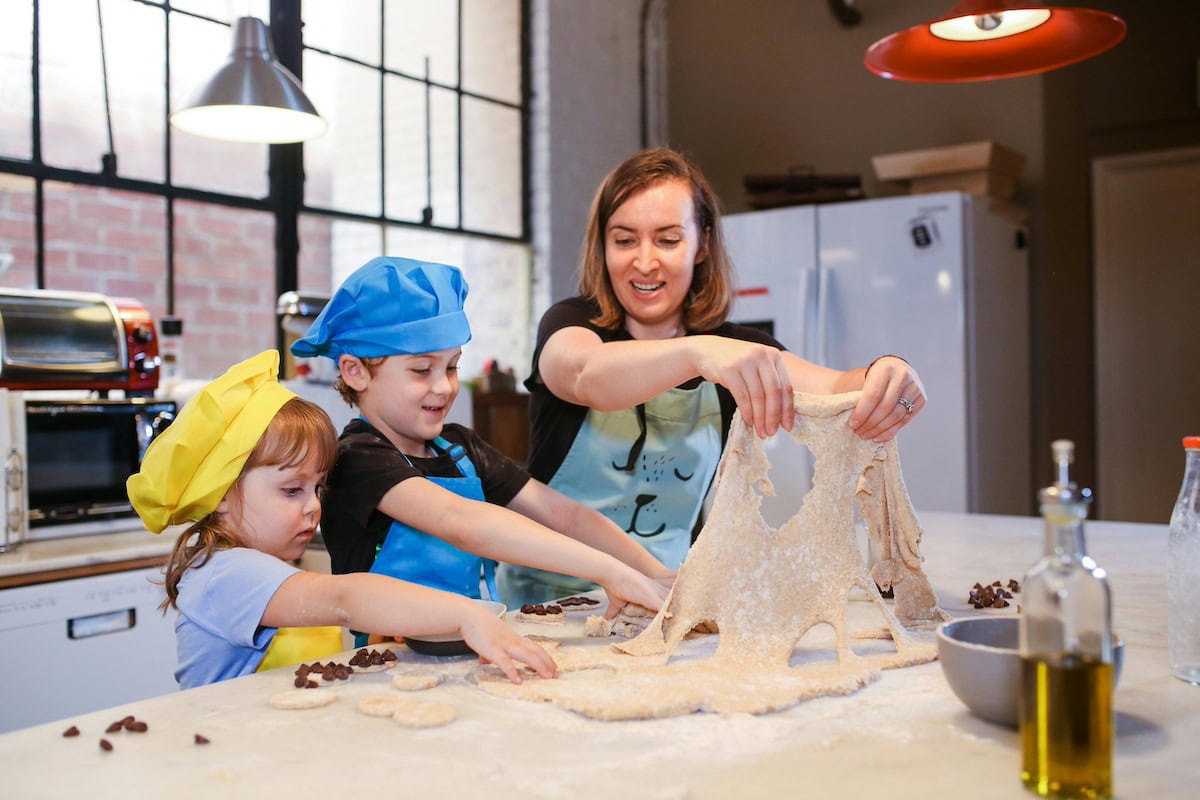
Think of the kitchen as a creative space, not a command center. The goal isn’t gourmet. It’s about creating a space where the family can laugh, learn, and maybe even lick the spoon once in a while. With a little planning and a dose of playfulness, the whole process can be something you look forward to.
Start with Easy Wins
- Nobody needs a soufflé on a Tuesday. Choose dishes that build confidence, not chaos.
- Stick to recipes with just a few steps and familiar ingredients.
- Choose meals that can be prepped in under 30 minutes.
- Try one new recipe every few weeks to keep things fresh without overwhelm.
Make It a Team Effort
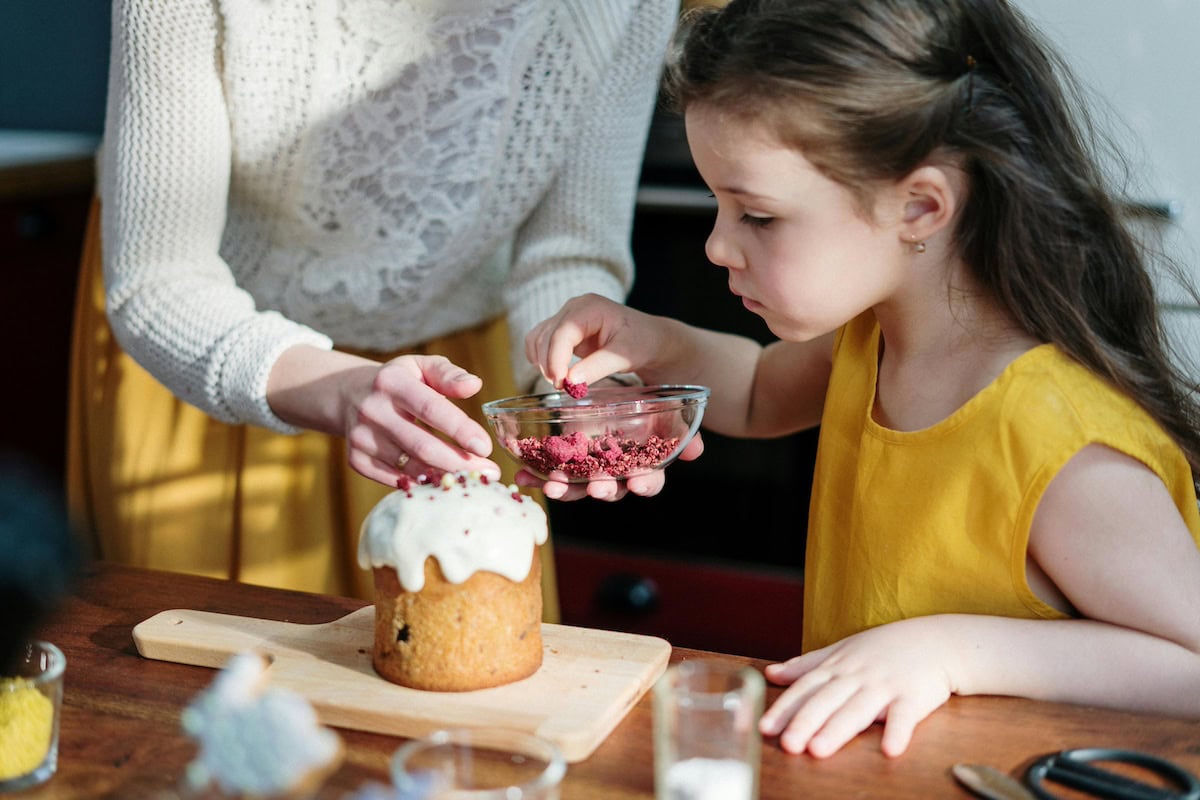
- Cooking is more fun when everyone has a role, and it makes things move faster, too.
- Let kids choose their “kitchen title”: chopper, stirrer, timer-keeper, taste tester.
- Rotate roles weekly so everyone gets to try something new.
- Turn on music and turn off the pressure: dance breaks are always encouraged.
Add Small Touches That Feel Special
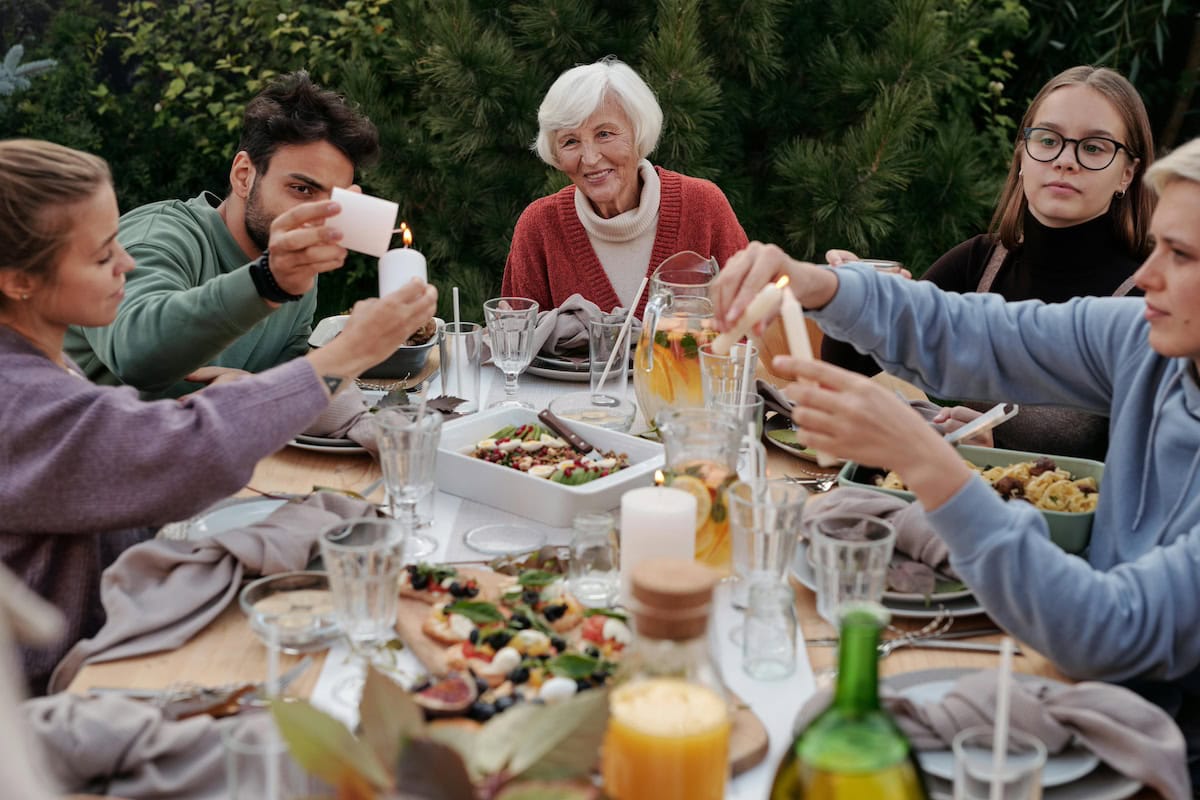
- The little things can transform a regular dinner into a moment that feels intentional and memorable.
- Light a candle, use cloth napkins, or pull out the “fancy” glasses for juice.
- Pick a theme for the night like taco Tuesday, breakfast-for-dinner, or “Grandma’s favorites.”
- Write down favorite meals and memories in a notebook to create your own family cookbook.
Prep Once, Enjoy Twice
- One of the best tricks for making family dinners easier is thinking ahead – just a little.
- Double or triple batches of family favorites and freeze portions for busy nights.
- Chop extra veggies on the weekend for faster weekday prep.
- Keep a few go-to meals on rotation so there’s always a backup plan.
With the right mix of low-stress structure and a dash of creativity, cooking at home becomes less about “what’s for dinner?” and more about “what can we make together tonight?” It doesn’t need to be perfect — just prepared with care, laughter, and a willingness to savor whatever happens, even if someone accidentally adds salt instead of sugar.
Sharing Meals, Sharing Memories

When a dish hits the table, it’s more than dinner, it’s a story. Maybe it’s the casserole Grandma always made when cousins came to visit. Or the cookies Mom baked every first snow. The food itself is special, but the moments attached to it? That’s where the real magic lives.
Sharing meals is about more than nutrition — it’s about storytelling, legacy, and feeling part of something larger than yourself. And when families take time to talk about the “why” behind the food, those dinners become something deeper, which is a shared experience that turns ordinary evenings into lifelong memories.
Talk About the Dish, Not Just the Day
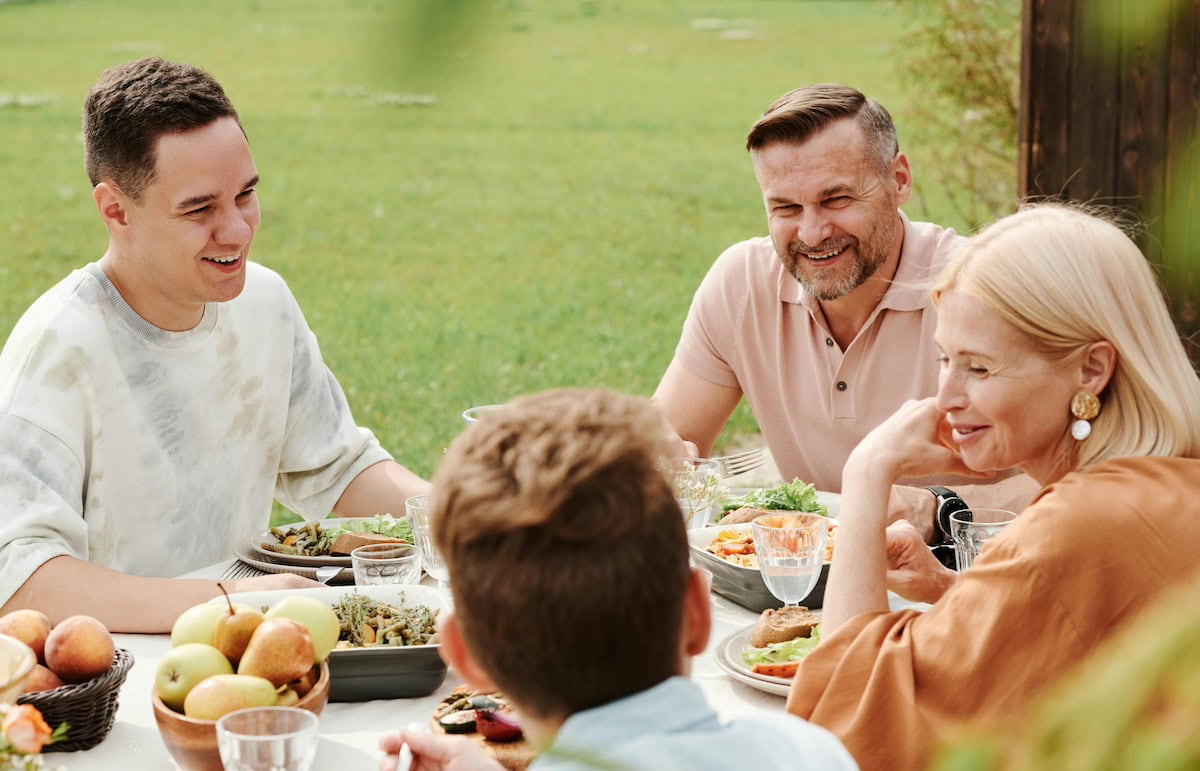
- Use mealtimes as a chance to stir up more than sauce, stir up conversation, curiosity, and connection.
- Ask: “Who used to make this?” or “What’s your earliest memory of this dish?”
- Share family stories or cultural traditions tied to ingredients or flavors.
- Let everyone take turns picking a meal that reminds them of something and explain why they chose that particular recipe.
Start a Family Recipe Binder (or Digital Cookbook)
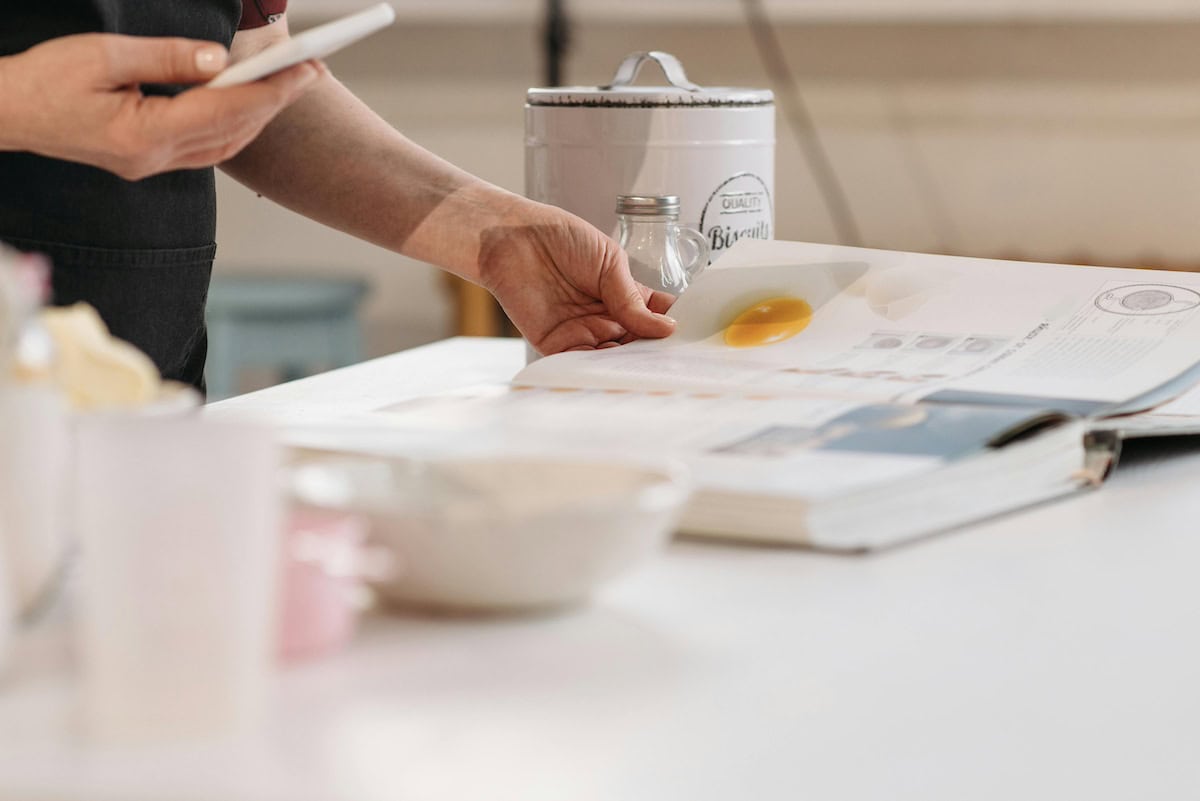
- Preserving family recipes doesn’t have to be complicated, but it is important. The sooner you start, the more you’ll save.
- Gather old recipes, even if they’re half-faded or scribbled on envelopes, because they’re worth keeping.
- Create a shared document or folder where everyone can add their favorites.
- Encourage kids to type or handwrite the ones they love, and give bonus points if they draw pictures!
Invite Others to the Table For Dinner
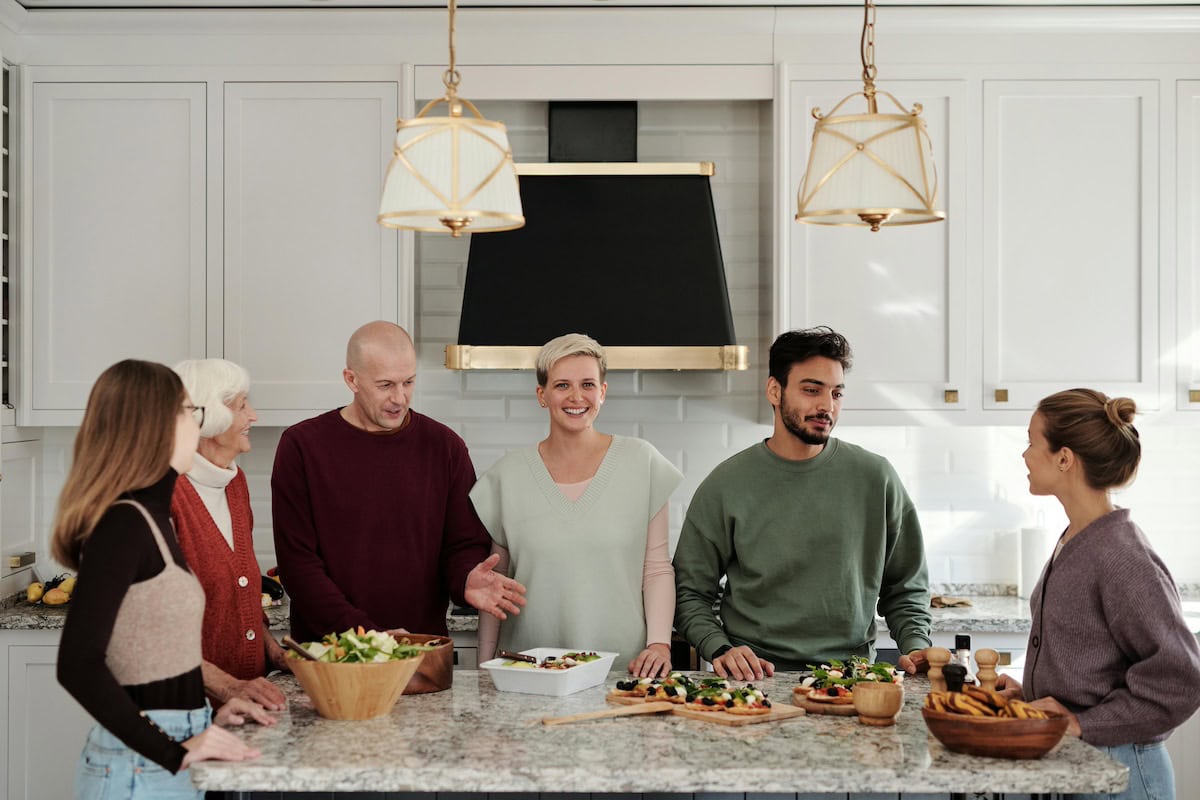
- Food has a way of pulling people in. Extending the circle occasionally makes those meals even more meaningful.
- Host a “recipe share” night with neighbors or friends where everyone brings a dish and a story.
- If extended family lives far away, ask them to join virtually and cook the same meal together.
- Plan a seasonal potluck where everyone brings something from their family’s background. This is a beautiful way to explore different cultures.
When sharing food also means sharing memories, dinner becomes more than a meal with someone; it becomes a way to honor where we come from and who we’re becoming. In that simple act of gathering around a table, there’s a kind of everyday magic: the kind that connects us, grounds us, and reminds us that stories — like recipes — are meant to be passed on.
Involve Every Generation: From Toddlers to Grandparents
The kitchen isn’t just a place to prepare food; it’s a space to pass down wisdom, build patience, and celebrate togetherness. When every generation plays a part, cooking becomes a shared experience that strengthens bonds and deepens connections. It’s not about who’s the best cook, it’s about showing up, helping out, and being part of the story behind the food.
Whether you’re working with a toddler who just learned how to hold a spoon or a grandparent who’s spent decades perfecting their pie crust, there’s a role for everyone. In fact, it’s often the mix of ages that makes the process more joyful and memorable.
Toddlers Can Help, Too
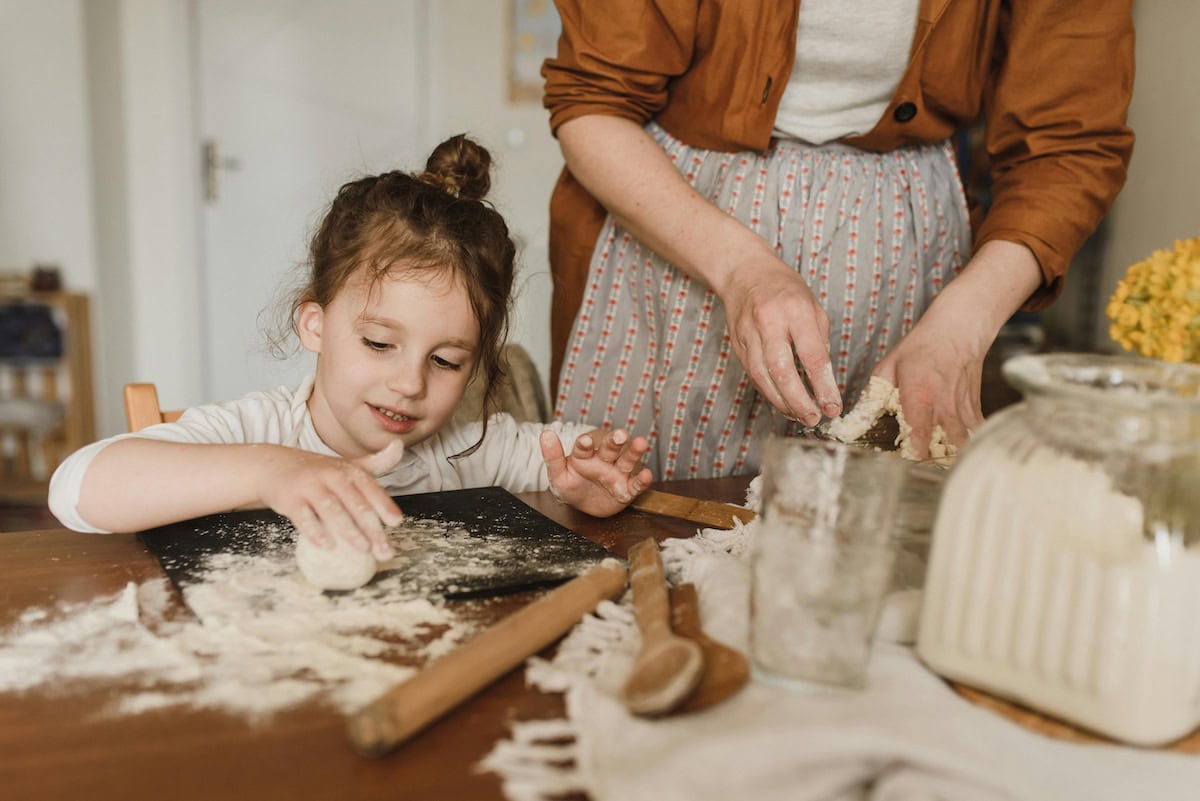
- Even the littlest hands can be part of the magic safely and with supervision, of course.
- Let them wash veggies in a bowl of water — splashes welcome.
- Give them safe tools to stir, pour, or sprinkle ingredients.
- Assign small jobs like handing out napkins, picking herbs, or choosing the music.
These simple roles may seem minor, but they give young children a sense of pride and responsibility — and help them feel connected to the food they eat.
Kids and Teens Gain Confidence and Skills
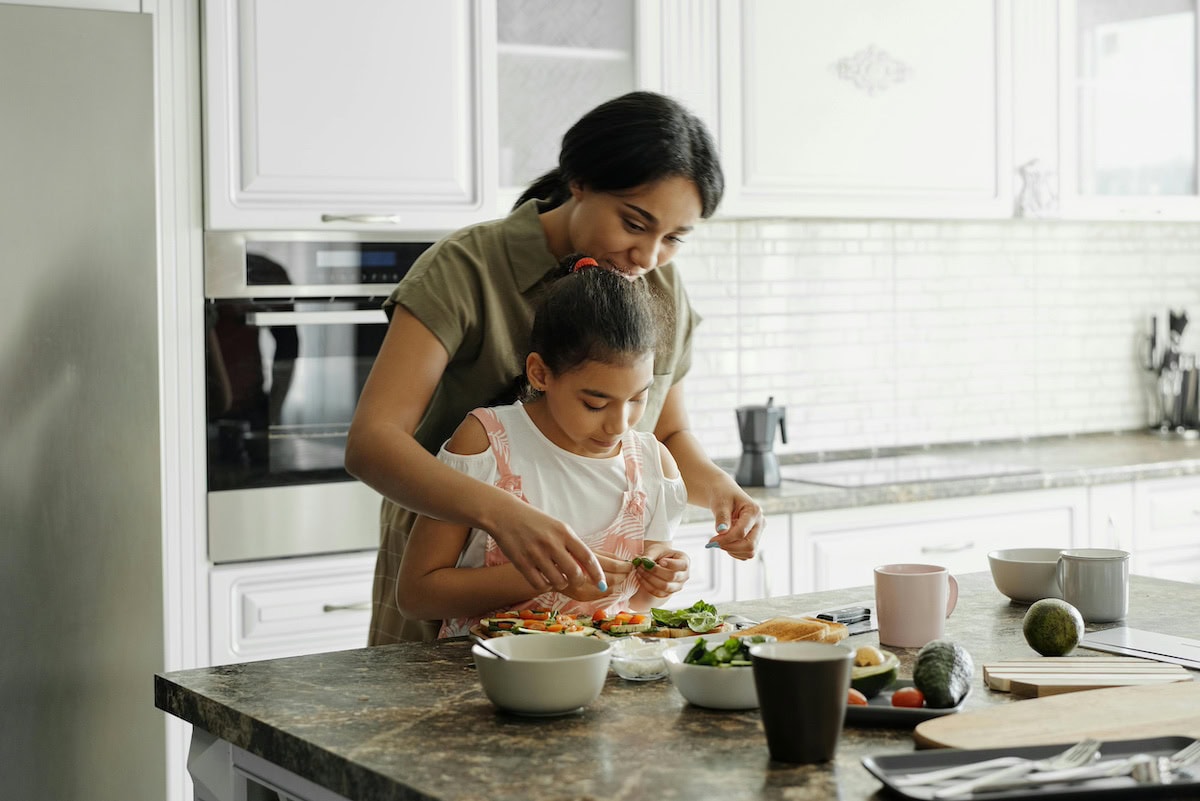
As children grow, so does their ability to contribute. Cooking becomes not only a way to bond, but also a way to build life skills they’ll carry into adulthood.
- Teach knife safety, measuring, seasoning, and timing — all at age-appropriate levels.
- Let older kids take the lead on an entire dish from start to finish.
- Encourage them to research and try new recipes that interest them — even if it’s just pasta with extra cheese.
This process fosters creativity, independence, and a relationship with food that isn’t rooted in convenience but care.
Grandparents Bring History and Heart
Grandparents often carry the legacy of family recipes and, just as importantly, the stories behind them. Whether they live nearby or across the country, they can still be part of the weekly meal rhythm.
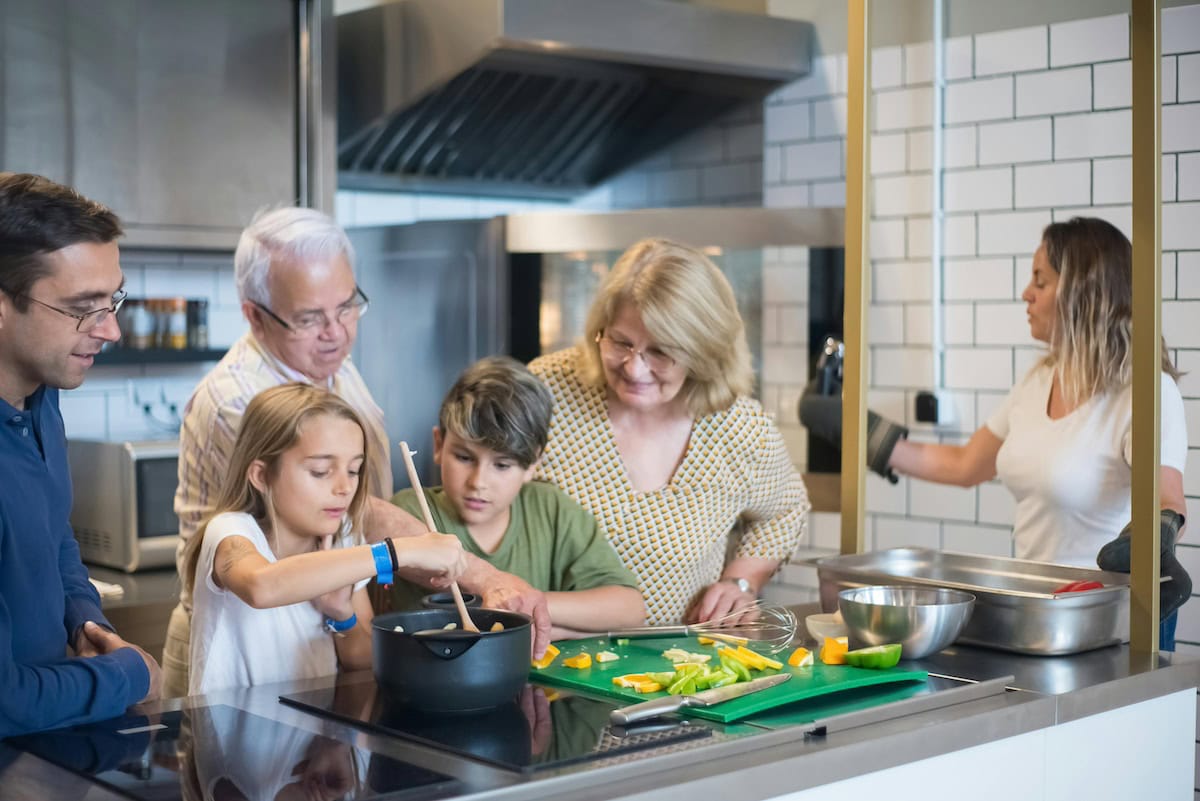
- Invite them to share cooking tips or family traditions, even through video chat.
- Plan a “Grandma’s Night” or “Poppa’s Pick” meal where they choose the recipe.
- Capture their stories on video or in writing while you cook, preserving memories along with meals.
- Cooking with grandparents adds richness to the experience, it reconnects generations, breaks down barriers, and celebrates where the family has been, together.
Pro Tip: When all ages come together in the kitchen, something beautiful happens. Cooking becomes more than a task; it becomes a classroom, a playground, and a memory-maker all at once. It’s proof that the power to unite lives right at home, in a bowl of soup stirred by many hands.
When Life Gets Busy: How to Stay Consistent Without the Pressure
Life gets messy — deadlines pile up, the fridge runs low, and before you know it, that one-night-a-week cooking ritual starts slipping down the priority list. But here’s the thing: it doesn’t have to be all or nothing. Staying consistent with home-cooked meals doesn’t mean every dinner has to be elaborate, perfectly plated, or even made entirely from scratch. It just means showing up — together — as often as you can.
The beauty of this practice is its flexibility. Whether you’re prepping a full meal from Grandma’s recipe book or reheating leftovers with a side of storytelling, the value lies in the connection, not the complexity. Let it be forgiving. Let it be fluid. Let it fit your life, not fight it.
Ditch the Perfection Mentality
- Perfection is the quickest way to burnout — and disappointment. Keep the focus on togetherness, not flawless execution.
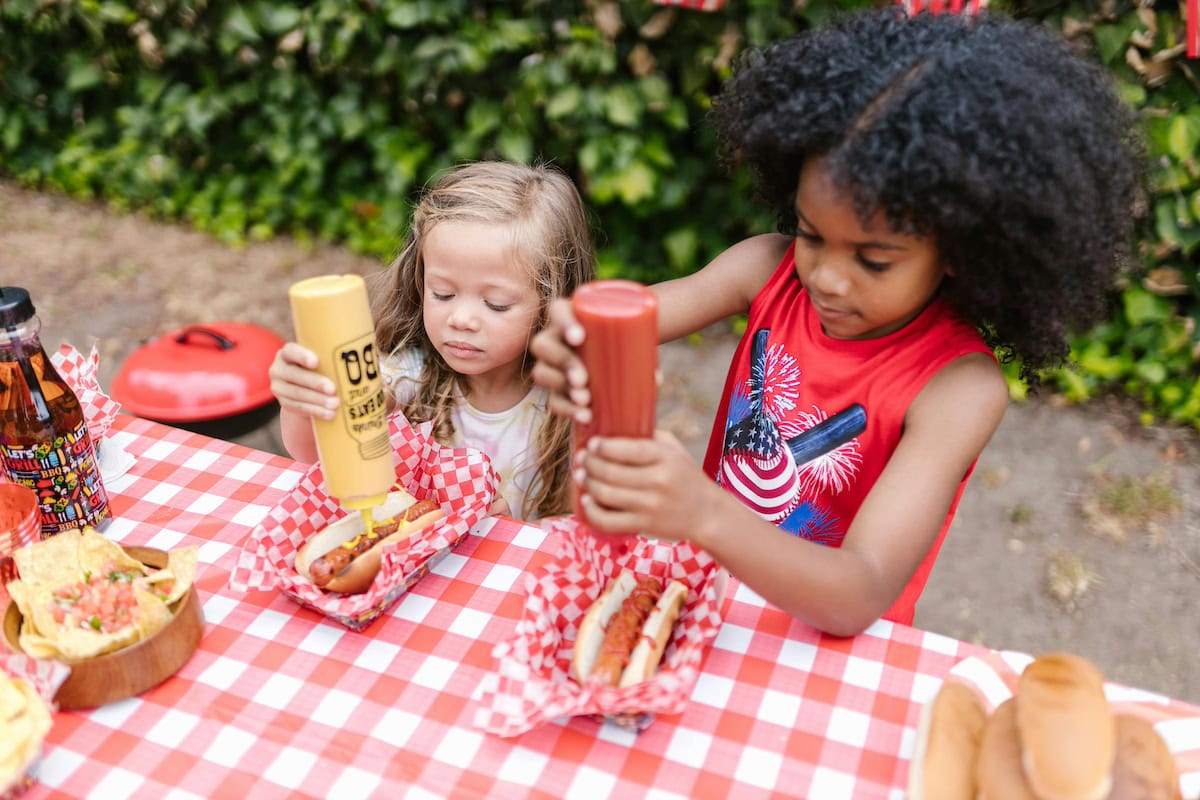
- Burned dinner? Make sandwiches or hot dogs and eat them picnic-style on the floor — still counts.
- Missing ingredients? Improvise and laugh about it — some of the best dishes are happy accidents.
- Didn’t cook at all? Heat up something simple and light a candle — ambiance wins.
Use Smart Shortcuts That Keep the Tradition Alive
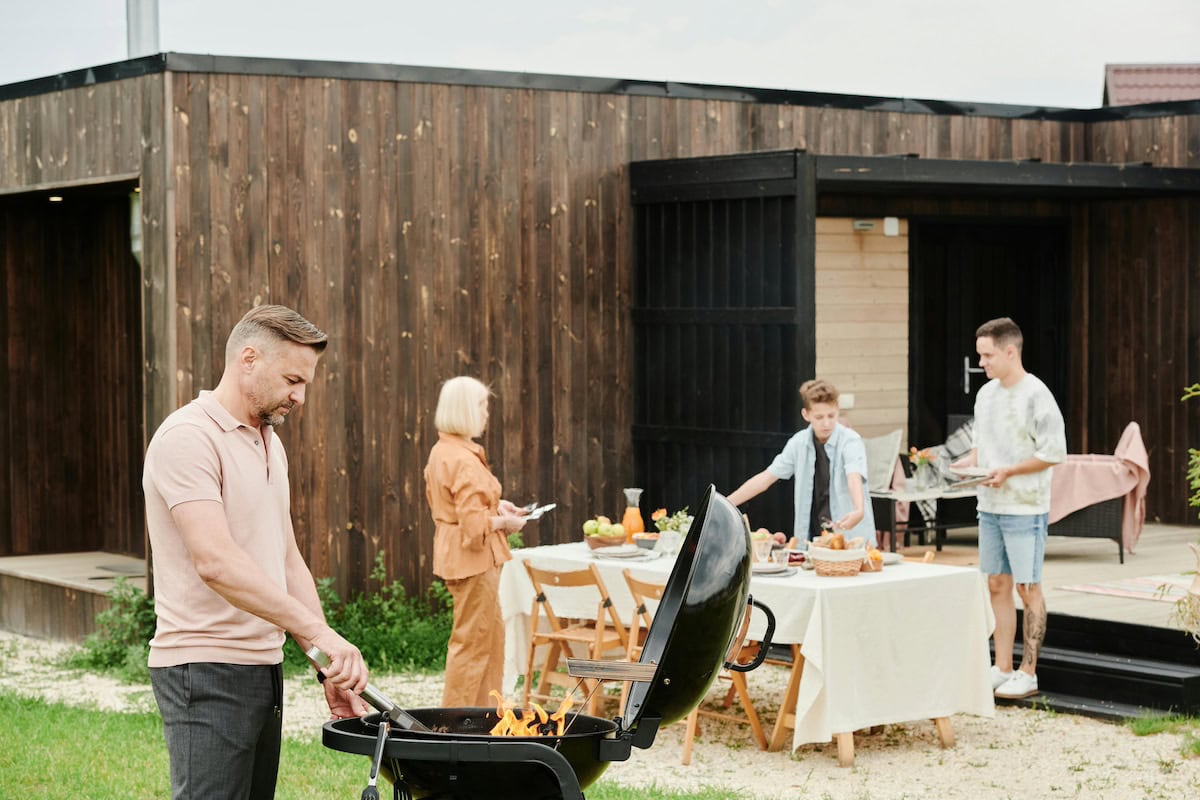
- There’s no shame in making life easier. Use tools and prep tricks to lighten the load without losing the meaning.
- Meal prep in small doses: chop veggies ahead, mix dry ingredients, or marinate protein overnight.
- Try slow cooker or sheet pan meals: minimal effort, maximum reward.
- Use pre-made ingredients with a homemade twist: store-bought pie crust + Grandma’s filling = a win.
Create Gentle Accountability
- Keeping up the habit doesn’t require rigid rules — just a few friendly nudges can keep the tradition alive even during busy weeks.
- Mark your family dinner night on a visible calendar or meal board.
- Celebrate consistency, not complexity — even a frozen pizza or a simple salad made together is a win.
- Keep a simple journal of meals made, funny kitchen mishaps, or new recipes tried — it’s fun to look back on.
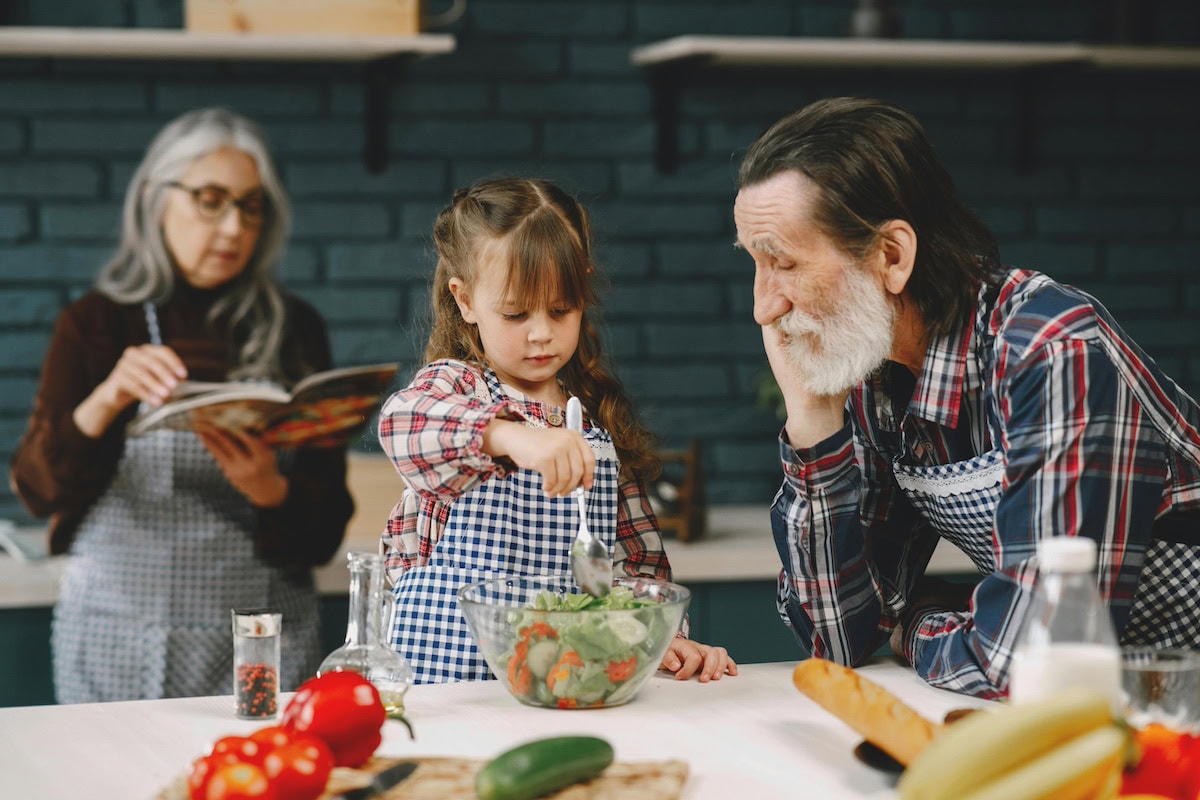
The act of preparing meals doesn’t have to feel like another item on the to-do list. Instead, let it be a grounding ritual — a way to reconnect, refocus, and recharge. Because when things get chaotic, coming together over a home-cooked (or semi-home-cooked) dinner may be the most nourishing thing of all — for your body and your relationships.
Food as a Bridge to Each Other
At the heart of it all — the planning, the peeling, the flour on the counter — is something far bigger than food. It’s the idea that every time we cook, we’re not just making dinner; we’re building a bridge. Between generations. Between busy schedules. Between people who might otherwise pass each other by. That’s the quiet power of food — it connects us without needing a single word.
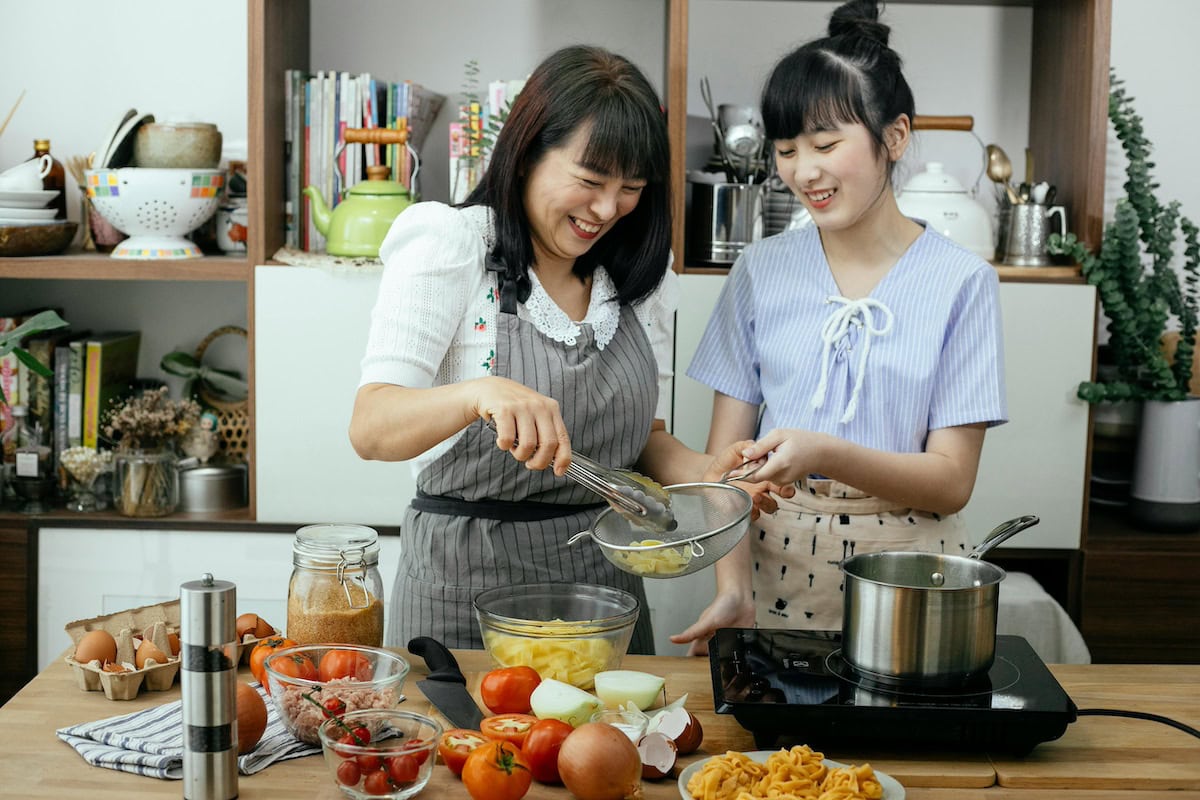
In a culture that often values speed and productivity over pause and presence, choosing to make a meal from scratch and share it is almost a radical act. It says, “We have time for each other.” It says, “You belong here.” That’s what creates a connection. That’s what creates home.
Why One Meal a Week Matters More Than You Think
- No need to overhaul your life — just commit to showing up once a week. It’s a small act with a big ripple effect.
- One meal becomes two, then three — habits grow naturally when they feel good.
- Kids start to remember the rhythm — and look forward to it.
- Conversations deepen, laughs multiply, and the kitchen starts to feel like the heart of the home again.
Let Food Be the Common Ground
- Even when opinions differ or personalities clash, the act of eating together — especially meals prepared together — softens edges and opens hearts.
- It creates space for storytelling, apology, gratitude, and celebration.
- It becomes a powerful way to connect across age, experience, and mood.
- It reminds everyone that the table is a place to be present, to be real, and to be welcomed.
A Tradition Worth Starting (or Restarting)
- It doesn’t matter if it’s spaghetti on a Tuesday or a slow-cooked roast on Sunday. What matters is the togetherness.
- Use Grandma’s recipe, or create your own — the meaning comes from the memory, not the menu.
- Build a ritual that your kids might pass on to their own families one day.
- And most importantly, savor it — the food, the laughter, and the chance to be closer than you were the day before.
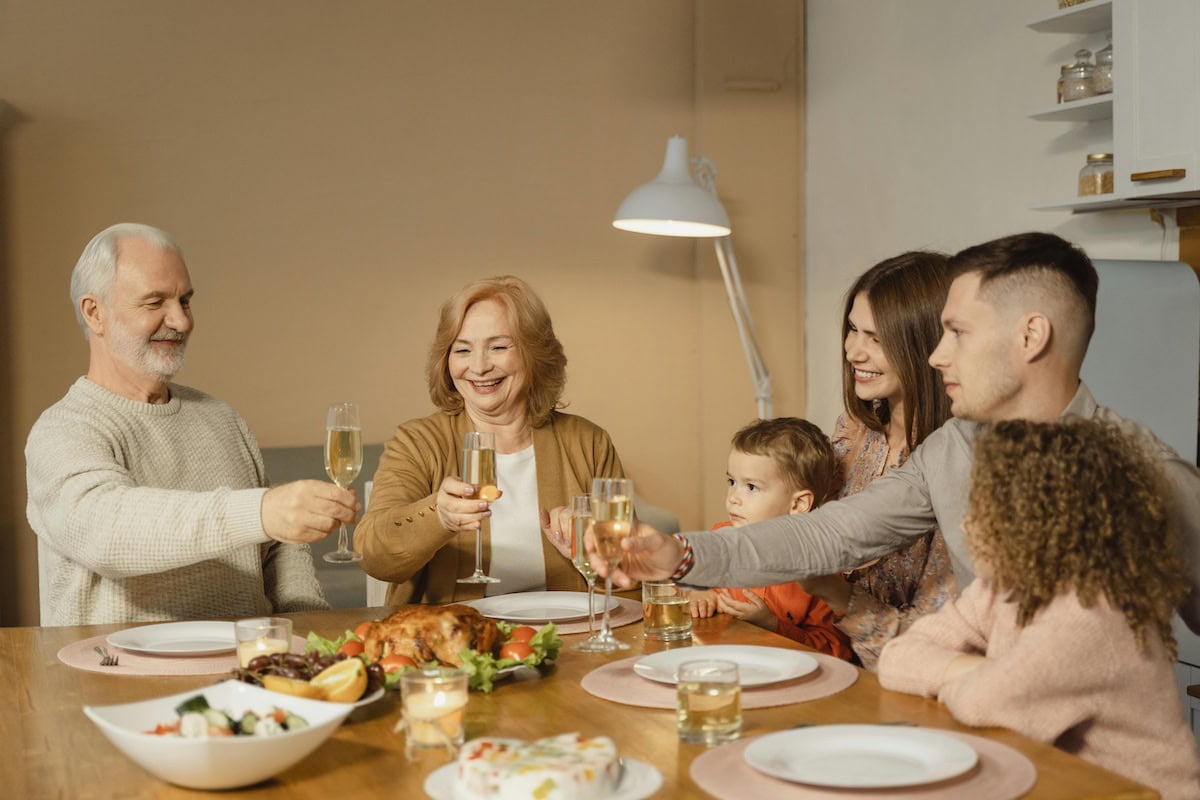
Because when all is said and done, cooking a meal and sitting down to enjoy it together is more than tradition — it’s love in action. And that’s something worth stirring up again and again.
Frequently Asked Questions
1. How can I connect with my food?
Connecting with your food involves understanding its origins, ingredients, and the nutritional value it provides. This connection enhances your appreciation for healthy food and fosters a mindful eating experience.
2. What role does food play in bringing people together?
Food has a unique ability to bring together friends and family, creating shared experiences and memories. Whether it’s a home-cooked meal or a festive gathering, food serves as a catalyst for connection.
3. How can healthy food promote social connections?
Healthy food can promote social connections by encouraging group activities such as cooking classes, farmers’ markets, and community dinners. These settings allow individuals to bond over the preparation and enjoyment of nutritious meals.
You might also be interested in…
Looking for more ways to connect with your family? Check out: Unique Family Traditions to Start: Fun Ideas in the Everyday Moments
CONNECT WITH DAILY MOM
💖 NEWSLETTER: DAILY READS IN YOUR INBOX 💖
Sign up to receive our picks for the best things to do, see and buy so you can relax and focus on more important tasks! Let us help you be the best version of yourself you can be!
BE SOCIAL WITH US
📌 LOVE IT? PIN IT!📌