




























Picture this: it’s a beautiful sunny afternoon, and your furry companion is happily exploring the backyard. Suddenly, there’s a sharp yelp, and your dog comes running toward you, pawing frantically at their face. If this scenario sounds familiar, you’re not alone. Bee sting and dogs is one of the most common summertime emergencies that pet owners face.
This comprehensive guide will walk through everything needed to handle these situations with confidence. From identifying the signs of a sting to knowing when emergency veterinary care is necessary, this information could make all the difference. Most stings are manageable at home with quick action and proper care, but understanding the warning signs of serious reactions is crucial for every pet owner.
How to Know If Your Dog Has Been Stung
The first challenge when a dog has been stung is recognizing what’s happened. A dog that was just happily playing might suddenly start whimpering, shaking their head violently, or pawing repeatedly at their face, paw, or body.Visual cues often appear within seconds—the affected area may show immediate redness, and the dog might be licking a specific spot obsessively.
Common locations to check include the face (especially around the nose and mouth), paws, and any areas the dog was just investigating. Dogs are naturally curious creatures, and dogs are often stung while sniffing flowers or trying to catch flying insects.
Quick recognition matters because the faster a stinger is removed and treatment begins, the less bee venom enters the system.
Signs Your Dog Gets Stung by a Bee


Most dogs will yelp or cry out at the moment of contact—it’s a sharp, sudden pain that catches them off guard. Jumping, sudden backing away, or frantically pawing at a body part are telltale indicators that gets stung by a bee just happened. Within minutes, a small raised bump or welt typically appears, often with a tiny puncture mark at the center.
Behavioral changes provide additional clues. A normally energetic dog might suddenly become subdued or refuse to put weight on a stung paw. If you suspect your dog has encountered a stinging insect, the timeline of symptom appearance is usually quite fast—most signs manifest within 5-15 minutes of the sting, though allergic reactions can develop over the next hour or two.
Symptoms of a Bee Sting in Dogs
At the sting site, expect to see redness, heat, and obvious discomfort when touched. The affected area might feel firmer than surrounding tissue as swelling develops. These symptoms of a bee sting, while uncomfortable, are typically not dangerous and resolve within 24-48 hours.
Understanding mild symptoms versus warning signs is critical:
Mild reactions include:
- Localized swelling (about the size of a quarter or less)
- Redness confined to the immediate area
- Mild limping if stung on a paw
- Temporary discomfort improving within hours
Warning signs demanding immediate attention:
- Swelling spreading beyond the sting site
- Hives or welts appearing across the body
- Excessive drooling or difficulty swallowing
- Vomiting or diarrhea
- Weakness or collapse
Common Areas: Paw, Nose, Eye, and Mouth
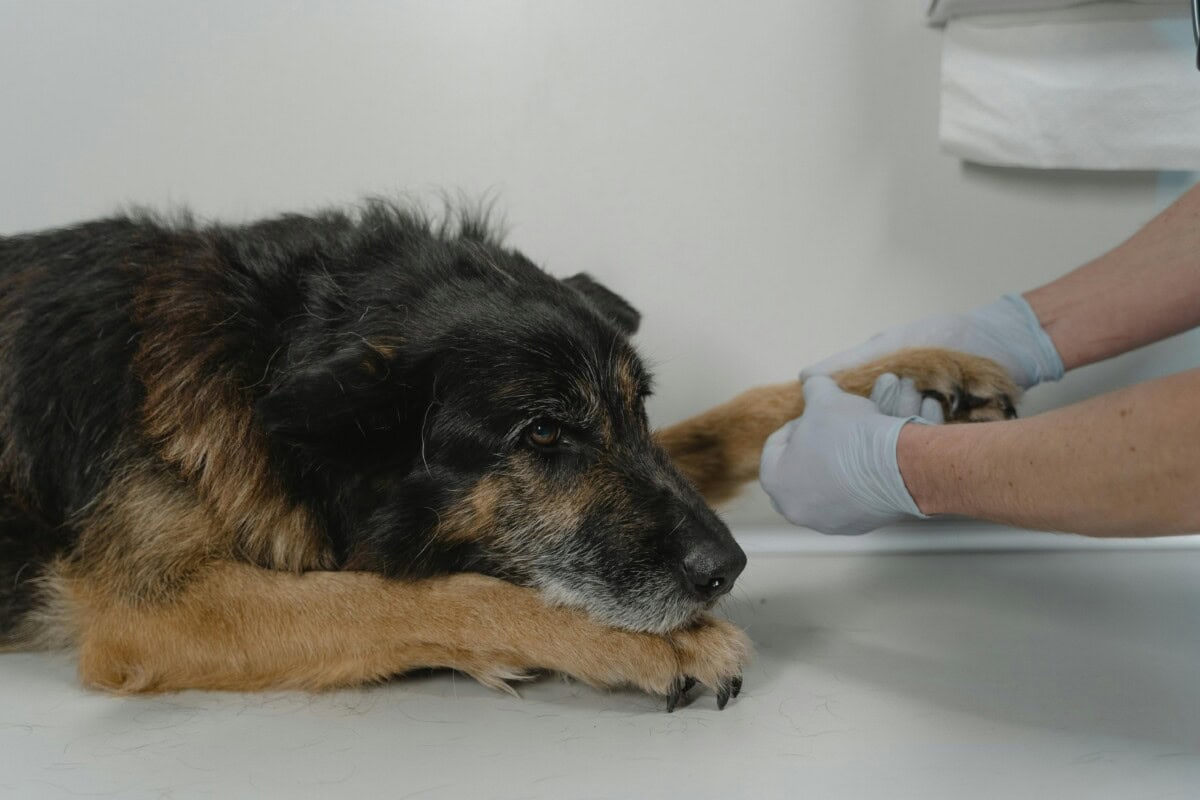
Dogs are often stung on their paws because they step on bees in the grass. A paw sting typically causes limping, excessive licking, and visible swelling between the toes. Nose stings happen when curious dogs sniff too close to flowers—the nose has many blood vessels, so swelling can be quite dramatic.
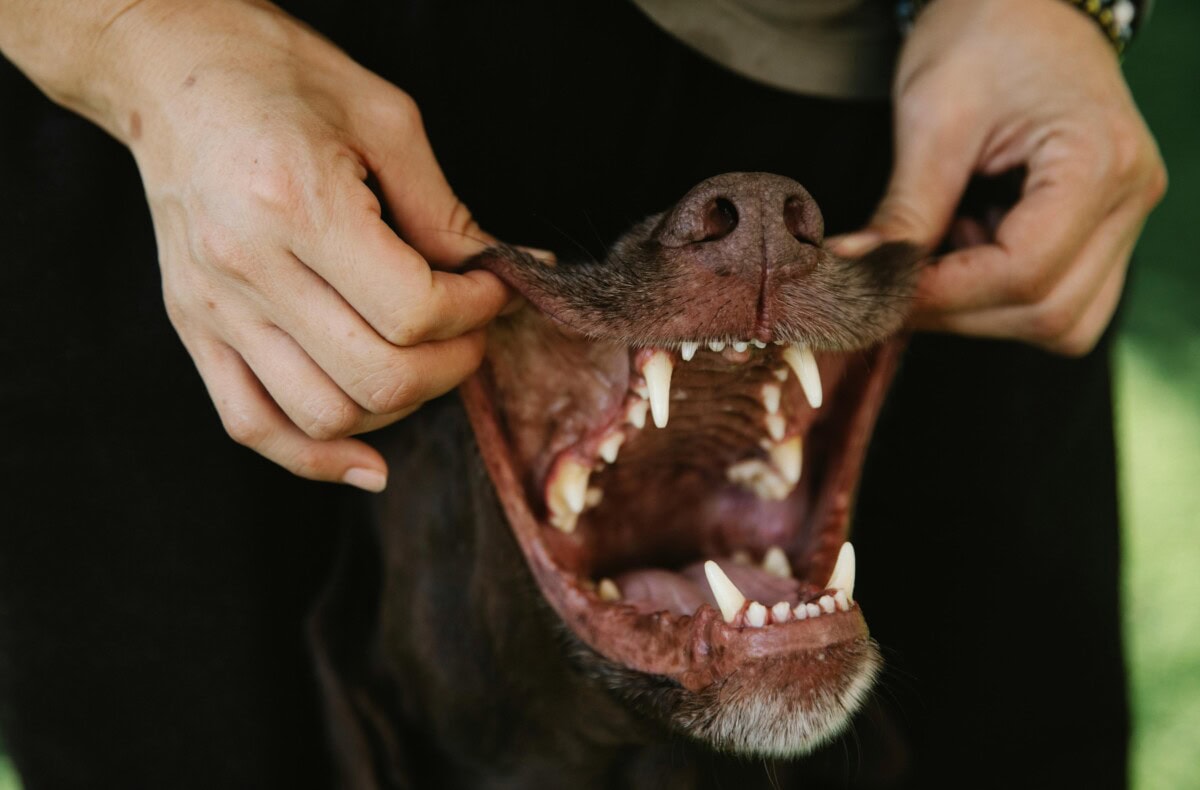
Eye stings require careful monitoring. Any sting near or on the eye should be evaluated by a vet to ensure no damage occurred. The location of the sting can significantly impact severity. Mouth stings are the most dangerous because swelling can obstruct breathing—even mild swelling inside the mouth warrants immediate veterinary attention.
Bee Stings Inside the Mouth: Emergency Situation
A bee or wasp sting inside the mouth can cause the tongue or throat to swell enough to block the airway within 20-30 minutes. This is a true emergency requiring immediate action. Signs of breathing difficulty include noisy breathing or wheezing, extended neck position, blue-tinged gums, and excessive panting.
Call a veterinarian or emergency clinic while en route to the facility. Don’t wait to see if symptoms improve—this always requires emergency care, even if the dog appears stable at first. Keep your dog as calm as possible during transport, as stress can worsen the situation.
Swelling and Other Signs of a Bee Sting
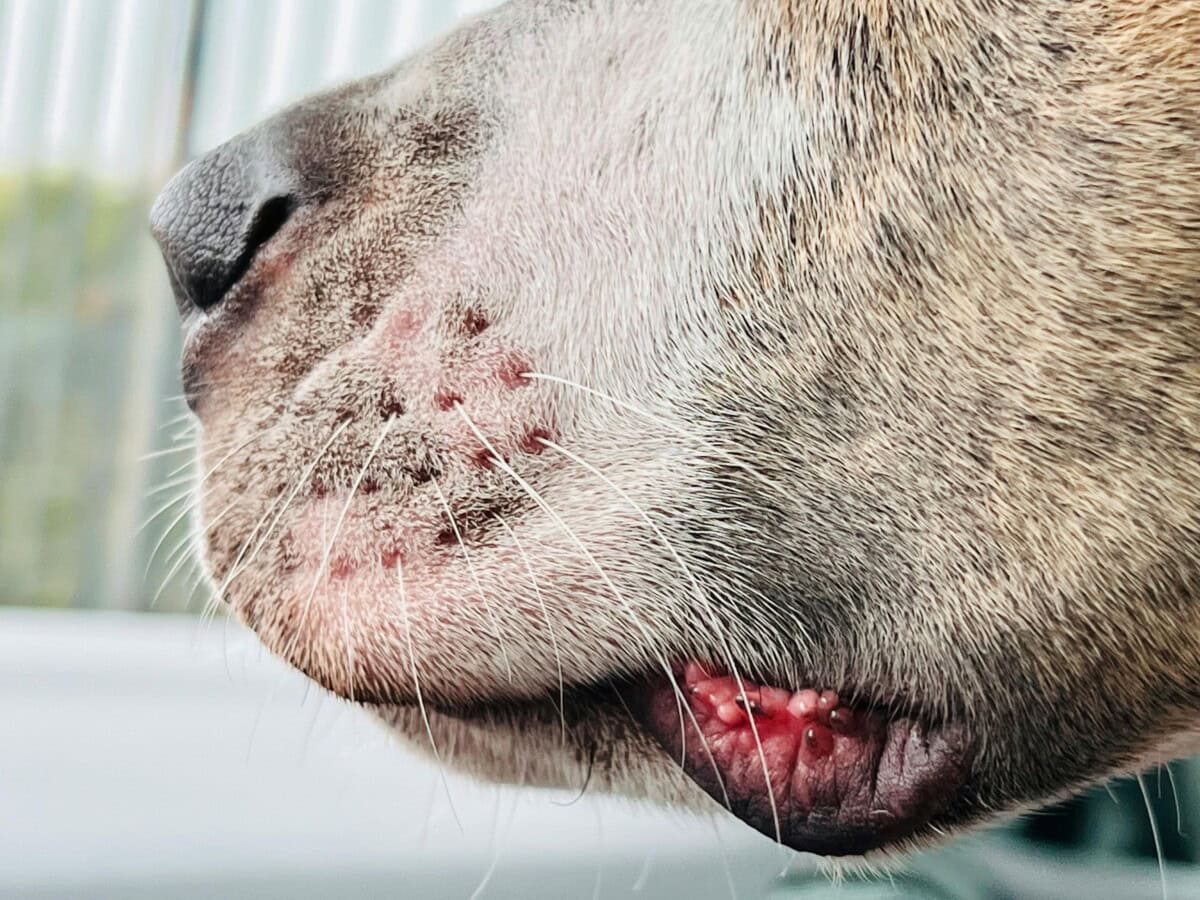
Normal swelling at a sting site might increase the area’s size by 2-3 times and remain localized. The swelling should feel firm but not rock-hard. Typical swelling emerges over 15-30 minutes and peaks around 2-4 hours post-sting.
If swelling appears within seconds and spreads rapidly across large areas of the body, this suggests an allergic reaction requiring immediate veterinary intervention. Other physical signs of a bee sting include warmth radiating from the site, a small puncture mark, possible presence of a stinger, and sensitivity to touch. Keep a close eye on how quickly swelling develops and whether it remains contained.
Dog Stung by a Bee: Immediate First Steps
Stay calm to keep your dog calm—dogs pick up on their owner’s anxiety. Locate the sting site quickly by methodically checking the face, mouth, paws, and any area the dog is focusing attention on. This helps you understand your dog’s specific situation better.
Assess severity by asking: Is the dog breathing normally? Is swelling confined to one small area? Can the dog walk and act relatively normally? Is the sting on an extremity rather than face or mouth? If answers are yes, home treatment may be appropriate. Begin first aid by removing any stinger, applying a cold compress, and monitoring closely. Know your dog’s normal behavior to better identify concerning changes.
How to Remove the Stinger Safely
The venom sac attached to a bee stinger continues pumping venom for up to 2-3 minutes after the bee detaches.The faster you remove the stinger, the less venom enters the system. Use a credit card edge, fingernail, or similar flat object to scrape sideways across the stinger—never squeeze or pull with tweezers, as this injects more venom into your dog’s system.
If no stinger can be found after careful examination, proceed with treatment anyway. The stinger may have already been dislodged, or it might have been a wasp instead of a bee, as wasps don’t leave stingers behind. This is one way to help your dog feel more comfortable quickly.
Wasp or Bee Sting: Understanding the Difference
Bees leave stingers behind and die after stinging, while wasps have smooth stingers they can withdraw and use multiple times. This makes wasps potentially more dangerous as they can deliver multiple stings during a single encounter. Understanding whether it’s a bee or wasp helps predict what to look for during monitoring.
The cumulative effect of venom from multiple stings increases the risk of severe reactions dramatically. If there’s a stinger present, it was definitely a bee. If there’s no stinger but clear evidence of a sting occurred, it was likely a wasp or bee. Despite these differences, treatment approach is similar for both—focus on reducing pain, minimizing swelling, and monitoring for allergic reactions.
Dog Stung by a Wasp: What’s Different
Wasp venom tends to be slightly more alkaline, while bee venom is more acidic, though this doesn’t significantly change home treatment. Unlike bees that typically sting only when directly threatened, wasps may attack when simply startled. If your dog been stung by a wasp, expect similar symptoms but no stinger removal needed.
No stinger to remove with wasps means one less step in first aid, but don’t let this create a false sense that wasp stings are less serious. The possibility that a dog is stung multiple times makes wasp encounters potentially more dangerous. Treatment protocols remain the same: clean the area, apply cold compresses, monitor for reactions, and seek veterinary care if concerning symptoms develop. A reaction to a bee sting and a wasp sting are managed similarly.
Allergic Reaction in Dogs: Warning Signs

While typical stings cause localized swelling, allergic reactions involve systemic symptoms affecting the whole body. Recognizing these warning signs can be lifesaving because allergic reactions progress quickly. An allergic reaction to a bee can manifest in various ways.
Mild allergic signs:
- Hives or welts appearing beyond the sting site
- Facial swelling, especially around eyes and muzzle
- Excessive itching across the body
Severe allergic signs (anaphylaxis):
- Difficulty breathing or rapid, shallow breathing
- Vomiting or diarrhea
- Excessive drooling
- Pale or blue-tinged gums
- Weakness, collapse, or loss of consciousness
An allergic reaction to a bee sting can progress to anaphylactic shock within minutes to an hour. This is a medical emergency where every minute counts—get your dog to a vet immediately.
Severe Reactions to Bee Stings: Critical Symptoms
Anaphylaxis is a massive, whole-body allergic reaction where the immune system goes into overdrive. Blood vessels dilate, blood pressure drops, and airways can constrict, creating a life-threatening emergency. Understanding severe reactions to bee stings helps identify true emergencies. Anaphylactic responses can escalate within 5-30 minutes of the sting.
Symptoms requiring immediate emergency care include sudden vomiting or diarrhea within 10-15 minutes, rapid swelling of the face, difficulty breathing, seizures, cold extremities, and weak pulse. If a dog is stung multiple times, the cumulative venom dose makes severe reactions more likely—this situation always requires emergency evaluation regardless of how the dog shows initial symptoms.
Reactions to Bee and Wasp Stings: What to Expect

The vast majority of dogs—probably 95% or more—experience only normal, localized reactions to bee stings.These dogs recover completely without complications. Understanding typical reactions to bee stings versus allergic ones helps determine appropriate responses. Normal timeline following a bee sting:
- 0-5 minutes: Initial sting, immediate pain
- 5-30 minutes: Swelling begins developing
- 1-2 hours: Swelling peaks, maximum discomfort
- 12-48 hours: Gradual improvement
- 2-5 days: Complete resolution
Individual dog sensitivity varies based on breed, age, overall health, and previous exposure. Smaller dogs may show more dramatic swelling simply due to their size—the same venom amount affects a 10-pound dog more significantly than a 70-pound dog. Reactions to bee and wasp stings differ slightly by individual animal.
When Your Dog May Need Emergency Care
Trust instincts as an owner—if something feels seriously wrong, it’s better to err on the side of caution. If a dog is struggling to breathe, gasping, making wheezing sounds, showing signs of distress, this is an immediate emergency. Additional critical symptoms include collapse, seizures, severe vomiting, and rapidly spreading facial or neck swelling.
Don’t wait if multiple stings occur—even if the dog seems relatively stable, the cumulative venom load significantly increases complication risk. The dog may also develop delayed symptoms hours later. Previous reaction history matters tremendously.
A dog that has experienced an allergic reaction in the past is at much higher risk with subsequent stings.
Seek Veterinary Care: When to Call the Vet
Clear indicators you need to seek veterinary care immediately:
- Sting location on face, in mouth, or on nose
- Any difficulty breathing
- Swelling spreading beyond immediate sting site
- Hives or welts appearing across the body
- Vomiting, diarrhea, or excessive drooling
- Weakness or inability to stand
- Multiple stings anywhere on the body
Emergency situations—breathing problems, collapse, facial swelling, mouth stings, or signs your dog is showing signs of an allergic reaction—cannot wait. Veterinary professionals would always rather evaluate a dog that turns out to be fine than miss a serious reaction. Don’t hesitate to take your dog in when concerned.
When to Seek Veterinary Care for Your Dog Bee Sting

Stings on nose, eye, or inside the mouth always require veterinary attention due to sensitive tissue and potential for rapid, dangerous swelling. The location of the sting can make all the difference—what might be minor on a back leg becomes potentially life-threatening when it affects breathing or vision. Your dog’s bee sting severity often depends on where it occurred.
If a dog is stung multiple times, especially if the dog disturbed a nest, veterinary evaluation should be sought regardless of initial symptoms.
Signs of allergic reaction, even if mild initially, should prompt a call to the vet. Difficulty breathing is always an emergency—don’t wait to see if it resolves on its own. When you bring your dog to the vet, provide details about timing and symptoms observed.
Treatment Options for Dog Stung by Bee
At-home treatment (mild cases only):
- Cold compress application: Wrap ice in a towel and apply for 10-15 minutes at a time
- Baking soda paste: Mix with water and apply to neutralize venom
- Rest and monitoring: Keep dog quiet and check frequently
Veterinary treatment:
- Antihistamines: Block histamine release, reducing swelling and itching
- Corticosteroids: Reduce inflammation for severe reactions
- IV fluids: Support blood pressure during anaphylaxis
- Emergency epinephrine: Reverses anaphylaxis by opening airways and stabilizing blood pressure
Understanding treatment options for a dog bee sting helps owners make informed decisions. Ensure your dog receives appropriate care based on symptom severity.
Can I Give My Dog Antihistamines for Bee Stings

For mild, localized reactions in dogs with no health problems, antihistamines can provide relief from itching and reduce mild swelling. They work best when given soon after the sting occurs, ideally within the first hour. Many owners wonder if they can give my dog antihistamines safely.
Always call a vet first before administering any medication. While diphenhydramine (Benadryl) is generally safe for dogs, dosing must be appropriate for weight, and certain health conditions can create dangerous interactions. Dog antihistamines do NOT treat severe allergic reactions or anaphylaxis—those situations require immediate veterinary care with epinephrine. The dog needs professional evaluation for serious reactions.
Should I Give My Dog Antihistamines: Dosing Guide
The typical dose of diphenhydramine for dogs is 1 mg per pound of body weight, given every 8-12 hours. For example, a 25-pound dog would receive 25 mg. Always confirm the appropriate dose with a veterinarian before deciding to give my dog antihistamines.
Safe dog antihistamines:
- Diphenhydramine (Benadryl): 1 mg/lb every 8-12 hours
- Cetirizine (Zyrtec): 0.5 mg/lb once daily
- Loratadine (Claritin): 0.5 mg/lb once daily
Most antihistamines begin working within 30-60 minutes. Common side effects include drowsiness and dry mouth. Never use antihistamines combined with decongestants, pain relievers, or any formulation containing xylitol.Understanding proper dog antihistamines dosing prevents accidental overdose.
Monitor Your Dog After a Sting
The first 2-4 hours after a sting are most critical because this is when severe allergic reactions typically develop. During this window, check on the dog every 15-30 minutes.
Keep an eye on your dog for 24-48 hours even if the initial reaction seems mild—some dogs develop delayed reactions. Monitor your dog closely throughout this period.
What to track:
- Breathing rate and effort
- Activity level and mental status
- Sting site swelling and spreading
- Appetite and bathroom habits
If after 4-6 hours the dog is acting normally and swelling hasn’t increased, the risk of serious complications decreases significantly. Keep a close eye on your dog during recovery. Full recovery typically takes 2-5 days. Monitor your dog closely for any changes that might indicate worsening symptoms.
Keep Your Dog Calm and Comfortable


Activity increases heart rate and circulation, potentially spreading venom through the system more quickly. Keep your dog calm and relatively still for the first 12-24 hours to help the body neutralize venom efficiently. This approach helps keep your dog safe during the critical recovery period.
Prevent scratching or licking the site by using an Elizabethan collar if necessary. Constant licking can introduce bacteria and prevent healing. Limit activity and play—no running, jumping, or rough play for at least 24 hours. Create a comfortable recovery space with quiet surroundings, fresh water, and calm toys. This helps protect your dog from self-inflicted complications.
Bee Stings in Dogs: Prevention Strategies
Pay attention to flowering plants, areas where bees congregate, and any signs of bee activity like visible flying insects. Teaching dogs to stay on paths and avoid plunging into tall grass reduces the likelihood of disturbing ground-nesting bees. Understanding bee stings in dogs helps implement effective prevention strategies.
High-risk areas to avoid:
- Gardens and flower beds during blooming season
- Areas near trash cans (attract wasps)
- Fallen fruit under trees
- Woodpiles and sheds
- Clover patches in lawns
Peak bee activity times are mid-morning through late afternoon on warm, sunny days from late spring through early fall. Planning walks for early morning or evening when bee activity is lower reduces encounter risk. Often stung areas can be identified and avoided entirely.
Preventing Bee Stings: Proactive Measures


Yard management tips for preventing bee stings:
- Regularly mow the lawn to eliminate clover
- Remove fallen fruit promptly
- Keep outdoor trash cans tightly sealed
- Fill holes in the ground where bees might nest
- Trim back overgrown vegetation
Never attempt to destroy a nest without proper equipment—this is how mass stinging incidents occur.
Professional pest control services can safely relocate or eliminate nests, keeping your dog safe from future bee encounters.
Training techniques include teaching a reliable “leave it” command. This cue tells the dog to immediately abandon interest in something, which can be lifesaving when fixated on a flying insect. These preventing bee stings strategies significantly reduce risk.
How to Protect Your Dog from Future Bee Stings
Teaching “leave it” command for flying insects creates such a strong response that the dog immediately backs away, even from something as exciting as a buzzing insect. If there’s a section of the park where bees are always present, choose a different walking route. Implementing measures to protect your dog reduces future bee sting incidents.
Protective measures during peak season:
- More frequent checks of the yard for new nests
- Keep dog on-leash in unfamiliar areas
- Avoid dog parks during height of summer bee activity
- Extra vigilance during outdoor meals
High-prey-drive breeds that chase anything that moves need extra supervision. Consider using a shorter leash in areas where bees might be present for quicker intervention. Future bee encounters can be minimized with proper precautions.
Bee and Wasp Stings: Long-Term Outlook
The vast majority of dogs recover completely within 2-5 days with no lasting effects. However, each exposure to bee venom can prime the immune system, potentially making subsequent reactions more severe. A dog that had only mild swelling with their first sting might develop breathing difficulties with a second sting. Understanding bee and wasp stings long-term helps prepare for future incidents.
Building a bee sting emergency kit:
- Diphenhydramine (Benadryl) with vet-confirmed dosing
- Cold packs or ice packs
- Credit card for stinger removal
- Emergency vet contact information
- Written dosing instructions
- Flashlight for examining sting sites
Dogs with previous severe reactions may benefit from having injectable epinephrine prescribed by a vet. These medications can buy critical time when transporting to emergency care. Being prepared helps ensure quick response if a dog stung by bee situation occurs again.
Essential Pet Owner Guide to Bee Sting Preparedness

What every pet owner should have on hand:
- Emergency contacts easily accessible
- First aid supplies ready
- Transportation plan for quick emergency trips
- Basic knowledge of normal vs. concerning reactions
Creating an emergency action plan removes panic from decision-making. Know in advance what dose of antihistamine is safe, which emergency clinic is closest, and what symptoms require immediate care versus monitoring at home. Every responsible pet owner should prepare for potential emergencies.
Dogs with previous reactions should be treated as having a “bee allergy”—any future sting is a potential emergency. Puppies and senior dogs warrant lower thresholds for seeking veterinary care due to potentially compromised immune systems. Discussing prevention with your vet should be part of regular wellness visits. Know if your dog has special risk factors that require extra precautions.
Key Takeaways: Protecting Your Dog from Bee Stings
- Act quickly: Remove stingers immediately using a scraping motion, never squeeze
- Know the signs: Localized swelling is normal; hives, breathing difficulties, or vomiting require immediate vet care
- Location matters: Stings inside the mouth, on the nose, or near the eye are always more serious
- Monitor closely: Watch carefully for 2-4 hours after a sting, with casual monitoring for 24-48 hours
- When in doubt, call the vet: Professional guidance can be lifesaving
- Antihistamines can help: Diphenhydramine at 1 mg per pound can reduce mild reactions—confirm dosing with vet first
- Multiple stings are emergencies: Any dog stung multiple times should see a vet immediately
- Previous reactions predict future ones: Dogs with allergy history need immediate veterinary care with any future sting
- Prevention is possible: Awareness, supervision, and yard management significantly reduce sting risk
- Be prepared: Keep emergency contacts, supplies, and a plan ready before incidents occur
Most dogs who experience a dog stung by a bee situation have nothing more than temporary discomfort. With quick recognition, appropriate first aid, and knowing when to seek professional help, owners can confidently handle these common outdoor hazards. The dog’s recovery depends on swift action and proper care. Stay vigilant, stay prepared, and ensure your dog can continue enjoying outdoor activities safely.
FAQs
What are the signs of a bee sting in dogs?
The signs of a bee sting in dogs can vary but often include swelling, redness, and pain around the sting site. You may also notice your dog licking or scratching at the affected area. More serious signs may include difficulty breathing, vomiting, or excessive drooling.
What should I do if my dog has been stung by a bee?
If your dog has been stung by a bee, first check for a stinger and remove it if visible. You can apply a cold compress to the area to reduce swelling and monitor your dog for any signs of an allergic reaction. If symptoms worsen, seek veterinary care immediately.
How can I know if my dog is having an allergic reaction to a bee sting?
Signs of an allergic reaction in dogs can include swelling of the face, difficulty breathing, hives, or vomiting. If you notice any of these symptoms after a bee sting, it is crucial to seek veterinary care as soon as possible.
What can I give my dog to relieve pain from a bee sting?
For mild pain and swelling, you can give your dog antihistamines, but it’s essential to consult your vet for the correct dosage and type. Always know your dog’s medical history before giving any medication.
How can I prevent my dog from getting stung by a bee?
To prevent bee stings, keep your dog on a leash in areas where bees are common, avoid flower patches during peak bee activity, and ensure that your dog does not disturb bee nests. Regularly checking your yard for bees can also help keep your dog safe.
What are the symptoms of a bee sting in dogs?
Symptoms of a bee sting in dogs can include localized swelling, redness, and pain at the sting site, as well as more severe reactions like difficulty breathing, rapid heartbeat, and collapse in extreme cases.
How do I monitor my dog after a bee sting?
After a bee sting, keep a close eye on your dog for at least 24 hours. Watch for any signs of swelling or allergic reaction, and ensure they are comfortable. If you notice any changes in their behavior, contact your vet for advice.
What should I do if my dog gets stung in the mouth?
If your dog gets stung inside the mouth, it is important to remain calm and contact your veterinarian immediately. Swelling in the mouth can obstruct breathing and may require urgent care. Do not attempt to remove the stinger yourself.
You might also be interested in…
Want some more ideas for essential pet supplies for your four-legged family member? Check out this link to Popular Pet Supplies: The Best Dog and Cat Accessories and Products Trending in Pet Care!
CONNECT WITH DAILY MOM
💖 NEWSLETTER: DAILY READS IN YOUR INBOX 💖
Sign up to receive our picks for the best things to do, see and buy so you can relax and focus on more important tasks! Let us help you be the best version of yourself you can be!
BE SOCIAL WITH US
📌 LOVE IT? PIN IT!📌
Photo Credit – Pexels