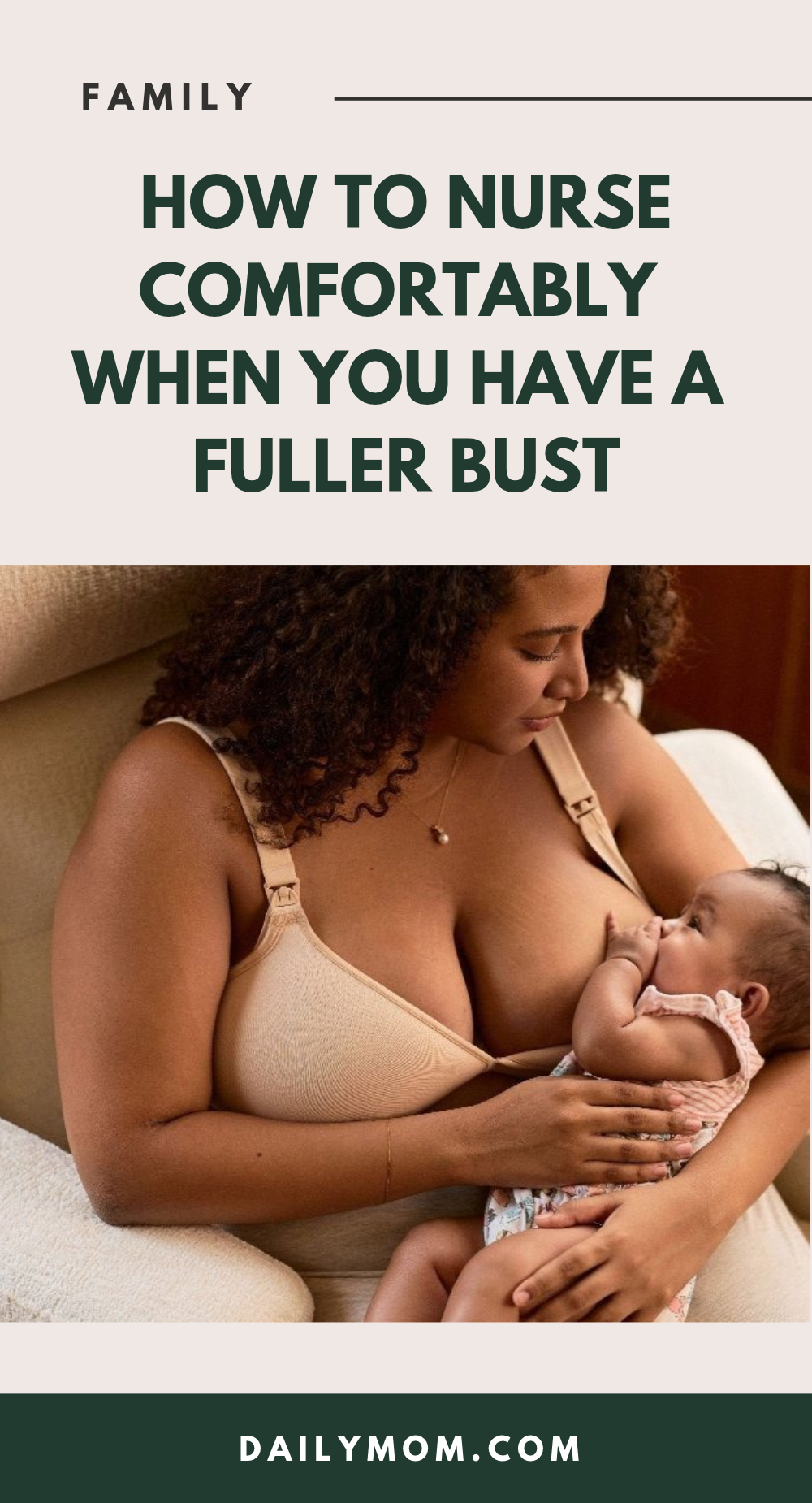




























If you are learning to big breast feed—breastfeed with a large or heavy chest—you are juggling latch, breathing room for baby, and sore shoulders all at once. That is normal, not a flaw in your body. Fuller-bust parents feed successfully every day once they match holds, support, and gear to how they actually live: midnight cluster feeds, couch nursing after a cesarean, pumping before a shift, or sweating through a warm afternoon.
Start with bras built for depth and band stability, not just a wider tag. A dedicated plus size feeding bra range gives cup room and hook rows that generic “maternity large” styles often skip. Later in this guide you will see when a broader everyday nursing lineup helps, too. General information only—not medical advice; reach out to your provider or an IBCLC with pain, poor weight gain, or fever.
Who This Guide Is For
- Plus-size or full-cup parents whose pre-pregnancy bras already needed strong band support
- Anyone whose breasts grew several cup sizes when milk came in
- C-section recoverees who cannot hunch forward easily early on
- Pumping parents who need flanges seated without compressing the whole breast
- Night feeders doing side-lying or repeated cluster sessions
- Tandem or toddler nursers who need one-handed access while managing heavier tissue
You might check several boxes. The through-line is the same: your breast is both food source and weight your arms, spine, and skin must support for hundreds of hours in the first year. Planning for that—not pretending a pre-pregnancy bra will “stretch enough”—is what separates exhausted guessing from steadier days.
What Changes When Milk Comes In
Before mature milk arrives, fullness can already feel intense during pregnancy. After birth, many people describe a sudden jump—breasts that feel stone-heavy, warm, and oddly shiny. That first engorgement window often lasts twenty-four to forty-eight hours as your body calibrates supply to baby’s removal.
On a fuller bust, the visual change can look dramatic: veins more visible, nipples temporarily flat from swelling, even a cup jump overnight. None of that proves you will overproduce forever. It does mean your current bra may fail immediately. Keep soft wire-free options within arm’s reach and avoid anything that leaves deep red trenches in skin.
If one breast becomes hot, wedge-shaped, and painful with fever, treat that as a medical check—not a bra shopping trip alone.
Positions That Keep Baby’s Nose Clear

Large breast tissue can blanket a newborn’s face unless you adjust. You are teaching baby to latch while also managing weight that pre-pregnancy feeds never required. Holds that work well for many fuller-bust parents include:
Switch sides and holds when one arm tires—cluster feeds marathon your shoulders if you stay in a single position too long.
- Football (clutch) hold on a firm pillow—baby’s body along your side, breast supported from below
- Laid-back nursing—gravity helps, less shoulder hunching
- Cradle with a rolled towel under the breast to lift weight off baby’s chest
- Side-lying once you follow safe sleep and surface guidelines for your setup
Feed near a mirror until you can see chin touch, lips flanged, and nostrils free without pushing your finger into breast tissue to “make air.”
Football hold, step by step
Sit upright with back support. Place a firm pillow along your side at waist height. Lay baby on the pillow with legs pointing behind you and head at breast level. Your palm supports the base of baby’s neck, not the back of the head. Roll baby onto their side facing you. Lift the breast from underneath with your free hand if needed, then bring baby to nipple height rather than lowering breast onto baby.
This hold shines in the first weeks when you need to see exactly how much areola enters the mouth. It is also a favorite after cesarean birth because baby’s body avoids your incision line.
Laid-back nursing
Recline at roughly forty-five degrees on a bed or glider. Place baby stomach-down on your chest. Allow baby to bob and root; guide gently when the mouth opens wide. Your hands rest on baby’s back and shoulders. Gravity draws the breast downward in a way that can reduce the “smothering” feeling some large-bust parents describe in upright cradle.
Have water within reach—you may feed longer in this position because both of you relax.
Cradle with lift
Classic cradle works when baby has stronger head control. Use a nursing pillow plus a rolled hand towel under the breast to raise tissue to nipple level. Keep baby’s body rolled toward yours—ear, shoulder, and hip in one line—so they do not turn their head awkwardly at the nipple.
Side-lying safety basics
Clear loose blankets from baby’s sleep surface per your pediatrician’s guidance. Lie on your side facing baby; a small rolled towel behind baby can prevent them from rolling away. Once latched, you can rest, but stay awake if you are excessively tired until you trust the setup.
Latch When There Is More Volume
Engorgement can flatten nipples; a shallow latch hurts fast on a heavy breast. Soften with hand expression if needed, align nose to nipple, wait for a wide gape, and bring baby on chin-first. Release breast support slowly after suckling starts so weight does not pull them shallow.
Clicking, lingering nipple pain, or a baby who never seems satisfied deserves hands-on latch help—not just another pillow.
Hand expression and “sandwich” shaping
When areola is tight, express a few drops before latch to soften the tip. To shape, compress breast tissue parallel to baby’s lips—thumb on top, fingers below, well back from the nipple. Think of steering tissue into the mouth, not pinching the nipple itself. Release pressure once baby suckles rhythmically.
Signs baby is transferring milk
- Audible swallows after let-down (not only fast sucks)
- Relaxed hands and settled body after a feed
- Six or more wet diapers daily after day four, per your pediatrician’s guidance
- Steady weight gain on checkups
Size of your chest does not replace those output measures. A large breast can still under-transfer if latch stays shallow.
Scenarios: Night, Pumping, and Recovery
Night and cluster feeds
Side-lying or laid-back feeds save your back when baby wants the breast hourly. A soft but supportive bra between sessions catches leaks without squeezing the whole gland. Keep pads and a spare top within reach.
Cluster feeds—when baby wants the breast every hour in the evening—are normal during growth spurts. For large-bust parents, they can feel like an upper-body workout. Rotate holds, swap sides before your supporting arm shakes, and keep snacks and water on the nightstand. If you doze, return to a safe surface and position you have practiced awake.
Pumping and work
Flange size is not bra size. Measure the diameter of your nipple at rest (not the whole areola) and choose a flange that lets the nipple move freely without much areola pulled in. Too small pinches; too large reduces suction efficiency.
A stable bra holds cups flush without digging. Pump to comfort if you are relieving engorgement, not always to empty, unless your lactation consultant advises otherwise for supply goals. Label milk, chill promptly, and build a routine that matches your shift length—not an idealized freezer stash that adds stress.
Hands-free pumping bras help some parents multitask; others prefer a simple clip-down bra and hold flanges manually for better alignment. Test both at home before relying on either at work.
After a cesarean
Football hold keeps pressure off the incision. Support the breast from below so you are not curling forward. Wire-free cups are common in the first weeks when size swings are largest.
Getting in and out of bed can hurt early on. Have a partner or visitor hand you baby once you are propped and pillows arranged. Avoid twisting while lifting. When you must pick up baby alone, log-roll to your side, pause, then feed in side-lying or football before sitting upright.
Exclusive pumping and large breasts
Some parents pump exclusively by choice or necessity. You may remove milk eight or more times daily. Skin can chafe where flanges meet breast; use safe lubricants if your IBCLC approves. Rotate flange angles slightly if one spot gets sore. Your busty day bra still matters between sessions to reduce pull on Cooper’s ligaments and upper back.
Warm days and long holds
Heat and skin-on-skin can feel muggy under heavy tissue. Breathable wireless styles with molded depth help some parents finish long daytime feeds without overheating. For that use case, the Momcozy AirMesh Busty Nursing Bra is designed with spacer fabric, a deeper cup, and an internal sling for feeding—useful when you need lift without bulky padding during a big breast feed session on the couch or at the park.
When a General Nursing Range Helps, Too
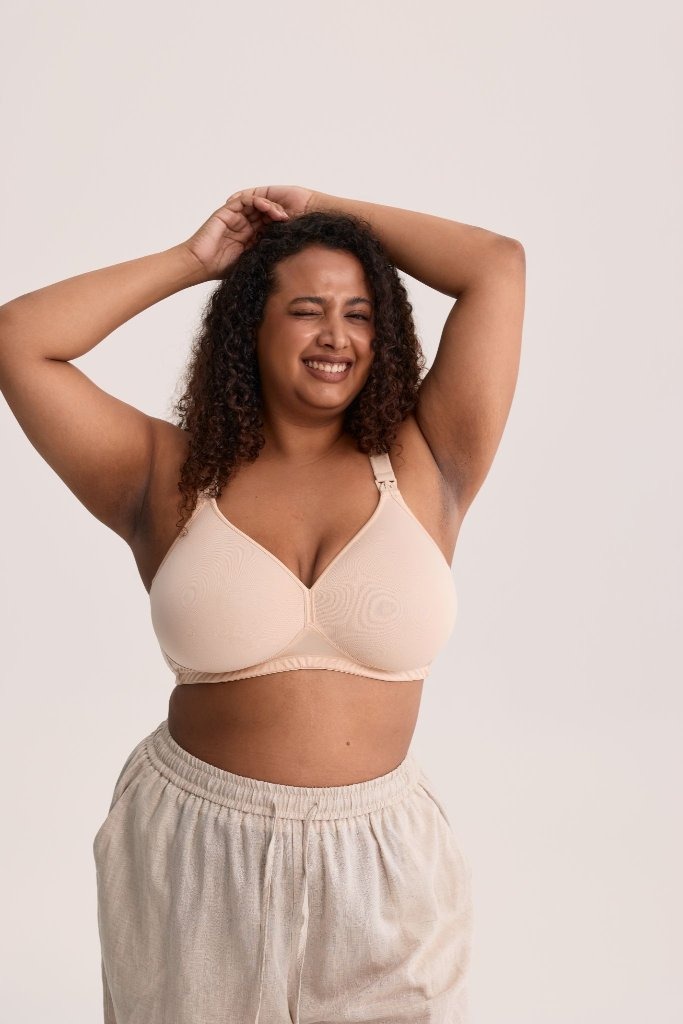
Not every feed needs maximum busty structure. Sleep stretches, quick daytime pop-ons, or a backup in the diaper bag might come from a wider nursing lineup with stretchy day styles and simple clip-down access. Browsing comfy nursing bras alongside your fuller-bust picks lets you rotate—structured for long holds, softer for night—so elastic and shoulders last longer.
Daily Mom readers often buy two to three bras in late pregnancy; fuller-bust parents may add a fourth when milk comes in. That is planning, not over-shopping.
Think in roles: one structured bra for long daytime feeds and pumping, one softer bra for sleep and early engorgement, one spare in the laundry rotation. If you live in a humid climate or run warm postpartum, prioritize breathable fabrics for the daytime role so you actually wear the bra instead of abandoning it midday.
Building a Comfortable Feed Zone at Home
Pick one chair or corner as your primary station. Include:
- Firm pillows of different heights (not only a c-shaped pillow—some large-bust parents stack two flats)
- Water bottle with a straw
- Phone charger and remote within reach
- Nipple balm, pads, and a burp cloth
- Dim light for night feeds
Repeat the same setup for each feed until your body learns the muscle memory. Consistency beats buying more gadgets.
Clothing Layers That Work With a Large Bust
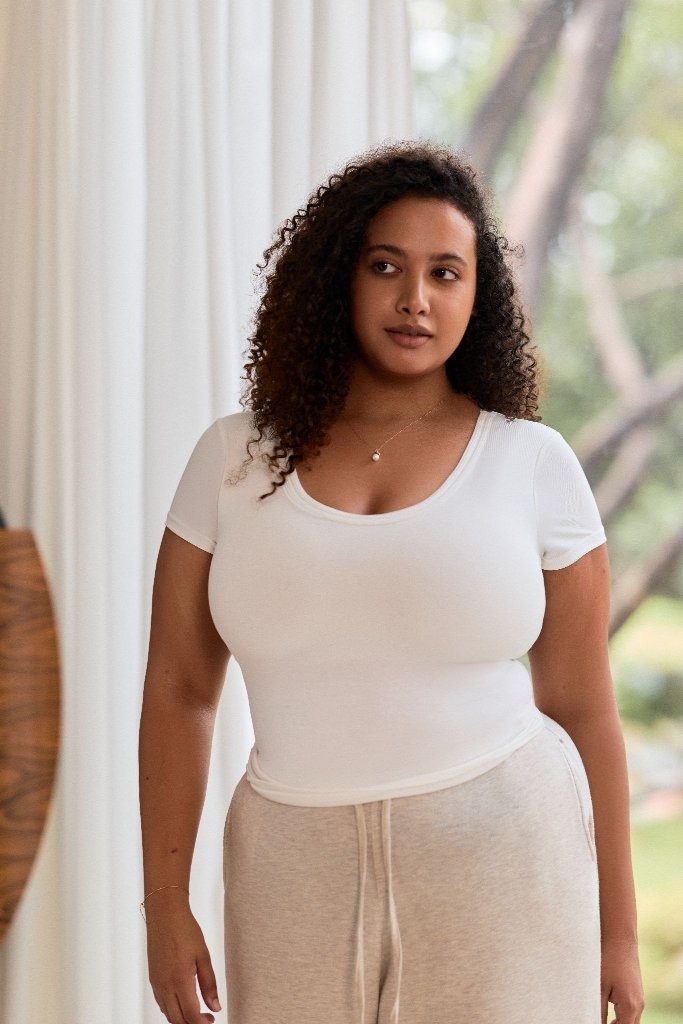
Two-layer tops—tank that pulls down, shirt that lifts—reduce exposure without wrestling a tight neckline over your head. Avoid underwire in regular bras between feeds if you notice red lines that linger. Nursing dresses with empire waists sometimes gape at the chest; test while seated, not only standing in a store mirror.
If you pump at work, pack a loose cardigan that opens in front; fumbling with overhead layers while engorged is miserable.
Support Without Marketing Hype
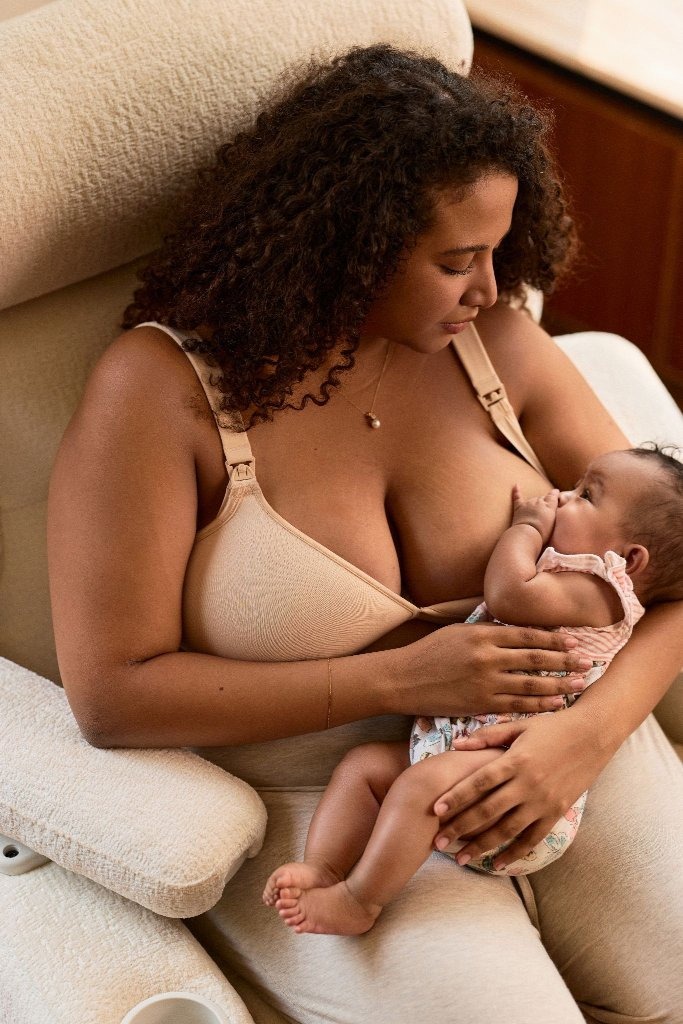
Look for a level band, multiple hooks, full-coverage cups, and nursing clips you can open one-handed. “Wireless” should still mean structured—side support and cup depth, not a flimsy lounge bra if you are carrying milk-heavy tissue for forty minutes.
Re-measure when milk arrives and again when supply settles. The size that worked at eight months pregnant may fail at two weeks postpartum.
Quick fit check before a long feed
- Band parallel to the floor on the middle hooks
- No overflow at the top or sides after a scoop-and-swoop
- Straps snug but not digging; most weight on the band
- Nursing clips open one-handed while you hold baby on the opposite hip
If the band rides up when you lift arms, size down in the band or up in the cup—not both at once without trying each change separately.
Feeding Away From Home
Large breasts can make public nursing feel exposed even when you are legally fine to feed. Many parents use football hold in a car or nursing room because it controls visibility. Layer a tank under a loose tee you lift from the bottom; pack an extra bra pad. Confidence grows when latch is fast—practice at home in each hold until you can attach in under a minute.
Partners and Helpers
Support people can fetch water, adjust pillows for football hold, and watch for shoulder grooves from bad bra fit. They cannot fix latch for you, but they can book the IBCLC visit you keep postponing. Treat a well-fitted busty nursing bra as recovery equipment, not a luxury splurge—especially when every big breast feed session runs twenty minutes or more.
Supply Worries and Breast Size
A large chest does not automatically mean oversupply or undersupply. Watch baby’s swallowing, wet diapers, and weight checks with your pediatrician. Frequent, effective removal drives production more than cup letter. If you are engorged often, work with a lactation consultant on whether you need softer removal patterns—not just a bigger bra.

Body Image and the First Month
Your chest may feel like the center of every conversation—too big, too leaky, too visible in public. Social feeds rarely show large-bust nursing honestly. Give yourself permission to dislike the engorgement phase and still be proud you are feeding. A bra that fits is one kindness; another is telling your partner exactly how to help rather than expecting mind-reading.
If you dread every session or feel anxious when baby roots, mention it at your postpartum visit. Mood and latch stress influence each other; support for one often helps the other.
First Four Weeks: What Often Gets Easier
Week one: Prioritize frequent feeds, soft bras, and latch help. Sleep in fragments; accept meals from friends.
Week two: Engorgement often eases; you may need a new cup size. Add a second hold so one arm is not doing all the work.
Weeks three to four: Feeds may shorten as baby becomes efficient. Shoulders still need care—stretch gently if your provider clears it.
Timelines vary with prematurity, tongue tie, or cesarean recovery. Compare progress to diapers and weight checks, not to another parent’s highlight reel.
Red Flags: Body, Not Bra, First
Call your clinician or IBCLC for fever, a painful hard wedge on one breast, broken nipples that will not heal, or a baby with low diapers or poor weight gain. Gear helps comfort; it does not replace assessment when something is off.
What Supportive Nursing Bras Do on a Fuller Bust
A nursing bra carries weight at the ribcage so your neck survives cluster season. Cups contain tissue during let-down without flattening ducts. On a large bust, band stability matters more than strap padding—though wide straps still help when milk adds pounds overnight.
Rotating two styles—a firmer day bra and a softer night bra—beats forcing one size through engorgement and the later “softened” weeks. Replace bras when the band rides up on the loosest hook or cups gape despite fullness; tired elastic shows up as shoulder pain first.
Internal slings or side panels in busty wireless designs aim to lift tissue during let-down so you are not physically holding the breast the entire feed. That small structural help adds up when you big breast feed ten or twelve times in twenty-four hours.
FAQ

Is it harder to breastfeed with big breasts?
It can take more attention to position and support, but many large-bust parents breastfeed long term. Lactation help early saves time and pain.
What is the best position for big breast feed sessions?
Football and laid-back holds are common starting points because they improve visibility and keep the nose clear. Try several holds; the best one is where latch feels deep and baby transfers milk well.
Do I need a special bra to big breast feed?
Many fuller-bust parents need deeper cups and stronger bands than standard maternity sizes. A busty nursing range plus a softer backup from a general nursing collection covers day, night, and pump days.
Can I pump if I have large breasts?
Yes—match flange size to your nipple, not your cup letter, and use a bra that holds flanges without compressing the whole breast.
How many bras do fuller-bust nursing parents need?
Many aim for three: a structured busty day bra, a softer night or lounge bra from a general nursing range, and a spare while one is in the wash. Add another if milk comes in shifts you more than one cup size.
Should I sleep in a bra when my breasts are large and leaking?
Many fuller-bust parents prefer a soft sleep bra with pads to catch leaks and reduce pull on tender skin when rolling in bed. It should not feel like compression gear—supportive, not squeezing.
Can I use a nipple shield with large breasts?
Only with IBCLC guidance. Shields can help short term in some cases but may reduce transfer if used without a plan to wean off them.
Will my breasts stay this size while nursing?
They usually soften and shift after the first month, though cup size may stay larger than pre-pregnancy until you wean. Bra shopping is iterative, not one-and-done.
Big breast feed days get easier when you treat support as part of the job: smart holds, timely help, and bras that fit the size you have today—not the tag from before baby. You and your little one are learning together; give both of you gear and grace that match a fuller bust.
You might also be interested in…
Need more recipe ideas? Check this out: Best Potluck Recipe Ideas for Work: Easy Office Potluck Ideas and Dishes Everyone Loves
CONNECT WITH DAILY MOM
💖 Where every mom deserves a moment. 💖
FIND US ON OUR SOCIALS
LOVE IT? PIN IT!