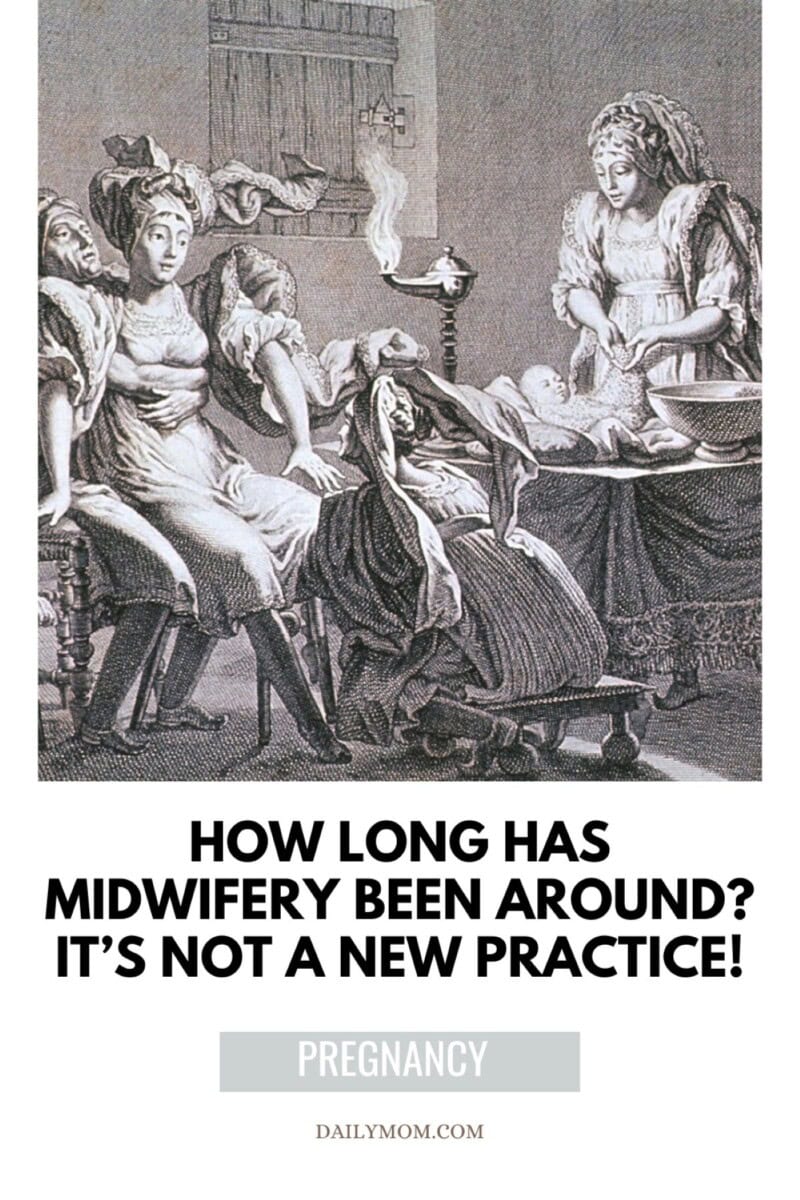






























Midwifery is one of humanity’s oldest professions, blending ancient traditions with modern medical science. The history of midwifery has centered on women supporting women through childbirth, evolving alongside cultural, social, and medical advancements.
Tracing midwifery’s history reveals its enduring significance and sheds light on its modern role. As maternal healthcare gains attention today, understanding midwifery’s roots helps us appreciate its impact and potential.
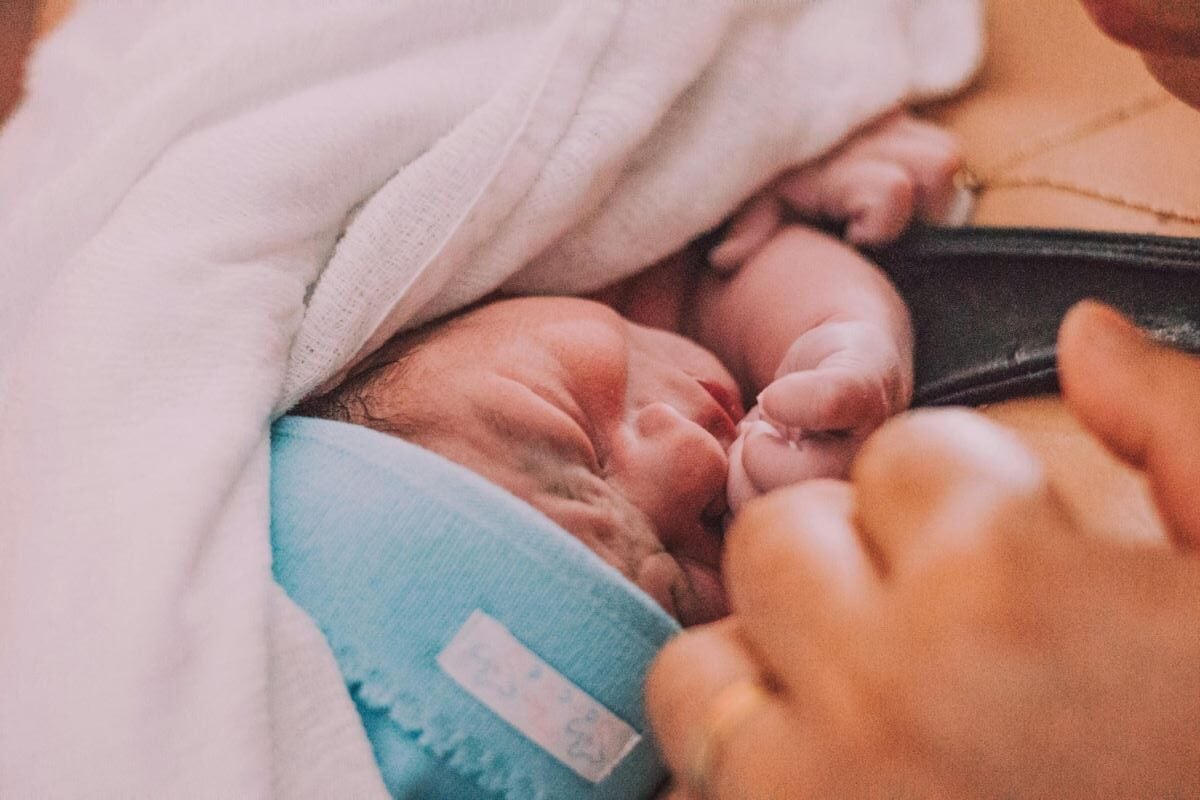
Midwifery in the Ancient World
The practice of midwifery dates back thousands of years, rooted in the daily lives and customs of ancient civilizations. Midwives were not only caregivers but also spiritual and social guides, holding a revered position in early communities.
The Origins of Midwifery
- Egypt: The Ebers Papyrus (1550 BCE) highlights midwifery practices, including herbal remedies and birthing techniques. Midwives were highly regarded for their expertise in childbirth and fertility rituals.
- Mesopotamia: Ancient clay tablets reference “wise women” who assisted with childbirth and were often seen as intermediaries between the divine and human realms.
- Greece: Midwifery was formalized in texts attributed to Hippocrates, emphasizing the role of skilled women in delivering babies and supporting mothers postpartum.
The Roles of Ancient Midwives
- Spiritual Guides: Midwives often performed religious rites to ensure a safe delivery, calling on deities for protection.
- Medical Experts: Using herbs, massages, and other techniques, they managed labor and addressed complications.
- Community Leaders: Beyond childbirth, midwives acted as confidants, educators, and caregivers within their communities.
Notable Historical References
- Ebers Papyrus: One of the earliest medical texts, it documents birthing positions, herbal treatments, and guidance for managing complications during labor.
- Hippocratic Writings: These works describe midwifery techniques and underscore its value in ancient Greek medicine.
From spiritual rituals to practical care, ancient midwives laid the groundwork for modern maternal healthcare. Their methods, while deeply rooted in tradition, demonstrate the enduring need for compassionate, skilled childbirth assistance—a theme that resonates across centuries.
Midwifery in the Middle Ages: Tradition and Challenges
The Middle Ages brought significant change to the practice of midwifery. While midwives remained essential to their communities, their role often intersected with religion, societal expectations, and even persecution. This period was marked by a reliance on oral traditions and folk practices, coupled with mounting challenges brought on by shifting cultural and religious influences.
The Role of Midwives in Medieval Europe
- Folk Practices: Midwifery during this time was rooted in traditional knowledge passed down through generations. Midwives relied on herbal remedies, massages, and specific birthing positions to support labor.
- Oral Traditions: With limited written medical knowledge available, midwives learned their skills through apprenticeship and hands-on experience.
- Social Support: Beyond childbirth, midwives acted as community healers and caregivers, often attending to the sick and elderly.
The Influence of the Church
- Religious Oversight: The Church closely monitored childbirth practices, as they were seen as deeply tied to religious purity. Midwives were sometimes required to perform emergency baptisms for newborns at risk of dying.
- Conflicted Roles: Midwives walked a fine line between being trusted healers and being suspected of engaging in unsanctioned spiritual practices.
Midwives and the Witch Trials
- Targets of Persecution: Midwives’ knowledge of herbs and healing often led to accusations of witchcraft. Many midwives were targeted during the witch hunts of the late medieval period, as their practices were deemed suspicious or dangerous.
- Shifting Perceptions: The fear of female healers and their influence over childbirth fueled widespread mistrust, further marginalizing midwifery.
Despite these challenges, midwives persisted as essential figures in medieval society, bridging the gap between medical care and community support. Their resilience and dedication to their craft not only sustained childbirth practices but also laid the foundation for midwifery’s eventual revival in later centuries.

The Renaissance and Enlightenment: Shifting Perceptions
The Renaissance and Enlightenment eras marked a turning point in the history of midwifery, as advancements in science and medicine began to reshape perceptions of childbirth. While these periods ushered in progress, they also created challenges for traditional midwives as male physicians entered the field and the medicalization of childbirth began.
Advancements in Anatomy and Medical Knowledge
- Scientific Exploration: The Renaissance brought a renewed interest in human anatomy. Figures like Andreas Vesalius revolutionized the understanding of the human body, including the birthing process.
- Obstetrics Emerges: With greater anatomical knowledge, male physicians, or “man-midwives,” began offering obstetric services, introducing tools like forceps to assist with delivery.
- Marginalization of Midwives: This shift often sidelined traditional midwives, whose practices were increasingly viewed as outdated or unscientific.
Decline of Traditional Midwifery
- Institutional Medicine: The rise of universities and formal medical training favored male-dominated medical practices, pushing midwifery to the margins.
- Social Perceptions: Midwives were often portrayed as uneducated or superstitious, leading to a decline in their authority and trust within communities.
Midwives in Art and Literature
- Cultural Depictions: Midwives appeared frequently in Renaissance art and literature, often as figures of wisdom or folklore. However, they were also depicted as relics of a pre-scientific era, highlighting the cultural tension between tradition and progress.
- Symbolism: These portrayals reflected society’s ambivalence about midwifery during a time when modern medicine sought to establish itself as the dominant authority in healthcare.
The Renaissance and Enlightenment were transformative periods for midwifery. While advancements in science brought new tools and knowledge, they also marginalized traditional midwives, creating a divide between established practices and emerging medical innovations. This era set the stage for the ongoing tension between natural and medicalized approaches to childbirth—a theme that continues to shape midwifery today.
Midwifery in the 18th and 19th Centuries: Industrialization and Medicalization
The 18th and 19th centuries saw significant changes in the practice of midwifery, driven by industrialization, urbanization, and the rise of medical institutions. As childbirth moved from the home to the hospital, midwifery became increasingly marginalized, with male obstetricians gaining dominance in the field.
The Impact of Industrialization on Birthing Practices
- Urbanization and Hospitals: As cities grew, the rise of lying-in hospitals marked a shift from home births to institutionalized care. These hospitals, designed to serve large populations, were often overcrowded and poorly equipped.
- Medicalization of Childbirth: With the industrial era came a focus on standardizing care. Male physicians began to dominate the field of obstetrics, which increasingly emphasized medical interventions during birth, such as forceps and surgical deliveries.
- Decline of Home Births: Traditional midwives, who had always attended births at home, saw their role diminished as more women gave birth in hospitals under the care of male doctors.
The Rise of Physician-Led Obstetrics
- Institutional Obstetrics: By the 19th century, the rise of obstetrics as a formal medical discipline led to the marginalization of midwifery. Many doctors viewed midwives as untrained and their practices as unsafe, even though midwives had been successfully attending births for centuries.
- Obstetrical Training: Medical schools began to train male physicians in obstetrics, further solidifying the divide between midwifery and the emerging medical establishment.
- Government Regulation: As medicalization took hold, governments and medical boards began to regulate midwifery, requiring certification and oversight. This pushed many midwives out of formal practice, particularly those in rural or underserved areas.
The Push Toward Institutional Births
- Emergence of Maternity Hospitals: The growing number of hospitals and specialized maternity centers in the 19th century contributed to the increasing medicalization of childbirth. These institutions promoted hospital births as safer than home births attended by midwives.
- Technological Innovations: New technologies, like forceps and anesthesia, played a key role in shifting childbirth from a natural event to a medical procedure, further eroding the role of midwives.

During the 18th and 19th centuries, midwifery saw a profound transformation. As industrialization and medical institutions took root, the traditional practice of midwifery was overshadowed by the growing prominence of male-led obstetrics and the rise of institutionalized births. This marked a pivotal moment in the history of midwifery, setting the stage for the challenges faced by midwives in the 20th century.

The 20th Century: Revival and Regulation
The 20th century was a period of significant change for midwifery. It was marked by both decline and revival as midwives navigated societal shifts, medical advancements, and growing calls for more holistic birth practices. While early 20th-century trends emphasized physician-led childbirth, midwifery began to experience a resurgence later in the century, fueled by cultural and feminist movements.
Early 20th-Century Decline: Midwifery vs. Modern Medicine
- Rise of Hospitals and Medical Institutions: In the early 1900s, birth became more institutionalized, with hospitals as the preferred location for childbirth. This was in part due to concerns about hygiene, medical interventions, and the growing influence of obstetrics.
- Dominance of Medical Professionals: As obstetrics evolved into a formal medical specialty, midwives were gradually pushed out of the spotlight. Male physicians gained control over childbirth, and midwifery practices were often seen as outdated and unprofessional.
- Challenges to Midwifery Care: Midwives in the early 20th century faced challenges to their credibility and were often viewed with skepticism by the medical establishment, which promoted a more clinical, interventionist approach to childbirth.
Midwifery’s Resurgence in the 1960s and 1970s
- Feminist Movements and Natural Birth Advocacy: The 1960s and 1970s saw a resurgence in midwifery, largely driven by feminist movements that advocated for women’s rights and autonomy in childbirth. This period saw a shift towards natural birth practices, with an emphasis on non-interventionist care and the desire to reclaim the birthing process from medicalization.
- Natural Childbirth: Influential books and figures, such as Ina May Gaskin, popularized midwifery and natural childbirth methods. Women began to seek out midwives for more personalized, holistic care, challenging the medical model of childbirth.
- Growing Public Support: The resurgence was also supported by growing public awareness of the benefits of midwifery, including lower intervention rates, fewer complications, and better outcomes for both mothers and babies.
Licensing, Certifications, and Regulation
- Standardization of Practice: As midwifery gained popularity, there was a push for regulation to ensure the safety and competence of midwives. Licensing, certification, and formal education programs for midwives began to emerge across the United States and internationally.
- National and State-Level Regulations: In the U.S., midwifery became regulated at the state level, with the introduction of the Certified Nurse Midwife (CNM) credential and the Certified Professional Midwife (CPM) certification. This helped to formalize midwifery as a recognized and respected profession within the healthcare system.
- Integration into Healthcare Systems: Midwifery practices slowly became integrated into mainstream healthcare systems, with more hospitals offering midwifery services and incorporating midwives into birthing teams alongside obstetricians.
The 20th century marked a turning point for midwifery. After a period of marginalization, midwives experienced a revival in the latter half of the century, largely due to cultural movements, an increased desire for natural childbirth, and the professionalization of midwifery. Today, midwifery continues to grow as a respected, regulated profession, with both traditional and modern practices coexisting to offer diverse and holistic options for childbirth.
Midwifery Around the World: A Global Perspective
Midwifery is practiced in diverse ways across the world, reflecting cultural traditions, healthcare systems, and societal attitudes toward childbirth. While the practice of midwifery has evolved in many countries, common threads of care, compassion, and respect for women’s autonomy bind midwives together globally. Here, we explore the differences in midwifery practices and how midwives are recognized and utilized in various regions.
How Midwifery Practices Differ Across Cultures and Regions
- Cultural Traditions: In many parts of the world, midwifery is deeply rooted in cultural traditions. In some regions, midwives are seen not only as healthcare providers but also as spiritual or ceremonial figures. For example, in parts of Africa, midwives may perform rituals to ensure a safe delivery, drawing on traditional knowledge passed down through generations.
- Community-Centered Care: In many indigenous cultures, midwives play an integral role within their communities, providing care before, during, and after childbirth. These midwives often offer more personalized care, tailored to the unique needs of each family.
- Global Influence: As globalization has expanded, midwifery practices have become more interconnected. International organizations, such as the International Confederation of Midwives, work to promote the education, regulation, and recognition of midwifery worldwide.
Traditional Birth Attendants vs. Certified Midwives in Developing Nations
- Role of Traditional Birth Attendants (TBAs): In many low- and middle-income countries, traditional birth attendants (TBAs) are still the primary caregivers for pregnant women. These attendants are often women who have received informal training in childbirth practices and are highly respected in their communities.
- Challenges Facing TBAs: While TBAs have invaluable cultural knowledge, their care may lack the formal medical training that certified midwives receive. In some regions, there is a push to integrate TBAs into formal healthcare systems to improve maternal and infant outcomes while respecting local traditions.
- Certified Midwives’ Role: Certified midwives, trained in clinical skills and evidence-based practices, are becoming more prominent in developing nations as part of efforts to reduce maternal and infant mortality. These midwives are often trained through international programs, such as those offered by the International Confederation of Midwives.
Case Studies: Countries Where Midwifery Thrives
- Netherlands: The Netherlands has one of the most successful midwifery systems in the world. Midwifery-led care is the norm, with over 30% of births in the country attended by midwives. The Dutch system is built on trust in midwives and their ability to manage low-risk pregnancies, with obstetricians stepping in only for high-risk cases. The country has seen excellent maternal and infant health outcomes as a result.
- New Zealand: New Zealand also has a strong midwifery culture, with midwives playing a key role in both home births and hospital births. The country’s midwifery system emphasizes continuity of care, with midwives attending to the same families throughout the entire pregnancy and postpartum period. This approach has been linked to high rates of satisfaction and positive birth experiences among New Zealand mothers.
- United Kingdom: The UK has a more varied midwifery system, with midwives working in both community and hospital settings. While hospital births are the most common, midwives in the UK continue to play a central role in guiding women through childbirth, with a focus on natural birth and supporting women’s choices. The National Health Service (NHS) offers a combination of midwifery-led and obstetric care, depending on the needs of the pregnancy.
Midwifery practices differ greatly around the world, reflecting the unique cultural, societal, and healthcare contexts of each region. While many developing countries continue to rely on traditional birth attendants, certified midwives are playing an increasingly important role in improving maternal and infant health. The success of countries like the Netherlands and New Zealand highlights the positive impact midwifery can have on birth outcomes, showcasing the importance of integrating both traditional and modern practices to support women worldwide.
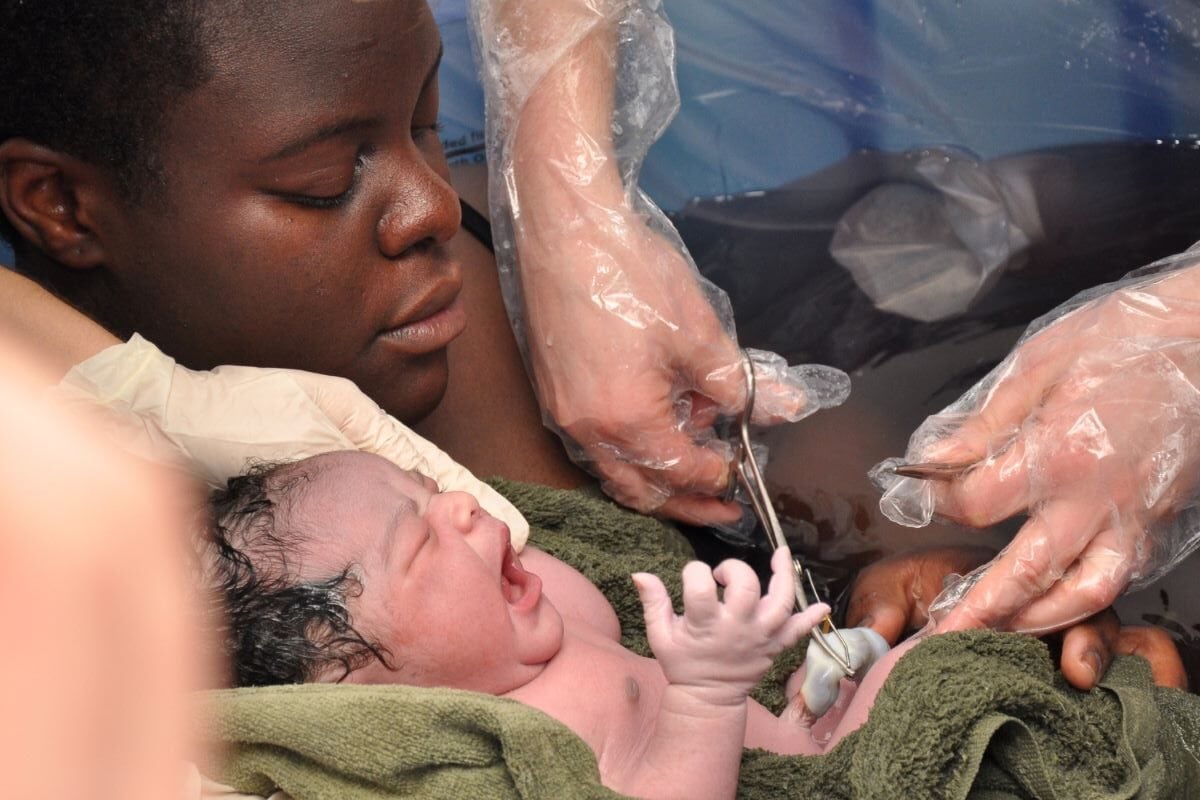
Modern Midwifery: Integrating Tradition and Technology
The practice of midwifery today blends centuries-old traditions with the latest medical technologies, ensuring that women receive the best of both worlds during childbirth. Modern midwives are trained to provide a holistic approach to care, emphasizing the importance of nurturing a woman’s physical, emotional, and psychological well-being while using advanced tools to monitor and support the birth process.
The Role of Midwives in Modern Healthcare Systems
- Comprehensive Care: Midwives are integral to contemporary healthcare systems, offering a range of services that include prenatal care, labor and delivery support, and postpartum care. They work alongside obstetricians, nurses, and other healthcare professionals to provide holistic, patient-centered care.
- Choice and Autonomy: One of the core values of modern midwifery is the respect for a woman’s choice in her birth experience. Midwives empower women to make informed decisions about their birthing plans, including whether they want a home birth, hospital birth, or birthing center experience.
- Collaboration with Other Healthcare Providers: While midwives are highly trained in handling low-risk pregnancies and deliveries, they are also skilled at recognizing when medical intervention is necessary. In these situations, midwives collaborate with obstetricians and other healthcare providers to ensure the safety and well-being of both mother and child.
The Use of Technology in Midwifery Care
- Telehealth and Virtual Consultations: Technology is revolutionizing midwifery care. Virtual consultations allow midwives to check in with patients remotely, offering advice, support, and follow-up care without requiring in-person visits. This is especially beneficial for women in rural areas or those with limited access to healthcare facilities.
- Monitoring Devices: Modern midwifery also incorporates various medical devices designed to enhance the safety and precision of care. For example, midwives may use fetal heart rate monitors to assess the health of the baby or electronic blood pressure monitors to track the mother’s health. These devices ensure that midwives can monitor the progress of labor and respond quickly to any changes in the health of the mother or baby.
- Labor Support Tools: In addition to medical technology, midwives are using a range of comfort measures during labor, including water birth tubs, birthing balls, and massage techniques, all designed to enhance the birth experience while minimizing pain and discomfort.
A Balanced Approach: Tradition Meets Innovation
- Preserving Traditional Knowledge: While modern tools and techniques are invaluable, midwives still rely heavily on traditional skills, such as hands-on support during labor, encouraging women through breathing exercises, and using touch as a means of providing comfort. These time-honored practices help women feel supported and empowered during childbirth.
- Adapting to Modern Needs: As societal needs and medical practices evolve, midwifery has adapted to meet the challenges of modern childbirth. Midwives today are trained to handle a broader range of situations, including working in high-risk environments when necessary. However, they continue to value the importance of keeping childbirth as natural as possible, whenever it is safe to do so.
Modern midwifery is a perfect blend of traditional wisdom and modern advancements. Midwives continue to honor the historical roots of their practice by offering personalized, compassionate care while integrating cutting-edge technology to enhance the safety and well-being of both mothers and babies. This balanced approach allows midwives to offer the best possible care, respecting the natural process of birth while responding effectively to any medical needs that may arise.
The Benefits of Midwifery in the 21st Century
As midwifery care evolves and becomes more integrated into the healthcare system, numerous studies and real-world success stories highlight its advantages. While midwifery is still often associated with natural births and home deliveries, modern midwives offer evidence-based care that is proven to provide a range of benefits for both mothers and babies.
Evidence-Based Advantages of Midwifery-Led Care
- Lower Rates of Intervention: One of the most significant benefits of midwifery care is the lower rates of medical interventions, such as unnecessary C-sections, episiotomies, and the use of forceps. Midwives are trained to handle low-risk births, and their approach to childbirth tends to emphasize minimal interference, which reduces the likelihood of complications associated with invasive procedures.
- Increased Birth Satisfaction: Studies show that women who choose midwifery care often report higher levels of satisfaction with their birth experience. This is partly due to the continuity of care provided by midwives, who build trusting relationships with their clients throughout pregnancy, labor, and postpartum. The focus on personalized care and informed decision-making empowers women, leading to a greater sense of control and satisfaction during the birthing process.
- Better Maternal and Infant Outcomes: Research has found that midwifery-led care, especially when combined with the support of a doula or a well-coordinated healthcare team, can reduce maternal and infant mortality rates. For example, midwifery care is associated with fewer preterm births and lower rates of low-birth-weight infants. Women who receive midwifery care are also more likely to breastfeed successfully and experience quicker postpartum recovery.
Addressing Common Myths About Midwifery
Midwives Aren’t Just for Home Births:
One common misconception about midwifery is that it is only for women who wish to have home births. In reality, midwives work in a variety of settings, including hospitals, birthing centers, and private practices. They are skilled in managing birth in diverse environments, and many women choose midwifery care within hospital settings where they can still access the benefits of both traditional and modern care.
Midwifery Is Safe for Low-Risk Pregnancies:
Another myth is that midwifery care isn’t as safe as obstetric care. However, research consistently shows that midwifery is safe for low-risk pregnancies, and midwives are trained to manage complications when they arise. Many midwives collaborate with obstetricians and other healthcare professionals to ensure that any issues are quickly addressed, ensuring both the mother’s and the baby’s safety.
Midwives Don’t Just Deliver Babies:

Midwives offer a range of services beyond labor and delivery, including prenatal care, postpartum care, breastfeeding support, and even gynecological services. They play a crucial role in educating women about their health and reproductive choices, helping women through all stages of motherhood with a focus on wellness and preventative care.
Midwifery care is proving to be an essential component of modern healthcare, offering numerous benefits to both mothers and babies. By continuing to integrate midwifery with modern medical practices, healthcare systems can offer more comprehensive, patient-centered care that emphasizes choice, autonomy, and safety.

Challenges Facing Midwifery Today
Despite its many benefits, midwifery faces numerous challenges in the modern healthcare landscape. From societal perceptions to regulatory hurdles, the practice must navigate obstacles that can hinder its widespread adoption. While midwifery is growing in popularity, especially among those seeking more personalized and less interventionist care, its path forward remains complex.
Accessibility, Awareness, and Societal Perceptions
- Limited Access to Midwifery Care: In many areas, especially rural or underserved regions, midwifery care can be difficult to access. There may be a lack of licensed midwives, and some communities may not have the infrastructure needed for home births or birthing centers. This lack of availability forces women to choose more conventional medical options that may not align with their preferences.
- Cultural Stigma and Misunderstandings: Societal perceptions of midwifery often fall behind modern practice. While midwifery is regarded as an ancient and trustworthy profession, some people still associate it with outdated, non-medical care. Misconceptions about the safety of midwifery care, especially in hospital settings, can deter women from considering it as an option. Many still view obstetricians as the only experts in childbirth, overlooking the specialized knowledge and care midwives bring.
- Educational Gaps: While awareness of midwifery care is growing, many people still don’t fully understand what midwives do. This lack of education can lead to hesitation or even resistance from those unfamiliar with midwifery’s full scope of care. There’s a need for more public outreach and educational efforts that focus on the benefits and safety of midwifery care, as well as the essential role midwives play in promoting overall maternal health.
Regulatory Hurdles and Policy Debates
- Licensing and Certification: The regulatory environment surrounding midwifery can be confusing and inconsistent from one jurisdiction to another. In some areas, midwifery practice is well-regulated with clear certification processes, while in others, regulations may be less defined. Variability in licensing requirements can make it difficult for midwives to practice across state or national lines, limiting their ability to serve women in different regions.
- Insurance Coverage: Many midwifery services are not covered by insurance, particularly for out-of-hospital births. This creates financial barriers for many women who would otherwise prefer midwifery care but can’t afford the cost out-of-pocket. Even in regions where midwifery care is more established, there can still be difficulties in obtaining adequate reimbursement for services, impacting the accessibility of midwives for those in lower-income communities.
- Policy and Political Debates: In some countries, midwifery remains a politically charged issue, with debates surrounding healthcare reform, the role of private vs. public care, and the growing influence of medical institutions. Some policymakers push for a more integrated approach to midwifery, while others favor a more traditional model led by obstetricians. These debates often impact the development of midwifery policies, making it difficult for midwifery practices to gain widespread institutional support.
Balancing Traditional Practices with Modern Medical Requirements
- Integrating Midwifery and Modern Medicine: As midwifery continues to grow in popularity, one of the key challenges is balancing traditional, hands-on care with the needs of modern healthcare systems. Midwives must stay current with evolving medical knowledge while still maintaining their unique approach to care. Integrating new technologies and medical advancements into midwifery practices, without losing the human-centered philosophy at its core, is an ongoing challenge.
- Working with Obstetricians and Hospitals: While midwifery care often emphasizes natural, intervention-free births, there are instances where medical intervention is necessary for the safety of the mother or child. Midwives need to maintain strong relationships with obstetricians and hospital staff to ensure that collaborative care is available when needed. Navigating this balance requires a clear understanding of when to intervene and when to respect a woman’s desire for minimal medical interference.
- Advocacy for More Supportive Policies: To ensure midwifery care thrives in the future, there must be ongoing advocacy for policies that support midwifery practice, including better insurance coverage, improved access to care in underserved areas, and consistent training and certification standards. Midwives and their supporters must continue to push for reforms that make midwifery an accessible, reliable, and respected option for all women.
While midwifery offers a wealth of benefits, it faces several hurdles in its path to full acceptance and integration into mainstream healthcare systems. Tackling these challenges—through better education, policy changes, and increased collaboration with obstetricians and other healthcare professionals—will allow midwifery to grow and evolve, ultimately benefiting the mothers and families who rely on it.
The Not-So-Brief History of Midwifery
Midwifery has evolved significantly from its ancient roots to become a vital component of modern healthcare. As midwifery continues to thrive in various parts of the world, it proves to be a key player in improving maternal and infant health outcomes, advocating for informed decision-making, and providing empowering birth experiences. The future of midwifery holds promise, with the potential to further integrate into healthcare systems, ensuring that women have access to the safe, supportive, and individualized care they deserve.

FAQ: Midwifery in America
1. What is the history of midwifery in the United States?
Midwifery in America has deep roots of midwifery, dating back to colonial America when female midwives primarily attended births in the United States. Over time, midwifery care became intertwined with medical education, especially as nurse-midwifery and nursing and midwifery grew in prominence. Despite challenges in the 1950s and 1800s, the practice continued to serve American women, especially in rural areas.
2. What role do nurse-midwives play in childbirth each day?
Nurse-midwives are health care workers who combine nursing and midwifery skills. They provide pregnancy and childbirth care, often at birth centers or in-home settings. In many states, nurse-midwifery is becoming more integrated with public health efforts to improve maternal outcomes.
3. What is the difference between nurse-midwifery and direct-entry midwifery?
Nurse-midwifery is a specialized field for registered nurses trained in midwifery care, while direct-entry midwifery allows those without nursing backgrounds to become midwives. Both practices are supported by organizations like the North American Registry of Midwives and Midwives Alliance of North America, which offer certification and training programs.
4. How has midwifery education evolved in the United States?
Midwifery education in the United States has grown significantly over the years. Midwifery school programs are now available to both nurse-midwives and direct-entry midwives. The field of medical education in North America increasingly incorporates midwifery as a recognized and essential part of maternal care, addressing the unique needs of childbearing women.
5. Can anyone become a midwife?
Becoming a midwife typically requires specific education and training. Midwifery education programs are available at various levels, including midwifery school for aspiring professionals. However, some women could not afford formal training and often relied on the midwifery practices handed down through generations, particularly among white women and other cultural groups in the U.S.

6. How does midwifery relate to public health?
Midwifery plays a significant role in public health by reducing maternal and infant mortality rates. Certified midwives provide crucial care in underserved communities and are essential in improving childbearing in America through holistic and personalized care options. The International Confederation of Midwives’ efforts promote midwifery education and practice globally, improving access to skilled birth attendants.
7. What are the current challenges facing midwifery in the U.S.?
Despite its long history, midwifery still faces challenges today. Midwifery care can be difficult to access in some areas, particularly for women who could not afford hospital births. Midwifery as a profession continues to struggle with regulatory barriers and inconsistent state-level recognition.
8. How does midwifery support pregnancy and birth?
Midwives provide comprehensive support for pregnancy and birth, including prenatal visits, labor coaching, and postpartum care. Midwives emphasize knowledge and skills gained through training and years of experience. Their approach to care to pregnant women often includes natural birthing methods, which may reduce interventions during the second stage of labor.
9. What impact did midwifery have on the history of the United States?
The history of the United States is shaped by the contributions of midwives, especially in early childbearing communities. The midwifery community has continued to serve generations of families, ensuring that essential care remains available even as the field of medicine evolved.
10. How does the Midwifery Practice Act affect midwives today?
The Midwifery Practice Act is a key piece of legislation that governs midwifery practices in the U.S. It defines the role of midwives, sets standards for midwifery education, and protects care to pregnant women by ensuring that midwives are properly trained and certified.
11. How has midwifery care changed over time?
From ancient profession to modern-day practice, midwifery care has evolved with societal changes, medical advancements, and education in the United States. While midwives continue to provide personalized care, technological tools now supplement traditional practices, allowing midwives to better serve the diverse needs of pregnancy and childbirth in the U.S.
CONNECT WITH DAILY MOM
💖 NEWSLETTER: DAILY READS IN YOUR INBOX 💖
Sign up to receive our picks for the best things to do, see and buy so you can relax and focus on more important tasks! Let us help you be the best version of yourself you can be!
BE SOCIAL WITH US
📌 LOVE IT? PIN IT!📌