































Training dogs with an electronic collar can be a smart and effective way to reinforce obedience, especially when done with care, consistency, and the right technique. While the term “shock collar” might sound harsh, today’s e collars for dogs offer far more than a jolt—they include sound, vibration, and adjustable levels of stimulation to help you communicate with your dog in a clear, consistent way. Whether you’re working with a stubborn pup, a high-energy breed, or the best dog ever, using a dog training collar can help support long-term results.
Learning how to use an e-collar effectively starts with knowing when to apply it, how to pair it with positive reinforcement training, and what kind of training collar works best for your dog. With the right training tools and a thoughtful approach, you can teach your dog important behaviors while building trust and improving communication. Whether you’re just starting the training process or looking to refine your positive techniques, these tips offer real-life, practical ways to make e-collar training both safe and successful.

Training Dogs with Electronic Collars: What Families Should Know
For any dog owner considering an electric collar, it’s important to understand that these training tools aren’t quick fixes. When paired with consistency and positive reinforcement, they can support safer, clearer communication—especially during a structured practice session. As part of a balanced dog training practice, an e-collar can be used to train specific behaviors while reinforcing trust and responsiveness.
Here’s what every dog owner should keep in mind:
Start with basic obedience. Your dog should already know simple commands before using an e-collar.
Keep training time short and positive. This keeps your dog focused and reduces stress.
Don’t rely on the collar alone. Use verbal cues and praise alongside the stimulation.
Watch your dog’s behavior during the use of a shock collar. Adjust based on how your dog reacts to avoid confusion or fear.
What Is an E-Collar for Dog Training?
Before introducing any training collar, it’s important to understand what it is, how it works, and how it fits into your overall dog training approach. An e-collar for dog training isn’t about punishment—it’s about enhancing communication, especially during moments when verbal cues or hand signals aren’t enough. When used thoughtfully, it becomes a tool that supports learning, not fear.
Understanding the E-Collar and How to Use It

An e-collar, short for electronic collar, is a remote training collar and training tool designed to help pet parents communicate with a dog more clearly and effectively. It uses a remote-controlled signal—like a beep, vibration, or adjustable electric stimulation—to get the dog’s attention or reinforce a command. Unlike older shock collars, today’s models are much more refined and allow for customized levels of feedback.
How to use an e-collar correctly:
Start with the lowest setting. Always begin with vibration or tone before using any stimulation.
Pair the collar with commands. The e-collar should reinforce what the dog already knows—not replace voice cues.
Time it right. Deliver the signal during the command or just before a correction, not after.
Let your dog wear the collar around the house (turned off) to get used to the feeling before starting training.
Used consistently—and with a clear understanding how to use it—the e-collar for dog training can be an effective way to support off-leash reliability, improve recall training, and gently correct negative behavior without raising your voice or relying solely on treats.


E Collars for Dogs: Pros, Cons, and Misconceptions
Many pet owners hesitate to use e-collars because of how they’re often misunderstood. The idea of applying an electric shock may feel extreme, but it’s important to know that modern e-collars are adjustable, humane, and intended to be used with care—not punishment. When paired with the right training approaches, they can help reinforce lessons in a way that supports how a dog learns best.
Pros:
- Improves recall and off-leash control
- Supports calm, consistent communication
- Helps with safety in unpredictable environments
Cons:
- Can be misused without proper guidance
- May not be right for every dog or situation
- Must always be paired with positive reinforcement

One of the biggest misconceptions is that these tools are used to punish. In reality, a responsible dog training program uses the collar correctly, combining it with praise, treats, and structure. It’s about teaching—not correcting out of frustration.
When to Use a Shock Collar for Training and Why It Matters
Using a shock collar (or e-collar) isn’t about control—it’s about clarity. These tools can be helpful when a dog needs support learning boundaries, especially during off-leash training or correcting problem behavior. That said, timing and purpose matter just as much as the training collar itself.
For the pet owner, knowing when to use an e-collar is key to success. It shouldn’t be the first tool in the toolbox, but rather something introduced after a solid foundation of reward-focused training has been established—ideally with guidance from a professional dog trainer.
Appropriate times to use a shock or e-collar:
- During off-leash recall in open or high-distraction environments
- To reinforce known commands when a dog ignores verbal cues
- As a backup cue for safety when voice or leash control isn’t enough
- To interrupt dangerous behaviors like chasing cars, bolting, or refusing recall
How to Use an E-Collar Safely
An e-collar is only effective when used responsibly. The goal isn’t to startle or scare the dog, but to communicate clearly during a practice session. Before you begin, it’s important to choose the right collar, ensure it fits properly, and confirm that your dog understands the command you’re reinforcing.
Safe e-collar practices:
- Start collar on the lowest setting that gets your dog’s attention—not the highest.
- Never use the collar in anger or frustration; calm, consistent use of an e-collar is key.
- Pair e-collar cues with known commands, so the stimulation supports—not replaces—training, and helps your dog get used to responding calmly and consistently.
- Keep sessions short and always end on a positive note.


A remote training collar can be a powerful tool, but only if it’s part of a well-rounded training approach that includes patience, praise, and practice.
Using a Shock Collar for Unwanted Behavior
Not all behavior problems require correction with a electric collar, but in some cases, a mild electric stimulation can safely redirect attention and reinforce limits. This works best for unwanted behaviors that are urgent, repetitive, or potentially dangerous—like running into the street or persistent barking.
When teaching a dog to stop a behavior, timing is everything. The correction should happen as the behavior starts—not after. This helps the dog associate the correction with the action, making it easier to redirect and reinforce better choices as part of consistent obedience training.
Just as important: positive based training should follow immediately when your dog makes the right decision. This balance keeps training productive and humane, not punitive.
How to Train a Dog Using an E-Collars

Training a dog with an e-collar is less about control and more about communication and consistency. It’s not just about pressing a button—it’s about helping the dog understand what’s being asked and reinforcing good behavior with clarity and calm. When used correctly, an e-collar becomes a valuable part of a dog training strategy that balances structure with positive reinforcement, while strengthening the bond with your dog along the way.
Before you begin, make sure your dog is familiar with basic commands through reward based training. The e-collar isn’t meant to replace treats, praise, or regular interaction—it’s meant to complement the training process and provide clear feedback during learning time.
Teaching a Dog to Respond to the E-Collar
To teach your dog how to respond to the collar, the first step is helping the dog get used to wearing it. Let your pup wear the collar (powered off) for short periods so they can get comfortable with the fit. A dog may take a little time to adjust, but patience during this step is key. Once you’ve introduced your dog to an e-collar gradually, you can begin associating the collar’s cues—such as tone or vibration—with familiar commands.
Steps to introduce the e-collar:
- Start with leash and collar together. Use a leash while giving collar cues to reinforce consistency.
- Use the collar on the lowest effective setting. The goal is to get the dog’s attention, not cause discomfort.
- Associate stimulation with known cues. For example, press the tone button as you say “come,” then reward with praise.
- Let your dog get used to the sensation gradually, with plenty of breaks and reassurance.



With time and patience, your dog learns that the collar means it’s time to focus—not fear.
E-Collar Training Tips That Work
Successful use of e-collars depends on timing, consistency, and clarity. It’s also crucial that the dog parents remains calm and focused, especially when distractions are involved. A remote training collar works best when paired with proven training methods that keep things simple and fair.
Here are a few tips to help the process:
- Keep sessions short and focused. Aim for 10–15 minutes at a time.
- Use verbal cues alongside collar signals. Help your dog associate the cue with the collar action.
- Always end on a positive note. This helps reinforce learning and keeps your pet dog engaged.
The goal isn’t to correct everything—it’s to create a training environment where your dog knows what’s expected, and feels confident responding. When you combine the ideal collar, the right training method, and the right mindset, you give your dog the tools to succeed.
Choosing the Right Dog Training Collar and Trainer
Finding the appropriate collar and the right pet trainer can make a huge difference in your training process. Not every collar works for every dog, and not every trainer understands how to properly use an e-collar. Whether you’re working with a young pup or an adult dog, the tools and guidance you choose should match your dog’s needs, learning style, and behavior goals.
How to Pick a Training Collar That Fits and Make Sure the Collar Is Safe
The most functional collar on your dog should be both effective and comfortable. A poorly fitted collar can irritate your dog or fail to deliver consistent signals, which can lead to confusion and slow progress. Before you even turn on the remote, it’s important to make sure the collar is sized correctly and placed properly on your dog’s neck.
Tips for choosing and fitting a training collar:
- Choose the correct size. Your dog’s weight and neck size should match the collar’s specifications.
- Check the contact points. It should touch the skin but not dig in.
- Use snug, not tight, placement. You should be able to slide two fingers under the strap.
- Test the fit during movement. After you put the collar on let your dog wear the collar during a walk to see if it stays in place.
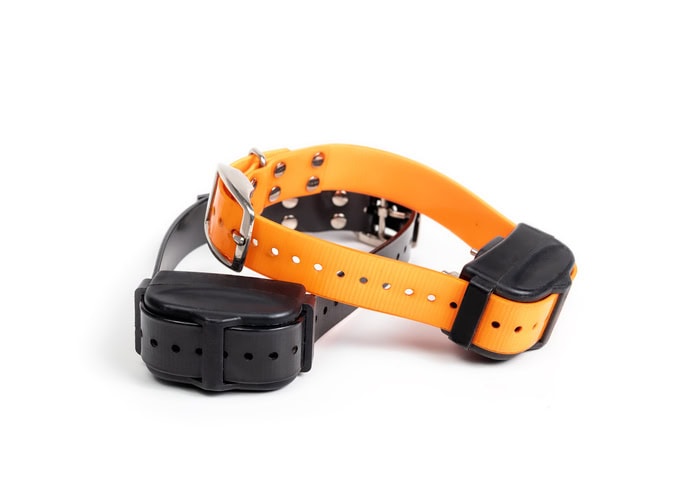

Starting with the most suitable collar builds the foundation for clearer communication and better results during every practice session.
Hiring Dog Trainers for E Collar Training
If you’re new to e-collar training, working with a professional can help you avoid common mistakes and get better results. A knowledgeable trainer will understand both positive reinforcement and electronic collar techniques, ensuring your dog isn’t overwhelmed or confused.
What to look for in a training specialist:
- Experience with e-collars. Not all trainers know how to safely use e-collars—ask specifically.
- Uses positive methods. The best trainers combine e-collar use with praise, rewards, and patience.
- Offers personalized plans. Training should match your dog’s temperament, age, and learning pace.
A skilled trainer helps you build confidence, avoids setbacks, and gives you the tools to communicate with your canine effectively throughout the training program.
How to Train a Puppy Using an E-Collar
Training a young pup with an e-collar requires extra care, patience, and age-appropriate techniques. While e-collars for dogs can be useful, puppies are still developing both physically and mentally, so it’s important to introduce tools like a remote training collar gradually and gently. The focus at this stage should be on positive training, building trust, and setting a strong foundation through gentle repetition.
Should You Use E-Collars on a Puppy?
While some trainers may be tempted to start e-collar training early, most professional trainers recommend waiting until they are old enough to understand basic commands and has developed a bond with their owner. Typically, this means waiting until around six months of age—though every pup is different.
Before using an e-collar with a new pup:
- Start with leash training and verbal commands first.
- Focus on bonding and trust-building routines.
- Use treats, praise, and play to reinforce early behaviors.
- Talk to a professional dog trainer to evaluate your fur babies readiness.
Introducing a new pup to an electronic collar too soon can lead to confusion or fear. Take the time to make sure your dog is ready, and always choose the proper collar designed specifically for smaller dogs.
Positive Reinforcement Training for Puppies
Prior to using any training collar, young pups should have a solid understanding of basic cues like “sit,” “stay,” and “come” using positive reinforcement training. This form of obedience training relies on rewards—like treats or toys—to capture your dogs attention and create happy associations with good behavior.



Key elements of reward-based training for puppies:
- Use short sessions (5–10 minutes) to match their attention span.
- Celebrate small wins to keep your pup engaged and confident.
- Avoid harsh corrections. Little ones respond better to encouragement than discipline.
Once your pup has a solid grasp of commands and responds reliably, an e-collar can be introduced slowly, always as a complement to the training—not a replacement. Think of it as a gentle nudge, not a punishment, and always keep training sessions playful and encouraging.
Collar Training Around Kids: Safety and Boundaries
Working with your dog to use an e-collar in a home with children requires an added layer of awareness. While e-collar training can be a helpful training method, it’s important to create clear boundaries so kids understand it’s a tool—not a toy. Consistency, supervision, and communication are key when blending dog training with everyday family life.
A well-trained pet dog can thrive in a busy household, but young children may not understand how to interact appropriately during training. That’s why adult oversight is essential when using any kind of training collar around kids.
Using a Training Collar in a Family Environment
An electronic collar should always be operated by an adult who understands how to use it safely. Children should never be allowed to control the remote training collar, even during play. This ensures the dog receives clear, intentional cues and reduces the risk of accidental misuse.
Safety reminders for families:
- Store the remote out of reach when not in use.
- Teach kids to give space during a training session.
- Keep interactions calm so the dog stays focused and confident.
- Explain the purpose of the collar so children understand it’s a tool, not a punishment.
Creating healthy habits around collar training helps the dog associate the experience with structure and calm—not chaos.
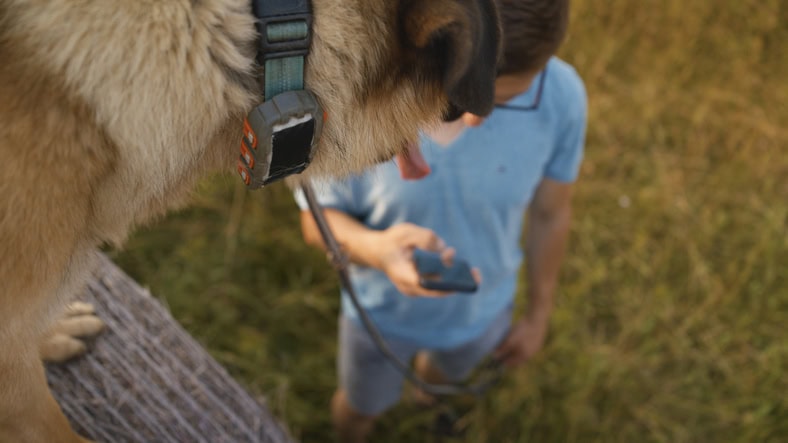

Tips for Training Dogs with E-Collars When Kids Are Involved
Blending dog training and parenting can be a challenge—but it’s absolutely doable with the right plan. Whether you’re working with a family pet or hunting dogs, creating a consistent and focused home environment is key to successful training. Use of the remote collar should always be deliberate and free from distractions whenever possible.
Keep training productive and family-friendly by:
Scheduling training when the home is quiet.
Including kids in positive training moments—like giving treats or praise.
Using the e-collar only when the dog is calm and responsive.
Monitoring the dog’s behavior to avoid overstimulation.
Alternatives and Training Without an E-Collar
While e-collar training can be effective, it’s not the only way to train your dog. In fact, many pet parents choose to use e-collars as a temporary training tool or phase them out altogether once their dog understands commands reliably. Like any dog training method, the goal is long-term behavior—not lifelong dependence on the collar.
If you’re wondering whether it’s possible to shift away from the collar, the answer is yes—with consistency, structure, and the right mix of techniques. A well-rounded training process doesn’t rely on one tool alone but uses different strategies to support how a dog learns best.
Can You Train Without an E-Collar or Use the E-Collar Less Over Time?
Yes, you can absolutely train a dog without an electronic collar—or gradually reduce how often it’s used. Once a behavior is learned and reinforced, you can begin weaning your pet off the e-collar by focusing more on verbal cues, gestures, and positive training techniques.
How to reduce e-collar use over time:
- Fade the collar cues as your dog becomes more consistent.
- Reward without stimulation, using praise or treats instead.
- Increase distractions slowly to test and build reliability.
- Track your dog’s progress with each new challenge.

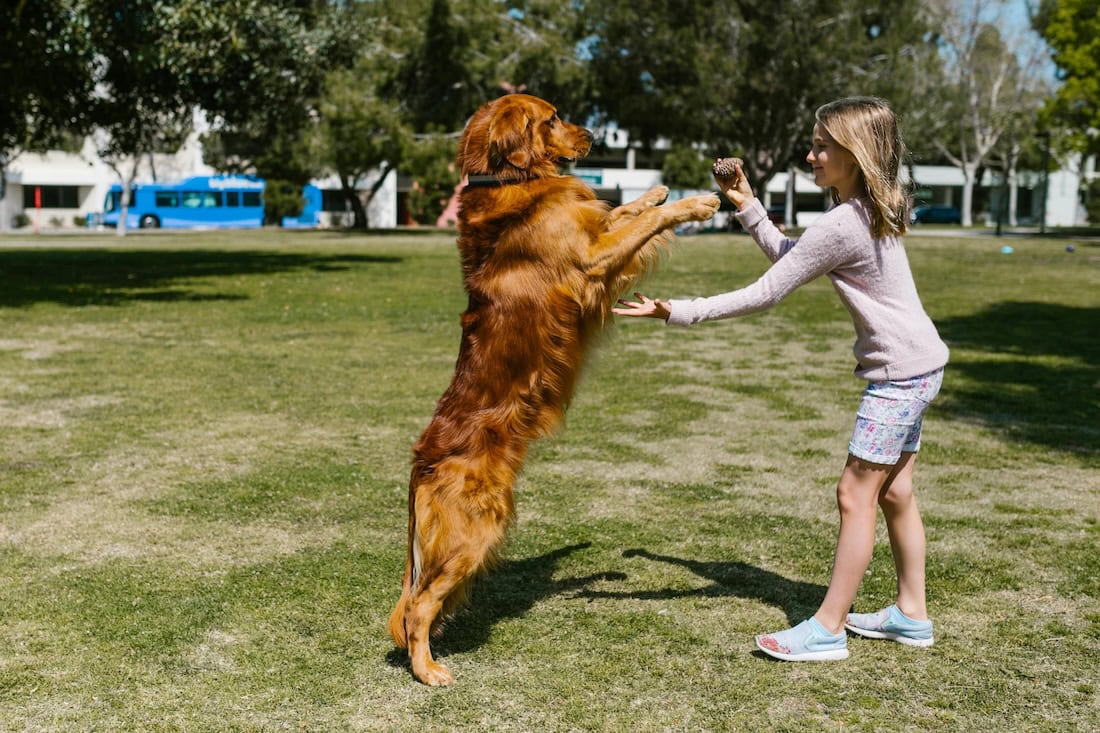
The transition takes time, but it’s worth it. As your dog gets used to responding without the use of the collar, you’ll notice better focus and independence—even in high-distraction settings.
Recall Training and Other Methods That Don’t Rely on the Collar
Recall training is one of the most important skills a dog can learn—and it doesn’t have to involve an e-collar at all. By using reward-based training, long leashes, or even clicker training, many pet trainers build strong recall through repetition, consistency, and motivation.
Collar-free methods that work:
- Treat-based training games, like hide and seek or name response
- Long-line leash recall, which adds space while keeping control
- Clicker training, to mark correct behavior immediately
- Voice and body cues, reinforced through repetition
When it comes to training without a collar, the most important thing is understanding your pup’s learning style and adjusting your approach to match. With time and encouragement, most dogs can develop strong habits that last—collar or not.
How to Teach Your Dog to Use an ECollar and Use the Collar Confidently
Once you’ve chosen the right collar, the next step is helping your dog understand how to respond to it. Like any new training tool, an e-collar should be introduced with patience and purpose. The goal isn’t just to correct behavior—it’s to build confidence and reinforce commands your dog already knows using clear, calm communication.
Think of the collar as a bridge between verbal cues and physical response. With the right approach, your dog learns that the collar isn’t something to fear—it’s simply part of how you communicate with a dog during each session.
Teach Your Dog What the E-Collar Means
Before using any stimulation, you’ll want to help your dog associate the e-collar with cues they already understand. This foundation ensures your dog reacts with confidence, not confusion.
Steps to introduce meaning behind the collar:
- Pair stimulation with known commands. Start with simple ones like “come” or “sit.”
- Use the collar on the lowest setting. Just enough to get your dog’s attention.
- Reward immediately. When your dog responds, follow with praise or a treat.
- Keep sessions brief and positive. Think quality over quantity.


Help Your Dog Transition to an E-Collar Naturally
The transition from no collar to e-collar training should feel smooth and stress-free. Your dog may need time to adjust, and that’s okay. Every dog is different, and the process should move at a pace that keeps your dog engaged and comfortable.
Tips to make the transition easier:
- Let your dog wear the collar (turned off) before training begins.
- Practice in calm settings before introducing distractions.
- Use the remote collar only after your dog clearly understands the cue.
- Monitor closely for signs of confusion or hesitation.
With consistency, your dog gets used to the collar naturally and begins responding with greater clarity. Over time, the remote training collar becomes just another way to reinforce what your dog already knows—with confidence and calm.
A Responsible Guide to E Collar Training at Home
E-collars can be a powerful tool when used with care, patience, and a clear understanding of how dogs learn. Whether you’re working with a puppy, a high-energy canine, or a seasoned companion, the key is balancing structure with positive reinforcement and smart, consistent use.
Use E-Collars to Support, Not Replace, Real Training
A remote training collar should support your efforts—not replace real, hands-on time with your dog. The strongest results come from trust, repetition, and the bond you build. With the right collar, the right training techniques, and the right mindset, you’ll help your dog thrive.
An e-collar is just one piece of the puzzle—it can guide, reinforce, and redirect, but it’s the daily moments, the consistency, and the patience that truly shape behavior. Don’t skip the basics. Don’t rush the process. Whether you’re training a playful puppy or a headstrong adult canine, success comes from showing up every day with calm leadership and clear expectations.
When used with intention, e-collars can be part of a balanced, humane, and effective approach to dog training. And in the end, it’s not just about better behavior—it’s about building a stronger connection with your dog that lasts well beyond the training.
FAQ’s
What is the use of electronic collars in dog training?
The use of electronic collars, often referred to as e-collars or shock collars, is a method employed by trainers to assist in dog training. These collars can deliver a mild electric stimulation as a correction for unwanted behaviors, helping to reinforce training commands and facilitate behavior modification. However, it’s essential to use them responsibly and in conjunction with positive reinforcement techniques.
How do I train my dog using an e-collar?
To train your dog using an e-collar, first, ensure your dog is familiar with basic commands. Begin with the collar set to the lowest stimulation level and gradually increase it if necessary. Use the collar to reinforce commands by associating the stimulation with specific behaviors. Always combine e-collar training with positive reinforcement to create a balanced approach.
What are the benefits of using a shock collar for training?
Using a shock collar can offer several benefits, such as enhancing recall training and reducing unwanted behavior. When applied correctly, it can help your dog learn commands more effectively. However, it is crucial to ensure that the collar is used as a training tool rather than a punishment device, emphasizing positive reinforcement to build trust.
Can I use the e-collar for puppy training?
Yes, you can use the e-collar for puppy training, but it is vital to ensure that your puppy is old enough and has developed the necessary cognitive skills to understand the training. Start with low levels of stimulation and combine the use of shock collar with positive reinforcement to create a supportive and effective learning environment.
How do I make sure the collar is effective during training?
To make sure the collar is effective during training, choose the right size and fit for your dog. Regularly check the contact points to ensure they are clean and functioning properly. Additionally, monitor your dog’s reactions and adjust the stimulation level to ensure it is appropriate for their sensitivity.
What are some training tips for using an e-collar?
Some training tips for using an e-collar include starting with basic commands, using the collar only when necessary, and always incorporating positive reinforcement. Keep training sessions short and engaging, and ensure you provide plenty of praise and rewards when your dog responds correctly to commands.
How do dog trainers recommend using e-collars?
Pet trainers recommend using e-collars as a supplementary tool to enhance training rather than as a standalone method. They encourage trainers to focus on consistency, clarity, and positive reinforcement while using the collar to address specific behaviors. It’s essential to seek guidance from a professional trainer if you’re unsure about the proper use of e-collars.
Is it possible to train a dog without using a shock collar?
Yes, it is entirely possible to train a dog without using a shock collar. Many trainers who know how to train effectively advocate for positive reinforcement training techniques that reward desired behaviors without any negative stimulation. Methods such as clicker training, verbal praise, and treats can be highly effective in achieving lasting results.
What should I know before using an e-collar for dog training?
Before using an e-collar for dog training, it’s important to understand its potential impacts on your dog’s behavior and well-being. Research different collar types, consult with a professional trainer, and ensure you are committed to using the collar responsibly and humanely. Always prioritize your dog’s comfort and emotional state throughout the training process.
You might also be interested in…
CONNECT WITH DAILY MOM
💖 NEWSLETTER: DAILY READS IN YOUR INBOX 💖
Sign up to receive our picks for the best things to do, see and buy so you can relax and focus on more important tasks! Let us help you be the best version of yourself you can be!
BE SOCIAL WITH US
📌 LOVE IT? PIN IT!📌