






























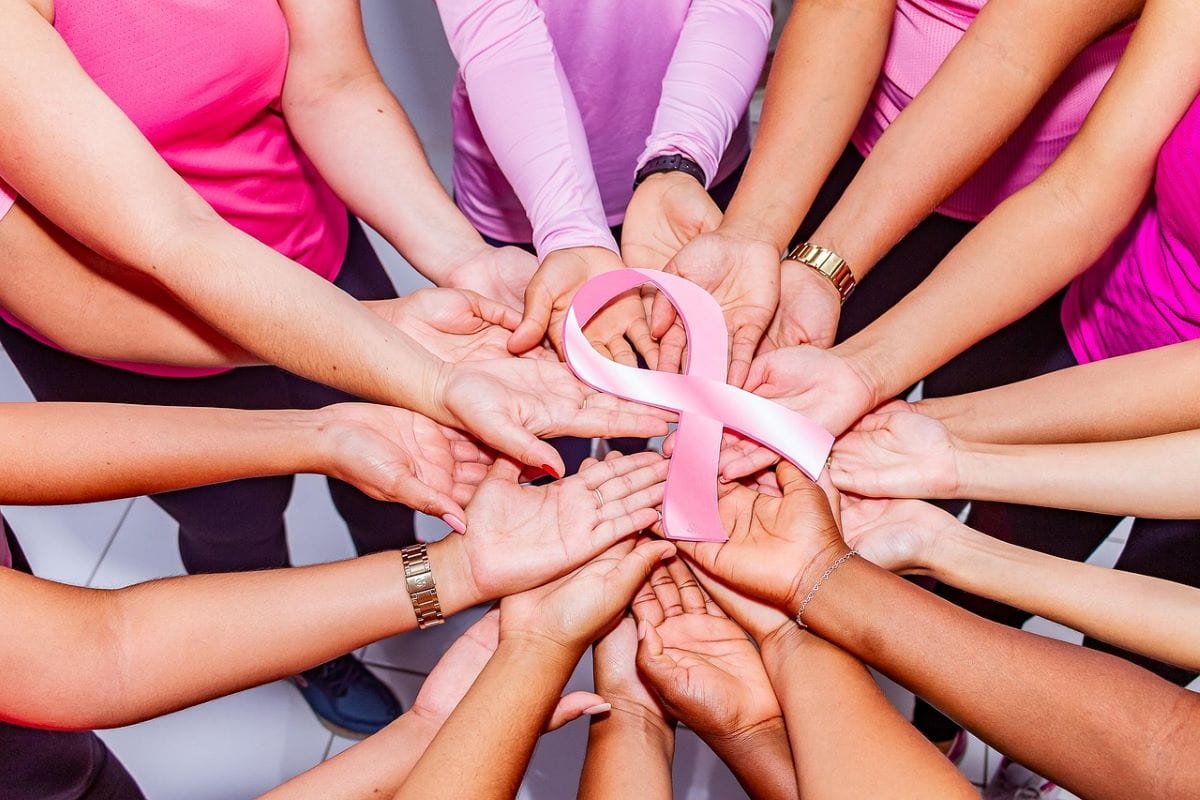
Finding the right tattoos for breast cancer can feel like discovering a new chapter—one that celebrates strength, honors healing, and turns a profoundly personal journey into something beautifully visible. From mastectomy tattoo designs that transform scars into art to subtle tattoos for breast cancer ideas that carry quiet meaning, these tattoos offer survivors a powerful way to reclaim confidence and express their story in ink. This guide opens the door to inspiring tattoos for breast cancer, thoughtful designs, and the emotional impact behind choosing artwork that reflects resilience in the fight against breast cancer.
What Makes Tattoos for Breast Cancer Meaningful?
Meaningful tattoos for breast cancer often reflect far more than a beautiful design. It marks a moment in time, honors a chapter of survival, and transforms an experience that reshaped the body and spirit. For many breast cancer survivors, a tattoo becomes a personal emblem—one that represents strength, hope, and the clarity that comes from navigating breast cancer with determination.
These designs often carry layers of symbolism. Some lean toward soft, floral themes, while others embrace bold imagery that speaks to courage. Incorporating elements like the pink ribbon or delicate linework can add emotional depth, but the meaning often comes from the story attached to the ink. It’s a way to reclaim space, shift focus away from breast cancer scars, and highlight the resilience that carried a woman through treatment.
Why these tattoos resonate so deeply:
- They honor the physical and emotional journey through breast cancer.
- They offer a symbolic “turning of the page” after surgery, radiation, or recovery.
- They create a sense of ownership and artistry over areas changed by cancer.
Tattoos for breast cancer ultimately reflect a survivor’s strength and story—one that’s lived, learned, and now beautifully expressed.
How Do Tattoos for Breast Cancer Help Women After Mastectomy or Breast Surgery?
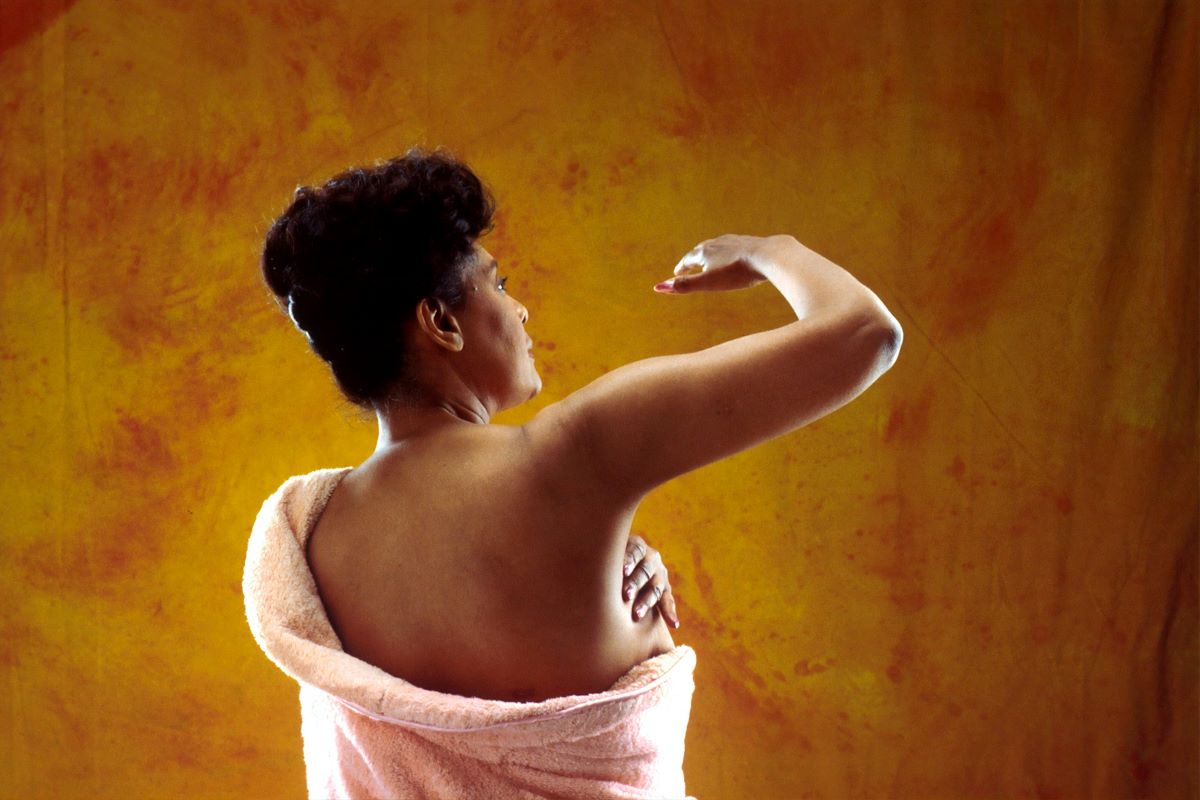
Tattoos after breast cancer can offer something many crave during recovery: a renewed sense of connection with their bodies. After mastectomy surgery, lumpectomy, or other forms of breast surgery, the changes left behind can feel overwhelming. A thoughtfully chosen tattoo becomes a creative way to redefine those areas—not by hiding the past, but by transforming it.
For many women, a mastectomy tattoo brings a sense of empowerment. Designs that highlight beauty, symmetry, or symbolism help shift attention away from surgical marks and toward something intentionally crafted. Instead of seeing a reminder of breast cancer treatment, survivors see artwork that celebrates strength and survival. It’s a powerful way to reclaim space, both emotionally and physically.
How tattoos support healing after breast cancer:
- They turn post-surgery areas into works of art and expressions with personal meaning.
- They help restore confidence during or after breast reconstruction.
- They offer a way to acknowledge the journey while focusing on what comes next.
These tattoos may not erase what happened, but they certainly help reshape the story—one stroke at a time.
Are Mastectomy Tattoos a Good Idea for Covering Scars?

Mastectomy tattoos have become a meaningful option for those looking to transform mastectomy scars into something visually striking and deeply personal. Instead of focusing on the marks left behind after breast cancer surgery, many choose artwork that brings new life, color, and intention to the area. The shift from scar to design can feel like a powerful reclaiming of the body.
These tattoos aren’t just decorative—they’re crafted with thoughtful placement and designs that work in harmony with the skin’s natural texture. Floral patterns, flowing shapes, or symbolic imagery can soften the appearance of mastectomy scars and create a sense of balance across the chest. A skilled tattoo artist who understands scar tissue can adapt tattoo inks, shading, and linework to ensure the artwork complements the area beautifully.
Why many consider mastectomy tattoos for scar coverage:
- They offer an artistic alternative to viewing scars as reminders of treatment.
- They can enhance confidence during everyday routines, from getting dressed to looking in the mirror.
- They create a personal narrative that reflects resilience rather than loss.
For many, the transformation feels less like covering something up and more like unveiling a new layer of identity—one shaped by strength and self-expression.
What Tattoo Ideas Symbolize the Breast Cancer Journey?
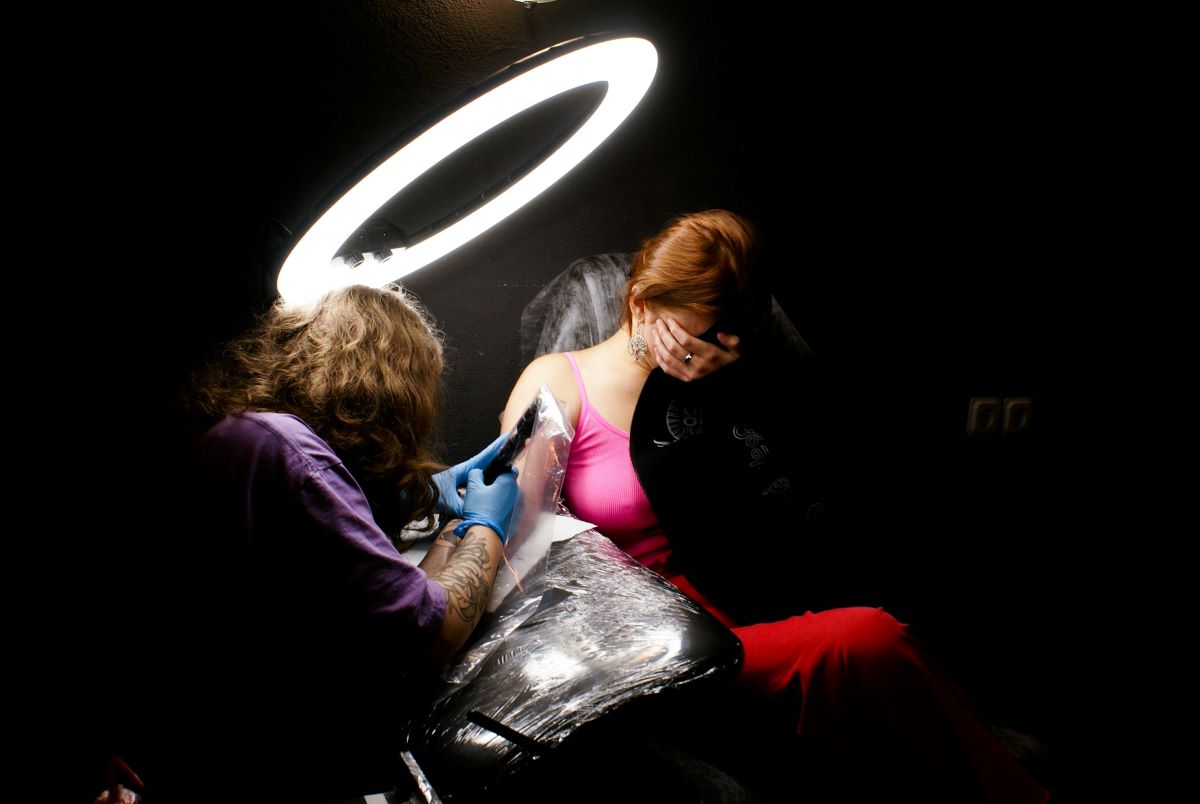
Many gravitate toward tattoos for breast cancer that capture the emotional arc of the breast cancer journey—from fear and uncertainty to strength, clarity, and renewal. Symbolic designs often become a visual shorthand for an experience that’s too big for words. The pink ribbon is a classic element, of course, but plenty of modern tattoo designs go beyond the expected. Soft florals, abstract shapes, watercolor effects, or even script with meaningful dates can tell a story that feels both intimate and empowering.
Another popular direction includes tattoos inspired by growth and transformation. Cherry blossom branches, butterflies, or gentle waves often symbolize change, resilience, and the beauty of moving forward. These designs work exceptionally well for those who want artwork that reflects how breast cancer reshaped their outlook, without focusing solely on the diagnosis.
Popular directions for meaningful tattoo ideas:
- Symbolic designs like pink ribbon–inspired linework or gentle watercolor tattoos
- Nature-inspired themes, such as cherry blossom motifs or vines to represent renewal
- Personal elements, including dates, phrases, or imagery, are tied to individual milestones
The most impactful tattoos for breast cancer ideas tend to blend personal history with visual symbolism—creating artwork that honors where someone has been and celebrates where they’re headed next.
Should You Get Tattoos Before or After Breast Reconstruction?
Timing can make a big difference when planning tattoos for breast cancer. Some wait until after breast reconstruction to ensure the design complements the final breast shape and the surrounding skin. This approach can make nipple or areola tattooing easier to integrate and reduce the risk of complications during healing.
Others choose to get a tattoo before reconstruction as a way to reclaim control over their bodies early in recovery. In these cases, careful planning with a skilled tattoo artist is essential. Tattoo color, placement, and pressure need to account for skin sensitivity following surgery, radiation treatments, or weeks of cancer therapy.

Considerations when deciding timing:
- After reconstruction, Tattoos can enhance symmetry and highlight artistic features over newly reconstructed areas.
- Before reconstruction: May help reclaim personal empowerment, but requires medical guidance and caution.
- Skin readiness: Consulting a healthcare professional ensures the tattoo won’t interfere with healing or compromise sensitive areas.
Whether before or after reconstruction, every tattoo is an opportunity to transform scars and surgical marks into artwork that tells a story of resilience and renewal.

How Do You Choose a Tattoo Studio and Tattoo Artist for Mastectomy Nipple Tattoo Work?
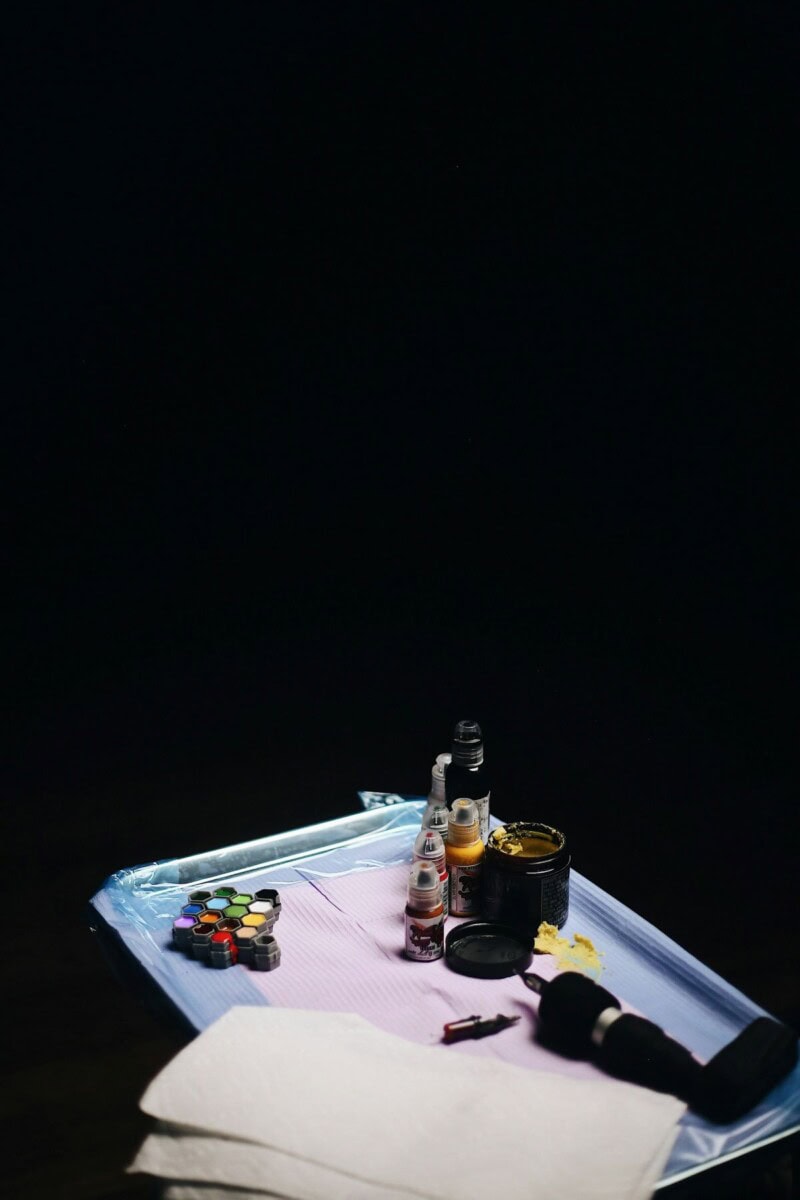
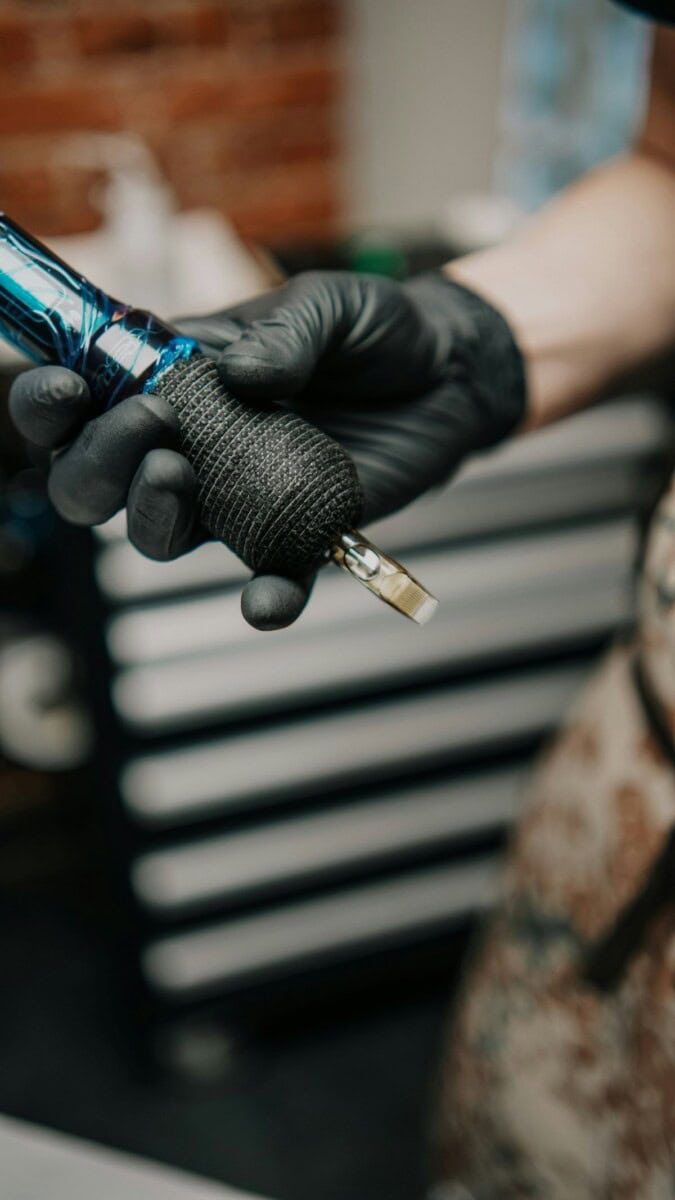
Choosing the right tattoo artist is one of the most critical steps in creating a mastectomy tattoo. Not every artist has experience working with scar tissue, sensitive skin, or the unique contours of a reconstructed breast. Finding someone skilled in this area ensures the design looks stunning while prioritizing comfort and safety.
A consultation is key to finding an artist. It’s time to discuss tattoo features, placement, color, and design ideas. Experienced tattoo artists often suggest modifications to standard designs, like soft shading over mastectomy scars or incorporating watercolor elements to enhance natural curves. This thoughtful approach can turn the tattoo into a piece of art that feels custom-made for the survivor.
Tips for finding the right artist:
- Look for tattoo studios with experience in mastectomy tattoos or medical tattooing.
- Review portfolios to see examples of scar cover-ups, nipple tattooing, or chest tattoos.
- Ask about tattoo inks, healing considerations, and how the artist works with sensitive skin.
The right artist can do more than design—they can help transform a survivor’s story into a visual masterpiece that celebrates strength, healing, and resilience.
What Are the Risks of Getting a Tattoo After Cancer Treatment?
Tattoos after breast cancer treatment can be empowering, but it’s essential to understand the risks before booking an appointment. Skin that has undergone surgery, radiation, or chemotherapy may be more sensitive, and scar tissue can react differently to ink. Being aware of potential complications helps ensure the tattooing process is safe, and the final result is beautiful.
The primary concern is infection, especially in areas affected by breast surgery or lymph node removal. Healing may take longer than usual, and the skin can be prone to irritation or unexpected fading. Consulting a healthcare professional before getting a tattoo is a smart step, particularly if treatments are recent or if radiation or the lymphatic system were involved.
Key risks to keep in mind:
- Increased sensitivity and delayed healing in areas affected by breast cancer treatment.
- Higher chance of infection or irritation on scar tissue or reconstructed skin.
- Potential for color changes or fading over time, especially in areas exposed to radiation.
Despite these risks, many choose tattoos because the emotional and symbolic benefits often outweigh the potential complications. With proper preparation, aftercare, and a skilled artist, tattoos after breast cancer can be both safe and meaningful.
Cherry Blossom and Pink Ribbon Tattoo Designs to Honor Survivors and the Fight Against Breast Cancer.

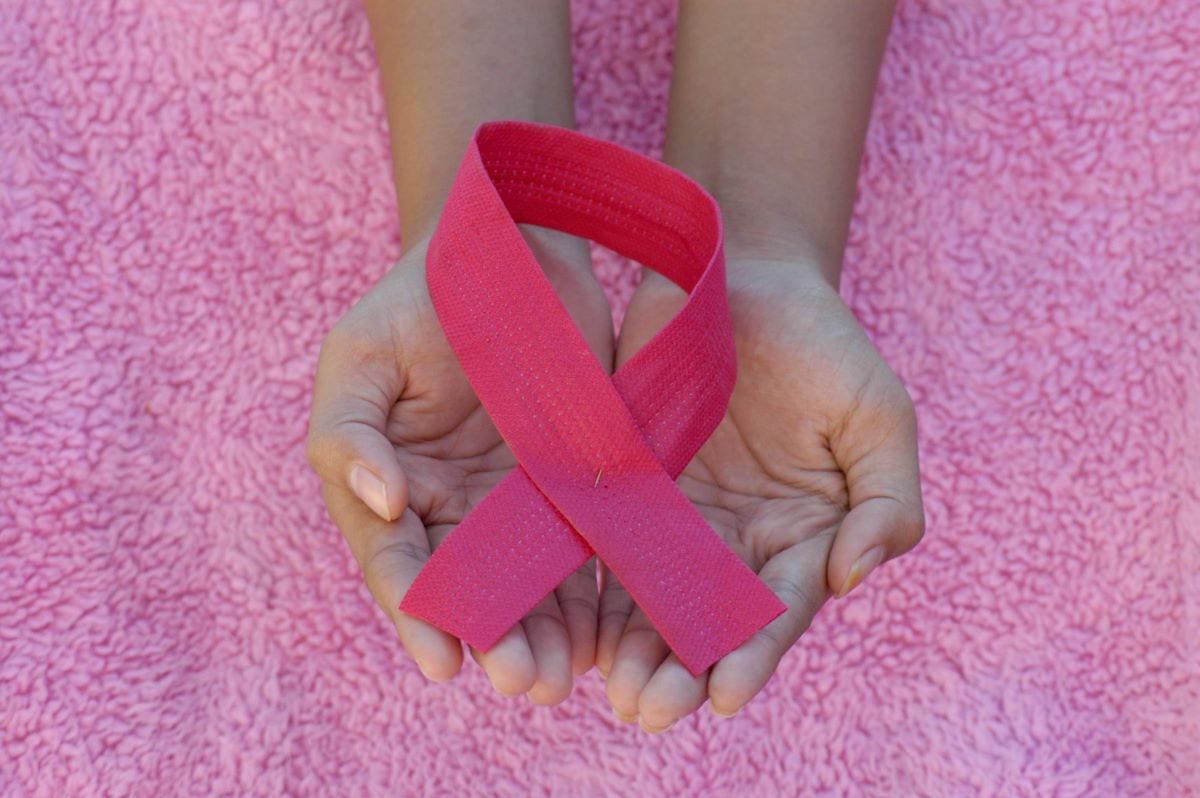
Tattoo designs for breast cancer survivors often go beyond aesthetics—they carry stories, symbolism, and a sense of triumph. Many women choose the pink ribbon, or breast cancer ribbon, as a nod to breast cancer awareness. In contrast, others embrace floral motifs such as cherry blossoms or watercolor tattoos to symbolize growth, healing, and renewal. Each design becomes a visual tribute to survival, courage, and the fight against breast cancer.
Some prefer tattoos that combine personal elements, such as dates of diagnosis or treatment milestones, with artistic touches that reflect resilience. Others create memorial or remembrance pieces to honor loved ones who supported them throughout the journey. Even subtle wrist tattoos or delicate linework can carry profound significance.
Popular designs for honoring survivors:
- Pink ribbon or breast cancer ribbon symbols for awareness.
- Floral or nature-inspired motifs, including cherry blossom and vine designs.
- Personal dates, phrases, or symbolic imagery reflecting milestones.
- Watercolor or traditional tattoo styles to convey individuality.
Whether bold or subtle, these tattoos celebrate the fight against breast cancer while creating a permanent reminder of strength, hope, and survival.
What to Expect at a Tattoo Appointment After Breast Surgery?
A tattoo appointment after breast surgery—whether following mastectomy, lumpectomy, reconstruction, or radiation—can feel a bit different from a standard tattoo session. The skin may respond differently: some areas might feel extra sensitive, while others may have reduced sensation. Scar tissue can be tougher, smoother, or uneven, and reconstructed areas may not behave the same way as natural skin. A skilled tattoo artist, especially one experienced in post-mastectomy or medical tattooing, will understand how to adapt their approach. They may adjust machine speed, depth, pressure, and timing to keep you comfortable while still creating a beautiful, lasting result.
Before any ink touches the skin, the consultation becomes an essential and empowering step. This is where survivors and artists talk through design ideas, placement options, color palettes, and desired symbolism. It’s also the moment to share important medical details—such as reconstruction type, lymph node removal, radiation history, or areas with numbness or tightness. These details help the artist assess how your skin might respond, how long the appointment should be, and whether multiple sessions may be needed. A thorough consultation sets realistic expectations and ensures the final piece aligns with your vision.
What to expect during the appointment:
- Discussion of scar tissue, breast reconstruction, and sensitive or numb areas
- Adjustments in ink, shading, pacing, and techniques to support safe, even healing
- Open communication about comfort levels throughout the session
- Guidance on aftercare and how to support the tattoo while it’s healing
- Potential planning for additional touch-ups or future sessions if needed
Approaching the appointment with preparation, openness, and collaboration helps create a confident, empowered experience. A post-surgery tattoo session is far more than a routine appointment—it’s an act of reclaiming space, celebrating survival, and transforming the body into a canvas of personal meaning and resilience.
How to Care for Your Tattoo When It’s Healing?
PProper aftercare plays a major role in how well a tattoo heals—especially when the skin has already been through breast cancer surgeries or treatments. Healing tattoos on areas affected by mastectomy, lumpectomy, or radiation can require extra care since the skin may be more delicate, reactive, or slow to regenerate. Following your tattoo artist’s instructions carefully ensures the design heals cleanly, retains its brightness, and remains a meaningful part of your journey. Aftercare isn’t only about maintaining the ink; it’s also about respecting your skin and everything it has overcome.
During the first few days and weeks, gentle care is crucial. Cleaning the tattoo with mild soap helps prevent infection, while light moisturizing keeps the skin from becoming overly dry or irritated. Avoiding sun exposure and wearing soft, breathable clothing can significantly reduce irritation, especially around sensitive surgical sites. The healing process can vary from person to person, so tuning into how your skin feels—tightness, warmth, or unusual redness—helps you address potential issues early.
Aftercare tips for tattoos post-breast surgery:
- Wash gently with mild soap and lukewarm water, then pat dry to reduce the risk of infection.
- Apply a thin layer of recommended ointment or moisturizer to keep the skin hydrated without clogging pores.
- Avoid sun exposure, swimming, hot tubs, and friction on the tattooed area until fully healed.
- Wear soft, loose-fitting clothing to prevent rubbing and irritation.
- Monitor healing progress and reach out to your tattoo professional or healthcare provider if concerns arise.
Following these steps helps protect your health and ensures the tattoo heals beautifully. With the right care, your tattoo becomes more than artwork—it becomes a long-lasting symbol of strength, healing, and the powerful journey of survivorship.


Tattoos After Breast Cancer
Tattoos to commemorate breast cancer are more than body art—they’re a celebration of resilience, survival, and personal transformation. Whether covering mastectomy scars, commemorating milestones, or simply expressing individuality, these tattoos offer survivors a way to reclaim confidence and honor their journey.
Most important things to remember:
- Double mastectomy scar cover-up tattoos can turn these areas into meaningful art.
- Timing matters: consider whether to get a tattoo before or after breast reconstruction.
- Choosing an experienced tattoo artist ensures safe, beautiful results.
- Designs can incorporate the pink ribbons, cherry blossoms, watercolor tattoos, or personal symbols.
- Proper aftercare advice and instructions will support healing, reduce risks, and protect the tattoo’s integrity.
- Every tattoo tells a story—one of strength, hope, and the fight against breast cancer.
With the right design, timing, and care, tattoos for breast cancer become more than ink—they become a permanent symbol of courage, healing, and self-expression.
You might also be interested in…
What do you need to know about breast cancer? Read Fasts about Breast Cancer All Women Should Know.
CONNECT WITH DAILY MOM
💖 NEWSLETTER: DAILY READS IN YOUR INBOX 💖
Sign up to receive our picks for the best things to do, see and buy so you can relax and focus on more important tasks! Let us help you be the best version of yourself you can be!
BE SOCIAL WITH US
📌 LOVE IT? PIN IT!📌