
































Developing Allergies During Pregnancy and Post Birth
Many women are surprised to notice changes in how their body handles sensitivities during the pregnancy and postpartum periods, especially when discomfort feels new or stronger than before. Many postpartum women notice their bodies responding differently to things that never caused problems before, which can feel confusing when you’re already adjusting to so many changes. Even moms who never had allergies can suddenly feel reactive to things that were harmless before.
Shifts in your system after pregnancy and childbirth can make you more aware of irritants, and certain exposures can cause postpartum allergies to appear for the first time. Some moms discover they suddenly feel itchy after being around something that never bothered them, while others notice they’re reacting to an allergen that was part of their routine for years. These changes can happen because your immune response adjusts during recovery, and that shift can lead to food sensitivities or environmental issues that weren’t noticeable before.
Seasonal Allergies, Winter Allergies, and Pollen Triggers
Symptom patterns can shift once hormones settle, especially during allergy season. This can make it harder to tell if it’s a cold, dryness, or irritation from something outside. Some things tend to make symptoms flare more intensely.
- Cold-weather air can dry out your skin and make itching more noticeable during winter allergies
- High-pollen days often feel stronger postpartum, especially if you never had sensitivities before
- Common triggers outdoors like grass, trees, and flowers may cause an allergic response that feels new
These changes usually don’t mean anything serious and often improve as your body settles.
Asthma, Eczema, and Allergic Rhinitis in New Moms
Hormone shifts, changes in sleep, and general stress can make symptoms connected to asthma and allergies feel more noticeable. Some women also see eczema patches become more irritated or rhinitis showing up during simple routines, even when nothing has changed around them.
- Tracking small changes helps you notice whether symptoms worsen during pregnancy recovery or appear weeks postpartum
- Watching for patterns around common allergens can make it easier to understand what might be triggering symptoms
- Asking for guidance from an allergy specialist can give clarity when you’re unsure whether discomfort connects to existing allergies
These shifts can feel unsettling, but many new moms experience similar patterns as their body adapts. With the right support, symptoms often settle or become easier to manage.
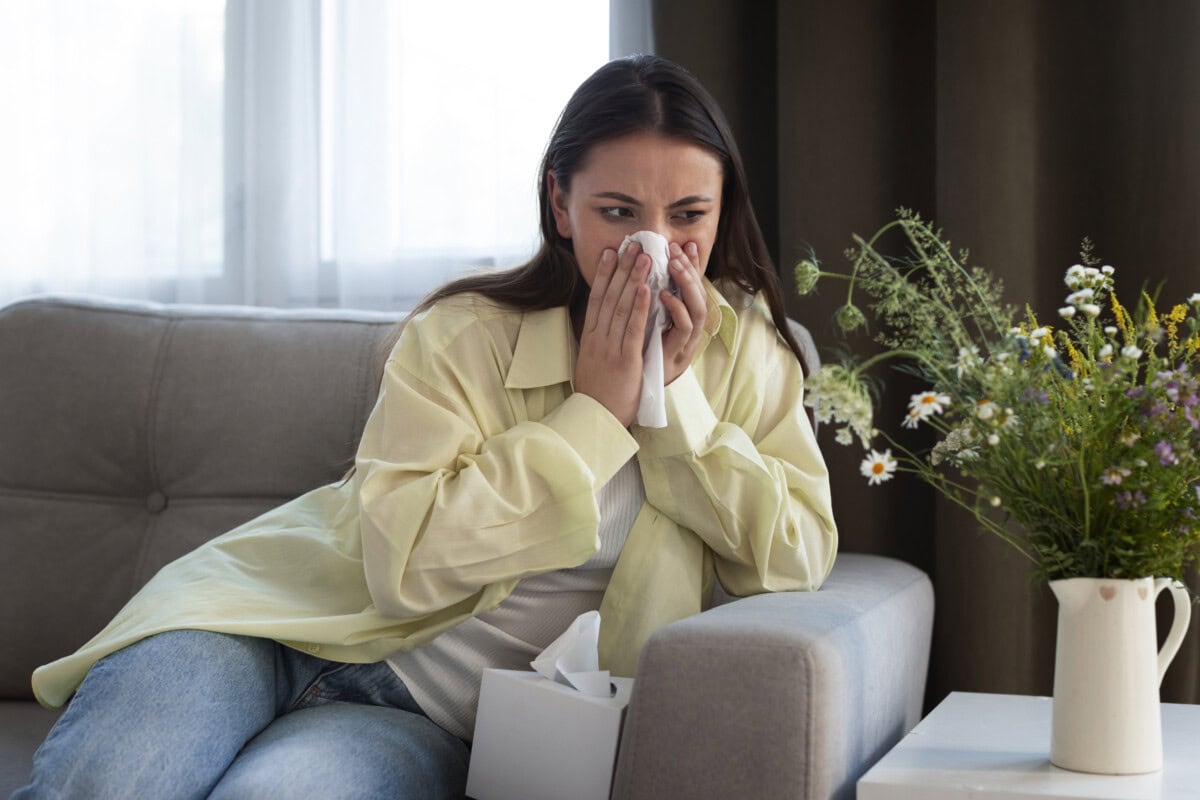
Symptoms of Postpartum Allergic Diseases
Some issues during this time are due to pregnancy shifts that continue while your system recalibrates. Others may feel connected to allergy triggers you already knew about, but the response itself may be stronger or show up faster than it used to. These changes can range from mild irritation to signs of a more severe allergy, which is why listening to your body becomes so important during pregnancy and breastfeeding.
Your allergy risk can also change temporarily as your immune system settles, which explains why some moms respond differently to a new food or develop sensitivities that weren’t there before. While this can feel unsettling, many symptoms improve as your hormones level out and your routine becomes steadier.
Common Hormonal Changes and Allergy Symptoms During Pregnancy
Shifts in your hormone levels during pregnancy can influence how your body reacts to certain things, and the effects sometimes continue months or years after birth. These changes may lead to food intolerance or make you feel more intolerant of certain products, scents, or meals that never bothered you before. Some reactions even resemble a common allergy you might normally expect during certain seasons, only they show up at times you wouldn’t anticipate.
- Sudden sensitivity to food allergens like gluten, egg, or lactose can show up unexpectedly
- Irritation from everyday sources may feel more intense if symptoms appear due to pregnancy shifts
- Watching your body closely can help you decide when to seek an allergy diagnosis if symptoms increase

These changes often improve as your hormones settle, but staying aware of these signals can help you feel more in control while your system adjusts.
Food Allergies, Milk Allergy, and Breastfeeding Mothers
Food-related sensitivities can feel a little more confusing during the early months after birth, especially when you’re trying to figure out what’s affecting you and what’s affecting your baby. Some moms notice allergies postpartum that weren’t there before, while others feel familiar symptoms come and go in ways they didn’t expect. These shifts can happen because your body is still adjusting, and some reactions may feel stronger depending on your diet during pregnancy or how things change as you recover.
It also helps to remember that nursing can sometimes highlight sensitivities on both sides. Moms may respond to certain ingredients more easily, and little ones can show signs of discomfort if they’re sensitive to something that passes through their parent’s system. This doesn’t always mean a severe allergic reaction is coming; sometimes it’s simply your body still adapting. Many women find that managing allergies becomes easier with time, especially once they learn which meals feel gentle on their body and which ones seem to stir up discomfort.
Breast Milk Allergy and Infant Feeding
Some babies show signs of sensitivity early, which can make mealtime feel more stressful than it needs to be. Tummy discomfort, fussiness, or skin irritation can sometimes point toward something like a milk protein allergy, peanut allergy, or another issue commonly seen in allergies in children. These signs can look surprising, especially when you’re still adjusting to life with a newborn.
- Watching for patterns makes it easier to see whether food allergies in children run in the family or show up more randomly
- Checking ingredients carefully helps you understand if food allergens could be affecting your baby through your diet
- Asking for guidance from your pediatrician can offer reassurance when you’re unsure which responses are considered safe or which ones need a closer look
Most concerns improve as you learn what works best for your baby. If something still feels off, touching base with a provider can make the whole process feel more manageable.

Recognizing an Allergic Reaction and Symptoms to Watch
It can be unsettling when your body acts in ways that feel unfamiliar, especially when the days already feel busy and unpredictable. Many moms notice shifts in how their body responds to common things after birth, and understanding early signs can make the whole experience feel less overwhelming. Some symptoms appear gently at first, while others appear with an sudden onset, which is why paying attention to small changes can help you feel more in control.
These issues don’t always point toward something serious, but knowing what’s normal for you helps you catch patterns early. It can also reduce the risk of developing allergies that go unnoticed simply because postpartum life is so full. Most moms find that once they know what to look for, managing discomfort becomes much easier.
Causes of Postpartum Hives and Other Skin Reaction Issues
Skin irritation is surprisingly common during this stage of life. Many women experience redness or raised patches that seem to appear without warning. These changes can cause an allergic flare-up to feel stronger than expected, especially when your system is still adjusting.
- Changes in hormone levels can make your skin more reactive, especially when allergy and asthma concerns run in your family
- Environmental irritants can feel stronger if your body is adjusting differently than it did during pregnancy
- Everyday products like soaps or detergents may bother sensitive skin until your system settles
Most of these problems improve over time. Still, staying aware of what seems to cause flare-ups can help alleviate allergy symptoms before they escalate.
Medical Treatment for Postpartum Hives and Related Allergic Responses
It helps to know what options are available when symptoms feel persistent or uncomfortable. Many moms find relief with an antihistamine that is considered safe to use during pregnancy or the months after birth, though it’s always best to double-check with your provider first. Some providers also recommend certain allergy medications when discomfort is more stubborn, especially if they believe the pattern may continue.
- Talking to a provider you trust familiar with allergy and asthma conditions can help you understand what’s typical and what needs more attention
- Reviewing information from reliable groups like the asthma network or research referenced in j allergy clin immunol can offer reassurance
- Asking questions about your situation can help you understand your allergy risk and which treatments may fit your needs
These concerns typically improve once the right plan is in place. Reaching out for guidance helps you feel more confident about what steps to take next.

Allergy Medications and Treatments Safe for New Moms
Finding relief from symptoms can feel more complicated when you’re caring for a newborn, especially if you’re breastfeeding or still recovering. The good news is that many treatment options are designed with new moms in mind, and most women can manage discomfort safely with the right support. The key is understanding what fits your situation and what brings you the most comfort on busy days. With the right guidance, you can ease symptoms without feeling like you’re choosing between your own wellbeing and your feeding goals.
Many moms find that once they understand their options, managing flare-ups becomes much less stressful. A simple conversation with your provider can help you narrow down what will work best, and it also gives you a clear plan to fall back on when symptoms show up unexpectedly.
Allergy Medicine Safe While Breastfeeding
It’s natural to worry about what’s safe to take while nursing, especially when symptoms feel persistent. Many options are available that work gently without disrupting your routine. A provider can help you choose medications that match your needs and align with your comfort level.
Things that can help you choose confidently
- Asking for guidance helps you feel more sure about which medicines fit your situation
- Starting with milder options gives you a chance to see how your body responds before trying anything stronger
- Checking in regularly with your provider helps you adjust if symptoms change or become more frequent
With the right support, most moms find a combination that eases discomfort while keeping their plans intact.
Allergy Shots and Developing a Long-Term Postpartum Allergy Plan
It may be best to consider longer-term options when symptoms come back often or feel disruptive. Allergy shots can be a helpful choice for those who want a steady solution, especially when issues become a regular part of life after birth. These treatments work gradually and are typically adjusted to fit your schedule so you can balance them with home and family life. There are some things to consider if you feel like long-term support would work best for you.
- Evaluating your symptoms helps you decide whether occasional medicine or a more structured plan makes sense
- Asking about timing lets you understand how treatments fit into your routine, especially if you’re juggling recovery and daily tasks
- Learning about long-term options helps you feel more confident about managing symptoms in a way that supports your whole family
Developing a plan that fits your needs can make allergy management feel far more manageable, even on the busiest days.
You might also be interested in…
Struggling with postpartum meals? Check out these simple and nutritious ideas to keep you going on busy days.
CONNECT WITH DAILY MOM
💖 NEWSLETTER: DAILY READS IN YOUR INBOX 💖

Sign up to receive our picks for the best things to do, see and buy so you can relax and focus on more important tasks! Let us help you be the best version of yourself you can be!
BE SOCIAL WITH US
📌 LOVE IT? PIN IT!📌