























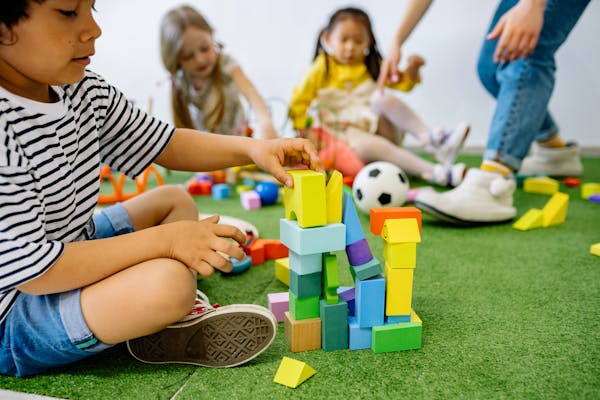
Toy organization and storage can feel like an endless struggle. One minute, everything is neatly tucked away, and the next, a whirlwind of tiny figurines, stuffed animals, and puzzle pieces has taken over the living room. It’s no secret that keeping toys organized is a challenge, but finding a system that works can make life easier for both parents and kids.
The never-ending battle against toy clutter
Somehow, toys multiply overnight. One day, there’s just a manageable set of blocks and dolls, and the next, every surface is covered with board games, tiny cars, and plastic dinosaurs. It happens fast, and before long, those cute toy baskets overflow, and a full-scale disaster zone emerges in the playroom.
The struggle isn’t just about keeping things tidy. It’s about reclaiming livable space while ensuring kids can find and enjoy their toys. A system that keeps everything in its place without requiring a full-scale cleanup operation every evening is the dream, but getting there takes some strategy.
The real question is: How do we organize kids’ toys without losing our minds? The best solutions don’t require a daily battle; they work with how kids naturally play. The proper setup can turn toy chaos into a manageable, clutter-free system, from smart storage bins to shelving that makes sense.
Understanding the Toy Clutter Dilemma
Toys have a sneaky way of taking over every available surface. It starts with a few cherished stuffed animals in the playroom, then suddenly there are board games in the family room, LEGO pieces scattered across the floor, and random toys tucked into every corner of the house. It’s not just about space, it’s about keeping order while ensuring kids can still enjoy their playthings without frustration.
Clutter doesn’t just make a home chaotic; it can also affect daily routines. Stepping over plastic bins filled with tiny cars or searching for lost puzzle pieces can slow down an already busy schedule. More importantly, excessive toy clutter can overwhelm children, making it harder for them to focus on play. A well-organized storage system can help eliminate mess while creating a functional space that encourages creativity and responsibility.
Beyond keeping the floors clear, an effective toy organization system teaches kids to take ownership of their things. Kids learn to return items after play when toys are stored in designated spots, whether inside storage bags, baskets, or built-in shelving. This not only keeps the house tidy but also fosters independence. With a little strategy and some storage solutions, keeping toys in check doesn’t have to be a never-ending battle.
Storage Solutions That Make a Difference
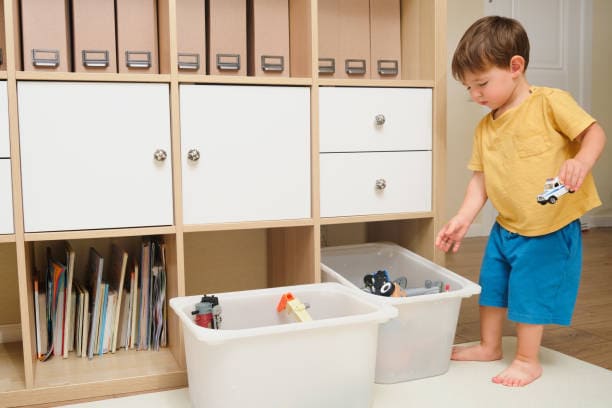
Not all toy storage is created equal. Some setups make cleanup effortless, while others turn a simple task into an uphill battle. The key is choosing storage solutions that work with the natural flow of play, keeping toys visible, accessible, and easy to put away.
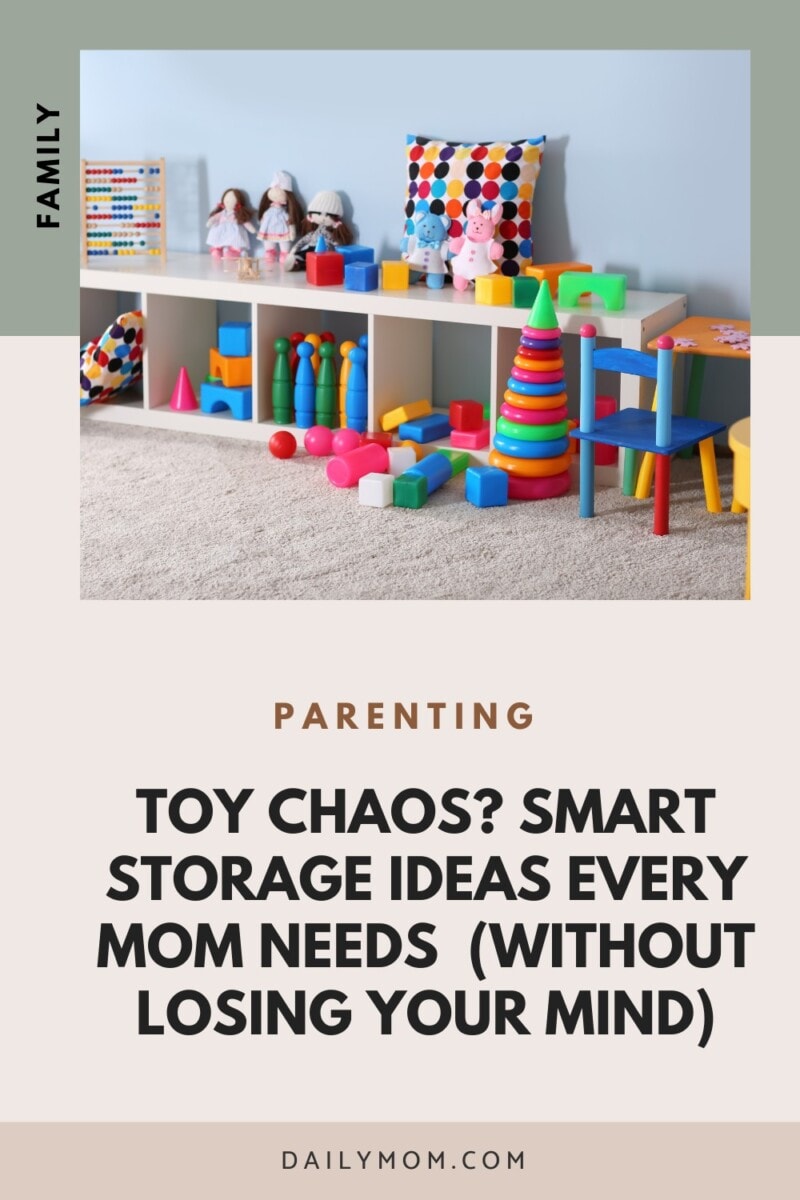
Clear bins, shelves, and storage bins make a massive difference in keeping toys inside designated spaces. Storage bins with removable compartments allow quick sorting, especially for smaller toys like LEGO pieces and puzzle sets. Shelves create vertical storage, maximizing space in a small playroom while making favorite toys easy to reach. When the day is done, organizing baskets are great for tossing in stuffed animals, board games, or dress-up clothes.
There’s also the choice between integrated storage and freestanding storage units. Built-in shelves or toy organizers blend seamlessly into a room, creating a structured system that doesn’t look out of place. On the other hand, freestanding storage gives flexibility, and units can move as needed, adapting to changing toy collections. No matter the approach, the best toy storage ideas revolve around keeping clutter manageable while ensuring kids can access what they need effortlessly.
Innovative Strategies for Toy Organization
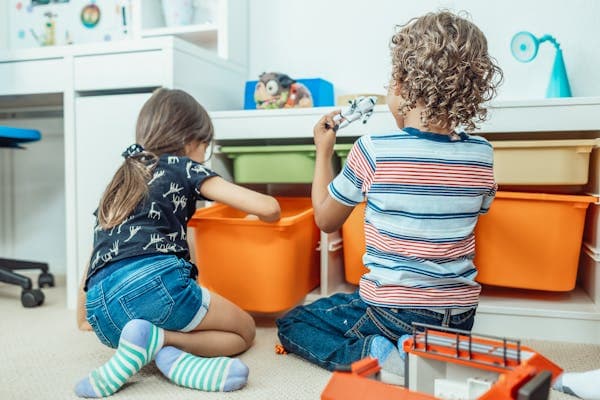
Once the proper containers and shelves are in place, the next step is creating a system that works for a day or two and the long haul. This means organizing toys in a way that’s easy to maintain and makes sense for how your kids play. And yes, organizing toys without spending hours each week resetting the play area is possible.
Start by sorting toys into categories. This helps reduce the chaos and keeps smaller toys from getting buried under the big stuff. Use separate bins or drawers for board games, baby toys, wooden toys, building blocks, dress-up clothes, and craft supplies. For tiny toys like doll accessories or LEGO bricks, plastic drawers or stackable containers with dividers can be a total game changer.
One underrated but brilliant method is a toy rotation system. This involves keeping some toys in active use while storing the rest in clear bins or storage bags out of sight. Every couple of weeks, swap them out. Not only does this keep your home from being overrun with too many toys, but it also makes the toys feel new and exciting again. It’s invaluable if your child has a lot of open-ended toys; rotating options can help them focus and spark more creative play.
Let’s not forget accessibility. Using bins low to the ground or open shelves makes it easier for kids to access what they want and, more importantly, return it to the right place. The easier it is to find things, the more likely they are to keep things in order (with some encouragement). When kids can see what’s available and access what they need without help, they become more independent, and that’s a win for everyone.
Creating Order in Different Spaces
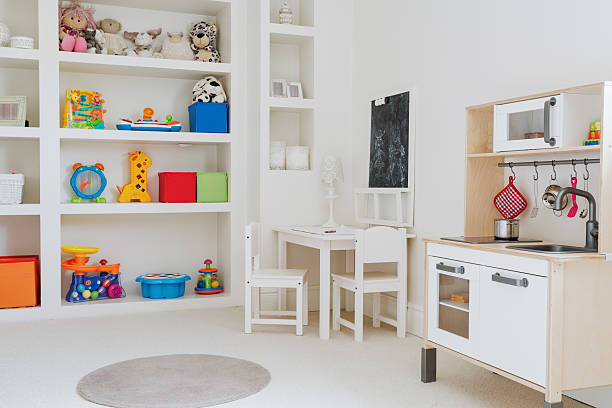
Every room serves a different purpose, and toy storage should adapt accordingly. A playroom needs open-ended toy solutions that encourage creativity, while a living area requires storage that blends seamlessly into the décor. On the other hand, small spaces demand bright storage ideas to maximize every inch.
Playroom storage ideas
- Shelving units create vertical storage, keeping toys off the floor.
- Storage bins make cleanup simple while adding an organized look.
- Open-ended toy solutions allow kids to access their favorite toys easily.
- Built-in storage keeps clutter out of sight while maximizing space.
Toy organization in living areas: blending storage seamlessly into decor
- Multifunctional furniture doubles as storage, like ottomans with hidden compartments.
- Stylish storage containers keep toys inside decorative containers.
- Clear bins help maintain order while ensuring toys remain accessible.
- Bookshelves can hold both board games and favorite toys.
Small-space toy storage solutions that maximize limited room
- Under-the-bed storage is perfect for stashing dress-up clothes or tiny toys.
- Hanging organizers create storage space on walls or doors.
- Stackable bins make use of vertical space while keeping toys sorted.
- Collapsible storage bags offer flexible solutions that can be tucked away when not in use.
The best toy storage ideas blend functionality with aesthetics, ensuring each space remains tidy without sacrificing accessibility. The correct setup means kids can enjoy playtime without parents constantly battling clutter.
Maintaining an Organized System
Setting up a sound system is one thing; keeping it going is magic. Toy organization isn’t a one-time fix; it’s a habit, and like most habits, the easier it is to follow, the more likely it’ll stick. The trick is to create a rhythm that fits into your family’s everyday life. That means simple routines, flexible storage, and involving the kids in a way that doesn’t feel like a chore (for anyone).
Start by making sure every toy has a home. Whether it’s a storage bin for art supplies, a drawer for tiny toys, or a basket for board games, having clear spots for each category keeps toys from spreading like wildfire. Label everything, use words, pictures, or both, depending on your child’s age. The more obvious it is where something goes, the faster the cleanup happens. Over time, these little routines start to stick, and even toddlers can learn where the toys belong.
Tips to keep toys in their place:
- Do a quick 10-minute tidy-up before dinner or bedtime.
- Use labels or icons on storage baskets so kids can match toys to the correct bin.
- Keep storage low to the ground so kids can access and return toys independently.
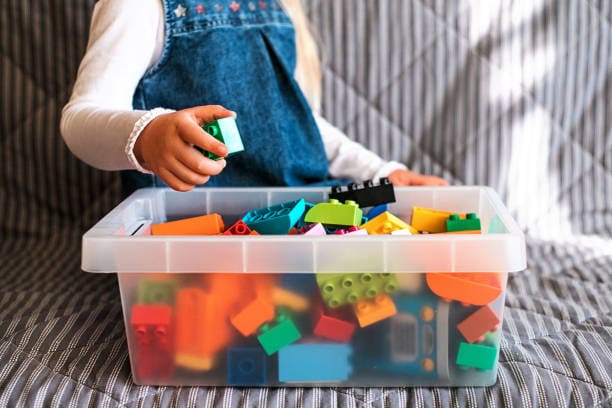
- Store toys with lots of pieces in clear bins with lids — puzzle pieces, LEGO sets, small figurines.
- Rotate toys monthly to keep play fresh and cut down on visible clutter.
Involving kids in the process is key to long-term success. Let them help choose where their favorite toys go; they’ll be more invested in organizing things. Toddlers might love dropping toys into a labeled bin, while older kids can manage drawer systems or storage bags for collections like Hot Wheels or craft supplies. Not only does this help maintain your storage system, but it also builds responsibility and ownership, a big parenting win.
Finally, remember to adapt your system as kids grow. What worked for baby toys won’t cut it once action figures, board games, and LEGO kits enter the scene. Stay flexible, reevaluate every few months, and don’t be afraid to swap out a bookshelf for a bigger unit or repurpose a storage bench to hold larger toys. The best toy storage systems grow with your family and help keep your home peaceful, even on the messiest days.
Simple Strategies for Keeping Toys in Check
Toy clutter sneaks up on even the most organized homes. One minute, the living space feels under control, and the next, it’s covered in stuffed animals, board games, and LEGO pieces that appear out of thin air. But here’s the good news: organizing toys doesn’t have to be a massive, stressful overhaul. It’s about creating systems that are easy to follow, maintain, and flexible enough to grow with your kids.
The best toy storage ideas aren’t necessarily the most expensive or the prettiest. They’re the ones that fit into your family’s daily flow. A few clear bins, labeled baskets, and smart shelves can make a big difference in your space’s functions. Whether it’s a full-on playroom or just a corner of your living room, great toy storage can help keep things looking tidy and encourage kids to take ownership of their space.
Most importantly, letting go of the idea that everything needs to be perfect is key. Some days, the toys will still end up all over the floor, and that’s okay. But with the right storage tools and a consistent routine, those messes won’t feel overwhelming. Instead, they’ll feel manageable, like just another part of the day that you’ve already planned for.
Quick Takeaways for Sanity-Saving Toy Organization:
- Start small — clear out what you don’t need before organizing what’s left.
- Use clear bins, labeled baskets, and shelves for easy access and cleanup.
- Sort toys by type (baby toys, LEGO, board games, dress-up clothes) to avoid mix-ups.
- Keep storage low so kids can grab and return toys without help.
- Rotate toys regularly to limit clutter and keep things interesting.
- Adjust your system as kids grow and their interests change.
- Involve kids in the cleanup — it teaches responsibility and helps the system stick.
- Make it livable — storage doesn’t have to be perfect, it just has to work for your home.
Introducing a few innovative toy organizing strategies makes it possible to enjoy a cleaner, calmer home without stepping on a LEGO every other day. And that? That’s a parenting win.
FAQs
Q: What are the best toy storage ideas for a small playroom?
A: For small playrooms, maximizing vertical space is key. Consider wall-mounted shelves, stackable storage bins, and multi-functional furniture. Fabric bins work wonderfully as they’re lightweight, collapsible when not in use, and can be easily labeled. IKEA’s Kallax shelving units are particularly popular as they provide cubby spaces perfect for organizing different types of toys. Remember that limiting the number of toys through a toy rotation system in a small living room or playroom can significantly reduce clutter while still giving children access to engaging play options.
Q: How do I choose the correct storage bin for different toys?
A: Select storage bins based on the type of toy and frequency of use. For frequently used toys, opt for open storage bins that children can easily access and clean up themselves. Clear bins are ideal for building blocks or small toys, as kids can see what’s inside without dumping everything out. For toys with many pieces, like LEGO sets, use bins with dividers or smaller containers inside. Fabric bins work well for soft toys and dress-up clothes, while plastic bins with secure lids are best for seasonal or rotating toys. Consider the weight of toys—heavier items should go in sturdier bins placed on the floor or lower shelves.
Q: What’s the best way to organize LEGO and other small toys?
A: LEGO storage can be challenging due to the many small pieces. Consider specialized LEGO storage solutions like sorting trays, stackable drawers, or play mats that double as storage bags. For efficient organization, sort pieces by color, size, or set depending on how your kids play with them. Clear plastic containers with dividers work well for other small toys, especially for collections like toy cars or figurines. Tackle boxes or craft organizers can also be repurposed for tiny accessories. Always keep small toys out of reach of babies or toddlers who might put them in their mouths.
Q: How can I set up a toy rotation system?
A: A toy rotation system helps manage the number of toys available simultaneously, reducing overwhelming and renewing interest in old toys. Start by sorting toys into categories (building, creative, imaginative play, etc.). Then divide each category into storage bins or baskets, keeping only 25-30% of toys accessible anytime. Store the rest in labeled storage bags or containers in a closet, basement, or under-bed storage. Rotate by putting away current toys and bringing out “new” ones every few weeks. This system works particularly well for open-ended toys as they can be combined differently during each rotation.
Q: What are the best shelves or bookcases for toy storage?
A: Open shelving units or bookcases with adjustable shelves offer the most versatility for toy storage. Look for sturdy construction that can handle the weight of toys and consider the height; lower shelves should be accessible to children while higher ones can store items that need adult supervision. Cube shelves are particularly effective as they create natural dividers for different categories of toys. A bookshelf with deeper shelves can accommodate larger toys and baskets while displaying board games, puzzles, and children’s books. Always anchor furniture to the wall for safety, especially in children’s play areas.
Q: How do I organize toys in a drawer system?
A: Drawer systems offer concealed storage that keeps playrooms looking tidy. Start by categorizing toys and assigning specific drawers for each category. Use drawer dividers or small containers within larger drawers to separate items like art supplies or tiny collectibles. Label drawers with pictures and words so kids can easily find and return items. Rolling carts with drawers are excellent for art supplies or LEGO, as they can be moved to different play areas. For baby toys and items that need frequent sanitizing, choose easy-to-remove and clean drawers. Deep drawers work well for larger toys, while shallow ones are best for puzzles and board games.
Q: What’s the best way to store dress-up clothes and costumes?
A: Dress-up clothes require special storage consideration due to their varied sizes and textures. A dedicated dress-up station with a child-height rod for hanging items works wonderfully. Alternatively, use hooks mounted at child height on a wall or behind a door. Clear bins with dividers keep everything visible and organized for accessories like crowns, wands, and jewelry. A storage basket for shoes and larger accessories can sit near the dress-up area. For collections that won’t all fit in the play space, implement a rotation system, switching out seasonal costumes or less frequently used items. Consider fabric storage bags for long-term storage to protect special costumes from dust.
Q: How can I incorporate built-in toy storage in a child’s room?
A: Integrated storage offers a seamless, space-efficient solution for keeping toys inside a child’s bedroom. Consider window seats with storage underneath, bed frames with drawers, or custom shelving units built into alcoves. For smaller rooms, leverage vertical space with floor-to-ceiling shelving. Inbuilt storage can be designed to grow with your child, lower cubbies for toys now can later store books or hobby supplies. If custom-built-ins aren’t an option, look for furniture that mimics built-ins, such as bookshelves that attach to the wall or modular systems that can be configured to fit your space. The key advantage of built-in storage is that it maximizes every inch of available space while maintaining a tidy appearance.
Q: How can I organize board games and puzzles effectively?
A: Board games and puzzles present unique storage challenges due to their typically bulky boxes. For board games, consider removing them from original packaging and storing game boards flat in large drawers or bins, with playing pieces in labeled ziplock bags or small containers. Puzzle pieces can be stored in ziplock bags, and a picture of the completed puzzle is attached. Alternatively, keep puzzles in their original boxes but reinforce corners with clear packing tape to extend their life. A dedicated bookshelf with adjustable shelves works well for storing games and puzzles in their original packaging. For children’s access, store frequently used games on lower shelves and reserve higher shelves for games that require adult supervision.
You might also be interested in…
Need to know more about organizing your playroom? Check this out.
CONNECT WITH DAILY MOM
💖 NEWSLETTER: DAILY READS IN YOUR INBOX 💖
Sign up to receive our picks for the best things to do, see and buy so you can relax and focus on more important tasks! Let us help you be the best version of yourself you can be!
BE SOCIAL WITH US
📌 LOVE IT? PIN IT!📌