


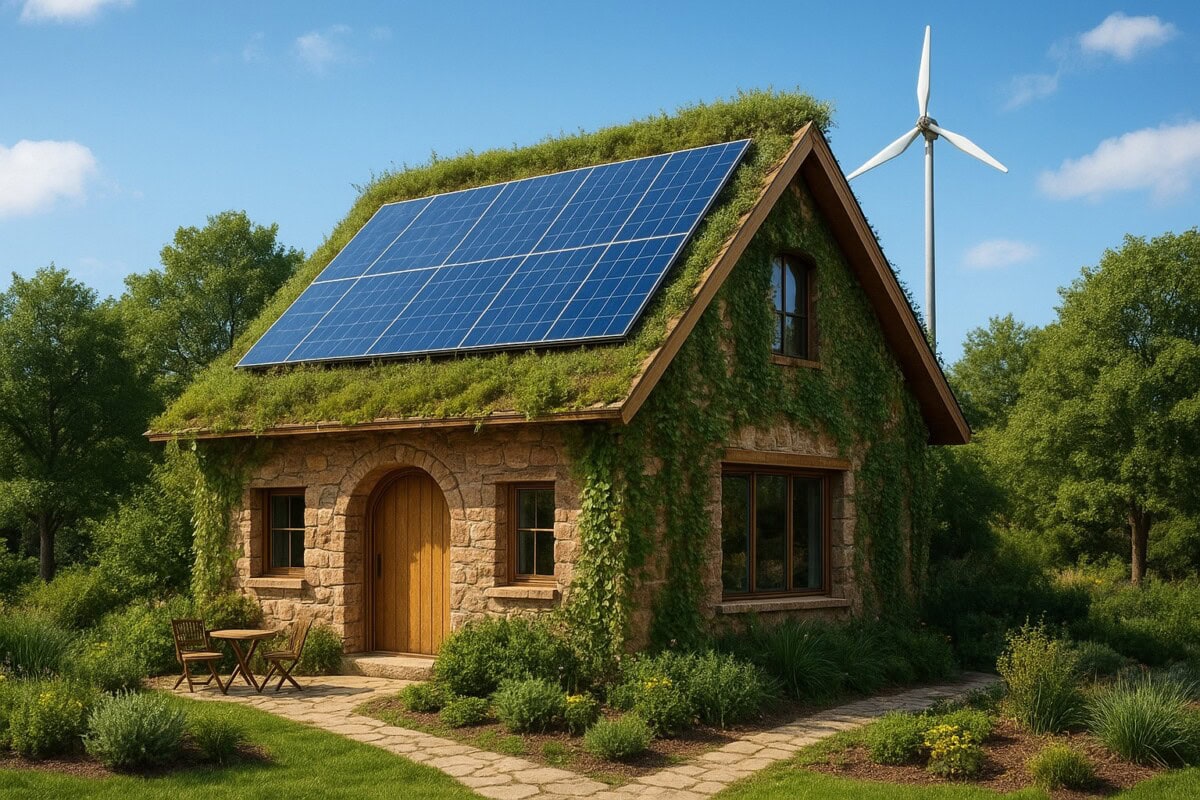
The idea of a solarpunk house isn’t just about constructing a place to live—it’s about reimagining what home means in a world facing climate change and rising energy demands. At its core, solarpunk combines sci-fi optimism with sustainable architecture, integrating renewable energy, lush greenery, and innovative interior design.
The solarpunk movement emerged from the desire to envision a future that works—not one built on fossil fuels and pollution, but on clean energy, rewilding, and hopeful innovation. Unlike the darker tones of other punk subgenres, solarpunk thrives on optimism. It asks a simple question: What if our cities, towns, and homes could coexist in harmony with the earth, rather than against it?
A solarpunk house embodies that vision. It’s not just another eco-friendly building—it’s a story of what housing could look like in a sustainable world. These homes combine renewable energy sources, such as solar panels and wind turbines, with features like passive house insulation, composting toilets, and even small greenhouses, allowing homeowners to grow herbs and vegetables indoors. More than a set of walls and rooms, a solarpunk home represents a shift toward sustainable living and energy efficiency.
What makes the concept so appealing is how it fuses futuristic design with timeless practices. Think of rooftops covered in solar panels, walls draped with vines, and interiors that balance high-tech innovative systems with natural furniture made from bamboo or reclaimed wood. It’s about building houses that blend seamlessly into the landscape while providing clean water, efficient heating, and comfort, all without relying on fossil fuels.
A solarpunk house becomes a reflection of a bigger vision: a world where architecture isn’t just functional but regenerative—where sustainable design offers real solutions to climate change. It’s a lifestyle that embodies innovation, eco-friendly technology, and the beauty of living in harmony with nature.

What is a Solarpunk House?
If a solarpunk house could be summed up in a single sentence, it would be described as the meeting point between futuristic architecture and an eco-friendly lifestyle. It’s not simply about plugging solar panels onto a roof and calling it sustainable. Instead, these homes are designed as living ecosystems, where every part of the building works with the environment rather than against it.
At its core, a solarpunk house is built on a philosophy that blends technology and nature. Where traditional house design often focuses on efficiency of space or aesthetics alone, solarpunk architecture asks deeper questions: How can this home regenerate the land around it? How can it reduce carbon emissions and still look beautiful? The answer lies in construction that incorporates renewable energy, smart systems, and biophilic design—bringing plants, sunlight, and natural airflow into every room.
Here are a few key elements that set solarpunk homes apart from conventional houses:
- Integration with the environment – Green roofs and vertical gardens make the building part of the landscape, supporting biodiversity.
- Energy independence – Solar power systems, wind turbines, and sometimes geothermal energy reduce or eliminate reliance on the grid.
- Sustainable materials – Earthship-inspired walls, reclaimed wood, and natural stone lower the home’s footprint while creating a warm aesthetic.
- Community connection – Unlike isolated suburban homes, solarpunk designs often envision neighborhoods with shared gardens, solar farms, and co-housing spaces.
Traditional architecture tends to separate buildings from the land, but solarpunk flips that script. Instead of controlling nature, these homes harness it—whether through passive heating strategies that keep rooms comfortable in winter or rooftop solar panels that generate clean power.

What makes them especially intriguing is their versatility. A solarpunk house might resemble a futuristic dome glowing with LED technology in one town. At the same time, in another city, it could take the form of a renovated apartment block wrapped in climbing plants and powered by rooftop solar panels. That adaptability is what gives the movement so much energy: it isn’t one rigid style, but a shared vision for homes that are sustainable, beautiful, and future-ready.

Core Principles of Solarpunk House Design
A solarpunk house may look like something out of a sci-fi sketchbook, but its foundation rests on very practical principles. The movement isn’t about utopian daydreams—it’s about building homes that reduce emissions, support sustainability, and feel genuinely livable. These principles guide the development of solarpunk architecture, shaping everything from the walls to the rooftop gardens.
Eco-Friendly Architecture
The backbone of any solarpunk home is sustainable architecture. Builders and architects focus on materials that have a low carbon footprint but high durability. Instead of plastics and chemical-heavy finishes, the emphasis is on natural resources: bamboo for its rapid regrowth, reclaimed wood for its history, and stone or clay for their grounding presence.
But eco-friendly architecture doesn’t stop with materials. Solarpunk houses often weave in features that are functional and beautiful:
- Green roofs that insulate while filtering rainwater.
- Vertical gardens that bring fresh air, shade, and food into urban environments.
- Herb planters tucked into kitchens or balconies, turning even small spaces into edible landscapes.
Passive heating and cooling are also crucial. By aligning windows to capture the sun in winter while shading interiors in summer, a solarpunk home can reduce the need for unnecessary heating and cooling systems. Efficiency comes not only from high-tech gadgets, but also from thoughtful, nature-inspired design.

Solar Power & Energy Systems
A notable characteristic of many solarpunk houses is their use of solar energy. Solar panels perched on a roof, or even integrated into windows and walls, transform sunlight into clean electricity. This reliance on renewable energy isn’t just about reducing bills—it’s about moving away from fossil fuels and reshaping how power is generated and consumed.
To maximize independence, many solarpunk homes pair panels with battery storage. This allows homeowners to keep the lights on long after the sun sets, often without needing to lean on the grid. Some even integrate hybrid systems, where wind turbines or micro-hydro setups supplement solar power, creating a resilient off-grid lifestyle.
In short, solarpunk houses don’t just consume energy—they produce it. They turn roofs into power stations and yards into miniature solar farms, proving that sustainability and modern comfort can coexist.
Blending Nature and Technology
What really makes solarpunk stand out is the seamless blending of futuristic tech with natural systems. Smart thermostats, water-recycling showers, and automated lighting all help conserve resources—but they’re often paired with permaculture-inspired landscapes, living walls, and composting toilets.
This balance creates a home that feels both futuristic and grounded. Imagine walking into a bedroom where sunlight filters through hanging plants while subtle LED strips glow in harmony with the circadian rhythm. It’s not sterile “tech chic,” nor is it rustic “back to the land.” It’s something in between: a vision of homes that support both human comfort and planetary health.
Solarpunk House Aesthetic & Decor

A solarpunk house design isn’t only about architecture and solar systems—it’s also about the vibe you feel the moment you walk through the door. The aesthetic is what makes these homes feel alive, hopeful, and deeply connected to both nature and the future. Think of it as blending earthy textures with futuristic flourishes, creating an interior that looks like it belongs in a sci-fi novel yet feels warm and inviting.
The decor often leans into natural textures—wood, stone, clay, and glass—because they give a sense of grounding. Pair that with greenery climbing across walls or spilling from indoor planters, and suddenly the house itself feels like part of a living ecosystem. Handmade crafts and reclaimed furniture add personality while also prioritizing sustainability. Every table or chair carries a story, turning the room into a space of both function and narrative.
Key Aesthetic Touches
Here are some ways solarpunk homes bring their interiors to life:
- Biophilic design: Living walls, hanging plants, herb gardens, and small indoor greenhouses create a sense of connection to nature in every room.
- DIY details: Handmade pottery, upcycled lighting, and reclaimed wood furniture reinforce a sense of creativity and sustainability.
- Futuristic accents: Smart glass windows, subtle LED strips, and solar-powered lighting systems blend sci-fi with comfort.
- Natural color palettes: Shades of green, clay, and sky tones create harmony with the outdoor landscape.
The balance is important. Too much greenery without structure can feel like a jungle; too much tech without warmth can feel sterile. Solarpunk interiors thrive on finding the middle ground—spaces that feel calm, functional, and forward-looking all at once.
Perhaps the most charming element of solarpunk decor is that it doesn’t require a full rebuild. Even in a small apartment, touches like vertical herb gardens, reclaimed furniture, or solar-powered lamps can bring the solarpunk aesthetic to life. It’s not about perfection—it’s about creating interiors that whisper a quiet optimism for the future.


Building a Solarpunk House in the Real World
Dreaming of a solarpunk house is one thing—actually building one is another. The good news is, the process isn’t reserved for futuristic architects or utopian communities. With thoughtful planning, eco-friendly materials, and a bit of creativity, the vision of a solarpunk home can become a tangible reality.
Steps in Planning and Construction
The journey typically begins with selecting a location. Some people retrofit existing houses in the city, adding rooftop solar, vertical gardens, or even rewilding their yards to support pollinators. Others opt for rural, off-grid plots where they can design from the ground up, often building earthship-inspired structures that use natural and recycled materials.
Once the location is chosen, homeowners need to navigate permits, zoning laws, and eco-building codes. While this may sound like a hurdle, more towns and cities are beginning to adapt regulations to allow for solar panels, composting toilets, and even shared community solar farms. Collaboration with an architect who specializes in green building can help ensure the project meets both local codes and sustainable architecture standards.
A typical planning process might include:
- Site analysis – evaluating sunlight, wind flow, and water access.
- Design phase – working with sustainable architecture principles, such as passive house techniques.
- Material sourcing – finding eco-friendly, reclaimed, or low-carbon building materials.
- Construction – coordinating with a builder who understands green technology and energy efficiency.
The focus throughout isn’t just on building a house—it’s about designing a space that reduces reliance on the grid and encourages sustainable living.

Costs and Accessibility

Of course, the big question many people ask is: What does it cost to build a solarpunk house? The answer depends on the size, location, and level of ambition in the design. Solar power systems and eco-friendly upgrades can seem expensive upfront, but they often save money in the long run by reducing utility bills and decreasing dependence on fossil fuels.
Some homeowners keep costs low by embracing DIY projects—building their own vertical gardens, crafting furniture from reclaimed materials, or installing rooftop solar with professional guidance. Others invest in professionally built homes that incorporate cutting-edge features, such as geothermal energy or wind energy systems.
The truth is, a solarpunk house doesn’t have to be a luxury project. It can start small—adding rooftop solar, planting herbs indoors, or replacing conventional materials with sustainable alternatives. From there, upgrades can grow over time. The key is accessibility: ensuring that anyone, whether in a downtown apartment or a rural town, can incorporate solarpunk design into their daily life.
Community and Connection
One of the most compelling aspects of living in a solarpunk home is the way it fosters a stronger connection to others. The movement isn’t about isolated eco-cabins in the woods—it’s about creating a world where homes, towns, and cities share resources and foster collaboration.
That might look like:
- Shared solar farms that power entire neighborhoods and take you off-grid.
- Community tool libraries that reduce the need for everyone to purchase their own tools.
- Co-housing models often feature communal gardens, workshops, and even kitchens.
Ultimately, everyday life in a solarpunk house tells a story of resilience and optimism. It proves that sustainable living isn’t about giving things up—it’s about finding harmony between human comfort and planetary health.

Solarpunk in Fiction vs. Reality
Before it became an architectural style or a building philosophy, solarpunk began as an aesthetic and a narrative. It emerged from the pages of science fiction and speculative fiction. This genre explored what the future could look like if humans adopted renewable energy, community living, and sustainable architecture. Unlike the dystopian visions common in cyberpunk or post-apocalyptic tales, the solarpunk movement leaned into optimism, portraying futures where homes, cities, and even sprawling apartment complexes thrived in harmony with nature.
In literature and art, solarpunk worlds often feature glowing greenhouses on rooftops, entire neighborhoods powered by solar energy, and citizens tending rooftop farms while surrounded by futuristic architecture. These visions sparked not only a new genre of design but also a cultural movement. For solarpunks, the fiction wasn’t just entertainment—it was a blueprint for how the real world could evolve and impact house design.
From Story to Structure
What’s fascinating is how quickly solarpunk ideas leapt from fiction to reality. Today, architects, builders, and homeowners are drawing directly from those imaginative story worlds. Vertical gardens, passive house design, wind energy, and earthship-style buildings are no longer futuristic—they’re part of a growing toolkit for sustainable living.
- Fictional influence – Sci-fi has inspired the use of biophilic interiors, rooftop solar panels, and shared eco-spaces.
- Real-world adoption – Cities are experimenting with community solar farms, composting systems, and rewilding projects.
- Bridging the gap – What once seemed like visionary art is now influencing town planning, furniture design, house design, and even policy on renewable energy.
- Waste reduction – Composting toilets and backyard compost bins turn what was once waste into valuable resources.
- Heating and cooling – Passive design strategies, combined with renewable systems such as solar heating, maintain comfortable room temperatures without excessive energy consumption.
Each of these elements helps reduce a home’s footprint without sacrificing modern comfort. The house becomes a closed loop, where resources are reused, energy is renewable, and pollution is minimized. The biggest difference between solarpunk as a story and solarpunk as a lived reality is scale. While fiction paints entire futuristic worlds, reality often starts with small steps: a single rooftop solar panel, a balcony herb garden, or a neighborhood composting program. Yet every step brings us closer to the hopeful, post-capitalist vision imagined in the pages of solarpunk literature.
What once felt like a dreamy sci-fi genre now feels more like a roadmap. Solarpunk houses stand at the crossroads of imagination and action, showing that the line between futuristic world-building and practical architecture is thinner than ever.

A solarpunk house is more than a clever building—it’s a statement about the kind of world people want to live in. It shows that sustainability, futuristic design, and everyday comfort are not mutually exclusive. Instead, they can blend seamlessly into homes that generate their own solar power, reduce emissions, and celebrate harmony with nature.
By embracing a practical response to climate change, solarpunk homes take the dream of a futuristic world and anchor it firmly in the present, giving homeowners the tools to reduce fossil fuel use, build resilience, and tell a more hopeful story through their own house design.
Even small changes count. A rooftop solar panel, a kitchen herb planter, or reclaimed furniture in the living room can begin to weave the solarpunk aesthetic into everyday life. Each choice is part of a larger vision: sustainable living that feels inspiring, innovative, and deeply human.
Key Takeaways
- A solarpunk house is both a building and a lifestyle that combines eco-friendly design with futuristic tech.
- Core principles include sustainable architecture, solar power systems, passive heating/cooling, and blending nature with technology.
- Interior decor emphasizes natural textures, biophilic design, and a balance of earthy and futuristic aesthetics.
- Building in the real world requires planning, eco-friendly materials, and often collaboration with an architect experienced in sustainable design.
- Everyday life in a solarpunk home includes growing food, harvesting clean water, composting, and engaging with community resources.
- Solarpunk originated in science fiction but is now influencing real-world architecture, renewable energy adoption, and urban environments.
- Even small steps—such as installing rooftop solar, incorporating vertical gardens, or utilizing reclaimed furniture—can help a home move toward solarpunk principles.
A solarpunk house is more than walls and a roof—it’s an innovative design for a brighter, greener future. By taking inspiration from the solarpunk movement, ANYONE can start writing their own story of sustainable living, one home project at a time.
You might also be interested in…
Want Tips on Composting? Check out these Dos and Don’ts of Composting.
CONNECT WITH DAILY MOM
💖 NEWSLETTER: DAILY READS IN YOUR INBOX 💖
Sign up to receive our picks for the best things to do, see and buy so you can relax and focus on more important tasks! Let us help you be the best version of yourself you can be!
BE SOCIAL WITH US
📌 LOVE IT? PIN IT!📌


