




























Parenting styles between mothers and fathers can be as different as night and day. While mothers often face judgment for every parenting decision, fathers frequently receive praise for basic involvement. Understanding these differences isn’t about assigning blame—it’s about creating stronger family dynamics through complementary approaches.
Common Scenarios Where Mom vs Dad Parent Differences Shine
Ever notice how mom typically handles doctor appointments while dad becomes the fun parent at the playground? Here’s what often plays out in many families:
Mom’s Typical Approach:
- Multitasks across multiple responsibilities
- Carries the mental load of family logistics
- Tracks schedules, appointments, and deadlines
- Anticipates needs before they arise
Dad’s Common Response:
- Focuses on one task at a time
- Engages through hands-on, physical activities
- Takes a more relaxed approach to daily decisions
- Receives recognition for basic family involvement
These different sensitivity levels and approaches aren’t about right or wrong—they’re complementary styles that can strengthen families when properly balanced.
Remember: These scenarios aren’t about determining who’s right or wrong in parenting styles – it’s about recognizing how these complementary approaches can strengthen the family unit when properly balanced.
Like Mother, Like Father?

Parent instincts come in all shapes and sizes, just like the mess they make trying to figure out this whole child-raising thing. When comparing mother and father approaches, some fascinating patterns emerge that might hit close to home:
Natural Parenting Instincts:
- Mom’s radar for a kid’s fever before the thermometer confirms
- Dad’s sixth sense for knowing exactly when to throw that perfect pitch
- Mother gets the slightest hint of teenage drama brewing
- Father’s uncanny ability to sense when it’s time for “the talk”
The Communication Gap – Beyond Reading the Lines:
- While mom desperately tries to get dad to read between the lines
- Dad shows his love through demonstration rather than words
- Parents often speak different languages of care:
- Mom: “Did you remember their sunscreen?”
- Dad: “Let’s see who can climb highest!”
While mothers often communicate through detailed questions and planning, fathers typically show love through action and encouragement. Children quickly learn to navigate these differences—they discover that dad’s “maybe” usually means “yes,” while mom’s “maybe” means “let’s think this through carefully.”
When the first child arrives, both parents are convinced their approach is the “right” way. These contrasts can spark interesting debates about everything from feeding schedules to response times for crying babies. Yet these different approaches often create perfect balance when both partners remember they’re on the same team.
The hardest part? When the first child arrives, both parents are prepared to defend their approach as the “right” way.However small the difference might seem, from feeding schedules to response times for a crying baby, these contrasts can spark some pretty hilarious debates in family life. Yet somehow, these different approaches often create the perfect balance – as long as both partners remember they’re on the same team.
The 2024 Mom vs Dad Instagram and Social Media Phenomenon
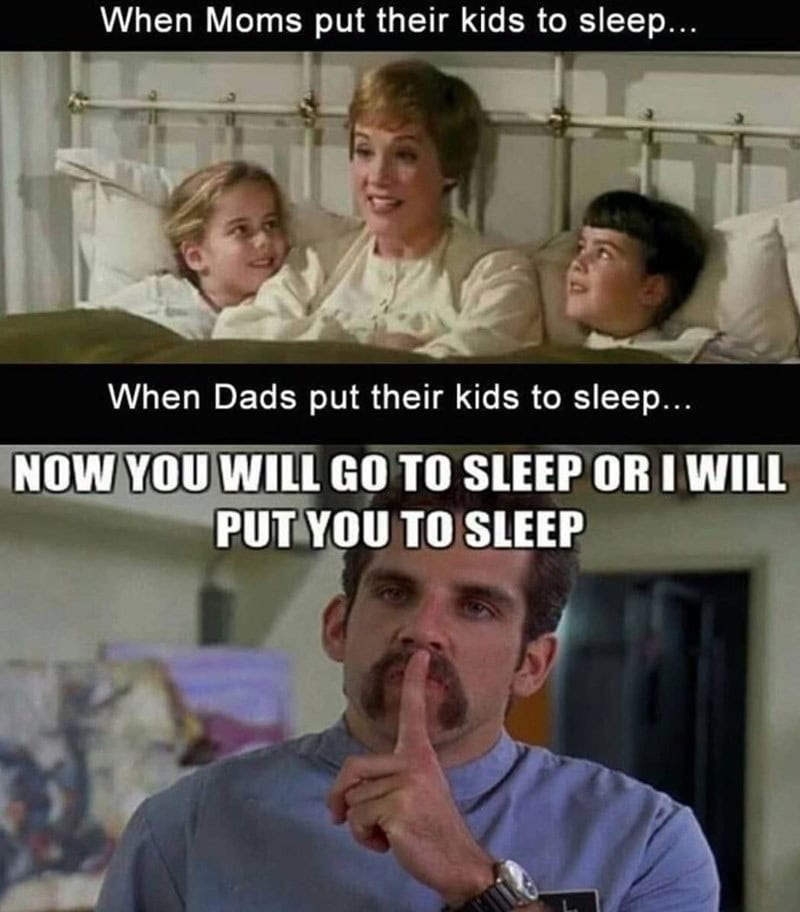


Social media has transformed parenting into public performance, where every family moment becomes potential content:
Trending Meme Parent Content:
- Dad receives praise for basic tasks like grocery shopping with kids
- Mom faces criticism for the same actions that earn dad recognition
- Less than half of posted parenting moments reflect true family life
- Gender roles become exaggerated for entertainment value
Reality vs Social Media – Scroll Through Parenthood:
- What people are real versus carefully curated moments
- Less than 50 percent of posted parenting moments show true family life
- Marriage dynamics get reduced to oversimplified stereotypes
- Gender roles become exaggerated for entertainment

The social sphere has created an interesting phenomenon where parents feel the need to constantly scroll through other families’ experiences. Whether it’s comparing notes or seeking reassurance, this digital window into other households has become both a blessing and a curse. A dad who encourages their child might go viral for being hands-on, while mom’s daily dedication gets overlooked as expected behavior.
Consider how typical parent behaviors get amplified online:
- Dad changes one diaper = He’s a hero
- Mom handles midnight feeds = It’s always expected
- Father plays with kids at park = #DadGoals
- Mother manages entire household = Just another day
This digital documentation has shaped modern family dynamics, sometimes reinforcing unfair stereotypes while occasionally helping normalize different parenting approaches.
Things Dads to Get Better At…


Every parent has room for growth, and certain areas consistently show up where fathers could level up their game. Here’s a real talk about where dads can strengthen their parenting approach:
Daily Management Skills:
- Calendar coordination beyond “ask your mom”
- Noticing when kids need new clothes
- Understanding school schedules isn’t rocket science
- Taking initiative without spouse having to interfere
Emotional Intelligence Opportunities:
- Reading between the lines when someone else is upset
- Moving beyond “don’t yell” to actual conflict resolution
- Supporting kids through emotional challenges
- Recognizing when their teenager needs more than just solutions
The typical heterosexual family often defaults to mom as the emotional compass, but this does everyone a disservice. When dad shows up fully in the sensitivity department, it creates a more balanced home environment. Consider how many fathers have abandoned the old “tough it up” approach in favor of being more emotionally available – it’s a beautiful evolution in modern parenting.
Key Areas for Growth:
- Stop waiting for partner prompting to handle basic tasks
- Learn the difference between babysitting and actual parenting
- Understand why “helping mom” isn’t the same as co-parenting
- Recognize that being present isn’t the same as being engaged
The good news? More dads are stepping up to these challenges than ever before in 2024. Instead of settling for the bare minimum, many fathers now actively seek ways to become more hands-on parents. This shift away from traditional gender roles means everyone wins – especially the kids who get to see what true partnership looks like.
What Moms Could Learn From Dads

While careful planning has its place, some classic “dad approaches” offer valuable lessons:
Embracing the Unknown:
- Allowing children to take appropriate risks
- Avoiding the urge to control every situation
- Letting natural consequences teach important lessons
- Finding confidence in stepping back when appropriate
Simplifying Decision-Making:
- Avoiding over-analysis of every choice
- Making peace with “good enough” solutions
- Trusting instincts over endless research
- Taking action without perfect information
Sometimes the best parenting response isn’t immediate intervention but patient observation and encouragement from the sidelines. This approach can teach children independence and problem-solving skills.
Consider These Dad-Inspired Approaches – Avoid Perfect Site Design:
- Turn mundane tasks into games
- Skip the perfect site design of activities
- Embrace spontaneous teaching moments
- Let kids figure out solutions independently
A great parent showing trust in their child’s abilities often yields better results than constant hovering. When mom takes a step back and observes how dad handles situations with less anxiety, it opens up new possibilities for growth – both for the kids and herself. The key isn’t about becoming a terrible parent or abandoning all careful planning – it’s about finding that sweet spot between structure and freedom.
The Modern Mom vs Dad Dynamic
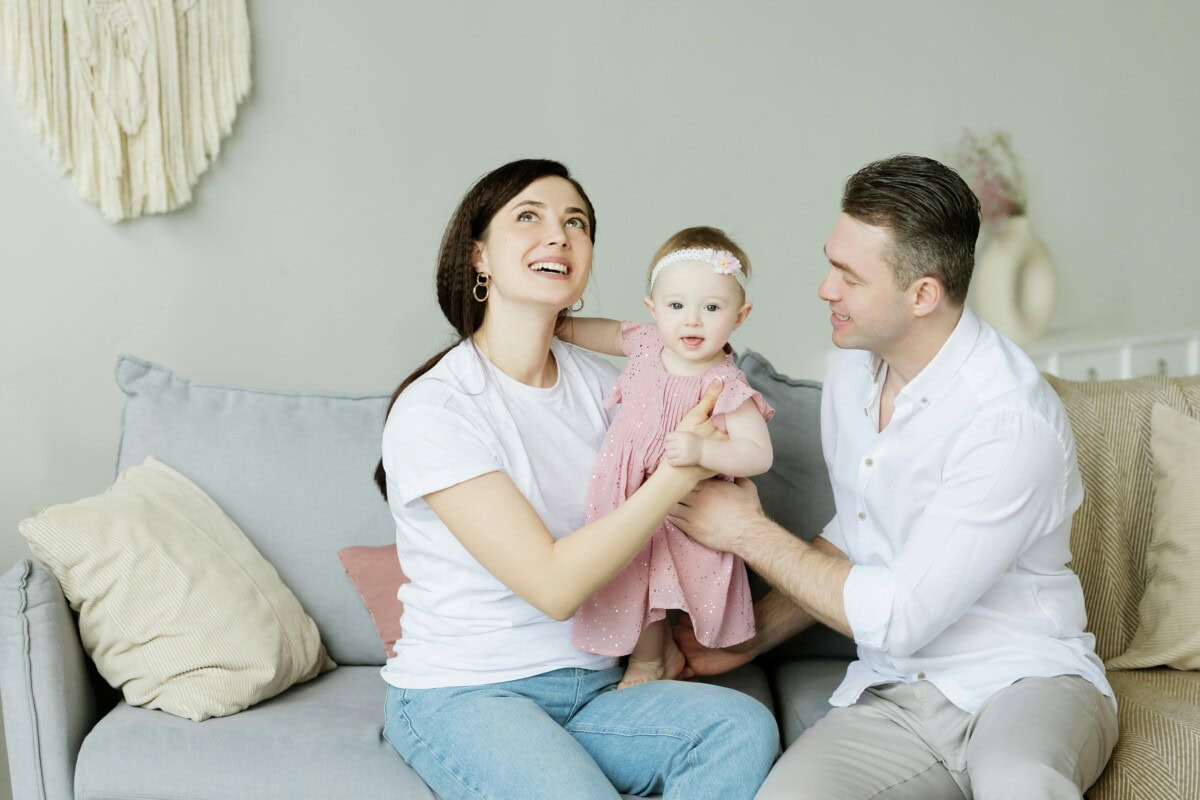
Today’s families are redefining traditional roles, with couples creating more balanced approaches:
Evolution of Mom and Dad Partnerships:
- Sharing the mental load of child-rearing
- Flexible role-switching based on individual strengths
- Breaking free from outdated gender expectations
- Creating space for both parents to lead in different areas
Smart Division of Labor:
- Playing to each parent’s natural abilities
- Tag-teaming challenging situations
- Supporting without undermining each other
- Combining different approaches for better outcomes

Modern families succeed when they move beyond prescribed roles, celebrate each other’s contributions, and find humor in their different approaches.
Daily Reality Checks:
- Moving beyond prescribed roles
- Celebrating each other’s wins
- Finding humor in different approaches
- Creating the funniest moments through collaboration
Today’s couples are discovering that abandoning all traditional parenting blueprints opens doors to more authentic family experiences. Whether he’s a stay-at-home dad or she’s the primary breadwinner, what matters is how well they support each other’s parenting journey. The most successful partnerships recognize that you’ve got to laugh at the chaos sometimes – because raising tiny humans is both the hardest and most rewarding adventure a couple can share.
Final Thoughts: Finding Balance in the Parenting Dance

The ultimate truth about parenting styles is that there’s no single “right” way. Successful families recognize that:
Key Takeaways for Motherhood and Modern Parents:
- Children benefit from experiencing diverse approaches
- Balance consistently beats perfection
- Communication remains the foundation of good co-parenting
- Flexibility serves families better than rigid rules
When parents recognize and respect their different strengths, family life thrives. Instead of focusing on who’s right or wrong, successful couples learn to:
Build Stronger Families By:
- Celebrating complementary parenting styles
- Supporting each parent’s unique bond with children
- Finding humor in inevitable differences
- Creating unified goals while respecting different methods
Remember: neither mom’s careful planning nor dad’s spontaneous adventures makes anyone a bad parent. The magic happens when both approaches blend together, creating an environment where children learn flexibility, resilience, and the beauty of different perspectives.
Bottom Line Tips:
- Appreciate each other’s unique contributions to the family
- Stay open to learning from one another’s approaches
- Keep communication channels open and judgment-free
- Remember you’re on the same team with the same goals
- Let go of the need for constant control
- Embrace the beautiful, chaotic reality of family life
The most successful families aren’t those who follow a perfect parenting formula—they’re the ones who learn to dance between structure and spontaneity, creating their own unique rhythm of family life.
FAQs
What are the most common differences between mom and dad parenting styles?
The most noticeable differences often include organization levels (moms tend to be more detail-oriented while dads are more spontaneous), risk tolerance (dads often encourage more adventurous activities), and response styles (moms might focus more on comfort while dads encourage resilience).
How do sensitivity levels differ between mothers and fathers?
Mothers generally tend to be more emotionally attuned and quick to respond to distress, while fathers might encourage independence and resilience. Both approaches have value—emotional attunement teaches empathy while encouragement builds confidence.
How do moms and dads typically handle family priorities differently?

Mothers often prioritize detailed family scheduling and ensuring everyone’s needs are met, while fathers might balance family time with other commitments. This can create complementary approaches when both parents communicate their expectations clearly.
What happens when a child gets sick—how do parenting styles differ?
Mothers might focus on detailed care protocols, medication schedules, and comfort measures, while fathers often try to maintain normalcy and use distraction or humor. Both approaches can help children feel better in different ways.
How can couples balance their different parenting approaches?
The key is recognizing that different doesn’t mean wrong. Successful couples discuss their approaches, play to their strengths, support each other’s methods, and present a united front to their children while allowing for individual parenting styles.
You might also be interested in…
Need some ideas on how to streamline daily parenting routines? Check out this link!
CONNECT WITH DAILY MOM
💖 NEWSLETTER: DAILY READS IN YOUR INBOX 💖
Sign up to receive our picks for the best things to do, see and buy so you can relax and focus on more important tasks! Let us help you be the best version of yourself you can be!
BE SOCIAL WITH US
📌 LOVE IT? PIN IT!📌