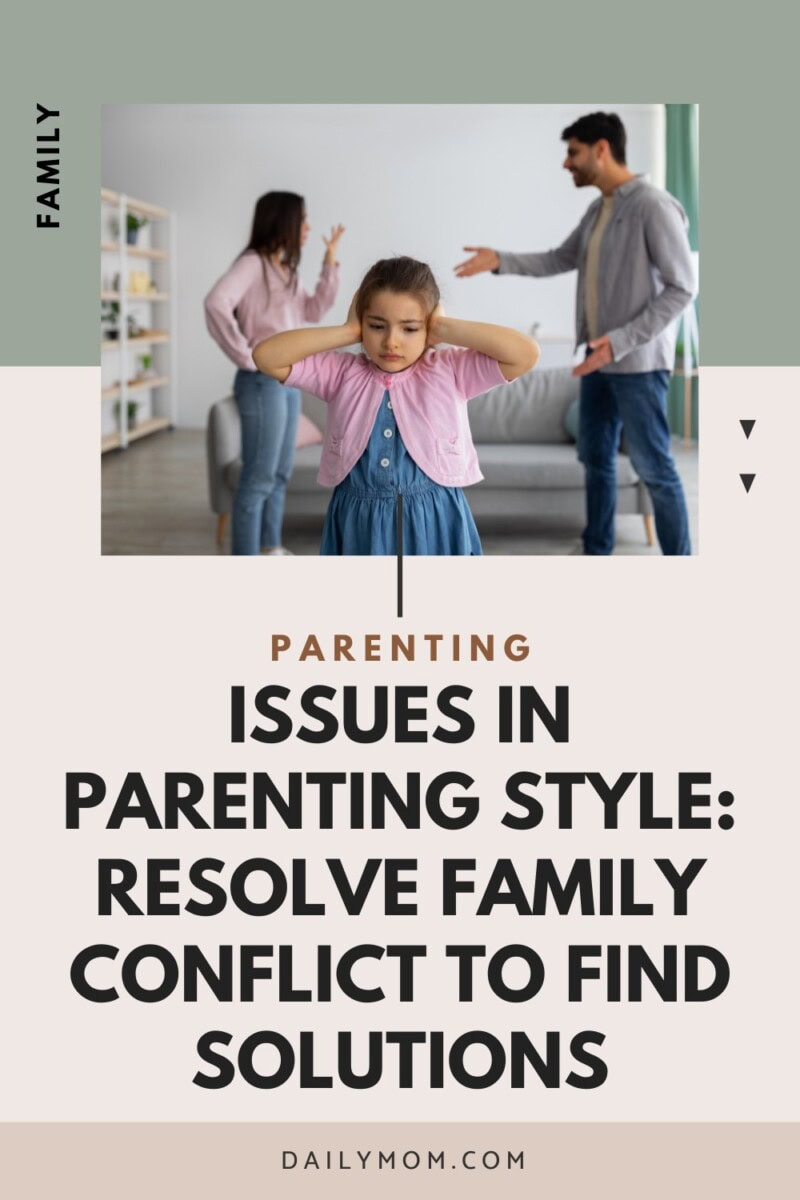
































Parenting brings so much joy, but it can also test patience in ways few expect. It’s one thing to agree on bedtime routines or snack options; it’s another when deeper parenting differences start to surface. When two parents carry different beliefs, traditions, or upbringings into their role as caregivers, those contrasts can stir up conflict that quietly builds beneath the surface.
Every parent wants to do what’s best for their children. Still, clashing perspectives on discipline, routines, or expectations often lead to frustration, tension, and even distance between partners. Navigating these conflicts requires not just love, but understanding, teamwork, and plenty of flexibility. Finding that balance doesn’t come naturally for many parents—but it’s entirely possible.
Understanding the Real Issues in Parenting
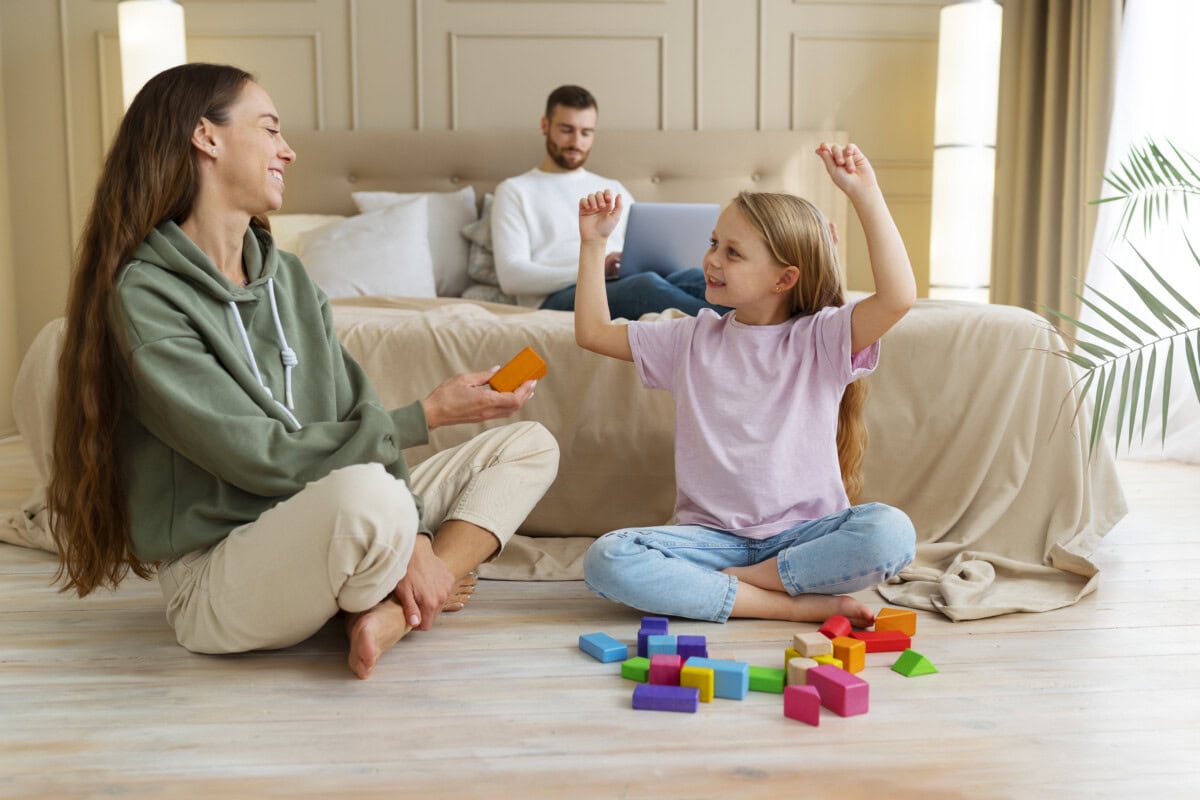
Parenting is one of the most important jobs anyone can take on, but it rarely comes with a manual or training. Each parent brings personal experiences, beliefs, and expectations into the mix, which naturally creates different approaches to raising children. When those approaches clash, parenting challenges start to show up in daily routines, discipline, and even long-term decisions.
These real issues aren’t always obvious at first. Sometimes, they simmer quietly beneath the surface, showing up as small frustrations that build over time. Understanding what drives these conflicts is the first step to creating a more peaceful, balanced family life.
What Are the Most Common Parenting Challenges Today?
Modern parenting looks very different than it did just a generation ago. The challenges parents face today reflect a constantly changing world filled with new pressures, expectations, and information.
Many parents feel the weight of trying to balance so much at once.
- Screen time battles can spark constant disagreements over how much is too much.
- Discipline disagreements pop up when one parent is stricter while the other takes a more relaxed approach.
- Busy schedules often leave little time for meaningful family moments.
- Differing opinions on education add another layer of stress as parents navigate school choices and academic expectations.
- Managing child care while juggling work commitments creates ongoing tension.
- Social media comparisons lead parents to feel judged by other parents, adding unnecessary pressure.
Small issues often snowball when left unaddressed. Recognizing these common challenges helps parents see they aren’t alone, and that many families experience the same struggles.
How Parenting Style Changes Family Dynamics
Parenting styles have a huge impact on how a family functions daily. The way parents choose to raise their children shapes family dynamics in both obvious and subtle ways.
Each parenting style influences everything from discipline to emotional connection.
- Authoritative parenting style encourages structure, clear expectations, and warmth, often leading to confident, well-adjusted children.
- Permissive approaches might offer freedom but sometimes lack consistent boundaries, leaving kids unsure of limits.
- Uninvolved parenting can lead to emotional distance and feelings of neglect.

Every child is different, which means that even within the same family, parenting styles might need adjustments. The style of parenting used affects not only child development but also how smoothly the household runs day-to-day. Understanding these styles helps both parents approach parenting with more awareness and flexibility.
When Parents Don’t Agree: Conflict in Parenting Style
Parenting conflicts often sneak into even the happiest homes, especially when two people bring very different beliefs and experiences into their approach to parenting. One may favor strict discipline while the other wants to nurture emotional growth. These differences create a tug-of-war that can lead to tension, frustration, and full-blown arguments if left unchecked.
Dealing With Disagreement Between You and Your Partner
No two people parent exactly the same way. When disagreements happen, emotions can run high, especially when both feel strongly about what’s best for their child.
- Stay calm and listen to your partner’s concerns without jumping to defend your position.
- Acknowledge your differences as natural, not personal attacks.
- Keep the conversation focused on what helps your child, rather than who is right or wrong.
- Use neutral language to avoid escalating into a fight.
- Set aside time regularly for parenting discussions when emotions aren’t already heated.
Disagreements can turn into productive conversations when both parents feel heard and respected.
The Impact of Different Parenting Styles on Children
When parents clash on parenting styles, children may feel caught in the middle, which can lead to confusion or even behavioral issues.
- Mixed messages from parents create uncertainty for kids about rules and expectations.
- Favoritism may develop when children lean toward the more lenient parent.
- Anxiety increases when children feel responsible for parental conflict.
- Behavior problems can surface as kids test which parent will give in.
- Emotional insecurity grows when home life feels unstable.
Children thrive when parents present a united front, even if compromises are necessary behind the scenes.

How to Make Parenting Work—Even With Different Styles
Blending two parenting styles isn’t always easy, but finding a balance allows both parents to feel respected while giving children stability. The goal isn’t to win but to build a united front that supports healthy child development and family harmony.
Tips to Communicate Better and Reduce Family Conflict
Strong communication helps prevent small issues from growing into bigger conflicts. Even when parents disagree, it’s possible to have calm, respectful discussions that move the family forward.
- Use parenting books or trusted resources as neutral ground to explore new parenting ideas together.
- Practice active listening so both parents feel heard before offering solutions.
- Define shared goals for raising children, focusing on what’s truly important long-term.
- Acknowledge temperament differences between children, which may require adjusting certain approaches.
- Avoid keeping score or turning parenting decisions into a competition.
Better communication often leads to fewer conflicts and a more peaceful household.
Creating a Plan That Respects Each Parent’s Style
A clear plan can help both parents feel involved and valued in their role as a parent. Each person brings unique strengths that contribute to a healthy parenting blend.
- List out parenting priorities that both can support, such as routines, discipline, and educational expectations.
- Allow flexibility for each parent to handle certain situations in their own way while staying within agreed boundaries.
- Recognize each other’s strengths, like one being great at discipline while the other excels at emotional support.
- Revisit your plan regularly to adjust for your child’s changing needs as they grow.
- Celebrate wins together to build teamwork and trust.

Respecting both parenting styles creates consistency and unity for children, even when methods vary.
When to Seek Support for Ongoing Parenting Issues
Some conflicts are hard to resolve without outside help. Seeking support doesn’t mean failure; it shows commitment to building a stronger family.
- Work with qualified mental health professionals who specialize in family therapy.
- Attend parenting workshops that offer new parenting techniques both can practice.
- Lean on trusted mentors or family members who have faced similar parenting challenges.
- Use parenting information from credible sources to back up decisions and approaches.
- Consider coaching when struggling to reach an agreement on major parenting decisions.
Professional support can offer neutral, practical solutions that strengthen both the partnership and the family unit.
Finding Common Ground With a Different Parenting Style
Many parents assume they’ll naturally align on every parenting decision, but reality often proves otherwise. Every mother and father bring personal experiences that shape how they parent. Finding common ground requires compromise, respect, and a willingness to learn from their mistakes along the way.
Why It Takes Time and Patience to Build a United Approach
Building a parenting team doesn’t happen overnight. It takes time, patience, and often plenty of trial and error.
- Acknowledge that parents often have deeply rooted beliefs based on their own childhoods.
- Respect each other’s roles as mothers and fathers without judgment.
- Allow room for growth, knowing both parents are still learning every day.
- Remember that every child is different, requiring flexible parenting approaches for each one.
- Support each other emotionally to stay united during difficult seasons.
Patience creates space for both parents to grow closer, even during parenting disagreements.
Strategies That Help Make Parenting Easier for Both Parents
Simple strategies can make parenting more enjoyable and rewarding for both parents, even when their methods differ.
- Set realistic expectations and avoid perfectionism.
- Share responsibilities to prevent one parent from feeling overwhelmed.
- Stay consistent in rules while allowing minor differences in delivery.
- Discuss discipline methods ahead of time to present a united front.
- Use parenting tips from trusted experts to introduce fresh solutions.
A shared approach creates consistency for the children while allowing each parent to contribute their strengths.
The Bigger Picture: Mental Health Concerns and Parenting Issues
Parenting comes with incredible joy, but also plenty of mental strain. Balancing the demands of children, work, and personal life can feel overwhelming, especially when parenting conflicts enter the mix. Mental health concerns aren’t uncommon as parents juggle constant responsibilities while still trying to nurture their children’s emotional and physical growth.
How Parenting Style Conflicts Can Affect Emotional Wellness
When parents struggle to find agreement on parenting, stress often spills into emotional well-being. Constant disagreements can weigh heavily on both partners, sometimes leading to anxiety, frustration, or feelings of failure.
- The lack of sleep many parents experience can intensify stress levels and cloud judgment.
- Working from home while managing children adds new layers of pressure to balance both professional and parental roles.
- Feeling solely responsible for your children can cause burnout, especially if one parent feels they carry more of the parenting load.
- Pew Research Center survey data shows that many parents today feel overwhelmed by the pressure to raise children “the right way.”
- Statistics consistently reflect that parenting disagreements are one of the leading stressors in family life.

Protecting mental wellness helps parents stay grounded and better equipped to handle parenting challenges together.
Supporting Your Partner Through Parenting Challenges
Parenting challenges are easier to navigate when partners support one another emotionally. Feeling like a team, even during tough seasons, strengthens the family as a whole.
- Show empathy when a partner feels exhausted, frustrated, or unsure.
- Encourage open conversations regarding parenting expectations and emotions.
- Recognize that every dad and husband, just like every mother, carries unique pressures in their parenting role.
- Take turns managing stressful moments, giving each parent time to recharge.
- Use positive parenting approaches to model patience, respect, and problem-solving for both children and each other.
The job as a parent isn’t meant to be handled alone. Working with families facing similar challenges, or even seeking outside help when necessary, offers both practical support and emotional relief. The goal is always to help your child thrive while keeping both parents emotionally healthy.

Moving Forward Together: Making Parenting Work Through Understanding and Teamwork
No parenting journey looks exactly the same. Even in the strongest relationships, differences in parenting approaches can show up and create moments of tension. What matters most is the commitment to raising happy, healthy kids together. With open minds, a willingness to compromise, and a focus on understanding your child, parents can build a strong foundation that supports both the children and the relationship.
It helps to remember that parenting isn’t about one style vs another. It’s about combining the best parts of both approaches to create a family environment where everyone feels heard and supported.
- Parenting includes discipline, emotional support, education, and countless small decisions made daily.
- The youngest child may need different guidance than older siblings, requiring fresh conversations as the family grows and adjusts.
- Understanding your child means recognizing their individual needs, temperament, and unique personality.
- Parents help them learn responsibility, kindness, and resilience through consistent, loving guidance.
- Blending both approaches creates a balance that allows children to benefit from a variety of perspectives.
Moving forward with mutual respect, flexibility, and teamwork turns parenting challenges into opportunities for growth—for both the children and the parents raising them.
You might also be interested in…
Has your partner been away? Check out these tips for adjusting your parenting style now that they’re home.
CONNECT WITH DAILY MOM
💖 NEWSLETTER: DAILY READS IN YOUR INBOX 💖
Sign up to receive our picks for the best things to do, see and buy so you can relax and focus on more important tasks! Let us help you be the best version of yourself you can be!
BE SOCIAL WITH US
📌 LOVE IT? PIN IT!📌