




























There’s something powerful about introducing children to art that comes from beyond their everyday world. It opens doors to creativity, empathy, identity, and a deeper understanding of how people live, believe, and express themselves. For parents, educators, and caregivers looking for meaningful ways to expand a child’s perspective, Ethiopian art offers a rich and engaging path. With its vivid visuals, layered symbolism, and colorful hands-on craft traditions, it creates opportunities for connection that feel both playful and profound.
This kind of exposure matters, especially early on. Children naturally notice differences—colors, designs, faces, clothing—and art gives those observations meaning. Traditional Ethiopian art, in particular, provides a window into a world where creativity is woven into everyday life, from painted panels to textiles and carved wood objects. It offers a way to talk about both individuality and shared human experience without needing complex explanations.
What Makes Ethiopian Artwork Unique: Style, Geometric Patterns, Vivid Color, and Tradition
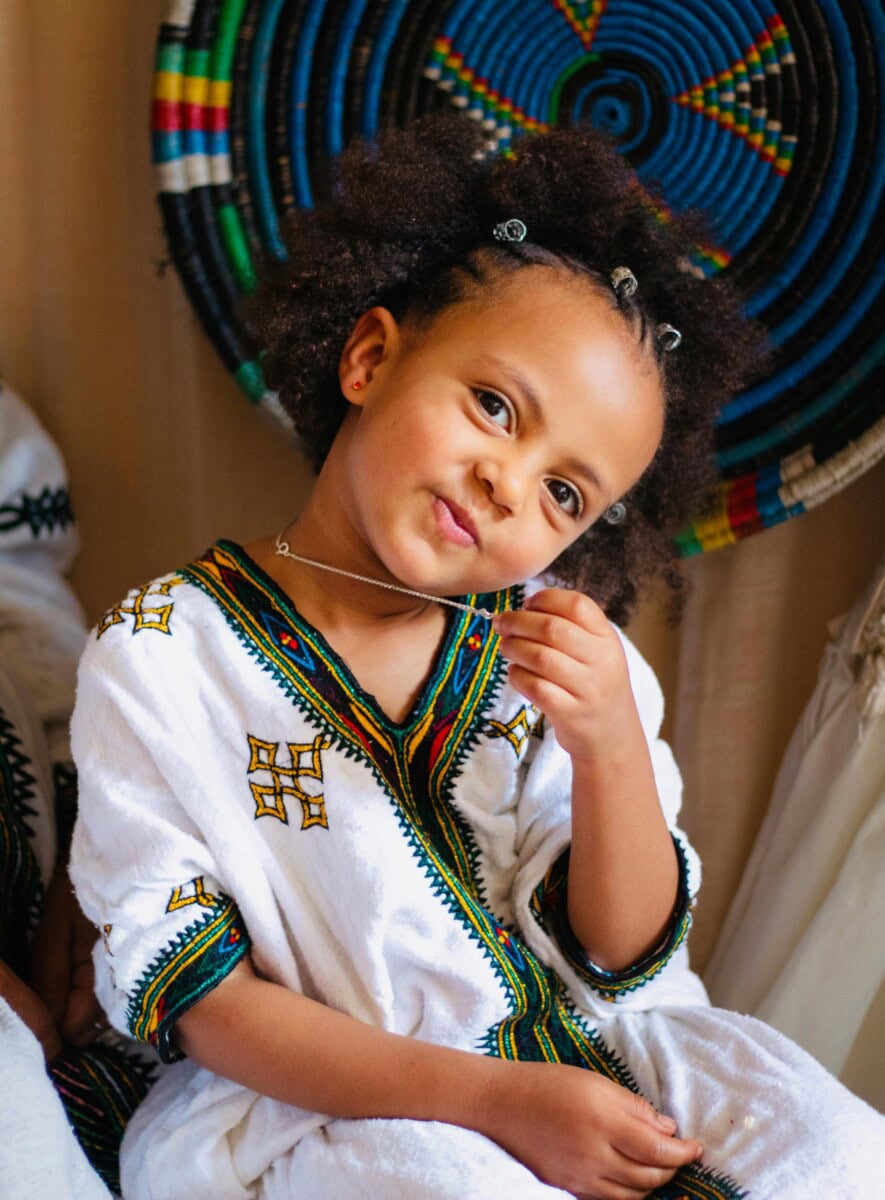
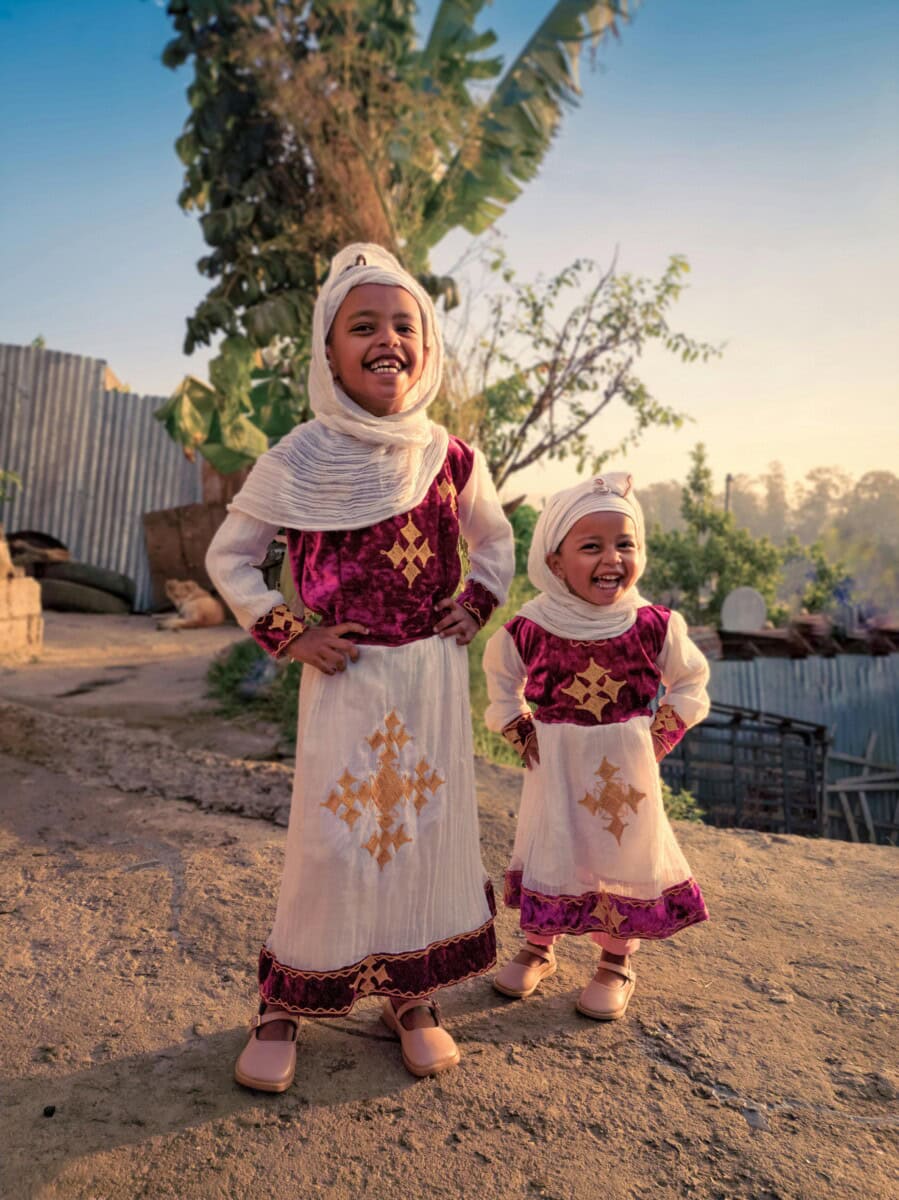
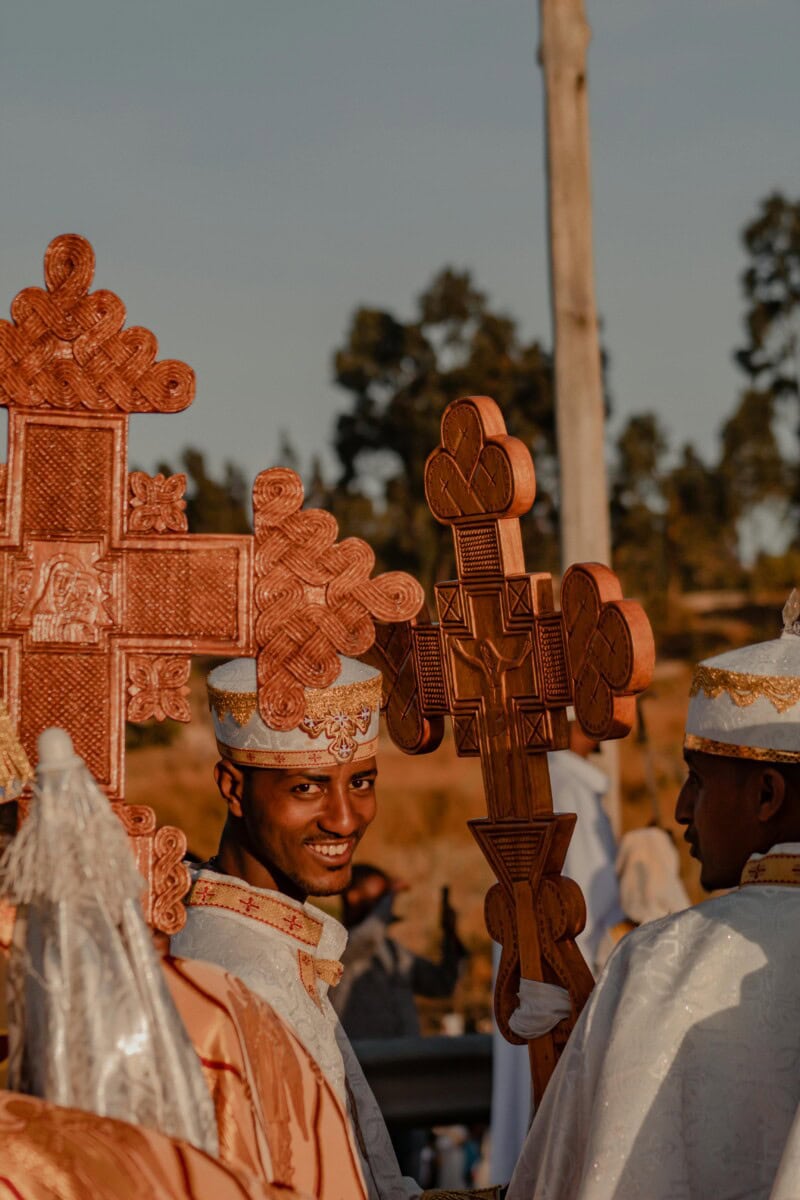
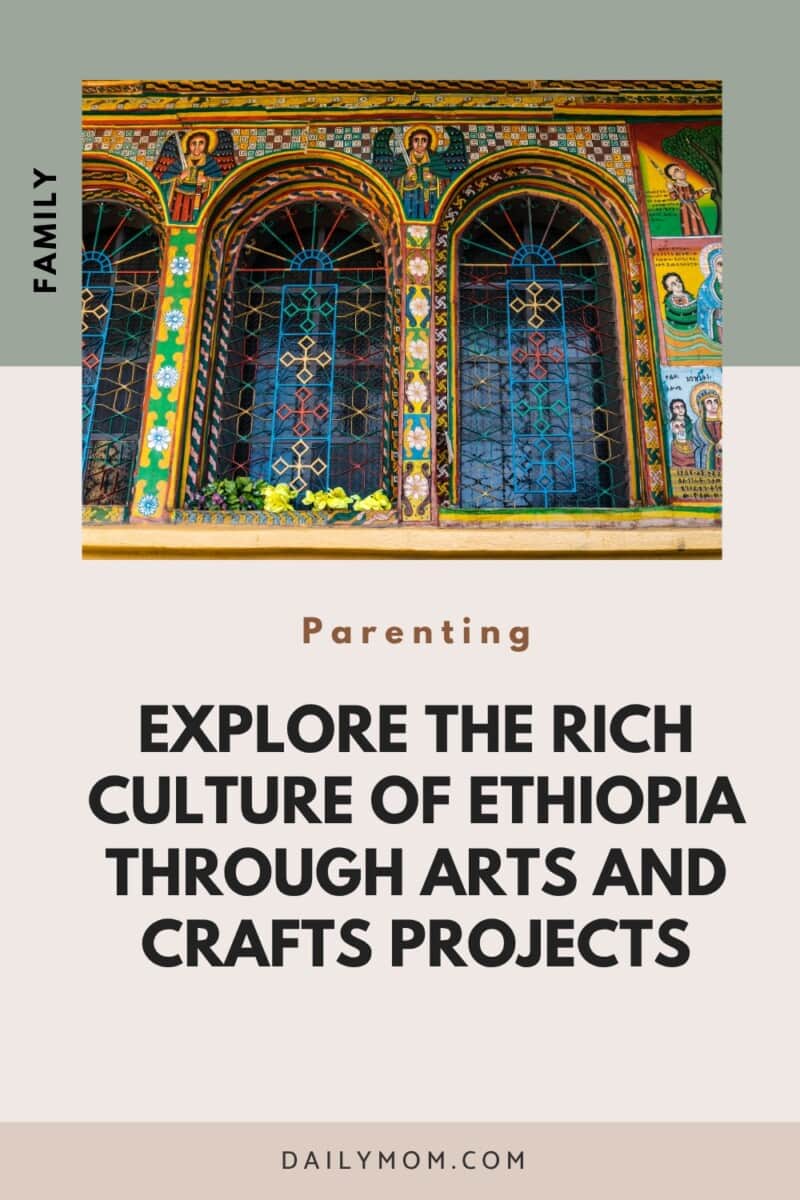
Spend even a few minutes looking at art from Ethiopia, and certain details start to stand out right away. There’s a boldness to it. It has a confidence in color, shape, and storytelling that feels both expressive and intentional. Every line, every color choice, every repeated form has meaning rooted in culture, history, and belief.
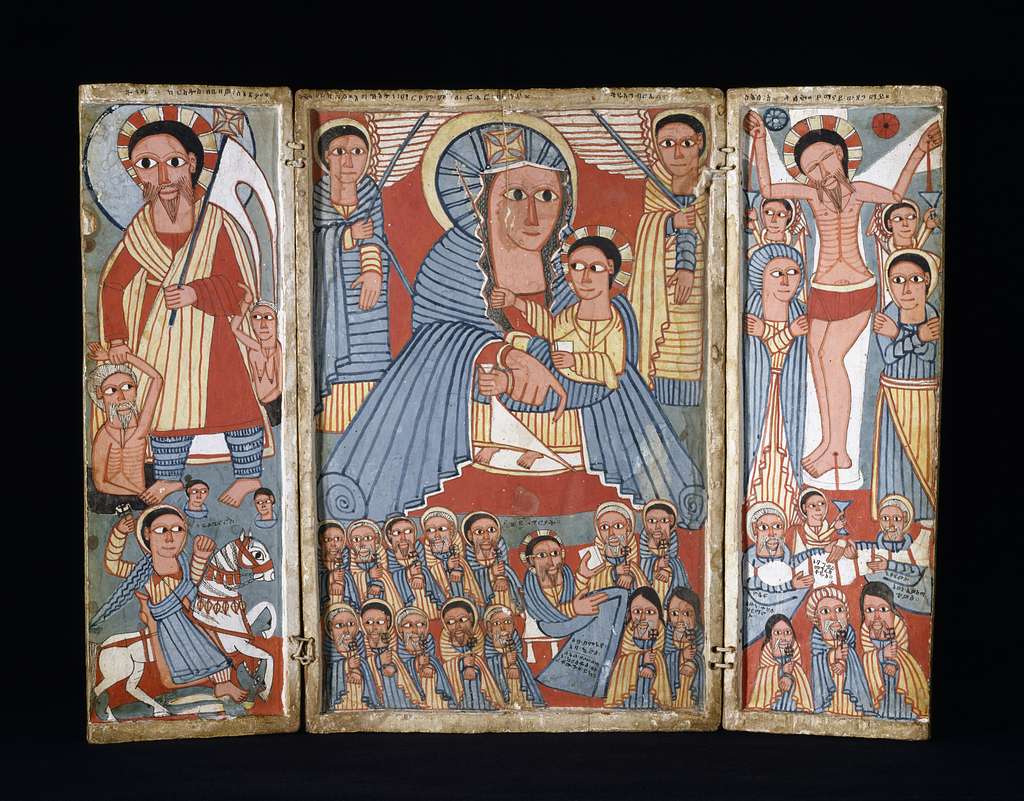
Ethiopian visual culture often leans into strong, flat areas of color paired with clear outlines. Faces in a painting might have large, almond-shaped eyes. Clothing might feature a repeated geometric motif. Even a simple illustration can feel full of life because the palette is so vivid and thoughtfully arranged.
For parents and educators, breaking this down into simple ideas makes it approachable:
- Iconography (symbols and figures) often tells a story, especially in religious scenes
- Color palettes tend to be bold and expressive rather than subtle
- Symbols repeat in ways that feel rhythmic, almost like music you can see
- Shapes and proportions may look different from Western styles, and that’s part of the beauty
This is a great moment to introduce the concept that art doesn’t have to look “realistic” to be meaningful. In fact, many Ethiopian artists intentionally use stylized forms to communicate emotion or importance. That opens the door for kids to think differently about their own creative choices.
Beyond Paint: Colorful Decoration Using Wood, Cotton, Yarn, and Brass Alloy Jewelry
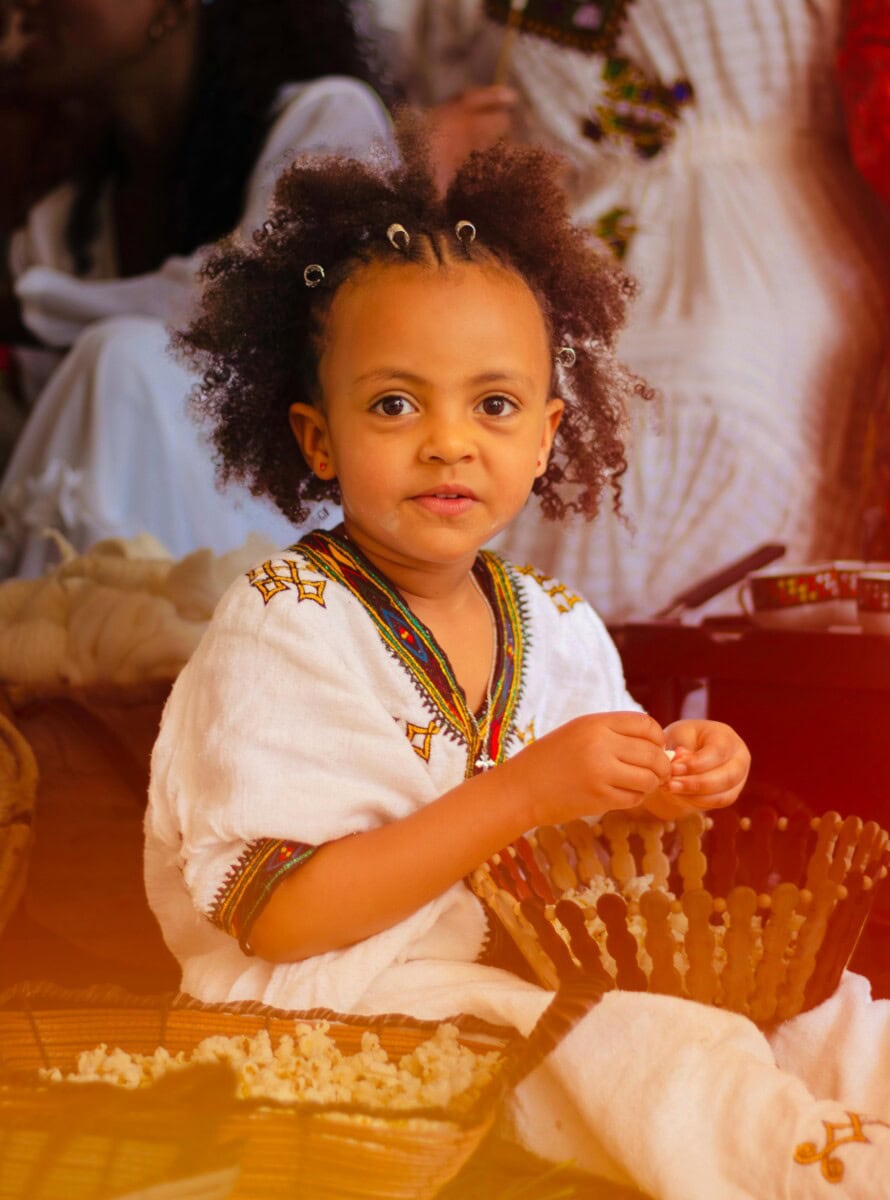
Beyond painting, there’s also a wide range of materials and techniques that make this artistic heritage feel tangible. Textiles, for example, often feature carefully planned designs created through weaving. These aren’t just decorative. They’re part of daily life, worn and used in ways that connect people to their heritage. Similarly, carved wood objects, brass alloy jewelry, and other handmade items reflect both function and artistry, blending beauty with purpose.
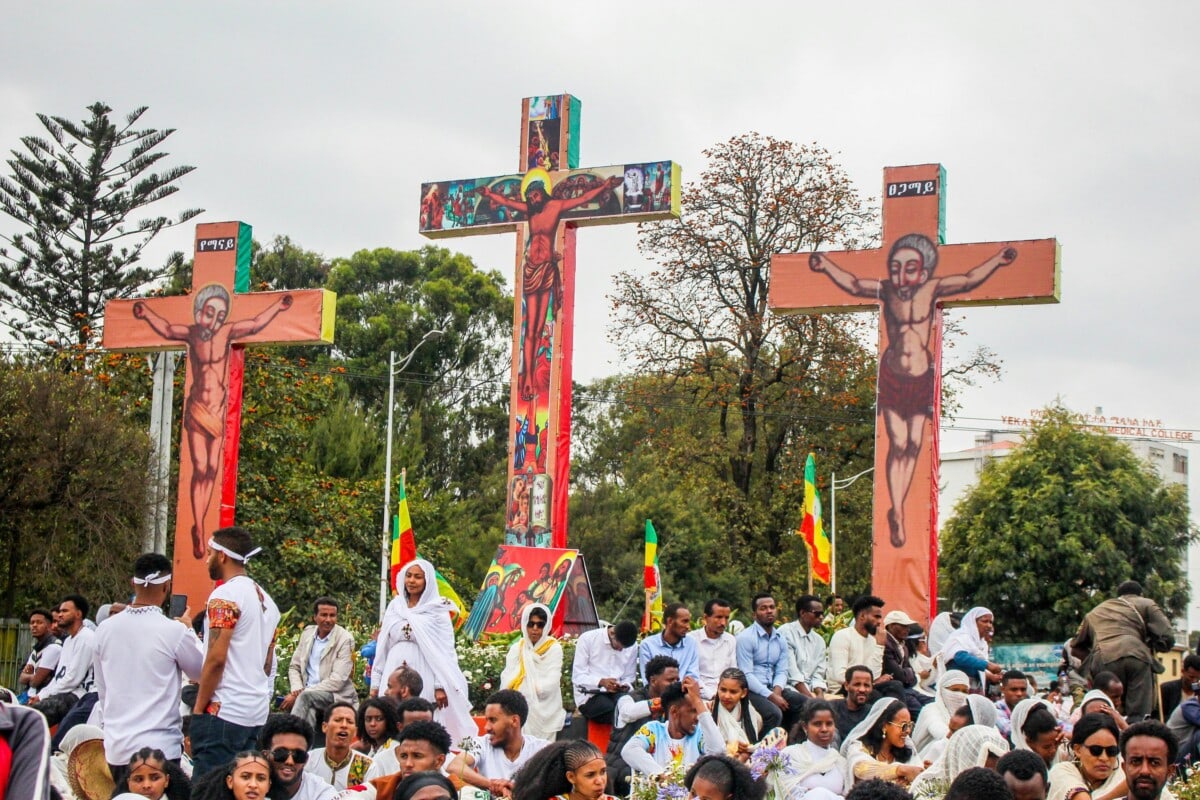
Some of the most recognizable examples come from religious contexts, especially within the Ethiopian Orthodox church. However, there are Muslim traditions as well. Art becomes a way to express belief. You might see a Byzantine painted icon placed near an altar or carried during a procession, illuminated manuscripts, or processional crosses, each one filled with symbolism. These pieces are part of lived experience, tied to ritual and community.
Ancient Kingdom of Ethiopia: Traditional and Religious Heritage of Christianity
To really appreciate art from Ethiopia, it helps to understand the story behind it. Not in a textbook-heavy way, but in a way that gives just enough context to make everything feel more meaningful.
Ancient African Kingdom of Aksum: From the Church in Lalibela to Mediterranean Connections
Ethiopia is often described as one of the world’s oldest continuous civilizations, with roots stretching back to the ancient Kingdom of Aksum. This early kingdom played a major role in trade, connecting parts of Africa with the Mediterranean world, and helped shape the cultural foundation still visible today. For kids, that alone can be fascinating—imagining a place that has been creating, building, and telling stories for such a long time.
Role of the Christian Eastern Orthodox Church
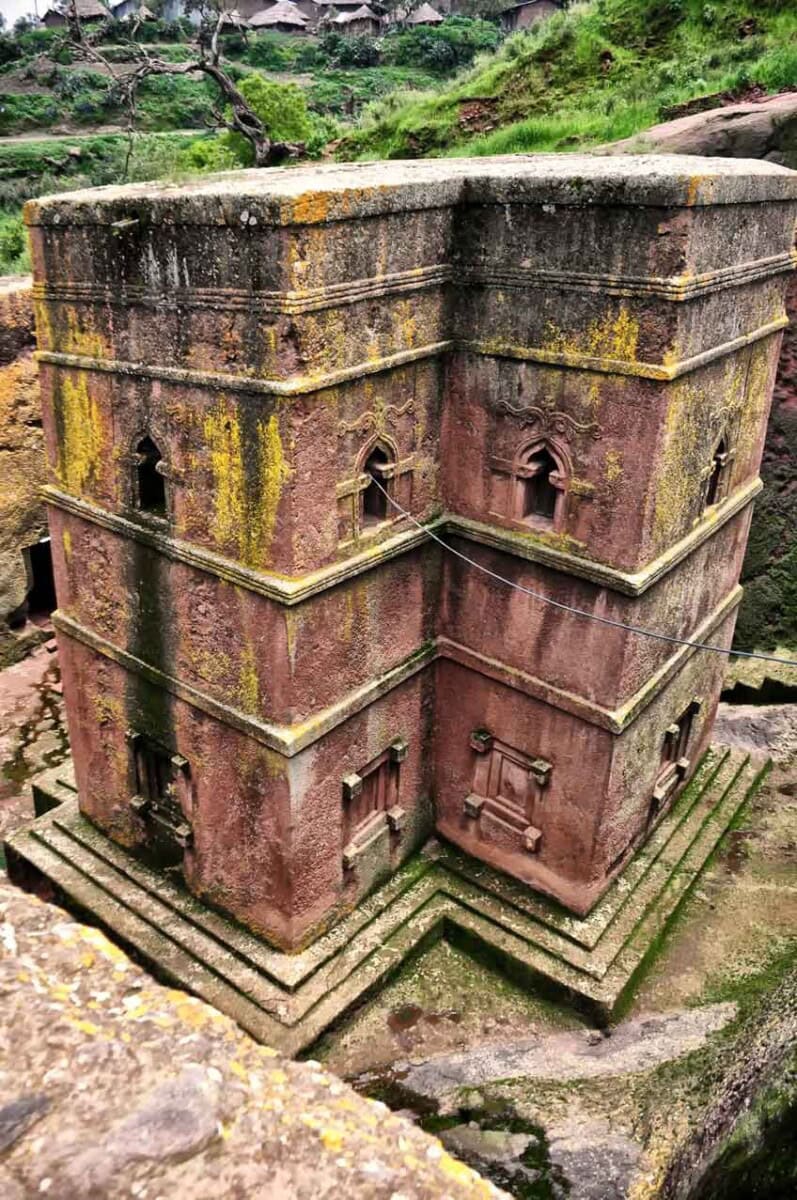
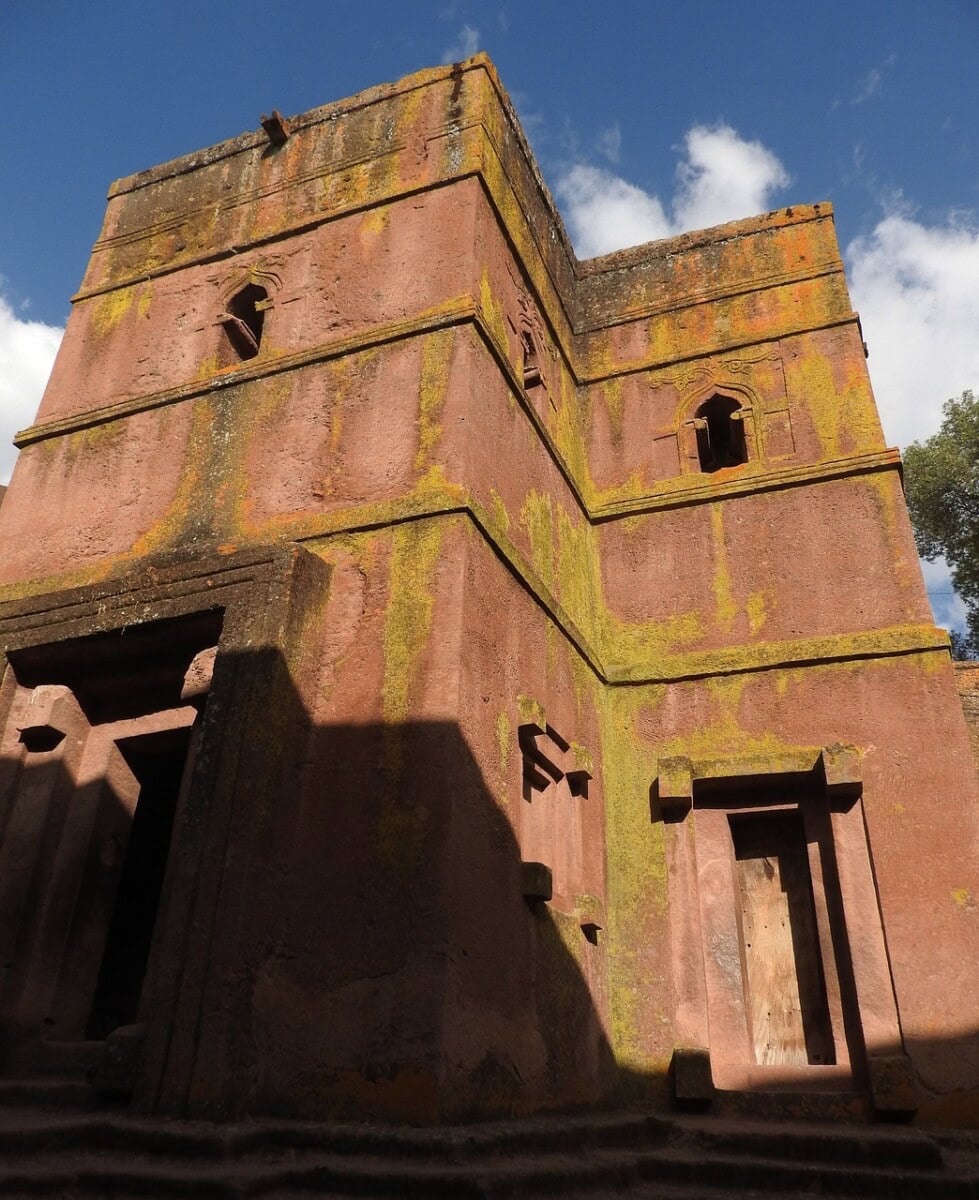
One of the most important influences on art in Ethiopia is the early adoption of Christianity in the 4th century. This led to the development of a strong religious artistic tradition, especially within the Christian Ethiopian Orthodox Church. Paintings, icons, a medieval blessing cross, and even architecture reflect this connection. A popular story is of Philip the Evangelist visiting Ethiopia. A famous example is the Rock-Hewn Church in Lalibela, where entire church structures were carved directly into stone. Just the image of that can spark curiosity and wonder in children.
Introducing the Idea of the Ethiopian Orthodox Heritage of Iconography, Decorative Altar Pieces, Illuminated Manuscripts, and Processional Crosses
For parents, the challenge isn’t finding information—it’s deciding how to share it in a way that feels engaging rather than overwhelming. A few simple strategies can make a big difference:
- Focus on stories, not dates: Kids connect more with people and experiences than timelines
- Use comparisons: Relate unfamiliar ideas to things they already understand
- Encourage questions: Let curiosity lead the conversation instead of trying to cover everything
Weave in Sensitivity to African Cultural Differences
It’s also important to present Ethiopia in a way that avoids stereotypes. Instead of framing it as “different” or “other,” it helps to highlight both uniqueness and shared experiences. Children can understand that while daily life may look different in another part of the world, families, creativity, and community are universal.
For parents and educators, this can be framed in simple, age-appropriate ways:
- “We’re learning about this, not pretending it’s ours.”
- “This comes from a real place with real people.”
- “Some things are special and should be treated carefully.”
These small reminders help children build awareness without taking away the joy of creating.
For families who want to go a step further, try pairing a short story or video with a simple discussion:
- What did you notice about how people live?
- What looked familiar? What felt new?
- How do you think art fits into their daily life?
These kinds of questions don’t require perfect answers. They create space for thinking, noticing, and connecting.
Traditional Ethiopian Living and Contemporary Decorative Culture of Africa: Both Rural and Urban
It’s easy to think of art as something frozen in the past or just part of the urban experience. The creative world across Ethiopia is vibrant, constantly evolving, while still holding onto what matters. That balance between old and new is part of what makes Ethiopian expression so engaging for families exploring it together.
Parents can make these connections feel real by bringing in elements of everyday life, not just visual art. Culture isn’t limited to decoration. It’s something you can hear, taste, and experience:
- Music: Play Ethiopian songs with distinct rhythms and instruments
- Food: Try simple dishes or flavors that introduce new tastes
- Celebrations: Learn about holidays and festivals that highlight community values
Ethiopian Coffee Ceremony Sensory and Role-Play


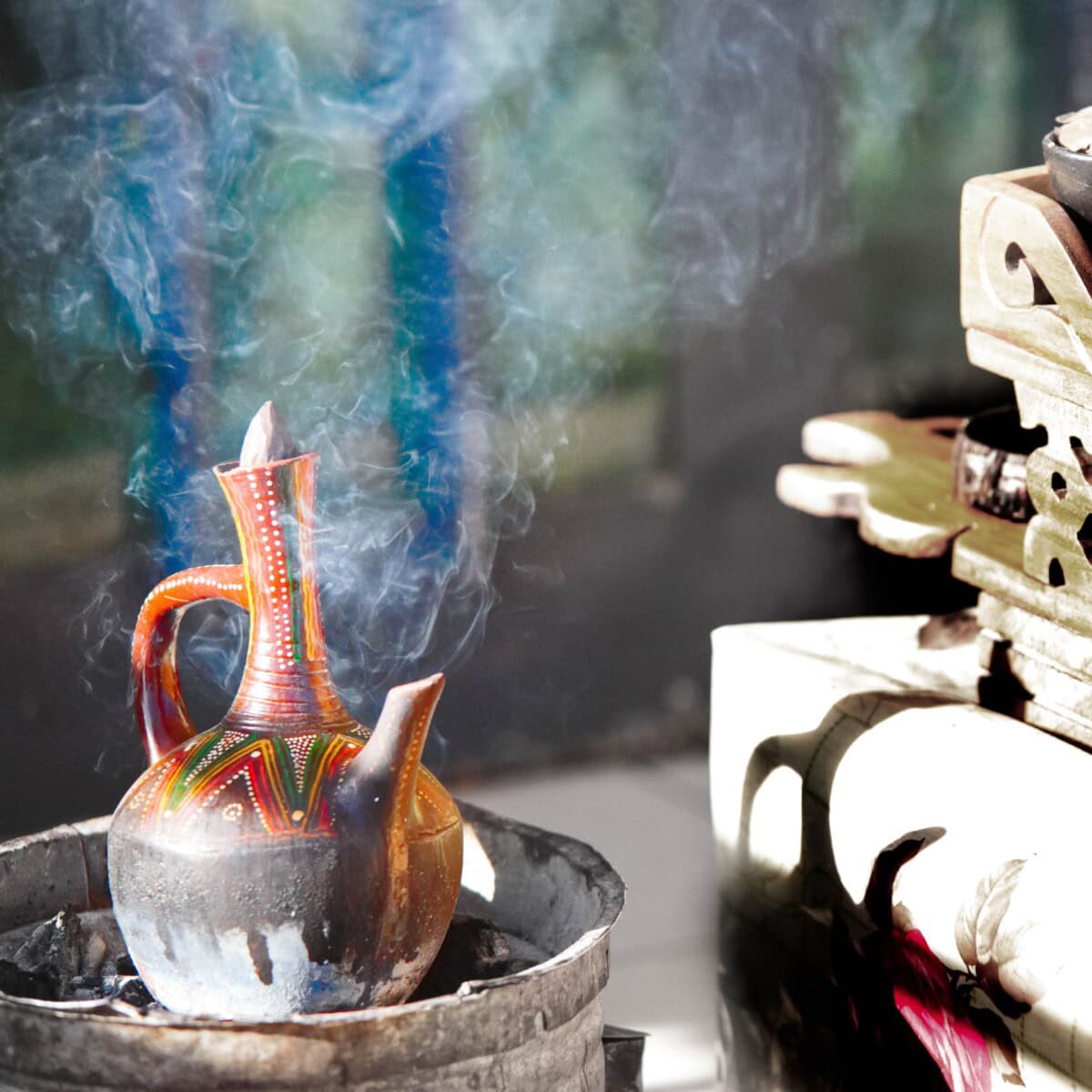
One especially meaningful entry point is the Ethiopian coffee ceremony. More than just a drink, Ethiopian coffee is tied to a social ritual known as the coffee ceremony. This ceremony emphasizes hospitality, patience, and connection. There is an emphasis on the beauty of a decorative cup or plate. Even a simplified version at home can give children a sense of how art, culture, and daily routines overlap.
The Ethiopian coffee ceremony offers a natural bridge into sensory exploration. While a full ceremony may be too complex for young children, a simplified version can still capture the spirit of it using cocoa rather than coffee.
What to try:
- Create a sensory bin using coffee beans (supervised for younger kids)
- Add small cups, spoons, and containers for pretend pouring
- Talk about how families gather and share time together
Learning focus:
- Sensory development (smell, touch)
- Social routines and connection
- Cultural awareness through everyday practice
Quick tip: If whole beans aren’t ideal, substitute with dried beans or other safe materials.
Craft Idea: Hands-On Activities and DIY Projects for Families
At some point, looking and talking about art naturally leads to a simple question: Can this be made at home? In fact, this is where everything starts to click for kids. The shift from observing to creating turns images into something tangible—and often, something memorable.
Here are a few family-friendly activities that draw inspiration from Ethiopian heritage while staying practical for home use:
Pattern Printing with Simple Materials and Colorful Paint
Textile customs in Ethiopia often feature repeated designs that feel rhythmic and intentional. This can easily translate into a fun printmaking activity at home.
What to try:
- Cut simple shapes into potatoes or sponges
- Dip into paint and press onto paper to create a repeating design
- Experiment with spacing, rotation, and layering
Learning focus:
- Understanding repetition and symmetry
- Exploring how patterns are built
- Strengthening fine motor skills
- Encourage kids to notice how a small shape can turn into something complex when repeated. That realization often sparks new creative ideas.
Paper Byzantine Icons and Storytelling Through Illustration
Inspired by religious artwork, this activity introduces the thought that images can tell stories. There’s no need to replicate specific figures—just focus on expression and meaning.
What to try:
- Use crayons, markers, or tempera to create a simple scene
- Emphasize bold outlines and large, expressive eyes
- Ask children to explain what’s happening in their picture
Learning focus:
- Visual storytelling
- Emotional expression
- Connecting images with meaning
This is also a great moment to gently introduce the concept that some artwork has special significance, helping children build respect alongside creativity.
Beginner Weaving with Everyday Supplies
Weaving connects directly to textile customs and offers a satisfying, hands-on experience. Even very simple setups can feel engaging.
What to try:
- Create a loom using cardboard and cut slits along the edges
- Use yarn, paper strips, or fabric scraps to weave in and out
- Alternate colors to create a basic cotton wrap design
Learning focus:
- Patterns and sequencing
- Hand-eye coordination
- Patience and process
There’s something calming about the repetitive motion of weaving, and kids often enjoy seeing the piece slowly come together.
Making It Work for Real Life in the 21st Century
Not every family has access to art supplies or long stretches of time—and that’s completely fine. These activities can be adapted in simple ways:
- Use recycled materials instead of buying new ones
- Shorten projects into 10–15 minute sessions
- Adjust tools for different abilities or sensory preferences
The goal isn’t perfection. It’s participation.
When children engage in craft this way, they begin to understand that art isn’t something distant or untouchable. It’s something people make, share, and adapt every day. And in that process, they’re not just learning about Ethiopian values—they’re building their own creative confidence, one small project at a time.
Ethiopian Art Museum: Ethiopia at the Crossroads


Outside the home, there are also meaningful ways to deepen the experience. Visiting a local museum or cultural center can bring a new level of excitement. Seeing objects in person, whether it’s a carved piece of wood, a textile, or a historical artifact, adds a sense of scale and presence that photos can’t always capture.
When visiting a museum, it helps to keep things focused and manageable:
- Pick just a few pieces to explore rather than trying to see everything
- Ask simple questions: What do you notice? How does it make you feel?
- Talk about how the object might have been used in daily life
Some families may come across a traveling exhibition like Ethiopia at the Crossroads, which highlights the country’s artistic and historical connections across African regions. Experiences like that can leave a lasting impression, especially when paired with what’s already being explored at home.
For those without easy access to in-person options, virtual resources have made this kind of learning more accessible than ever. Many museum collections and artist platforms now offer online galleries, short videos, and interactive content designed with younger audiences rather than academia in mind. These can be especially helpful for introducing specific ideas—like how an artist works or how a piece is created.
Beyond Aesthetics: Exploring the City of Addis Ababa and Ethiopian Languages
To extend learning even further, a few simple additions can make a big difference:
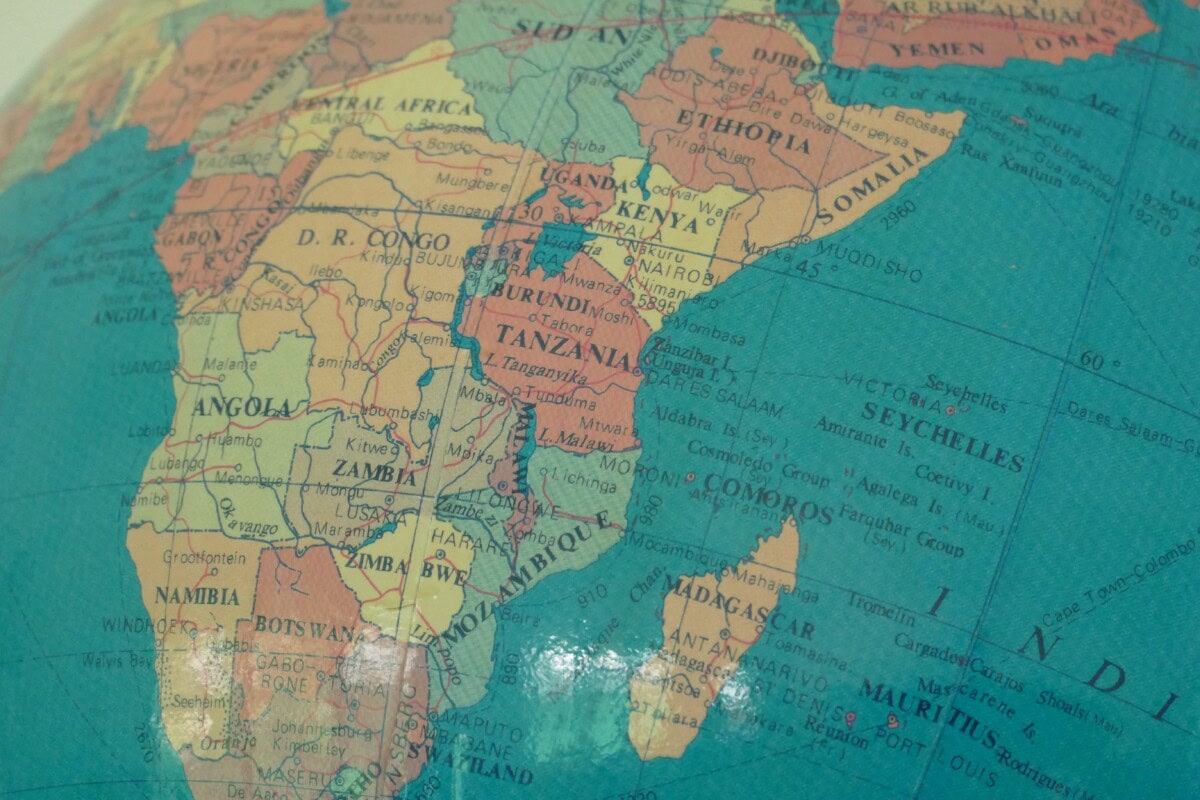
- Map work: Locate Ethiopia and the city of Addis Ababa within Africa and talk about distance and geography
- Language basics: Learn a few simple words of the Amharic and Oromo languages and notice how literature connects to culture
- Art journaling: Keep a running collection of drawings, notes, and observations
Over time, these small pieces start to come together. What begins as a single activity evolves into a broader understanding—one that feels connected, layered, and personal.
The goal with all of these resources isn’t to cover everything. It’s to create a steady flow of exposure—small, consistent moments that build familiarity over time. When done this way, learning about Ethiopian art becomes less about checking boxes and more about building genuine interest.
And often, that’s when the most meaningful connections start to happen.
You might also be interested in…
Want to learn more about expanding cultural knowledge? Check out this article on global parenting wisdom.
CONNECT WITH DAILY MOM
💖 Where every mom deserves a moment. 💖
FIND US ON OUR SOCIALS
LOVE IT? PIN IT!