





























Hearing your newborn struggle to breathe through a stuffed, rattling nose is one of the most heart-wrenching experiences for a new parent. Whether triggered by seasonal temperature swings, dry winter heating systems, ambient household dust, or a nursery cold, nasal congestion quickly disrupts a young family’s daily rhythms. During the first four to six months of life, infants are obligate nose breathers. They rely almost exclusively on open, clear nasal passages to take in oxygen while nursing, drinking from a bottle, or sleeping. Because a newborn’s upper respiratory system is remarkably small and sensitive, even a tiny speck of dried fluid or mild tissue swelling can significantly block their airflow. When babies cannot clear their own nasal passages, they become fussy, struggle to maintain a comfortable latch during feedings, and wake repeatedly throughout the night. Equipping your nursery with the best infant nasal aspirator offers caregivers a safe, consistent, and gentle way to draw out trapped secretions, helping their little ones breathe freely and rest peacefully.
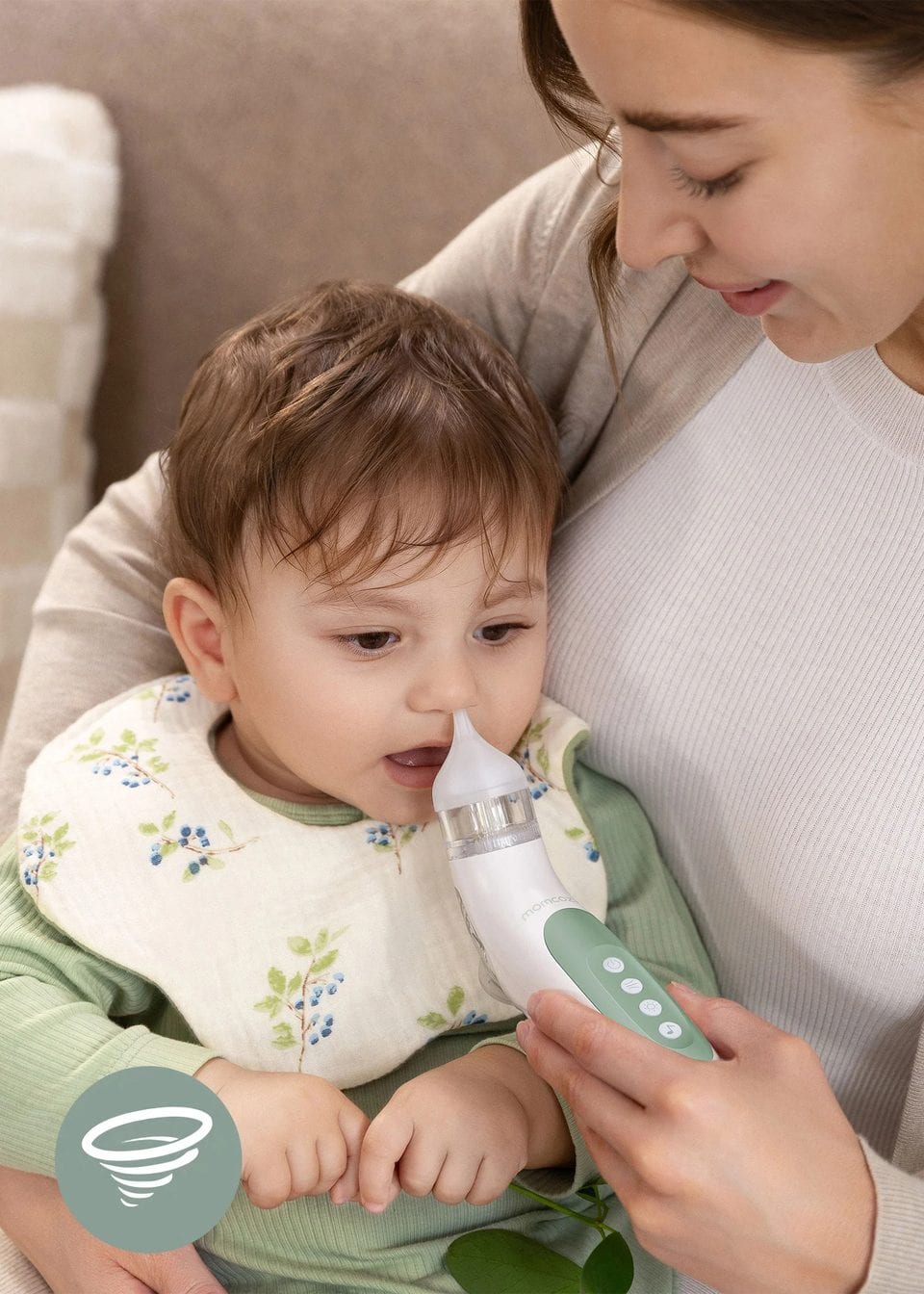
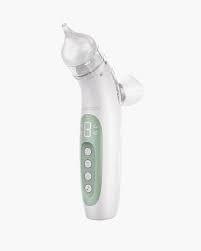
Because an infant’s nasal lining is filled with delicate blood vessels, clearing obstructions requires proper technique, gentle tools, and adequate preparation. While traditional manual rubber bulbs were once standard equipment in hospital care kits, modern pediatric design has introduced smoother, automated clearing solutions. Advanced tools such as the 2-in-1 spray suction electric nasal aspirator combine fine isotonic saline micro-misting with ultra-soft, food-grade silicone tips. This integrated approach hydrates and softens hardened nasal buildup before applying controlled electric suction, avoiding the skin tugging, friction, and tissue discomfort associated with dry extraction. In this detailed guide, we will analyze the physiological factors that make infants prone to nasal blockages, compare common extraction tools, detail a step-by-step clearance routine, review nursery environment optimizations, and explain sanitization protocols to keep your baby’s respiratory health on track.
1. Understanding Infant Upper Airway Physiology
To manage infant nasal congestion effectively, caregivers must first understand the unique anatomical features of a newborn’s upper respiratory system.
The Mechanism of Obligate Nose Breathing
Infants naturally prefer breathing through their nostrils rather than their mouths during early infancy. This evolutionary trait allows newborns to feed continuously—maintaining a secure latch on a breast or bottle—while taking steady breaths through their nose. However, when nasal passages become clogged with fluid or swollen, this breathing preference becomes a challenge. A congested infant cannot comfortably feed without repeatedly breaking their seal to gasp for air. This leads to increased crying, excessive air swallowing (aerophagia), painful gas, and incomplete feedings.
Compact Airway Dimensions
The diameter of a newborn’s nasal passage is exceptionally small—roughly equivalent to the width of a narrow drinking straw. As a result, a tiny droplet of dried mucus or minimal mucosal swelling that an adult would barely notice can block up to 75% of an infant’s total nasal airway. This explains why a baby can transition from quiet breathing to loud snorting, rattling, or whistling sounds within just a few hours.
Highly Reactive Mucosal Linings
The mucosal tissues inside an infant’s nose are packed with small blood vessels and mucous glands designed to warm, humidify, and filter incoming air. Because these tissues are so sensitive, they react quickly to external environmental changes. Factors such as cold winter drafts, dry indoor air from heating vents, pet dander, and household dust cause these linings to swell and produce extra mucus as a natural protective response.
2. Portability and Long-Term Convenience for Busy Caregivers
Managing a baby’s congestion is rarely a single event; seasonal cold cycles, daycare exposures, and teething often cause recurring bouts of nasal buildup across several weeks. For parents handling long night shifts in the nursery, travel, or family outings, having dependable, long-lasting tools is essential.
Using a dedicated device like a long battery life baby nasal aspirator ensures that parents always have steady suction power available without worrying about frequent battery drain. Key advantages of portable, long-lasting electric aspirators include:
- Uninterrupted Nighttime Care: Pausing mid-night to recharge a battery during a fussy cold episode creates unnecessary stress. Extended battery capacity allows multiple clearing sessions across several days on a single charge.
- Travel Preparedness: Whether visiting relatives, taking road trips, or spending days away from home, a long-lasting rechargeable unit powered via standard USB-C eliminates the need to carry bulky power adapters or specialized charging docks.
- Consistent Vacuum Power: Battery performance directly impacts suction strength. Advanced rechargeable battery cells maintain steady motor speed and suction pressure right up to the next recharge, avoiding the gradual suction drop common in disposable battery units.
3. Comprehensive Comparison of Nasal Clearance Tools
Parents can choose from several tools to clear baby noses. Evaluating the mechanics, safety features, and hygiene requirements of each helps caregivers select the best fit for their home.
| Care Feature / Tool Type | Traditional Rubber Bulb Syringe | Manual Oral Suction Aspirator | Modern Electric Nasal Aspirator |
| Suction Control | Manual squeezing (variable, uncalibrated pressure) | Parent’s breath draw via mouth piece | Calibrated multi-level electronic motor |
| Tip Material | Rigid rubber or hard plastic tip | Semi-flexible plastic nozzle | Food-grade, ultra-soft silicone nozzles |
| Pre-Hydration Integration | None (requires separate dropper) | None (requires separate dropper) | Integrated isotonic saline micro-mister |
| Hygiene & Inspection | Opaque interior (difficult to dry or inspect for mold) | Clear tubing with replaceable filters | Disassembly-friendly, washable/boilable collection cups |
| Ease of One-Handed Use | Moderate (requires squeezing hand) | Poor (requires two hands plus mouth coordination) | High (one-button operation allows free hand to soothe baby) |
| Noise Level | Completely silent | Completely silent | Quiet motor operations (<50–55 dB) |
Analyzing Traditional Bulb Syringes

For generations, standard rubber bulbs were the primary tool included in basic hospital care kits. However, pediatricians and parents frequently note several practical limitations:
- Unpredictable Pressure: Manual squeezing makes controlling suction pressure difficult. Quick releases can pull too forcefully against delicate nasal linings, causing minor irritation.
- Bacterial and Mold Risks: Because rubber bulbs cannot be taken apart or visually inspected inside, moisture gets trapped after washing. Studies show that dark, damp bulb interiors foster hidden mold and bacterial growth over time.
- Abrasive Nozzles: Standard rigid plastic tips lack flexibility, which can irritate inflamed skin if a baby turns their head during extraction.
Analyzing Manual Oral Suction Tubes
Oral suction devices feature a flexible tube where a parent creates vacuum pressure by inhaling through a mouthpiece while an inline filter captures fluid in a central chamber.
- Pros: Gives parents direct control over suction strength through their breathing strength.
- Cons: Managing the tubing, mouthpiece, and baby’s head simultaneously requires two hands and full coordination, which can be challenging when trying to soothe an upset infant alone.
Analyzing Modern Electric Nasal Aspirators
Electric nasal aspirators utilize quiet, battery-powered vacuum pumps paired with soft silicone nozzles to deliver smooth, continuous clearance.
- Calibrated, Safe Vacuum Strength: Multiple adjustable suction settings ensure pressure stays within medically safe limits for infants while adapting to thin liquid or thick buildup.
- Soothing Micro-Misting: Advanced models integrate fine saline spray functions directly into the main device housing, allowing caregivers to hydrate hardened mucus before applying suction.
- Clear Hygiene Chambers: Transparent, detachable collection cups allow caregivers to inspect collected fluid easily and clean every part thoroughly after use.
4. Step-by-Step Guide: Clearing Your Baby’s Nose Safely
Clearing an infant’s nasal passages should always be done with patience, gentleness, and proper preparation. Following a structured procedure minimizes fussiness and ensures quick, effective relief.
Step 1: Soften Hardened Build-up with Saline
Never attempt to pull dry or hardened mucus out of an infant’s nose. Drawing dry fluid against fragile nasal tissue causes discomfort and can lead to minor swelling or bleeding.
- Instill 1 to 2 drops of sterile pediatric saline into each nostril, or use the built-in saline mister on your electric aspirator.
- Keep your baby relaxed for 30 to 60 seconds. This allows the isotonic solution to break down thick, sticky mucus naturally.
Step 2: Establish a Secure, Comfortable Posture
- Cradle your baby on your lap in a semi-upright posture at roughly a 45-degree angle, supporting their head, neck, and shoulders with your non-dominant arm.
- Avoid laying your baby completely flat on their back during nasal clearance. An inclined position prevents loosened saline or fluid from dripping back into the throat, reducing coughing or gagging reflexes.
Step 3: Select the Right Silicone Tip and Seal
- Choose a soft, food-grade silicone tip designed for your baby’s age (e.g., narrow tips for newborns, wider gourd-shaped tips for older infants).
- Place the tip gently against the outer entrance of the nostril to form a light air seal.
- Safety Note: Never push the tip deep into the nasal cavity. The goal is to create a seal at the nostril opening, allowing air pressure to draw fluid outward into the collection cup.
Step 4: Apply Gentle, Controlled Suction
- Turn on the aspirator at its lowest suction setting.
- Direct the tip slightly outward toward the side of the nose (toward the cheek) rather than straight against the sensitive central nasal septum. The nasal septum is lined with delicate blood vessels that can easily bleed if disturbed.
- Apply short, controlled suction pulses lasting 2 to 3 seconds at a time. If necessary, adjust to a higher suction level for thicker secretions.
Step 5: Wipe, Soothe, and Clean
- Gently wipe away remaining moisture around the nose using a soft, damp cloth or soft tissue.
- Hug, swaddle, or feed your baby right away to reassure them.
- Immediately wash and rinse the collection cup and silicone tips to keep equipment clean and ready for the next use.
[IMAGE 4 PLACEHOLDER]
- Type: Lifestyle Step-by-Step Photo (Min 1000px wide)
- Alt Text: Mother applying saline spray before gently suctioning her baby’s nose
- Visual Description: Bright lifestyle photography showing a mother cradling her baby at an angle on a sofa while preparing a gentle saline mist.
5. Cleaning and Sanitization Protocols for Nasal Care Devices
Proper hygiene prevents cross-contamination and mold growth on nasal care devices. Because these instruments come into direct contact with respiratory fluids, thorough cleaning after every use is essential.
Daily Post-Use Cleaning Routine
- Immediate Disassembly: Separate all removable parts—including silicone tips, seal rings, and collection chambers—from the main electronic unit right after use.
- Warm Water Flush: Rinse parts under warm running water to wash away residual fluid.
- Soapy Wash: Wash components using a dedicated baby-bottle brush and mild, fragrance-free dish soap.
- Air Drying: Place cleaned components on a well-ventilated drying rack to air-dry completely. Avoid storing damp parts in airtight bags or closed drawers, as trapped moisture promotes bacterial growth.
Weekly Sterilization Protocols
- For silicone tips and heat-resistant collection chambers, submerge parts in boiling water for 3 to 5 minutes once or twice a week during cold seasons.
- Alternatively, use a standard nursery steam sterilizer, ensuring all materials are rated for high-temperature steam.
- Protecting the Electronic Unit: Never submerge the main electronic base in water or place it in a dishwasher. Keep the battery charging port dry, wiping the outer casing clean with a slightly damp microfiber cloth.
6. Environmental Strategies for a Healthy Nursery
In addition to using a nasal aspirator, optimizing your nursery environment helps reduce overall congestion and keeps your baby’s nasal passages moist and comfortable.
1. Maintain Proper Room Humidity
Heating systems in winter and air conditioning units in summer pull moisture from indoor air. Relative humidity below 30% dries out sensitive nasal membranes, causing localized irritation and prompting the body to produce thicker mucus.
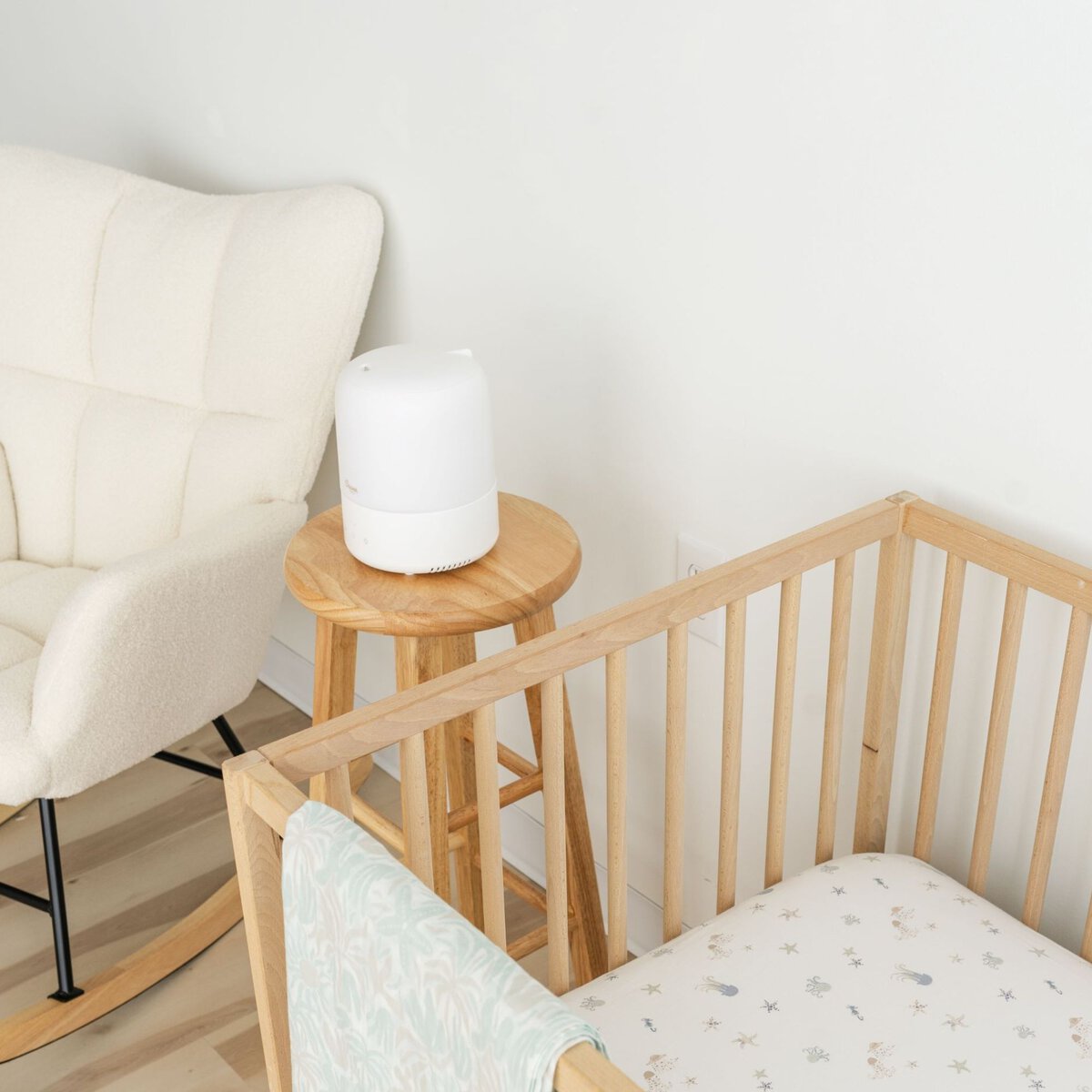
- Place a cool-mist humidifier in the nursery, positioning it 3 to 5 feet away from the crib.
- Aim to maintain nursery humidity between 40% and 50%. This balances airway comfort while preventing mold spores or dust mites from thriving.
2. Reduce Airborne Dust and Allergenic Triggers
- HEPA Air Filtration: Run an air purifier equipped with a true HEPA filter to capture airborne dust, pet dander, pollen, and microscopic particles out of the room.
- Eliminate Synthetic Scents: Avoid using scented candles, aerosol room sprays, incense, or harsh cleaning chemicals near the nursery. Artificial fragrances can inflame delicate airway linings.
- Regular Bedding Care: Wash crib fitted sheets, mattress covers, and sleep sacks weekly in hot water using hypoallergenic, fragrance-free laundry detergents.
3. Maintain Consistent Hydration
Proper internal hydration keeps bodily fluids, including nasal secretions, thin and easy to clear. Ensure your baby receives frequent breast milk or formula feedings throughout the day. For infants under six months of age, extra plain water is generally not recommended unless specifically advised by a pediatrician.
7. Pediatric Guidance: When to Seek Medical Attention

While mild nasal congestion is common and usually resolves with simple home care, parents should remain alert for symptoms that require professional medical evaluation.
Normal Home-Care Appropriate Symptoms
- Mild whistling or snorting sounds during sleep
- Clear, thin, or light white fluid output
- Temporary fussiness during bottle or breast latching
Contact Your Pediatrician Promptly If You Observe:
- Signs of Respiratory Distress:
- Retractions: The skin pulls tight between the ribs, under the ribcage, or at the base of the neck during inhalation.
- Nostril Flaring: The nostrils spread wide with every breath as the baby works harder to pull in air.
- Tachypnea: Exceptionally rapid breathing (more than 60 breaths per minute in a resting newborn).
- Grunting: Persistent grunting sounds at the end of each exhalation.
- Retractions: The skin pulls tight between the ribs, under the ribcage, or at the base of the neck during inhalation.
- High Fever: A rectal temperature exceeding 100.4°F (38°C) in infants under three months of age requires immediate medical evaluation.
- Feeding and Hydration Drops: Inability to take in fluid, refusal to nurse, or fewer than four to six wet diapers in a 24-hour period.
- Persistent Symptoms: Congestion that shows no improvement after 10 to 14 days, or fluid that changes to a foul-smelling, thick discharge from one nostril.
8. Summary: Gentle Nasal Care for Peaceful Nursery Sleep
Managing newborn nasal congestion safely comes down to understanding your baby’s physical needs, maintaining clean nursery air, and using the right equipment. By softening blockages with isotonic saline, maintaining proper room humidity, and utilizing an electric aspirator equipped with soft silicone tips, parents can clear nasal passages quickly without causing distress. Reliable home tools, paired with consistent cleaning routines and thoughtful care, ensure your little one stays comfortable, healthy, and resting peacefully through every season.
You might also be interested in…
Want more ideas to help with those big emotions? Check out these 7 time-out alternatives!
CONNECT WITH DAILY MOM
💖 NEWSLETTER: DAILY READS IN YOUR INBOX 💖
Sign up to receive our picks for the best things to do, see and buy so you can relax and focus on more important tasks! Let us help you be the best version of yourself you can be!
BE SOCIAL WITH US
📌 LOVE IT? PIN IT!📌