































Are you tired of using commercial detergents filled with harsh chemicals? Discover the joy of using an easy natural homemade DIY clothing detergent recipe that is not only effective but also gentle on your clothes and the environment. Make your laundry room less toxic and your home a better place for all to live and visit with this simple switch. By making your own detergent, you can ensure that every wash is free from toxins and full of natural goodness. Let’s dive into the world of DIY clothing detergent and learn how to make your own homemade laundry detergent natural recipe today!
Understanding the Basics of how to make DIY Laundry Detergent
If you have ever wanted to branch out and wondered if “making my own laundry soap is the next step in my non-toxic household” you are not alone and it is easier than you think to make DIY clothing detergent. Homemade all-natural laundry detergent recipe is a blend of natural ingredients designed to clean your clothes effectively without the use of harmful chemicals. It typically consists of a few simple components that work together to lift stains, eliminate odors, and freshen your fabrics.
The fundamental principle behind homemade detergent revolves around the surfactants found in natural ingredients, which help to break down dirt and grime, allowing them to be washed away. With the right recipe, you can create a powerful yet gentle solution for all your laundry needs, which is not only cost-effective but is a non-toxic homemade laundry detergent over store-bought laundry detergent.
How Does Natural Laundry Detergent Compare to Store-Bought?
When comparing organic homemade laundry detergent soap to commercial options, the differences are striking. Most store-bought detergents contain synthetic fragrances, dyes, and other harmful additives that can irritate the skin and contribute to environmental pollution. In contrast, a DIY laundry powder natural recipe uses organic components like washing soda and Fels-Naptha soap, ensuring that your laundry routine is both safe and eco-friendly. By eliminating these harsh chemicals, you not only protect your family’s health but also contribute to a cleaner planet. CTA: Discover the Differences!
Benefits of Using Homemade Laundry Soap
Using a homemade and making laundry detergent recipe offers multiple benefits. First and foremost, it is customizable; you can adjust the ingredients to suit your family’s needs and preferences. Additionally, DIY detergent tends to be more cost-effective in the long run, helping you save money and reduce waste and you can get yourself a cute detergent dispenser. By choosing this path, you also gain peace of mind, knowing exactly what is going into the product you are using on your clothes. Moreover, homemade laundry detergent is often more effective at removing tough stains thanks to the concentrated nature of its components.
Essential Ingredients for a Simple Homemade Laundry Detergent Recipe
To create the best homemade washing powder or liquid laundry detergent, you’ll need just a few essential ingredients. Recipes for homemade powder laundry soap detergent are actually quite simple. The cornerstone of most recipes includes borax and washing soda, which act as powerful cleaning agents. You can also incorporate a bar of castile soap or Fels-Naptha fels naptha soap, grated finely for easy mixing. These ingredients work synergistically to fight tough stains while being gentle on fabrics. With just three simple ingredients, you can whip up a batch of effective homemade laundry detergent that keeps your clothes fresh and clean.
Can I Use Essential Oils in My DIY Laundry Detergent?
Yes, adding essential oils to your DIY laundry detergent is not only possible but highly recommended for clean-scented laundry! Essential oils can infuse your laundry with delightful scents while also providing natural antibacterial properties. Oils like lavender, tea tree, or lemon not only enhance the fragrance of your clothes but also contribute to their cleanliness. Just a few drops in your homemade detergent can transform the laundry experience, leaving your garments smelling fresh and inviting. You can also use a scented castile soap bar for this homemade washing powder recipe. Natural clothes detergent can smell good and not have the bad stuff in it.
Are There Any Ingredients I Should Avoid in Laundry Detergent?
When crafting your own laundry detergent, it’s crucial to avoid certain ingredients that can be harmful to both your health and the environment. Stay away from phosphates, artificial fragrances, and harsh chemical additives commonly found in commercial detergents. These substances can cause skin irritation and are detrimental to aquatic life. By focusing on natural ingredients, you ensure that your laundry detergent is both effective and safe. Embrace the beauty of homemade soap that is free from toxic elements with this natural clothes detergent!
Step-by-Step Instructions for Making Your Own Homemade Liquid Laundry Detergent Recipe

Creating and using this homemade liquid laundry detergent is a straightforward process. Begin by grating your bar of soap and dissolving it in boiling water. Then, mix in washing soda and borax, stirring until fully dissolved. Next, pour this mixture into a large container and add additional water to achieve your desired consistency. Let it sit overnight to thicken before using. This simple DIY non-toxic laundry detergent recipe ensures that you have a powerful cleaning solution ready whenever you need it.
Homemade Laundry Detergent Recipe
Makes appox 1/2 gal.
- 6 cups washing soda (can usually be found in the detergent aisle)
- 3 bars of castile bar soap, or any bar soap with coconut oil; Kirk’s castile soap is a popular choice for homemade detergents. Use liquid castile soap instead. Detergent with liquid castile soap instead of the fels to make a detergent DIY liquid laundry soap. I have used this recipe for years with two bars of ivory soap.
And… that’s it, two ingredients! Chop up or grate the soap and mix with the washing soda. Or create your own bar of laundry soap with this DIY laundry detergent natural. Use 1-2 tablespoons per load of laundry of this homemade nontoxic laundry detergent.
For loads of whites, add 1/2 cup of peroxide in the bleach compartment. The peroxide and washing soda together do the same thing as OxiClean. Homemade clothing detergent doesn’t need to be hard or overthought receipts for laundry detergent are simple and more cost effective.
What about fabric softener?
Instead of commercial fabric softeners, keep a bottle of white distilled vinegar in your laundry room. Add about 1/2 cup per load to the rinse compartment. Vinegar is a great fabric softener and also helps remove leftover soap residue.
You should always wash new clothes once or twice before use to get rid of any sizing or chemical finishes that may be applied (although some like formaldehyde are difficult and perhaps impossible to remove, so buy organic when possible!) Individuals with Multiple Chemical Sensitivities (MCS) often soak clothes in vinegar before use. So if your baby has sensitive skin, you can also stop the wash cycle and let the clothes soak with vinegar or run them through a few extra rinse cycles with vinegar.
Tips for Storing Homemade Liquid Laundry Detergent
When it comes to storing your homemade liquid laundry detergent, choose a cool, dry place away from direct sunlight. Glass jars or high-quality plastic containers are excellent options for keeping your detergent fresh. Be sure to label your containers clearly, so you always know what’s inside. Additionally, give your detergent a good shake before each use, as organic ingredients can separate over time. Proper storage will ensure that your DIY laundry detergent remains effective for many washes to come!
How Much Homemade Liquid Laundry Soap Should I Use Per Load?
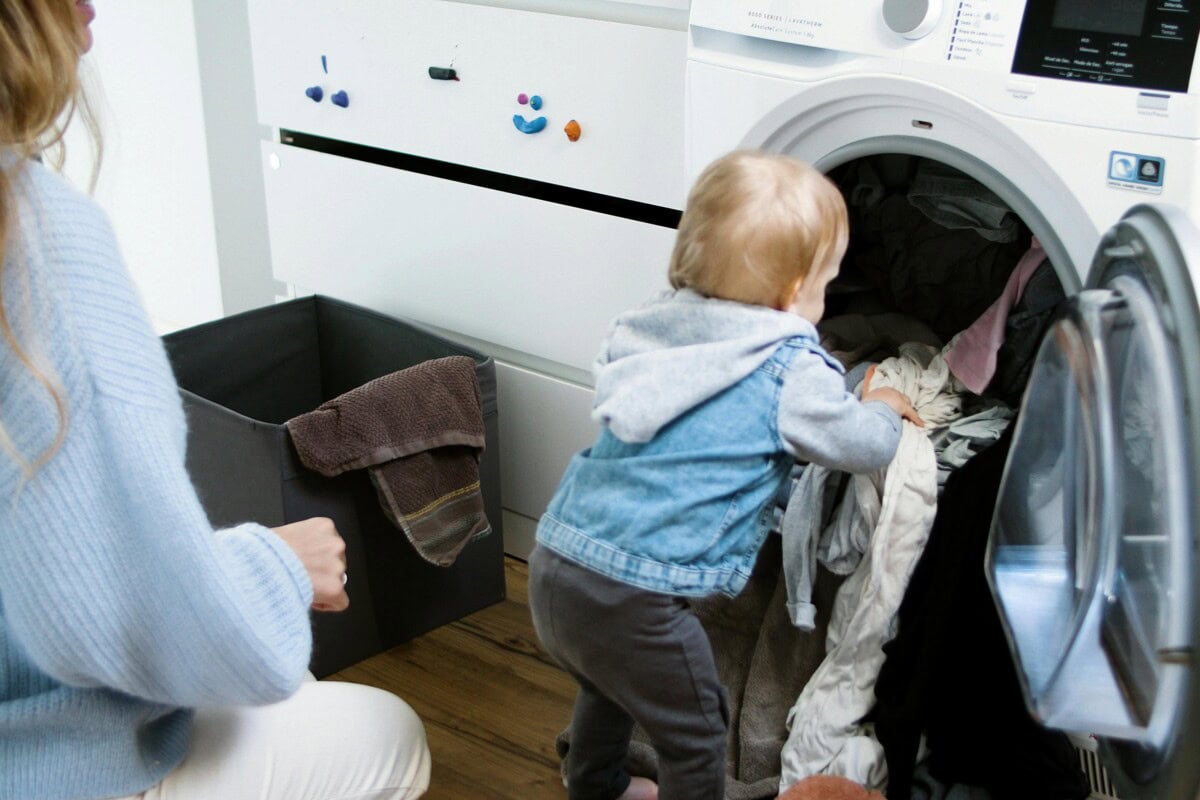
Determining the right amount of homemade liquid laundry detergent to use per load is essential for optimal cleaning. Generally, about 1/4 to 1/2 cup of your DIY detergent should suffice for a standard load of laundry. However, if you are dealing with particularly dirty clothes or heavy stains, you may need to increase the amount slightly. Always remember that less is often more, and using too much detergent can lead to residue build-up on your clothes.
How to Create a Best Homemade Washing Powder
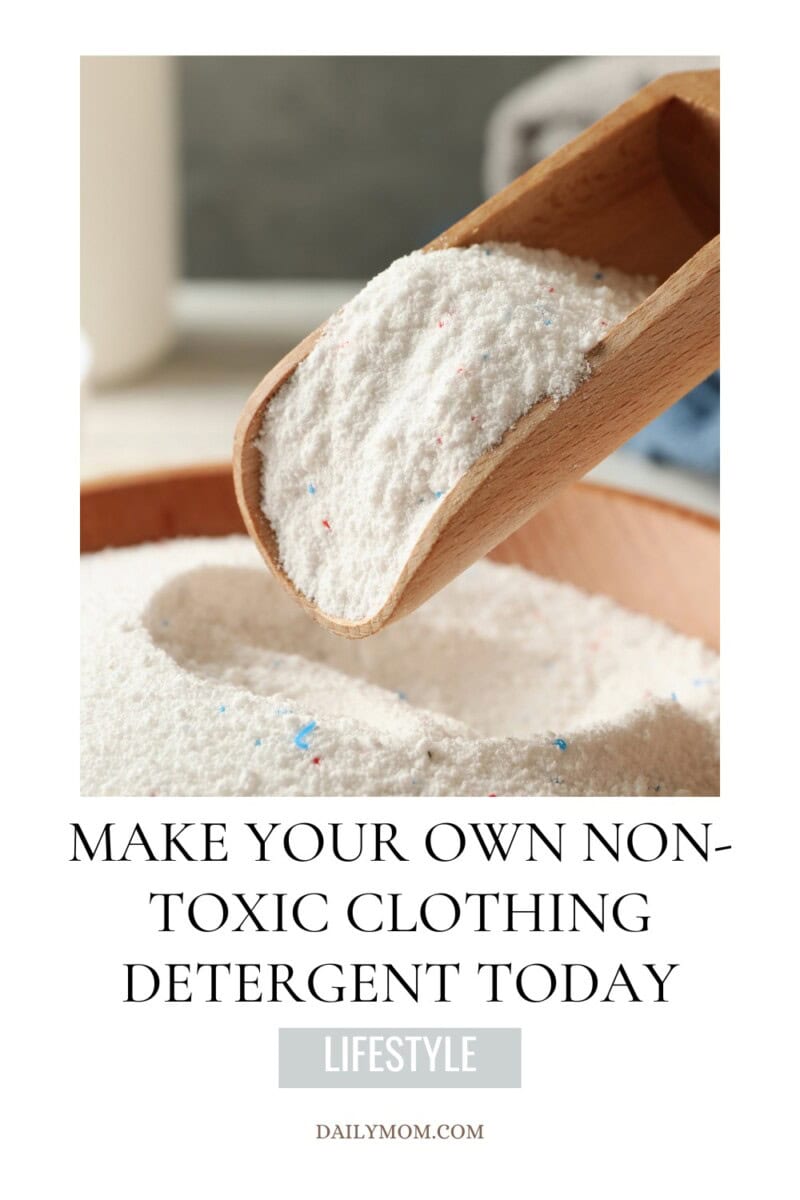
Making your own powdered laundry detergent is just as easy as liquid variations. To create the best homemade washing powder, simply combine finely grated soap, washing soda, and borax in a bowl. Mix thoroughly until the ingredients are evenly distributed. The result is a highly effective powdered laundry detergent that can tackle even the toughest stains. Just remember to store it in an airtight container to maintain its potency.
Advantages of Using Powder Laundry Detergent
Powder laundry detergent offers several advantages over liquid versions. It tends to be more concentrated, meaning you need less per load, leading to a more cost-effective option over time. Additionally, powdered detergents can be more effective in certain water conditions, particularly in hard water. They dissolve easily in hot water, making them ideal for heavy-duty cleaning. With a homemade powder laundry detergent, you can enjoy these benefits while knowing exactly what goes into your cleaning routine.
Adjusting Your Homemade Powder Recipe for Different Washing Machines
It’s essential to adjust your homemade powder recipe based on the type of washing machine you own. For high-efficiency (HE) machines, use less detergent to prevent over-sudsing. You may also want to create a finer powder for better dissolvability in such machines. By tailoring your recipe to your washing machine’s requirements, you can optimize cleaning power while ensuring your appliance operates smoothly.
Why Choose Non-Toxic Laundry Detergent for Your Family?


Choosing non-toxic laundry detergent, especially for families with children or individuals with sensitive skin, is paramount. Traditional detergents can contain harsh chemicals that contribute to skin irritations and allergic reactions. By opting for a DIY natural laundry detergent, you can guarantee a safe, gentle, and effective cleaning solution. This choice not only promotes the well-being of your family but also fosters a healthier lifestyle, free from harmful chemicals.
Cost-Effectiveness of Making Your Own Laundry Detergent
Making your own laundry detergent is a budget-friendly solution that can save you significant money over time. Ingredients like washing soda, borax, and soap are inexpensive and can be purchased in bulk. By creating a homemade laundry detergent recipe, you can drastically reduce the cost per load compared to commercial products. Plus, the satisfaction of crafting a product tailored to your needs enhances the overall laundry experience.
Environmental Impact of Homemade vs. Commercial Laundry Detergents
The environmental impact of DIY natural laundry detergent is significantly lower than that of commercial alternatives. Many commercial detergents contribute to water pollution and contain non-biodegradable ingredients. By choosing to make your own and using this detergent, you reduce chemical runoff and plastic waste generated from packaging. Additionally, most homemade ingredients are biodegradable, making them a more sustainable option. Make the switch today and contribute to a cleaner, greener planet.
Questions About Homemade Laundry Soap Recipe
Q: What are the main detergent ingredients in an easy natural homemade laundry detergent recipe?
A: The main detergent ingredients typically include washing soda, borax, and a soap like Fels-Naptha or a castile soap bar. These ingredients work together to clean your clothes effectively.
Q: How does homemade laundry detergent work compared to store-bought options?
A: Homemade laundry detergent works by using natural cleaning agents that lift dirt and stains from fabrics. While store-bought detergents often contain synthetic chemicals, homemade options are typically non-toxic and made from all-natural ingredients.
Q: Can I use a castile soap bar in my DIY laundry detergent?
A: Yes, you can use a castile soap bar in your DIY laundry detergent recipe. It serves as a natural surfactant that helps lift dirt and grease from your clothes.
Q: What is the benefit of adding a DIY laundry scent booster to my homemade laundry detergent?
A: Adding a DIY laundry scent booster enhances the fragrance of your laundry, giving it a fresh and pleasant smell. You can create a scent booster using essential oils or scented castile soap.
Q: How can I make a homemade laundry powder with just 3 simple ingredients?
A: To make a homemade laundry powder recipe, combine washing soda, borax, and grated bar soap (such as Fels-Naptha or castile soap). Mix these dry ingredients thoroughly and store them in an airtight container for use.
Q: Is it safe to use homemade non-toxic laundry detergent on all fabrics?
A: Yes, homemade non-toxic laundry detergent is generally safe for most fabrics. However, always check the care labels on your clothing and test a small area first to ensure compatibility.
Q: How much homemade washing detergent should I use per load?
A: For an average load, use about 1-2 tablespoons of homemade washing detergent. Adjust the amount depending on the size of the load and the level of soil.
Q: Can I substitute liquid castile soap for a bar soap in my DIY laundry detergent?

A: Yes, you can substitute liquid castile soap for a bar soap in your DIY laundry detergent. Just make sure to adjust the recipe to maintain the right balance of dry and wet ingredients.
Q: What are some recipes for homemade laundry that I can try?
A: You can try recipes like homemade laundry soap powder, homemade organic laundry soap, or a simple DIY detergent using washing soda, borax, and castile soap. Each recipe offers a unique formula for effective cleaning.
Q: How do I store my homemade laundry detergent for long-term use?
A: Store your homemade laundry detergent in a cool, dry place in an airtight container. This will help preserve its effectiveness and keep it free from moisture and clumps.
If you have ever wondered if “I can make my own laundry detergent”, the simple answer is yes you easily can make your own natural homemade laundry soap! With this homemade washing detergent recipe you know how to make laundry detergent that is effective, efficient, and chemical-free creating a healthier household for all. Enjoy a greener and non-toxic future with this easy DIY clothing detergent.
WANT TO READ MORE?
DIY Non-Toxic Fabric Refresher Spray
CONNECT WITH DAILY MOM
💖 NEWSLETTER: DAILY READS IN YOUR INBOX 💖
Sign up to receive our picks for the best things to do, see and buy so you can relax and focus on more important tasks! Let us help you be the best version of yourself you can be!
BE SOCIAL WITH US
📌 LOVE IT? PIN IT!📌


















how long should this batch last? Also would it be okay to use 3 bars of ivory soap instead?
Hi Brittany, thanks for your comment. The choice of castile soap above is because it contains a plant oil, whereas Ivory soap contains animal lard. If you require a vegan soap, you’ll want to avoid any soap (like Ivory) that has tallowate in it’s ingredients. If you have no objection to using animal oils, Ivory will give you a great clean.
If you’re interested in the chemistry behind various ingredients and how it may affect their peformance, the information here is very thorough: http://www.healthycleaning101.org/english/SDAC_soaps.html
As for how long it will last, it depends on how often you do laundry and how soiled the clothes are. I’ve gone through half a batch in about 4 months, using about 2 tablespoons for a full load. I do laundry frequently (my baby goes though several outfits a day) and we have a standard, non-HE washing machine.
Hi, I was going to purchase a bottle of Dr. Bronner’s Liquid Castile Soap. Would this work instead of the Castile bar soap? If so, how much would I add to the 6 cups of washing soda?
Also, could I add a few drops of an essential oil to the detergent to give baby clothes a nice smell? If so, how many drops?
Thanks in advance!
Hi Lauren,
When using about 6 cups of the washing soda, I would use approximately 4-5 cups of the liquid Castile soap. For 6 cups washing soda and 4-5 cups of soap, add in about 1.5-2 gallons of water to the recipe. You’ll want to first dissolve the washing soda in a little bit of hot water, then add the rest of the water, and then lastly the Castile. You can add the essential oils last. I’ve read some people add up to 20-50 drops. Personally I don’t use them because I like to keep the recipe as hypoallergenic as possible, so I would start with fewer and add from there. Just be sure to choose one that is safe for baby, this book is an oft-cited source I’ve run across:
http://www.amazon.com/Complete-Book-Essential-Oils-Aromatherapy/dp/0931432820/ref=tmm_pap_title_0?ie=UTF8&qid=1388955447&sr=8-1&tag=bomllcdm-20
Happy Laundering! 🙂
I have a HE machine, will this work with that? If not then what is the modification I shud use?
Hi Shilpa, This should work fine on HE machines. You may need a little less, but you can adjust to taste! 🙂
I can’t wait to try this out. Here’s my issue: our dog is a shedder. It is the ONLY reason I use dryer sheets. Do the wool balls pick up pet hair?
Hey Jessica! I can’t speak from experience since I don’t have pets, but reportedly it does work for pet hair; although YMMV depending on the type of dog hair. I think though that it is worth trying out in order to at least minimize the dryer sheets!
Thanks for the quick response. I’ll have to just try them and see. 🙂
I make our own detergent now, and now we are expecting our first baby. I use vinegar for the detergent i’m currently making. Do you recommend using vinegar for the babies detergent?
Yes! But I would use the vinegar in the rinse compartment (which is what I personally do). I wouldn’t mix it directly in with the soap (if you’re making a liquid detergent). There is a good thread here on why you should use them separately.
Also, congratulations! 🙂
My husband and I are looking for a natural detergent to use on our baby’s cloth diapers. Do you recommend this recipe for those too?
Hi Maria,
I don’t cloth diaper myself, so my only advice stems from what I’ve read of other peoples experience — which is not to use certain soaps on your cloth diapers (Fels Naptha being the main offender, which apparently may cause pinholes and thus leaking, although some moms avoid all soap, Castile included). Of course, your own experience will probably depend on what type of cloth diapers you’re using, your washing machine settings, local water, etc.
From what I gather, many homemade detergents specifically for cloth diapers include washing soda as the main ingredient, and leave out the soap, borax (not used here anyway), and vinegar (not good for the elastics in cloth diapers). Hydrogen peroxide (Oxyclean) seems to be used occasionally, but not on every wash.
All that said, if you research the issue you’ll find many reports of diapers being just fine with homemade detergent, and other cases where the diapers deteriorated fast. I would test any detergent on your cheapest diapers a few times first just in case.
Good luck!
Maria, Just a quick follow up — our writer Megan B. cloth diapers and has a good post on stripping cloth diapers that may interest you: Stripping Cloth Diapers in an HE Washing Machine
Hi Laura, thank you for the very useful article. I’ve been having so much problem searching for the right organic baby detergent! I’m thinking of adding a few drops of pure essential oil to the detergent but I’ve also heard that pure essential oil can be too strong for baby’s skin. What do you think?
Also, I will be making the detergent in powder form. Adding the essential oil might cause the powder to clump together. Is it possible I add the essential oil directly to the washing machine instead? If so, should I add it to the detergent compartment or the rinse compartment?
Thanks in advance! =)
Hi Hui Ling,
I don’t add any essential oils to my detergent or laundry, although people of course do use them in home remedies, aromatherapy for babies. Naturally, be sure to double check that the oil you choose is safe for babies, and that it’s 100% oil (not “perfume oil”, etc.). If you’re invested in using essential oils (for both baby and in general), check out this book: The Complete Book of Essential Oils & Aromatherapy, it includes sections on babies.
As for the laundry, I would add the drops to your rinse/fabric compartment softener for each load. Then if your baby is sensitive to them, you’ll still have the detergent alone. I think some people also add a few drops to their dryer sheets (or dryer balls). Good luck!
What is another name for boras
Hi I am just about to have my second child and this time will be using washable bamboo nappies. The manufacturer states not to use vinegar. I have never had problems with vingar before what do you think? It also says I don’t need to soak before washing to get stains out. Personally I would like a safe laundry soap to remove as much stains from soiled nappies as possible before put them in the wash could I use the castle soap for this purpose. Also I have never used a powdered laundry product before do I need to wet it before putting it in to my washing machine?
Do you recommend a safe soaker for pre-soaking nappies aswell?
If making the liquid form of the detergent, how much should I use per load?
Thanks.