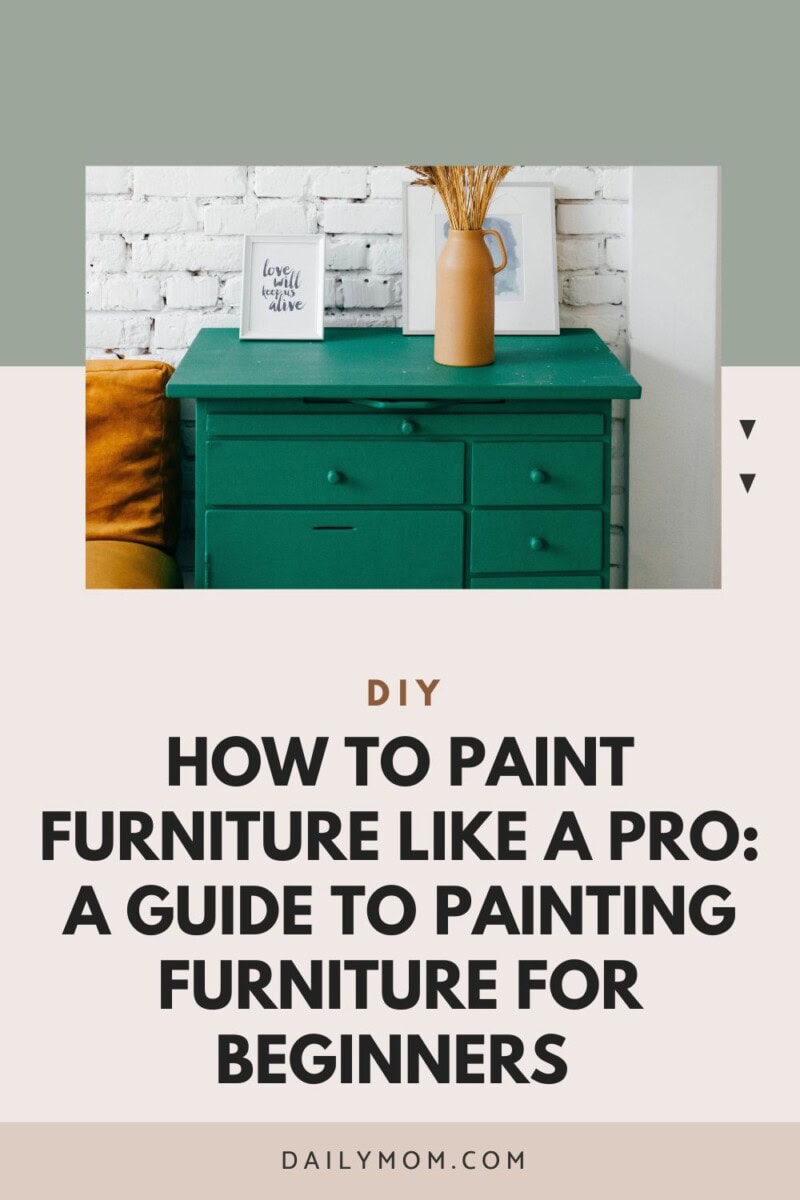






























Ready to give that tired old dresser a new life? This is the ultimate guide to painting furniture for beginners—complete with tips, design inspiration, and step-by-step how-tos to help you paint like a pro. Whether you’re flipping thrift finds or refreshing your current décor, knowing the best way to paint furniture the right way can make all the difference.
In this blog post, discover everything from picking the right paint to using the correct painting technique and applying a flawless top coat. If you’ve ever wanted to try your hand at a fun, affordable DIY project—this is the perfect place to start.
Furniture Painting How To: Where to Start
Getting started with a furniture painting project doesn’t have to be overwhelming. Start simple. A chair, table, or dresser makes an ideal beginner project—small enough to manage but big enough to see a satisfying transformation.
Before anything else, consider:
- What piece of furniture do you want to transform?
- What is the condition of the wood?
- Do you want a smooth, classic finish—or something more decorative?
The first step is understanding the importance of prep work. Old paint, grime, or wax can interfere with how the paint can be applied and how well it will stick. Skipping prep means peeling paint later—and no one wants that.
Want to Paint? Here’s What You Need to Know
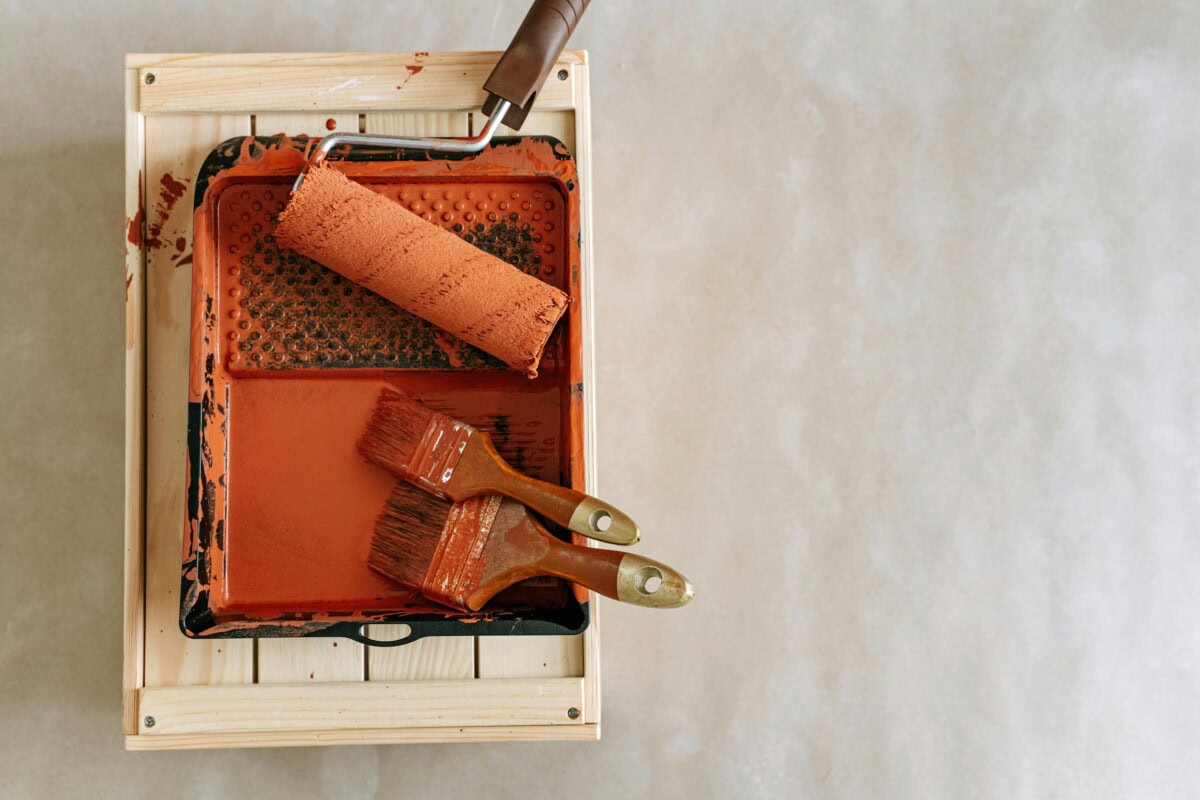
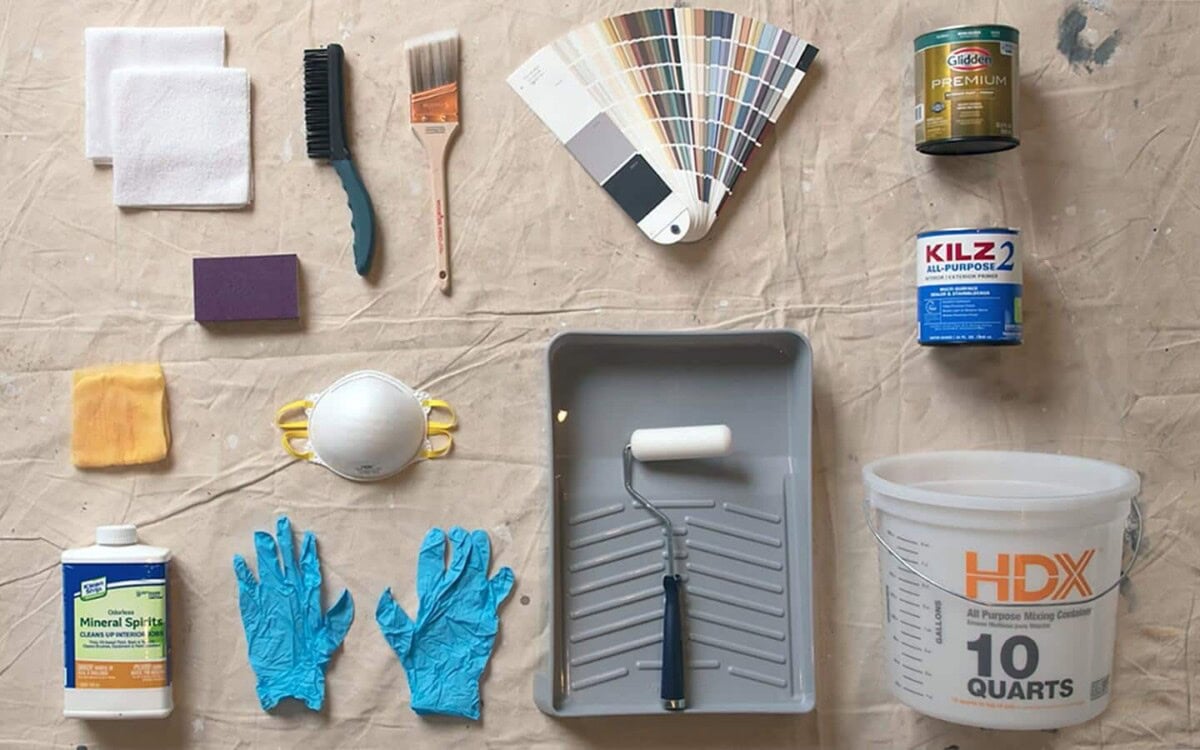
So you’ve decided it’s time to paint. Now what? Let’s gather the tools and materials you’ll need:
- Paint brushes, rollers, or even a paint sprayer
- Drop cloths and painter’s tape
- Sandpaper or a sanding sponge
- A quality primer
- The right paint—we’ll get to that below
When choosing paint, understanding the differences between chalk paint, mineral paint, and latex paint will help you get the paint finish you want. Chalk paint offers a soft, matte look and is ideal for vintage vibes. Mineral paint (like Fusion) is great for durability. Latex paint is widely available and easier to clean.
Also, consider the design and final look you’re going for—do you want something distressed? Bold? Soft and simple?
Tips for Painting Furniture the Right Way

A smooth finish comes down to smart prep and solid technique.
Here are some tips for painting furniture that make the process go smoother:
- Always work in a clean, dry, well-ventilated space.
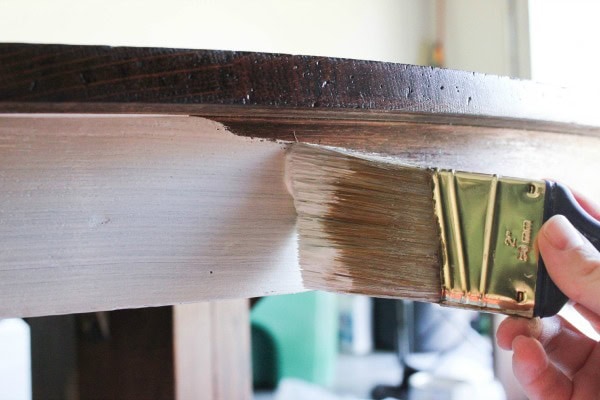
- Use thin coats rather than one thick coat of paint.
- Allow each coat to fully dry before adding the next.
Avoid these common beginner mistakes:
- Not sanding at all
- Skipping the primer
- Ignoring the direction of the wood grain
- Overloading your paint brush
To paint furniture like a pro, patience and precision are key.
Sand, Clean, Prime: Prepping Wood Furniture Like a Pro
Prep is where the magic happens. It’s tempting to jump right into painting, but proper preparation ensures your furniture paint sticks and looks great for years to come.
How to prep:
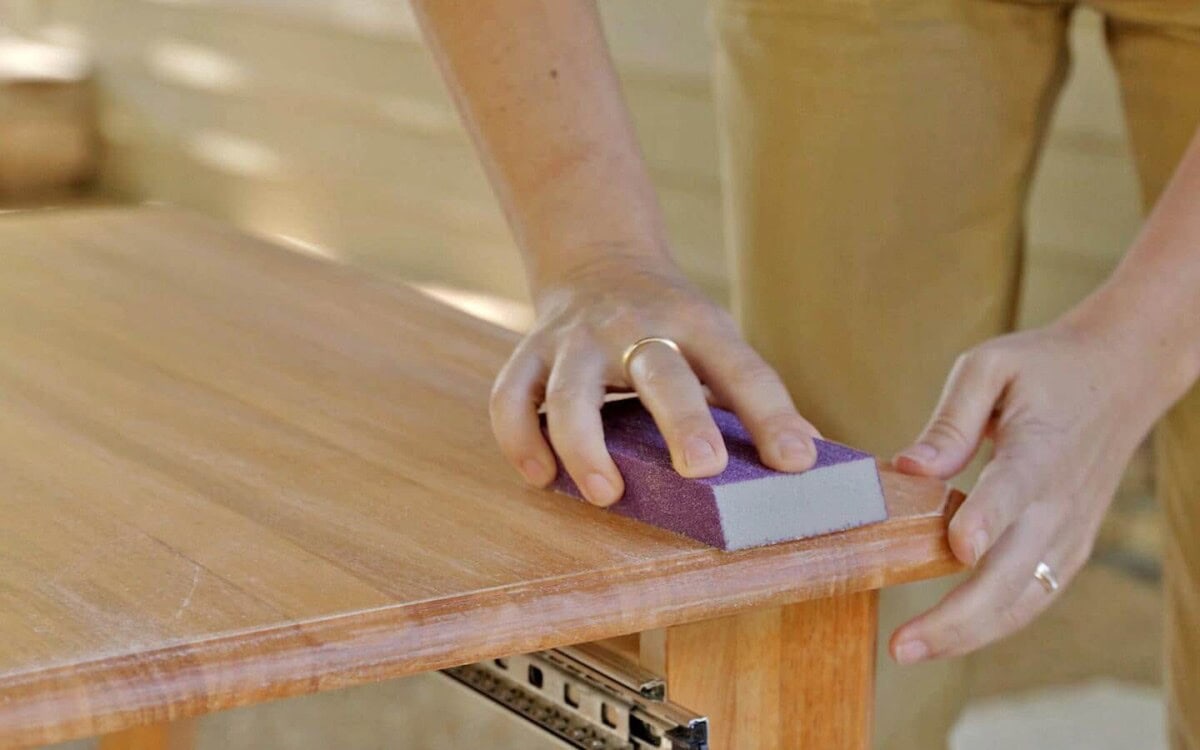
- Sand your wood furniture with 120- to 220-grit sandpaper, especially if the surface is glossy or has old paint.
- Clean thoroughly to remove dust, oils, and residue. A vinegar-water mix or mild degreaser does the trick.
- Apply primer—especially on dark finishes, stains, or laminate surfaces.
Skipping primer may work with some paints, but for most projects, it’s an essential step.
Get Your Paint: Choosing the Best Furniture Paint
When it’s time to get your paint, think beyond color. You’ll need a paint that’s durable, adheres well, and complements your style.
- Use chalk paint for a rustic, matte finish.
- Choose mineral paint for a tough, long-lasting option.
- Latex paint is budget-friendly and versatile.
Fusion mineral paint, for example, bonds well and requires little prep work. Just be sure the paint you choose is used on furniture, not just walls. Some paints don’t flex well with wood’s natural expansion and contraction, which can lead to chipping paint.
Painting Furniture with Chalk Paint: Why It’s So Popular in Design
Why is everyone obsessed with chalk paint? Because it’s easy to use, fast-drying, and requires minimal prep. It also gives that hand-touched, soft paint finish so many DIYers love.

Benefits of furniture with chalk paint:
- No need to sand in most cases
- Excellent for layering decorative finishes
- Soft, vintage look that suits nearly every design
Painting furniture with chalk doesn’t just save time—it creates charm.

How to Paint Furniture with Chalk: Step-by-Step
Here’s how to paint furniture with chalk paint from start to finish:
- Prep and prime if needed (especially for laminate furniture or glossy wood furniture).
- Apply the first coat of paint with a quality paint brush, brushing with the direction of the wood grain.
- Optional: Add texture or distressing for character. Use sandpaper to gently remove some paint from edges or details.
- Seal it with a durable top coat or furniture wax, depending on the final paint finish you prefer.
The key is to let each layer fully dry and resist the urge to rush.
Guide to Painting Furniture Made of Laminate
Yes, you can paint laminate furniture—but it takes a little more finesse.
Here’s how to handle it:
- Sand with high-grit paper or a sanding sponge to scuff the surface
- Use a strong bonding primer to help the paint adhere
- Apply thin, even layers of paint, allowing each to dry thoroughly
The right prep helps the paint bond instead of peel off later.
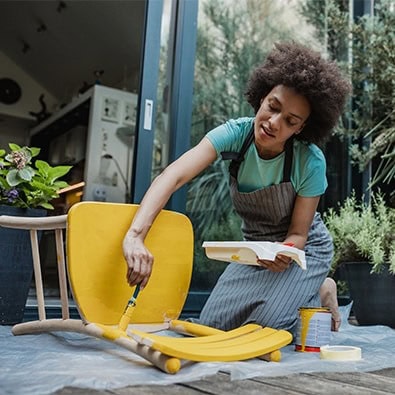
Hand Painted Furniture Makeover Ideas to Inspire You
Stuck on a look? Try these simple DIY projects:
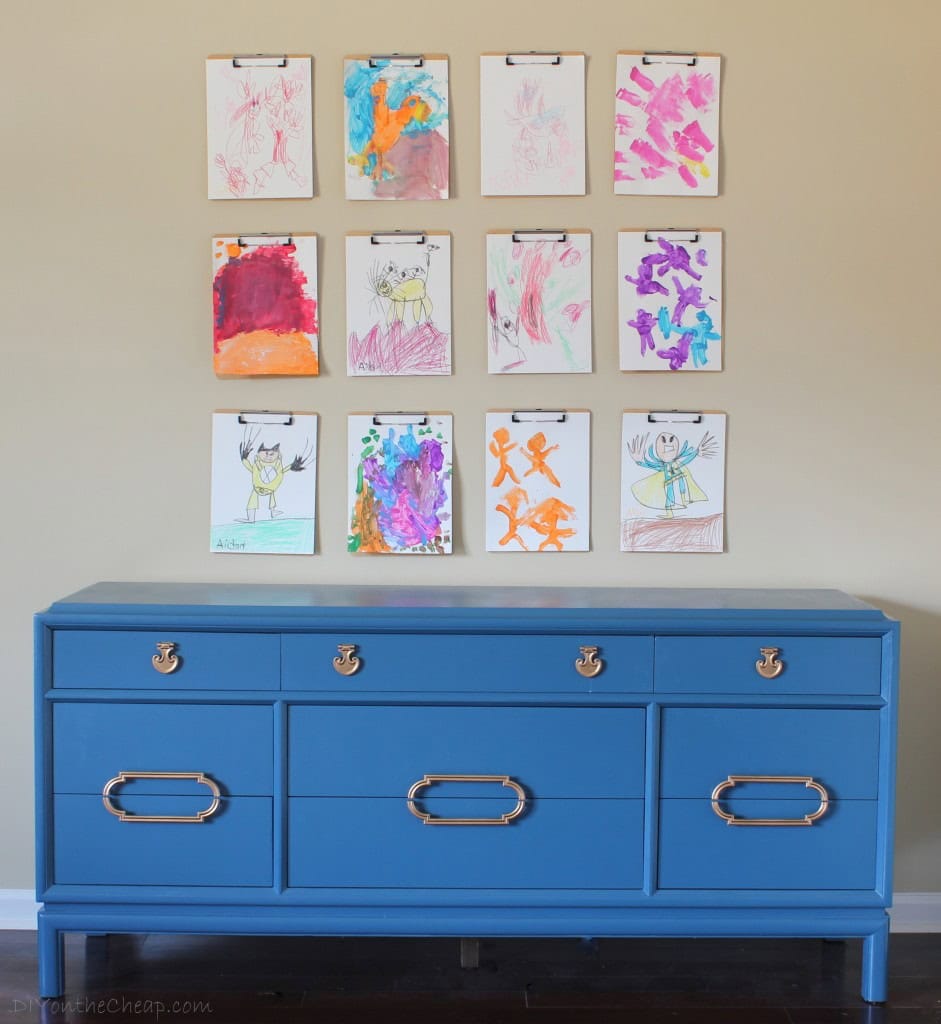
- Repaint an old piece of furniture in a bold paint color like navy, mustard, or forest green.
- Try a two-tone dresser—chalk paint on the base, natural wood on top.
- Use furniture paint to highlight ornate carvings or drawer insets with a contrasting pattern.
The beauty of a furniture makeover is seeing something old become totally new again.
Repaint Old Favorites: How to Refresh a Well-Loved Piece
Before tossing that sentimental old piece, try to refinish furniture and give it new life. With some wood filler, a bit of sanding, and a few coats of the best paint, it’s amazing what transformation can happen.

Tips:
- Fill dents or deep scratches with wood filler and sand smooth.
- Use a primer to cover stains or old paint.
- Choose a paint finish that hides imperfections (matte is more forgiving than gloss).
Giving something a second life is more than budget-friendly—it’s rewarding.
Finishing Strong: The Importance of a Durable Top Coat
Don’t skip this step. The top coat is what protects your hard work from nicks, water rings, and wear.
Choose based on your needs:
- Matte for a soft, natural look
- Satin for a subtle sheen
- Gloss for high shine and easier cleaning
A good top coat locks in your color and extends the life of your furniture paint.
Key Takeaways: Furniture Painting Like a Pro
- Prep is everything: Clean, sand, and prime before you start painting
- Use the right tools: Invest in quality paint brushes and the right paint
- Thin coats win: Let each layer dry before applying the next
- Chalk paint is a fan favorite: Especially for that charming, matte finish
- Top coat matters: Protect your project with the right final layer
- Laminate is doable: Just follow special painting technique steps to help the paint adhere
- Customize your design: Use color and decorative details to match your style
- Refinishing can revive: Don’t toss that old furniture just yet
With the right prep, tools, and paint, any piece—no matter how old—can become a stunning focal point in your home.
FAQ: Common Questions About Painting Furniture
What’s the best paint to use on furniture that could see a lot of use?
When painting a furniture piece that gets touched often—like a table or dresser—you’ll want durable furniture paint. Look for water-based paint that cures hard, like mineral paint or latex paint, especially if you’re after a smooth, long-lasting finish that’s easier to clean.
Do I really need to sand before painting?
You need to sand if the surface is glossy, chipping, or uneven. Even with paints like chalk paint that claim to require no sanding, a light pass with grit or a sanding sponge can help the paint to adhere better—especially on an old piece of furniture.
How can I make the paint job look more professional?
For a clean, brush-stroke-free look, try to apply the paint in long, smooth passes following the direction of the wood grain. If using a paint sprayer, work in even motions and overlap slightly. Whether hand painted or sprayed, proper technique and thin coats are the secrets to a flawless finish.
What are some easy DIY projects for first-timers?
Some great beginner-friendly diy projects include painting a chair, a side table, or even adding a decorative pattern to the sides of a dresser drawer. Using chalk paint makes it even easier since it’s forgiving and doesn’t usually require bare wood.
Can I use furniture wax instead of a top coat?
Yes, furniture wax is often used as a sealant with chalk paint, especially when you’re going for a vintage or matte paint finish. Just know it needs to be reapplied over time, unlike a durable top coat that holds up longer on high-traffic items.
What if I want to repaint something I’ve already painted?
If you’re ready to repaint, check the current condition. Is the old paint chipping or flaking? Then you’ll want to sand and prime first to help the paint adhere. If the surface is sound, a quick clean and light sanding might be all you need before applying a new color of paint.
What kind of furniture should I avoid painting?
Avoid pieces with peeling laminate, extensive warping, or rotted wood unless you’re up for a serious furniture makeover. If the structure is solid but the surface is tricky, go for a bonding primer and follow the right painting technique to get the job done.
WANT TO READ MORE?
Check out Create with Gouache Paint: How to Get Started Today
CONNECT WITH DAILY MOM
💖 NEWSLETTER: DAILY READS IN YOUR INBOX 💖
Sign up to receive our picks for the best things to do, see and buy so you can relax and focus on more important tasks! Let us help you be the best version of yourself you can be!
BE SOCIAL WITH US
📌 LOVE IT? PIN IT!📌