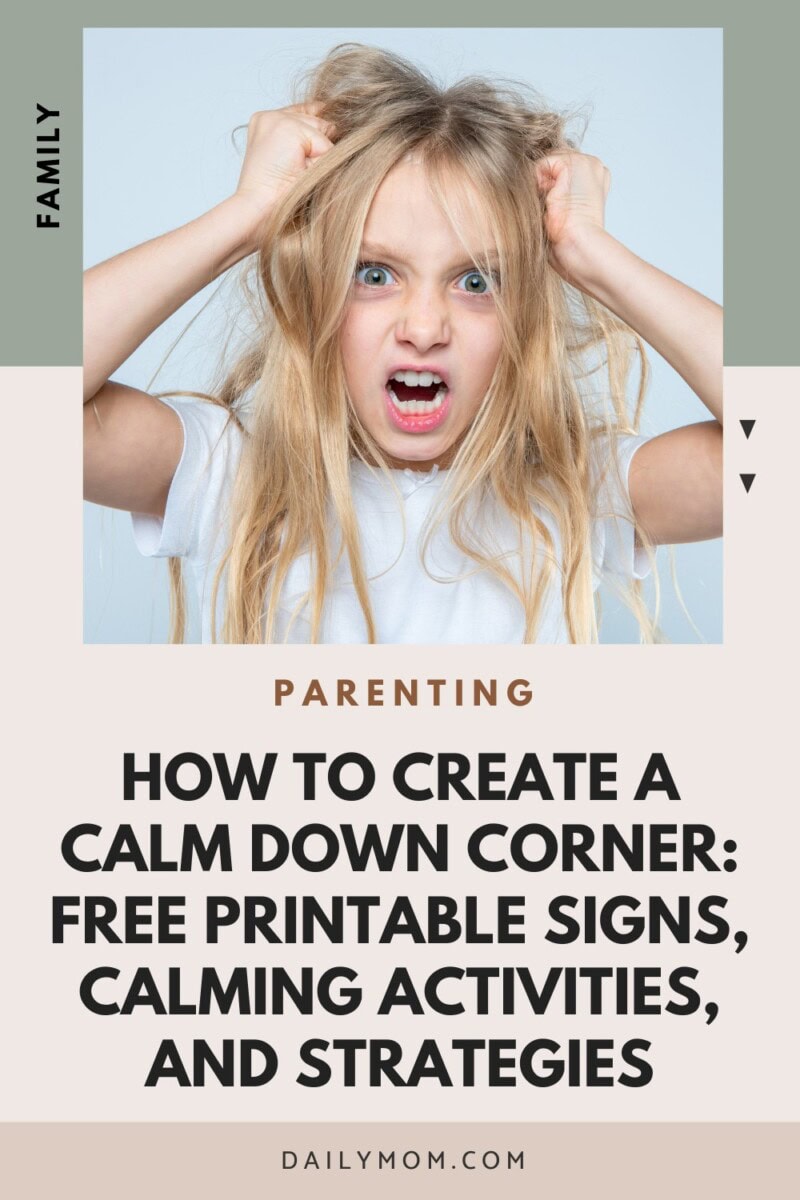


























Children feel everything deeply—joy, frustration, excitement, and overwhelm. But knowing how to respond to those big feelings doesn’t always come naturally. That’s where a calm down corner comes in. A well-designed calm corner gives kids a safe, quiet place to breathe, reset, and find their way back to calm. It isn’t a time-out or a consequence—it’s a space that encourages growth, trust, and emotional regulation in a way that feels comforting and respectful.
Having a calming space within reach can make a powerful difference in both classroom management and everyday family life. When children are given tools and strategies that support coping skills, they’re better able to manage their emotions and respond in healthier ways. With the right mix of calming visuals, sensory tools, and thoughtful setup, a calm down spot becomes more than a corner—it becomes a coping skill in action.
What Is a Calm Down Corner?
Creating a space where kids can work through their emotions is one of the simplest and most powerful tools in both homes and classrooms. A calm down corner is more than just a cozy spot with a beanbag—it’s an intentional area designed to help children learn to calm their minds and bodies. It offers the kind of quiet support kids need when they feel overwhelmed, overstimulated, or simply need a break from the noise and movement around them.
A calm corner encourages kids to pause and practice calming techniques, reinforcing the idea that it’s okay to feel upset—it’s what we do with those feelings that counts. With the right setup and support, children begin to develop the tools they need for emotional regulation, which helps them now and in the long run.
Why Create a Calm Down Corner for Kids
Kids have all kinds of feelings—and not just the kind they can explain easily. A calm down corner gives them a safe place to sit with those feelings instead of reacting impulsively. It helps reduce meltdowns, prevent classroom disruptions, and strengthens emotional awareness.
- Gives kids ownership over their emotional responses in a healthy, constructive way
- Reduces power struggles by offering an option that feels safe, not forced
- Encourages self-reflection, which builds emotional awareness over time
- Promotes peace in busy environments through simple, quiet structure
When children see a calm space as supportive instead of punitive, they’re more likely to use the calm down corner in a meaningful way.
How a Calming Corner Supports Emotional Regulation and Coping Skills
For some kids, feelings hit fast and hard. A calming corner acts as a buffer—a chance to calm the body, slow down racing thoughts, and choose a better response. The more they practice, the stronger their coping skills become.
- Reinforces calming techniques like deep breathing, movement activities, or squeezing a stress ball
- Provides consistency so kids know what to expect during emotional moments
- Helps children calm without needing constant adult intervention
- Encourages use of calming tools that kids can return to anytime they need
Adding a space like this doesn’t just support kids in the moment—it helps them develop habits that carry into all parts of their day. From the classroom to home life, learning to manage their emotions is a skill that only grows stronger with practice.
How to Set Up a Calm Down Corner
Creating a space that supports emotional growth doesn’t require fancy supplies or a huge budget. What matters most is thoughtful intention—designing an area that encourages relaxation, independence, and self-soothing. Whether it’s a cozy corner tucked into a classroom or a little nook at home, this kind of setup can support kids in the moment and beyond.
Small touches can go a long way. Soft lighting, comfortable seating, and items that appeal to different senses can turn any little spot into a peaceful place to calm. It’s all about creating an inviting space that makes children want to use it.
Where to Place a Calm Corner in the Classroom or Home
Choosing the right location sets the tone. It should be easy to access but just out of the high-traffic zones. A space within the classroom or a tucked-away area in the living room works well as long as it’s calm, consistent, and feels like a retreat.
- Use calming colors such as muted greens, blues, or earth tones to lower sensory input
- Designate a space in your classroom that’s tucked into a corner with a bit of privacy
- Create a safe and welcoming area at home near soft pillows or next to a bookshelf
- Limit distractions—avoid placing it too close to noisy or overstimulating areas
- Let kids personalize it, so they feel ownership over the environment
The location should feel predictable and protected—like a reliable escape where calming the mind becomes possible, even during tough moments.
What to Include: Sensory Tools, Visuals, and Coping Skill Cards
The right tools make all the difference. A blend of visual prompts and calming sensory items gives children a range of choices, so they can figure out what works best for them.
- Add a stuffed animal to squeeze or cuddle for comfort
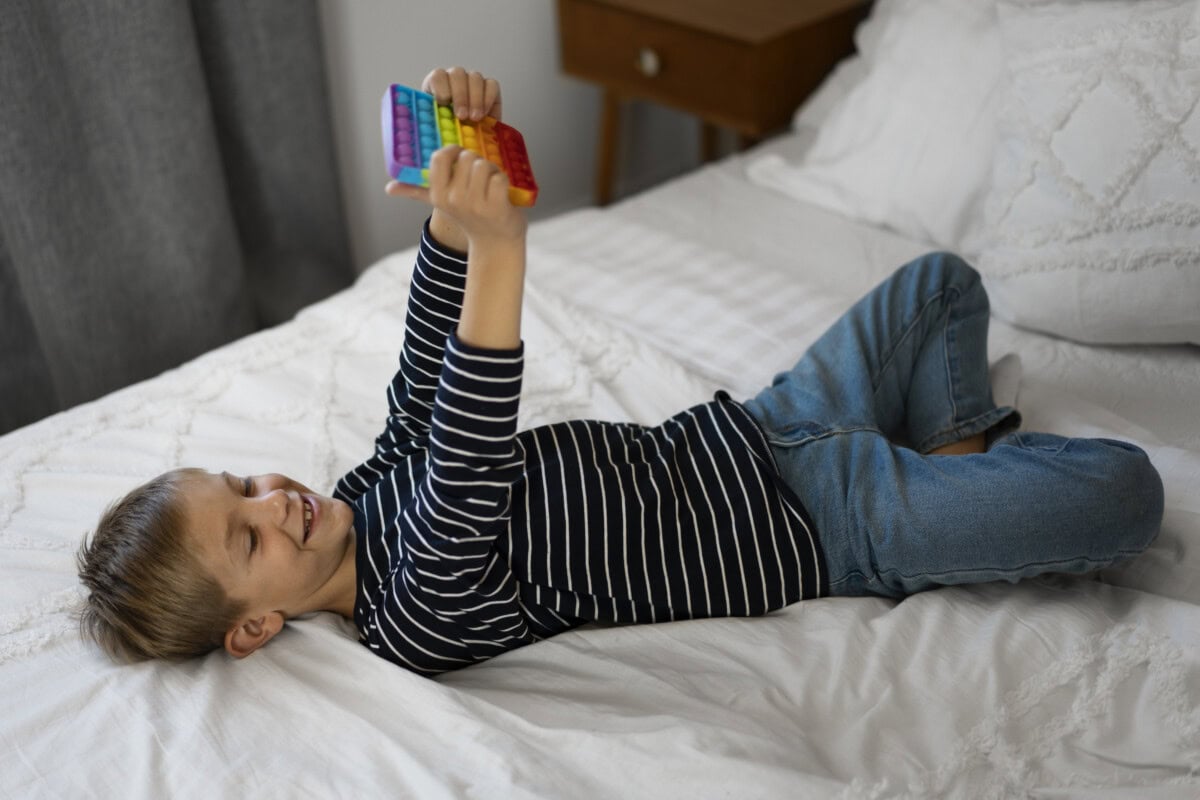
- Offer a fidget toy, like a small squishy or spinner, for hands that need to stay busy
- Use calming corner poster visuals to guide kids through simple steps
- Include calm down cards with short, easy-to-follow coping ideas
- Try sensory activities like touch bins, soft fabrics, or temperature jars
- Create a calm down kit with tools they can grab as needed
With a variety of calming options available, kids can make their own choices without needing constant adult direction. That independence builds confidence and trust.
Steps to Create a Calming Corner That Helps Children Calm Down
Once you’ve got the right spot and tools, it’s time to pull it all together. This isn’t just about tossing some bean bags and books into a pile—it’s about thoughtful setup and introducing the space in a meaningful way.
- Introduce the corner with your child or class, walking them through each item and how it’s used
- Model how to use the space with short practice sessions, not just during emotional moments
- Keep it consistent, so kids know what’s always available when they need it
- Post a strategies poster or calm visual guide nearby for quick reference
- Use breathing activities, like bubble blowing or belly breathing, to help them practice calm down strategies for kids
The goal is to help kids understand that this space is supportive, not punitive. When they learn to use to help them calm on their own, it becomes a powerful self-regulation tool.
Calm Down Corner Ideas and Strategies
You don’t need a huge space or a long list of materials to make a calm down setup work. What matters most is intention—choosing tools and approaches that actually help kids slow down, reset, and work through their emotions. A cozy bean bag in the corner or a small basket of sensory items can go a long way when paired with thoughtful routines and visual supports.
Some children benefit from mindful movement, while others respond better to visuals or tactile tools. The most effective strategies aren’t one-size-fits-all—they’re flexible, accessible, and easy to adapt as needs change. Whether you’re trying to set up a calming area at home or designing a classroom calm down corner, these ideas can guide your setup.
Calming and Mindfulness Activities
Kids often need help identifying what works best for them, and starting with a few simple activities can be a great way to figure that out. These options are great for little hands and big feelings, and they promote calming the mind through play and intentional movement.
- Blow bubbles slowly to encourage deep breathing and focus
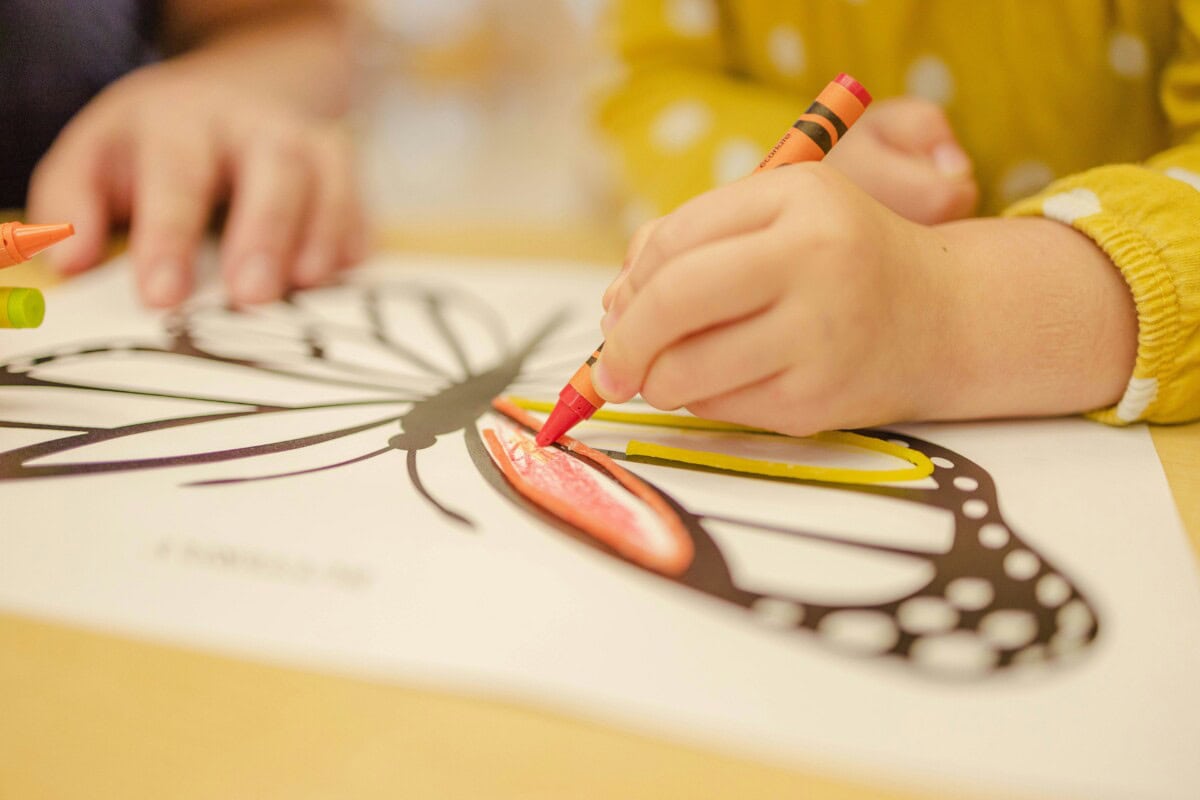
- Color with calming colors like blue or green to gently shift energy
- Trace shapes in sand or rice trays for a calming sensory experience
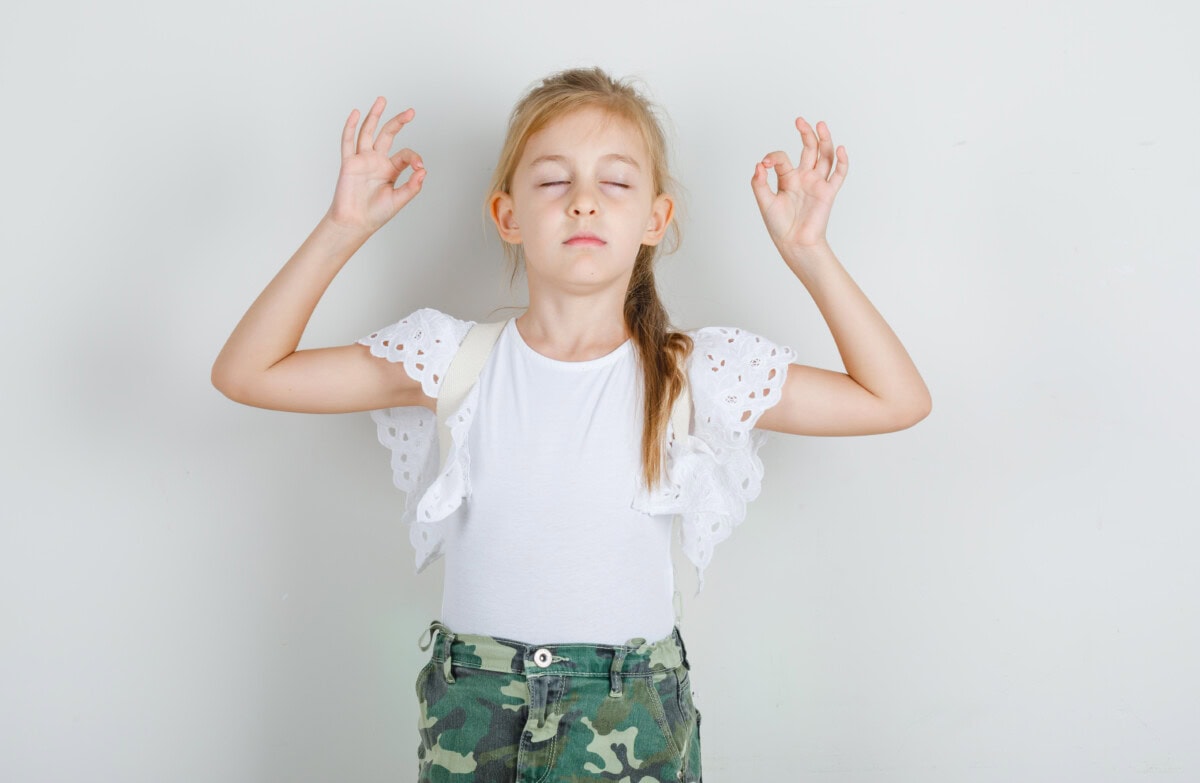
- Try simple yoga poses with playful animal names to keep it light
- Use calming jars or snow globes to visually represent the concept of settling emotions
Incorporating these activities into your routine introduces mindful practices in a playful, approachable way, especially helpful for preschoolers or younger kids still learning how to self-regulate.
Effective Calming Strategies for Big Emotions
A calm down space becomes most useful when emotions are running high. That’s when kids need clear tools they can reach for—literally and emotionally. Having multiple strategies available gives them choices and a greater sense of control.
- Use breathing activities like “smell the flower, blow out the candle”
- Create a feelings check-in chart to help kids name and track emotions
- Offer a soft object or quiet corner for kids who need stillness and comfort
- Introduce simple scripts or phrases to coach through anger or anxiety
- Use visuals or picture cards as part of your calming routine
These calming strategies aren’t just about stopping a meltdown—they’re about helping children feel seen and equipped with tools that actually help them calm in the moment and build long-term coping skills.
Using a Calm Down Strategies Poster to Teach Children Coping Skills
A well-placed visual can make all the difference. A calming corner poster helps kids remember what to do when they’re too overwhelmed to think clearly. It offers consistency, promotes independence, and works well in any kind of space in the classroom or at home.
- Include a mix of pictures and simple words so kids of all ages can understand
- Show step-by-step options—like counting, breathing, or hugging a stuffed animal
- Laminate the poster so it holds up over time and can be wiped clean
- Keep it at eye level so kids don’t need reminders to use it
- Create a matching set of calm down cards that kids can hold and use on their own
Using visual cues supports kids when verbal instructions might be too much. It also gives adults an easy tool to reinforce calm down strategies for kids in a gentle, encouraging way.
Free Calm Down Corner Printables
When you’re looking to refresh your calm down area or add more engaging tools to your setup, printables can be a total lifesaver. They’re easy to use, budget-friendly, and can be tailored to different age groups and emotional needs. From visual cues to creative outlets, printables make it easier to introduce calming tools without the guesswork.
Whether you’re building a corner in your classroom or creating a quiet space outside of the classroom, downloadable resources are a simple way to bring structure, color, and intentionality into the environment. They offer accessible ideas to support emotional regulation—no crafting expertise required.
Calm Corner Printables: Signs, Cards, and Coloring Pages
These printable resources help anchor your space and give kids visual reminders they can turn to whenever they’re feeling overwhelmed. They’re also great for establishing clear routines without relying solely on verbal instruction.
- Display a “Calm Corner” sign so the area feels special and purposeful
- Include calm down cards with simple strategies like counting to five or taking a breath
- Add coloring pages with calming themes—think mandalas, nature scenes, or favorite animals
- Choose black-and-white versions kids can personalize with their own colors
- Print multiple copies and laminate for long-term use or portability
A downloadable PDF bundle keeps everything in one place and makes updating your tools as easy as hitting print.
Free Printable Calming Activities for Emotional Support
Structured calming tools don’t need to feel like work. Printable learning activities can be fun, simple, and meaningful—designed to soothe overstimulated minds while helping kids build real emotional awareness.
- Create a personalized calm down menu with their favorite strategies
- Use a matching emotions game to build vocabulary around feelings
- Try a sensory scavenger hunt that encourages grounding through the five senses
- Offer a printable breathing worksheet with visual guides for slow, mindful inhales and exhales
- Introduce an emotions journal page with fill-in-the-blank prompts and space for doodles
Having options like these on hand helps you help your child (or your students) build coping tools they’ll actually enjoy using.
How to Use the Calming Corner Effectively
A calm corner can be beautifully set up, but it only works if it becomes part of a child’s routine—not just a spot for moments of crisis. With the right approach, it turns into a powerful tool for emotional growth. A space that supports emotional regulation should feel like a resource kids want to use—not a place they’re sent to when something goes wrong.
Integrating the calm down space into the rhythm of the day helps kids build trust in the area and in themselves. It also encourages healthy habits around self-awareness, problem-solving, and asking for space when it’s needed most. In a busy space in the classroom or at home, that kind of predictability can have a lasting calming effect.
Helping Children Use the Calm Corner Independently
Independence in emotional regulation doesn’t happen overnight, but creating the right environment can make it feel more natural. Kids feel empowered when they know they can take a break on their own and come back when they’re ready.
- Model use early on so children see how the space fits into real moments
- Introduce visual guides to make the process easier to follow step-by-step
- Make tools accessible and familiar, like soft textures or calming visuals
- Keep expectations consistent so kids know when and how to use the area
- Praise initiative and self-awareness when they seek out the corner on their own
Once they understand how it works, kids begin to recognize when they need it—without waiting for an adult to point it out. That’s a major step toward helping you help your child become more emotionally aware and confident.
Reinforcing Coping Skills With Consistent Calm Corner Use
The more often children use the calm corner in a positive way, the more useful it becomes over time. It shouldn’t feel like a last resort or only be introduced when emotions are already high. Making it part of the regular routine keeps it accessible and comforting.
- Schedule short visits during calm moments to build positive associations
- Use visual routines or check-ins as gentle reminders throughout the day
- Rotate calming tools or themes to keep the space interesting and fresh
- Celebrate small successes, like using the space before frustration escalates
- Incorporate it into transitions—before lunch, after recess, or during quiet time
Consistency helps build a strong connection between the space and emotional safety. In time, the calm down area becomes more than just a pause—it becomes part of how children learn to care for themselves.
Cool Finishing Touches for an Effective Calm Down Corner
Once the basics are in place, adding a few extra touches can turn a simple setup into a space kids are genuinely excited to visit. The goal is to create an environment that feels safe, cozy, and engaging without being overstimulating. Thoughtful details invite children to stay just a little longer, giving them the time they need to reset.
Lighting, scent, sound, and texture all play a role in how calming a space feels. Even small adjustments can have a big impact. With the right finishing touches, your calming area becomes a true retreat—a reliable haven for emotional regulation.
- Soft, low lighting like string lights or a small lamp to make the area feel warm and gentle
- Weighted lap pads or soft rugs to bring grounding, physical comfort to the space
- Soothing background noise using a sound machine or playlist with nature sounds
- Visual elements like water timers, slow glitter jars, or rotating calming images
- Scented sensory tools such as lavender sachets or essential oil diffusers for subtle, calming aromas
- Fidget tools and texture bins to support quiet engagement and focus during downtime
- Simple choice boards that let children pick what helps them best in that moment
These small enhancements give your calm down corner depth and variety while keeping the core focus on emotional safety. A well-thought-out space makes it easier for kids to return, reflect, and move forward with a clearer, calmer mindset.
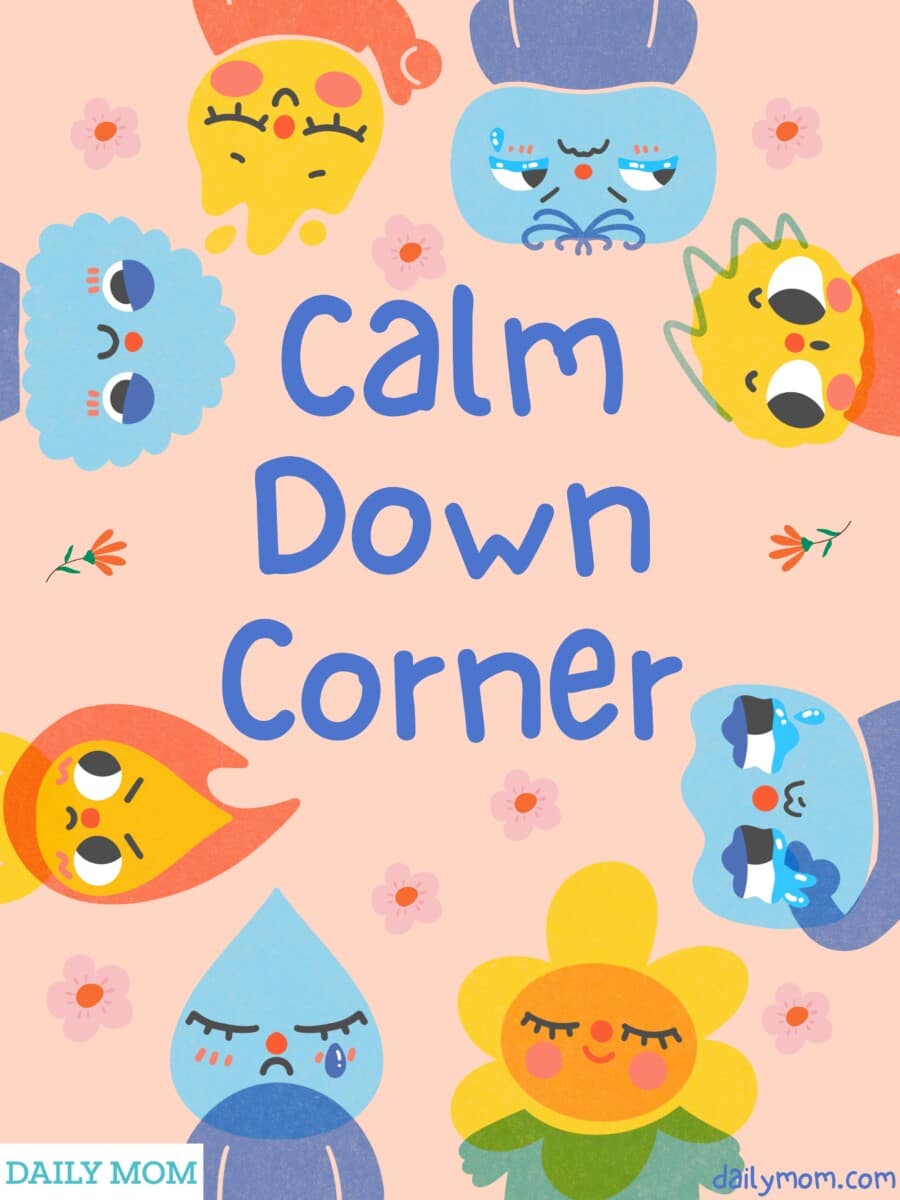
Now download your Calming Down Corner set today. This 7-page guide includes calming strategies, grounding techniques, zone chart, emotional regulation strategies, daily affirmations, and a feelings and emotions guide!
You might also be interested in…
Want more ideas to help with those big emotions? Check out these 7 time-out alternatives!
CONNECT WITH DAILY MOM
💖 NEWSLETTER: DAILY READS IN YOUR INBOX 💖
Sign up to receive our picks for the best things to do, see and buy so you can relax and focus on more important tasks! Let us help you be the best version of yourself you can be!
BE SOCIAL WITH US
📌 LOVE IT? PIN IT!📌