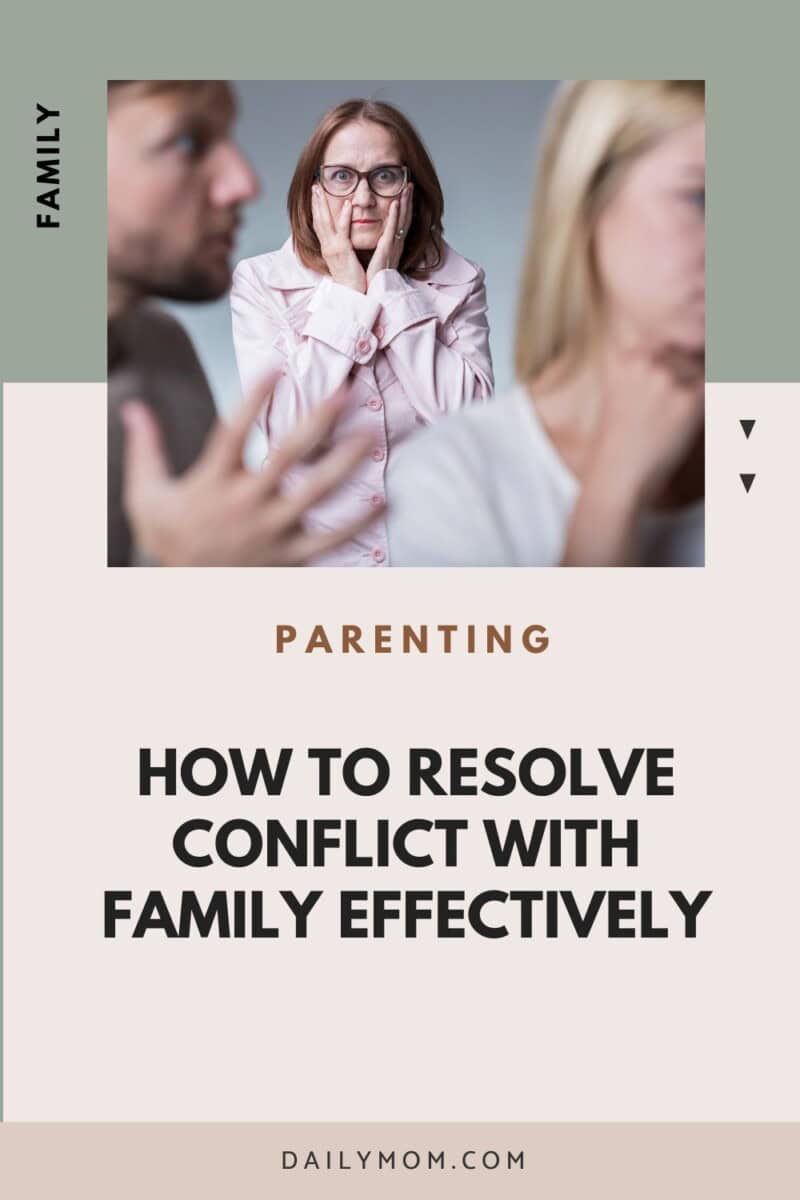































Family arguing is something nearly every household experiences at some point. Whether it’s a loud disagreement at dinner or a quiet buildup of tension over time, it’s a regular part of sharing a life under the same roof. The good news? With awareness, communication, and a few practical strategies, conflict doesn’t have to pull families apart. It can help them grow stronger when handled correctly.

This article examines why families argue, what fuels these heated moments, and how to resolve family disputes before they escalate into long-term problems. From exploring common causes to recognizing when it’s time to seek outside help, this guide offers solutions to create a calmer, more connected home.
Why Families Clash: Understanding the Source of Disagreement
Family disputes often don’t arise out of nowhere; they build slowly. One moment, everything seems fine, and the next, a minor issue sparks a bigger argument than expected. Understanding what triggers these moments is crucial to maintaining peace.
Daily responsibilities, such as managing chores, splitting financial obligations, and raising children, often become sources of pressure. When each family member is juggling a packed schedule, even minor confusion can feel like a significant betrayal. Not doing the dishes, forgetting to pay a bill, or having different ideas about discipline can all become serious causes of dispute.
But beyond daily stressors, there are deeper emotional layers. Many families fight because expectations aren’t being met, or worse, aren’t even clearly communicated. A parent might feel unappreciated, a teen might feel unheard, or a sibling might feel like they’re always compared to someone else. These emotional undercurrents aren’t always evident, but they drive much of the tension among the family. If left unresolved, they can become patterns that repeat every time a disagreement arises.
In most households, the primary causes of domestic quarrels stem from miscommunication and emotional overload. Recognizing the cause of dispute, whether it’s a practical task or an emotional wound, is the first step in reducing arguments among family members. It’s not about never disagreeing, but learning how to address the problem before it turns into something bigger.
Types of Family Arguing
Family issues are as varied as the individuals inside them, and the dynamics of these relationships significantly shape the types of conflict that arise. Understanding these specific categories of family disputes is essential for addressing the underlying causes and finding effective resolutions.
Sibling rivalry
Sibling rivalry is one of the most common disputes among family structures. Competition for attention, jealousy, or disagreements over shared spaces can create tension between siblings, especially in larger households. These conflicts may intensify into arguments and leave long-lasting effects on sibling relationships if not addressed constructively.
Parent-child tension
Parent-child tension is another frequent source of conflict inside families. Disagreements may stem from differing perspectives on discipline, curfews, or lifestyle choices. As children grow older, conflicts over independence and personal boundaries can intensify, leading to emotional stress for both parents and children.
Marital disagreements

Marital disagreements are a critical area of domestic fights that can significantly impact the entire household. Stress from external factors, such as work or financial concerns, can lead to disagreements between partners. When left unresolved, these disagreements can impact the overall harmony within the home and create a hostile environment for children.
Extended family issues, in-law stressors, and generational gaps
Extended family issues also play a significant role in shaping family structure. Conflicts with in-laws or generational gaps in beliefs and values can strain relationships. Whether it’s disputes over traditions or differing parenting philosophies, managing these conflicts requires a delicate balance of understanding and communication.
How different family forms and dynamics shape the way we experience conflict
Different household dynamics influence the way conflicts are experienced. For example, in a nuclear family, arguments may revolve around day-to-day responsibilities, while extended families may deal with cultural or generational clashes. Acknowledging the distinct conflicts inside these family units is the first step toward finding tailored solutions that promote healthier interactions and relationships.
Standard Issues of Family Fighting

Every family fight has a starting point. Sometimes it’s a sudden blow-up, other times it’s a slow build over time. Either way, understanding the typical motives behind household disagreements can help reduce the likelihood of recurring arguments and make everyone feel more heard and supported.
Miscommunication
Miscommunication is easily one of the top reasons families fight. A message taken the wrong way, a missed cue, or simply assuming someone knows what’s needed, these small slips can lead to big problems. For example, if a parent thinks a teen is ignoring house rules, while the teen believes they were never clearly explained, frustration grows on both sides. This kind of misunderstanding can lead to recurring arguments among family members that often feel unresolved.
Differences in values or expectations
Differences in personal values or expectations also create friction among households. One person may value strict organization, while another thrives in a more relaxed environment. Or a parent holds traditional views, while their child adopts modern perspectives. These opposing viewpoints can easily intensify into verbal disputes, especially when both sides feel their opinions aren’t respected. Over time, if these family issues are never discussed openly, they quietly feed resentment.
Stress from external factors (work, school, money) and Jealousy or favoritism among siblings
Stress from external sources, such as work pressure, school demands, or financial pressure, can also heighten tension at home. When people are already overwhelmed, even minor conflicts can feel unbearable. Add factors like favoritism, sibling jealousy, or unresolved past disputes, and the emotional weight in the home increases. Many fights begin not because of what’s happening in the moment, but because of something deeper that hasn’t been addressed.
Recurring unresolved past arguments among family members
In most cases, it’s not just one issue that causes a family argument, but a combination of triggers that pile up. Recognizing these frequent factors helps shift the focus away from blame and toward finding more effective ways to communicate, support, and ultimately settle family disagreements before they damage trust.
The Impact of Domestic Quarrels
Domestic quarrels have far-reaching consequences that extend beyond just heated arguments. From emotional pressure to long-term damage in relationships, the impact of unresolved family issues can be severe and take a significant toll on all those involved. Understanding these effects is crucial for addressing conflicts positively.
Mental and emotional health consequences for children and adults


Family disputes can heavily affect the mental and emotional well-being of family members, especially children. Constant tension in the household can lead to stress, anxiety, and even depression. For parents and caregivers, family disputes can lead to feelings of frustration and exhaustion, making it challenging to manage daily responsibilities. Emotional pressure, when prolonged, can also erode self-esteem and create a sense of instability among family members.
Long-term damage to family bonds can occur if left unresolved
When conflicts in the family remain unresolved, they can weaken relationships over time. Trust and open communication, a foundation of healthy family life, are often the first casualties of prolonged arguments. The negative cycle of family conflict can create distance between family members, leaving relationships stressed or fractured. This damage is particularly concerning when it involves parent-child or sibling relationships, as it can impact the domestic connection for years to come.
The cycle of negativity: how unresolved family disputes can lead to chronic stress
The stress generated by unresolved family conflicts doesn’t stay contained inside the home, and it often spills over into other aspects of life, such as work, school, or social relationships. Chronic stress stemming from family disputes can take a toll on well-being, leading to issues like headaches, fatigue, or weakened immunity. Beyond wellness, the constant stress of a tense family situation can hinder a person’s ability to focus or perform well in other areas of life.
By understanding the impact of domestic fight, families can begin to recognize the urgency of finding a resolution. When disagreements amplify to create tension or stress in relationships, it’s essential to address the underlying issues and work toward harmony.
Productive vs. Destructive Conflict Resolution
Not every argument in a household is a bad thing. When handled well, some disagreements can bring family members closer by encouraging honest conversations. But there’s a clear difference between supportive and destructive conflict, and knowing that difference can change the entire tone of your home.
Understanding the difference between healthy arguments within a family and destructive fighting
Positive conflict enables families to address issues openly, share their thoughts and feelings, and work toward a resolution that benefits all parties involved. It involves respectful communication, active listening, and a willingness to compromise. For example, discussions about household chores or parenting styles can lead to understanding when approached constructively. On the other hand, destructive fighting is characterized by yelling, insults, and unresolved disputes. These heated arguments often aggravate tension and pressure in relationships rather than resolving the issue.
Signs your household needs intervention vs. signs of natural growing pains
Sometimes, it can be challenging to determine whether conflicts are a natural part of family life or a sign of deeper trouble. If arguments intensify frequently, lead to prolonged periods of silence or resentment, or begin to take a toll on the mental and physical wellness of family members, it may be time to seek help. Chronic conflicts often signal the need for professional intervention, such as therapy or counseling, to mediate disputes and rebuild trust.
Using beneficial techniques to express disagreement respectfully
To turn disputes into opportunities for growth, families can adopt techniques that encourage helpful communication. Expressing disagreement respectfully, using “I” statements instead of blame, and creating a supportive environment for open conversations are vital tools for managing household conflict. Mindfulness and thoughtful listening further ensure that all participants feel heard and valued, paving the way toward harmony.
Understanding the difference between supportive and destructive conflict helps families create a more positive environment for addressing disagreements. With intentional strategies, households can navigate even the toughest disputes without letting them aggravate into harmful patterns.
How to Address Family Disagreements: Practical Solutions

Every family goes through rough patches, but not every conflict has to end in silence or slammed doors. With the right tools and mindset, even long-standing family issues can be addressed healthily and respectfully. Learning how to mediate family conflicts isn’t just about ending the argument; it’s about rebuilding trust and restoring balance in your home.
Attentive listening and empathy
A key step in conflict resolution is helping each person feel heard and understood. Responsive listening means focusing entirely on the speaker, without interrupting, dismissing, or planning a comeback while they talk. When people feel genuinely listened to, their defenses lower, and conversations become more productive. It’s not always easy, especially in the middle of a heated disagreement, but slowing down to hear someone’s thoughts and feelings can shift the entire tone of a conversation.
Empathy is equally important. Try putting yourself in the other person’s shoes. What might they be feeling underneath their frustration? Often, what sounds like anger is a more profound emotion, such as sadness, fear, or a feeling of being misunderstood. A little compassion can go a long way in helping family members reconnect and begin working toward a resolution.
Setting clear boundaries and roles, and a comfort zone for conversation
Creating structure in the family can reduce the frequency of clashes. That includes defining personal boundaries, respecting each other’s space, and establishing agreed-upon rules. For instance, having a no-yelling rule during disagreements or setting aside quiet time after a family fight helps reset the tone and prevents things from spiraling.
Designating a safe space for honest discussions can also help. This could be a regular family meeting or a private one-on-one conversation in a neutral setting. When everyone knows there’s a respectful way to speak up, it becomes easier to handle even complex topics without fear of being shut down or judged.
Conflict management tools (e.g., time-outs, journaling, family therapy)
Sometimes, a few basic tools can make a huge difference. If things get too intense, taking a 15-minute timeout lets everyone breathe before emotions take over. Journaling is another powerful tool, especially for kids and teens, helping them put feelings into words before expressing them aloud. For persistent patterns of conflict, family therapy or guided meditation can be a game-changer.
Tailored approaches to mediate family conflicts based on the type of issue
It’s also essential to tailor solutions to the family’s structure and dynamics, as well as the specific issue at hand. What works for resolving a sibling spat might not be effective for a parent-child disagreement. Having flexible approaches tailored to the situation demonstrates that resolving family conflict isn’t a one-size-fits-all task, and it’s about adapting in a way that works for everyone involved.
By building a toolkit of real-world strategies, it becomes much easier to maintain peace and repair family tensions before they become lasting wounds. A little effort every day can lead to significant improvements in how your family connects, communicates, and supports one another.
Building a Harmonious Household

A peaceful home doesn’t just happen; it’s built through small, daily choices that reduce stress and foster connection. After resolving major family conflicts, the next step is to establish routines and habits that foster a strong family relationship and prevent new issues from arising. By focusing on simple actions that promote respect, balance, and emotional safety, any family can create a more harmonious household.
Daily habits to foster a stronger domestic connection
Rituals offer predictability, which brings comfort to everyone, especially children. These routines don’t need to be complicated or time-consuming. Even the smallest shared activities help families bond and reduce daily tension.
Here are a few ideas to consider:
- Family dinners a few times a week, without screens
- Weekend check-ins where everyone shares a win or challenge
- Bedtime chats with young children to ease them into restful sleep.
- Chore rotations that feel fair and are agreed upon together
- Tech-free time blocks to encourage real conversation
These moments may seem small, but they create structure, reduce surprises, and show each family member that their presence matters.
Celebrating wins together
Often, households spend so much time solving problems that they forget to acknowledge what’s going well. Positive reinforcement is just as important as correcting behavior. Taking time to notice effort, kindness, or improvement boosts morale and reinforces a sense of unity.
- Express gratitude for small acts of support.
- Recognize when someone chooses calm over conflict.
- Create a weekly “family win” board or jar to collect uplifting moments.
- Celebrate birthdays or milestones with meaningful rituals.
When families celebrate more than they criticize, the emotional climate shifts. Encouragement becomes the norm, making everyone more willing to contribute and cooperate.
Embracing rituals and routines that reduce tension
- Establish morning and evening rituals to create a calm and serene tone for the day.
- Plan regular family meetings to address concerns and share updates, ensuring everyone feels involved and informed.
- Encourage mindfulness practices, such as deep breathing exercises or quiet moments, to manage stress among the family.
Teaching children and teens the art of conflict resolution
No one is born knowing how to manage a disagreement. Helping children understand how to express their feelings respectfully and how to listen prepares them for healthier household dynamics and future relationships. Teaching conflict resolution skills, such as using “I feel” statements or taking deep breaths before responding, helps individuals constructively address family issues.
This kind of modeling starts with the adults. When parents handle conflict calmly, kids are more likely to do the same. The household becomes a space where honesty and respect go hand in hand.
Fostering peace and harmony in the home is a team effort, but it’s also a deeply rewarding one. With a few mindful habits, any family can move from chaos to calm and create an environment where everyone thrives.
When to Seek Professional Help: Knowing When Family Conflict Needs Outside Support
Sometimes, even after trying everything, the conflict in the families feels too big to manage alone. When arguments keep coming back, communication completely breaks down, or someone in the family begins to feel emotionally unsafe, it might be time to get help beyond the home. Seeking support isn’t a failure, and it’s often the smartest step toward true healing and resolution.
Red flags that suggest a deeper issue
Recognizing the red flags can prevent further emotional damage. Here are some signs that indicate the family conflict may be beyond what can be solved through simple conversation:
- Constant tension with no real resolution, even after multiple efforts
- Family members often refrain from speaking for extended periods after a disagreement.
- Escalating fights that involve threats, manipulation, or emotional harm
- Ongoing mental health challenges, like depression or anxiety, are tied to family issues.
- Children showing behavioral changes, withdrawal, acting out, or falling behind in school.
These aren’t just rough patches. They’re warning signs that the usual tools aren’t enough, and the family relationship may need structured, professional support to move forward.
The role of counseling or mediation in chronic family conflict
- Family therapists and mediators offer impartial perspectives that help families navigate disputes objectively.
- These professionals provide tools and strategies tailored to the unique challenges of each family situation, ensuring everyone involved feels heard.
- Mediation sessions often create a safe space for dialogue, reducing the emotional intensity of intense disagreement.
Benefits of third-party perspectives for long-term solutions and healing
- Professional intervention can break cycles of unresolved disputes and rebuild trust inside the relationships.
- Therapists help family members develop healthy communication habits, equipping them to handle future conflicts helpfully.
- External guidance fosters understanding, empathy, and long-term solutions that improve household dynamics.
Seeking professional help is not a sign of failure but rather a proactive step toward strengthening relationships and creating a harmonious household.
While it’s normal for families to argue, what truly matters is how those moments are handled. Every family conflict, whether big or small, presents an opportunity to either build walls or foster understanding. With a little effort, some practical tools, and a commitment to open communication, it’s entirely possible to turn a tense household into a more peaceful one.
By recognizing the causes of family conflict, learning to identify destructive patterns, and choosing more constructive ways to manage tension, any family can foster stronger, more respectful relationships. And when the situation feels overwhelming, knowing when to reach out for professional help ensures no one has to navigate it alone.
Key Takeaways for Dealing With Family Conflict
- Conflict is common within the home, but it can be managed with intention and care.
- Recognize the source of conflict, whether it’s chores, parenting, or emotional strain.
- Identify the type of family conflict to tailor the proper response.
- Address frequent factors like miscommunication, stress, and unresolved resentment.
- Understand the difference between constructive and destructive conflict.
- Practice active listening, empathy, and respectful boundaries.
- Utilize routines and celebrations to foster strong family relationships every day.
- Teach children how to express and resolve disagreements early.
- Know the signs that it’s time to seek professional support.
- Keep the goal in mind, and not just ending the argument, but building a better connection.
When family fighting gets addressed thoughtfully and consistently, healing becomes possible. Through this process, the household can evolve into a place where every family member feels valued, understood, and safe.
FAQs
Q: What are the common causes of family conflict?
A: Family conflicts often arise due to various reasons, including financial issues, differences in parenting styles, sibling rivalry, and communication breakdowns. It’s essential to address these issues proactively to prevent them from escalating.
Q: How can I effectively reconcile arguments among family members?
A: Settling family arguments involves clear communication, empathy, and a willingness to understand the perspective of the person in the family with whom you are in conflict. It can be helpful to set aside time to discuss the issue calmly and find a favorable resolution.
Q: What should I do if my parents frequently fight?
A: If parents’ fighting becomes a regular occurrence, it can be beneficial to encourage them to seek the help of a medical expert or counselor. This can provide them with the tools to communicate more effectively and resolve their issues constructively.
Q: Why is dealing with family drama so challenging?
A: Dealing with family drama can be challenging because emotions are often heightened, and those involved may struggle to see beyond their perspectives. It’s crucial to approach these situations with patience and understanding to ensure that everyone feels heard and valued.
Q: How can conflicts within a brutal family get resolved?
A: Conflicts within a brutal family can be resolved by establishing clear communication channels, setting boundaries, and sometimes seeking external mediation. Although family issues can be complex, they can be managed by addressing them directly and thoughtfully.
Q: Why is taking sides during family arguments not recommended?
A: Taking sides can exacerbate family problems by creating divisions and increasing tension among family members. It is more effective to remain neutral, promote understanding, and help facilitate a resolution that considers all viewpoints.
Q: Is fighting common among families, and how should it be viewed?
A: Fighting is common in families due to differing personalities and interests. However, it’s essential to view these conflicts as opportunities for growth and understanding rather than as purely negative interactions.
Q: When should a family seek help from a health professional?
A: A family should consider seeking help from a health professional when conflicts become chronic, unresolved, and start affecting the mental well-being of the people involved. A professional can provide a comprehensive guide to improving family relationships.
Q: What role does looking for support play in reconciling family issues?
A: Seeking support, whether from friends, extended family, or professionals, can offer new perspectives and solutions. It’s reassuring to know that you’re not alone and that there are resources available to help repair family issues.
Q: How can one ensure that a family conflict gets resolved?
A: To ensure a family conflict is resolved, it’s essential to maintain open communication, remain patient, and prioritize the well-being of all family members. Regular family meetings and establishing a safe space for discussion can also contribute to long-term harmony.
You might also be interested in…
Want to read more? Check this out on family conflicts and resolution.
CONNECT WITH DAILY MOM
💖 NEWSLETTER: DAILY READS IN YOUR INBOX 💖
Sign up to receive our picks for the best things to do, see and buy so you can relax and focus on more important tasks! Let us help you be the best version of yourself you can be!
BE SOCIAL WITH US
📌 LOVE IT? PIN IT!📌