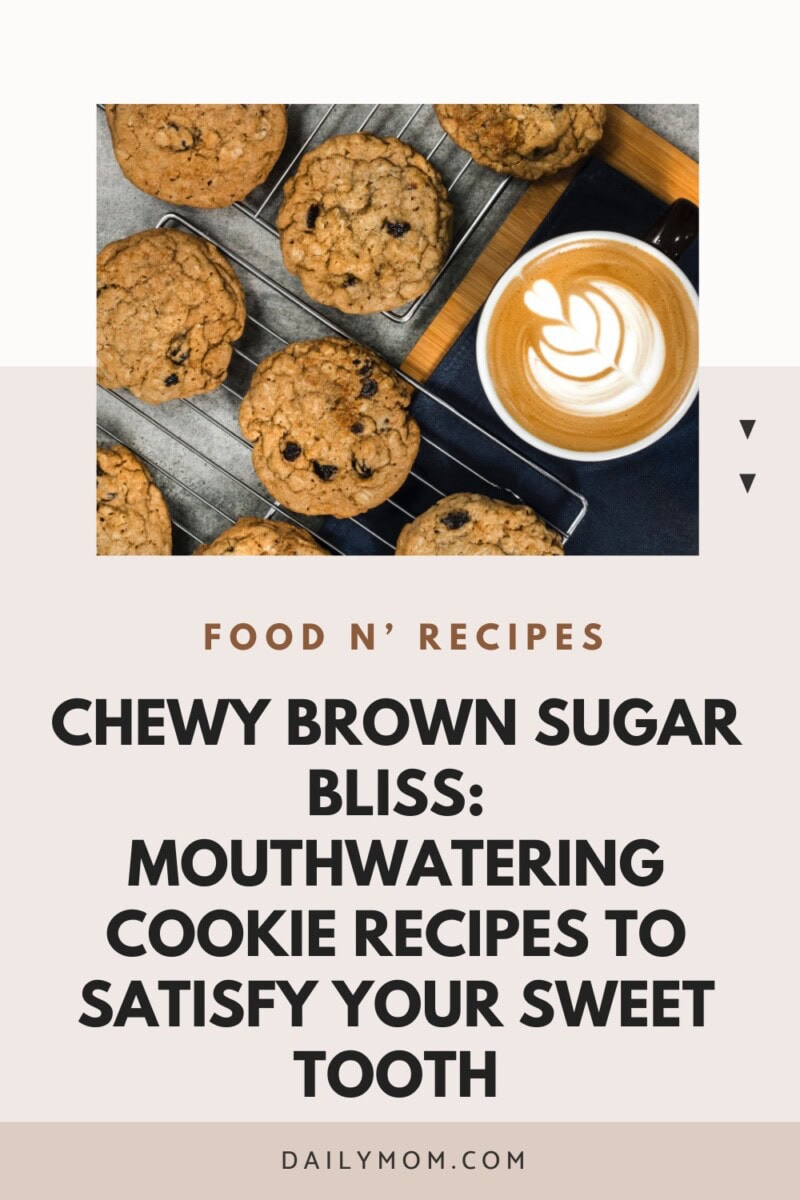






























Brown sugar is having a real moment — and honestly, it’s about time. From sweet desserts to savory glazes, this caramel-hued superstar has been sneaking its way into every corner of the kitchen. And for good reason: brown sugar desserts just hit differently. They’re deeper, richer, and way more satisfying than anything made with basic white sugar.
Unlike white sugar, brown sugar brings a whole new level of flavor — think warm toffee notes, hints of molasses, and that soft, melt-in-your-mouth texture everyone secretly wishes for in a cookie. Whether it’s stirred into cookie dough, whipped into cake batter, or sprinkled over a bubbling peach crisp, the addition of brown sugar transforms good desserts into unforgettable ones.
Ahead, there’s a seriously tempting lineup of brown sugar dessert recipes that showcase just how much better life is when brown sugar’s in the mix. Think chewy brown sugar cookies, oatmeal cookies with brown sugar magic, and even an ultra-soft sugar cookie that got a brown sugar glow-up. If a little extra flavor and a lot more chewiness sound like the right kind of upgrade, keep reading.
What Makes Brown Sugar So Special?
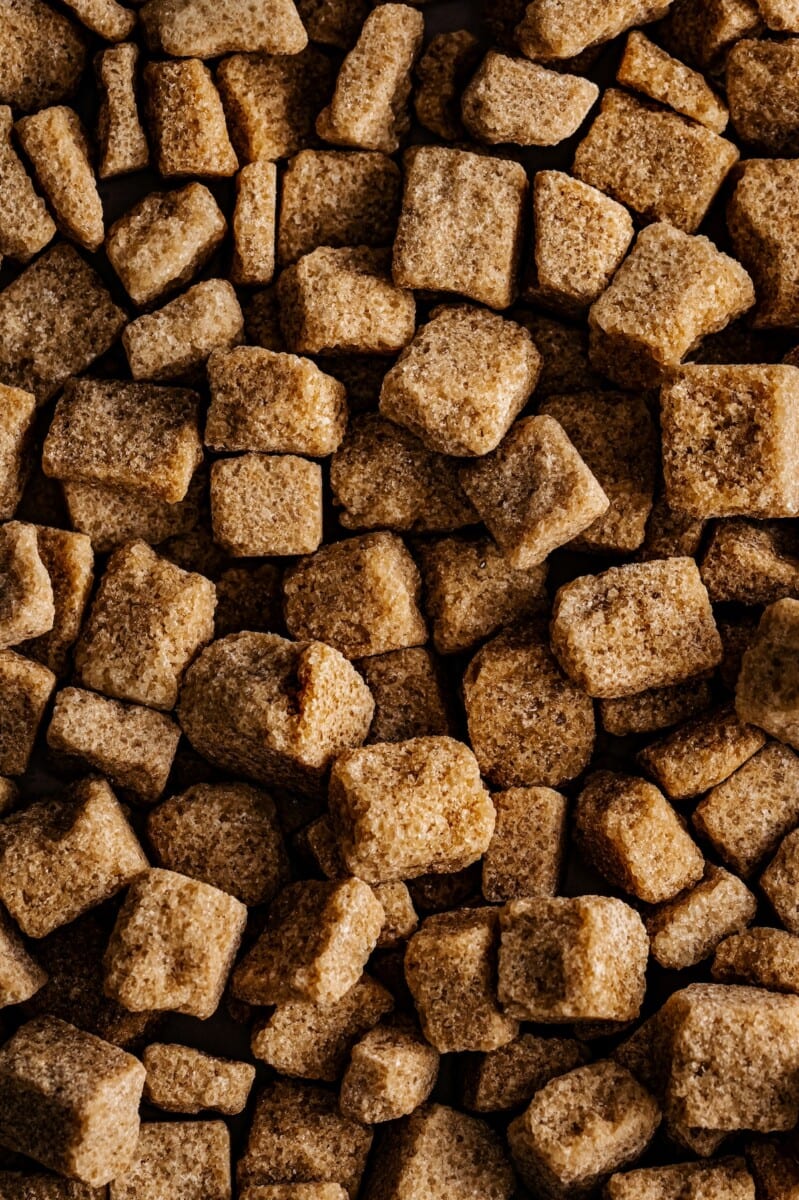
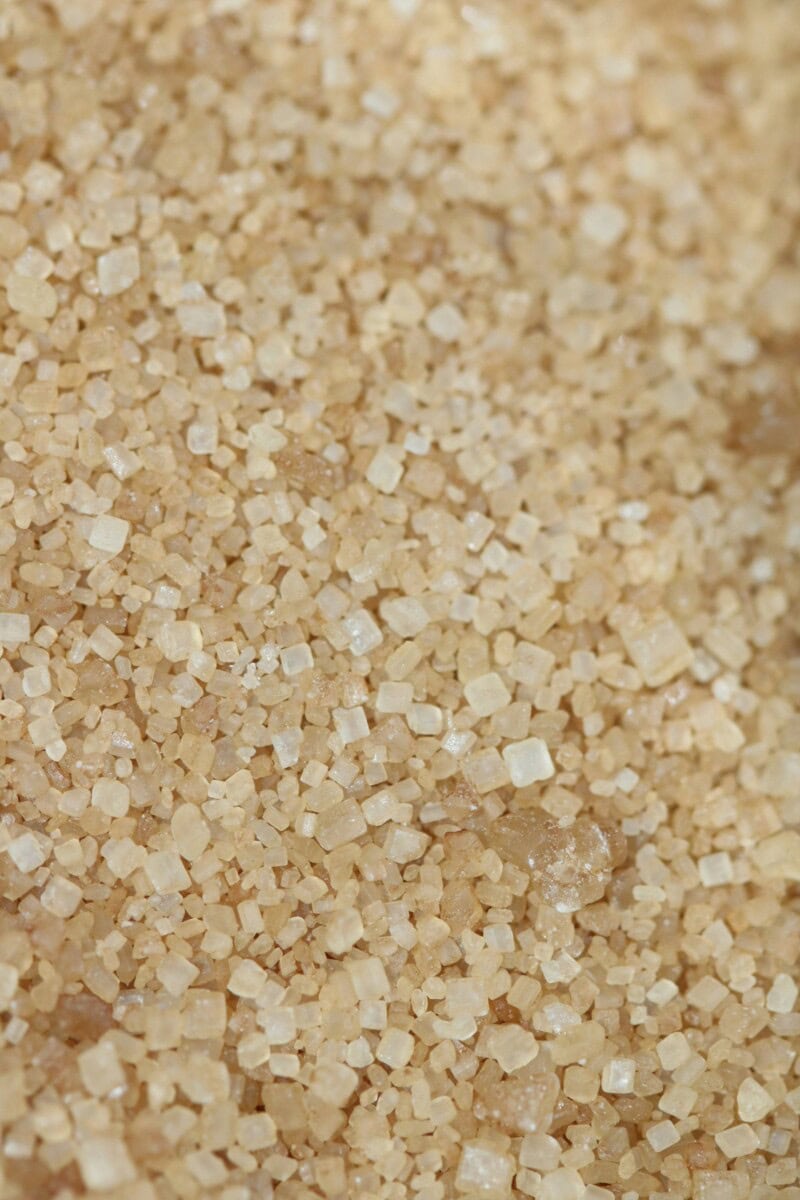
At first glance, brown sugar might not seem like a kitchen powerhouse — just a little darker than regular sugar, right? But the real magic is hidden in its makeup. Brown sugar is basically refined white sugar that’s had a sweet reunion with molasses. That extra molasses content isn’t just for show; it’s what gives brown sugar its signature moistness, deeper flavor, and that gorgeous, slightly sticky texture that bakes up into pure gold.
There are actually two main types of brown sugar, and yes, they do make a difference:
- Light brown sugar: Milder flavor, softer color — the go-to for most recipes, especially cookies and cakes.
- Dark brown sugar: Heavier on the molasses, deeper color, and a stronger, almost smoky flavor that stands out in richer desserts.
What’s really cool is how brown sugar refuses to stay in its lane. Sure, it’s a dessert hero — hello, brown sugar cookies — but it also moonlights in savory dishes. Think sticky BBQ marinades, lush glazes over roasted veggies, and even sweet-and-spicy sauces that steal the show at dinner.
A quick cheat sheet on why brown sugar deserves a permanent spot in the pantry:
- Flavor depth: Brown sugar adds warm, complex notes that plain sugar can only dream about.
- Moisture magic: Its natural stickiness keeps baked goods soft and chewy for days.
- Versatility: From chocolate chip cookies to savory sauces, brown sugar’s resume is stacked.
In short, using brown sugar isn’t just a baking choice — it’s a kitchen upgrade.
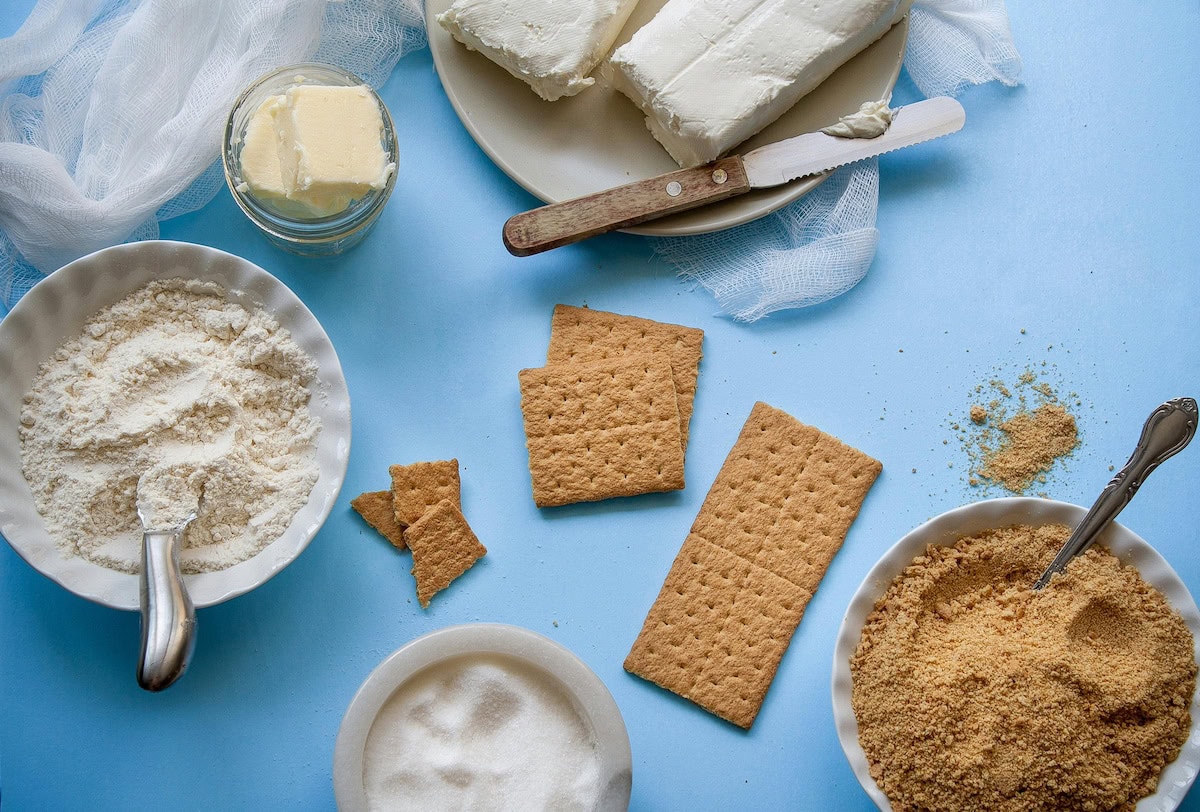
Brown Sugar vs. White Sugar in Baking
Baking with brown sugar versus white sugar isn’t just a vibe — it’s a whole science experiment happening right under your nose. And understanding the difference could be the secret weapon that transforms your next batch of cookies or oatmeal bars from “pretty good” to “oh wow, where have you been all my life?”

First, let’s talk basics: white sugar (also called granulated sugar) is all about sweetness and structure. It melts, crisps, and gives that classic crunch on top of shortbread cookies and pie crusts. Brown sugar, on the other hand, is the emotional, gooey younger sibling — thanks to its molasses content, it brings both moisture and a soft, tender texture to baked goods.
Here’s what really happens when you swap sugars:
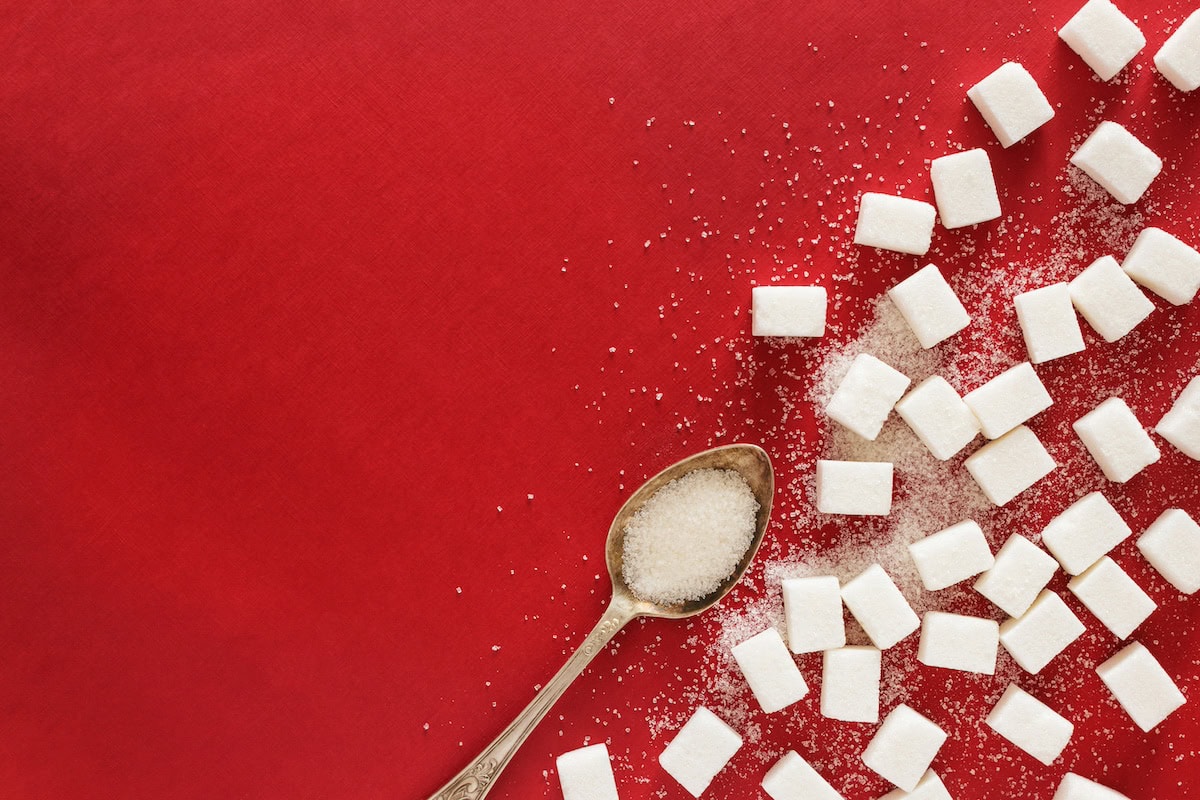
- Brown sugar locks in moisture, creating that ultra-soft and chewy texture everyone craves in cookies, muffins, and bars.
- White sugar is dry and crisp, perfect for things that need a little snap, like sugar cookies or delicate pastries.
If ever wondering whether to reach for brown or white sugar while baking, here’s a cheat sheet:
- Use brown sugar when:
- You want soft, chewy results (hello, chewy brown sugar cookies).
- A richer, caramel-like flavor is the goal.
- Bake things like chocolate chip cookies, oatmeal bars, and spice cakes.
- You want soft, chewy results (hello, chewy brown sugar cookies).
- Stick to white sugar when:
- Crispness and lightness are key (think meringues, classic sugar cookies, Indian desserts, and shortbread).
- You want a more neutral flavor without the toffee undertones.
- Crispness and lightness are key (think meringues, classic sugar cookies, Indian desserts, and shortbread).
Pro Tip: Mixing both sugars together can create the best cookies — soft in the middle, crispy at the edges. It’s not cheating; it’s just smart baking.
Also, brown sugar is heavier and packs differently in a measuring cup compared to granulated sugar. So when a recipe specifically calls for “packed brown sugar,” yes, it really means jam that stuff down into the cup. It’s not just a suggestion — it’s the way to get the right texture and flavor without ending up with dry, disappointing cookies.
Bottom line? Sugar isn’t just about sweetness — it’s about texture, moisture, and even color (think that gorgeous golden brown cookie perfection). Knowing when to use brown sugar versus white sugar in baking is basically like knowing when to wear sneakers versus stilettos. Different needs, different results, both fabulous when done right.
The Ultimate Chewy Brown Sugar Cookie
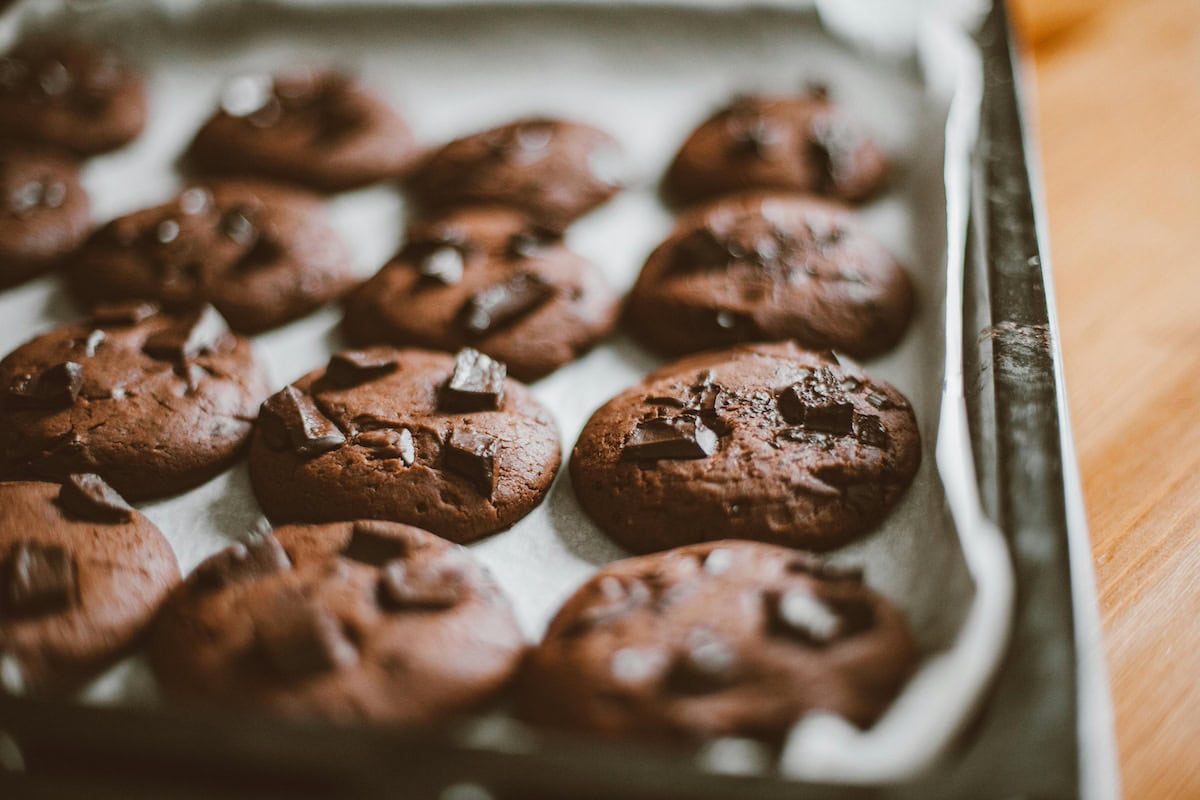
Some cookies are good. Some cookies are great. But a chewy brown sugar cookie made with real brown sugar magic? That’s a whole lifestyle upgrade. Unlike cookies that rely heavily on white sugar for structure, brown sugar cookies are all about softness, depth, and a hint of cozy caramel flavor in every bite. Brown sugar adds that lovely moisture that keeps cookies tender long after they’ve cooled — no sad, brittle cookies here. If a cookie could give you a hug, it would taste like this.
Here’s a quick overview of how to whip up the ultimate chewy brown sugar cookies:
Ingredients You’ll Need for this easy dessert:
- Unsalted butter, softened to room temperature (very important for creaming with sugar).
- Light brown sugar — pack it tight!
- A little granulated sugar to balance sweetness and help the cookies brown beautifully.
- One egg, also at room temperature (trust the process).
- Vanilla extract for extra depth.
- All-purpose flour for structure.
- Baking soda and a pinch of salt to round things out.
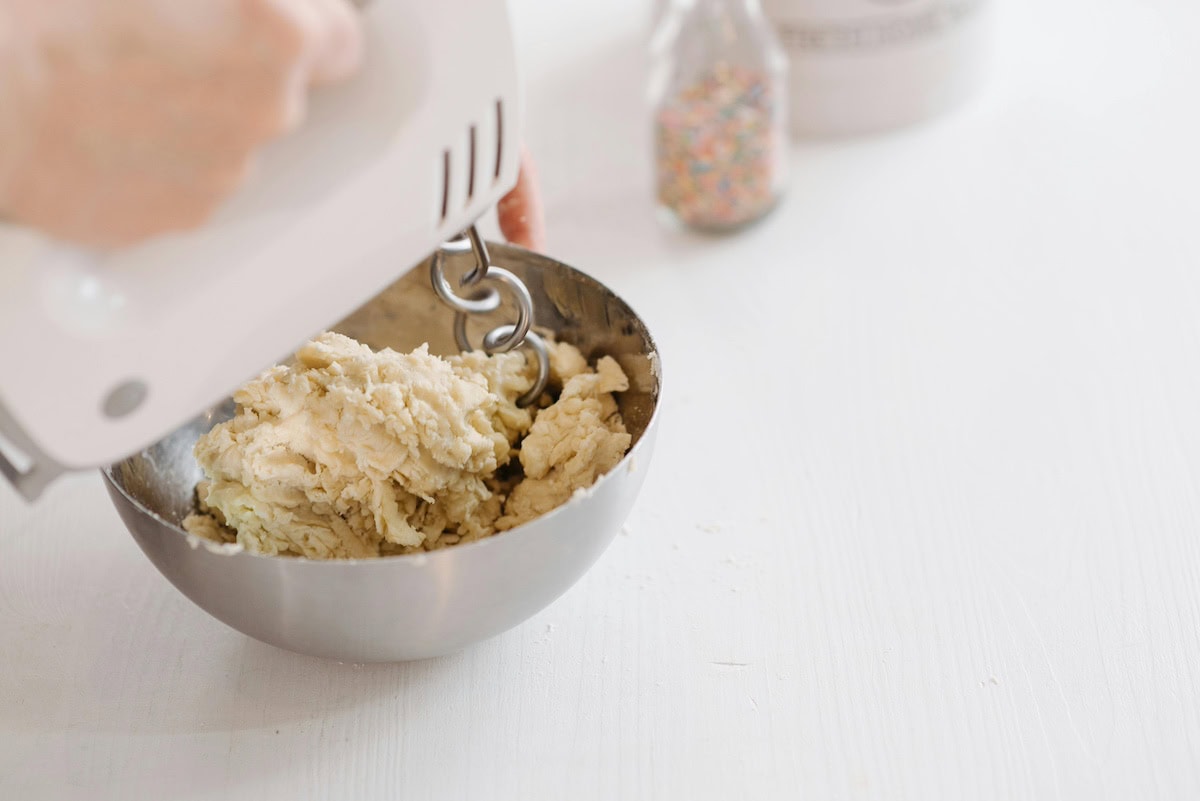
How to Make Them:
- Cream together the butter and brown sugar using a mixer until it’s light and fluffy. Seriously, don’t rush this — blending the butter and sugar together properly is what makes these cookies so soft and chewy.
- Add the egg and vanilla, beating just until combined.
- In a separate bowl, whisk together the flour, baking soda, and salt. (Dry ingredients always like to party separately first.)
- Slowly add the dry ingredients into the wet, mixing just until that dreamy cookie dough comes together.
- Roll dough balls about the size of a golf ball, and roll them in extra sugar for a subtle, sparkly crunch on the outside.
- Arrange dough balls on a parchment paper-lined baking sheet, giving them space so they don’t merge into one giant cookie (unless that’s secretly the goal).
- Bake at 350°F until the edges are light golden brown, about 8–10 minutes. Let the cookies cool on the baking sheet for a few minutes before transferring them to a wire rack to cool completely.
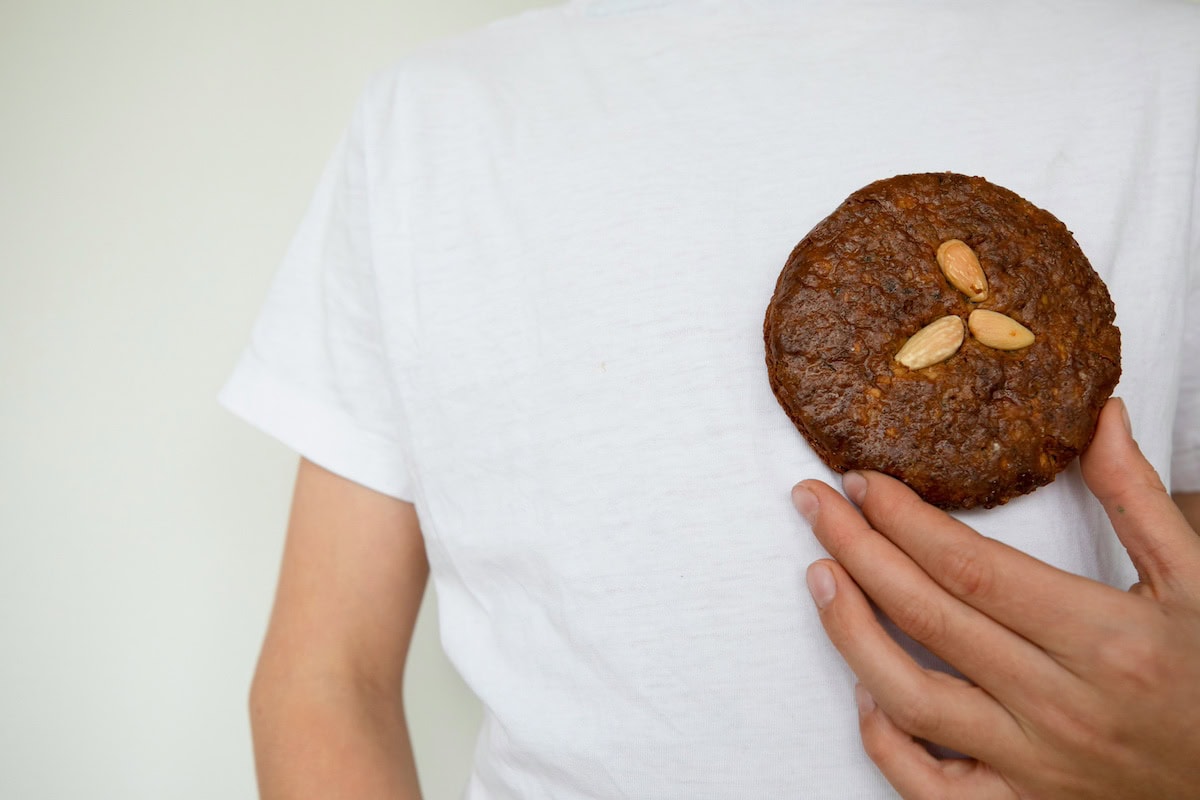

A few bonus tips:
- Using only brown sugar in cookies and skipping white sugar altogether can make them even softer and richer.
- If wanting an extra flavor boost, brown the butter before creaming it with the sugar. Hello, nutty deliciousness.
- To keep these cookies in peak chewy condition, store them in an airtight container once completely cooled.
The best cookies aren’t just sweet; they’re full of life, full of flavor, and just a little irresistible. These chewy brown sugar cookies check every box — and then some.
How to Make the Perfect Sugar Cookie with a Brown Sugar Twist
The classic sugar cookie is basically the little black dress of baking — simple, versatile, and perfect for every occasion. But let’s be honest: sometimes it could use a little glow-up. Enter: brown sugar. Swapping in brown sugar doesn’t just tweak the flavor a little; it transforms an ordinary sugar cookie into something way richer, softer, and unforgettable. The secret is all about balance. A brown sugar upgrade adds a subtle molasses warmth without overpowering that classic buttery-sweet sugar cookie vibe everyone loves. And bonus — these cookies stay softer for way longer, which means no more “Day Two Cookie Disappointment.”
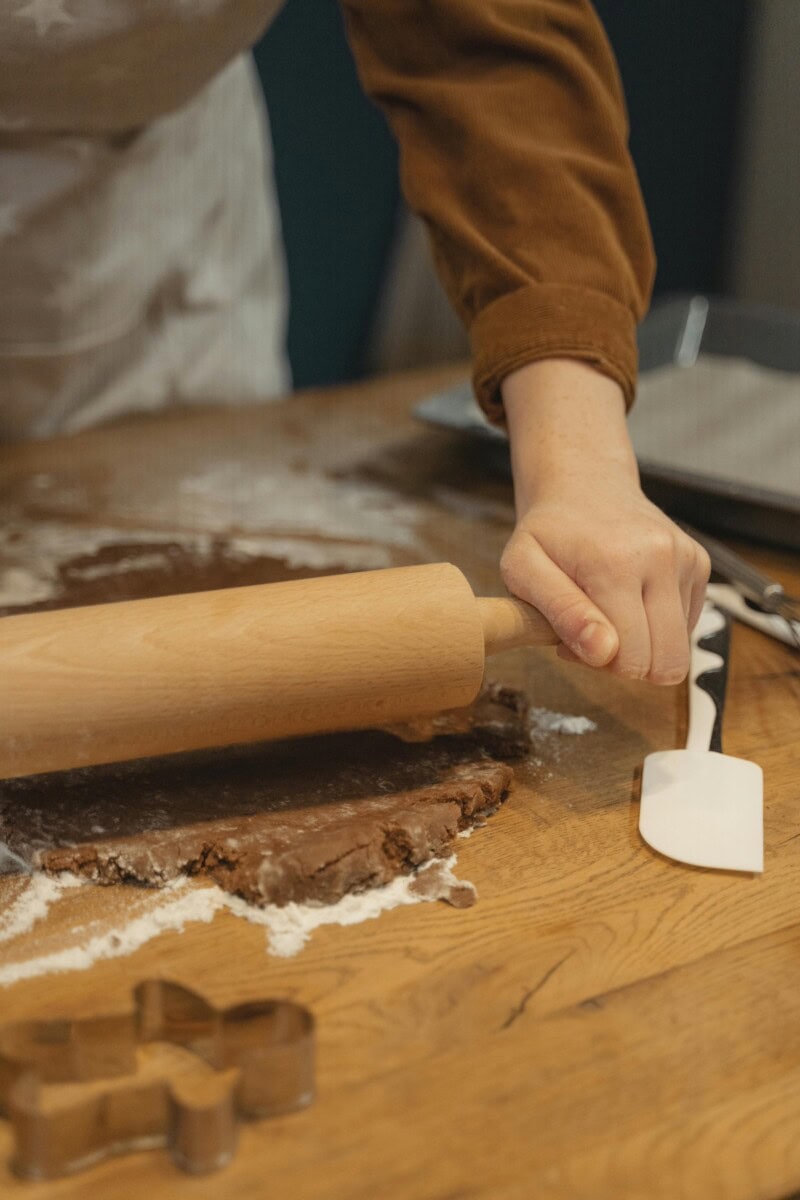
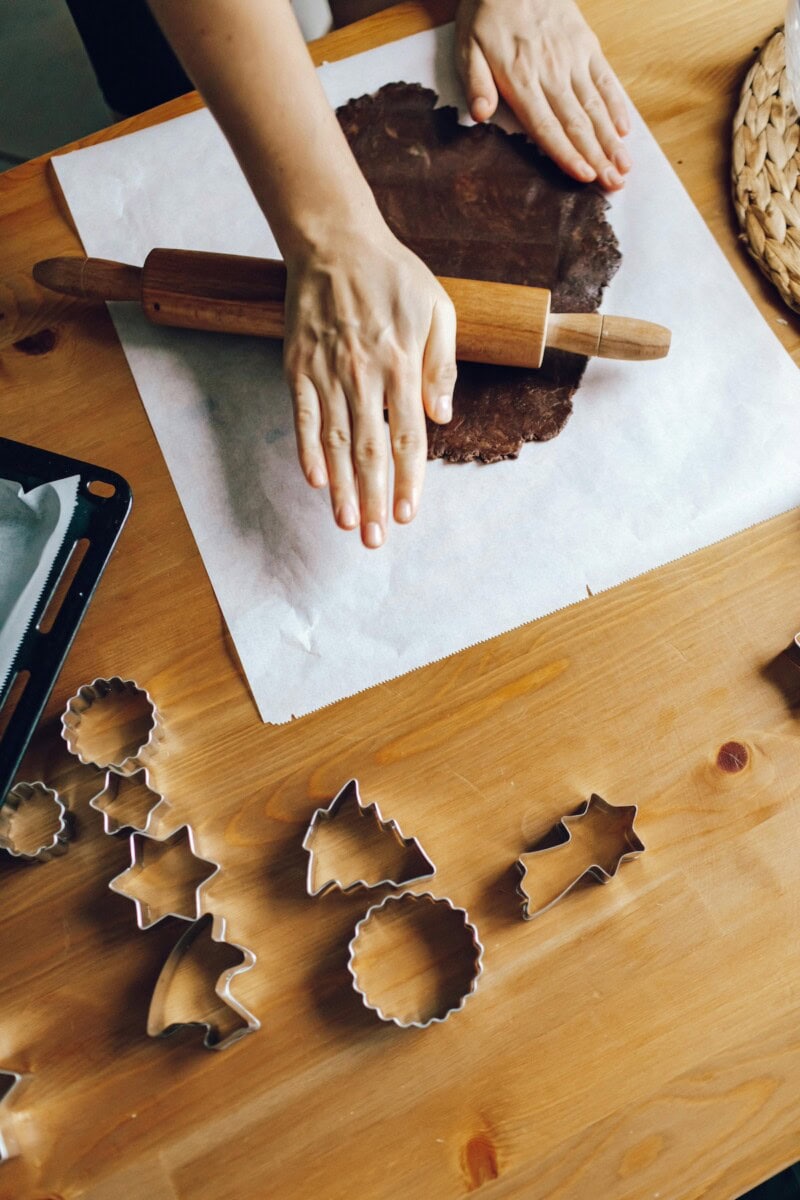
Here’s how to pull off the brown sugar twist:
- Mix brown sugar and butter until creamy: Starting with unsalted butter at room temperature is key. Blend until fluffy to trap air and build the soft structure you want.
- Use a mix of light brown sugar and granulated sugar: Using both gives the cookie that perfect combo of chew and classic sugar cookie flavor. (But if feeling adventurous, try using only brown sugar for max chewiness.)
- Chill the cookie dough: Letting the dough rest for at least 30 minutes prevents the cookies from spreading too much while baking and helps the flavors deepen.
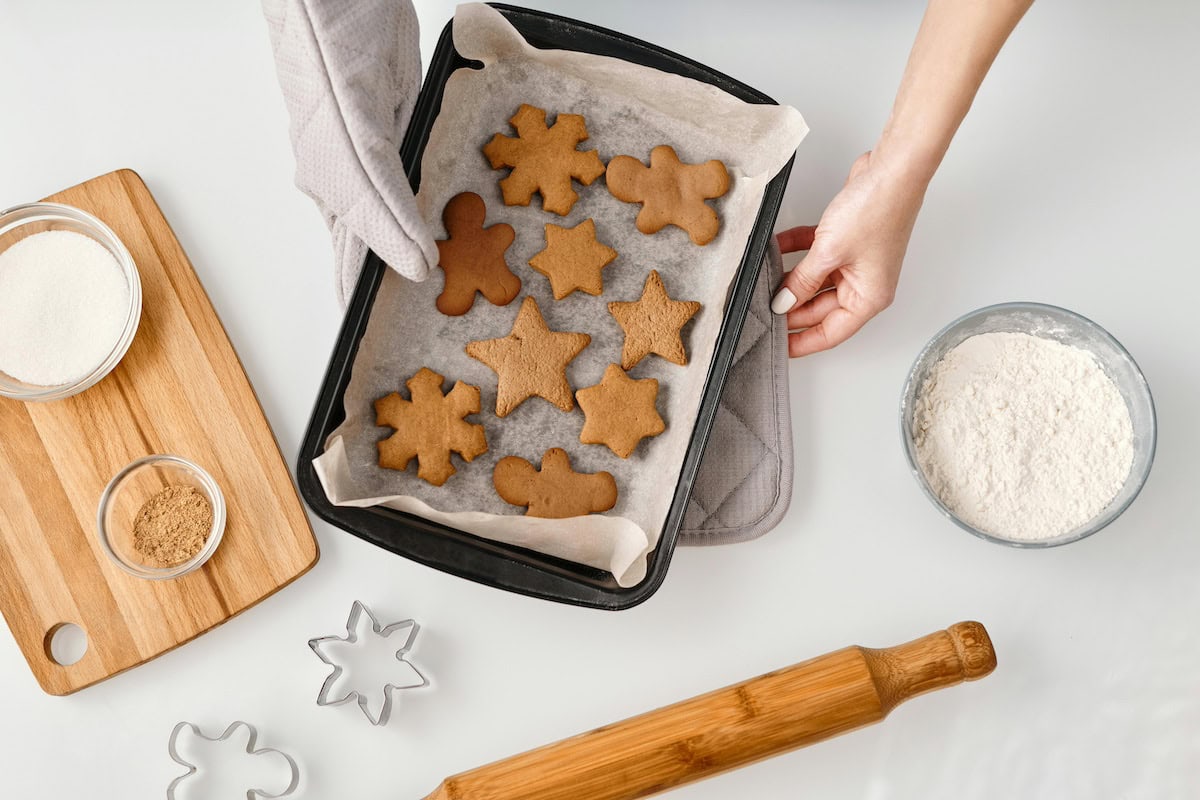
Pro Tip: If rolling out dough for cookie cutters, add a tiny sprinkle of flour while rolling so the dough doesn’t get too sticky. Brown sugar makes the dough softer than traditional sugar cookie dough!
Quick Flavor Variations to Try:
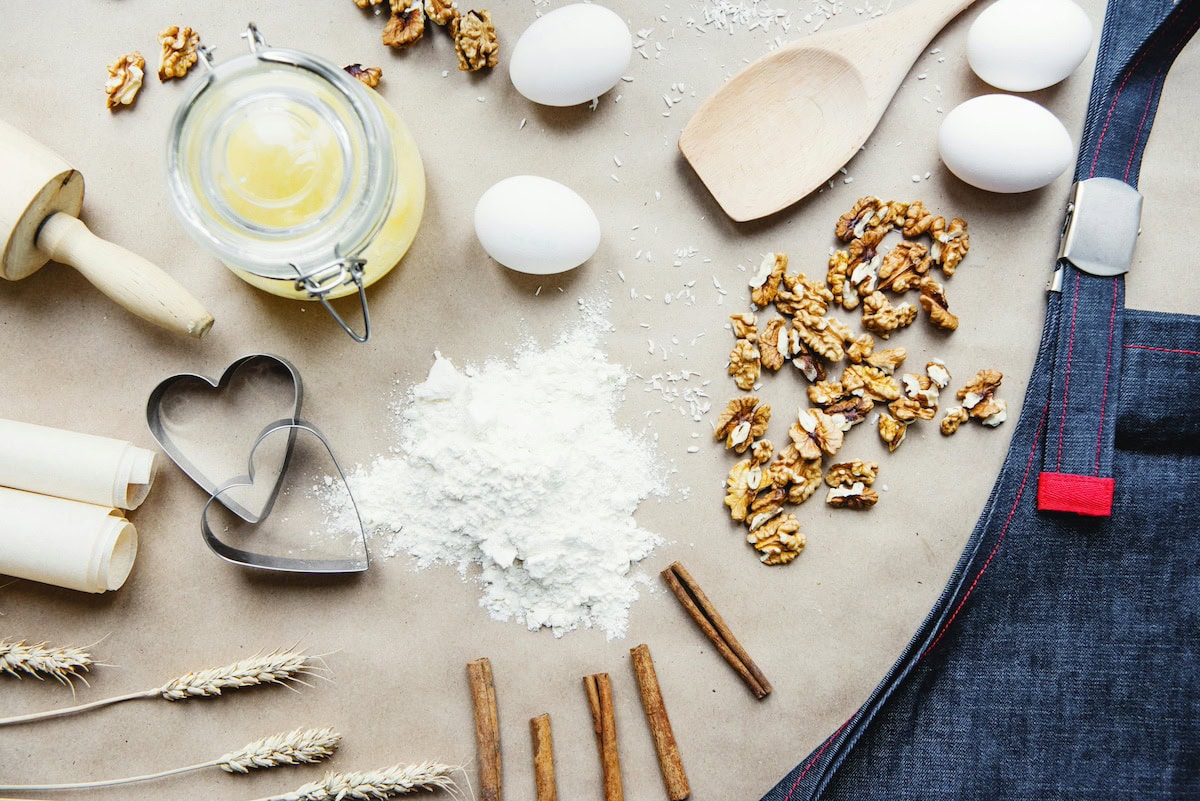
- Cinnamon and brown sugar sprinkle: Before baking, dust cookies with a cinnamon-sugar mix for extra warmth and sparkle.
- Brown butter glaze: Melt and brown some butter, stir in powdered sugar and a splash of milk, and drizzle over cooled cookies. (It sounds fancy. It takes five minutes.)
- Extra sugar roll: For added crunch, roll them in sugar just before baking for a sweet, slightly crisp exterior.
These brown sugar-twisted sugar cookies are basically the best of both worlds — nostalgic, buttery, and sweet, but with a flavor upgrade that’ll have people asking, “What’s your secret?”
The Science Behind Chewy Brown Sugar Desserts
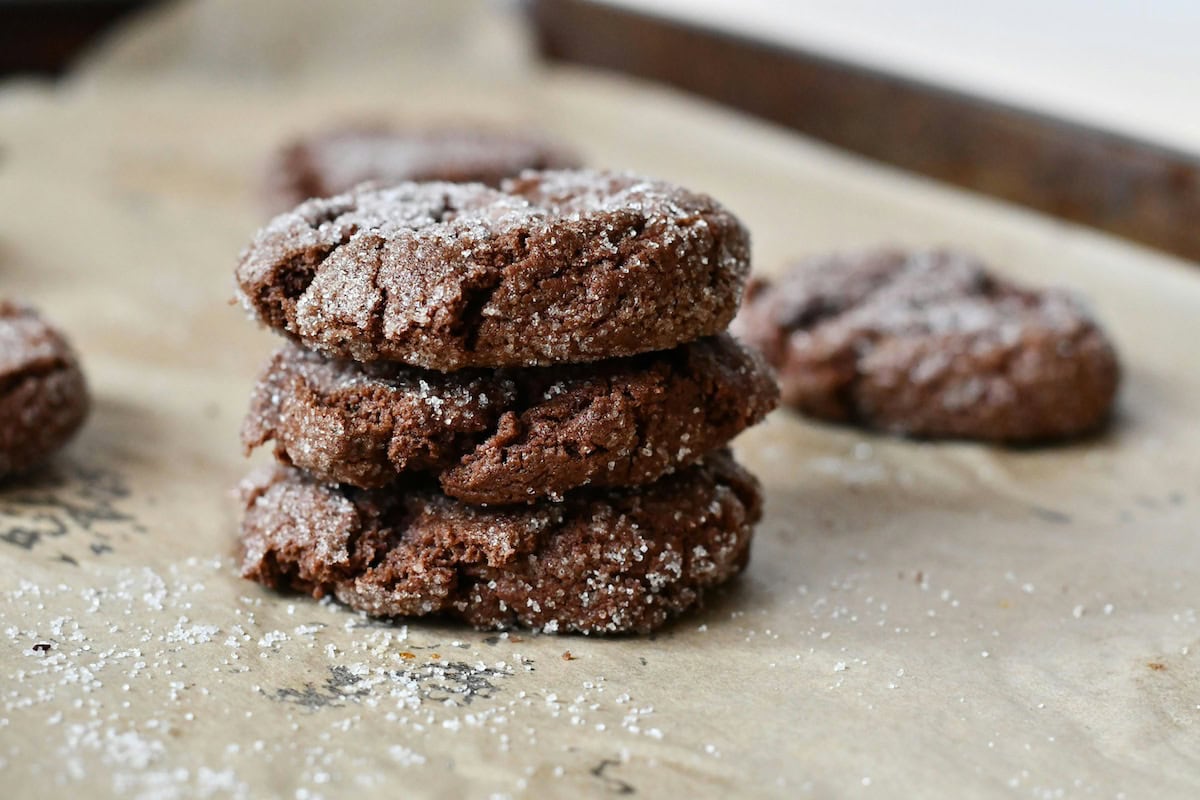
Ever wonder why some desserts have that irresistible, soft-and-chewy texture, while others leave you chewing like you’re eating a piece of drywall? (Yeah, not ideal.) Turns out, it’s not magic; it’s good old science, and brown sugar plays a starring role. Brown sugar isn’t just a sweetener; it’s a moisture magnet. Thanks to the molasses trapped inside, it pulls water into the cookie dough and holds onto it even after baking. That’s why desserts like chewy brown sugar cookies, blondies, and oatmeal bars stay soft long after they cool down.
Science Simplified: Why Brown Sugar Makes Desserts Chewy
- Moisture retention: Molasses is hygroscopic (fancy word for “soaks up water like a sponge”). Brown sugar helps desserts stay softer and fresher way longer than granulated sugar ever could.
- Caramelization boost: The molasses in brown sugar speeds up browning when baking, leading to that delicious deep flavor and beautiful golden brown color.
- Texture control: More moisture = more chewiness. Less moisture = crispiness. It’s basically dessert math.

Key Takeaways for Chewy Dessert Success:
- Use only brown sugar when aiming for maximum chewiness. Skipping granulated sugar entirely boosts softness and rich flavor.
- Mix butter and brown sugar together thoroughly — creaming them traps air, making desserts lighter and chewier at the same time.
- Don’t overbake! Let the desserts look slightly underdone in the center, and let the cookies cool on a hot cookie sheet or wire rack to finish baking gently without drying out.
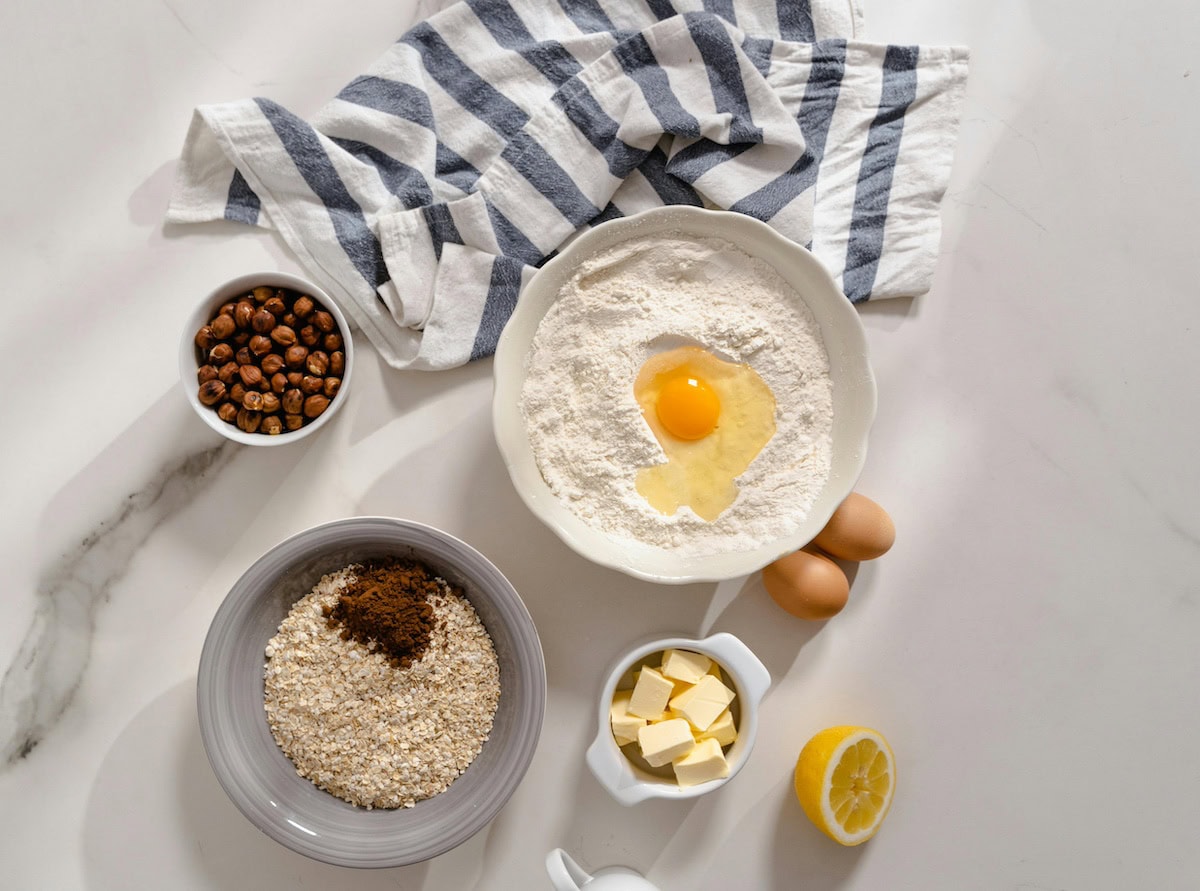
Pro Tip for Light and Dark Brown Sugar: If a recipe calls for light brown sugar but you’re craving extra flavor depth, use dark brown sugar instead. (Fun fact: dark brown sugar contains about twice as much molasses as light brown sugar — and it makes a difference.)
The bottom line? Brown sugar isn’t just there for taste — it’s a full-blown texture wizard, flavor booster, and moisture defender, all packed into one sweet little crystal.
Must-Try Brown Sugar Dessert Recipes
Sure, brown sugar cookies are legendary — but there’s a whole world of brown sugar desserts out there just waiting to steal the spotlight. If loving deeper, richer, more complex sweet flavors is wrong, then no one here wants to be right. Here’s a quick and delicious roundup of brown sugar dessert recipes you absolutely need to try:
Brown Sugar Blondies
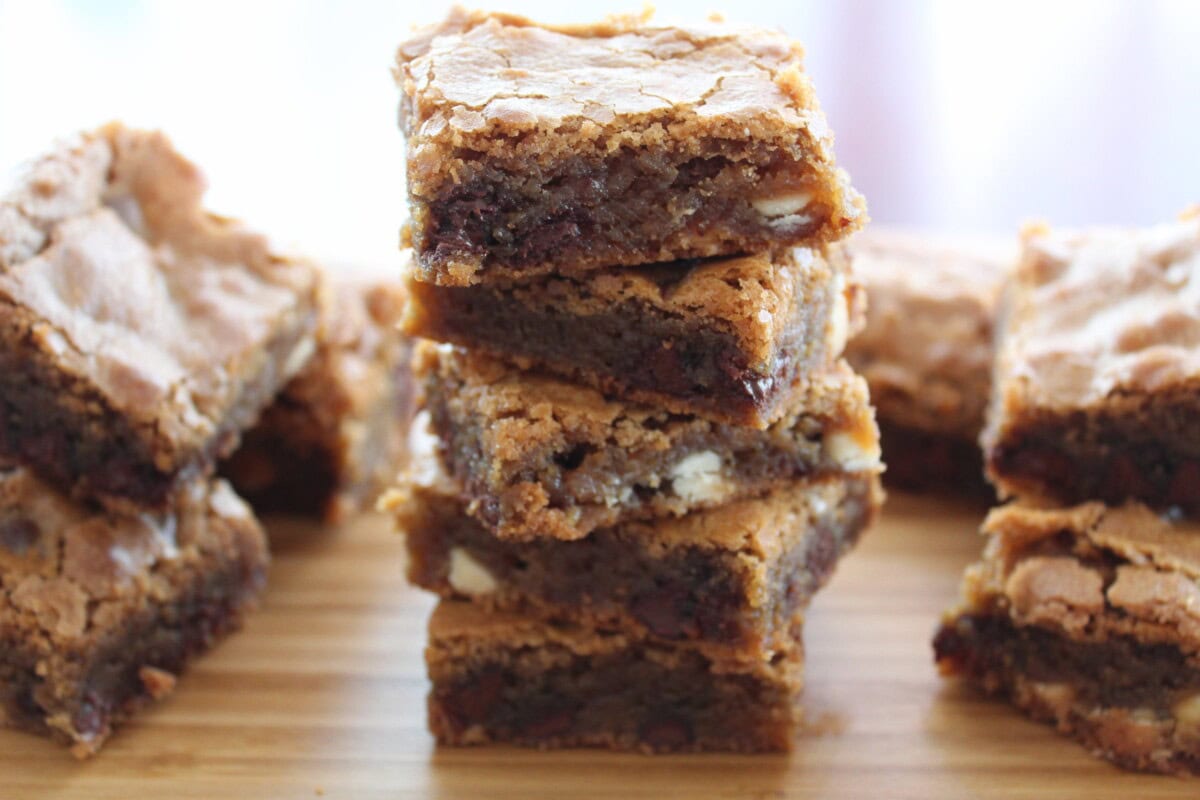
Blondies are like brownies’ cooler, caramel-flavored cousin — and brown sugar is what gives them their signature flavor. These bars are dense, buttery, and packed with rich toffee notes that only brown sugar can bring.

Brown Sugar Blondies Recipe
Ingredients (makes 9 squares):
- 1/2 cup butter, melted
- 3/4 cup brown sugar
- 1 egg
- 1 tsp vanilla extract
- 1 cup flour
- 1/4 tsp salt
Instructions:
- Preheat oven to 350°F (175°C). Grease an 8×8-inch baking pan.
- Mix melted butter and brown sugar. Stir in the egg and vanilla.
- Add flour and salt; stir until just combined.
- Spread batter in the pan. Bake 20-25 minutes until golden.
- Cool, then cut into squares.
Pro Tip: Fold in chocolate chips or toasted pecans for extra wow factor and bake until just set in the center so they stay irresistibly chewy.
Brown Sugar Cinnamon Rolls
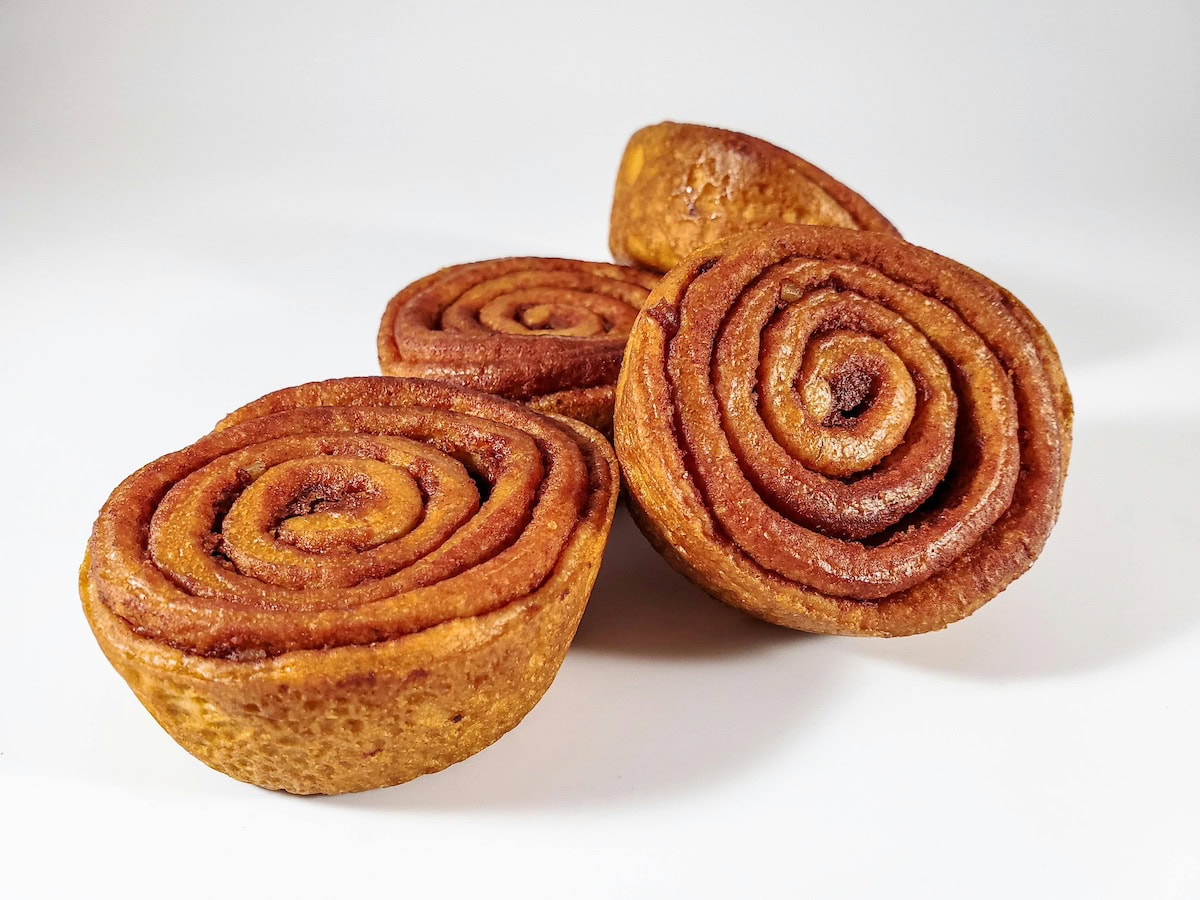
Regular cinnamon rolls are great. Brown sugar cinnamon rolls? Next level. The brown sugar melts into the buttery filling, creating ooey-gooey swirls of caramel-cinnamon goodness in every single bite.
Brown Sugar Cinnamon Rolls Recipe
Ingredients (makes 6 rolls):
- 1 can of refrigerated crescent roll dough
- 2 tbsp butter, softened
- 1/4 cup brown sugar
- 1 tsp cinnamon
- 1/2 cup powdered sugar
- 1 tbsp milk
Instructions:
- Preheat oven to 375°F (190°C). Grease a small baking dish.
- Unroll dough, press seams together. Spread with butter.
- Mix brown sugar and cinnamon; sprinkle over dough.
- Roll up tightly, slice into 6 rolls. Place in the dish.
- Bake 12-15 minutes until golden.
- Mix powdered sugar and milk; drizzle over warm rolls.
Pro Tip: Sprinkle a little extra brown sugar and cinnamon on top right before baking for a caramelized, golden finish, and parchment paper lining helps prevent sticky disasters when you try to get them out of the pan.
Brown Sugar Peach Crisp
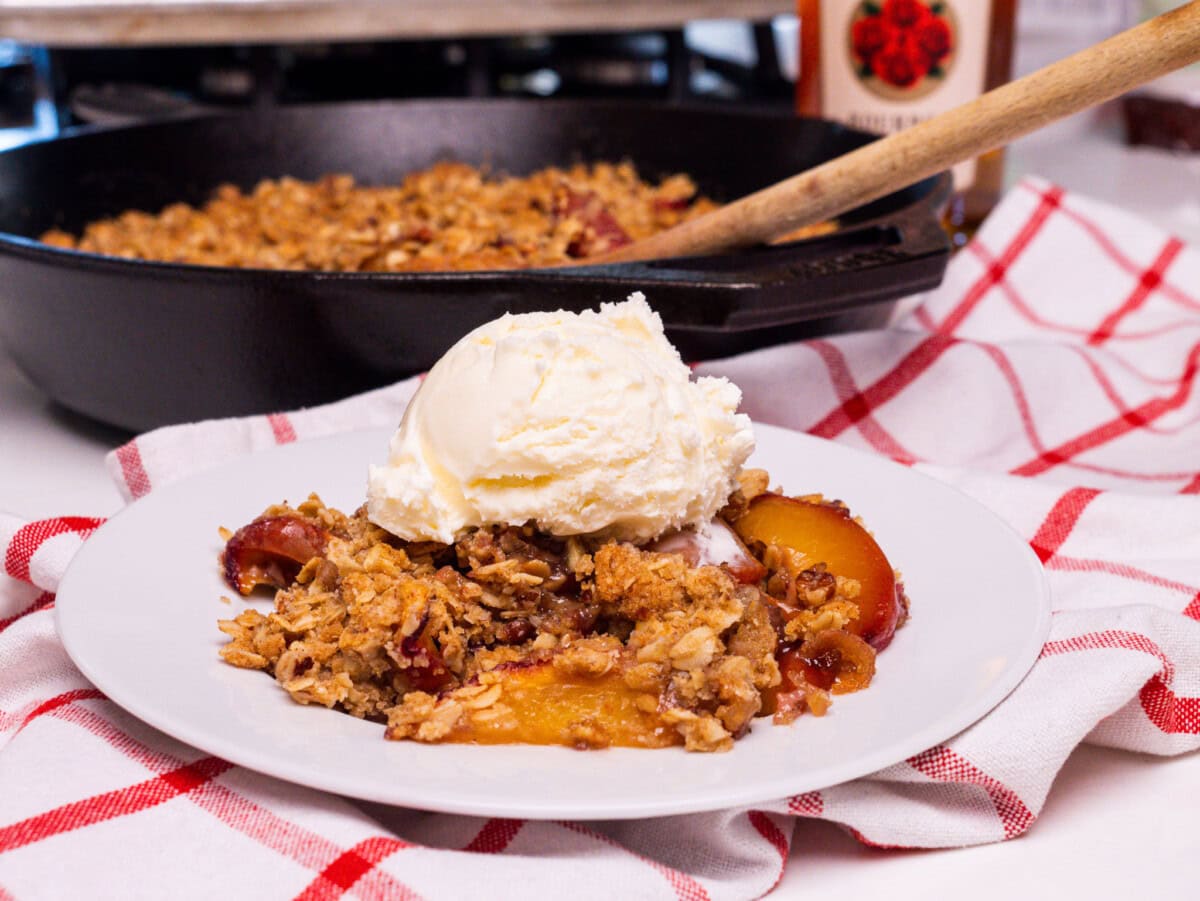
This easy dessert proves that brown sugar doesn’t just belong in cookies. Toss fresh or frozen peaches with a splash of vanilla and a hefty scoop of brown sugar, then top with a buttery oat crumble. Bake until bubbling and light golden brown.
Brown Sugar Peach Crisp Recipe
Ingredients (serves 4):
- 4 cups sliced peaches (fresh or canned, drained)
- 1/4 cup brown sugar
- 1/2 cup rolled oats
- 1/4 cup flour
- 3 tbsp butter, melted
- 1 tsp cinnamon
Instructions:
- Preheat oven to 375°F (190°C). Place peaches in a greased 8×8-inch baking dish.
- Mix brown sugar, oats, flour, butter, and cinnamon until crumbly.
- Sprinkle mixture over peaches.
- Bake for 25-30 minutes until topping is golden and peaches are bubbly.
- Bonus: Add a handful of chopped pecans to the crumble topping for extra crunch.
Pro Tip: Let the crisp cool slightly before digging in — the juices thicken into a perfect sauce.
Let’s Not Forget Peanut Butter Cookies
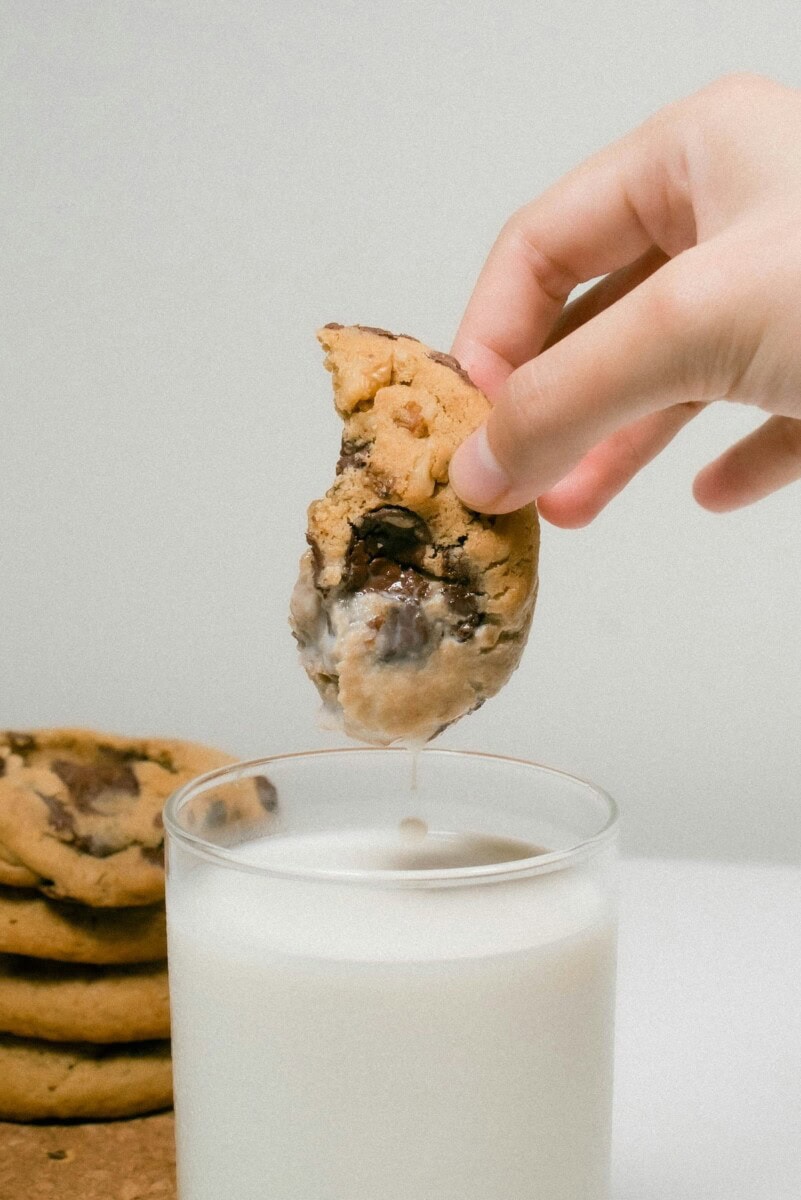
Peanut butter cookies are already delicious, but when brown sugar joins the party? They go from everyday snack to full-blown obsession. The brown sugar not only deepens the flavor (hi, toffee undertones!) but also gives peanut butter cookies that crave-worthy soft-and-chewy texture that plain sugar just can’t deliver. If craving a cookie that basically melts in your mouth while still packing a big peanut butter punch, switching to brown sugar is the ultimate power move.
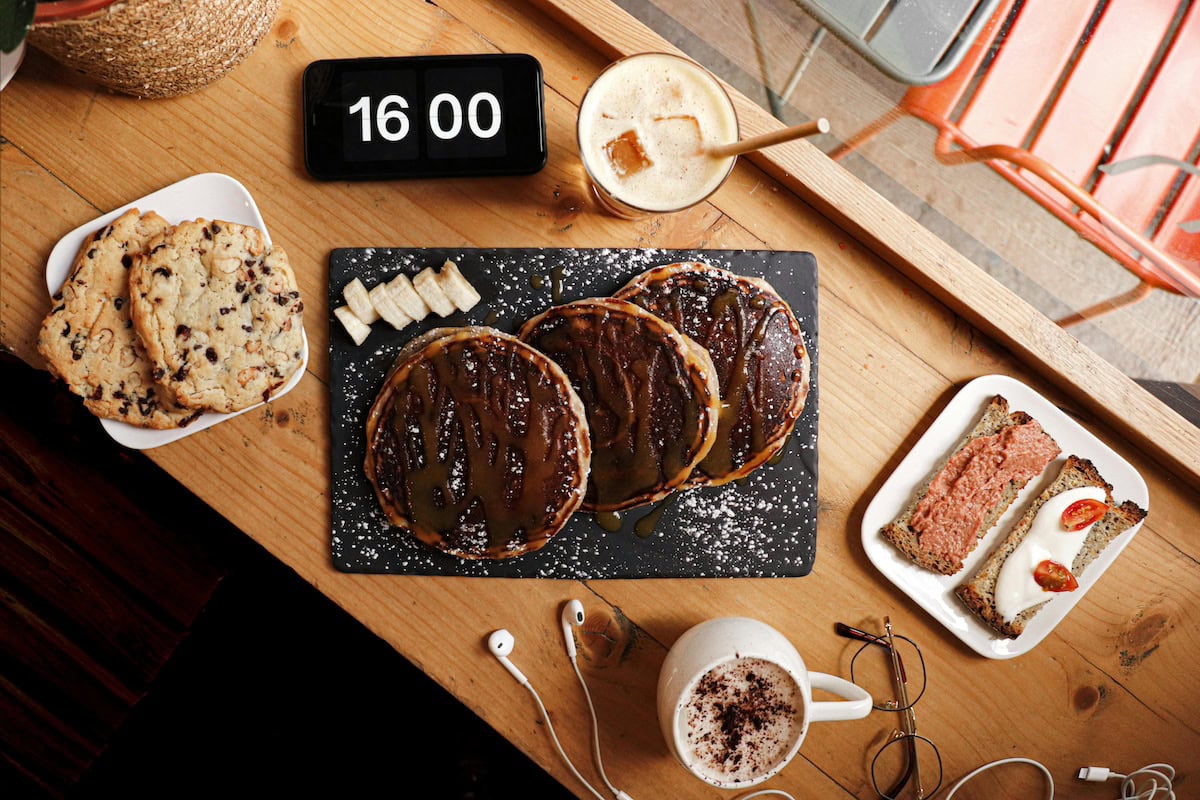
Quick Fast-Track Peanut Butter Cookie Idea:
- Grab your favorite peanut butter cookie dough recipe.
- Swap half (or even all) of the granulated sugar for light brown sugar.
- Bake as usual — but let the cookies cool for a few minutes right on the cookie sheet to keep them super soft inside.
- Sprinkle a little extra sugar on top before baking if you love that classic crinkly finish. Seriously, this swap is so easy it feels like cheating — but the payoff? Totally worth it.
Simple Peanut Butter Cookie Recipe with Brown Sugar
If needing a no-fuss, can’t-fail peanut butter cookie recipe, here’s a quick winner:
Ingredients:
- 1 cup unsalted butter, softened to room temperature
- 1 cup creamy peanut butter
- 1 cup light brown sugar, packed
- 1/2 cup granulated sugar
- 2 large eggs
- 2 1/2 cups all-purpose flour
- 1 teaspoon baking soda
- 1/2 teaspoon salt
- 1 teaspoon vanilla extract
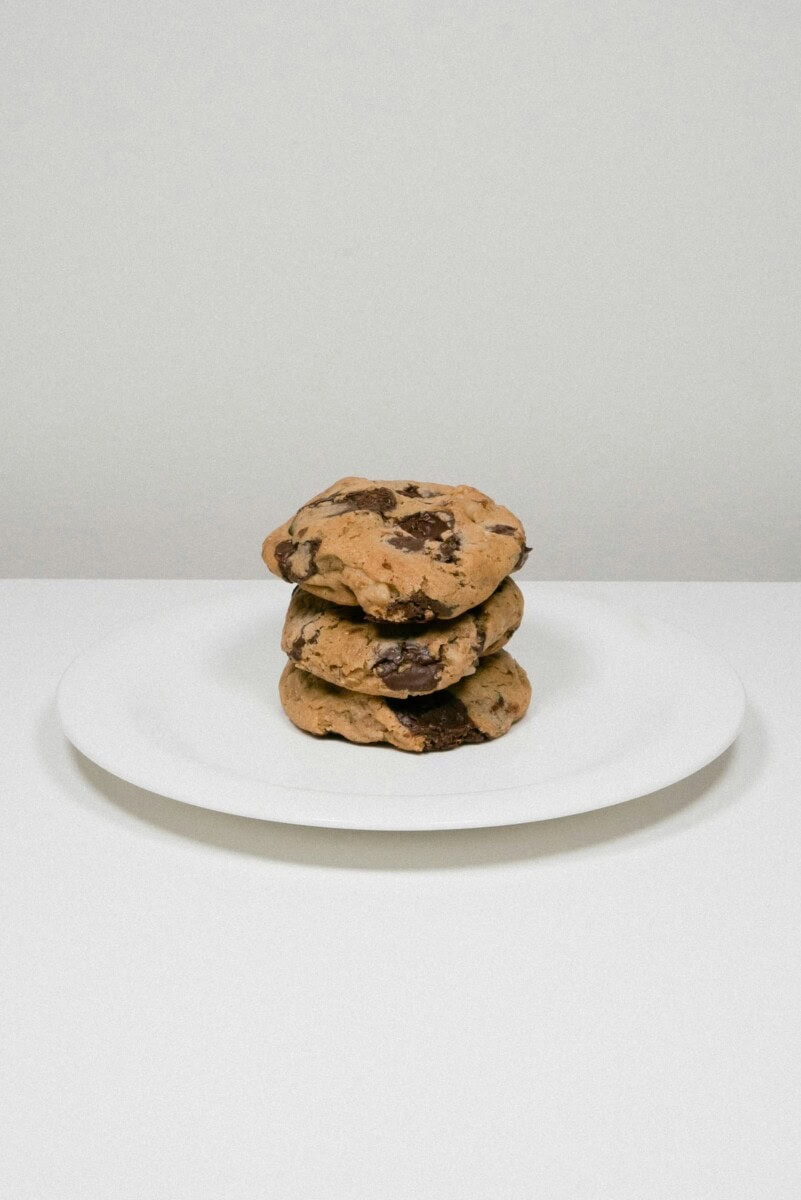
Directions:
- Cream together the butter and brown sugar (plus granulated sugar) until fluffy.
- Add in the peanut butter, eggs, and vanilla; mix until smooth.
- In a separate bowl, whisk together the flour, baking soda, and salt.
- Gradually mix the dry ingredients into the wet until just combined.
- Roll into dough balls, about 1 tablespoon each, and place on a parchment paper-lined baking sheet.
- Press down gently with a fork to make that classic criss-cross pattern.
- Bake at 350°F for 8–10 minutes, until the edges are just set.
- Let the cookies cool completely on a wire rack before storing in an airtight container.
Pro Tip: Love extra soft and chewy cookies? Underbake by 1 minute and let them finish on the hot baking sheet. Brown sugar and peanut butter were basically made for each other — and this cookie proves it.
Don’t Sleep on Chewy Oatmeal Cookies
Chewy oatmeal cookies deserve a lot more hype than they get, especially when brown sugar is part of the deal. Forget everything about those dry, crumbly oatmeal cookies haunting office potlucks. When made right, chewy brown sugar oatmeal cookies are rich, soft, packed with texture, and basically irresistible. Brown sugar does the heavy lifting here by locking in moisture, adding a subtle caramel flavor, and helping those hearty oats feel buttery instead of dry.
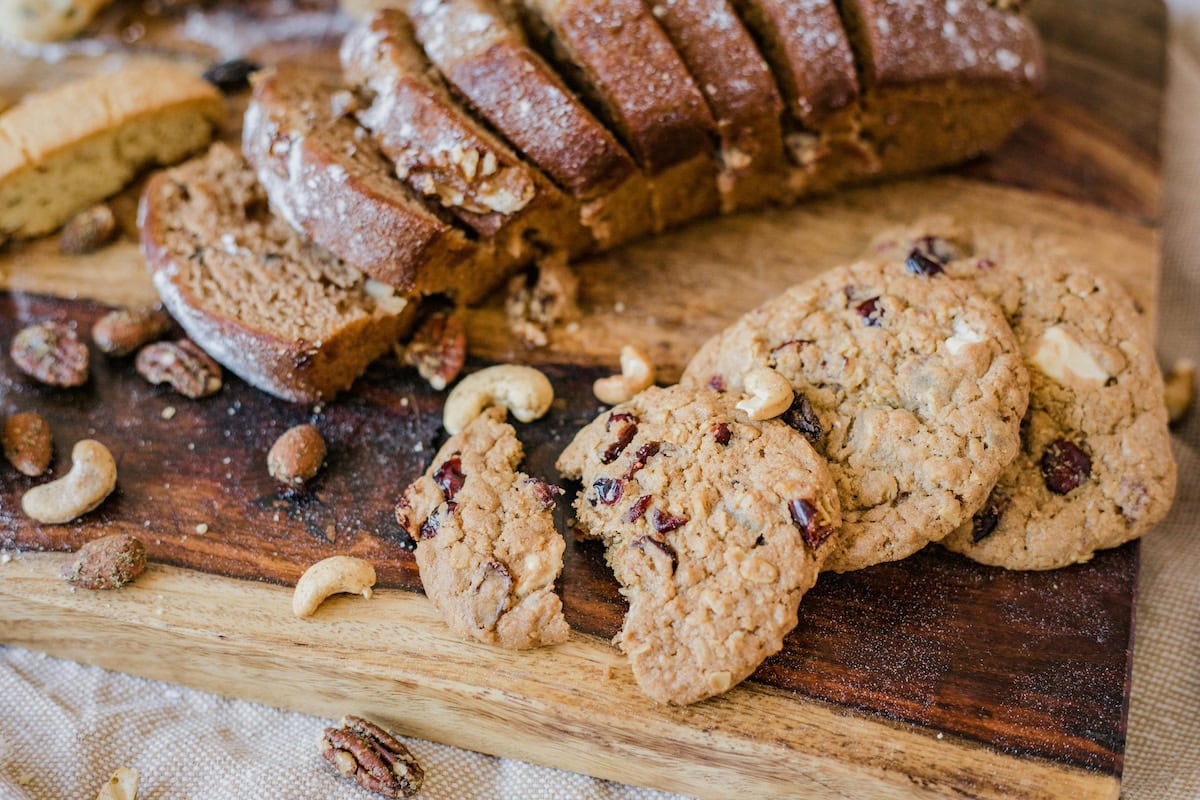
Here is a simple recipe for Chewy Oatmeal Cookies (makes about 24 cookies)
Ingredients:
- 1 cup butter, softened
- 1 cup brown sugar
- 1/2 cup granulated sugar
- 2 large eggs
- 1 tsp vanilla extract
- 1 1/2 cups all-purpose flour
- 1 tsp baking soda
- 1/2 tsp salt
- 3 cups rolled oats
- 1 cup raisins (optional)
Instructions:
- Preheat oven to 350°F (175°C). Line a baking sheet with parchment paper.
- Cream butter, brown sugar, and granulated sugar in a bowl until smooth.
- Beat in eggs and vanilla extract.
- Mix flour, baking soda, and salt in a separate bowl. Gradually add to the wet mixture.
- Stir in oats and raisins (if using).
- Scoop tablespoon-sized dough onto the baking sheet, spacing 2 inches apart.
- Bake for 10-12 minutes until edges are golden. Cool on a wire rack.
Best Add-Ins to Make Your Oatmeal Cookies Legendary:
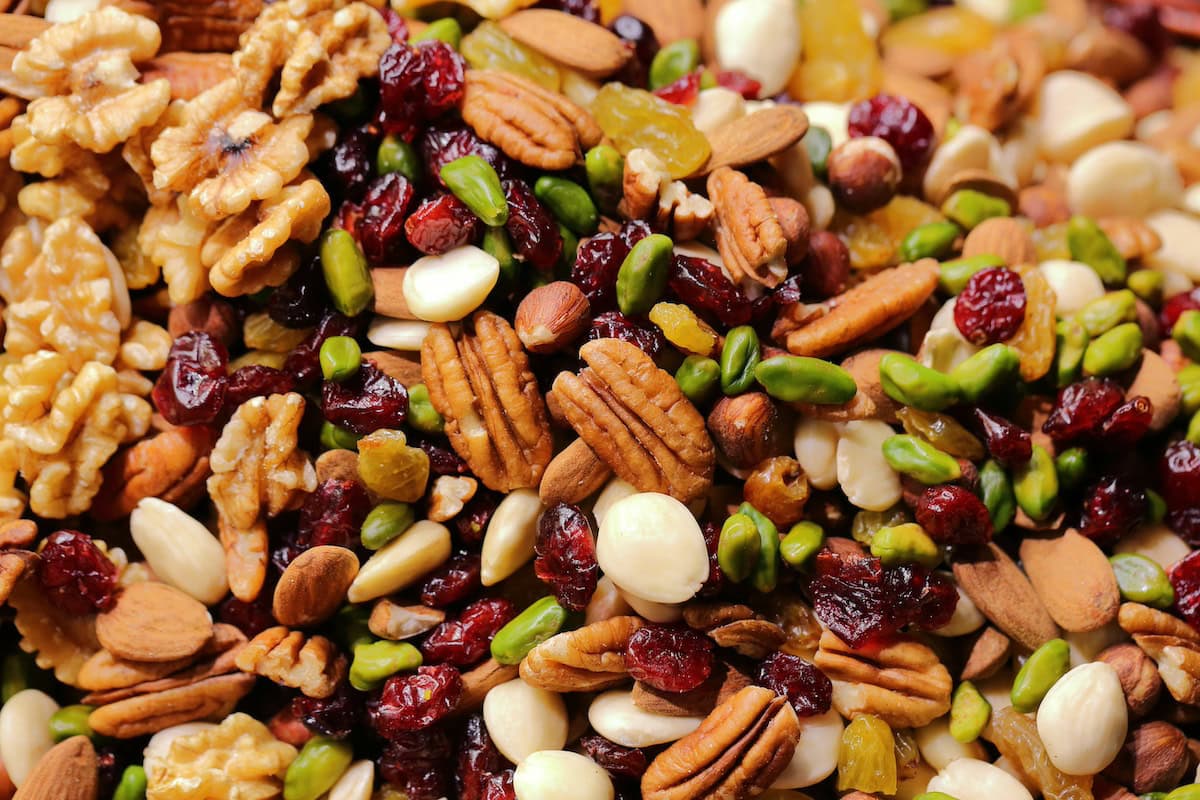
Want to level up oatmeal cookies and make everyone think you’re a baking genius? Try adding:
- Dark chocolate chunks: Perfect for rich, melty pockets of goodness.
- Toasted pecans or walnuts: Add crunch and a warm, nutty flavor that plays so well with brown sugar.
- Dried cranberries: Sweet and tart, they balance the cookie’s richness beautifully.
- Fruity: Dried cherries, or chopped dried apricots for a sweet-tart kick.
- White chocolate and macadamia nuts: For a lighter, sweeter twist that feels extra fancy.
- Chopped dates or figs: Ultimate chewy boost — a texture lover’s dream.
- Sweet & salty: A handful of butterscotch chips and a tiny pinch of flaky sea salt on top before baking.
- Classic: Raisins, a sprinkle of cinnamon, and maybe a hint of nutmeg.
Pro Tip: Mix in your add-ins gently by hand to avoid overworking the dough, which can make cookies tough instead of soft and dreamy.
Tips for Baking Brown Sugar Oatmeal Cookies:
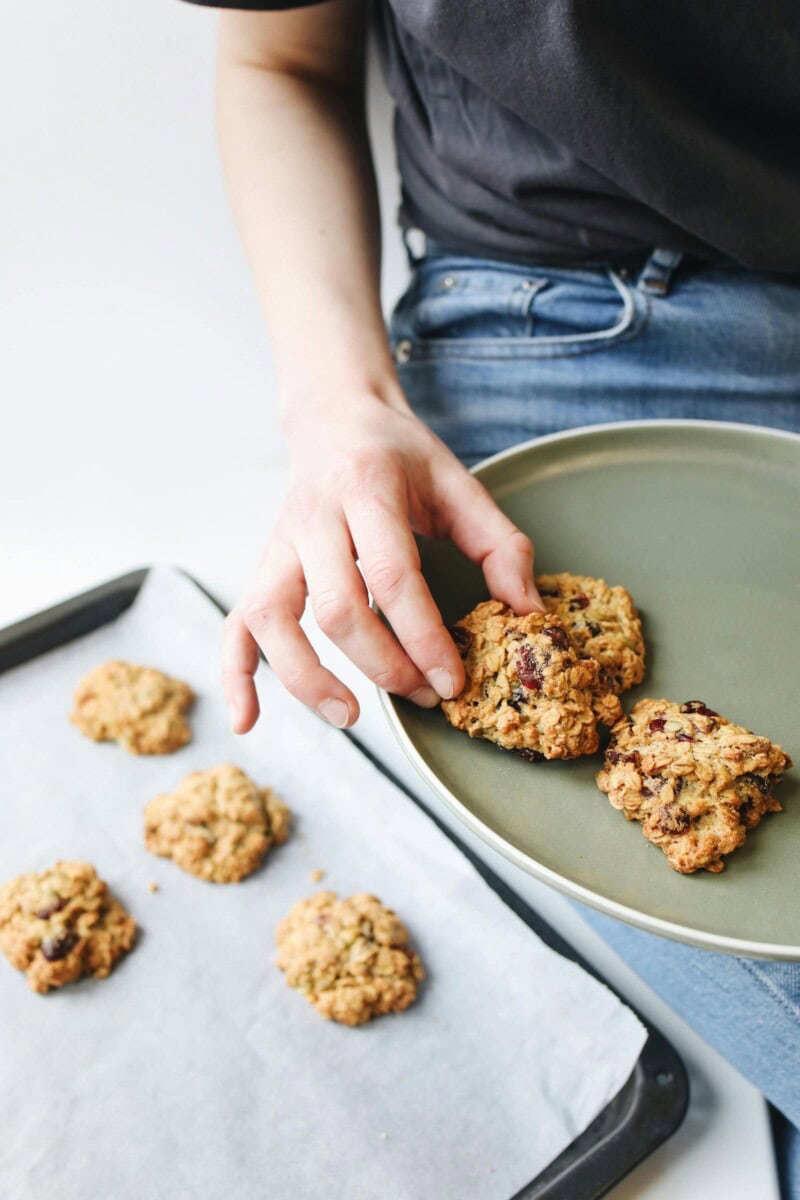
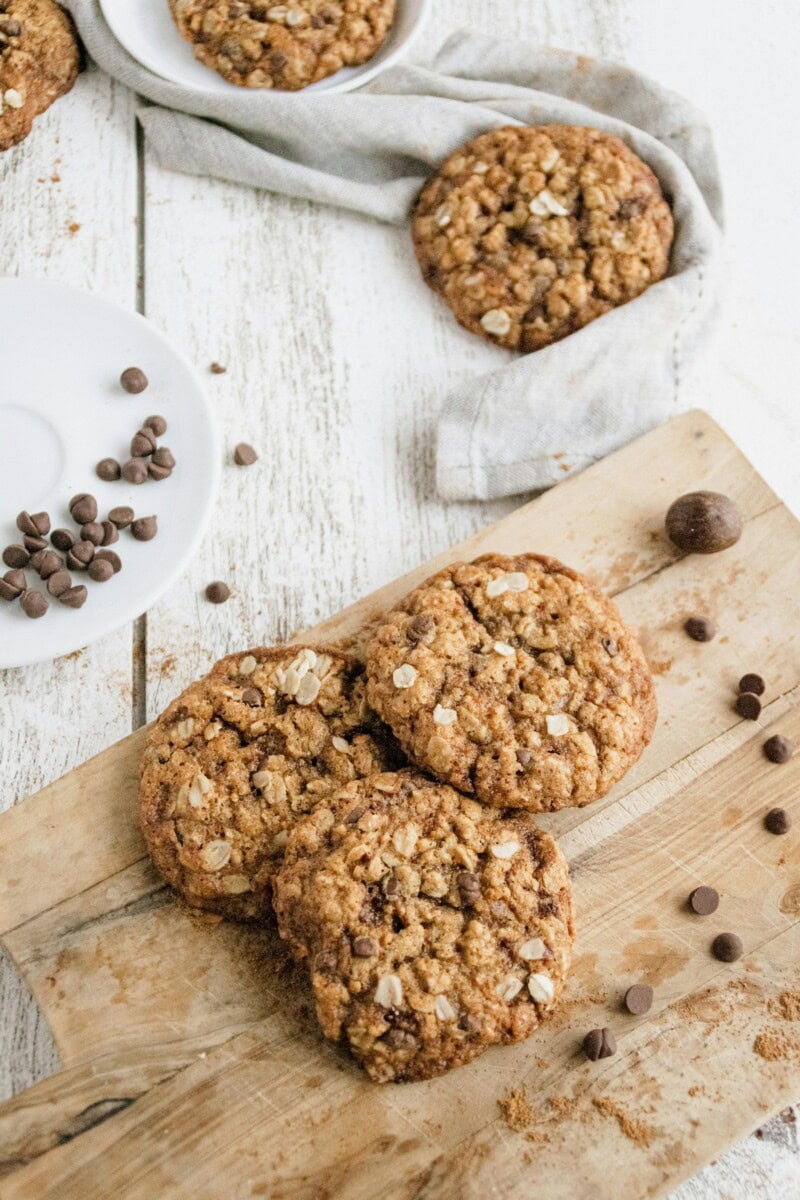
- Use light brown sugar for a classic chewy texture, or use dark brown sugar if craving a deeper, almost butterscotch-like flavor.
- Always start with room temperature butter to cream properly with the sugar — it sets the base for a soft, thick cookie.
- Chill the cookie dough for at least 20 minutes to prevent the cookies from spreading too much and to intensify that rich flavor.
- Line the baking sheet with parchment paper so the cookies bake evenly without over-browning underneath.
Pro Tip: For even chewier results, underbake by about 1 minute and let the cookies cool on the hot cookie sheet. They’ll finish baking as they cool without drying out.
With brown sugar on your side, oatmeal cookies go from “fine” to “how did you make these?!” — and honestly, it feels good to be that person.
Printable Ginger Molasses Cookie Recipe Card
Sometimes a full recipe write-up is nice… and sometimes you just want a quick, screenshot-ready card you can prop up on the counter while baking. This one’s designed for easy-peasy, no-fuss cookie magic.
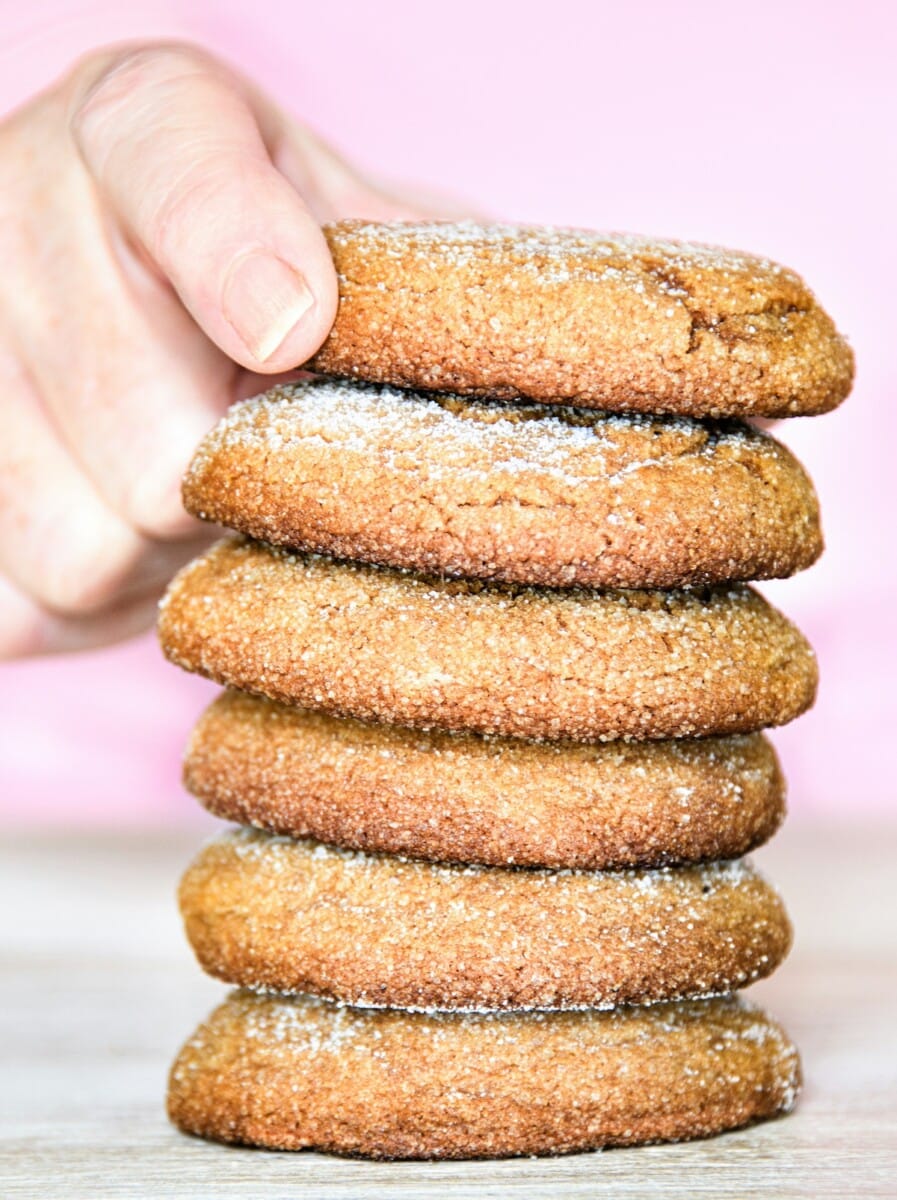
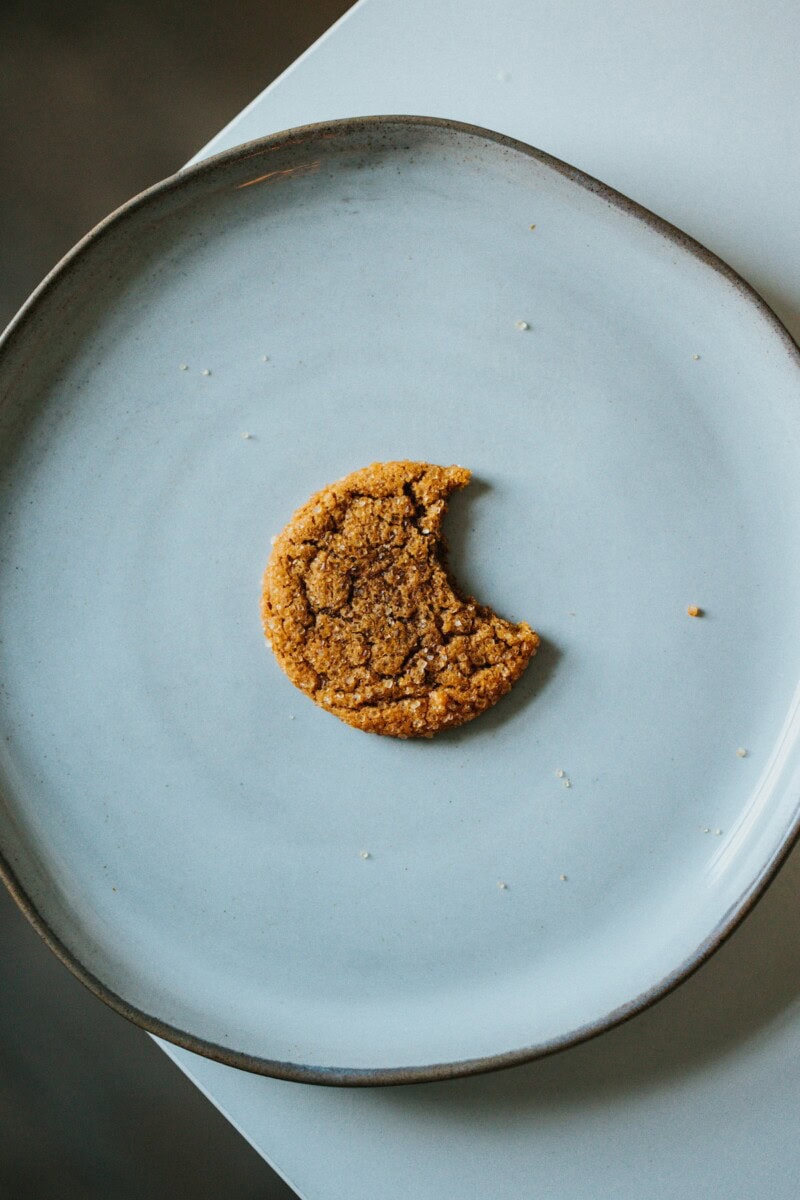
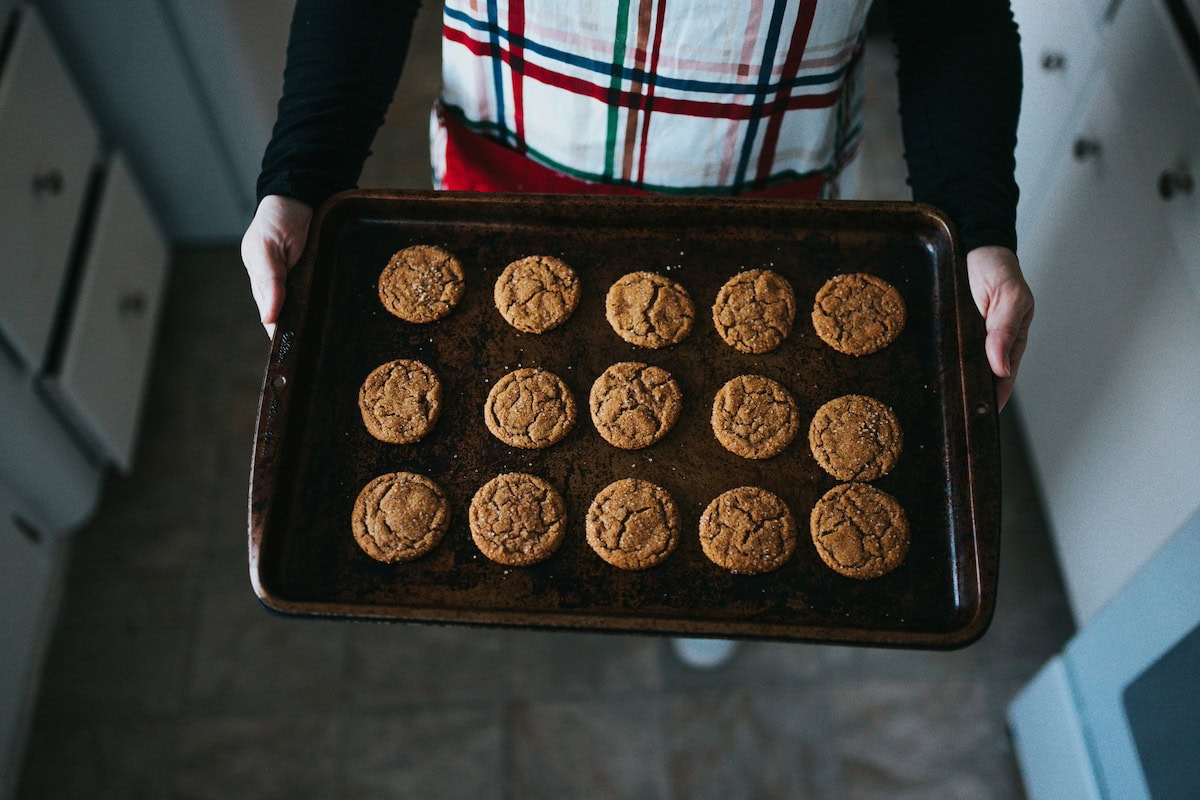
Ingredients for Ginger Molasses Cookies (makes about 24):
- 2 1/4 cups all-purpose flour
- 2 teaspoons baking soda
- 1 teaspoon ground ginger
- 1 teaspoon ground cinnamon
- 1/2 teaspoon ground cloves
- 1/4 teaspoon salt
- 3/4 cup unsalted butter, softened
- 1 cup dark brown sugar, packed
- 1 large egg
- 1/4 cup molasses
- 1 teaspoon vanilla extract
- 1/4 cup granulated sugar (for rolling)
Steps:
- Preheat Oven: Preheat your oven to 350°F (175°C). Line two baking sheets with parchment paper.
- Mix Dry Ingredients: In a medium bowl, whisk together flour, baking soda, ginger, cinnamon, cloves, and salt. Set aside.
- Cream Butter and Sugar: In a large bowl, beat the softened butter and brown sugar with an electric mixer on medium speed until light and fluffy, about 2 minutes.
- Add Wet Ingredients: Beat in the egg, molasses, and vanilla extract until fully combined, scraping down the sides of the bowl as needed.
- Combine Mixtures: Gradually add the dry ingredients to the wet ingredients, mixing on low speed or stirring until just combined. Do not overmix.
- Shape Cookies: Scoop tablespoon-sized portions of dough and roll into balls. Roll each ball in granulated sugar to coat. Place on prepared baking sheets, spacing 2 inches apart.
- Bake: Bake for 10-12 minutes, or until the edges are set and the tops are cracked but still soft. Cookies will firm up as they cool.
- Cool: Let cookies cool on the baking sheet for 5 minutes, then transfer to a cooling rack to cool completely.
Storage Tip: Store in an airtight container at room temperature for up to 1 week or freeze for up to 3 months.
Pro Tip: Want even richer flavor? Use dark brown sugar instead of light for an extra hit of molasses goodness.
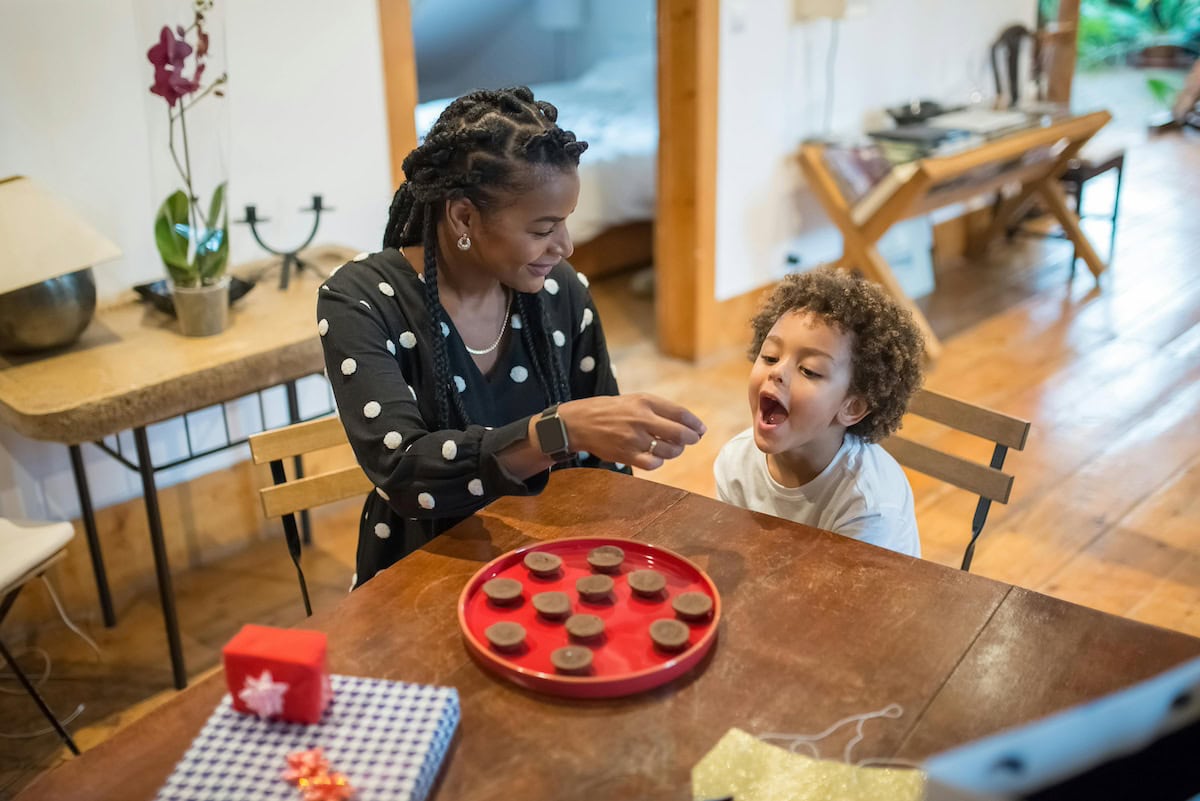
Brown sugar might seem like a simple swap at first, but clearly, it’s a total game-changer in the kitchen. A little tweak — a spoonful of molasses-rich sweetness — can turn a basic cookie, cake, or crisp into something way deeper, richer, and just plain better. It’s like discovering that your favorite song has a remix that’s somehow even more addictive.
From chewy brown sugar cookies to decadent oatmeal bars and caramel-swirled cinnamon rolls, brown sugar adds flavor, moisture, and that soft, dreamy texture everyone secretly craves in a dessert. And let’s not forget — brown sugar isn’t just reserved for baking. It’s just as at home in marinades, sauces, glazes, and even a cozy mug of coffee. Seriously, it’s one of the most flexible (and affordable) upgrades you can make to your kitchen game.
If the only takeaway is that swapping in brown sugar once in a while could totally upgrade your cookies, cakes, and crisps — that’s already a huge win. But honestly, this is just scratching the surface. There’s a whole world of brown sugar desserts out there, and it’s all ridiculously delicious. Feeling inspired? Grab that bag of brown sugar and get creative. Try a twist on a favorite recipe, play with flavor combos, or even invent something totally new. The only thing better than a chewy cookie is more chewy cookies.
FREQUENTLY ASKED QUESTIONS
What are some easy recipes for brown sugar desserts?
There are several easy recipes you can try for brown sugar desserts. Some popular choices include brown sugar cookies, brown sugar cakes, and brown sugar pies. These recipes typically require basic ingredients such as brown sugar, butter, flour, and eggs. A simple brown sugar cookie recipe, for example, involves creaming together butter and brown sugar, adding eggs and vanilla, and then incorporating flour and baking soda before baking.
How does brown sugar enhance the flavor of desserts?
Brown sugar enriches desserts with a deeper, more complex flavor compared to regular white sugar. The molasses content in brown sugar adds moistness and a slight caramel-like taste, enhancing the overall sugar flavors of the dessert. This can be particularly effective in recipes like cinnamon sugar cookies or brown sugar cakes, where the brown sugar contributes to a richer taste profile.
Can I substitute brown sugar for white sugar in dessert recipes?
Yes, you can substitute brown sugar for white sugar in many dessert recipes. However, be aware that this substitution may alter the texture and flavor of the final product. Brown sugar has more moisture, which can make baked goods denser and chewier. It’s perfect for recipes where a deeper sugar flavor is desired, such as in cinnamon sugar rolls or brown sugar cookies, which may benefit from the addition of brown sugar.
What types of desserts can be made with brown sugar?
Brown sugar can be used in a wide variety of desserts, including cookies, cakes, pies, puddings, and sauces. For instance, brown sugar cookies may offer a soft and chewy texture, while a brown sugar glaze can add a sweet finish to cakes. Additionally, incorporating brown sugar into a cinnamon sugar mixture can elevate the taste of pastries and rolls.
How do I store brown sugar to keep it from hardening?
To prevent brown sugar from hardening, store it in an airtight container or a resealable plastic bag. You can also place a slice of bread or a damp paper towel inside the container to maintain moisture. If your brown sugar does harden, you can soften it by microwaving it with a damp paper towel for a few seconds or by leaving it in a sealed container with an apple slice or a piece of bread overnight.
You might also be interested in…
Looking for more delicious brown sugar desserts? Check out: 10 Recipes Inspired by Girl Scout Cookies
CONNECT WITH DAILY MOM
💖 NEWSLETTER: DAILY READS IN YOUR INBOX 💖
Sign up to receive our picks for the best things to do, see and buy so you can relax and focus on more important tasks! Let us help you be the best version of yourself you can be!
BE SOCIAL WITH US
📌 LOVE IT? PIN IT!📌