



Anafterschool schedule template can be a game-changer for families drowning in the chaos of post-school hours. From homework meltdowns to missed soccer practices, afternoons can feel like an endless scramble. But with a clear, easy-to-follow routine in place, those hectic hours become more manageable — and way less stressful.
So, why wing it when you can plan it? A printable afterschool schedule template takes the guesswork out of day-to-day routines, helping young students stay on task while giving parents peace of mind. Whether it’s completing assignments, enjoying downtime, or prepping for the next day, a structured plan keeps everyone on track from the moment the school bell rings.

Why Every Family Needs an After-School Routine Chart
Establishing an after-school routine isn’t just about managing time — it’s about creating structure that kids can rely on. A well-designed routine helps kids plan daily to-dos and transition smoothly from school to home life, reducing afternoon chaos and boosting productivity. Let’s break down how a simple plan template can transform those hectic after-school hours into calm, predictable routines.
The After-School Chaos Dilemma
Picture this: It’s 3 p.m., and the kids burst through the door like a tornado of backpacks, lunchboxes, and crumpled worksheets. Sound familiar? Without a structured plan in place, those post-school hours can quickly dissolve into a frenzy of forgotten homework, missed chores, and endless screen time. A well-designed visual routine chart can turn that chaos into calm by providing a clear, easy-to-followidea of what comes next — from grabbing a healthy snack to settling down for homework.
But why bother with a routine plan? Here’s what happens without one:
- Homework gets lost in the shuffle, leading to late-night stress.
- Chores get skipped, leaving parents to pick up the slack.
- Free time spirals into screen time, with little structure or purpose.
Implementing a simple, after-school routine helps students transition smoothly from school to home life while reinforcing good habits that stick.
Benefits of a Structured Schedule Template
An organized routine doesn’t just reduce stress; it’s a lifeline for busy families. Here’s how a structured, easy to follow, template can make afternoons more manageable:
- Reduces Stress: Clear expectations eliminate the guesswork.
- Builds Accountability: Kids know exactly what they need to do and when.
- Supports Special Needs Learners: Visual can be especially helpful for autism visual schedules and ADHD, breaking down tasks into manageable steps.


For children who thrive on consistency, like special education students, a routine chart can be a powerful tool in maintaining focus and completing everyday tasks without constant reminders.
School-Programs and After School Routines
For families juggling school programs, school activities, and everything in between, a well-structured timetable is essential. Whether it’s keeping a teenager organized with study sessions or helping younger children’s routines stay consistent, a school program schedule template can be a lifesaver. It’s the perfect way to master those busy afternoons, ensuring that after-school activities are seamlessly integrated into the daily routine without a single missed beat.
- Sync the Schedule: Align after-school routines with the school program, incorporating time for snacks, homework, and physical activities.
- Prioritize Key Activities: Include must-dos like homework schedules, study time, and downtime.
- Use Visual Aids: Customize the template with photos and icons to make it easier for younger kids to follow along.

A well-planned after-school schedule can bridge the gap between structured school hours and unstructured evenings, making it easier for kids to transition from the classroom to home life without missing a beat.
Benefits of a Daily Schedule Template for Kids
Whenkids get home from school, the transition from structured learning to unstructured free time can quickly unravel. A well-designedafterschool schedule template provides a clear plan, helping them stay on track with homework, chores, and downtime. It’s not just a tool for parents — it’s a program for the students that teaches time management, responsibility, and the value of a everyday routine.
Fostering Independence and Responsibility
A well-plannedtemplate does more than organize time — it empowers kids to take control of their routines. From after-school chores to winding down at bedtime, a plan helps children learn responsibility without constant reminders.
- Routine lists break tasks into simple, manageable steps.
- Free after-school templates keep kids on track without added costs.
- Printable schedules can be customized for different ages and needs.
For younger children, a visual routine chart with photos or icons offers a fun, engaging way to stay focused while still feeling independent.


Morning vs. After-School vs. Bedtime Routines
Creating balance means planning for every part of the day — not just after school. Here’s what kids need in each routine:
- Morning: Wake up, eat breakfast, pack lunches, review the day’s program.
- After-School: Snack time, homework, physical activities, chores.
- Bedtime: Wind down with reading, self-care, and prep for the next day.
During the summer, a day to day timetable can also include downtime or creative play to keep the day structured but flexible.
Visual Weekly Planner for Younger Kids
For younger kids or visual learners, avisual weekly planner can be a game-changer. Adding photos or simple icons can make schedules easy to understand at a glance.
- Print a weekly planner and hang it in a common area.
- Include pictures for key tasks: homework, chores, playtime.
- Encourage kids to fill in activities themselves to foster independence.
School with Photos – Making the Schedule Relatable
A checklist doesn’t have to be all text. Adding familiar photos can make it more engaging and relatable for kids.
- Use pictures of school activities, snacks, or favorite toys.
- Include a spot for kids to add their own photos, making it a personalized experience.
- This approach is especially helpful for special needs learners or younger kids who respond better to visuals.


Editable Templates for Evolving Schedules
No two days are the same, and a rigid schedule can feel limiting. An editable template provides the flexibility to adjust as plans change.
- Adjust schedules during summer to include more free time.
- Update the template to reflect new after-school activities or tasks.
- Include a blank template so parents and kids can create custom schedules as needed.
Binder System for Routine Checklists
Planning is easier when they’re all in one place. A binder system keeps everything accessible and tidy, especially after a long school day when routines can easily get overlooked.
- Print templates and slide them into clear plastic sleeves to keep them neat.
- Plan everyday to-dos with a clear, structured layout that kids can check off.
- Use dry-erase markers on pages that are printed and laminated, making them reusable.
- Let kids grab their planner and see exactly what needs to be done from morning to bedtime, ensuring every part of the day is covered.
Essential Elements of an After-School Schedule Template

A well-crafted after-school schedule template does more than just fill time — it creates structure, fosters independence, and keeps kids on track from the moment they step off the school bus. From snack time and homework to evening routines and bedtime wind-downs, each element plays a vital role in maintaining consistency and reducing chaos. By organizing activities into manageable blocks, parents can ensure that kids know exactly what they need to do after school, making afternoons smoother and more productive.
Must-Have Activities to Include in Afterschool
An afterschool template isn’t just about filling time — it’s about structuring it to maximize productivity while still allowing kids to unwind. Every afterschool routine should include these key activities:
- Snack Time: Refuel with a quick, healthy snack to boost focus.
- Homework and Study Time: Set specific time blocks to tackle assignments.
- Chores: Include small, age-appropriate tasks to build responsibility.
- Playtime or Physical Activities: Encourage movement after a long school day.
- Bedtime Prep: Wind down with calming activities to transition to nighttime routines.


For busy families, afree after-school schedule template can simplify the planning process while keeping everyone on the same page.
Incorporating After-School Activities for Evening Routines
Balancing structured tasks and downtime is essential, especially when kids are enrolled in after-school programs or extracurriculars. Here’s how to incorporate activities while maintaining consistency throughout the weekdays:
- Sports and Clubs: Assign specific days of the week for these activities.
- Homework and Study Time: Ensure each day has a set time for assignments.
- Creative Time: Dedicate at least one day for free play or hobbies.
When using an afterschool template, list each activity clearly so kids know exactly what they need to do after school — and when they can relax.
Teacher Planner vs. Student Schedule
Not all schedules are created equal. A teacher’s plan may focus on lesson plans and grading, while a student schedule is all about balancing assignments and activities.
- Lesson Planner: Organize curriculum, meetings, and parent communication.
- Student Schedule: Map out homework, study time, and after-school routines.
- Combined Templates: Use a free after-school schedule template that accommodates both, ensuring that tasks and responsibilities align.
Using Photos or Icons in the Schedule
A schedule doesn’t have to be all words and numbers. For little ones or visual learners, incorporating icons or pictures can make the routine more engaging and easier to follow.
- Days of the Week: Use icons to represent each day’s tasks, from Monday through Friday.
- Photos of Activities: Add images for key tasks like snacks, chores, or homework.
- Color Coding: Assign a specific color for each category — schoolwork, playtime, bedtime — to help kids navigate the schedule independently.


Time Management Strategies
A successful afterschool template relies on smart time management. Assigning specific time blocks ensures that kids can complete their routines without feeling overwhelmed.
- Homework Time: Allocate a set amount of time for each subject.
- Transition Time: Include 5-10 minute breaks to reset between activities.
- Evening Routine: Keep evening tasks short and simple to avoid bedtime stress.
By setting clear expectations, kids learn how to balance what they need to do after school while still having time to unwind.
Maintaining Flexibility in the Routine
While routines provide structure, they also need room for flexibility. Not every day will go as planned, and that’s okay.
- Weekly Adjustments: Reassess the plan weekly to adapt to changes.
- Buffer Time: Include time blocks for unexpected events or delays.
- Blank Spaces: Leave a few open slots in the afterschool template to accommodate last-minute tasks or downtime.
How to Incorporate a School Program into Your After-School Routine

Integrating aschool program into an after-school schedule template helps create a seamless flow from the classroom to home. Whether it’s homework, sports, or free play, aligning school activities with easy-to-follow activities at home ensures consistency and structure. By organizing a free after school routine, parents can reinforce what kids learn during the day at school, making the transition smoother while keeping kids healthy and focused.
Syncing Your After-School Schedule with a School Program
A structured free after school routine bridges the gap between classroom activities and evening responsibilities. Syncing schedules means coordinating school assignments, extracurriculars, and downtime so that nothing gets overlooked. To keep the routine simple and effective:
- Identify Key Activities: Include homework, chores, and relaxation time.
- Assign Time Blocks: Break down each task to keep on track.
- Include Transition Time: Allow for decompression after a busy day at school.


Creating a Routine Checklist for School Programs and Activities
A routine keeps kids accountable and ensures they don’t miss a beat. It’s a simple but powerful tool for teaching kids how to manage their time effectively. Here’s how to set one up:
- List Each Activity: From easy-to-follow activities to homework tasks.
- Check Off Completed Tasks: Visual reinforcement helps kids stay motivated.
- Incorporate Breaks: Short breaks between activities can keep kids healthy and focused.
Using a School Program Schedule Template for Consistency
Consistency is key, especially when juggling multiple school programs. A school program schedule template organizes everything in one place, making it easier to follow through each day.
- Print a Weekly Template: Keep it visible so kids know what to expect.
- Highlight Important Tasks: Focus on core subjects, projects, and extracurriculars.
- Include Time for Review: End the day with a quick check-in to recap what was completed.
Customizing a School Program Routine with Photos and Icons
Adding visual cues to a routine makes it more engaging for young children. Incorporating photos and icons can simplify complex schedules while keeping the routine easy to follow.
- Use Familiar Photos: Include pictures of key activities, like snack time or reading.
- Assign Colors: Color-code activities for clarity — schoolwork, chores, free time.
- Leave Space for Personalization: Let kids add their own icons or stickers to make the routine feel personal.


Free and Editable After School Routine Templates – What to Look For
A printable after-school routine template is a powerful tool for organizing busy afternoons without the hassle of constant reminders. From adaptable formats to visually engaging layouts, finding the right template can make all the difference in keeping kids focused and on track. Whether it’s a program for students or a simple daily guide, the right template helps streamline after-school activities and ensures nothing gets overlooked.
Key Features of a Great Template
Not all templates are created equal. When choosing anafter-school routine template, look for these essential features:
- Customizable Formats: Adjust time blocks, tasks, and activities to fit your family’s lifestyle.
- Printable and Reusable: Print multiple copies and update as routines change.
- Visual Elements: Add icons or photos to make it easier for younger learners to follow.
- Daily, Weekly, Monthly Options: Choose the format that best suits your family’s needs.
Free After-School Routine Printable Templates – Daily, Weekly, and Monthly
A variety of formats keeps things flexible while maintaining structure. Here’s how to use each type of printable template:
- Daily Templates: Focus on specific tasks for each afternoon, from snack time to bedtime.
- Weekly Templates: Map out activities Monday through Friday to maintain consistency.
- Monthly Templates: Track larger projects, extracurriculars, or special events at a glance.
PRO TIP: Daily Mom offers a great template which you can download weekly and customize yourself.
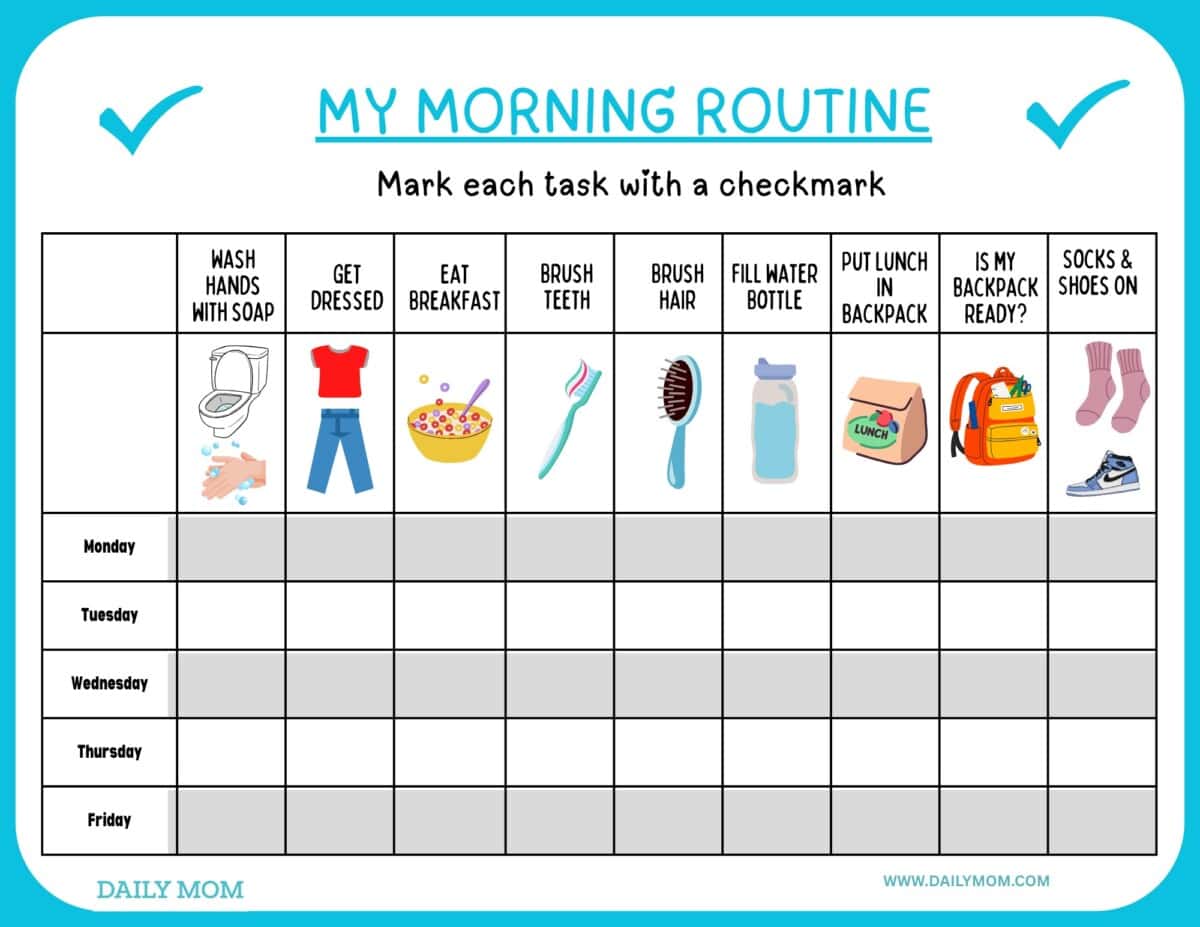
Download your free after-school routine template here.
For a quick solution, print a free after-school routine template and hang it in a common area so kids always know what’s next.
Teacher Planner and School Schedule Templates
For families managing multiple schedules, a teacher planner or school schedule template can keep everyone on the same page.
- Teacher Planner: Plan lessons, track assignments, and coordinate school programs.
- School Schedule Template: Keep track of class, extracurriculars, and after-school programs.
- Combined Templates: Include a section for both school programs and after-school routines to simplify the day.
Incorporating Autism Visual Schedules
A visual routine is especially helpful for special education students, providing clear, easy-to-follow steps. Simplified visuals can reduce overwhelm and keep kids on track.
- Use Icons for Key Activities: Homework, snack time, and playtime.
- Print Large, Easy-to-Read Templates: Make it accessible for all learning levels.
- Include Breaks: Visual reminders for downtime to help maintain focus.
Sample Templates and Where to Find Them
Finding the perfect template doesn’t have to be complicated. Daily Mom has a great weekly printable to get you started. Here are some other top spots to find free printables:
- Etsy: Customizable templates for every age and learning style.
- Canva: Design your own with user-friendly tools.
- Pinterest: Browse ideas and print the best templates to fit your routine.


Personalizing the Schedule Template
A schedule template isn’t one-size-fits-all. Personalize it to make it more engaging and effective for your child.
- Add Specific Tasks: Include after-school routine activities like homework, reading, or snack time.
- Use Photos or Stickers: Make the template visually engaging and easy to understand.
- Incorporate Motivational Quotes: Keep kids inspired as they move through their daily routine.
How to Implement and Stick to a Routine Checklist
Creating a routine guide is only half the battle — getting kids to follow it consistently is where the real work begins. Setting realistic expectations and building in positive reinforcement can transform a simple list into a powerful tool for developing responsibility. With a few strategic tweaks, families can turn their after-school routines into predictable, stress-free parts of the day.
Setting Realistic Expectations
When introducing a new routine it’s crucial to start small. Trying to overhaul the entire schedule overnight can feel overwhelming and lead to pushback. Instead, focus on a few key tasks that kids can complete independently and build from there.
- Choose 2-3 simple tasks to include at first, like homework, snack, and chores.
- Break down larger tasks into smaller, manageable steps.
- Celebrate small wins to keep kids motivated and reinforce positive behavior.


Creating a Reward System for your Student
A little positive reinforcement can go a long way in making a routine stick. By rewarding kids for completing tasks on their after-school routine, parents can encourage consistency and accountability.
- Sticker Charts: Let kids add a sticker each time they complete a task.
- Extra Playtime: Reward them with 10-15 minutes of their favorite activity.
- Weekly Treats: Offer a small prize for sticking to the plan Monday through Friday.
This approach not only keeps kids motivated but also reinforces the importance of time management and responsibility.
From After-School Chaos to Calm with a Routine Template
A well-crafted after-school routine template can transform hectic afternoons into calm, organized pockets of time. By using a structured schedule, parents can minimize distractions and help kids stay on task while still making room for fun and relaxation. And the best part? It’s as simple as downloading a free after-school routine template, customizing it, and watching the afternoon chaos melt away.
Involving Kids in the Design Process
Getting kids involved in creating their own routine template can make them more invested in following it. Letting them choose colors, stickers, or icons turns a basic list into a personalized plan they’re excited to use.
- Let them pick the colors for each activity block.
- Use stickers or icons to represent tasks like snack time, homework, and chores.
- Encourage them to write in their own words for a more personal touch.
Adjusting for Seasonal or Weekly Changes
Routines aren’t set in stone — they need to evolve with the seasons or special events. Adjusting the template for school days vs. weekends keeps it relevant and easy to follow.
- Summer Break: Include more outdoor activities and downtime.
- Busy School Weeks: Emphasize study time and extracurriculars.
- Holiday Seasons: Allow extra space for family events or special projects.
By making small adjustments, families can keep the schedule practical without losing structure.


Troubleshooting Common Challenges
Even the best routines can hit a snag. Distractions, resistance, and unexpected changes can all throw a wrench in the plan. Here’s how to stay on track:
- Handle Resistance: Break tasks into smaller steps to make them less daunting.
- Minimize Distractions: Set up a dedicated homework station away from screens.
- Stay Flexible: If a routine isn’t working, tweak it until it does.
At the end of the day, a routine template isn’t just about managing time — it’s about creating calm, consistency, and confidence for both kids and parents. Your afternoons don’t have to be a whirlwind – plan it out, and watch the peace settle in.
FAQ’s
Q: What is a Free Afterschool Schedule Template?
A: A Free Afterschool Schedule Template is a customizable document that helps parents and children organize their afterschool activities, ensuring a structured routine that includes homework, playtime, and other important tasks.
Q: How can I download a Free Afterschool Schedule Template?
A: You can download a Free Afterschool Schedule Template from various educational websites or resource platforms that offer printable templates. Simply choose a template that fits your needs and follow the download instructions on the site.
Q: Are there different styles of Afterschool Schedule Templates available?
A: Yes, there are various styles of Afterschool Schedule Templates available, including daily, weekly, and monthly formats. Some templates focus on specific age groups, while others include sections for activities, homework, and family time.
Q: Can I customize a Free Afterschool Schedule Template?
A: Absolutely! Most Free Afterschool Schedule Templates are designed to be customizable, allowing you to add, remove, or modify sections to better fit your family’s routine and needs.
Q: What should I include in my Afterschool Schedule?
A: An effective Afterschool Schedule should include time blocks for homework, extracurricular activities, chores, and relaxation. It should also account for family time and any other commitments your child may have.
Q: How do I make sure my child follows the Afterschool Schedule?
A: To ensure your child follows the Afterschool Schedule, involve them in the creation process, discuss the importance of routines, and provide positive reinforcement when they adhere to the schedule. Regular check-ins can also help keep them accountable.
Q: Can I use a Free Afterschool Schedule Template for multiple children?
A: Yes, you can use a Free Afterschool Schedule Template for multiple children. You may need to customize the template by adding separate sections for each child or by creating a combined schedule that accommodates everyone’s activities.
Q: What are the benefits of using an Afterschool Schedule?
A: Using an Afterschool Schedule can help improve time management skills, reduce stress for both parents and children, and create a balanced routine that promotes academic success and personal development.
Q: Where can I find tips for effectively using my Afterschool Schedule?
A: You can find tips for effectively using your Afterschool Schedule on parenting blogs, educational websites, and resources offered by schools. These tips often include strategies for keeping your child engaged and motivated.
You might also be interested in…
CONNECT WITH DAILY MOM
💖 NEWSLETTER: DAILY READS IN YOUR INBOX 💖
Sign up to receive our picks for the best things to do, see and buy so you can relax and focus on more important tasks! Let us help you be the best version of yourself you can be!
BE SOCIAL WITH US
📌 LOVE IT? PIN IT!📌


