


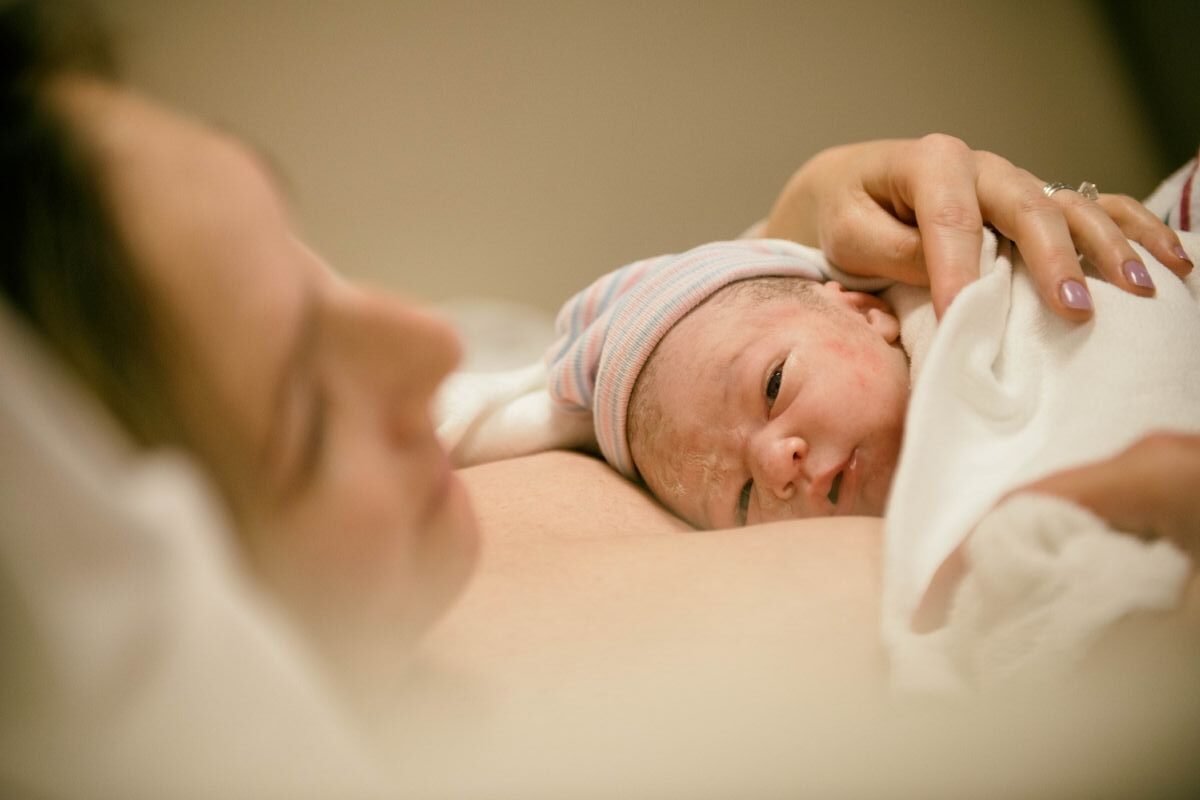
When I first found out I was pregnant, I did what most moms do—I started researching. I wanted to make the best possible choices for my baby and myself, and giving birth in a hospital just didn’t feel like the safest option. So many women do it, but the more I learned, the more I realized that the reality of hospital birth in the U.S. is even less reassuring than I had thought. I wanted to birth at home.
Maternal mortality rates in this country are shockingly high—worse than in 46 other developed nations. That fact alone made me pause. How could the wealthiest country in the world have so many women dying from something as natural as childbirth? I started digging deeper, reading stories from other moms and questioning whether the traditional hospital setting was the safest place for me.
That’s when I started leaning into midwifery care. I realized that for a low-risk pregnancy, home birth with a skilled midwife can be just as safe—if not safer—than delivering in a hospital. But beyond the statistics, what really mattered to me was having a birth experience where I felt respected, supported, and in control.
This article isn’t about convincing anyone that one way of giving birth is “right” or “wrong.” It’s about sharing why I personally chose home birth and how learning about the maternal mortality crisis in U.S. hospitals shaped that decision. If you’re expecting and feeling unsure about your options, I hope my experience helps you feel empowered to explore what’s truly best for you and your baby.

Understanding Maternal Mortality Rates in Birthing
Before I got pregnant, I never thought much about maternal mortality. I assumed that in a country as advanced as the United States, giving birth was overwhelmingly safe. But, once I started researching, I was shocked to learn that the U.S. ranks 47th among developed nations for maternal health. That means more women die from pregnancy and childbirth complications here than in almost any other high-income country.
So what’s causing this crisis? The truth is, there isn’t just one answer. Maternal mortality happens for a variety of reasons, but some of the most common causes include:
- Severe bleeding (hemorrhage) – This can happen after birth and is sometimes preventable with proper care.
- Preeclampsia and eclampsia – Dangerous high blood pressure conditions that can escalate quickly.
- Infections – Especially after C-sections or other interventions.
- Complications from C-sections – Which are much more common in hospital births.
What really made me pause, though, was that many of these deaths are preventable. According to CDC data, nearly 80% of maternal deaths could be avoided with better care. And here’s the part that truly rattled me: hospitals—the very places we trust to keep us safe—are where most of these deaths happen.
Of course, not every hospital birth is dangerous, and not every home birth is risk-free. But seeing the data made me wonder: Could there be a better, safer way to give birth—one that prioritizes the health and well-being of both mom and baby?
That question led me to midwifery care and home birth. And the more I learned, the more confident I became in my decision.
CDC Data on Women Giving Birth & Maternal Mortality in U.S. Hospitals

As I dug deeper into maternal health in the U.S., I kept coming across alarming statistics—especially about hospital births. The Centers for Disease Control and Prevention (CDC) tracks maternal mortality rates, and what I found was eye-opening.
Here’s what the numbers reveal:
- The U.S. has the highest maternal mortality rate among developed nations.
- Black women are 2-3 times more likely to die from pregnancy-related complications than white women, even when factors like income and education are accounted for.
- C-sections make up over 30% of births in the U.S., despite the World Health Organization recommending a rate closer to 10-15%.
- Many maternal deaths occur postpartum, sometimes weeks after giving birth—when many women are no longer under direct medical supervision.
Cons: The Risks of Hospital Births
When I started looking into the reasons women die in hospitals during or after childbirth, I realized that many of these deaths are tied to the way modern obstetric care is structured.
Some of the biggest concerns with hospital births include:
- Unnecessary medical interventions – Many hospitals rely heavily on inductions, epidurals, and continuous fetal monitoring, which can lead to a cascade of interventions.
- C-section complications – While C-sections can be life-saving when needed, they also carry risks of infection, blood clots, and longer recovery times.
- Lack of personalized care – Hospital staff often manage multiple patients at once, which means laboring mothers may not receive continuous, one-on-one support.
- Time constraints – Hospitals often operate on a schedule, and some doctors push for interventions (like Pitocin or breaking your water) to speed up labor, even when it’s not medically necessary.
When I considered all of this, I realized that a hospital birth was not the safest choice for me—especially since I was experiencing a healthy, low-risk pregnancy. I wanted a birth environment where my body could do what it was designed to do, without unnecessary interventions that might increase my risk of complications.
That’s when I really started looking into midwife-led care and home birth. And what I found gave me hope.

Pros: Maternal Mortality Rates in Midwife-Assisted Births
After reading so much about the risks of hospital births, I wanted to know: Are there safer alternatives? That’s when I dug into the midwifery model of care—and the numbers truly speak for themselves.
What the Data Shows About Natural Midwife-Led Births
Studies comparing hospital births to planned home births or birth center deliveries with midwives show some striking differences:
- Lower maternal mortality rates – Women who receive midwifery care have significantly lower risks of dying from childbirth-related complications.
- Fewer medical interventions – Home and birth center births result in fewer inductions, epidurals, and C-sections, all of which can contribute to better maternal outcomes.
- Higher satisfaction and better postpartum recovery – Women who birth with midwives report feeling more in control, supported, and emotionally satisfied with their experience.
And for low-risk pregnancies like mine, the research confirms what midwives have been saying for years:
Planned home births with a qualified midwife are just as safe—if not safer—than hospital births.
Why Midwifery Care Reduces Risks & Presents Clear Advantages

At first, I wondered: How does midwifery care actually improve outcomes? It turns out that midwives approach pregnancy and birth very differently from hospital-based obstetricians.
- Continuous, one-on-one care – Midwives stay with their patients throughout labor, unlike hospital staff who rotate shifts.
- Holistic prenatal support – Instead of quick, 10-minute checkups, midwife appointments last 45 minutes to an hour, covering not just physical health but emotional and mental well-being.
- Lower intervention rates – Midwives trust the natural process of birth and only intervene when truly necessary. This means fewer unnecessary C-sections, fewer inductions, and fewer complications.
- Respect for informed decision-making – Unlike in many hospitals, where protocols dictate care, midwives take time to discuss options, risks, and preferences so that the mother remains in control of her birth experience.
For me, this level of care and attention was exactly what I wanted. I didn’t want to feel rushed, pressured, or like I was just another patient in a hospital bed. I wanted to feel empowered, safe, and supported—and that’s exactly what midwifery care offers.
As I kept researching, I realized that it wasn’t just about avoiding hospital risks—it was about embracing a better way to bring my baby into the world.
Safety of Home Births vs Hospital Births
Once I understood the risks of hospital births and the benefits of midwifery care, I wanted to dig deeper. How do overall health outcomes compare between hospital births and midwife-led births? The answers only confirmed what I was already starting to believe—for low-risk pregnancies, midwifery care often leads to better outcomes.
High Cost of Intervention Rates in Hospitals
Hospitals are designed to handle emergencies, which is great if you need one—but that also means they tend to treat all births as potential crises. This leads to a cascade of interventions that often aren’t necessary.
Here’s what I found when comparing hospital births vs. midwife-led births:
- Induction of labor – More than 40% of hospital births involve induction, compared to significantly lower rates in birth centers and home births. Inductions often lead to stronger, more painful contractions, which increases the likelihood of needing an epidural.
- Epidurals and pain medication – Around 70% of women in hospitals receive an epidural, while midwifery care encourages natural pain management techniques. Epidurals can slow labor and increase the chance of needing more interventions.
- C-sections – The U.S. C-section rate is over 30%, even though the World Health Organization recommends that only 10-15% of births should require one. C-sections come with risks like infection, blood clots, and longer recovery times.
- Continuous fetal monitoring – This often means women are confined to a bed, unable to move freely during labor, which can actually make labor longer and more painful.
In contrast, midwives focus on letting birth unfold naturally, which results in fewer interventions, shorter recovery times, and better health outcomes for both mom and baby.
The Benefits of Midwifery: Care Without Intervention
Midwives believe that pregnancy and birth are natural processes, not medical conditions—and that mindset makes all the difference. Instead of managing birth with interventions, they focus on supporting the body’s natural rhythms.
- Freedom to move during labor – Movement helps labor progress naturally and reduces pain. Midwives encourage walking, changing positions, and using water therapy.
- Lower stress and anxiety – The hospital environment, with bright lights, beeping monitors, and medical staff coming in and out, can raise stress hormones, which can slow labor. A home or birth center environment is much calmer.
- Better postpartum care – Midwifery care includes home visits after birth, extended breastfeeding support, and emotional check-ins—things that most hospitals don’t offer.
Neonatal Outcomes: Is Home Birth Safe for Babies?
One of my biggest concerns was, “Is my baby safer in a hospital?” I assumed the answer was yes—after all, hospitals have NICUs, doctors, and advanced technology.
But the data surprised me.

For low-risk pregnancies, studies show that:
- Babies born at home or in birth centers have similar Apgar scores (a measure of newborn health) as those born in hospitals.
- Fewer NICU admissions – Hospital births often result in unnecessary interventions that can lead to breathing issues or other problems requiring NICU care.
- Lower rates of birth injuries – Assisted deliveries (like vacuum extraction or forceps) are much more common in hospitals and can cause harm to babies.
So for me, the question wasn’t just about avoiding hospital risks—it was about actively choosing a birth environment that supports the healthiest, most natural start for both me and my baby.

Why Midwifery Care Leads to Birth Without Negative Maternal Health Outcomes
When I started learning about midwifery care, I was drawn to the idea of informed decision-making and greater autonomy during childbirth. This was something I hadn’t realized was missing from the hospital setting—the ability to have a real conversation with my caregiver and make decisions together based on what was best for me and my baby. Midwifery care focuses not only on the physical aspects of pregnancy but on the emotional and mental well-being of the mother too, which can make all the difference in the world.
Informed Decision-Making and Autonomy
One of the most important things I learned was that midwives respect your right to make decisions about your birth, allowing you to have an active role in creating your birth plan. With hospital births, decisions are often made quickly and without full discussions, and there can be pressure to comply with the protocols, which might not always align with your preferences or values. Midwifery care, however, is built on a foundation of respectful partnership between the midwife and the family.
- Choosing how and where to birth – You get to choose the environment that feels safest and most comfortable for you, whether that’s at home or in a birth center.
- Choosing pain management options – Unlike in hospitals, where the option of epidurals may be presented early on, midwives help you explore various natural pain relief methods, including water birth, breathing techniques, and positioning.
- Empowered decision-making – Midwives provide you with evidence-based information so that you can make the best choices for your birth, ensuring that you understand the pros and cons of every intervention.
Holistic Prenatal Care and Prevention-Focused Approaches
Midwifery care often feels like a more holistic approach to pregnancy and childbirth, focusing not just on the birth itself but on the health of the entire body. While hospitals are often more reactionary—treating complications when they arise—midwives focus on preventing problems before they occur. They have a preventative care mindset, which I loved because it gave me a sense of ownership over my pregnancy and my health.
- Personalized care – Midwives provide a level of personalized care that is hard to find in most hospitals. You’ll have longer prenatal appointments where your midwife will get to know you as an individual and address your unique concerns.
- Nutrition and exercise guidance – Midwives often emphasize the importance of maintaining a healthy diet and exercise routine during pregnancy, which is essential for preventing complications like gestational diabetes and preeclampsia.
- Low-risk pregnancies – Midwifery care is particularly well-suited for low-risk pregnancies, where the focus is on keeping things simple and avoiding unnecessary interventions.
Lower Stress and Improved Postpartum Recovery
Stress levels play a significant role in how we experience pregnancy, labor, and recovery. For me, reducing stress was a major factor in why I chose midwifery care. In hospitals, there can be a lot of uncertainty and medicalized procedures, which elevate anxiety. With midwifery care, there’s a focus on creating a calm, supportive atmosphere during labor and delivery, which I found incredibly important for my overall well-being.
- Fewer interventions – With fewer interventions, I felt more relaxed knowing that I wasn’t being rushed or subjected to unnecessary procedures.
- Postpartum care – After birth, midwives focus heavily on postpartum support. They’ll check on you regularly, offer breastfeeding help, and provide emotional support as you adjust to life with your new baby.
- Mental health – Studies show that midwife-led care leads to lower rates of postpartum depression because of the constant support and continuity of care.
Choosing midwifery care for my birth not only gives me a sense of peace throughout pregnancy but also empowered me to trust my body and feel supported during one of the most transformative experiences of my life. I’m confident that this approach will not only improve my experience but also give me the best shot at a healthy recovery and a healthier future for my baby.
Common Concerns About Homebirth Safety
When I first considered having a home birth, I was flooded with questions and concerns—many of them fueled by misconceptions and fear. The idea ofbirthing at home isn’t something most people grow up imagining, and it can feel risky, especially when you hear conflicting opinions. But as I dove deeper into the subject, I realized that many of these concerns are based on myths rather than facts.
Myths About Midwife-Led Home Births
One of the biggest myths about home births is that they are inherently unsafe. While home birth isn’t for everyone, it can be a very safe option for low-risk pregnancies when attended by a skilled midwife. In fact, numerous studies have shown that home births attended by qualified midwives have outcomes that are as safe as—or even safer than—hospital births for women who are not at risk for complications. This was a key reason I felt confident choosing a home birth for myself.
- Myth #1: Home birth is dangerous for both the mother and the baby.
- Fact: Research consistently shows that planned home births for low-risk women are just as safe, if not safer, than hospital births. According to the American College of Obstetricians and Gynecologists (ACOG), when home births are attended by certified professional midwives, the risk of complications for both the mother and the baby is minimal.
- Myth #2: If something goes wrong, there’s no access to immediate medical help.
- Fact: Midwives are trained to handle emergencies and have protocols in place to transfer women to the hospital if complications arise. Having a clear transfer plan is a fundamental part of the preparation process, and midwives work closely with hospital teams to ensure a smooth transition if necessary.
The Importance of Risk Assessment and Transfer Plans or Birth Plans
Before I committed to a home birth, my midwife performed a thorough risk assessment to determine whether I was a good candidate. Home birth is best suited for women who are low-risk and have had healthy pregnancies. Midwives assess several factors—such as age, health history, and the presence of any complications—to ensure that a home birth is the safest option for both mother and baby.
- Risk assessment: My midwife ensured that I met all the qualifications for a home birth. She took my full medical history and performed several tests to check for any complications that might arise during pregnancy or delivery.
- Transfer plan: We discussed a detailed transfer plan in case I needed to go to the hospital. It was reassuring to know that if I encountered unexpected complications, there was a quick and smooth transition available, with my midwife by my side the entire time.
Having a solid plan in place and knowing that the midwife had the experience and support system to manage potential issues gave me the confidence I needed to proceed with my home birth. The idea of transferring to a hospital if needed didn’t scare me—it made me feel safe and reassured that my midwife was prepared for all possibilities.
How Midwives Collaborate with Medical Professionals When Needed
In my research, I learned that midwives are not isolated in their practice; they work closely withdoctors, specialists, and hospital teams to ensure comprehensive care. Should an emergency arise, midwives are trained to stabilize the situation and contact medical professionals for support. If necessary, a midwife can facilitate the transfer to a nearby hospital where medical interventions can take place.
- Collaborative care: Midwives often have established relationships with local hospitals and doctors, which ensures that there’s clear communication and a smooth transition if required.
- Emergency preparedness: My midwife had a full emergency kit with everything needed to manage unexpected situations, from resuscitation equipment for the baby to medications for hemorrhage control.
Knowing that midwives aren’t working alone, but have a well-developed network of professionals at their disposal, eased many of my initial concerns about the safety of home births.

Choosing the Right Birth Setting for Safety and Well-Being
As I continued my research and reflection on maternal mortality and the potential benefits of midwifery care, I reached a key question: How do I know if a home birth, birth center birth, or hospital birth is the best option for me? The decision about where to give birth is incredibly personal and, for many, one of the most important choices they’ll make during their pregnancy journey.
There is no “one-size-fits-all” answer, and I want to share some insights into how I made my decision and how others can think through their own birth preferences.
Factors to Consider When Deciding Between Home, Birth Center, or Hospital Birth
When I was first faced with the choice between home birth, birth center, or hospital, I started by thinking about what was most important to me: autonomy, control over my birth experience, and personalized care. Here are some of the factors I considered in making my decision:
- Risk Level of the Pregnancy: Midwives typically focus on low-risk pregnancies, which means that home births are generally considered safe for healthy women who are expecting uncomplicated births. I wanted to make sure that I was in the right category for a home birth. My midwife helped me assess my health and any potential risks, so I felt confident in my decision.
- Comfort with Medical Interventions: I had seen how easily interventions like C-sections, inductions, and epidurals can become part of the hospital birth experience, and I didn’t want to go down that route unless absolutely necessary. With midwifery care, there tends to be less reliance on interventions, which was appealing to me.
- Support System and Birth Plan: My decision also revolved around how much I trusted my support team. I knew my midwife would be there for me every step of the way, and I loved the idea of having my partner, family, and close friends in a setting that felt like home. I wanted a space where I felt safe, relaxed, and empowered.
Making the choice between these birth settings wasn’t easy, but for me, the combination ofmidwifery care, low-intervention philosophy, and personalized support made a home birth the right choice.
How to Find a Qualified Midwife or Supportive Provider
If you’re considering a home birth, it’s crucial to find a qualified midwife who aligns with your values and who can provide the kind of care that makes you feel safe and supported. Here’s what I learned when searching for a midwife:
- Certifications and Training: Make sure your midwife iscertified, either by the American Midwifery Certification Board (AMCB) or a similar credentialing organization. Certification ensures that your midwife has met rigorous standards for education and training. I personally sought a Certified Professional Midwife (CPM) with extensive experience in home births.
- Experience with Home Births: Not all midwives specialize in home births, so it’s important to choose one with experience and confidence in delivering babies outside the hospital. I asked my midwife about her home birth experiences and successful outcomes to ensure that I was working with someone who had the expertise I was looking for.
- Compatibility and Philosophy: My midwife’s birth philosophy was another important factor in my decision. I wanted a midwife who would respect my choices and provide holistic care. We had several conversations about my birth plan, and I appreciated that she was open to discussing my preferences and providing guidance without imposing anything on me.
Finding the right midwife or provider is essential to creating the safe and empowered birth experience that every mom deserves. Trusting your midwife is key to feeling confident in your birth setting.
Resources for Making an Informed and Empowered Birth Choice
As I navigated my decision-making process, I came across a wealth of resources that helped me feel informed and empowered. Here are a few tools I recommend for anyone trying to make their own birth setting decision:
- Books on Birth and Midwifery: Reading books like Ina May’s Guide to Childbirth by Ina May Gaskin or The Business of Being Born by Ricki Lake gave me insight into what a midwifery-assisted birth could look like and the research behind it. They also helped me think through some of my fears and concerns.
- Online Communities: Connecting with other moms who had experiencedhome births or birth center births gave me a sense of solidarity and reassurance. Facebook groups, Instagram hashtags, and online forums dedicated to home birth communities were a great source of support and information.
- Prenatal Education Classes: Many midwives and birth centers offer prenatal classes, which can be invaluable in helping you prepare for labor and birth. These classes often cover everything frombreathing techniques to birth plans and what to expect during labor. I took a hypnobirthing class, which helped me feel more relaxed and prepared for the birth of my baby.
Ultimately, the right birth choice is the one that feels right for you—one where you feel supported, informed, and safe. For me, choosing a home birth with a skilled midwife was the best way to achieve that sense of control and comfort. But every mom’s journey is unique, and I encourage anyone who is expecting to explore all of their options before making such an important decision.
Give Birth Without Fear: Birth At Home
Choosing where to give birth is one of the most personal decisions a woman can make, and it’s crucial to approach it with the information, confidence, and support you deserve. For me, the choice of a home birth wasn’t just about avoiding hospital interventions—it was about creating a space where I felt safe, empowered, and heard. By understanding the maternal mortality rates and recognizing the benefits of midwifery care, I was able to make a decision that prioritized my well-being and the well-being of my baby.
Whether you choose a home birth, birth center, or hospital, the most important thing is that you are confident in your choice, well-supported by your provider, and informed every step of the way. I encourage all expectant mothers to take the time to explore their options, talk to experienced professionals, and trust their instincts. After all, every birth story is unique, and only you can decide what’s best for you and your family.

FAQs
1. Can I give birth at home instead of going to the hospital?
Yes, many women choose to give birth at home. Home births may be a good option for those with low-risk pregnancies who want to avoid medical interventions typically associated with hospital births. The decision to give birth at home versus in a hospital depends on your personal preferences and the advice of your healthcare provider.
2. Is a vaginal birth more likely in a hospital setting?
A vaginal birth is possible in both home and hospital settings. However, in a hospital, interventions like epidurals and cesarean sections are more common, which can affect the chances of a vaginal birth. Home births are often associated with a higher rate of vaginal birth due to the more natural and less medically intervened environment.
3. What are the risks and benefits of home births?
Home births may offer a more comfortable and personalized environment. However, home births may carry some risks, especially if complications arise. Planned home births are associated with lower intervention rates and more control over your birth plan. But it’s important to understand the risks, such as the potential need to transfer to a hospital if complications occur. In these cases, a birth attendant can help assess when it’s necessary to move to the hospital.
4. What is the difference between a planned hospital birth and a home birth?
A planned hospital birth often includes medical interventions like inductions, pain relief, and continuous fetal monitoring. In contrast, a planned home birth generally focuses on more natural birthing practices, with fewer medical interventions. The choice between home birth and hospital birth often depends on your comfort with medical interventions, the support you want, and where you feel most at ease.
5. How common is a baby being born at home in the U.S.?
While home births in the United States make up a smaller percentage of total births, their numbers have been rising in recent years. Home births are associated with lower rates of intervention, but they also present certain risks that need to be carefully considered. You should always discuss your birth location with your healthcare provider to determine what’s best for your situation.
6. Can I transfer to the hospital during a home birth if necessary?
Yes, if complications arise during a home birth, you can transfer to the hospital. In some cases, women who intend to give birth at home may choose to go to a hospital for pain relief, medical intervention, or if complications occur. A birth attendant will guide this decision and be prepared to make the transfer as smooth as possible.
7. Are there certain candidates for home birth?
Candidates for home birth generally include women with low-risk pregnancies who intend to give birth vaginally without complications. High-risk pregnancies may require medical intervention, which is typically available in a hospital setting. Women who choose to give birth at home should have a discussion with their healthcare provider to ensure that they are suitable candidates for home birth.
8. How do home births compare to hospital births in terms of safety?
Home birth versus hospital birth outcomes vary depending on individual circumstances. Studies suggest that home births are safe for low-risk women but require proper planning. Birth centers are the safest when it comes to out-of-hospital birth locations, as they have trained staff and equipment available. Home births are associated with fewer medical interventions, but safety depends on having a qualified birth attendant and a solid birth plan.
9. What is the likelihood of an unplanned home birth?
While most women planning a home birth will have everything organized, unplanned home births can occur if a woman goes into labor unexpectedly before reaching her planned birth location. However, this is rare when women choose to give birth in a hospital or book home births attended by professional midwives.
10. Should I opt for home birth or hospital birth after a cesarean?
Women who have had a previous cesarean section (Vaginal Birth After Cesarean or VBAC) may choose to give birth at home if they meet specific criteria. However, it’s essential to weigh the risks and benefits of home birth versus hospital birth. Many hospitals provide specific care for VBAC and have the ability to intervene if necessary. Be sure to have a thorough discussion with your healthcare provider about the safest options available.
11. How do the outcomes of planned home births compare with hospital births?
The outcomes of planned home births are typically positive for women with low-risk pregnancies. Studies show that babies born at home may experience outcomes similar to those born in hospitals, including healthy Apgar scores. However, the risk of complications can increase if the birth is unplanned or not properly managed. Birth centers are sometimes considered safer for certain at-risk births because they are staffed with trained midwives and have more medical resources available than home settings.
12. What happens if I need to transfer from a home birth to a hospital?
The transfer to the hospital is a rare but important part of the planning process for a home birth. If complications arise during labor or delivery, the birth attendant will assess the situation and determine if transferring to the hospital is necessary. Planning a home birth includes preparing for this possibility, ensuring that you have access to a nearby hospital and medical team in case of emergencies.
13. Is it possible to have a planned home birth attended by a birth attendant?
Yes, many women who plan a home birth do so with the assistance of a qualified birth attendant, usually a midwife. The birth attendant helps manage the delivery, provides prenatal care, and ensures that the birth proceeds safely. In some cases, women who intend to give birth at home may be attended by a doula or other trained professionals.
14. How do I decide on my place of birth?
Choosing a place of birth—whether a home, birth center, or hospital—depends on your preferences, medical needs, and the guidance of your healthcare provider. Many women who decide to give birth at home opt for midwives and detailed birth plans to ensure their birth location is safe. Consider all factors, including your pregnancy’s risk level, the support system you want, and the availability of medical care if needed.
15. What factors should I consider when planning a home birth?
When planning a home birth, it’s essential to consider several factors, such as the number of home births you can realistically manage, the qualifications of your birth attendant, and your home’s accessibility to a hospital if needed. Women who choose home birth need to be prepared for all outcomes, including the possibility of a hospital transfer. Ensuring that you have a solid plan and understanding your options can help alleviate concerns.
16. Is a home birth a good choice for low-risk women?
Planned home births are associated with positive outcomes for low-risk women, particularly when attended by professional birth attendants such as midwives. For low-risk women who intend to give birth without unnecessary interventions, a home birth may offer a more personal and comfortable environment compared to a hospital birth.
You might also be interested in…
CONNECT WITH DAILY MOM
💖 NEWSLETTER: DAILY READS IN YOUR INBOX 💖
Sign up to receive our picks for the best things to do, see and buy so you can relax and focus on more important tasks! Let us help you be the best version of yourself you can be!
BE SOCIAL WITH US
📌 LOVE IT? PIN IT!📌


