































When an introvert falls for an extrovert (or vice versa), it’s not just opposites attracting—it’s two completely different operating systems trying to share the same Wi-Fi. One thrives on social engagement, the other needs quiet time to recharge their batteries. Sound familiar? If you are navigating a relationship where one of you gets energized at a social event while the other is planning their escape route, then you’re not alone. This post dives into the everyday reality of making an extroverts and introverts relationship not just survive, but actually thrive, with practical tips, a little humor, and zero attempts to “fix” anyone.
Living with Extroverts and Introverts
Sharing a home with both introverts and extroverts is like managing multiple power outlets—some people energize from constant social engagement, while others feel drained and need some serious quiet time to reset. Maybe your extraverted kid wants to host a dance party in the living room, while you’d rather take a quiet soak in the tub, or your introverted parent needs time alone, and your extroverted spouse thrives off groups of friends and spontaneous plans. It’s not a problem; it is just different temperaments trying to live under one roof. The goal isn’t to fix anyone; it’s to recognize that love doesn’t require matching energy levels—just mutual respect, good boundaries, and occasionally, noise-canceling headphones.

A realistic guide to navigating family dynamics when personalities don’t match—but love still does.
Family dynamics can be a real challenge, especially when personalities don’t quite match up. However, it’s important to remember that love often shines through even the toughest disagreements.
- Open communication is key; every family member should feel heard without fear of judgment.
- Setting clear boundaries can help as well—knowing when to engage in a discussion and when to take a step back can make a world of difference.
- Celebrating each person’s unique qualities fosters an atmosphere of acceptance and understanding.
By embracing empathy and practicing active listening, families can navigate their differences together. Ultimately, love can bridge the gaps created by clashing personalities, proving that a strong familial bond can weather any storm.
Understanding Introverts and Extroverts: It’s Not Just About Being Quiet or Loud
Understanding the differences between introverts and extroverts goes beyond just labeling people as quiet or loud; it’s about recognizing how these personality types interact with the world. Introverts often find energy in solitude and prefer deep, meaningful conversations, while extroverts thrive in social settings and draw energy from spending time with people.

This distinction is crucial for fostering harmonious relationships, as acknowledging and respecting these differences can lead to better communication and connection. Creating a balance where both personality types feel valued can enhance team dynamics in the workplace, enrich friendships, and strengthen family bonds. By appreciating what each person brings to the table, everyone can contribute to a more inclusive and harmonious environment.
Define introvert and extrovert with real-life behaviors
An introvert is often someone who prefers quiet surroundings and enjoys spending time alone or in small groups, like curling up with a good book or having deep conversations over coffee with a close friend.

An extrovert loves to meet new people and may seek out lively gatherings, such as parties or community events, where they can mingle and exchange ideas with many people. These real-life behaviors reflect the energy dynamics of each personality type, showcasing how introverts recharge in solitude while extroverts gain energy from connecting with others.
Explain the introvert-extrovert spectrum
The introvert-extrovert spectrum illustrates that personality traits exist on a continuum rather than in strict categories, meaning many people fall somewhere in between. This means some people may exhibit traits of both introversion and extroversion, often referred to as ambiverts. Ambiverts enjoy socialization while also valuing their alone time. Understanding where you or someone else fits on this spectrum can help improve social interactions and relationships in and out of the home.
Clear up common misconceptions (e.g., introverts aren’t antisocial, extroverts aren’t attention-seekers)


One common misconception is that introverts are antisocial, when in reality, they simply prefer smaller, more intimate gatherings where they can connect deeply rather than engage in large, boisterous events. Similarly, extroverts are often mistakenly labeled as attention-seekers; they thrive on connection and interaction, relishing the opportunity to share experiences with others. By clearing up these misunderstandings, it becomes easier to appreciate the diverse ways people seek connection and recharge their energy.
The Extroverts and Introverts Relationship: Coexisting Without Losing Your Mind
Navigating a relationship between an introvert and an extrovert can be a rewarding journey, as both partners bring unique strengths and perspectives to the table. It’s essential to find a balance that honors each person’s needs; introverts might appreciate quiet evenings at home in front of the TV while extroverts often thrive on energy from going out with friends for a drink. Open communication is the key! It’s discussing preferences and boundaries that help in creating a space where both can feel comfortable.

By embracing each other’s differences and finding common ground, such as alternating between social activities and quiet time, these relationships can flourish, showcasing how diverse personalities can coexist harmoniously without losing sight of individual needs.
Explore how energy needs, social stamina, and communication styles affect a relationship
Energy needs significantly shape relationships, as introverts often require more downtime to recharge after social gatherings, while extroverts feel energized by those same interactions with people. This difference in social stamina can lead to misunderstandings; introverts might need to retreat after a long day of socializing, whereas extroverts may want to keep the fun going, highlighting the importance of compromise.

Additionally, communication styles come into play, with introverts preferring deeper, more thoughtful discussions and extroverts often engaging in lively banter, making it essential for both partners to adapt and find common ground for meaningful connections.
Tips for maintaining mutual respect, even when one of you craves people and the other craves silence
- Maintaining mutual respect in a relationship where one partner needs social interaction and the other prefers silence starts with open and honest communication about individual needs.
- Setting aside time for both social activities and quiet moments is super important; this way, each person feels valued and understood.
- Expressing appreciation for each other’s preferences, whether it’s attending an event or enjoying a cozy night in watching your favorite show on Netflix, fosters a supportive environment that strengthens the relationship despite these differences.
How introverts and extroverts can grow together instead of apart

Introverts and extroverts can really grow together by celebrating what makes each other unique. Trying out different activities, like having a small get-together for the extrovert or enjoying a quiet movie night for the introvert, can help create fun memories while respecting each other’s preferences. With a little patience and understanding, both partners can learn a lot from one another and build a stronger connection along the way.
Family Life in the Personality Blender
Family life can feel like a colorful personality blender, where introverts and extroverts mix together to create a dynamic environment filled with diverse energy levels and communication styles. This blend offers a rich tapestry of experiences; introverts might bring calmness and thoughtfulness to family discussions, while extroverts can infuse excitement and spontaneity into family activities.

Embracing these differences means recognizing that what may seem like a clash is really an opportunity for growth and learning. Families can support each member in being their authentic selves, ultimately creating a loving household that thrives on its unique blend of personalities.
Common dynamics when raising or living with both introverts and extroverts

When raising or living with both introverts and extroverts, it’s common to see a push-pull dynamic in everyday activities, like choosing between a lively family outing and a quiet night at home. Introverts might seek downtime to recharge after social events, while extroverts may feel energized excitement from being surrounded by others, leading to varying desires for family plans. This contrast can enrich family life, offering a chance for everyone to learn compromise, adapt to each other’s needs, and appreciate the unique perspectives each personality brings to the table.
Recognizing each family member’s energy needs—without labeling anyone as “too much” or “too quiet”
Recognizing each family member’s energy needs is vital for maintaining harmony, and it starts with understanding that everyone has different ways of recharging without labeling anyone as “too much” or “too quiet.” Instead of focusing on those labels, it can be helpful to celebrate each person’s unique strengths, encouraging open conversations about how they best unwind or feel energized.

Tip: By fostering an environment where everyone’s needs are acknowledged and respected, families can create a supportive atmosphere that allows each member to thrive in their own way.
The Introverted Parent’s Secret Weapon: Calm in the Chaos
For an introverted parent, the secret weapon in navigating the chaos of family life often lies in their unique ability to maintain a sense of calm amid the noise. This natural inclination for reflection and thoughtful observation allows them to approach challenges with patience and balance, providing a steadying influence for both their children and partners.

By encouraging moments of quiet time and mindfulness in the family routine, such as reading together or enjoying nature, they can teach their kids the value of peace and introspection, creating a nurturing environment that promotes emotional resilience. Ultimately, this calmness can not only help manage everyday stressors but also serve as a powerful example for the entire family on how to find serenity in a busy world.
Challenges faced by an introverted parent in a busy, extrovert-heavy household
An introverted parent in a busy, extrovert-heavy household often faces the challenge of feeling overwhelmed by the constant energy and activity that surrounds them. With so much stimulation from energetic kids and family get-togethers, finding time for personal recharge can feel nearly impossible, leading to stress and exhaustion. Additionally, the introverted parent might struggle to keep pace with their extroverted family members’ social calendars, causing feelings of guilt or frustration when they need quiet time to regroup and regain their energy.
Mom and Dad’s Setting limits without guilt

Setting limits without guilt is essential for introverted parents who need time to recharge in a busy household. It’s important to recognize that prioritizing personal well-being benefits the entire family, allowing for more meaningful interactions and patience when engaging with others. By openly communicating the need for quiet time or downtime and helping family members understand this is not a rejection but a necessary balance, parents can foster a supportive atmosphere while respecting their own needs.
Creating quiet zones or rituals within a loud home

Creating quiet zones or rituals in a loud home can really make a difference for everyone. Setting up a specific corner of the house as a mini retreat with cozy pillows or books can give introverted family members a peaceful space to unwind. Also, establishing simple rituals—like a quiet hour where everyone can read or do their own thing—helps everyone respect the need for a little calm while still living together in harmony.
Silent Love and Loud Loyalty: What Connection Looks Like on Both Ends of the Spectrum
Silent love and loud loyalty are two beautiful ways that connections can show up, especially when introverts and extroverts come together. For introverts, love might be expressed through quiet acts of kindness, like a thoughtful note or a warm cup of tea, while extroverts may demonstrate their affection with loud cheers at milestones or enthusiastic hugs.
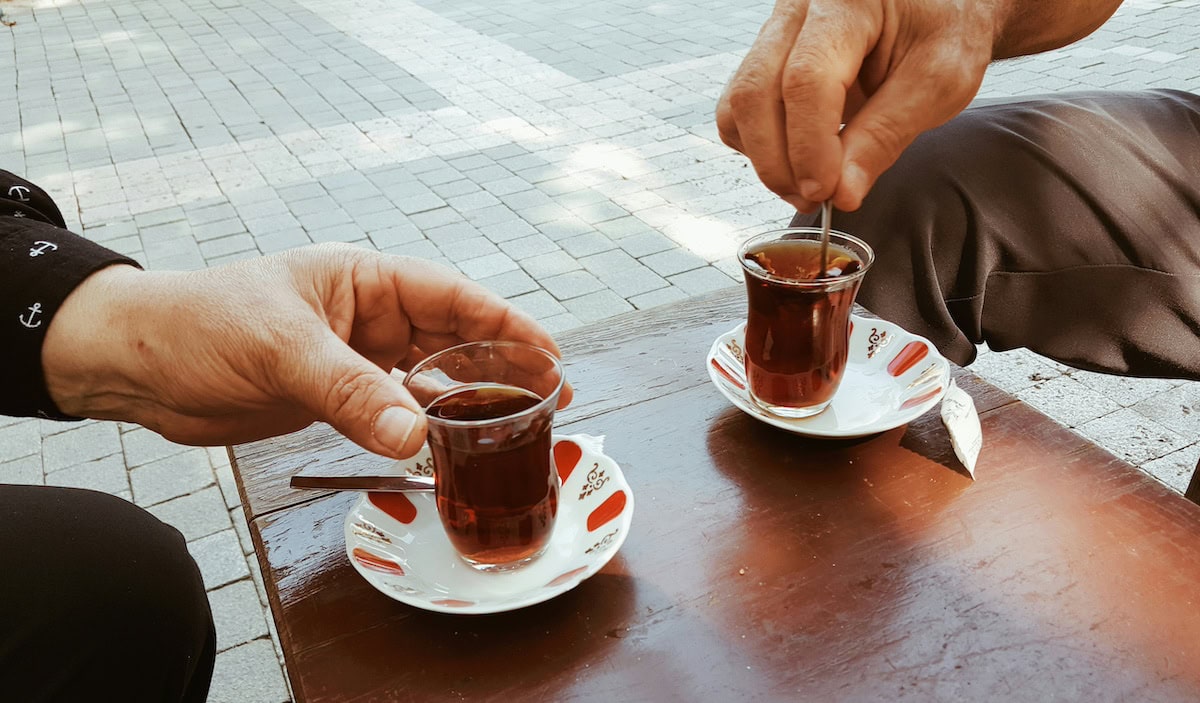
Both styles offer valuable ways to connect, proving that love truly doesn’t have to be loud to be deeply felt, and it’s this blend of silent appreciation and lively support that can create a rich and fulfilling relationship for everyone involved.
How introverts show love through presence and thoughtfulness
Introverts often show love through their presence and thoughtfulness, making small yet meaningful gestures that speak volumes. They might listen intently during conversations, remembering details that matter to their loved ones, or surprise them with a favorite snack after a long day. Instead of grand displays, their quiet support and genuine attentiveness create a safe space where loved ones feel valued and understood, demonstrating that love can be gentle yet powerful.

How extroverts express it through conversation, activity, and energy
Extroverts often express their love through lively conversations, engaging activities, and an infectious energy that brings people together. Whether planning a fun outing or having animated chats about their day, their warmth and enthusiasm create an inviting atmosphere that makes everyone feel included and cherished.
Building mutual appreciation without trying to “fix” each other


Building mutual appreciation means recognizing and celebrating each other’s differences without trying to change one another. By focusing on what makes each person special—like an introvert’s calm insight or an extrovert’s vibrant energy—everyone can learn to value those traits and grow closer instead of feeling pressured to “fix” anything.
The Social Battery Struggle: When One of You Is Still Partying and the Other Is Already in Pajamas

The social battery struggle can really put a strain on relationships when one partner is still ready to party while the other is already in their comfiest pajamas. It’s tough when an extrovert is buzzing with energy and looking for more fun, while the introvert is feeling drained and just wants some quiet time to recharge. Finding a middle ground, like agreeing to a set end time for social events or planning cozy nights in together after a big outing, can help both partners feel respected and connected despite their different energy levels.
Balancing social calendars in a relationship with mismatched social appetites
Balancing social calendars in a relationship with mismatched social appetites can be tricky, but it’s all about communication and compromise. Trying to plan a mix of lively outings for the extrovert while also carving out some quiet nights at home for the introvert helps ensure that both partners feel happy and connected.
Compromise tips for family outings, events, and “forced fun”
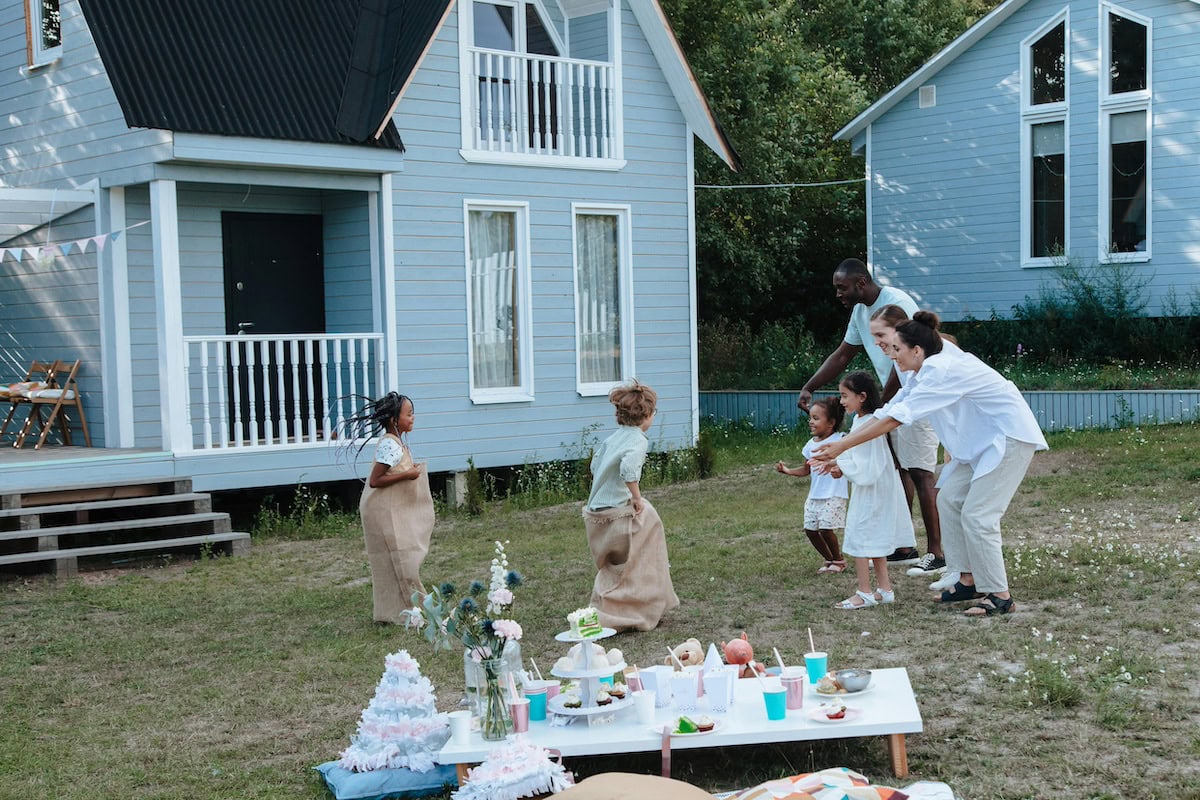
When planning family outings or events, it’s important to find a balance that keeps everyone happy, so consider mixing in a few quieter activities like arts and crafts at home along with the more energetic ones like playing tag outside. Being open to compromise—like choosing a fun activity that has both lively and chill options or even breaking events into shorter, more manageable time frames—can make “forced fun” feel a lot more enjoyable for everyone involved.
Letting go of guilt for needing alone time (or more people time)

Letting go of guilt for needing alone time—or more people time—is all about recognizing that everyone has different needs to recharge. It’s perfectly okay to prioritize what feels right for each person, whether that means taking a solo break to relax or seeking out social events to connect with others; ultimately, it helps everyone thrive in the relationship.
Talk to Me, or Not: Communication Styles in Introvert-Extrovert Pairings
In introvert-extrovert pairings, communication styles can really differ, making conversations both interesting and challenging. Introverts often prefer to think things through before speaking, enjoying deeper, more reflective discussions, while extroverts tend to jump right into conversations, thriving on spontaneous chatter and lively exchanges. Finding a way to navigate these differences—like giving introverts time to process before responding and letting extroverts share their excitement—can create a richer, more balanced dialogue that strengthens the connection.
How over-communicating vs. under-communicating causes tension

Over-communicating can create tension when one partner feels overwhelmed by constant chatter, while under-communicating can lead to misunderstandings and a sense of disconnect. For extroverts, sharing thoughts and feelings freely feels natural, but introverts might need time to process before they can engage, leaving them feeling bombarded. Finding that sweet spot in communication—where both partners feel heard and understood—can help ease the tension and make interactions smoother. This requires time, practice, and open communication on the part of both partners.
Pro Tip: Both partners have to make their needs known to each other to avoid miscommunications.
Tools for syncing up: scheduled check-ins, non-verbal signals, giving each other processing space

Using tools like scheduled check-ins can really help keep communication smooth and ensure both partners are on the same page. Non-verbal signals and allowing each other some processing space also play a big role in understanding needs, making it easier to connect without feeling overwhelmed or pressured to talk all the time.
Healthy Boundaries Are Not a Personal Attack
Healthy boundaries are really just a way to protect each person’s needs and feelings, not a personal dig at anyone. When someone sets a boundary, it’s helpful to see it as a sign of respect for themselves and the relationship, rather than a rejection.
Pro Tip: By understanding that boundaries create a healthier space for everyone, it becomes easier to support each other and maintain a strong connection.
Why boundaries are crucial in introvert-extrovert relationships

Boundaries are crucial in introvert-extrovert relationships because they help each person feel respected and understood, allowing both partners to thrive in their own way. They create a safe space where introverts can recharge without pressure or small talk, while extroverts can still enjoy their social activities, leading to a healthier and more balanced connection overall.
Mutual Weirdness: Finding Shared Joy When You Recharge Differently
Embracing mutual weirdness can be a fun way for introverts and extroverts to bond, even when they recharge differently. Finding shared joy might mean doing activities that blend both styles, like having a small gathering with a few close friends, which lets extroverts mingle while giving introverts the chance to engage at their own pace. By celebrating those quirky differences and enjoying unique moments together, couples can strengthen their connection and appreciate what each brings to the relationship.
Creative ideas for shared downtime that don’t require constant chatter—or total isolation
Creative ideas for shared downtime can include activities like watching a movie together, a TV show, doing a puzzle, practicing yoga, or even cooking a meal side by side, which allows for connection without needing constant chatter. These types of activities offer a great balance, letting introverts enjoy some quiet while still spending quality time together and giving extroverts the chance to share in the fun.
Examples of activities that suit both personality types

Activities like going for a nature walk or visiting a local museum can be great for both introverts and extroverts, as they allow for conversation and exploration without overwhelming anyone. Playing board games is another fun option, giving extroverts a chance to engage socially while introverts can enjoy the focused interaction without the pressure of constant conversation.
When Parenting Styles Clash: The Introverted Parent vs. the Extroverted Co-Parent

When parenting styles clash between an introverted parent and an extroverted co-parent, it can lead to some interesting dynamics at home. Introverts might prefer quieter, more structured activities like painting, while extroverts are all about spontaneous outings and social events like soccer games, which can create conflict or confusion for kids. Finding common ground through open communication and agreeing on a mix of activities can help both parents feel heard and ensure the children get a well-rounded experience.
How conflicting energy levels affect discipline, play, and social life

Conflicting energy levels can really impact discipline, play, and social life in a family, with the introverted parent often needing quieter moments while the extroverted parent may want to dive into more active play. This difference can lead to challenges in setting rules or planning outings, as one parent might prefer a calm approach to discipline, while the other leans toward more engaging social activities, making it tricky to find a balance that works for everyone.
Tag-teaming responsibilities to avoid burnout
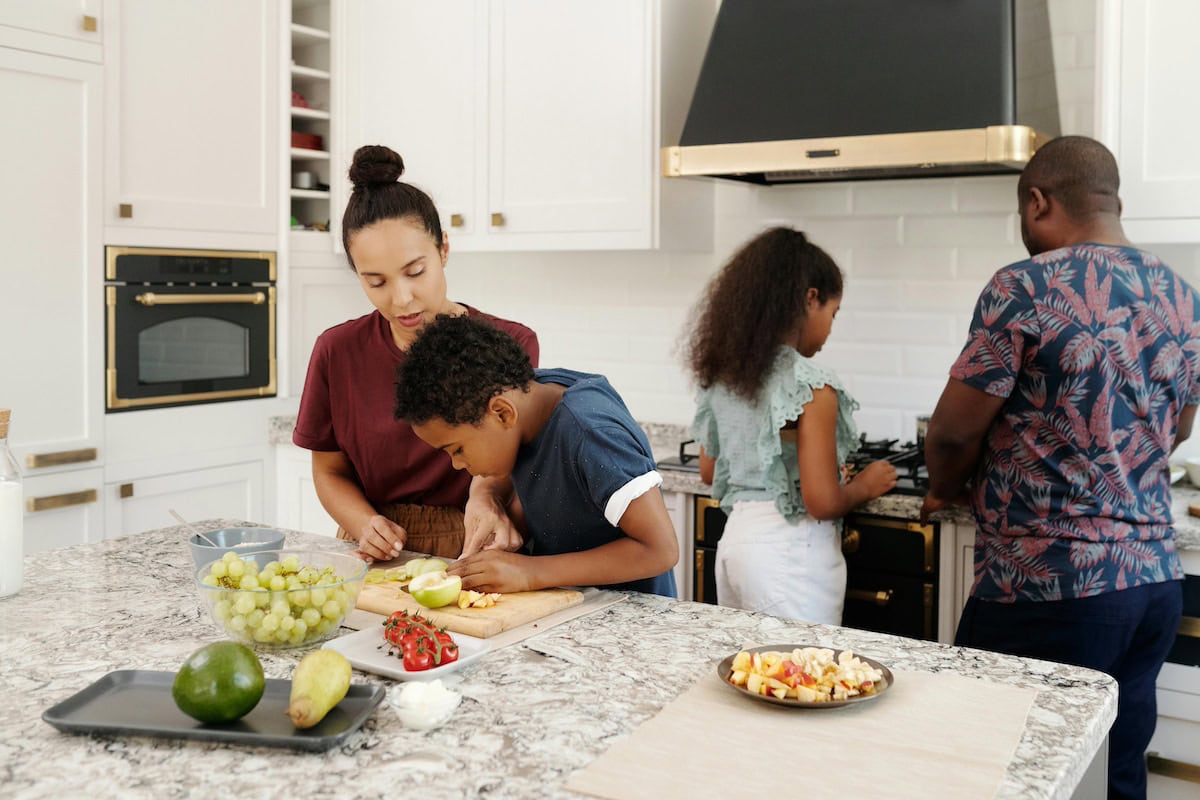
Tag-teaming responsibilities is a great way for parents to avoid burnout, especially when one is more energetic while the other needs downtime. By dividing tasks based on each other’s strengths—like having the extroverted parent handle social outings while the introverted one focuses on quieter activities—both can share the load and keep everything running smoothly without feeling overwhelmed.
Respecting your co-parent’s needs without compromising your own sanity
Respecting your co-parent’s needs is important, but it’s just as crucial to stand up for your own sanity. Finding a balance means communicating openly about what you both need, so you can support each other while still making sure you’re not stretching yourself too thin in the process.

Introverts and extroverts can really thrive together despite their differences, proving that opposites attract when each person understands the other’s unique needs. If you’re an introvert or dealing with an extravert, remember to experiment with boundaries and allow personal space so that both of you can recharge and feel comfortable in social situations. By embracing the fact that you’re wired differently and focusing on how to meet in the middle, happy relationships can blossom, where both partners feel valued and understood without feeling forced into roles that don’t fit their needs.
FREQUENTLY ASKED QUESTIONS
How can an extrovert and introvert understand each other better?
Understanding between an extrovert and an introvert begins with acknowledging their different ways of processing the world. Extroverts often gain energy from social interactions and external stimuli, whereas introverts may need solitude to recharge. It is important for both partners to communicate openly about their preferences and boundaries. By doing so, they can find a balance that ensures both needs are met. Engaging in activities that each partner enjoys and respecting each other’s space can significantly enhance mutual understanding.
What are some common issues that arise in an extrovert-introvert relationship?
Common issues that arise in such relationships include differences in social preferences, communication styles, and energy levels. Extroverts may feel that introverts are never enthusiastic enough about social gatherings, while introverts might feel overwhelmed by the extrovert’s social calendar. Additionally, extroverts might perceive introverts’ need for alone time as rejection, while introverts may feel pressured to socialize more than they are comfortable with. Addressing these issues requires empathy, patience, and compromise from both partners.
How can an extrovert support an introvert in social situations?
To support an introvert in social situations, an extrovert should be mindful of their partner’s comfort level. This can involve ensuring there is an easy exit strategy if the event becomes overwhelming or providing a quiet space for breaks. It’s also helpful to discuss the event beforehand, setting expectations and boundaries. Encouraging the introvert to engage at their own pace and being attentive to their signals of discomfort can make social events more enjoyable for both partners.
How can introverts and extroverts make it work when planning activities?
When planning activities, it is essential for introverts and extroverts to strike a balance that accommodates both personalities. This can mean alternating between quiet, low-key activities and more vibrant, social ones. They should communicate their preferences and be flexible.
You might also be interested in…
Want to learn more about extroverts and introverts relationship? Check out: Pros & Cons of Introvert Characteristics Related to Positive Parenting
CONNECT WITH DAILY MOM
💖 NEWSLETTER: DAILY READS IN YOUR INBOX 💖
Sign up to receive our picks for the best things to do, see and buy so you can relax and focus on more important tasks! Let us help you be the best version of yourself you can be!
BE SOCIAL WITH US
📌 LOVE IT? PIN IT!📌