
































Parenting today looks a lot different than it did a few decades ago. From the shift in society, to new research on how kids develop, parents—especially millennial moms and dads – are trying to balance a whole new set of challenges. And because of that, there’s been some tension between the way millennials are raising their children and how their parents (the baby boomers and Gen X) did it.

Millennial Parenting Style: Balancing Work, Emotional Awareness, and Flexible Approaches to Discipline
The millennial parenting styles are all about a more flexible, emotional approach. Instead of focusing solely on rules and discipline, parents are really leaning into open discussions, empathy, and trying to create an environment where their kids can grow emotionally as well as mentally.
Parenting these days doesn’t mean just handing down rules—it’s about understanding kids’ feelings and making space for them to express themselves. And of course, there’s the added challenge of balancing work and family life, which millennial parents have to juggle more than ever before.
The bottom line here is:
- Millennial parenting styles focuses on communication, emotional awareness, and flexibility.
- Millennial moms and dads are prioritizing work along with their kids’ mental health.
- Previous generations (baby boomers and Gen X) often stuck to stricter, more authoritarian parenting methods.
- Parenting nowadays is more about gentle parenting and emotional support for kids.
Generation Parenting: The Divide Between Baby Boomer Parents, Gen X, and Millennials
Parenting styles have changed over the generations, and there’s no clearer divide than the one between baby boomers, Gen X, and millennials. Every generation has developed its unique methods of parenting, frequently influenced by the values and experiences prevalent during that time.
As millennial parents look at their own parenting style, it’s clear that they’re doing things differently than their own parents did. This shift has led to a gap in what parents expect, often creating tension and mixed signals between different age groups.
Baby Boomer Parents: Traditional Values and Expectations
Baby boomer parents tended to embrace a more authoritarian approach to parenting. This meant that rules were set by the parents and expected to be followed without question. There was little room for negotiation, and the focus was more on discipline and respect rather than emotional connection.
- Expressing emotions. For many baby boomers, parenting was about teaching children to behave and understand their role in society. Parenting was about emphasizing respect, authority and following the rules.
- Focus on obedience. In this era, the goal was to raise children who knew their place and respected the rules set by their parents. There wasn’t much room for discussion. The belief was that structure and discipline would help children grow into responsible adults.
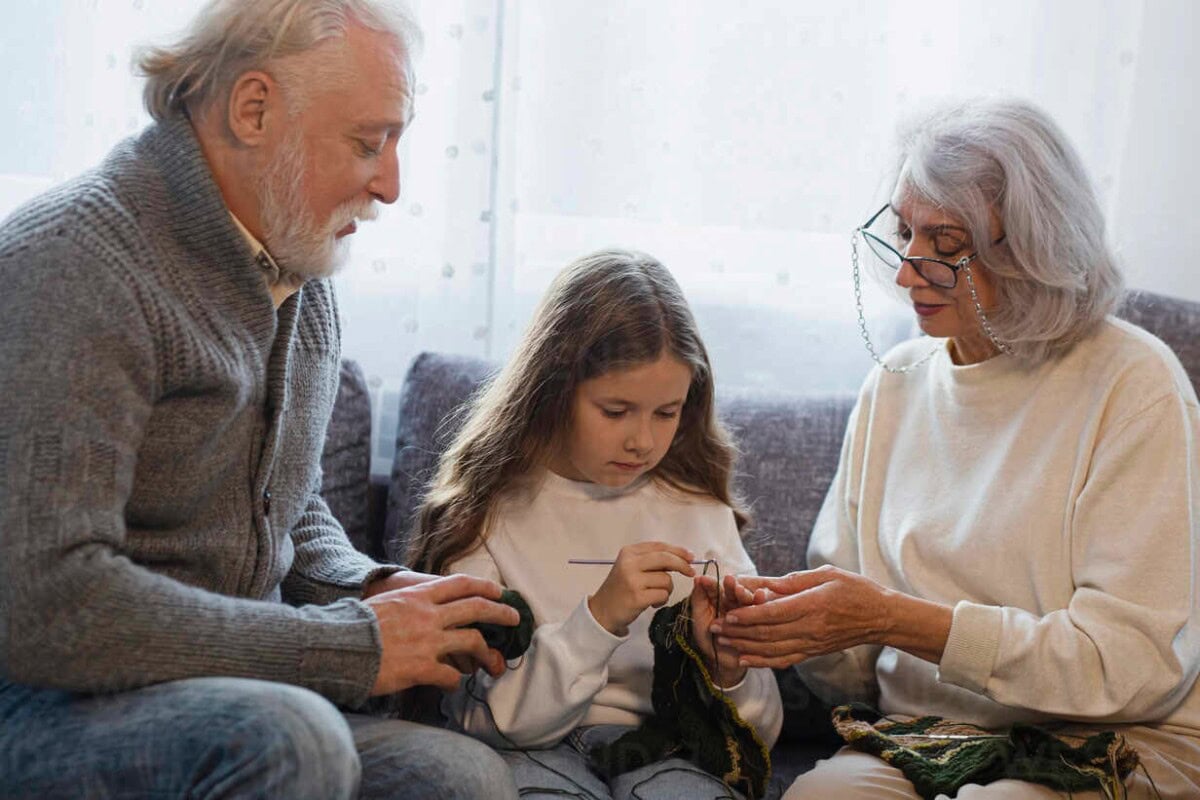

Many baby boomers view present-day parenting – particularly millennial parenting styles—as “too soft.” For them, the focus on gentle discipline, emotional support, and balancing work can seem like an attempt to “spoil” children. They often worry that this approach results in children who lack boundaries, structure, and respect, because there are no set limits.
Gen X: A Bridge Between Old and New
Gen X parents grew up with the same ideas of the baby boomers, where discipline and respect were important. But this generation also got hit with new ideas on emotional intelligence, child development, and a balanced way to parent. As a result, many Gen X parents find themselves navigating a middle ground between traditional rules and a more emotionally supportive, communicative approach.

Despite this balanced approach, many Gen X parents are often torn between two worlds. On one hand, they want to respect the values and methods that their baby boomer parents instilled in them – values like discipline, hard work, and respect for authority. On the other hand, they also see the benefits of adopting the progressive, nurturing approach that millennials have embraced in their parenting style.
Caught between two worlds: This generational divide can create a lot of internal conflict for Gen X parents – internally and externally! They may want to carry on the traditions they were raised with, but at the same time, they recognize the value in the more emotionally aware approach that millennials use to raise their kids.


Millennial Parenting: Progressive and Prioritizing Work-Life Balance
For millennial parents, one of the biggest focuses of their parenting method is finding a balance between career, family, and personal well-being. Unlike previous generations, millennials are more likely to prioritize their mental and physical health while still being highly involved in their kids’ lives. The idea is not just to be great parents, but also to take care of themselves – something that wasn’t always the case for past generations, who often focused solely on work and family without much attention to self-care.
- Work Life: Millennials often juggle work, family, and personal time, aiming to strike a healthier balance. They want to be active, engaged parents while also ensuring they prioritize their children.
- Self-care as part of parenting: Unlike past generations, millennial parents understand the importance of self-care, whether it’s finding time to exercise, relax, or pursue personal interests.
Millennials and Mental Health
Mental health is another area where millennial parents place significant emphasis on themselves and their children’s lives. Today’s parents recognize that emotional health is essential for overall family dynamics, and they actively encourage open conversations about feelings, stress, and struggles.
Emotional boundaries: It’s important for millennial parents to teach their children how to understand and set emotional limits in a healthy way.


Is the Millennial Parent Spoiling their Child?
Baby boomers and even Gen X may see this new era of parenting too lenient or overly permissive – leading them to believe that these days parents are “spoiling” their kids. This perception can often lead to criticism, with older generations blaming millennials for abandoning the traditional methods that they believed were the best and only way. As a result, many millennial parents perceive they are being judged.
- Sense judgement by the older generations: Millennials’ often face criticism from the older generations for what they see as “soft” parenting.
- Creating supportive environments: Despite criticism, most parents continue to prioritize their child’s mental health and emotional well being.
The Guilt Trip: When Grandparents Offer Unsolicited Advice
Parenting now comes with plenty of challenges, and one of the most common struggles for this generation of parents’ is dealing with unsolicited advice from their own parents. Baby boomers and Generation X, who brought up kids with their own distinct methods, are often compelled to share their thoughts on how millennials should be raising their kids. But this advice isn’t always welcome!
Why Do Baby Boomers and Gen X Need to Offer Advice?
For many grandparents, the mindset is clear: they “know best” because they’ve been there before. This belief comes from years of experience, where traditional parenting methods – like helicopter parenting or strict discipline -were the norm. Baby boomers and Gen X were raised with the idea that becoming parents required a firm hand, and as a result, they often tend to think it’s their responsibility to pass down their wisdom to the next generation.
- Generational mindset: Boomers and Gen X often assume their approach to raising children is more effective. They believe that children need structure and rules, and that a more authoritative parenting approach is the way to ensure kids grow up to be successful.
- A sense of duty to advise: Many older generations strongly believe that their experience is invaluable. So when it comes to raising kids, they assume their parenting advice is essential.
While the advice may come from a place of care, it can lead to conflict, as millennial parents believe a more emotionally aware and flexible approach, is a better practice. This can lead to unnecessary guilt, particularly when millennials are already balancing so many aspects of their lives.


How Unsolicited Advice Can Trigger Mom Guilt
The millennial parenting styles places a strong emphasis on the mental health and well-being of children, as well as finding balance between work and family. However, when grandparents weigh in with their own opinions, it can appear like an attack on these values. This often leads to mom guilt—millennials may feel that they are not living up to the expectations set by the past generation, especially when it comes to balancing the lives of their children and their own needs.
- Criticized or undermined: Unsolicited advice can make millennial parents feel they’re being judged for their choices, particularly when they are focused on creating a nurturing environment for their kids. They practice gentle parenting, as opposed to authoritarian parenting. The advice may come across as criticism, leading to self-doubt and guilt about whether they are making the “right” parenting decisions.
- Creating guilt and self-doubt: The pressure to meet both their parents’ expectations and their own ideals can leave millennial parents questioning themselves, even when their methods are backed by research and modern parenting principles.
Real-Life Examples of Generational Parenting Differences

The generational gap in parenting techniques can lead to tangible differences in how kids are raised. For example, many millennials are focused on teaching their kids about mental health vs the older generations who are focused on discipline and hovering over every aspect of their child’s life. Statistics show that this can lead to friction when grandparents get involved.
- Different approaches to discipline: While many millennial families may use positive reinforcement and set limits in a more collaborative way, baby boomers and Gen X often believe in rules. For example, when grandparents criticize the use of “timeouts” or the idea of “gentle parenting,” it can make millennials feel that they are failing to instill proper boundaries in their children.
- Balancing act: Another common difference amongst the generation of parents, is how millennials handle work along with family life. Baby boomers often prioritized their careers over family life, but millennials are more likely to prioritize their children over their careers, even if that means working fewer hours or choosing jobs that offer more flexibility. When grandparents express confusion or disapproval over these choices, it can lead millennials to feel like they’re not meeting expectations.


These generational differences are evident in how different approaches to parenting clash, creating moments of tension and frustration for millennial parents trying to find their own path.
Setting Boundaries Without Being Aggressive
Parenting now requires balancing tradition and modernity, especially when navigating family dynamics. Millennial parents often find themselves in the position of having to set boundaries with family members—particularly grandparents—who may hold different beliefs about how children should be raised. While it’s important to respect the values of elders, it’s equally necessary for millennial parents to establish boundaries that maintain their autonomy in raising their kids. Setting healthy boundaries is crucial to ensure that today’s millennials are able to parent in a way that aligns with their own values and needs, while still maintaining family harmony.
The Importance of Healthy Boundaries in Generational Parenting
Setting boundaries is not about shutting down advice or creating distance from family. Instead, it’s about respecting the role each family member plays without compromising your own values or well-being.
- Staying independent as a parent: Setting boundaries helps to maintain control over how children are raised, without letting outside pressures dictate their decisions. This is crucial when trying to mix the laid-back, approach that millennials use to raise their kids with the old-school techniques that older folks might still back.
- Self-care and protection: Boundaries also protect the emotional health of both the parents and the children. Parents, especially those who are balancing careers and family life, need to prioritize their own well-being to prevent burnout and stress.


When setting boundaries, you are also teaching children important life skills—how to communicate respectfully, assert their needs, and set limits without being aggressive. These are critical lessons for kids as they grow into adults.
Ways to Set Boundaries with Family Without Causing Conflict
Setting boundaries doesn’t have to lead to conflict if done respectfully. It can be very challenging to do without causing tension. However, using clear, calm communication can go a long way in making sure that your boundaries are respected without anger or resentment.
- Polite but firm responses: One way to set a boundary without causing a rift is to use statements that acknowledge the other person’s experience while still asserting your own choices. For example, “I appreciate your input, but we’ve decided to try it this way.” This approach helps communicate your decision while avoiding confrontation.
- Be consistent: Consistency is key when it comes to enforcing boundaries. Whether it’s about screen time, bedtime routines, or discipline, stand firm on your decisions to reinforce the importance of your parenting approach.
- Use “I” statements: Instead of making the conversation about their behavior, frame it around your needs. For example, “I need to follow my parenting approach” or “I’m focused on maintaining a calm, balanced environment for my child.”
Staying Calm and Confident in the Face of Criticism
It can be difficult to remain calm when faced with criticism, especially when it feels like your parenting choices are being questioned. Here are a few tips for staying calm and composed:
- Own your decisions: When someone criticizes your parenting, remind yourself that millennial parenting styles are supported by studies and fit with what we know about how kids grow and learn these days. Be confident!
- Don’t feel the need to defend yourself: There’s no need to explain or justify every decision you make as a parent. Whether it’s how much time your child spends on their phone or the type of discipline you use, you don’t have to go into detail unless you feel comfortable doing so.
- Acknowledge their perspective: When criticism comes from family, it can help to say something like, “I understand that you have a different perspective, and I respect that.” This way, you’re acknowledging their opinion without letting it undermine your confidence.


Blending Traditions with Your Parenting Method
Parenting has evolved, but millennial parents don’t have to abandon the valuable traditions passed down from their parents and grandparents. They are navigating how to blend meaningful family traditions with a modern approach to raising kids. Parents still want to honor those traditions while helping their children with emotional growth.
Honoring Grandparents’ Legacy While Staying True to Your Own Values
While today’s parent creates new ways of raising their children, they also recognize the importance of maintaining connections to the past. Many want to honor the traditions their parents or grandparents passed down, like family meals, holiday customs, or cultural practices. However, good parenting requires a good understanding of the current world to make these traditions work with their values.
- Respecting family traditions: For example, parents may keep traditional family recipes but make them healthier, like using whole grains or plant-based ingredients.
- Adjusting outdated practices: Though parents still honor certain traditions, they may adapt them to suit their present needs. For instance, a family holiday gathering may include more open communication and discussion on feelings, mental health, or mutual respect. This replaces older practices that were more authoritarian.


By honoring their family legacy, parents can create a meaningful connection between the past and present without sacrificing their progressive parenting.
Creating New Family Traditions That Honor Both Past and Present

As parents today work to balance careers, family life, and personal care, their traditions often reflect these priorities. Nowadays young parents understand that the needs of their children today are different from older generations, and they’re adjusting their parenting method accordingly.
Mixing classic traditions with the digital times: Many millennial parents are blending time-honored traditions with the realities of the digital age, where technology plays an increasingly central role in daily life. For instance, they might introduce educational apps or online resources into their children’s routines while still maintaining old family traditions like storytelling or board games. Millennial parents are navigating the balance between embracing the benefits of technology, such as fostering learning through digital tools, and ensuring that it doesn’t overshadow important family values or limit quality time spent together.
Whether it’s a male or female parent, these days parents are redefining how family traditions fit into the current world. For instance, today’s parenting focuses on prioritize spending quality time with their children.


Navigating the Work-Life Balance as a Millennial Parent
One of the greatest challenges parents face today is the struggle to maintain a life while working. Unlike prior generations, who often had a clear division between work and home life, today parents are constantly navigating the demands of their careers, the needs of their children, and their own self-care. The millennial parenting styles emphasizes flexibility, but this balancing act is far from easy.
The Struggle of Balancing Career, Family, and Self-Care
The lives of children in millennial households are often shaped by a dynamic balance. Parents strive to teach their kids about the value of work, but also the importance of emotional well-being and family connection.
Today the work demands of this generation are often juggling challenging jobs while trying to be present and involved in their children’s lives. Many millennial parents work longer hours or have jobs that demand constant connectivity, making it hard to disconnect and focus on family time.
In addition to the many obligations life brings, millennial parents are increasingly aware of the importance of self-care. Finding time for personal health—whether it’s through exercise, mental health practices, or simply taking a break—becomes another hurdle.
Despite these challenges, the millennial parenting styles often encourages parents to prioritize quality time over quantity. This means that even though they may have limited time, they make sure that the time they spend with their children is meaningful, focused, and intentional, ensuring that their childhood is filled with valuable experiences and emotional connection.
Managing Expectations from Different Generations
The pressure on parents often comes from different parenting generations, especially baby boomers and Gen X, who may have had a very different approach to work-life balance.
For older generations, the expectation was often that parents and children would fall in line with traditional roles, where work came first and family came second. In contrast, millennials are trying to challenge that model by redefining what it means to balance life.
Millennial parents say they hate the idea of sacrificing family time for work and are pushing back against this outdated mindset by seeking a more balanced approach that allows them to be present for both their careers and their children.
- Prioritizing family over career: Baby boomers, in particular, might feel that millennials have gone too far in seeking a balance between work and family. They often view millennials as less committed to their careers because they prioritize spending time with their children or pursuing personal well-being.


Millennial parents manage the expectations from older generations by staying true to their values. They might choose flexible work schedules, remote work, or a focus on mental health to ensure that family remains a top priority without sacrificing their careers completely. They’re carving out a new path, where career success doesn’t necessarily come at the cost of family connection.
As today’s parents continue to redefine the boundaries between career and home life, they often face criticism or misunderstandings from older generations who may see their approach as untraditional, especially when compared to how things were done generations ago—and would not work today.
However, they persist in blending different parenting approaches to ensure they can support the lives of their children while still maintaining their professional goals. This shift is becoming increasingly important, as children than parents are embracing new values about work, well-being, and family connection.
Finding Your Own Parenting Approach
As a millennial mom, it’s important to embrace your unique approach to parenting. There is no “one right way” when it comes to parenting – especially as time evolves. While it’s natural to be influenced by the generations before you, the key is finding what works best for you and your family.
Whether you choose to blend traditional values with the latest practices or fully embrace the flexibility of millennial parenting styles, remember that there’s no one-size-fits-all approach. Today parenting is about creating a balanced, nurturing environment for your children while staying true to your values.
FAQ’s
Q: What percent of millennial parents use digital tools for parenting?
A: Approximately 75 percent of millennial parents utilize digital tools and resources to assist in their parenting efforts, reflecting their comfort with technology.
Q: What is the average age of millennial parents when they have their first child?
A: The average age of millennial parents at the time of their first child’s birth is around 30 years old, which is slightly older compared to previous generations.
Q: How does one parent influence millennial parenting styles?
A: One parent can significantly shape the parenting mode by introducing different values and techniques, often leading to a more balanced approach that incorporates both parents’ perspectives in millennial families.
Q: What are the 6 key differences in millennial parenting styles compared to previous generations?
A: The 6 key differences include a focus on technology integration, prioritizing mental health, an emphasis on co-parenting, greater involvement in children’s education, flexibility in gender roles, and fostering independence in children.
Q: How do millennial parents approach discipline across different age groups?
A: Millennial parents often tailor their discipline strategies across different age groups, favoring positive reinforcement and open communication rather than traditional punitive measures.
Q: What factors contribute to the parenting styles of millennial parents?
A: Factors contributing to millennial parenting styles include cultural shifts, access to information through technology, personal experiences, and the desire for more equitable parenting roles.
Q: How do millennial parents view work-life balance compared to earlier generations?
A: Millennial parents place a higher value on balancing work along with family life, often seeking flexible work arrangements and prioritizing family time more than previous generations did.
Q: Are millennial parents more likely to seek parenting advice online?
A: Yes, millennial parents are more likely to seek parenting advice online, often turning to social media, blogs, and forums for support and information.
You might also be interested in…
CONNECT WITH DAILY MOM
💖 NEWSLETTER: DAILY READS IN YOUR INBOX 💖
Sign up to receive our picks for the best things to do, see and buy so you can relax and focus on more important tasks! Let us help you be the best version of yourself you can be!
BE SOCIAL WITH US
📌 LOVE IT? PIN IT!📌