


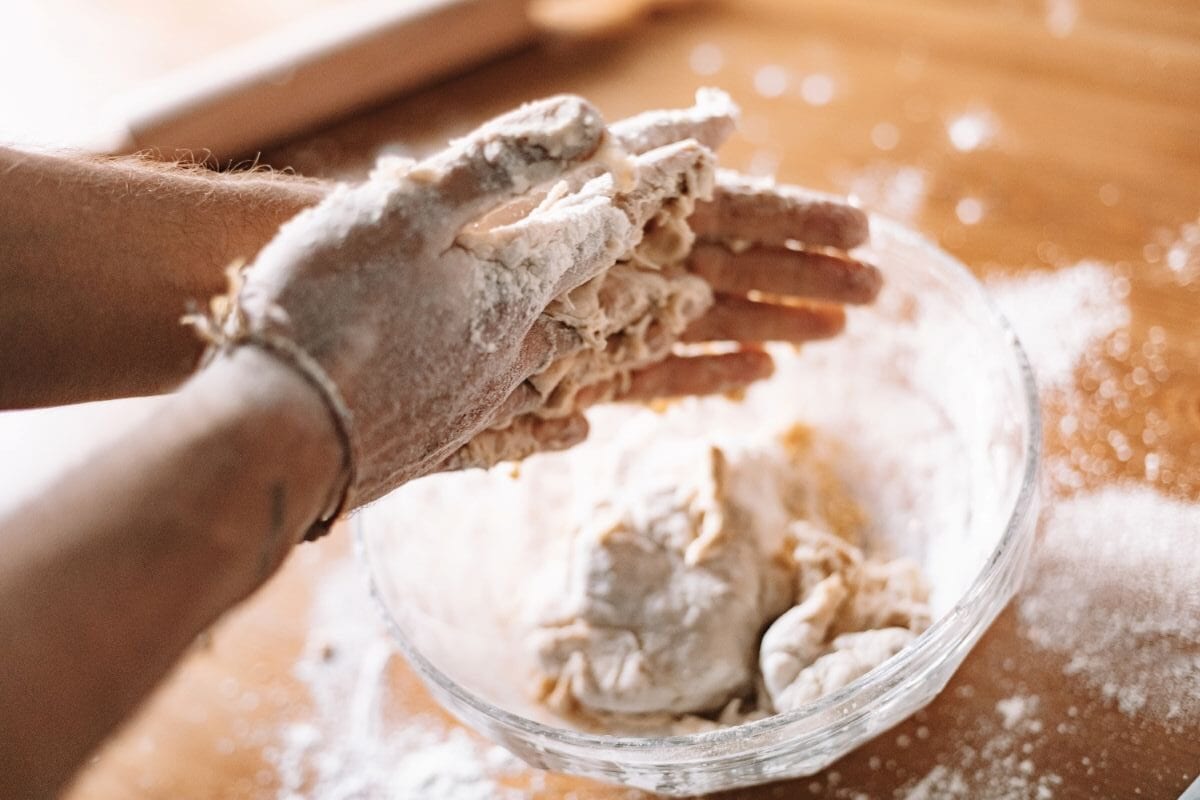
Baking your own sandwich bread at home is one of those simple joys that never gets old. There’s something deeply satisfying about pulling a soft, tender, beautifully risen loaf fresh from your oven — a loaf so perfect it could be the centerpiece of every meal. This recipe is designed to help you create just that: the perfect loaf that’s soft enough for sandwiches, with a golden crust and a light, fluffy crumb inside.
Whether you’re a seasoned baker or just starting to experiment with bread dough, this easy homemade sandwich bread recipe is one anyone can master. Along with step-by-step instructions, we’ll cover essential tips about yeast — including how to activate it properly — the best oven temperatures for baking, and even how this recipe differs from traditional sourdough breads. Ready to make that bread? Let’s get started on baking your perfect loaf today!
The Perfect Loaf Recipe: Best Homemade Sandwich Bread

Homemade Sandwich Bread
Here’s an easy, foolproof recipe to help you make the perfect loaf of homemade sandwich bread. Using simple ingredients like organic unbleached bread flour and Red Star yeast, this bread comes out soft, tender, and perfect for everything from sandwiches to toast.
⏲️ Prep Time
3 Hours
⏲️ Cook Time
30-35 Minutes
🍴 Serves
18 slices
🍽️ Meal
Any
Ingredients
- 3 ½ cups organic unbleached bread flour
- 2 ¼ teaspoons (one packet) Red Star active dry yeast or instant yeast
- 1 ¼ cups warm water (about 110°F)
- 2 tablespoons sugar
- 1 ½ teaspoons salt
- 2 tablespoons unsalted butter, melted (or oil of your choice)
Directions
Step 1: Activating Yeast
If you’re using active dry yeast, dissolve it in warm water with sugar and let it sit for 5–10 minutes until foamy—this means the yeast is activated and ready to work. If you have instant yeast, you can skip this step and mix it directly into the flour. Both types work well, but activating active yeast ensures a good rise.
Step 2: Making the Best Bread Dough
- In a large mixing bowl, combine the flour and salt.
- Add the activated yeast mixture (or instant yeast with water and sugar) and melted butter.
- Stir until the dough starts to come together.
Step 3: Kneading
Knead the dough on a lightly floured surface for about 8–10 minutes. Kneading develops gluten, which gives your bread its structure and chewy texture. The dough should become smooth and elastic, slightly tacky but not sticky.
Step 4: Proofing
Place the kneaded dough in a greased bowl, cover it with a clean towel or plastic wrap, and let it rise in a warm place for 1 to 1 ½ hours — or until it doubles in size. This step is crucial for that soft, airy crumb in the perfect loaf.
Step 5: Shaping and Baking
- Punch down the dough gently, shape it into a loaf, and place it into a greased 9×5 loaf pan.
- Cover again and let it rise for another 30–45 minutes until it puffs up.
- Preheat your oven to 375°F (190°C) — the ideal baking bread temperature for a golden crust and tender crumb.
- Bake the loaf for 30–35 minutes, or until the top is golden brown and the bread sounds hollow when tapped.
Step 6: Cooling and Slicing
Once baked, remove your perfect loaf from the pan and let it cool completely on a wire rack. Cooling prevents the bread from becoming gummy inside. When cool, slice evenly with a serrated knife for perfect sandwich slices every time. This simple recipe combines the best techniques and ingredients to deliver a loaf that’s soft, delicious, and reliable — your new go-to homemade sandwich bread. Next, we’ll explore how this recipe stacks up against classic sourdough bread.
E N J O Y!

What Makes This Delicious Bread Recipe Different From Sourdough Bread?
Sourdough bread has gained huge popularity thanks to its tangy flavor, chewy texture, and artisanal appeal. At its heart, sourdough relies on the craft and science of sourdough breads, which involves naturally fermenting dough using wild yeast and beneficial bacteria captured from the environment. This natural fermentation process creates a complex flavor profile, giving sourdough its signature tang.
Key Differences Between This Recipe and Sourdough Baking:
- Yeast Source:
This homemade sandwich bread uses active yeast (like Red Star yeast), a cultivated and reliable strain that quickly ferments the dough. Sourdough, on the other hand, depends on a wild yeast starter—a mixture of flour and water that’s been fermented over days or weeks to cultivate natural yeasts. - Fermentation Time:
Sourdough requires a longer fermentation period—often several hours or overnight—to develop its distinctive flavor and texture. This homemade recipe is designed for speed and simplicity, with a rise time of just 1 to 1½ hours, making it ideal for busy kitchens. - Flavor and Texture:
Sourdough has a tangy, slightly sour taste and a chewy crumb. The perfect loaf from this recipe is milder in flavor, with a soft, tender crumb and a lightly golden crust — exactly what you want for classic homemade bread sandwiches.
Why Choose To Make Bread This Way Instead?
If you want a dependable, quick, and easy loaf that’s perfect for everyday sandwiches, this recipe is your best bet. It’s straightforward, requires fewer steps, and uses ingredients you probably already have on hand. Plus, it’s ideal for beginners wanting to make that bread without the complexity of maintaining a sourdough starter.
When to Make This Bread vs Sourdough Bread Making
- Choose sourdough if you love the tangy flavor, enjoy the craft of slow fermentation, and want a bread with unique character. Sourdough is perfect for artisan-style baking and more adventurous bakers.
- Choose this homemade sandwich bread recipe when you want a soft, neutral-flavored loaf that’s quick to make, easy to slice, and perfect for sandwiches, toast, and everyday meals.
Both breads have their place, but this recipe is designed to deliver the perfect loaf for your daily bread needs — fresh, soft, and ready when you are.
How Much Yeast Should You Use in an Easy Homemade Bread Recipe?
Yeast is the magic ingredient that makes your bread dough rise and gives your perfect loaf its light, airy texture. But knowing how much yeast in a packet and the differences between yeast types can be confusing for many bakers.
How Much Yeast Is in a Packet?
A standard yeast packet contains about 2 ¼ teaspoons of yeast, which is roughly 7 grams or ¼ ounce. This amount is perfect for most 9×5 loaf pan recipes like the one we use here. Sometimes recipes might call for tablespoons or smaller amounts like teaspoons — so it’s helpful to know:
- 1 packet = 2 ¼ teaspoons
- 3 teaspoons = 1 tablespoon
If you only have loose yeast, measuring it carefully with a teaspoon or tablespoon is key to getting your dough just right.
Active Yeast vs. Instant Yeast vs. Activated Yeast
- Active Dry Yeast: This yeast needs to be dissolved in warm water before adding it to your dough. This process, called “activating yeast,” helps wake the yeast cells so they start fermenting.
- Instant Yeast: Also known as “rapid-rise” or “quick yeast,” instant yeast can be mixed directly into your flour without proofing. It works faster and often gives a quicker rise.
- Activated Yeast: This term refers to active yeast that has been dissolved and proofed in warm water, confirming it’s alive and ready to work.
Knowing which yeast you have and how to use it makes a big difference in how your dough rises and, ultimately, the texture of your perfect loaf.
Tips for Storing Yeast and Keeping It Fresh

Yeast is a living organism, so proper storage is essential:
- Keep yeast sealed tightly in an airtight container.
- Store it in the refrigerator or freezer to prolong shelf life.
- Always check expiration dates before use — expired yeast can lead to dense, flat bread.
- If yeast doesn’t foam during activation, it’s time to get a fresh packet.
Why Measuring Yeast Correctly Matters for the Perfect Loaf
Too much yeast can cause your bread to rise too quickly, resulting in a coarse texture and yeasty flavor. Too little yeast means the dough won’t rise enough, leading to dense bread. Using exactly how much yeast in a packet your recipe calls for ensures the right balance, giving you a tender crumb, perfect rise, and delicious flavor every time. Getting your yeast measurements right is a crucial step on the path to baking the perfect loaf — consistent, fluffy, and fresh bread that you can enjoy for sandwiches, toast, or just by itself.

Choosing the Right Bread Pan for Bread Baking
Choosing the right bread pan plays a surprisingly important role in baking the perfect loaf. For homemade sandwich bread, a 9×5 loaf pan is often considered the gold standard—and for good reason.
Why a 9×5 Loaf Pan?
- Standard Size: The 9×5-inch pan produces a classic-sized loaf that fits most bread machines and kitchen ovens perfectly.
- Slice Count: This size typically yields about 16 to 18 slices of bread—ideal for sandwiches, toast, and everyday use.
- Consistent Shape: It helps your loaf bake evenly and hold a uniform shape that’s perfect for stacking sandwiches.
Glass Loaf Pan vs. Metal Pans — Pros and Cons
- Glass Loaf Pans:
- Pros: Glass distributes heat evenly, which can lead to a well-baked crust and tender crumb. It also lets you see the bread as it bakes, so you can monitor the crust color easily.
- Cons: Glass pans can take slightly longer to heat up and cool down, which may affect bake time. They’re also heavier and more fragile than metal pans.
- Metal Loaf Pans:
- Pros: Metal pans heat quickly and provide a nice, crisp crust thanks to good heat conduction. They’re lightweight and durable.
- Cons: They can sometimes cause bread to brown too quickly if your oven runs hot, so monitoring is key.
How Pan Type Affects Crust and Crumb in Artisan Bread
The material and heat distribution of your pan influence the texture of your loaf. Metal pans typically create a crunchier crust, while glass pans may yield a softer crust with a more even bake. Whichever you choose, the key is understanding your oven and adjusting bake times as needed forthe perfect loaf.
Greasing the Loaf Pan for the Best Loaf of Bread
No matter your pan type, greasing it thoroughly is essential. Use butter or oil to coat the inside of the pan well—this helps your bread release easily after baking and promotes an even crust. Some bakers also like to dust the pan lightly with flour for extra non-stick protection.
Using the right pan, like the classic 9×5 loaf pan, combined with proper greasing, sets you up for baking consistently beautiful bread loaves that are easy to slice and perfect for homemade sandwiches.
Baking Bread Temperature: What’s the Best Oven Temp for the Perfect Loaf?
Baking your bread at the right temperature is crucial to achieving the perfect loaf—one with a golden crust, soft crumb, and just the right texture. So, what’s the best oven temp for baking bread?
Recommended Oven Temperature for Baking Bread
Most homemade sandwich bread recipes, including ours, bake best at around 375°F (190°C). This temperature allows the bread to cook evenly inside while developing a beautiful, golden crust on the outside. Baking at too low a temperature can result in a pale crust and dense crumb, while too high can cause the crust to brown or burn before the inside is fully baked.
How Baking Temperature Influences Crust and Texture
- Crust: Higher temperatures promote Maillard reactions, which give bread its appealing color and flavor. A well-baked crust is slightly crisp but not too hard or thick.
- Crumb: The oven temperature impacts how the bread dough expands and sets inside the pan. The right temp ensures your crumb stays soft and tender without being gummy or doughy.
Tips for Adjusting Oven Temperature
Every oven is a little different—some run hot, others cooler. Here’s how to manage:
- If your bread crust browns too quickly, try lowering the oven temperature by 10–15 degrees and extending the baking time slightly.
- If the crust is pale and the bread feels undercooked, increase the temperature a bit or bake for a few more minutes.
- Rotate the loaf halfway through baking to promote even browning, especially if your oven has hot spots.
Use an Oven Thermometer for Accuracy
Oven dials aren’t always reliable, and a few degrees can make a big difference in bread baking. Investing in a simple oven thermometer ensures you know the exact temperature inside your oven, helping you consistently bake the perfect loaf every time.

With these tips and by baking at the right temperature, you’ll develop a golden, flavorful crust and a soft, delicious crumb that makes your homemade sandwich bread truly shine.

How to Oven Toast Bread for an Extra Delicious Sandwich
Oven-toasting your homemade bread is a simple way to elevate your sandwich game by adding extra crunch and flavor. Unlike regular toaster toasting, oven toasting gives you more control over texture and lets you toast multiple slices at once, perfect for family meals or gatherings.
Step-by-Step Guide to Oven Toasting Bread
- Preheat your oven to 350°F (175°C). This temperature is ideal for gently toasting bread without burning it.
- Arrange your slices in a single layer on a baking sheet. Avoid overlapping to ensure even toasting.
- Optional: Lightly brush slices with melted butter or olive oil for that classic buttery crunch — this is a great way to make “butterbread” style toast.
- Bake for 8-12 minutes, flipping halfway through for even browning on both sides. Keep an eye on your bread to avoid over-toasting.
- Remove and serve immediately for the best crispy texture.
Best Oven Temperature and Timing Tips
- Keep your oven between 325°F and 375°F for optimal results.
- Toasting time depends on slice thickness; thinner slices toast faster, and thicker ones may need a couple more minutes.
- For a softer toast, reduce the time or skip flipping.
Elevate Your Toast: Butterbread and Other Toppings
- Butterbread: Brush slices with softened butter before or after toasting for rich, melt-in-your-mouth flavor.
- Garlic butter: Mix minced garlic and herbs into your butter for a savory twist.
- Cheese toast: Add shredded cheese on top during the last few minutes of baking for a melty finish.
- Sweet toppings: Spread honey, jam, or cinnamon sugar for a deliciously sweet treat.
Oven toasting is an easy way to transform your homemade sandwich bread into a crispy, flavorful base for all your favorite sandwiches, perfect for elevating everyday meals into something special.
Storing Your Perfect Loaf: Keep Homemade Bread Fresh Longer
Nothing beats the smell and taste of freshly baked bread, but keeping your perfect loaf fresh can be a challenge. Proper storage is key to maintaining that soft crumb and delicious flavor for days — or even weeks if you freeze it right.
Best Ways to Store Freshly Baked Bread
- Room Temperature: Store your cooled loaf in an airtight container or a resealable plastic bag to keep moisture in and prevent it from drying out. Avoid storing bread in the fridge, as it can cause the crumb to become stale faster.
- Freezing Bread: To enjoy your homemade bread longer, freeze bread slices or whole loaves. Freezing preserves freshness and flavor without compromising texture.
How to Slice Before Freezing for Easy Portioning
- Slice your bread evenly with a serrated knife before freezing — this lets you take out only what you need without thawing the entire loaf.
- Lay slices flat or stand them upright in a freezer-safe bag, removing as much air as possible to avoid freezer burn.
- When ready to use, simply toast or thaw slices at room temperature.
Avoiding Soggy Crust or Stale Bread
- Let your loaf cool completely on a wire rack before storing to prevent condensation, which can lead to a soggy crust.
- Use breathable storage options like cloth bags if you prefer a crustier loaf but plan to eat it within a day or two.
- For longer storage, airtight containers or plastic bags work best to keep moisture in and maintain softness.
With these simple storage tips, your perfect loaf stays fresh and delicious longer, making every sandwich, toast, or snack just as satisfying as the first slice out of the oven.

Troubleshooting Your Homemade Bread: Common Issues and Fixes
Even with the best recipe, sometimes your homemade bread doesn’t turn out quite as expected. Don’t worry—these common issues are easily fixed once you know what to look for. Here’s how to troubleshoot your way to the perfect loaf every time.
Dense or Flat Bread — What Went Wrong?
Dense or flat bread usually means the dough didn’t rise properly. This can happen if:
- The yeast wasn’t properly activated or had expired.
- The dough didn’t get enough time to proof or was proofed in a too-cold environment.
- Too much flour was added, making the dough stiff.
Make sure to use fresh yeast and activate active dry yeast in warm water with sugar until it’s foamy. Allow the dough to rise in a warm spot until it doubles in size for a light, airy crumb.
How to Know If Your Yeast Was Properly Activated
When using active yeast, dissolving it in warm water (around 110°F) with a bit of sugar should produce foam or bubbles within 5–10 minutes. If nothing happens, your yeast may be dead or the water was too hot or cold. Using instant yeast skips this step, but fresh yeast is still critical.
Crust Too Hard or Too Soft?
- Crust too hard: Baking at too high a temperature or baking for too long can create a thick, hard crust. Try lowering your oven temp slightly or reducing bake time.
- Crust too soft: If the crust stays pale or soft, your oven temperature might be too low, or the loaf may have been wrapped too soon after baking, trapping moisture.
Tips for Making Your First Loaf a Success
- Measure ingredients carefully—especially yeast and flour.
- Be patient with proofing; good things take time.
- Knead dough until it’s smooth and elastic, but don’t overwork it.
- Use the right loaf pan size (9×5 recommended).
- Preheat your oven fully and use an oven thermometer if possible.
- Let your bread cool completely before slicing.
With a little practice and these troubleshooting tips, you’ll soon be baking the perfect loaf that’s soft, delicious, and ready to become a staple in your kitchen.
Bonus Tips: Making Butterbread and Using Organic Ingredients

If you’re looking to take the perfect loaf to the next level, a few simple tweaks can make a big difference. Two of the easiest ways to enhance your homemade sandwich bread are by trying a butterbread style loaf and using high-quality, organic ingredients.
What Is Butterbread?
Butterbread is a style of bread enriched with extra butter (or sometimes milk), which results in a softer, richer loaf with a tender crumb. Adding a bit more fat to your dough not only boosts flavor but also keeps your bread moist longer, perfect for sandwiches that need a little extra indulgence. If you love buttery, melt-in-your-mouth bread, try increasing the butter in your recipe or brushing melted butter on top right after baking.
Benefits of Organic Unbleached Bread Flour
Choosing organic unbleached bread flour over conventional flour means you’re using a product that’s less processed and free from harsh chemicals. This can contribute to:
- Healthier bread with more natural nutrients intact.
- Improved flavor and texture, thanks to the flour’s superior quality.
- A cleaner, more wholesome loaf that aligns with mindful baking practices.
Small Tweaks, Big Difference
Incorporating organic ingredients and experimenting with butterbread techniques can transform your homemade loaf from good to unforgettable. These adjustments help you personalize your bread to your taste and dietary preferences, ensuring every slice of your perfect loaf is exactly how you want it.
Try these bonus tips next time you bake and watch your homemade sandwich bread become even softer, richer, and more delicious — all while keeping the satisfaction of baking the perfect loaf right in your own kitchen.

Bake Your Way to Bread Bliss: Key Takeaways for The Perfect Loaf
Baking the perfect loaf at home is both an art and a science, but with the right recipe, ingredients, and techniques, it’s absolutely achievable. From choosing the proper yeast and loaf pan to mastering oven temperature and storage, every detail matters in creating soft, tender homemade sandwich bread that’s perfect for any meal. Whether you stick to this easy recipe or experiment with butterbread styles and organic flours, the joy of pulling fresh, delicious bread from your oven is worth every step. So grab your ingredients, follow these tips, and get ready to make that bread your family will love time and time again!
FAQs
Can I use this dough recipe to make cinnamon rolls or cinnamon swirl bread?
Yes! While this dough is designed for sandwich bread, it’s versatile enough for sweet variations. To make cinnamon rolls or cinnamon swirl bread, roll out the dough, add a cinnamon-sugar filling, and bake as directed. Just keep an eye on baking time—it may vary slightly.
How much is 1 tsp of yeast in a packet?
One standard yeast packet contains about 2¼ tsp, which is the perfect amount for most loaf recipes, including this one.
Is this a good recipe for my first bread?
Absolutely! If this is your first bread, you’re in the right place. It’s simple, straightforward, and gives great results—even for beginners.
Can I print a recipe card for this bread?
Yes! Scroll to the top of the post for classic recipe card format so you can keep it handy in the kitchen.
How do I make the bread even softer or richer?
To make the bread extra tender, try adding a bit more butter or brushing the top of your greased loaf with melted butter after baking.
How does homemade bread compare to bought bread?
While store-bought bread is convenient, homemade bread wins in flavor, texture, and freshness. Plus, you know exactly what’s in it—no preservatives, just real ingredients.
Is this a good everyday sandwich bread?
Yes, this is wonderful bread for everyday sandwich bread—soft, sliceable, and sturdy enough to hold all your favorite fillings.
Can I use this recipe to make banana bread?
This particular dough isn’t suited for banana bread, which typically uses a sweeter batter and leavening agents like baking soda. But we’ve got other great recipes for that!
How should I store leftover bread?
Keep your bread in an airtight container at room temperature for 2–3 days. For longer storage, freeze it in slices.
What if I’m using it in a recipe later, like French toast?
That’s a great idea! This loaf is perfect for using in a recipe like French toast, grilled cheese, or croutons.
How many slices are in a loaf or piece of bread?
A standard loaf yields about 16 slices, but this can vary depending on how thickly you cut each piece.
Thank you so much for the recipe!
You’re welcome—and thank you so much for the recipe love! We’re always thrilled to help you bake a beautiful loaf of bread at home.
You might also be interested in…
If you want more bread tips and tricks, check out “Sourdough Recipes: 3 Favorites You Need to Add to Your Cookbook Now” or “How to Start Making Homemade Sourdough Bread” for more ideas!
CONNECT WITH DAILY MOM
💖 NEWSLETTER: DAILY READS IN YOUR INBOX 💖
Sign up to receive our picks for the best things to do, see and buy so you can relax and focus on more important tasks! Let us help you be the best version of yourself you can be!
BE SOCIAL WITH US
📌 LOVE IT? PIN IT!📌


