


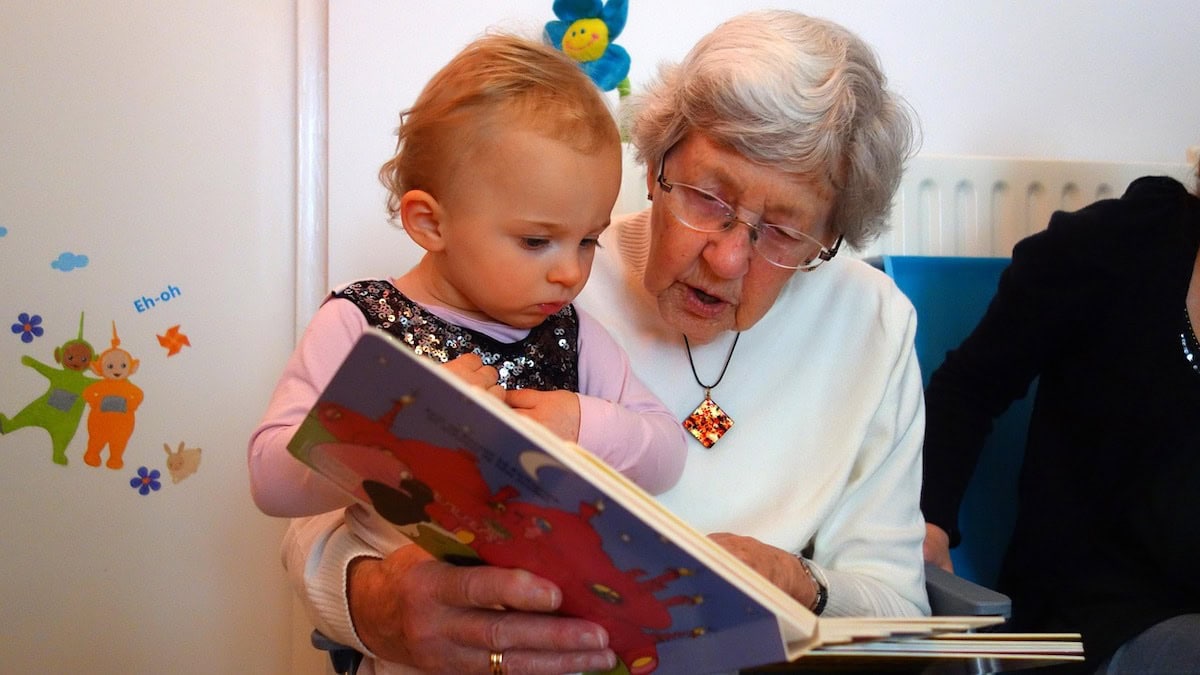
The Rise of Multigenerational Living
Multigenerational living is on the rise across the United States, with more families choosing to live with multiple generations under one roof. According to a Pew Research Center survey conducted in recent years, a quarter of adults in multigenerational households say their living situation provides financial stability, emotional support, and shared responsibilities.
The definition of a multigenerational home is a household where two or more adult generations, or grandparents and grandchildren, live together. These intergenerational living arrangements offer both benefits and challenges, but they are becoming an increasingly popular choice due to economic conditions, shifting cultural norms, and the desire for stronger family connections.

The History of Living in a Multigenerational Home
The history of multigenerational living dates back thousands of years and has been a dominant way of life in many cultures around the world. In earlier societies, many generations living under one roof was the norm, driven by economic necessity, agricultural lifestyles, and strong family bonds.
Ancient and Traditional Multigenerational Living
- Pre-Industrial Societies: In ancient times, extended families often lived in communal homes, sharing resources and responsibilities. This was particularly common in agrarian societies where farming and land ownership required collective labor.
- Asia and Africa: In many Asian and African cultures, multigenerational households have been a long-standing tradition. In countries like China and India, Confucian and Hindu values emphasize filial piety, meaning that younger generations are expected to care for their elders.
- Europe: In medieval Europe, large family estates had multiple generations who worked and lived together. This was especially common among peasants and aristocrats alike, as it ensured economic stability and labor support.
- Indigenous Communities: Many Indigenous cultures in North and South America have long practiced three or more generations living together. The idea of the “extended family” caring for one another has been deeply ingrained in their social structures.

The Benefits of Multigenerational Living
There are several benefits for both children and the elderly when they live in multigenerational households. This living arrangement fosters emotional, physical, and mental well-being for all generations involved.
Health Benefits for Children and Parents
- Emotional Stability & Security: Growing up with grandparents or other extended family members provides children with additional sources of love, support, and guidance, leading to increased emotional resilience.
- Improved Social Skills: Living with older relatives exposes children to diverse perspectives, enhancing their communication and empathy skills.
- Better Academic Performance: Studies suggest that children in multigenerational households gain from the wisdom and mentorship of older adults, which can contribute to better learning outcomes.
- Stronger Family Values & Cultural Connection: Children learn about family traditions, stories, and values firsthand, fostering a sense of identity and belonging.
- Lower Stress Levels: Having more caregivers in the home helps reduce pressure on parents, leading to a more relaxed and nurturing environment for children.
- Stress Reduction for Parents: Parents get relief from additional caregiving support, easing their workload and promoting work-life balance.
- Shared Wisdom & Perspective: The exchange of knowledge and life experiences fosters mutual learning and respect between generations.
- Lower Poverty Rates: Studies show that poverty is lower in multigenerational households because of shared financial contributions towards mortgages or rent, groceries and utilities.
Health Benefits for the Elderly
- Reduced Risk of Depression & Loneliness: Older adults living with younger family members experience more social interaction, reducing feelings of isolation and loneliness, which are common risk factors for depression.
- Improved Cognitive Function: Engaging with children stimulates memory and cognitive abilities, helping to slow cognitive decline and reduce the risk of dementia.
- Physical Activity & Mobility: Playing with children and participating in daily family activities keep elderly family members physically active, which can improve mobility and overall health.
- Sense of Purpose & Fulfillment: Taking part in caregiving, storytelling, or mentoring gives seniors a sense of purpose, boosting their emotional and mental well-being.
- Better Health Monitoring: Family members living in the same house ensures that seniors receive immediate assistance in case of medical emergencies, and their overall health is more closely monitored.
- Stronger Intergenerational Bonds: Children and seniors develop meaningful relationships that provide comfort and joy to both.
Overall, people living in multigenerational homes promotes holistic well-being, reinforcing the idea that different generations living together can lead to healthier, happier lives for all family members.

Challenges vs. Benefits of a Multigenerational Living Arrangement
While the multigenerational family household does provide significant advantages, it also comes with challenges. Generational differences in routines, expectations, and parenting styles can sometimes create tension among those living together. Adults in multigenerational households say that privacy and independence must be balanced carefully. However, with clear communication and intentional planning, families can make this arrangement work.
Multigenerational Home Design: Making It Work
To create a functional multigenerational household, families should consider:
- Separate Living Spaces: Private living areas or in-law suites help maintain personal boundaries.
- Shared Common Areas: Open kitchens, shared dining spaces, and multi-use living rooms foster family bonding.
- Flexible Layouts: Homes designed for multiple generations should be adaptable to changing needs over time.
Many families moving toward multigenerational living are investing in renovations to accommodate everyone living under one roof. These changes improve the overall living environment and make multigenerational housing more practical for all family members.
Generational Differences in a Multigenerational Household
Intergenerational differences are natural when multiple generations live in the same household. Parents living with adult children may have different expectations for household rules, while adult generations living in the same space might have varying views on finances and lifestyle choices.

A successful multigenerational living situation depends on:
- Respecting individual routines and responsibilities
- Finding common ground in household decisions
- Creating opportunities for independent and shared activities
Families in a multigenerational living arrangement often find that embracing these differences strengthens their relationships.

Multigenerational Living and the Adult Child
More Americans living in a multigenerational household today include adults living with a parent. The experiences of adults in multigenerational households reveal a range of benefits, from financial savings to enhanced family connections. Adults living in these environments often find that shared responsibilities lead to reduced living expenses, while the opportunity for intergenerational bonding strengthens familial ties. This growing trend highlights the value of multigenerational living as a practical and meaningful solution for families seeking both support and togetherness.
For parents living with an adult child, establishing clear expectations about finances, chores, and personal space is key to making adults living in multigenerational households work. Careful planning is required to ensure that both parents and adult children living together respect each other’s independence.
5 Tips On How to Live in Multigenerational Homes
- Respect Personal Boundaries: Ensure that each family member has private living areas and time for themselves.
- Encourage Open Communication: Regular family meetings can help resolve conflicts and improve relationships.
- Balance Communal and Private Time: Spend time together while respecting individual needs.
- Adapt to Changing Needs: A multigenerational home should evolve as family dynamics shift.
- Define Household Expectations: Openly discuss financial responsibilities, household tasks, and daily routines.

Multigenerational Families: A Future-Oriented Housing Solution
Multigenerational living isn’t simply about generations united under one roof; it goes beyond the idea of just accommodating family members of different ages. It is not about merely coexisting or tolerating one another’s presence, but fostering meaningful connections and mutual support across generations. While many Americans in multigenerational households are reshaping family dynamics, the experiences of adults in these homes show long-term benefits, from financial savings to intergenerational bonding.
As housing costs rise and family priorities shift, living in a home with three or more generations is becoming more common. This arrangement reflects a shift toward communal support systems and highlights a growing appreciation for the benefits it brings. More than a financial solution, multigenerational living creates an environment where shared responsibilities, reduced living expenses, and a stronger sense of community thrive. With careful planning, these households can offer a harmonious living space that fosters deeper connections among family members. Whether it’s adults living with parents, children living with a parent, or grandparents coming to live with extended family, multigenerational households are becoming a valuable and sustainable option for the future.
FAQ: Common Questions About Multigenerational Living
What does multigenerational living mean?
Multigenerational households are defined as homes where two or more adult generations live together, often including extended family members.
What are the main reasons for living in a multigenerational home?
The major reasons for their living arrangement include financial savings, caregiving support, and strong family connections.
What are the biggest benefits of multigenerational housing?
The benefit of living in a multigenerational home is a household that reduces living expenses, fosters emotional support, and creates opportunities for shared responsibilities.
How do families make a multigenerational situation work?
Tips for making it work include flexible living spaces, maintaining open communication, and setting clear expectations to ensure success.

Is multigenerational living better than living separately?
A multigenerational household isn’t for everyone, but it offers significant advantages over separate housing, particularly in terms of financial security and emotional well-being.
WANT TO READ MORE?
Need a vacation? Check out these great places to go with extended family!
CONNECT WITH DAILY MOM
💖 NEWSLETTER: DAILY READS IN YOUR INBOX 💖
Sign up to receive our picks for the best things to do, see and buy so you can relax and focus on more important tasks! Let us help you be the best version of yourself you can be!
BE SOCIAL WITH US
📌 LOVE IT? PIN IT!📌


