


Allergies can feel like a never-ending guessing game for parents. One day your kid is happily munching on a snack, and the next, they’ve got a rash, itchy lips and tongue, or worse. While peanut butter and pollen get all the attention, there’s a whole world of rare and uncommon allergens that can also wreak havoc. Ever heard of someone being allergic to avocado or even pork? Yep, those rare allergies a thing!
In this article, we’ll explore the most (un) common food allergies that could be affecting your little one that could be giving them an uncommon allergic reaction. From chamomile tea (seriously!) to unexpected food triggers like mangoes and gelatin, we’re diving into the surprising side of allergies. Plus, we’ll break down how these allergies can show up, how to spot them, and what you can do to keep your kid safe and symptom-free.
So, grab your coffee (unless you’re allergic to that too!) and let’s tackle the weird and wonderful uncommon cases of unusual allergies together.
Understanding Common Food Allergens in Kids
Allergies happen when your child’s immune system plays a game of overreaction. It mistakes something harmless, like a specific food or pollen, as a dangerous invader and kicks into defense mode. This leads to all those frustrating allergy symptoms such as rashes, sneezes, stomach trouble, or even serious reactions like trouble breathing.
Why Are Kids More Susceptible?
Kids are little explorers, constantly trying new foods and encountering new environments. Their immune systems are still maturing, which means they’re more likely to react to something unfamiliar. If there’s a family history of allergies, your child’s risk is even higher.
What Makes Rare Allergies Tricky to Spot?
Here’s the kicker: not all allergic reactions happen right away. Some symptoms can take hours or even days to show up! And when it comes to uncommon allergens, most parents aren’t even looking for them. Who thinks of chamomile tea as a culprit when your kid breaks out in a rash?
By understanding how allergies work and why they can sneak up on kids, you’re already one step closer to keeping your little one healthy and safe. Up next, let’s tackle the usual suspects—those common allergens most parents already have on their radar.

The Most Common Allergies and Their Symptoms
When it comes to allergic reactions in kids, there are some usual suspects that top the list. These common allergies are responsible for most reactions, and if you’re a parent of a kid with allergies, you’ve likely dealt with at least one of these.
Top Common Allergens in Kids
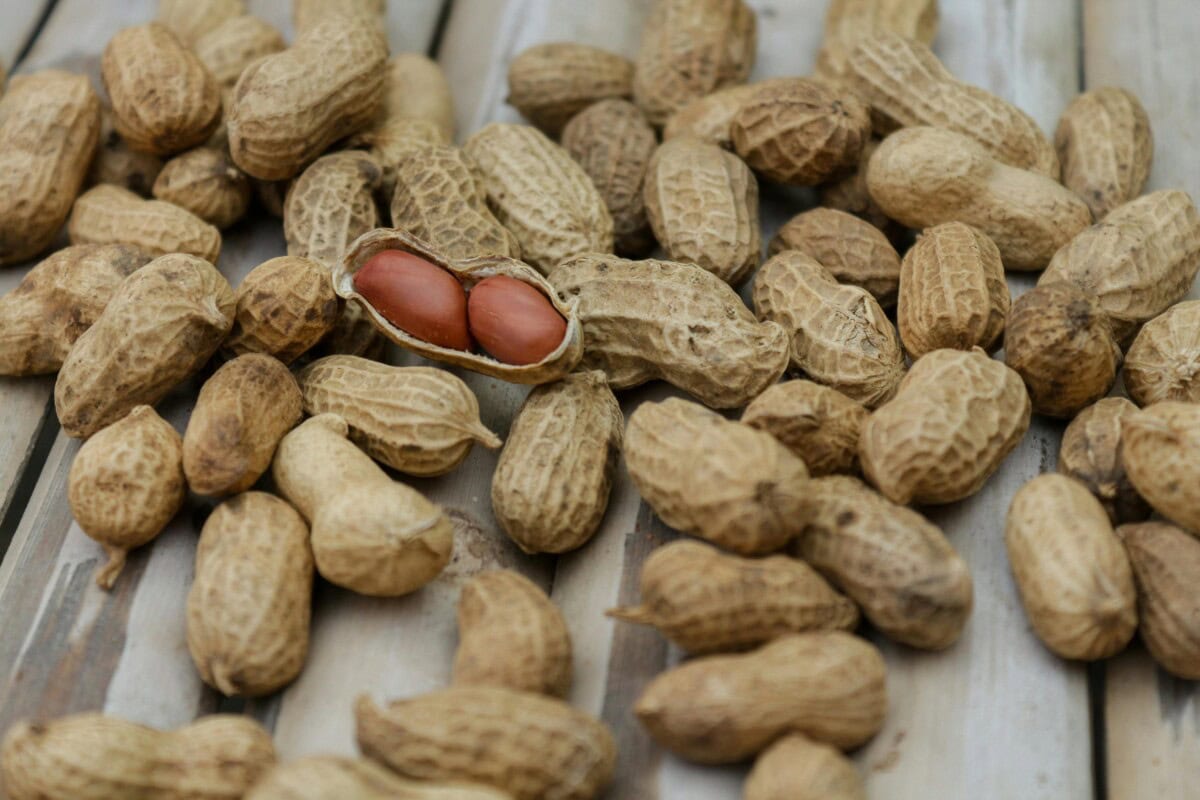
- Peanuts and Tree Nuts:
- Symptoms can include: Swelling, hives, difficulty breathing, or even anaphylaxis.
- Common settings: Birthday parties, school snacks, or hidden in desserts.
- Milk:
- Symptoms: Digestive issues, eczema, and respiratory symptoms.
- Often outgrown by age 5, but still a major concern for many young kids.
- Eggs:
- Symptoms: Skin reactions and digestive discomfort.
- Fun fact: Eggs can hide in baked goods and even vaccines.
- Wheat:
- Symptoms: Stomach upset, skin irritation, or respiratory trouble.
- Commonly confused with gluten sensitivity, but not the same thing.
- Soy:
- Symptoms: Rashes, digestive problems, or wheezing.
- Found in everything from baby formula to processed snacks.
- Shellfish and Fish:
- Symptoms include: Hives, stomach cramps, or severe anaphylaxis.
- Shellfish allergies tend to stick around for life, unlike some other allergies.
How These Allergens Affect Kids
Reactions and symptoms can range from mild to a severe allergic reaction, depending on the child and the amount of exposure. Even trace amounts can trigger a reaction in some kids, which is why reading labels and being vigilant is so important.
Managing Common Allergens
- At Home: Keep your kitchen allergen-free with substitutes like oat milk, sunflower seed butter, or egg replacers.
- At School: Be sure teachers and staff are aware of your child’s allergies, and provide an allergy action plan.
- When Eating Out: Call ahead to check menus, and always carry an epinephrine auto-injector just in case.

While these common allergens might get most of the attention, they’re just the tip of the iceberg. Up next, we’ll dive into the wild world of uncommon allergens that can take parents by surprise!

The Rarest Allergies in the World That Might Surprise You
When you think of allergies, peanuts and pollen probably come to mind. But what about things like chamomile tea or even meat allergies? These extremely uncommon allergies can be challenging, and they’re very real—and can be just as tricky to manage as the usual suspects. Some of the rarest allergies include things you might not have guessed!
Uncommon Allergies and Reactions: Avocado, Mango, Meat
- Avocado:
- Symptoms: Itchy oral area (a condition called oral allergy syndrome), stomach pain, or hives.
- Why It Happens: Often linked to latex allergy due to similar proteins.
- Watch For: Reactions to guacamole, smoothies, or skincare products containing avocado oil.
- Mango:
- Symptoms: Rash around the oral area (mango mouth), itching, or even swelling.
- Why It Happens: Mangoes are related to poison ivy, so the urushiol in their skin can trigger reactions.
- Watch For: Handling mangoes or eating them raw without peeling thoroughly.
- Chamomile:
- Symptoms: Skin rashes, nausea, or difficulty breathing.
- Why It Happens: Chamomile is part of the ragweed family, so it can trigger cross-reactions in kids with pollen allergies.
- Watch For: Herbal teas, lotions, or baby products containing chamomile.
- Pork:
- Symptoms: Stomach pain, hives, or anaphylaxis.
- Why It Happens: Linked to alpha-gal syndrome, a condition triggered by a tick bite.
- Watch For: Sausages, bacon, or any processed meat products.
- Gelatin:
- Symptoms: Hives, swelling, or stomach upset.
- Why It Happens: Found in marshmallows, gummies, and some vaccines.
- Watch For: Hidden gelatin in desserts, candies, and even medications.
Environmental and Cross-Reactive Allergens
- Latex-Related: Bananas, kiwis, and chestnuts may trigger reactions in kids allergic to latex.
- Corn: From corn syrup to popcorn, corn can cause rashes or stomach issues.
- Papaya: Less common, but it shares similar proteins with latex, leading to allergic reactions.
Why The Rarest Types of Allergies Are Tricky
The rarest allergies in the world are often harder to pinpoint because they’re not on most parents’ radar. These allergies can cause symptoms that can be delayed or subtle, like a mild itch or a vague tummy ache, making it tough to identify.
Understanding and Managing Rare Allergies
- Keep a diary to track patterns in indicators.
- Consult with an allergist for testing if you suspect something unusual.
- Always carry an epinephrine auto-injector for severe or unknown reactions.
While these extremely rare conditions can be challenging, and that these allergies affect only a small amount of people, knowing what to watch for can be all the difference. Next, we’ll dive into how to get a proper diagnosis and find effective treatments!

Diagnosis and Treatment of Uncommon Food Allergies
If you suspect you have rare allergies such as gelatin or mango, we suggest getting a proper diagnosis. Understanding what’s triggering you or your child’s symptoms can help you take the right steps to keep them safe and comfortable.
When to See a Doctor
It’s time to consult an allergist if:
- Your child has persistent rare allergic reaction indicators like rashes, hives, stomach pain, or breathing difficulties.
- Symptoms worsen over time or seem to appear after specific foods or exposures.
- You’ve noticed rare and unusual reactions to unexpected things like herbal teas, certain fruits, or processed meats.
How Allergies Are Diagnosed
- Skin Prick Tests:
- Tiny amounts of allergens are placed on the skin to check for reactions.
- Great for common allergens but can also help identify rarer triggers.
- Blood Tests:
- Measures antibodies (IgE) in response to specific allergens.
- Useful for diagnosing food and environmental allergies.
- Elimination Diets:
- Temporarily remove suspected allergens from your child’s diet.
- Reintroduce foods one at a time to see if any indicators return.
- Best done under a doctor’s guidance to ensure proper nutrition.
Treatment Options
- Avoidance:
- The best “cure” for allergies is steering clear of the triggers.
- This means reading labels carefully and being vigilant about hidden allergens.
- Medications:
- Antihistamines: Help with mild indicators like sneezing, itching, or hives.
- Corticosteroids: Reduce inflammation from more severe reactions.
- Epinephrine Auto-Injectors: A must-have for kids with severe or life-threatening allergies.
- Immunotherapy:
- Allergy shots or sublingual tablets to gradually reduce sensitivity over time.
- Mostly used for environmental allergies but occasionally offered for food allergies.
At-Home Management Tips
- Keep a journal to track triggers and reactions.
- Inform teachers, caregivers, and family members about your child’s allergies.
- Teach your child how to recognize indicators and speak up if they’re feeling unwell.
Diagnosing and managing allergies can feel overwhelming, but with the right support and tools, you’ll have a clear path forward. In the next section, we’ll explore how to empower your child and navigate life with allergies like a pro!

Empowering Your Allergic Child and Navigating Life
Raising a child with allergies comes with its challenges, but it’s also an opportunity to teach them confidence, independence, and self-advocacy. By equipping your child with the tools and knowledge they need, you’ll help them feel empowered rather than limited by their allergies.
Teaching Your Child About Their Allergies
- Know Their Triggers:
- Be sure your child understands what they’re allergic to and why it’s important to avoid those things. Use simple language for younger kids, like, “This food can cause your tummy hurt or give you a rash.”
- Recognize Symptoms:
- Teach your child to spot early signs of a reaction, such as an itchy mouth, a strange taste in their throat, or tummy trouble.
- Help them practice saying, “I don’t feel well” or “I think I’m having an allergic reaction.”
- Practice Safe Habits:
- Show them how to politely decline foods they’re unsure about. Role-playing scenarios can help build their confidence.
Navigating Social Situations
- At School:
- Work with teachers and school staff to create an allergy action plan.
- Provide safe snacks for classroom celebrations or field trips.
- Birthday Parties:
- Reach out to the host in advance to ask about food being served.
- Send your child with their own safe treats so they don’t feel left out.
- Dining Out:
- Teach your child to ask questions about ingredients or inform the server of their allergies.
- Stick to restaurants with allergy-friendly menus whenever possible.
Building Confidence in Your Child
- Focus on What They CAN Have: Instead of dwelling on restrictions, explore new foods or recipes that are safe and delicious.
- Encourage Open Communication: Let your child know it’s okay to speak up about their needs.
- Celebrate Their Wins: Whether it’s successfully navigating a party or avoiding a potential trigger, acknowledge their efforts and bravery.
Resources for Support
- Allergy-Friendly Brands: Look for companies specializing in allergen-free products, like Enjoy Life or MadeGood.
- Community Groups: Join online forums or local support groups for parents of kids with allergies to share tips and advice.
- Medical Support: Keep your child’s allergist informed about any changes in indicators or new concerns.
Life with allergies might require extra planning, but it doesn’t have to hold your child back. By fostering awareness and empowering them to take charge of their health, you’re setting them up for success. Allergies may be part of their story, but they don’t define who they are!

Thriving with Rare Allergies
Allergies are extremely frustrating and challenging. Managing and understanding rare allergies can feel overwhelming, but it’s essential for improving your child’s quality of life. Allergies can be triggered by common foods like avocado, mango, banana, or papaya, as well as not so common food allergies such as chamomile, pork, or gelatin. In rare cases, these unusual allergies can range from mild itching to severe allergic reactions.

The rarest allergies known, like a rare food allergy to certain proteins or another rare allergy involving chamomile tea, are incredibly rare conditions that affect only a small percentage of people. Symptoms of an allergic reaction can include anything from a rash to difficulty breathing. Diagnosing rare allergies and intolerance often involves understanding the allergy triggers, as symptoms can range from mild discomfort to life-threatening reactions in people with this allergy.
Even with uncommon allergies and rare conditions like the rarest type of allergy, it’s possible to manage allergy symptoms and improve day-to-day living. Whether you’re dealing with common allergies like peanut or milk, or one of the rarest allergies in the world, understanding the symptoms and working with a specialist is key. Allergies are often unique to each individual, but knowing what symptoms to look for can be all the difference. Remember, if you suspect you have a rare allergy, consulting with an allergist can help you find the right treatment and avoid allergy triggers.
WANT TO READ MORE?
Check out How To Handle Postpartum Food Allergies
CONNECT WITH DAILY MOM
💖 NEWSLETTER: DAILY READS IN YOUR INBOX 💖
Sign up to receive our picks for the best things to do, see and buy so you can relax and focus on more important tasks! Let us help you be the best version of yourself you can be!
BE SOCIAL WITH US
📌 LOVE IT? PIN IT!📌


