


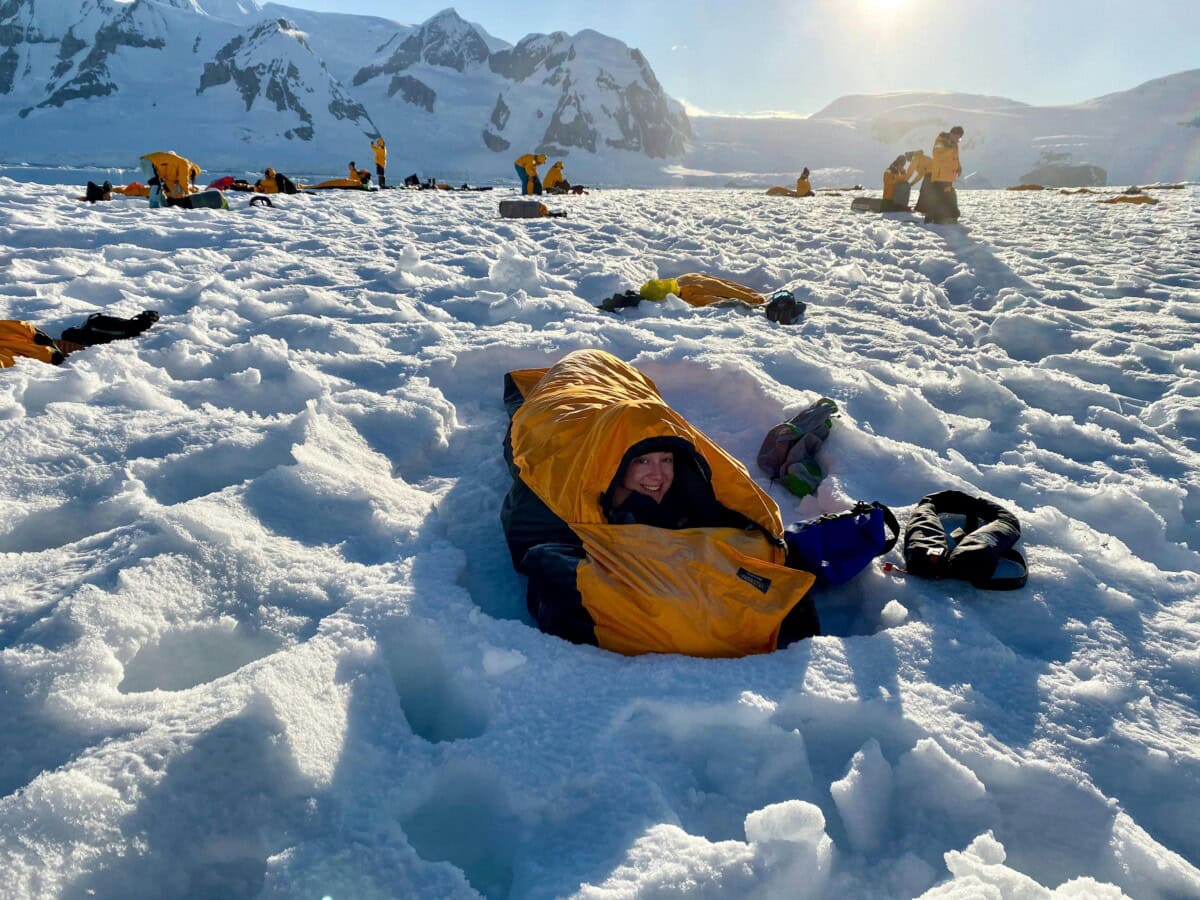
Here’s something that sounds crazy: packing for “summer” in Antarctica means preparing for temperatures that would make most people shiver in their winter coats. Antarctic summer runs from November through March, when temperatures hover around 32°F (0°C) on the peninsula – hardly what most folks call summer weather. This comprehensive guide reveals exactly what Antarctica clothes to wear and how to pack smart for the adventure of a lifetime.
This article covers everything from base layer essentials to waterproof jacket selection, ensuring you stay warm and dry during every zodiac excursion and expedition ship exploration. Whether you’re planning an antarctic cruise or arctic expedition, these packing strategies will keep you comfortable while witnessing some of Earth’s most spectacular polar landscapes.
What to Pack for Antarctica: The Ultimate Preparation Guide
Antarctic summer conditions create unique challenges that require specific gear choices. While the sun shines nearly 24 hours a day during peak season, temperatures rarely climb above freezing, and weather can change from calm to stormy within minutes. The key to successful antarctica packing lies in understanding that conditions vary dramatically between onboard comfort and shore excursion exposure.
Proper preparation for extreme conditions means thinking beyond typical vacation packing. The remote location means no shopping opportunities once you arrive – everything needed must come with you. Smart travelers pack for antarctica by focusing on versatile pieces that work across multiple scenarios, from formal dining aboard the expedition ship to wet zodiac landings on icy shores.
Most cruise companies provide detailed packing lists, but these often lack the nuanced advice that makes the difference between comfort and misery. The best approach combines expedition-tested gear with practical cruise considerations,ensuring you’re prepared for both the adventure aspects and shipboard social activities.
Essential Antarctica Clothes to Wear: Your Foundation Wardrobe
Temperature ranges in Antarctica during summer typically span from 14°F to 32°F (-10°C to 0°C), with wind chill factors that can make it feel much colder. Understanding these conditions helps determine what clothes for antarctica actually work in practice. The philosophy centers on versatile layers that adapt to changing conditions throughout each day.
Weather patterns shift rapidly, meaning the right clothes must handle everything from bright sunshine to blowing snow within hours. Successful antarctic clothing strategies focus on moisture management and temperature regulation rather than simply staying warm. This approach ensures comfort during active excursions while preventing overheating during less strenuous activities.
The foundation wardrobe philosophy emphasizes quality over quantity. Rather than packing multiple heavy items, smart travelers choose fewer pieces that work together seamlessly. This strategy reduces luggage weight while providing maximum versatility for varying conditions and activities.
Mastering the Windproof Layer System for Antarctic Success

The three-layer system forms the backbone of effective polar dressing. Base layers manage moisture, insulating layers provide warmth, and outer layers protect against wind and precipitation. This system allows fine-tuning of body temperature throughout varying activity levels and weather conditions.

How layering works in extreme cold involves understanding each layer’s specific function:
- Base layer: Merino wool or synthetic materials that wick moisture away from skin
- Insulating layer: Fleece or down that traps warm air close to the body
- Outer layer: Waterproof and windproof shell that blocks external elements
The beauty of proper layering lies in its adaptability – add or remove pieces as conditions change. During zodiac excursions, all three layers might be necessary, while onboard activities may require only base and insulating layers. This flexibility prevents both overheating and getting cold during different parts of each day.
Base Layer Essentials: Your First Line of Defense
Moisture-wicking materials form the foundation of staying warm in antarctica. Synthetic fabrics and merino wool excel at moving sweat away from skin, preventing the clammy feeling that leads to rapid heat loss. Cotton clothes should be avoided entirely, as they retain moisture and lose insulating properties when wet.
Wool versus synthetic options each offer distinct advantages. Merino wool provides natural odor resistance and retains warmth even when damp, making it ideal for multi-day wear. Synthetic base layers dry faster and often cost less, though they may develop odors more quickly during extended use.
Pack at least two pairs of base layer tops and bottoms to ensure a dry set is always available. Thermal underwear should fit snugly without restricting movement, allowing for comfortable layering of additional pieces. The best base layer pieces feature flat seams and tagless construction to prevent chafing during active excursions.
The Perfect Arctic Cruise Gear Selection Strategy
Quality versus quantity represents the fundamental decision when selecting antarctica gear. Investing in fewer, high-quality pieces proves more effective than packing multiple mediocre items. Professional expedition guides consistently recommend this approach, as reliable gear can mean the difference between comfort and misery in harsh conditions.
Multi-purpose items should be prioritized to maximize luggage space efficiency. A fleece jacket that works as both an insulating layer and casual onboard wear eliminates the need for separate pieces. Similarly, pants that transition from hiking to dining reduce overall packing requirements while ensuring appropriate attire for all activities.
The most successful gear strategies focus on proven brands and tested designs rather than the latest trends. Expedition veterans often stick with time-tested equipment that has performed reliably in polar conditions. This conservative approach minimizes the risk of gear failure during critical moments.
Complete Antarctica Packing List by Category to Wear on Board


Clothing essentials form the core of any successful antarctica packing list:
Upper Body:
- Waterproof jacket (expedition-grade)
- Insulating parka or fleece jacket
- Base layer tops (merino wool recommended)
- Mid-layer fleece or soft shell

Lower Body:
- Waterproof pants
- Insulating pants or fleece legging
- Base layer bottoms (thermal)
- Casual pants for onboard wear
Extremities:
- Waterproof gloves and liner gloves
- Warm hat and sun hat
- Wool socks (multiple pairs)
- Waterproof boots (often provided by cruise operator)
Technical gear requirements extend beyond clothing to include essential accessories. Sunglass with UV protection are mandatory due to intense reflection off snow and ice. A quality backpack for day excursions should be waterproof and sized appropriately for camera gear and personal items.
Personal items often forgotten include lip balm with SPF protection, sunscreen (high SPF), and personal medications. The dry air and intense UV reflection in Antarctica create unique skin care challenges that require specific preparation.Documentation requirements include passport, travel insurance, and any medical clearances required by the cruise operator.
How to Pack Antarctica Gear: Luggage Strategy and Organization
Luggage recommendations for polar travel differ significantly from typical vacation packing. Soft-sided duffel bags work better than hard cases for expedition cruise travel, as they’re easier to store in small cabin spaces. Most cruise companies specify luggage restrictions, typically limiting passengers to one large bag plus carry-on items.
Packing techniques for cold weather gear require strategic organization. Roll clothing items tightly to maximize space, and use compression sacks for bulky items like fleece jackets. Placing heavier items at the bottom of luggage helps prevent wrinkles in lighter pieces.
Smart organization involves packing one complete outfit in carry-on luggage in case checked bags are delayed. This should include base layers, insulating pieces, and essential accessories. Keeping essential items accessible prevents the frustration of digging through packed luggage during the journey.
What to Wear in Antarctica: Daily Outfit Planning

Onboard versus shore excursion dressing requires different approaches to clothing selection. Expedition ships typically maintain comfortable temperatures, allowing for casual dress during sea days. However, shore excursions demand full polar gear to handle harsh outdoor conditions.
Activity-specific clothing needs vary significantly throughout each day:
Zodiac Excursions:
- Full waterproof outer layer
- Insulating middle layer
- Moisture-wicking base layer
- Waterproof gloves and boots

Onboard Activities:
- Casual pants and fleece or sweater
- Comfortable shoes
- Layers for temperature adjustment
Formal Nights:
- Dressy casual attire (most ships avoid formal requirements)
- Sweater or jacket for air-conditioned spaces
The key to successful daily dressing lies in preparation the night before. Checking weather forecasts and planned activities allows for appropriate clothing selection without morning rush.
Must-Have Items to Bring to Antarctica
Non-negotiable essentials for any trip to antarctica include items that ensure safety and comfort in extreme conditions. A high-quality waterproof jacket stands as the single most important piece of gear, protecting against wind, snow, and spray during zodiac landings and shore walks.
Waterproof gloves or mittens are equally critical, as exposed hands lose dexterity quickly in cold conditions. Many travelers pack both options – gloves for photography and detailed tasks, mittens for maximum warmth during extended outdoor exposure.
Items often forgotten but essential for comfort include:
- Extra batteries for cameras (cold drains power quickly)
- Lens cleaning cloths for camera gear
- Hand and foot warmers for extreme conditions
- Duct tape for emergency gear repairs
- Seasickness medication (even for good travelers)
Recommend bringing backup options for critical items like gloves and hats. Getting wet or losing essential gear during early excursions can ruin the entire experience.
Arctic vs Antarctic: Understanding the Polar Differences

Climate comparison between arctic and antarctic regions reveals important packing distinctions. Arctic expeditions often encounter different weather patterns and wildlife interaction opportunities. While both regions require similar base approaches to layering, specific gear choices may vary.
Arctic cruise conditions typically involve less extreme temperatures but more variable weather patterns. Wildlife viewing opportunities may require different camera gear strategies and longer periods of stationary observation. Understanding these differences helps travelers pack appropriately for their specific polar destination.
The fundamental principles of layering and moisture management apply to both regions, but equipment selection should match the specific conditions expected during travel dates and planned activities.
Your Comprehensive Antarctica Packing List
This detailed checklist ensures nothing essential gets forgotten:
Essential Clothing:
- Waterproof jacket and pants
- Insulating parka or heavy fleece
- Base layers (merino wool preferred)
- Warm hat and sun hat
- Waterproof gloves and liner gloves
- Wool socks (4-6 pairs)
- Warm, waterproof boots
Technical Equipment:
- Sunglasses with UV protection
- Sunscreen (SPF 30+)
- Camera gear with extra batteries
- Waterproof backpack
- Binoculars
Personal Items:
- Seasickness medication
- Personal medications
- Toiletries and lip balm
- Travel documents
- Travel insurance information
The complete antarctica packing approach involves checking items off systematically while considering weight restrictions and space limitations.
Smart Luggage Solutions for Polar Travel
Bag recommendations for expedition cruises prioritize functionality over appearance. Soft duffel bags with wheels handle the rigors of expedition travel better than hard-sided luggage. Most expedition ships have limited storage space, making compressible luggage essential.
Weight restrictions vary by cruise operator but typically range from 44-50 pounds for checked luggage. Planning within these limits requires careful selection of essential items while eliminating unnecessary additions. The best strategy involves weighing luggage before departure to avoid expensive overweight fees.
Packing cubes and compression sacks help organize gear while maximizing space efficiency. These tools allow quick access to specific items without unpacking entire bags.
Complete Expedition Packing List for Antarctic Adventures

Professional expedition standards guide the most reliable packing approaches. Research station approved items represent the gold standard for polar gear selection. These standards prioritize safety and functionality over comfort or appearance.
Expedition leaders consistently recommend investing in quality gear from proven manufacturers. Brands like Patagonia, Arc’teryx, and Canada Goose earn repeated recommendations for their performance in extreme conditions.
The expedition packing list philosophy emphasizes redundancy for critical items while minimizing overall weight. This approach ensures essential gear availability even if pieces are lost or damaged during travel.
Choosing the Right Jacket for Antarctic Conditions
Insulation types for antarctica jackets fall into two main categories: down and synthetic. Down provides superior warmth-to-weight ratio but loses insulating properties when wet. Synthetic insulation maintains warmth when damp but weighs more and compresses less efficiently.
Features to look for in a jacket for Antarctica include:
- Waterproof/breathable outer shell
- Adjustable hood that fits over hat
- Multiple pockets with secure closures
- Ventilation zippers for temperature control
- Reinforced areas subject to wear
The ideal antarctica clothing system includes both a waterproof shell and insulating layer, allowing adaptation to varying conditions throughout each day.
Antarctica Expedition Cruise Packing Specifics
Cruise-specific considerations include dress codes for dining and social activities. Most expedition ships maintain casual dress standards, avoiding formal night requirements. However, some level of dressy casual attire is appropriate for captain’s receptions and farewell dinners.
Formal night preparations on antarctica cruises typically require only sweaters or nice shirts rather than suits or dresses. The focus remains on comfort and practicality rather than formal elegance.
Cabin storage limitations influence packing strategies significantly. Expedition ship cabins offer minimal closet space, making efficient packing and organization essential for comfort during the voyage.
Essential Waterproof Protection for An Arctic Expedition
Rain gear necessity extends beyond simple precipitation protection. Waterproof layers protect against wind, spray from zodiac boats, and blowing snow during shore excursions. The multi-purpose nature of quality waterproof gear makes it invaluable throughout the expedition.
Waterproof ratings explain the technical specifications that determine gear performance:
- 5,000mm rating: Light rain protection
- 10,000mm rating: Moderate conditions
- 20,000mm+ rating: Extreme weather protection
Antarctic conditions typically require the highest waterproof ratings available. The investment in quality waterproof protection pays dividends in comfort and safety during every excursion.
Polar Expedition Clothes For Antarctica: Professional Standards

What expedition leaders recommend consistently focuses on proven performance over fashion considerations. Safety-first approach to gear selection means prioritizing function over form in every decision. Professional guides stake their reputations on reliable equipment recommendations.
Expedition clothing standards emphasize:
- Moisture management capabilities
- Durability under extreme conditions
- Versatility across multiple uses
- Proven performance in polar environments
The professional standard approach eliminates guesswork by following guidelines developed through extensive field experience.
What Clothes You Need To Bring for Antarctica That Actually Work Best
Tested and proven items earn recommendations through real-world performance rather than marketing claims. Outdoor clothing that has succeeded in antarctica represents the most reliable choices for future travelers. These pieces have demonstrated their worth through countless expeditions.
Brand recommendations from experienced polar travelers consistently include:
- Patagonia for base layers and fleece
- Arc’teryx for waterproof shells
- Smartwool for merino wool socks
- Canada Goose for insulating parkas
The most reliable gear choices combine technical performance with durability that withstands repeated use in harsh conditions.
Key Packing Principles for Antarctic Excursion Success
Remember these essential points for successful Antarctica packing:
- Layer system mastery: Base, insulating, and outer layers work together for optimal temperature control
- Quality over quantity: Invest in fewer, high-performance pieces rather than multiple mediocre items
- Waterproof protection: Essential for every excursion and zodiac landing
- Merino wool base layers: Superior moisture management and odor resistance
- Versatile gear selection: Choose pieces that work for multiple activities and conditions
- Pack redundancy: Bring backup gloves, hats, and socks for critical protection
- Weight consciousness: Stay within luggage limits while including all essentials
- Professional recommendations: Follow expedition guide advice over marketing claims
Your trip to antarctica represents a once-in-a-lifetime adventure that deserves proper preparation. The right clothes and gear ensure comfort and safety while allowing full enjoyment of this incredible polar experience. Start planning and packing early to ensure the best possible expedition experience awaits.
FAQs
What should I need to pack for my trip to Antarctica?
For your trip to Antarctica, you need to pack essential items such as a waterproof jacket, thermal layers, fleece pants, and waterproof footwear. A comprehensive packing list for Antarctica should also include gloves, hats, and sunscreen.
What type of waterproof jacket is best for an Arctic expedition?
The best waterproof jacket for an Arctic expedition should be breathable, insulated, and have a good fit to wear under your waterproof outer layers. Look for jackets that also provide windproof features to protect against harsh weather in Antarctica.
What are some important pieces of clothing to wear on board during a cruise to Antarctica?
On board during your cruise to Antarctica, it’s advisable to wear comfortable layers, including thermal tops, fleece layers, and waterproof pants. You may also want to pack some casual clothing for indoor activities.
What should I wear during excursions in Antarctica?
During excursions in Antarctica, you should wear a base layer, a mid-layer such as fleece, and an outer layer that is waterproof and windproof. Don’t forget insulated gloves and a warm hat to keep comfortable during your adventures.
Do I need to bring special shoes to wear for visiting Antarctica?
Yes, you need to bring waterproof boots that are suitable for walking on snow and ice. These shoes to wear should provide good traction and insulation to keep your feet warm and dry during your excursions.
How should I layer my clothing for an Arctic cruise?
For an Arctic cruise, you should layer your clothing by starting with a moisture-wicking base layer, followed by an insulating mid-layer like fleece, and finishing with a waterproof and windproof outer layer. This layering will help you adapt to changing weather conditions.
What items do children need to bring for an Antarctica tour?
Children need to bring similar items as adults for an Antarctica tour, including a waterproof jacket, thermal clothing, and insulated boots. Make sure their clothing is comfortable and allows for easy movement during excursions.
What is the weather in Antarctica like and how should it affect my packing list?
The weather in Antarctica can be extremely cold and windy, with temperatures often below freezing. Your packing list for Antarctica should reflect this by including layers of clothing, a high-quality waterproof jacket, and thermal gear to stay warm during your Arctic expedition.
What gear do I need to pack for an Arctic expedition?
For an Arctic expedition, you need to pack a variety of gear including a waterproof jacket, insulated pants, thermal underwear, waterproof boots, gloves, and hats. It’s crucial to choose high-quality items that will keep you warm and dry during your adventures.
What are some essentials to want to pack for an excursion in Antarctica?
Essentials to want to pack for an excursion in Antarctica include a sturdy waterproof jacket, insulated gloves, a warm hat, and layers of clothing. Don’t forget your camera and binoculars to capture the stunning landscapes and wildlife during your travels.
What do I need to bring for a trip to Antarctica?
For a trip to Antarctica, you need to bring essential items such as a waterproof jacket, thermal layers, insulated pants, gloves, a warm hat, and sturdy waterproof boots to ensure comfort during your excursions.
How should I pack for an Antarctica cruise?
When packing for an Antarctica cruise, consider a packing list for Antarctica that includes thermal base layers, fleece pants, a windproof outer layer, and accessories like hats and gloves. Don’t forget to wear under your waterproof jacket for maximum insulation.
What type of shoes should I wear on board during my Arctic expedition?
While on board during your Arctic expedition, you should wear comfortable shoes that are easy to take on and off. Waterproof boots are essential for excursions on land, but indoors, you can opt for casual, warm footwear.
What layers of clothing do I need for visiting Antarctica?
For visiting Antarctica, you need to pack multiple layers of clothing, including moisture-wicking base layers, insulating mid-layers like fleece, and a waterproof and windproof outer layer to protect against the cold weather in Antarctica.
What can I expect from the weather in Antarctica?
The weather in Antarctica can be extremely cold and unpredictable, with temperatures often dropping below freezing. It’s essential to prepare for various conditions and be ready for wind, snow, and rain during your excursions.
Are there specific clothing items recommended for excursions in Antarctica?
Yes, for excursions in Antarctica, it’s important to wear waterproof and windproof clothing, such as a quality waterproof jacket, insulated pants, and sturdy waterproof boots to keep you warm and dry during your activities.
What children’s gear do I need to pack for a trip to Antarctica?
For children on a trip to Antarctica, you should pack similar gear to adults, including a waterproof jacket, warm layers, insulated pants, and durable shoes. Ensure that their clothing fits well to keep them comfortable during excursions.
How many pieces of clothing should I pack for an Arctic cruise?
The number of pieces of clothing you should pack for an Arctic cruise can vary, but generally, aim for several thermal layers, a couple of waterproof jackets, a few pairs of pants, and multiple accessories like hats and gloves, ensuring you have enough for both on-board and excursions.
What items do I want to pack for an Arctic expedition?
For an Arctic expedition, you want to pack items such as thermal base layers, a windproof jacket, waterproof pants, insulated gloves, and a warm hat. Don’t forget sunscreen and sunglasses to protect against the sun’s reflection on the ice.
You might also be interested in…
Want some more cold weather gear ideas for you and the family? Check out this link to 21 Best Finds In Cold Weather Gear For Families This Season!
CONNECT WITH DAILY MOM
💖 NEWSLETTER: DAILY READS IN YOUR INBOX 💖
Sign up to receive our picks for the best things to do, see and buy so you can relax and focus on more important tasks! Let us help you be the best version of yourself you can be!
BE SOCIAL WITH US
📌 LOVE IT? PIN IT!📌


