
































Parenting nowadays is undergoing a remarkable transformation. The days of strictly defined parental roles, where one parent worked outside the home while the other stayed at home, are becoming less common. Families today are embracing contemporary parenting styles, finding new ways to share responsibilities and ensure both parents play an active role in nurturing their children.

This shift isn’t just a fleeting tendency; it’s a movement toward more balanced and fulfilling family dynamics. The benefits of equal parenting extend far beyond household chores—it fosters emotional well-being for both parents and children, encourages teamwork, and challenges outdated societal expectations.
The Shifting Landscape of Family Dynamics on Parenting Nowadays
The conventional parenting method that dominated previous decades has undergone a remarkable transformation. Where once clearly defined gender roles dictated family responsibilities, modern approaches emphasize flexibility and leveraging individual strengths, regardless of gender. This evolution reflects changing workplace dynamics, economic necessities, and evolving cultural attitudes about family structures.
Innovative parenting approaches increasingly recognize that both mothers and fathers bring valuable, complementary skills to child-rearing. According to recent studies, fathers now spend approximately three times as many hours engaged in childcare activities as their counterparts did in the 1960s. This significant increase reflects a broader understanding that children benefit tremendously from having meaningful relationships with both parents, rather than just the mother as the primary caregiver.
Statistics on changing family structures and role distribution between parents
Recent research highlights the evolving nature of family dynamics. According to the Pew Research Center, parents today are more involved in their children’s upbringing than previous generations. In dual-income households, fathers are spending significantly more time with their kids than they did decades ago.
Additionally, studies have shown that equal parenting improves the mental health of both partners. Parents who share responsibilities report lower stress levels and higher satisfaction in their family life. These findings emphasize the importance of shifting away from outdated models toward a more balanced approach.
The rise of the involved dad in family life
Gone are the days when fathers were expected to take a backseat in childcare. Today’s generation of parents sees dads playing an increasingly hands-on role, from attending school events to handling daily routines.
This involvement benefits children tremendously. When both parents actively participate in bringing up their children, it strengthens emotional bonds and provides positive role models for them to emulate. The direction of involved fathers reflects a broader cultural movement toward fairness and collaboration in family life.
Understanding New Innovative Parenting Method
Innovative parenting techniques encompass a broad spectrum of philosophies, each offering different perspectives on discipline, communication, and child development. Understanding these varied approaches helps families make informed choices that align with their values, while recognizing that there is no one-size-fits-all solution for raising children. Parents today often blend elements from multiple approaches rather than strictly adhering to a single philosophy.
Overview of prevalent approaches

Parenting has never been a one-size-fits-all concept, and current parenting practices reflect a diverse range of approaches. Some parents adopt authoritative methods, which balance warmth with structure, while others lean into permissive parenting, where children have more freedom with fewer limitations.
The landscape of parenting today is shaped by evolving philosophies. Parents who emphasize emotional connection and communication often follow gentle parenting, a method centered on empathy and mutual respect. This approach contrasts sharply with more traditional, hierarchical models, offering a refreshing alternative to outdated notions of discipline.
Gentle parenting philosophy and principles
Gentle parenting is a growing pattern among parents today, who seek a more mindful approach to raising their children. This method focuses on guiding children through understanding rather than punishment. Instead of harsh discipline or strict rules, parents foster cooperation, teaching children emotional regulation and respect for others.
While critics argue that gentle parenting lacks structure, research suggests that it nurtures emotionally secure and confident children. Parents adopting this approach often emphasize patience, leading by example rather than imposing strict consequences. This method fosters resilience, self-discipline, and mutual respect between parents and children.
Authoritative vs. permissive approaches
When it comes to parenting techniques, parents often struggle to find the right balance between structure and freedom. Authoritative parenting fosters independence while maintaining clear boundaries, ensuring that children understand expectations but feel supported in expressing themselves. On the other hand, permissive parenting allows children more autonomy but may lead to struggles with enforcing necessary discipline.
The key lies in adaptability; what works for one family may not suit another. Parents navigating innovative parenting must assess their child’s individual needs while considering their values. Blending elements of different approaches often yields the most effective results in raising children with a balance of guidance and independence.
Evidence-based parenting methods
Parenting has become increasingly informed by research, with experts weighing in on best practices for child development. Studies highlight the importance of responsiveness, consistency, and positive reinforcement in shaping well-adjusted children. The center’s American Trends Panel has conducted research examining how parents engage in parenting today, revealing insights into the evolving landscape.
Evidence-backed strategies include fostering secure attachments, engaging in meaningful conversations with children, and promoting autonomy through supportive encouragement. These methods empower parents to make informed decisions, ensuring they bring their children up in a way that aligns with their family’s values and emotional needs.
How do these methods promote equality between parents
Regardless of which approach parents take, the foundation of current parenting techniques is shared responsibility. Equal parenting relies on collaboration, ensuring that both partners contribute to the nurturing, education, and guidance of their children.
When parents align on a parenting method, they create a seamless dynamic that reduces stress, fosters teamwork, and strengthens family bonds. Striking this balance encourages mutual respect, with both parents playing an active role rather than defaulting to traditional expectations.
Why do many parents today feel overwhelmed by conflicting advice

The abundance of parenting advice, from books to social media, can leave parents feeling torn between contradictory recommendations. Some experts advocate for strict boundaries, while others promote a more lenient approach, making it difficult for many parents to determine what works best.
Rather than chasing the perfect formula, parents benefit from trusting their instincts and adapting strategies to their unique circumstances. Recognizing that parenting is an evolving journey and that no single method guarantees success can help alleviate the pressure of perfection.
Common Challenges in Equal Parenting: What made it harder than they expected to share

For all its benefits, equal parenting is rarely as straightforward as splitting tasks evenly. Many couples find that equal parenting is more complicated than they expected. While the intention to share responsibilities may be there, balancing careers, household duties, and emotional support often creates unexpected friction. Parents today may feel stretched thin trying to keep up with daily demands while maintaining a strong connection as a team.
- Balancing Work and Home: Both mothers and fathers manage full-time jobs while also handling school runs, bedtime routines, and everything in between.
- Emotional Labor Load: One parent may still take on the invisible tasks, like keeping track of doctors’ appointments or remembering birthdays.
- Differences in Approach: Varying parenting instincts can lead to arguments if not communicated properly.
Mental load is a very real issue in parenting today, affecting both parents and caregivers. Add in mental health concerns, and it becomes even more critical to check in with one another regularly. Layer that with packed schedules full of extracurricular activities, and it’s easy to see why so many families struggle to find meaningful downtime. When both parents with children younger than 18 are giving their all, learning how to deal with stress and differing expectations becomes essential, not just for the parents, but for the well-being of the entire household.
Right Practical Strategies for Equal Parenting
Communication techniques for parents to align on expectations
One of the most crucial elements of equal parenting is effective communication. Without a shared understanding, responsibilities can become unbalanced, leading to frustration and misunderstandings.
- Regular check-ins – Setting aside time for honest discussions about household and parenting duties helps prevent resentment.
- Listening actively – Acknowledging each parent’s concerns fosters collaboration rather than conflict.
- Compromising when needed – Parenting instincts may differ, but finding middle ground strengthens the partnership.
How to establish the proper division of responsibilities
Equal parenting isn’t about splitting duties exactly down the middle, and it’s about creating a fair balance that works for both parents. Every family dynamic is different, and flexibility is key.
- Recognizing strengths – If one parent excels in organization while the other enjoys playtime, structuring tasks accordingly improves efficiency.
- Setting realistic expectations – A rigid 50/50 split isn’t always possible; focusing on teamwork is more important than an exact division.
- Adjusting over time – Family needs evolve, and parents must be willing to reassess their roles as children grow.
Ways to support each other when one parent is overwhelmed
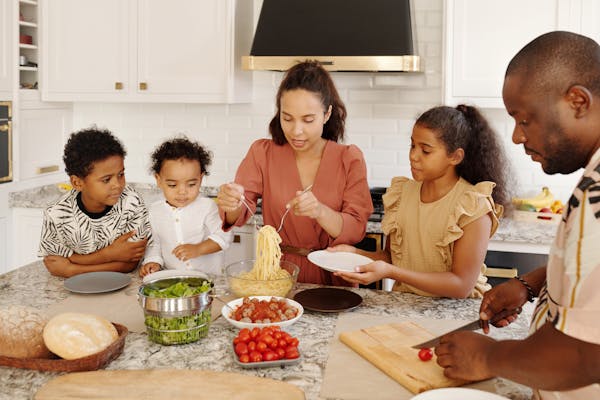
Parenting can be exhausting, and sometimes one partner feels stretched too thin. Instead of assuming roles are fixed, stepping in to support each other prevents burnout.
- Offering emotional support – A simple check-in or words of encouragement can make a big difference.
- Taking over tasks when needed – If one parent has an overwhelming week, shifting responsibilities temporarily helps maintain balance.
- Encouraging self-care – Parents need breaks too; making time for relaxation benefits the entire family.
Tools for sharing household and childcare tasks equitably
Technology can be a game-changer in equal parenting, offering solutions that help organize responsibilities efficiently.
- Shared calendars – Digital planners help track schedules for school, extracurricular activities, and family commitments.
- Task management apps – Assigning and dividing chores through apps ensures accountability.
- Meal planning tools – Preparing meals together every week saves time and reduces stress.
New approaches to family meetings and decision-making
Creating structured opportunities to discuss family matters ensures that both parents and even children have a say in key decisions.
- Weekly family meetings – Gathering to talk about upcoming schedules, concerns, and goals keeps communication open.
- Encouraging children’s input – Allowing kids to contribute to decision-making teaches responsibility.
- Problem-solving together – Tackling challenges as a team strengthens the family dynamic.
Gentle Parenting Impact on Children

When families commit to equal parenting, the effects ripple far beyond the adults, directly shaping how children grow, think, and relate to the world. Children raised by parents who share duties and decisions tend to view caregiving as a partnership, rather than a one-sided responsibility. This fosters powerful modeling for children growing up in a home where respect, fairness, and teamwork are integral to everyday life.
- Stronger Emotional Health: Kids benefit from consistent nurturing by both caregivers.
- Balanced Worldview: Observing both parents handle emotions, discipline, and fun helps children learn that parenting is not based on traditional gender roles.
- Improved Life Skills: When children participate in household chores or family budgeting, they develop an understanding of the value of a dollar and the importance of shared responsibility.
Interestingly, this generation of parents is more aware of what their predecessors got right and where they fell short. While older techniques focused on discipline and obedience, today’s families are increasingly attuned to emotional intelligence and connection. Parents say they are raising their children with a greater awareness of mental health, boundaries, and practical life skills, such as financial independence. These intentional choices not only prepare kids for adulthood but also help break cycles that no longer serve modern families.
Overcoming Societal Expectations For Many Parents Today
Addressing the lingering expectations of the primary mom role
Despite the rise of equal parenting, many families still face societal pressure for mothers to take on a primary caregiving role. Cultural norms, workplace expectations, and even family traditions can make it difficult for moms to step away from this outdated assumption.
- Challenging gender stereotypes – Recognizing that both parents are capable caregivers helps break traditional molds.
- Encouraging workplace policies – Advocating for parental leave policies that support fathers in caregiving roles is essential.
- Normalizing shared parenting – Openly discussing equal parenting can help shift societal views.
How countless parents are breaking traditional molds
Today’s parents are rewriting the rules for nurturing their children, rejecting rigid roles and creating systems that work for their families.
- Flexible work arrangements – More parents opt for remote work or adjusted schedules to share parenting responsibilities.
- Balancing emotional labor – Both parents take on emotional support roles rather than placing the burden on one.
- Embracing diverse family dynamics – Families structure parenting in a way that fits their individual needs rather than societal pressures.
When to call for help and build a support network
No parent should feel alone when managing childcare and household duties. Seeking support strengthens the family unit rather than signaling weakness.
- Joining parenting groups – Connecting with other parents offers helpful insights and emotional encouragement.
- Utilizing community resources – Local organizations provide childcare assistance and parenting workshops.
- Setting up a trusted support system – Leaning on friends, family, and professional advice makes equal parenting more manageable.
Navigating judgment from others when it comes to parenting styles
Parents who adopt more equitable caregiving methods may face scrutiny from family members or friends who hold traditional beliefs. Overcoming external judgment requires confidence in one’s parenting choices.
- Understanding generational differences – Recognizing that older generations followed different parenting methods helps frame conversations.
- Trusting personal parenting decisions – What works for one family may not work for another, and that’s okay.
- Educating others about equal parenting – Sharing resources and positive experiences can help normalize the evolving roles of parenting.
Modern Solutions for Modern Families
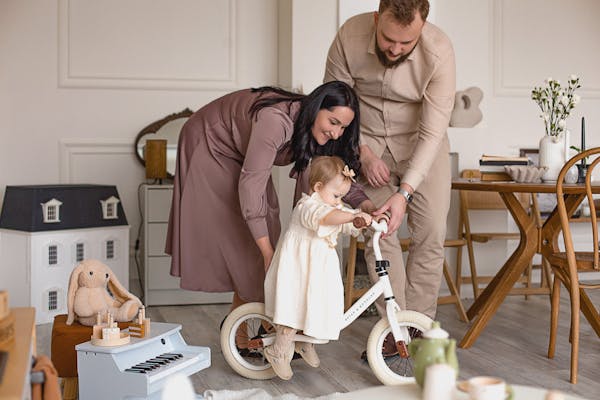
Technology tools that help coordinate equal parenting
Managing family responsibilities can become overwhelming, but technology has made coordinating tasks and schedules more efficient than ever.
- Shared calendars – Digital apps enable parents to track school events, appointments, and essential deadlines in one convenient location.
- Task management platforms – Assigning responsibilities through apps ensures transparency and helps balance workloads.
- Parental control tools – Monitoring children’s screen time and online activity allows parents to stay informed without micromanaging.
The latest direction in co-parenting apps and resources
As equal parenting becomes more common, innovative tools have emerged to help parents stay organized and connected.
- Co-parenting apps – Designed for families navigating separation or complex parenting arrangements, these apps streamline communication.
- Childcare-sharing networks – Parents connect with others in their communities to coordinate playdates and caregiving swaps.
- Financial tracking tools – Apps that monitor family expenses help parents manage budgets effectively.
How to adapt what works for your unique family dynamic
Every family operates differently, and adopting strategies that align with specific needs ensures long-term success.
- Testing different approaches – Families should explore various parenting techniques to find the right balance.
- Adjusting based on circumstances – Life changes may require shifts in how responsibilities are shared.
- Respecting individual preferences – Parents must acknowledge their strengths and limitations in caregiving roles.
Building a community of like-minded parents
Equal parenting is easier when parents feel supported by others who share similar values and experiences.
- Joining parenting forums – Online groups provide valuable insights and encouragement.
- Attending workshops – Educational sessions on parenting strategies foster confidence and new perspectives.
- Engaging with local networks – Community-based gatherings help parents build strong support systems.
Conclusion
Recap of key equal parenting strategies
Equal parenting is more than just a pattern; it’s an approach that fosters balance, emotional well-being, and deeper connections among family members. Parents who prioritize shared responsibilities create a stable foundation for their children, modeling fairness and teamwork.
- Communication is key – Regular check-ins help ensure parenting duties are balanced.
- Flexibility matters – Adapting responsibilities as children grow strengthens family dynamics.
- Mutual support is essential – When one parent feels overwhelmed, the other should step in to help.
Encouragement for readers to share their own experiences
Every family’s parenting journey is unique, shaped by individual circumstances and evolving needs. Encouraging conversations about equal parenting helps normalize shared responsibilities while providing reassurance to others navigating similar challenges.
- Engaging with support networks – Talking to fellow parents fosters a sense of community.
- Learning from diverse experiences – Hearing different perspectives can offer valuable insights.
- Embracing change – Parenting evolves, and finding new ways to approach challenges ensures growth.
Reminder that there’s no perfect approach to parenting
There is no universal formula for raising children, and each family must tailor its strategies to fit its values and lifestyle. Equal parenting doesn’t mean perfection; it means working together to provide love, stability, and support.
- Avoiding comparison – No two families follow the same path, and that’s okay.
- Focusing on progress – Taking small steps toward equality makes a meaningful difference.
- Prioritizing well-being – Balancing responsibilities helps reduce stress and enhances family happiness.
Call to action for readers to embrace equality in their parenting journey
Equal parenting is a journey that requires patience, teamwork, and openness to change. Today, parents have the opportunity to reshape outdated norms and create more inclusive family environments.
- Try new strategies – Experimenting with different parenting methods helps find what works best.
- Support other parents – Encouraging open dialogue helps normalize shared responsibilities.
- Celebrate progress – Recognizing even minor improvements reinforces the value of equal parenting.
Parenting today is evolving for the better. As families continue to embrace equality, they create environments where children thrive, relationships strengthen, and parents find fulfillment in their shared roles.
FAQs
Q: How do today’s parenting directions differ from previous generations?
A: Today’s parents say their approach to parenting is influenced by technology, mental health awareness, and a focus on supplementary activities, which sets them apart from previous generations who may have had different priorities.
Q: Are today’s generations of parents more likely to deal with mental health concerns?
A: Yes, today’s parents are more likely to address mental health concerns as part of their parenting philosophies, which reflects a growing awareness and willingness to discuss these issues openly.
Q: Why do parents say their parenting style is more complex than they expected?
A: Various parents say their parenting method is more complicated than they expected due to the pressures of balancing work, technology’s role in their children’s lives, and the need to address complex social issues.
Q: How do enrichment activities factor into progressive parenting?
A: Enrichment activities are highly valued by today’s parents who believe they play a crucial role in their children’s development, helping them gain skills and build resilience.
Q: What challenges do parents face today versus in the past?
A: Challenges parents face today include managing digital exposure, ensuring mental well-being, and financial planning for their children, which are more pronounced compared to past generations.
Q: How do parenting methods match their upbringing?
A: Various parents who took part in studies say their parenting methods either aim to bring up their children similarly to their upbringing or intentionally differently to provide what they felt they lacked.
Q: What role does the value of a dollar play in modern parenting styles?
A: Teaching children the value of a dollar is a priority for various parents who aim to ensure their children are financially independent and understand financial responsibility.
Q: How has the pandemic influenced parenting patterns?
A: The pandemic has significantly influenced parenting trends, with multiple parents becoming more involved in their children’s education and valuing flexibility in work arrangements to support family needs.
Q: Do Hispanic and Asian parents bring up their children differently?
A: Hispanic and Asian parents often raise their children with an emphasis on cultural values and traditions, although they may also incorporate aspects of modern parenting trends, such as technology use and extracurricular involvement.
Q: What is helicopter parenting, and how does it relate to today’s parents?
A: Helicopter parenting refers to parents being overly involved in their children’s lives. Today’s parents may adopt this style in response to safety concerns and the desire to ensure their children succeed in a competitive environment.
You might also be interested in…
Want to know how to share equal parenting? Check it out.
CONNECT WITH DAILY MOM
💖 NEWSLETTER: DAILY READS IN YOUR INBOX 💖
Sign up to receive our picks for the best things to do, see and buy so you can relax and focus on more important tasks! Let us help you be the best version of yourself you can be!
BE SOCIAL WITH US
📌 LOVE IT? PIN IT!📌