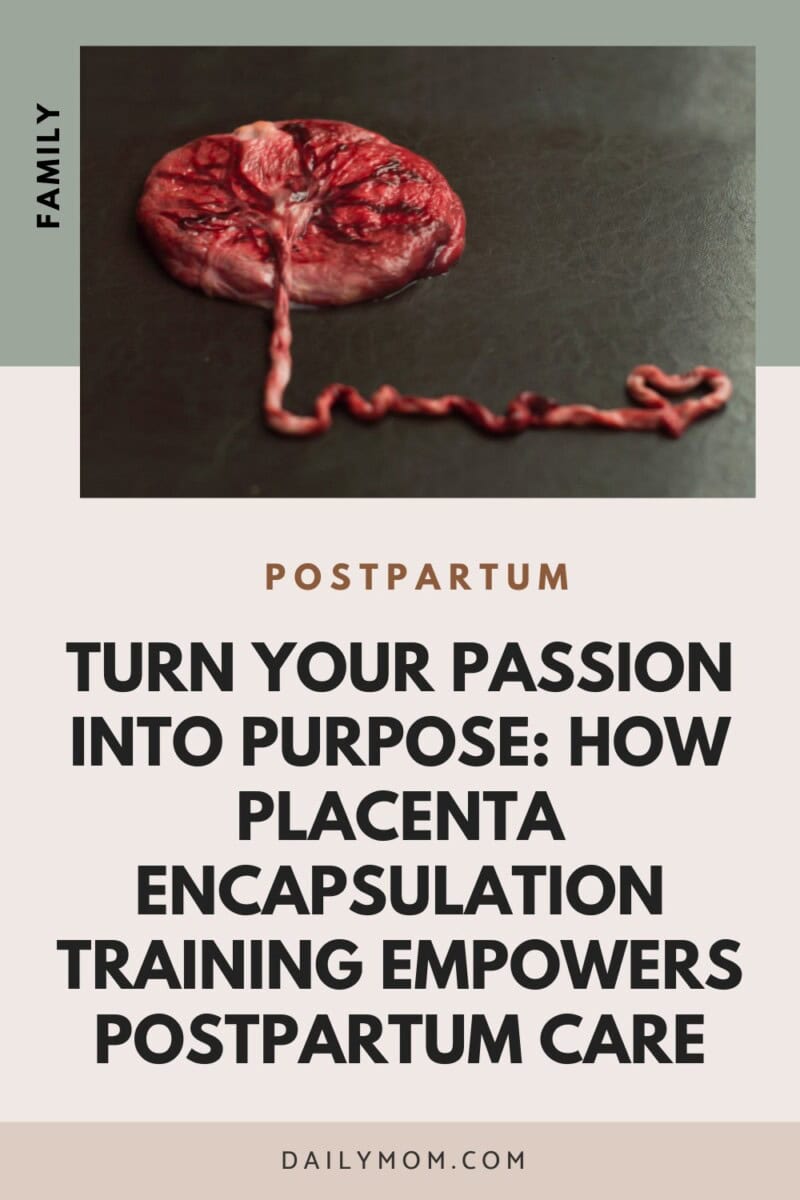

































Placenta encapsulation training opens the door to a unique, gratifying career that supports new mothers during one of the most transformative times of their lives. Whether you’re already a doula or birth worker or simply passionate about postpartum wellness, this path offers a meaningful way to help families while building a flexible business. You’ll find everything you need to know about becoming a placenta encapsulation specialist, from training options to business-building tips.
Building a Career in Placenta Encapsulation

Not every job allows you to make a real difference in someone’s life, but becoming a placenta encapsulator does. For birth professionals and holistic health enthusiasts, this isn’t just a job, it’s a calling.
Placenta encapsulation involves turning the placenta into capsules, which are often taken as a supplement to support postpartum recovery. Families seeking a more natural postpartum experience are increasingly turning to this service, and many are looking for certified, knowledgeable providers they can trust. That’s where trained placenta professionals come in.
Offering this service adds a new dimension to your practice for doulas, midwives, or anyone with a strong interest in maternal health. It’s also a powerful way to respond to growing client requests for personalized care options that align with alternative and traditional wellness paths, like traditional Chinese medicine and other holistic postpartum practices. With the proper training and certification, this can become a sustainable business that fits within a broader scope of birth-related services.
Starting your placenta encapsulation business can be as simple as enrolling in a course, gathering a quality kit, and learning how to handle, prepare, and encapsulate placental tissue safely. But beyond the technical skills, it’s about building trust and providing care during a very sensitive time. That’s what makes this career both special and impactful.
Understanding Placenta Encapsulation and Its Growing Demand
Placenta encapsulation is gaining recognition among postpartum families seeking holistic recovery methods. This practice, rooted in traditional approaches, involves consuming the placenta in capsules. Many birth workers, including doulas and midwives, are incorporating this service into their offerings, recognizing the growing demand for natural postpartum support.
More parents are becoming aware of the benefits associated with placenta encapsulation, including improved postpartum recovery and hormone regulation. While scientific research continues to explore its full effects, anecdotal evidence from new mothers highlights increased energy levels, balanced mood, and overall well-being during the postpartum period. As a result, placenta encapsulation specialists are seeing a surge in interest, making this a viable and rewarding career path for birth professionals.
The rise in awareness has paved the way for comprehensive placenta encapsulation training programs, enabling birth workers to expand their services. Whether integrated into doula training or pursued independently, certification in placenta encapsulation allows professionals to enhance their offerings, making postpartum care more inclusive and personalized.
This growing interest underscores the need for skilled professionals who can encapsulate placentas safely and efficiently. For those passionate about supporting postpartum families, investing in quality training is the first step toward creating a sustainable career in this field.
The Role of a Birth Worker in Placenta Encapsulation
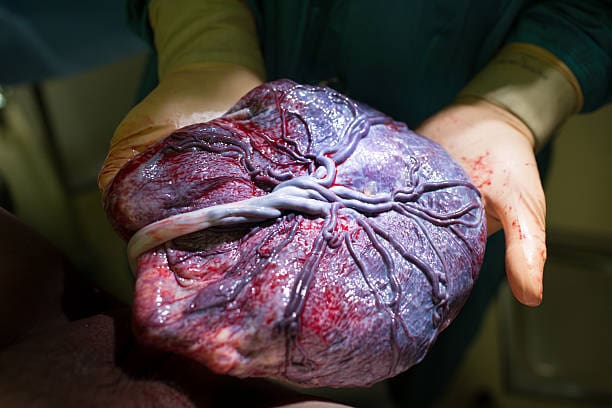

Birth workers play a vital role in supporting new parents through pregnancy, birth, and the postpartum journey. Placenta encapsulation has become an increasingly popular service among doulas and midwives, offering postpartum recovery support that complements their existing practices.
Doulas, trained to assist families through labor and beyond, often incorporate placenta encapsulation services into their work. The ability to encapsulate placentas provides additional support, ensuring new mothers have access to natural postpartum wellness options. Midwives, who often guide families through home births, may also prepare the placenta for encapsulation or connect clients with specialists trained in the encapsulation process.
Expanding a career to include placenta processing can be a game-changer for birth professionals. Offering placenta capsules alongside doula services allows for a holistic approach to postpartum recovery, helping families feel empowered in their healing journey. Training in placenta encapsulation ensures birth workers understand proper handling, safety guidelines, and the different preparation methods, allowing them to provide this specialized service confidently.
With the growing awareness of placenta benefits, many birth professionals see encapsulation as a natural addition to their services. Those looking to deepen their expertise and reach more families often pursue placenta encapsulation training, ensuring they are well-equipped to offer safe and effective placenta processing.
Exploring Placenta Encapsulation: Comprehensive Training Options
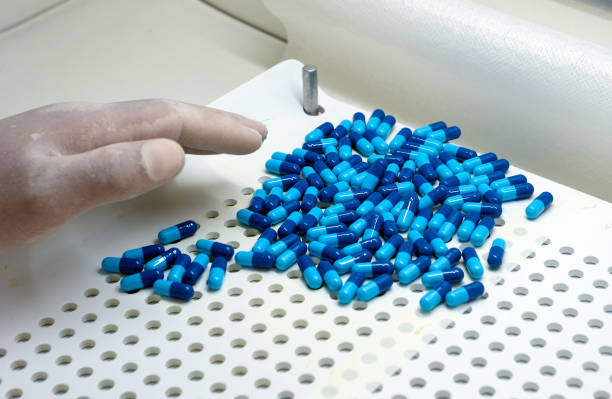
Selecting the right training program is crucial for those looking to establish themselves as professionals in placenta encapsulation. With a range of options available, aspiring specialists can choose between comprehensive or basic placenta encapsulation courses based on their career goals.
Comprehensive training equips students with in-depth knowledge of proper handling, safety regulations, and diverse preparation methods, making it ideal for birth workers seeking a well-rounded certification. On the other hand, introductory courses provide essential skills for those who want to incorporate placenta services into an existing practice without extensive coursework.
Many prioritize finding the fastest yet effective route to certification. Online programs allow flexibility, enabling learners to complete coursework at their own pace, while in-person training provides hands-on experience in placenta preparation. Whether enrolling in a virtual class or attending a local workshop, choosing a reputable instructor ensures proper placenta encapsulation training.
Many professionals begin with an introductory course and expand their expertise through additional training in placenta tinctures, powders, and advanced preparation techniques. Birth workers who invest in high-quality, comprehensive training build credibility and confidence, ensuring their services meet industry standards while effectively supporting postpartum recovery.
Understanding the Costs and Time Commitment
Getting started in placenta encapsulation doesn’t require a medical degree or a massive investment. However, knowing what you’re signing up for is still smart, especially if you plan to offer this as a paid service. From training and supplies to ongoing business costs, here’s a practical look at what it takes.
What does placenta encapsulation training typically cost?
The cost of training can vary depending on the depth of the course and the type of certification offered. An introductory online course might cost a couple of hundred dollars, while a more comprehensive, in-person training with business support and hands-on experience can range from $500 to $1,200.

Here’s a breakdown of what that cost usually includes:
- Instructional materials (videos, PDFs, manuals, and live sessions)
- Pathogen certification and food safety handling training
- Mentorship or support from experienced encapsulators
- Access to a private community or resource portal
- Business toolkit or marketing starter pack
When choosing a course, check if certification is included or offered as an add-on. Some companies advertise a low price but charge extra for the final exam or certificate. And don’t forget to factor in whether you’re getting lifetime access or if there’s an expiration date on the materials.
What equipment and kit items are needed to start?
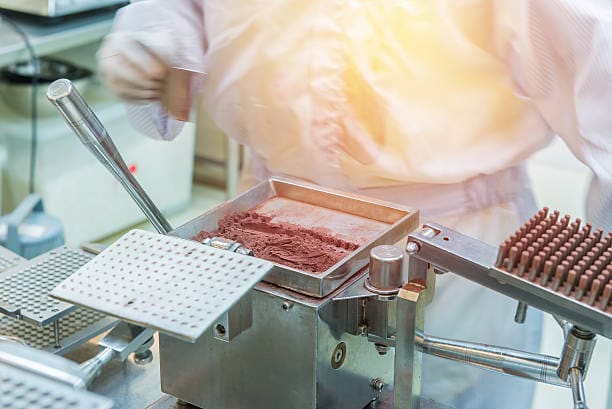
After training, you must invest in a basic placenta encapsulation kit. The good news is that if you take care of these tools properly, they will last a long time.
A typical startup kit may include:
- Dehydrator (dedicated for placenta use only)
- Grinder or capsule machine
- Gloves, masks, and aprons for sanitary prep
- Sanitizing solution and brushes for cleaning equipment
- Capsules (vegetarian or gelatin options available)
- Storage containers and labels
- Cooler to store the placenta during transport
Depending on where you shop, a complete starter kit can cost anywhere from $150 to $400. Some training programs also offer discounted student kits, which are worth considering when comparing course options.
How long does it take to become certified?
If you’re wondering about the fastest path to get certified, many online courses can be completed in a weekend, or even in one long day, if you’re highly motivated. But most people prefer to take their time and digest the material, especially when balancing it with other responsibilities.
Here’s a general idea of time commitment:
- Online programs: 5–15 hours, depending on pace and content
- In-person workshops: Usually 1–2 full days
- Business setup: A few extra hours to research local laws, build a simple website, and prep marketing materials
Suppose you’re planning to become a professional placenta encapsulation specialist. In that case, it’s worth taking an extra week or two to get everything lined up, because your clients trust you with something very personal.
Are there ongoing costs to maintain the business?
Once you’re certified and equipped, the recurring costs are pretty minimal. Here’s what to expect:
- Restocking capsules and supplies
- Gas and mileage for placenta pickup/drop-off
- Sanitization products
- Marketing expenses, like business cards or a simple ad
- Optional: website hosting or membership in a birth worker directory
One tip: If you offer additional items like placenta prints, cord keepsakes, or placenta tinctures, those supplies will cost extra, but they can also boost your earnings and make your service stand out.
Growing a Placenta Encapsulation Business

Turning placenta encapsulation into a thriving business requires strategy, outreach, and a commitment to quality service. A well-planned approach can help encapsulators connect with families and build a reputable name in the birth worker community.
Fastest Marketing Strategies and Connecting with Clients
A strong online presence is essential for reaching postpartum families seeking placenta encapsulation services. A professional website showcasing expertise, testimonials, and service offerings establishes credibility while making it easy for potential clients to learn more.
Social media platforms like Instagram allow encapsulators to share behind-the-scenes glimpses of the process (while maintaining client privacy) and educate followers on the benefits of placenta capsules. Engaging posts with informative content encourage interaction, helping professionals reach new audiences.
Google Maps and local directories further increase visibility. Birth professionals who list their businesses in relevant directories attract clients searching for placenta services nearby. Reviews from satisfied families help solidify trust, reassuring new parents about the quality of the service.
Collaborating with Doulas, Midwives, and Other Birth Workers
Establishing relationships within the birth worker community creates valuable referral opportunities. Doulas, midwives, and postpartum care providers frequently interact with families who may be interested in placenta encapsulation, making them ideal partners for collaboration.
Encapsulators who attend networking events, workshops, and local birth-related gatherings position themselves as trusted providers. Offering educational resources to birth workers ensures they understand the placenta encapsulation process, helping them confidently recommend the service to clients.
Mutually beneficial partnerships strengthen business growth, ensuring more families receive postpartum recovery support. Building genuine connections with birth professionals fosters long-term relationships that enhance credibility and outreach.
The Future of Placenta Encapsulation in Holistic Postpartum Care
As awareness grows, placenta encapsulation is becoming a mainstream part of postpartum wellness. Many families are seeking natural methods to support healing after childbirth, and encapsulation provides a convenient way to integrate the placenta’s nutrients into recovery.
With demand increasing, encapsulators have opportunities to expand their offerings, such as placenta tinctures or specialized postpartum support packages. Advancing education in holistic maternal care keeps professionals at the forefront of the industry, ensuring families receive comprehensive wellness solutions.
Birth professionals who invest in placenta encapsulation training position themselves as leaders in postpartum care. With the right marketing strategies, collaborations, and client engagement, a placenta encapsulation business can flourish, providing meaningful support to new parents while establishing a fulfilling career.
Common Challenges New Placenta Professionals Face
Starting a new placenta encapsulation business is exciting, but like any hands-on service, it comes with a few curveballs. Thankfully, most common hurdles are easy to manage with the proper prep and mindset. And if you’re already a birth worker, doula, or parent yourself, chances are you’re already used to adapting in the moment.
Talking about placenta services without the “ick” factor
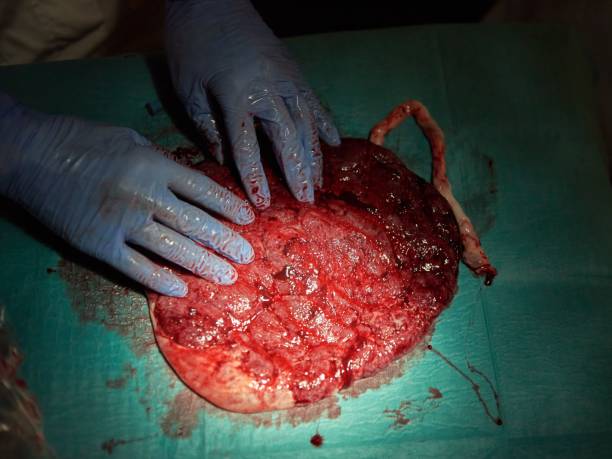
Let’s be honest, talking about consuming the placenta can initially feel awkward. Even people 100% on board with holistic wellness might hesitate when you mention placenta pills or placenta tinctures. That’s normal.
The key is confidence. People listen when you speak about placenta encapsulation as a legitimate, thoughtful wellness service with proven protocols and health-focused preparation. Use professional, respectful language like:
- “Placenta encapsulation is the process of dehydrating and grinding the placenta into capsules to support postpartum recovery.”
- “Many families choose this option as part of their birth plan to help with hormone balance and energy levels.”
Skip the shock value and focus on benefits. You can always add a touch of humor when needed. Sometimes, saying, “I help new moms turn their placenta into a daily supplement” gets a laugh and opens the door for a deeper conversation.
Navigating birth scenarios and hospital pickups
Every birth is different, and as a placenta encapsulator, you may need to adapt quickly. Some clients deliver at home, others in birthing centers, and many in hospitals with strict policies.
To prepare:
- Ask clients to note placenta plans in their birth plan, including any paperwork needed to keep it.
- Stay in close communication with the family or doula so you know when labor begins and can arrange a timely pickup.
- Always have a cooler ready (and remind your clients to pack one too!) so the placenta stays stored adequately until you retrieve it.
It’s also smart to familiarize yourself with local hospital rules. Some may require special release forms or have limited pickup hours. Staying polite and professional with staff goes a long way.
Juggling busy seasons and self-care
Postpartum work often comes in waves, especially if you’re taking on multiple clients or combining encapsulation with doula services. It’s easy to get burned out if you’re not careful.
A few ways to stay balanced:
- Limit how many clients you take per month, especially in the beginning
- Batch tasks like capsule prep and sanitizing to save time
- Build in rest days or buffer time between encapsulations, just like you’d schedule recovery time after attending a birth
Running a placenta encapsulation business is personal and powerful, but it also works. Giving yourself permission to rest and recharge makes serving others with energy and care easier.
Turning Passion into Profession
Building a career in placenta encapsulation is more than just a business venture; it’s a meaningful way to support postpartum families in their recovery journey. Birth professionals who invest in placenta encapsulation training equip themselves with the skills necessary to provide a service that profoundly impacts maternal wellness.
Encouragement for Moms and Birth Workers Pursuing a Meaningful Career
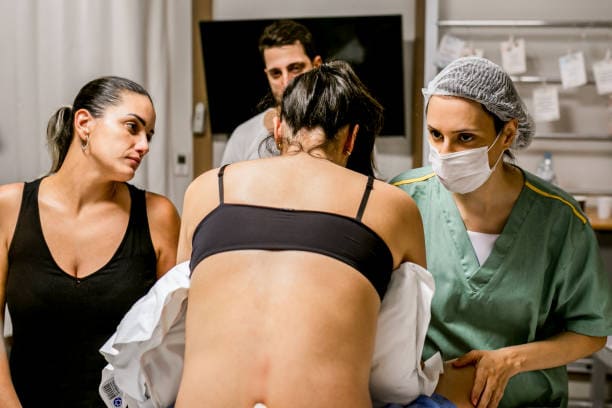
Many birth workers begin their journey with a passion for helping families navigate pregnancy, birth, and postpartum. Encapsulating placentas into their skill set allows them to extend their support uniquely.
For mothers looking for flexible, rewarding work, becoming a placenta encapsulation specialist provides the opportunity to create a business that aligns with their lifestyle while contributing to postpartum recovery. Whether integrated into existing doula services or pursued independently, this career path offers a fulfilling way to make a difference.
Placenta Encapsulation Training as a Stepping Stone to Holistic Maternal Care
Many encapsulators find that their initial training in placenta preparation sparks deeper interest in maternal wellness. From postpartum doula training to herbal medicine studies, professionals who start in placenta encapsulation often expand their expertise, creating comprehensive offerings for new families.
Learning additional methods of postpartum support, such as placenta tinctures or nutritional guidance, allows professionals to further contribute to maternal care. Placenta encapsulation can serve as a stepping stone to a broader understanding of holistic health, giving birth workers multiple ways to serve their communities.
Supporting Postpartum Recovery Is Powerful, Essential Work
At its core, placenta encapsulation is about helping mothers feel their best after birth. While the process may seem niche, its impact on postpartum wellness is undeniable. Those specializing in placenta encapsulation services contribute to a practice providing emotional, physical, and hormonal balance for new mothers.
With proper training, knowledge, and passion, birth professionals can transform placenta encapsulation into a thriving, sustainable business while making a positive difference in postpartum care.
Quick Takeaways: What to Remember About Becoming a Placenta Encapsulator
- Placenta encapsulation training can open the door to a meaningful and flexible career in postpartum care.
- The demand for placenta encapsulation services is growing as more families seek natural recovery support.
- Comprehensive training programs teach everything you need to safely and professionally encapsulate the placenta.
- Startup costs are manageable, and most programs include essentials like food safety certification, capsule prep, and supply guidance.
- Birth workers, doulas, and midwives can expand their services and income by offering or partnering in encapsulation.
- Clients appreciate clear communication, respectful language, and thoughtful touches, like cord keepsakes or written guides.
- Marketing through social media, local directories, and community referrals helps build trust and visibility.
- With the proper support, starting your placenta encapsulation business can be the beginning of a fulfilling new chapter.
FAQs
Q: What is placenta encapsulation, and how does it work?
A: Placenta encapsulation is one process in which the placenta is prepared and dried to create pills or tablets. This process often includes steaming the placenta with lemon and ginger, which many believe helps with postpartum recovery. The encapsulation process is designed to preserve the nutrients and vitamins in the placenta, providing potential benefits for postpartum mothers.
Q: How can I become certified in placenta encapsulation?
A: To become certified in placenta encapsulation, you must complete a comprehensive training course that includes both the practical and theoretical aspects of the process. Look for classes that offer encapsulation certification and teach you how to prepare your placenta for encapsulation safely.
Q: What does the doula training course include?
A: The doula training course typically includes comprehensive training on childbirth education, emotional support techniques, and the basics of postpartum care. For those interested in placenta encapsulation, the course may also include specific modules on how to encapsulate the placenta and the benefits of placenta pills.
Q: Where can I find placenta encapsulation services near me?
A: To find placenta encapsulation services near you, consider searching online or asking for recommendations from local doulas or childbirth educators. Many doulas offer placenta encapsulation as part of their postpartum services so that you might find a provider through your doula training network.
Q: What are the benefits of taking placenta pills?
A: Many mothers report that taking placenta pills can help with postpartum recovery by providing vitamins and nutrients that can alleviate postpartum depression symptoms and promote overall well-being. The best placenta pills are made from a properly encapsulated placenta, ensuring the nutrients are effectively preserved.
Q: Is it common to start a placenta business after completing the training?
A: Yes, many individuals who complete placenta encapsulation training decide to start their own placenta business. The training often includes business training to help you understand how to effectively market your services and reach potential clients.
Q: How long does it take to complete the placenta encapsulation training?
A: The duration of placenta encapsulation training can vary, but many classes are designed to be completed in a few days. Some programs offer fast-track options for those looking to learn step by step and quickly become certified.
Q: Can I encapsulate my placenta at home, or should I hire a professional?
A: While it is possible to encapsulate your placenta at home if you have the proper training and equipment, hiring a professional is often recommended for safety and quality assurance. A trained professional will ensure that your placenta is prepared correctly and safely, providing you with the best placenta pills for your postpartum recovery.
Q: What should I look for when choosing a placenta encapsulation class?
A: When choosing a placenta encapsulation class, consider the comprehensiveness of the curriculum, the instructor’s credentials, and the support offered after the training. Look for classes that also provide business training if you plan to offer placenta encapsulation services as part of your new business.
You might also be interested in…
Need to know DIY Placenta Encapsulation? Check it out.
CONNECT WITH DAILY MOM
💖 NEWSLETTER: DAILY READS IN YOUR INBOX 💖
Sign up to receive our picks for the best things to do, see and buy so you can relax and focus on more important tasks! Let us help you be the best version of yourself you can be!
BE SOCIAL WITH US
📌 LOVE IT? PIN IT!📌