


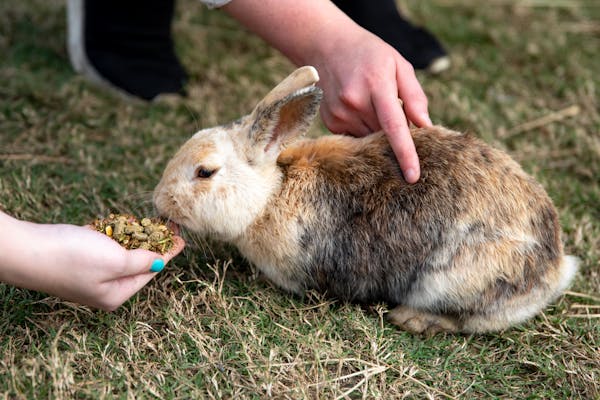
Raising bunnies has gained popularity among hobby farmers and homesteaders seeking companionship, meat production, and sustainable living. Whether keeping rabbits as pets or raising them for food, understanding their care needs is essential to ensuring healthy and thriving animals. Different rabbit breeds offer various advantages, ranging from docile personalities ideal for families to fast-growing meat rabbits that are perfect for efficient meat production. Proper housing, nutrition, and breeding techniques play a crucial role in ensuring the successful care of rabbits. Here we offer a comprehensive exploration of rabbit breeds, housing, feeding, and overall well-being, making it a must-read for anyone seeking to raise rabbits responsibly.
Understanding Rabbit Breeds and Their Characteristics For Rabbit Raising
Choosing the right rabbit breed depends on your personal goals, whether you are looking for meat, companionship, or breeding purposes. Understanding the differences in size, temperament, and growth rate helps determine the best fit.
Popular rabbit breeds for pets versus meat production
- Companion Breeds: Smaller rabbits such as the Mini Rex, Holland Lop, and Lionhead are cherished for their affectionate nature and ease of handling.
- Meat Breeds: Larger breeds, such as the Californian, New Zealand, and Flemish Giant, are preferred for their rapid growth and high meat yield.
- Dual-Purpose Breeds: Some rabbits, such as the Silver Fox and Satin, serve both as pets and for meat due to their manageable temperament and decent meat production.

Temperament, Size, and Growth Rate Considerations
- Size Matters: Smaller breeds weigh between 2 and 6 pounds, while larger meat rabbits can grow up to 12 pounds or more, which influences feeding costs and space requirements.
- Growth Rate: Meat rabbits, such as New Zealand rabbits, reach processing weight in just 8-10 weeks, making them ideal for efficient meat production.
- Temperament: While some breeds are naturally social, others prefer minimal handling. Selecting the right breed ensures a positive experience in raising rabbits.
Selecting the Best Breed for Specific Goals
- Those raising rabbits for meat production should prioritize fast-growing, efficient meat rabbits with high feed-to-weight conversion rates.
- For pet owners, selecting gentle, easy-to-care-for breeds ensures compatibility with families and individuals alike.
- Breeding enthusiasts may benefit from selecting purebred rabbits, ensuring genetic diversity and health for long-term breeding success.
Setting Up a Suitable Environment for Raising Bunnies


Providing the right living conditions is crucial to keeping rabbits healthy, safe, and comfortable. The decision between cages and hutches depends on the availability of space, climate, and personal preferences.
Choosing between cages and hutches for rabbit housing
- Wire Cages: Ideal for indoor or controlled environments, wire-bottom cages provide ventilation and easy waste removal but require a soft resting area.
- Wooden Hutches: A rabbit hutch offers insulation and protection when raising outdoor bunnies, keeping them sheltered from harsh weather conditions.
- Colony Housing: A larger outdoor setup allows rabbits to socialize and burrow, though it requires extra precautions against predators.
Considerations for Keeping Rabbits Indoors or Outdoors
- Indoor Rabbits: They tend to be easier to monitor, as they are protected from exposure to extreme temperatures and predators.
- Outdoor Rabbits: Require secure enclosures to keep rabbits safe from predators while providing proper ventilation and shade.
- Hybrid Approach: Some keep their bunnies outdoors during the day and bring them inside at night for added protection.
Essential Components for a Comfortable Hutch
- Nest Boxes: Provide a safe space for does to give birth and care for bunny kits.
- Solid Flooring Areas: Even in wire cages, rabbits need solid flooring to prevent foot injuries.
- Proper Ventilation: Prevents moisture buildup and keeps rabbits healthy in varying weather conditions.
Creating a suitable environment ensures rabbits grow strong and thrive in their living space.
Here are some highly-rated rabbit hutches available on Amazon:
- Bunny Cage Indoor and Outdoor Rabbit Hutch – A spacious hutch with waterproof roofing and pull-out trays for easy cleaning.
- Aivituvin Rabbit Hutch – Features casters for mobility, deep leak-proof trays, and a weatherproof roof for outdoor use.
- PawHut Wooden Rabbit Hutch – A two-story design with a ramp, removable tray, and weatherproof roof, ideal for small animals.
- COZIWOW Double Layers Rabbit Hutch – A rolling indoor/outdoor hutch with ventilation doors and a removable tray for easy maintenance.
- TRIXIE Natura Small Animal House – A compact wooden hideout with a hinged roof and raised floor, perfect for extra protection.
Each of these hutches provides unique features tailored to different needs, whether it’s mobility, space, or ease of cleaning. Consider your specific requirements and choose the one that best fits your lifestyle and your rabbits’ comfort.
Proper Feeding and Hydration That Rabbit Needs:

Providing rabbits with a balanced diet and fresh water is essential for their health and well-being. From choosing the right feed to avoiding common dietary mistakes, proper nutrition ensures rabbits grow strong and stay active.
Nutritional Needs at Different Life Stages
- Young rabbits require a higher protein intake to support growth.
- Adult rabbits benefit from fiber-rich diets, such as timothy hay, for optimal digestive health.
- Breeding animals require additional nutrients, including alfalfa hay, to maintain their energy levels.
Types of Feed and the Importance of Fresh Water
- Pellets: Provide concentrated nutrients, but should be balanced with hay.
- Hay: Timothy hay and alfalfa aid digestion and dental health.
- Vegetables: Leafy greens can supplement a rabbit’s diet, but must be introduced gradually.
- Water Supply: Rabbits require constant access to fresh, clean water to prevent dehydration.
Here are some highly-rated rabbit feeders and supplies to make caring for your rabbits easier:
- Sandpoy Hanging Rabbit Feeder – A programmable automatic feeder with portion control, ensuring your rabbit gets the right amount of food throughout the day.
- Kathson Automatic Rabbit Food & Water Dispenser – A gravity-fed system that provides a steady supply of food and water, perfect for small pets.
- Pet Lodge Steel Small Animal Feeder – A durable, rust-resistant feeder with a hinged lid and sifter bottom to keep food clean and dry.
- CounttyLivin Metal Rabbit Feeder – A large-capacity feeder designed for small animals, featuring a sifter bottom to minimize dust and keep food fresh.
- YUEPET Rabbit Food & Water Dispenser – A convenient hanging feeder and water dispenser set, ensuring rabbits always have access to fresh food and water.
Each of these products offers unique features to cater to different needs, whether you’re managing a single pet rabbit or a larger group of rabbits. Consider the size of your rabbitry and the specific requirements of your rabbits when selecting the appropriate feeder and water bottle.
Common Dietary Mistakes to Avoid
- Overfeeding pellets without sufficient hay can lead to digestive issues.
- Providing fruits too frequently can lead to excessive sugar intake.
- Forgetting fresh water can result in serious health complications.

Feeding and hydration have a direct impact on the care and long-term health of rabbits.
Rabbit Breeding and Kit Care

Breeding rabbits might sound simple at first, put a doe and buck together, and soon you’ll have baby bunnies. But the truth is, there’s a bit more to it if you want healthy results and young rabbits that thrive. Successful breeding begins with selecting high-quality breeding stock and assessing the readiness and health status of your animals before pairing them.
A female rabbit (doe) can breed as early as five to six months, and her gestation period is typically about 31 days. It’s essential to give her a safe, quiet place to nest. A clean nest box filled with soft straw or hay will provide her with the comfort and privacy she needs. After birth, the bunny kits nurse for about three weeks before starting to nibble on rabbit food. By six weeks, they’re usually ready to wean and transition to their pen.
Breeding checklist:
- One buck per several does is usually enough in a small setup.
- Watch for signs of pregnancy, including increased nesting behavior and pulling out fur.
- Keep the doe calm leading up to kindling (birth).
- Monitor bunny kits closely, especially in the first 10 days.
Don’t skip on veterinarian check-ins, especially if your doe is having trouble kindling or if the baby rabbits aren’t feeding well. Good hygiene, stress reduction, and close monitoring during this stage help ensure your litters grow strong and healthy. Responsible rabbit raising means caring for both mom and kits with equal attention.
Here are some essential rabbit breeding and kit care supplies to help ensure a smooth and successful process:
- Harvest Lane Honey Rabbit Nesting Box: This nesting box provides a secure and comfortable space for does to give birth and care for their kits, ensuring a higher survival rate.
- Unibell 10PCS Rabbit Breeding Equipment Nipple Drinking Water Bowl: These stainless steel nipple drinkers offer a clean and efficient way to provide water to multiple rabbits, reducing spillage and contamination.
- Sherwood Pet Health Rabbit Emergency Kit and Bulk Recovery Food (Small Kit): An essential kit that includes recovery food and appetite stimulants, crucial for supporting rabbits during times of stress or illness.
- Living World Teach N Treat Toy 60960: This interactive toy encourages natural foraging behavior, providing mental stimulation and aiding in digestion.
- Hamiledyi Pet Rabbit Toy Tree Bunny Fun Chew Toy Rattan Grass Scratcher Climbing Tree Play Carrot Toy for Small Animal: Designed to promote dental health and prevent boredom, this chew toy is made from natural materials safe for rabbits.
- Kaytee My First Home Rabbit Starter Kit: An all-in-one solution for new rabbit owners, this kit includes a spacious cage, water bottle, food dish, and hay feeder to get you started.
These products are highly recommended for anyone looking to provide optimal care for breeding rabbits and their kits. Each item addresses specific needs, from nesting and hydration to emergency nutrition and mental stimulation.
Rabbit Care and Health Maintenance
Keeping rabbits healthy and well-maintained requires attention to common health issues, proper sanitation, and recognizing when medical intervention is needed. Preventative care and clean living conditions go a long way in ensuring rabbits live long and healthy lives.
Common Health Issues and Preventive Measures
- Dental Problems: Rabbits’ teeth grow continuously, so providing them with chewable materials, such as timothy hay, helps prevent overgrowth.
- Respiratory Infections: Proper ventilation in hutches helps prevent breathing difficulties caused by ammonia buildup from urine.
- Digestive Concerns: Consuming a high-fiber diet and avoiding sudden changes in food intake can help reduce the risk of gastrointestinal stasis.
- Parasites and Skin Issues: Regular grooming and inspecting for fleas and mites keep rabbits comfortable and healthy.
Signs That Indicate a Rabbit Needs Medical Attention
- Lethargy or Loss of Appetite: A sudden lack of energy or a refusal to eat can signal potential health issues.
- Changes in Droppings: Soft or irregular stool may indicate digestive distress or improper diet.
- Labored Breathing: Difficulty breathing can be a sign of a respiratory infection that requires veterinary care.
- Visible Injuries or Limping: Immediate care is needed if wounds, limping, or sores are present.
Repurposing Rabbit Manure for Sustainability
- Organic Fertilizer: Rabbit manure is a nutrient-rich material that does not require composting before use in gardens.
- Composting Benefits: Mixing manure with bedding material accelerates the composting process, leading to improved soil health.
- Sustainability Practices: Using manure creates a closed-loop system, reducing waste and benefiting crops.
Now you can download the checklist for Rabbit care below:

Raising Rabbits for Meat Production
Raising rabbits for meat production provides a sustainable and efficient protein source that requires minimal space and resources. Ethical care and responsible breeding practices ensure humane treatment while maximizing the yield of rabbit meat.
Ethical Considerations and Responsible Meat Rabbit Raising
- Providing a humane environment ensures rabbits are raised with care and proper conditions.
- Selecting the right breed is crucial. New Zealand and Californian rabbits are among the best meat rabbit breeds due to their growth rates.
- Balanced feeding promotes healthy rabbits, maximizing meat production without overfeeding.
Nutritional Benefits of Rabbit Meat
- Lean protein source with low cholesterol compared to traditional meats.
- Rich in essential vitamins like B12 and minerals such as phosphorus.
- Ideal for sustainable farming, requiring less feed and space than larger livestock.
Best Practices for Humane Processing and Handling
- Minimizing stress before processing ensures ethical treatment.
- Proper techniques help maintain the quality of meat for consumption.
- Safe storage and preparation preserve freshness and nutritional value.
Wrapping Up Your Rabbit Journey

Raising bunnies brings more than just fluffy faces and cute moments; it offers genuine benefits for families seeking to live more sustainably, grow their food, or teach their children about responsibility and compassion. Whether you’re focusing on pet rabbits, starting a small rabbitry for meat, or simply using rabbit manure to boost your garden, there’s real value in these quiet little animals.
The key is preparation. From selecting the right rabbit breed and setting up a proper rabbit hutch to understanding how to feed and water them correctly, each part of the process matters. Raising rabbits can be low-maintenance, but it’s not hands-off. The more you learn and adapt, the better your results, whether you’re after a steady source of rabbit meat or healthy, happy pets hopping around your backyard.
For anyone ready to start, don’t stop here. There are excellent resources out there. Join local Facebook groups, check with the American Rabbit Breeders Association, or visit nearby farms and talk to experienced rabbit owners. Like most things in life, raising rabbits becomes easier with the support of a community, a curious mindset, and a willingness to learn as you go.
Quick Takeaways
- Choose your breed based on your goals: meat, pet, or both.
- Set up proper housing with space, safety, and ventilation.
- Stick to a clean diet of hay, pellets, and fresh water.
- Stay ahead of health issues by observing behavior and doing routine checks.
- Breeding and weaning require attention to timing and environment.
- Rabbit manure is excellent for gardens and compost piles.
- Meat production can be done ethically and humanely with care.
- Keep learning through local breeders, forums, and trusted resources.
FAQs
Q: How do I set up a proper rabbit hutch for raising meat rabbits?
A: Setting up a proper rabbit hutch is essential when raising rabbits for meat. Your hutch should provide at least 4 square feet of space per adult rabbit, with separate compartments for each doe. The hutch should be elevated off the ground to prevent predators and allow waste to drop through the wire flooring. Include nesting boxes for breeding does, and ensure the hutch protects rabbits from extreme weather conditions. Proper ventilation is crucial to keep your rabbits healthy and happy, while solid walls on some sides provide shelter from wind and rain. When raising bunnies outdoors, position the hutch in a shaded area during summer and consider adding weather protection in winter.
Q: What should I feed my rabbits when breeding for rabbit meat?
A: Proper nutrition is critical when raising meat rabbits. The foundation of your rabbit feed should be high-quality commercial rabbit pellets formulated explicitly for meat production, containing 16-18% protein. Provide constant access to fresh hay (such as timothy or orchard grass) for fiber. Fresh vegetables, such as leafy greens, can supplement their diet, but introduce them slowly to avoid digestive issues. Always ensure rabbits have clean, fresh water available at all times; check their feed and water twice daily. Pregnant does and nursing mothers need increased nutrition, so provide additional pellets during these periods. Avoid sudden diet changes as domestic rabbits have sensitive digestive systems. This balanced diet will help maintain healthy growth rates and maximize meat production.
Q: How do I care for a pregnant doe when raising rabbits for meat?
A: Caring for a pregnant doe requires special attention. Once bred, provide the doe with extra nutrition through increased rabbit pellets and high-quality hay. About 28 days after breeding (1-2 days before kindling), place a nesting box in her cage filled with straw or hay for nesting material. Minimize stress by reducing handling and maintaining a quiet environment. After birth, check the nest to remove any dead kits, but avoid excessive disturbance. A nursing doe needs significantly more food and fresh water to produce milk for her litter. Monitor her condition closely, as one doe can lose a significant amount of body weight while nursing. If you notice weight loss, provide supplemental nutrition. Remember that after weaning her litter, the doe can be bred again approximately 2 weeks later. However, allowing more recovery time between litters improves long-term productivity.
Q: When and how should I wean rabbit kits for meat production?
A: The proper time to wean rabbit kits is between 4-8 weeks of age, with 6 weeks being optimal for most meat rabbit operations. To wean properly, remove the kits from the doe’s cage and place them in a grow-out pen with adequate space. Introduce them gradually to adult rabbit feed by mixing it with their accustomed feed. During the weaning period, monitor kits closely for any digestive issues or weight loss. Ensure they have access to fresh water at all times, as this transition can be stressful for them. After weaning, separate male and female rabbits by 12 weeks to prevent unplanned breeding. This weaning schedule optimizes growth rates and helps maintain the doe’s health for future litters, allowing you to raise many rabbits efficiently for meat production.
Q: How do I select the best breed of rabbit for meat production?
A: When selecting a breed for meat production, consider size, growth rate, feed conversion, and temperament. Popular meat breeds include New Zealand Whites, Californians, and Rex rabbits, all known for excellent meat-to-bone ratios. New Zealand Whites are particularly favored for their rapid growth, reaching 5 pounds by 8 weeks and yielding approximately 3 pounds of meat per rabbit at processing. The breed you choose should match your specific goals – larger breeds produce more meat per rabbit but may take longer to mature. Medium-sized breeds often have better feed conversion ratios. Consider your local climate when raising rabbits outdoors, as some breeds are better suited to tolerate heat or cold than others. For beginners, New Zealand Whites offer an excellent balance of growth rate, hardiness, and temperament, making them ideal for a first venture into raising meat rabbits.
Q: How often should I consult a veterinarian when raising rabbits for meat?
A: While raising rabbits for meat, establish a relationship with a veterinarian experienced with rabbits before health issues arise. Schedule an initial consultation when starting your rabbitry to discuss preventative care and local disease concerns. Have your veterinarian perform health checks on new breeding stock before introducing them to your existing rabbits. Regular veterinary visits are recommended at least annually for breeding stock, but more frequent examinations may be necessary for particularly valuable breeding animals. Between visits, monitor your rabbits daily for signs of illness such as reduced appetite, lethargy, abnormal droppings, or respiratory issues. Some rabbit diseases can spread rapidly, so early veterinary intervention is crucial to protect your entire colony and maintain a healthy, productive meat source.
Q: What are the space requirements for keeping meat rabbits outdoors?
A: When raising rabbits outdoors for meat production, proper allocation of space is crucial. Each mature rabbit requires a minimum of 4 square feet of cage space, while pregnant does need slightly larger areas with attached nesting boxes. For growing meat rabbits, allow 2-3 square feet per rabbit in colony-style grow-out pens. Beyond the hutch space, plan your overall layout to allow for easy access to daily feed and water routines, while protecting from predators and extreme weather. Position hutches to avoid direct summer sun but receive some winter sunlight. Unlike wild rabbits, domestic meat rabbits don’t require exercise runs, but more space generally results in healthier animals. Your outdoor setup should also include storage areas for feed and equipment, as well as a designated processing area if you plan to harvest on-site. Remember that while rabbits can tolerate cold weather well when dry, they struggle in hot, humid conditions; therefore, provide them with appropriate shade and ventilation.
Q: How many rabbits should I start with for a small-scale meat production?

A: For beginners interested in raising rabbits for food, start small with one doe and one buck from a quality meat breed. This minimal setup can produce 4-5 litters annually, yielding approximately 30-40 rabbits per year (roughly 90-120 pounds of meat). As you gain experience, you can expand by adding more breeding does – each additional doe can significantly increase your production. Keep your rabbits in separate cages and only place them together for breeding. Starting small allows you to learn proper care techniques, develop a feeding routine, and understand the breeding cycle without becoming overwhelmed. This approach also minimizes initial investment in equipment and feed while you determine if raising meat rabbits suits your lifestyle. Many successful rabbit keepers find that 3-4 does provide ample meat for a family while keeping the workload manageable. This conservative approach serves as an excellent guide for beginners on how to raise rabbits in a sustainable manner.
You might also be interested in…
Need more info on rabbits as pets? Check this out.
CONNECT WITH DAILY MOM
💖 NEWSLETTER: DAILY READS IN YOUR INBOX 💖
Sign up to receive our picks for the best things to do, see and buy so you can relax and focus on more important tasks! Let us help you be the best version of yourself you can be!
BE SOCIAL WITH US
📌 LOVE IT? PIN IT!📌


