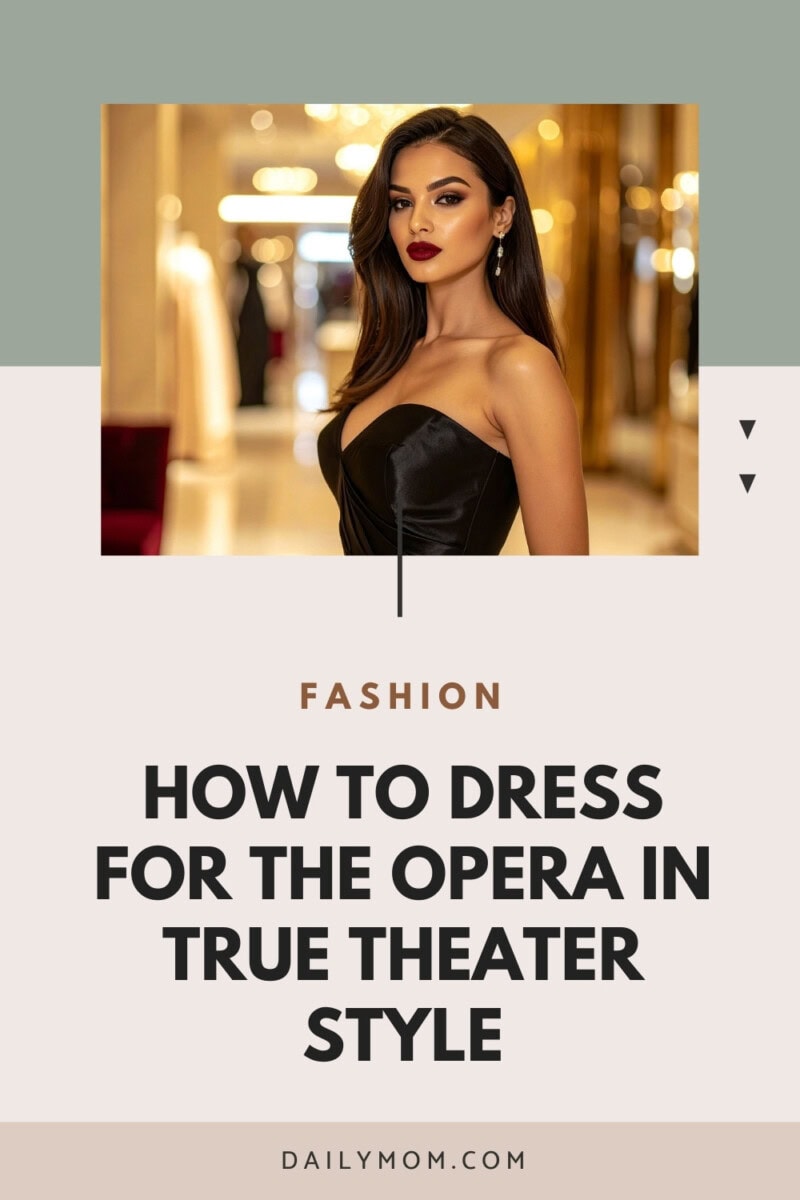






























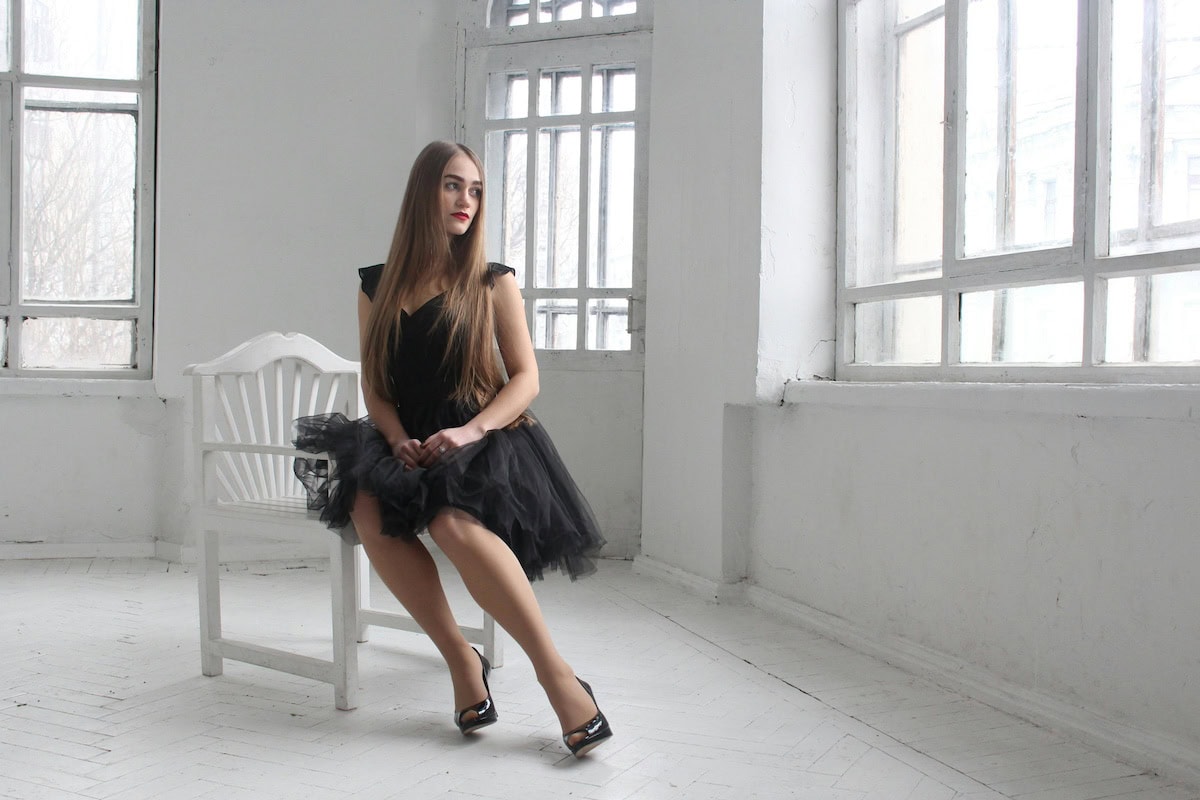
An evening at the theater carries a certain electricity—the velvet seats, the hush before the curtain rises, the glow of chandeliers overhead. Few cultural events feel as steeped in tradition and elegance as the opera. And that’s exactly why choosing the right opera dress matters. The way you dress sets the tone before a single note is sung. Whether it’s a grand gala dripping in black tie glamour or a standard performance on a weeknight, understanding how to dress for the opera ensures the look feels polished, appropriate, and effortlessly refined.
Why the Opera Dress Still Matters
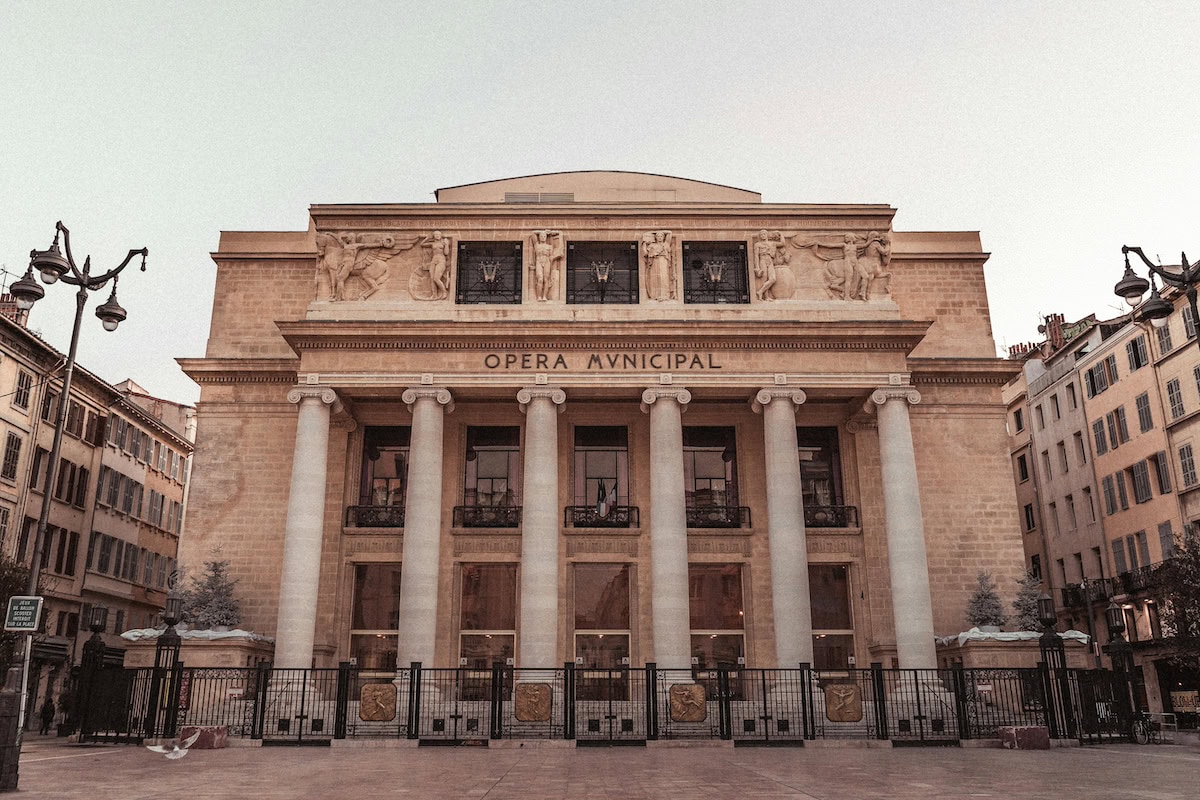
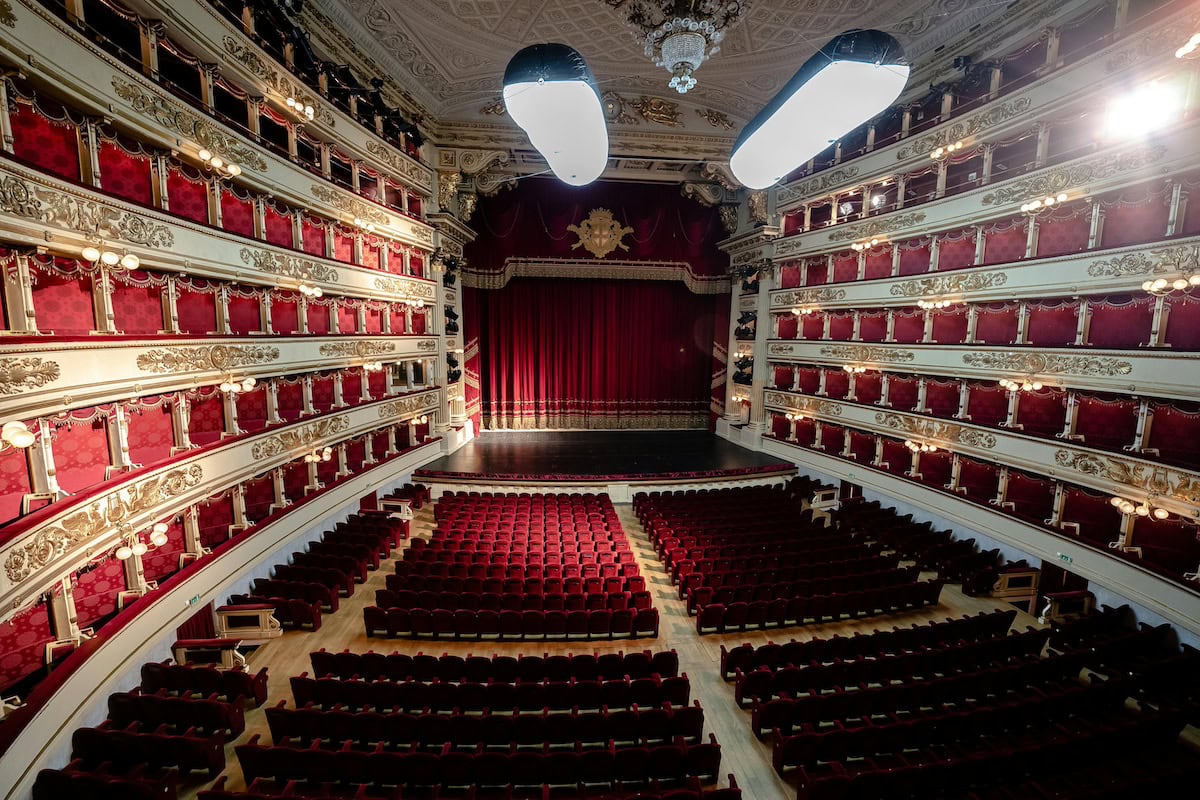
There’s something undeniably cinematic about a night at the opera. The theater itself often feels like a work of art—ornate balconies, sweeping staircases, and a crowd dressed with intention. Unlike casual concerts or everyday performances, opera has long been associated with elegance, tradition, and a certain level of formality. The opera dress isn’t just clothing; it’s part of the experience.
Choosing the right opera dress sets the tone for the entire evening. The right gown can make the occasion feel even more special, helping the wearer step confidently into the atmosphere of refined evening wear. For many, attending the opera is less about strict rules and more about embracing the ritual—leaning into the glamour without feeling like it’s a costume.
Of course, the level of formality can vary widely. A charity gala or opening night may call for full black tie, complete with a formal gown or dramatic floor-length gown. Meanwhile, a regular Saturday performance might allow for a sophisticated but slightly relaxed formal outfit. Understanding that spectrum is key. The goal isn’t to overdress or underdress—it’s to align the look with the event’s energy.
When thinking about what to wear to the opera, it helps to consider a few guiding factors:
- Type of performance – Is it opening night, a formal evening gala, or a standard show?
- Venue culture – Some opera houses lean traditional, others embrace modern opera fashion.
- Time of day – A matinee may allow for a more semi-formal approach.
- Personal style – The most elegant look is one that feels authentic and comfortable.
For a woman attending your first opera, the pressure to impress can feel real. But this isn’t about chasing trends or competing for attention. It’s about selecting attire that feels thoughtful and polished—whether that means a sleek black evening gown, a refined long dress in jewel tones, or even a stylish cocktail dress styled with intention.
Opera fashion continues to evolve, blending timeless tradition with modern sensibility. Today’s opera dress can be classic and glamorous, minimal and structured, or softly draped with subtle embellishment. The common thread? A sense of occasion. The opera remains one of the few places where dressing up still feels not only welcome but encouraged.
Understanding the Opera Dress Code
The Traditional Dress Code at the Opera
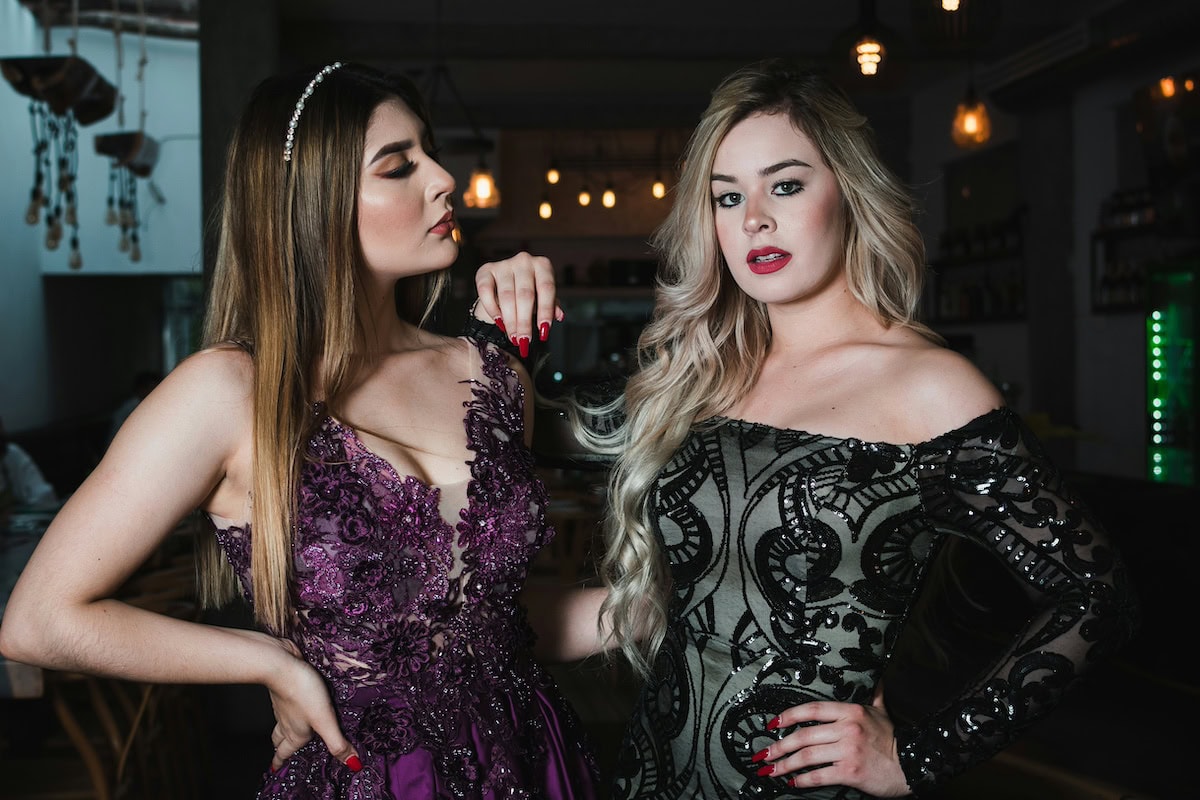
Let’s start with the version everyone pictures: sweeping staircases, champagne in hand, and a sea of formal dress silhouettes gliding through the lobby. In its most traditional form, the opera has long embraced black tie standards—especially for opening nights and major fundraisers.
At a true formal evening or gala, expectations tend to lean classic:
- Floor-length gown or long evening dress
- Elevated fabrics like satin or silk
- Refined embellishment (nothing costume-like, just tasteful sparkle)
- Polished accessories that complete the formal outfit
This is when a formal gown isn’t just appropriate—it’s expected. A dramatic floor-length gown in jewel tones or sleek black instantly communicates that the occasion is special. The atmosphere itself almost demands it. Think structured silhouettes, clean tailoring, and that subtle luxe finish that catches the light without overwhelming the room.
Opening night and charity galas often raise the bar even higher. These events are as much social gatherings as performances. Guests may include donors, patrons, and community figures, so the attire naturally reflects that elevated energy. In these cases, a long evening dress or even a more architectural gown feels right at home.
Regular performances, however, can vary. A mid-season production on a Friday night may still inspire elegant evening wear, but without the full red-carpet intensity. That’s where understanding the venue and event becomes important. When in doubt, slightly overdressed almost always wins at the opera.
Modern Dress Code: How Formal Is Formal?
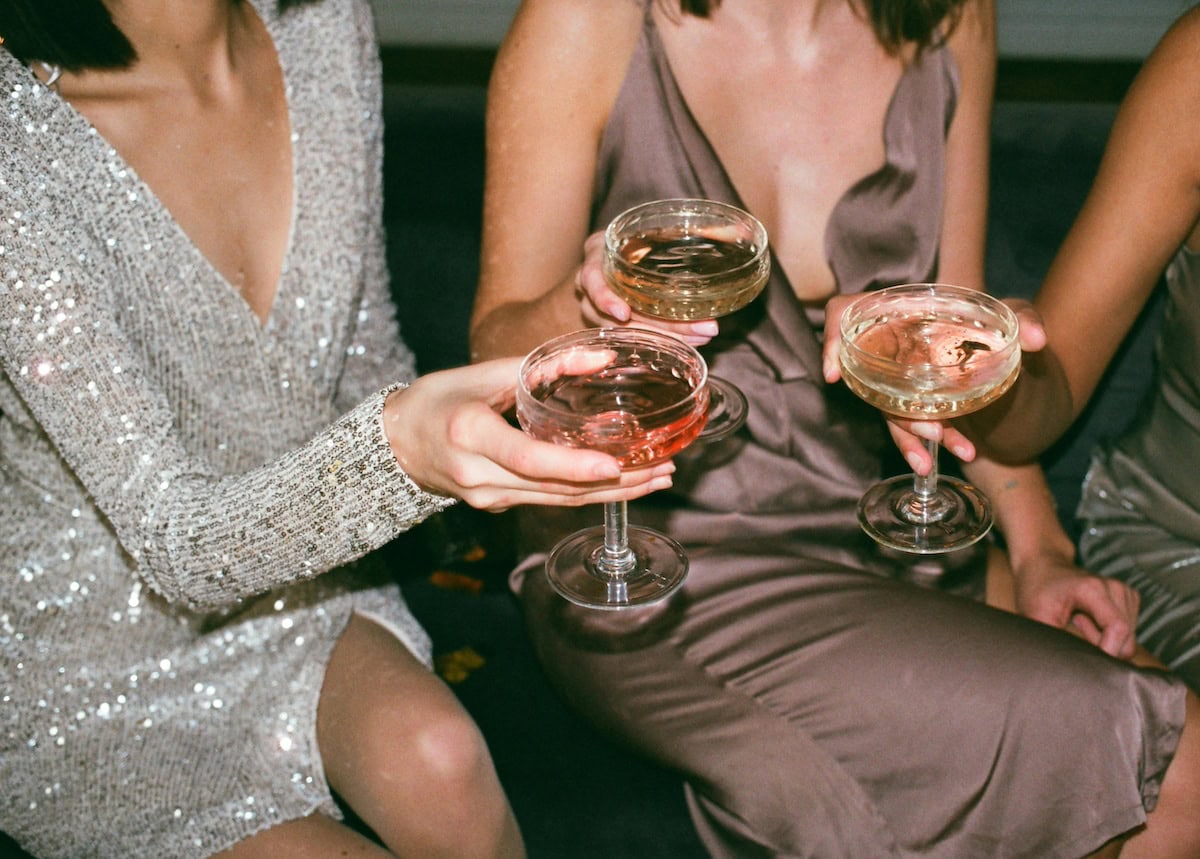
Now for the part that causes the most confusion: how formal is “formal” today? Opera houses have evolved. While tradition still plays a role, many cities have embraced a more flexible interpretation of opera fashion. The days of mandatory white gloves and tiaras are largely behind us—unless it’s a themed event.
Here’s where the gray area lives:
- A stylish cocktail dress can work for standard evening performances.
- A midi dress often feels appropriate for a matinee.
- A well-chosen maxi dress can bridge the gap between semi-formal and formal evening.
- Tailored separates in refined fabrics may be acceptable in more contemporary venues.
Regional culture matters more than people realize. In cities known for high society events, the theater crowd may still lean heavily into formal dress. In more relaxed metropolitan areas, guests may interpret the dress code with creative freedom. The key is matching the energy of the space without drifting into overly casual territory.
When attending the opera for the first time, erring slightly more polished is a safe strategy. A long dress in satin, a refined cocktail silhouette with elevated accessories, or a formal outfit in deep, rich tones all signal effort and respect for the setting.
And here’s the subtle truth: the opera isn’t about rigid rules anymore. It’s about honoring tradition while expressing personal style. The balance between timeless elegance and modern confidence is where today’s best opera looks truly shine.
The Classic Opera Dress For Woman: Floor-Length Elegance
The Timeless Evening Gown
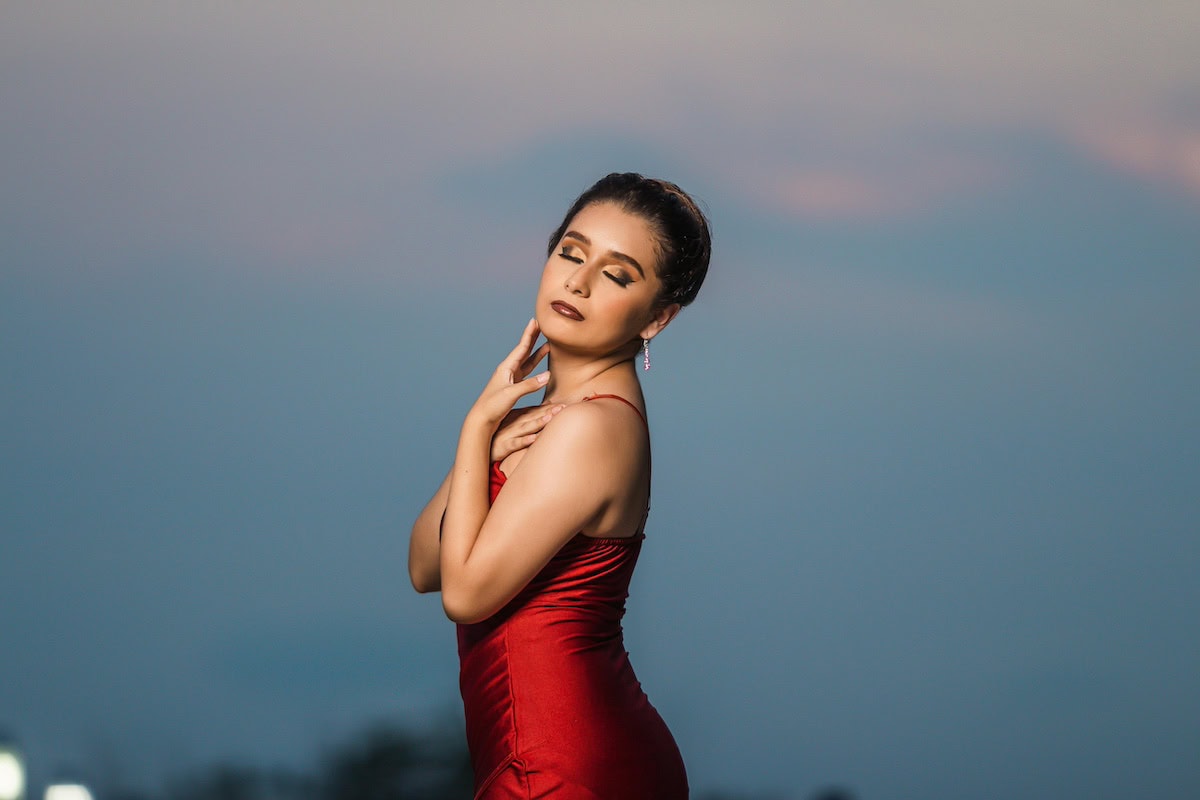
If there’s one piece that rarely misses at the theater, it’s a long evening dress. There’s a reason the floor-length gown has remained the gold standard for generations—it simply belongs in a setting built on drama and artistry. A long dress immediately elevates the mood. It moves differently. It photographs beautifully under chandelier lighting. And it aligns perfectly with the sense of occasion that defines a night at the opera.
Why is it the safest choice?
- It automatically signals formal dress.
- It works for everything from standard performances to gala-level events.
- It feels intentional without trying too hard.
- It flatters most body types when tailored properly.
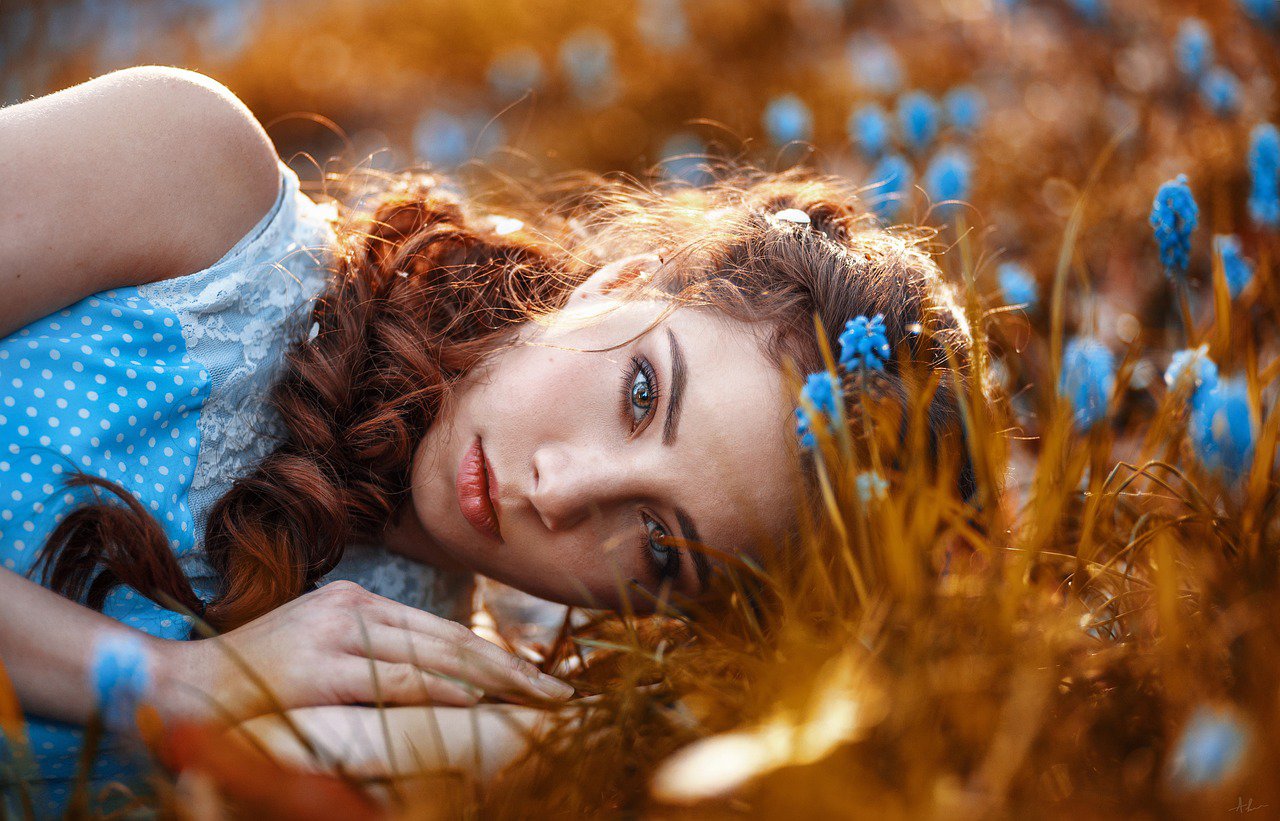
The difference between a floor-length gown and a long dress often comes down to structure and fabric. A long evening dress in satin brings instant polish thanks to its subtle sheen. That soft reflection under warm lighting gives off an undeniably glamorous effect—without requiring excessive embellishment. Clean lines and thoughtful tailoring often speak louder than heavy detailing. When in doubt, simplicity paired with elegance wins every time.
Formal Gown vs. Ball Gown
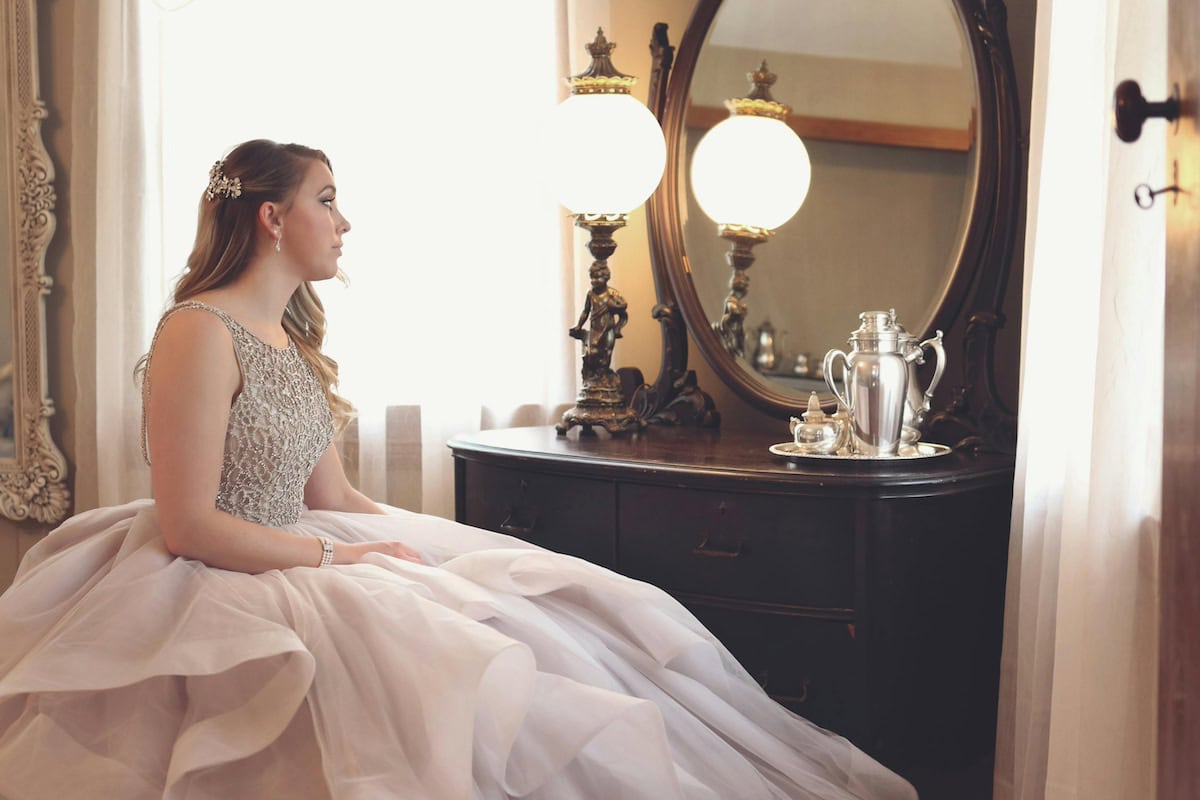
Now, let’s talk shape. Not every formal gown needs to feel like it belongs at a royal ball. There’s a distinction between a dramatic ball gown and a more streamlined formal gown—and knowing which direction to take depends on the event.
A ball gown, with its fuller skirt and defined waist, makes sense when:
- The event is clearly black tie.
- It’s opening night or a high-profile gala.
- The invitation hints at elevated formality.
For most performances, though, a structured A-line silhouette offers that same sophistication without overwhelming the space. The A-line cut is universally flattering, balancing proportions while allowing for movement. It gives that sweeping effect without feeling theatrical in a costume sense. Flowing drape styles also work beautifully, especially for those who prefer softness over structure. A gown that skims rather than clings feels refined and modern. The key is intention—choosing a silhouette that looks purposeful rather than accidental.
Long Black Dress and Other Classic Choices
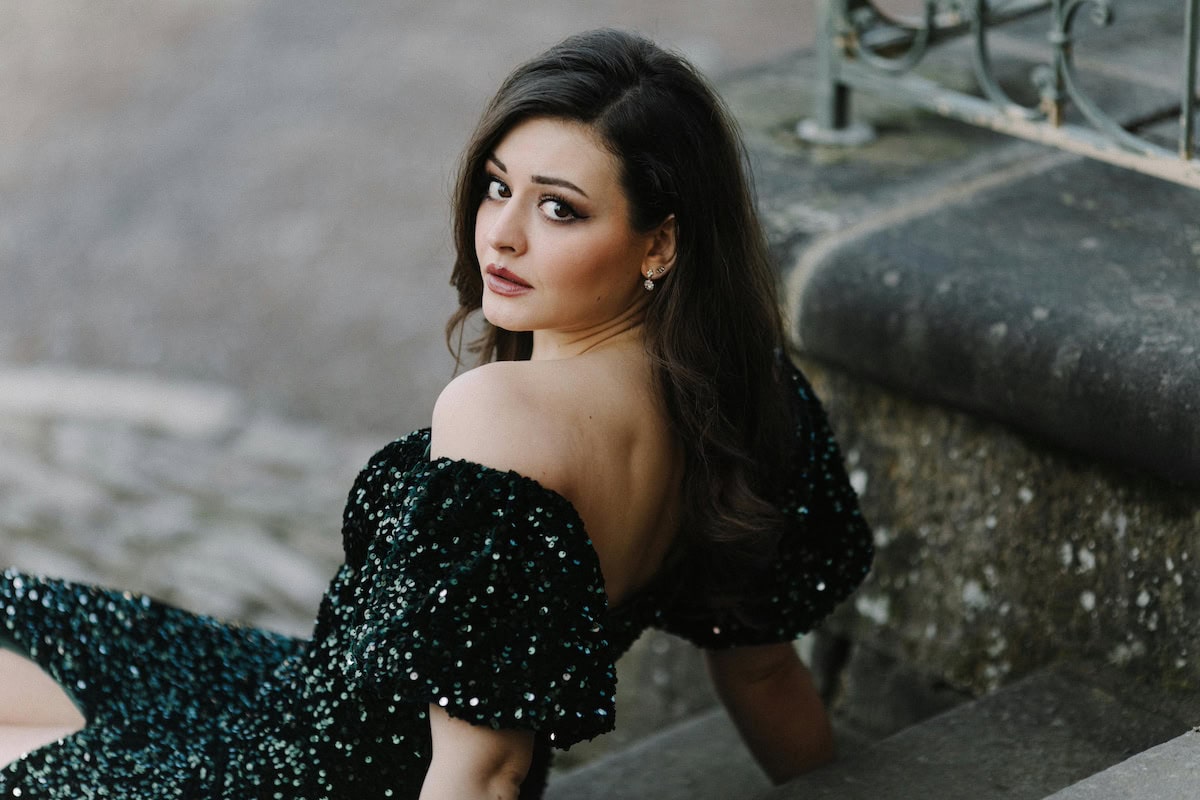
Few pieces are as reliable as a black dress for the opera. In fact, a sleek black long evening dress may be one of the most powerful style moves available. It’s elegant. It’s timeless. It never competes with the performance.
A floor-length black dress carries quiet confidence. It doesn’t demand attention, yet it always feels correct. For anyone unsure about color, black eliminates guesswork entirely. That said, jewel tones also shine in an opera setting. Deep emerald, sapphire, or rich burgundy add depth without straying from tradition. These shades feel luxe under soft lighting and complement the grandeur of the venue.
To elevate the look even further:
- Add opera gloves for a subtle nod to tradition.
- Choose refined metallic accessories.
- Opt for understated embellishment rather than heavy sparkle.
- Keep hair and makeup polished to match the gown’s level of formality.
The result? A formal outfit that feels cohesive, confident, and completely at home in the theater.
Alternatives to the Traditional Opera Dress
Not every opera outing requires a sweeping floor-length gown. While the long evening dress will always be a classic, there are moments when a slightly less formal approach feels perfectly appropriate. The key is refinement. This isn’t the place for casual Friday energy—it’s about elevated choices that still respect the setting.
Can You Wear a Cocktail Dress to the Opera?
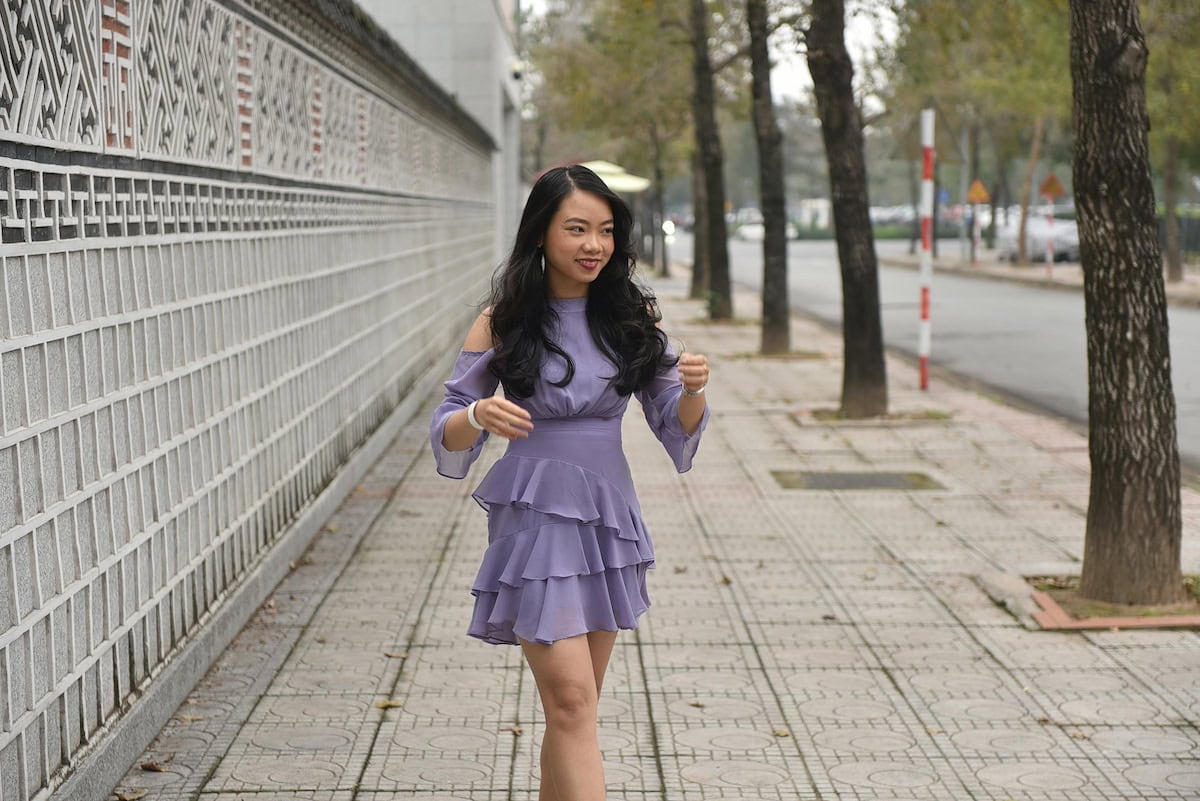
Short answer? Yes. Longer answer? It depends on the event.

A stylish cocktail dress can absolutely work for a standard evening performance, especially in cities where opera fashion leans modern. The trick is choosing a cocktail silhouette that feels sophisticated rather than party-ready.
Here’s what makes it opera-appropriate:
- Structured tailoring or elegant drape
- Luxe fabric (think satin, crepe, velvet)
- Refined neckline—nothing overly plunging or overly casual
- Elevated accessories that add polish
A cocktail dress becomes opera-worthy when it’s styled thoughtfully. Pair it with classic heels, a tailored wrap, and statement earrings instead of playful or trendy pieces. The goal is chic, not nightclub.
For anyone attending the opera and unsure about the dress code, a knee-length formal dress in a deep tone often strikes the perfect balance between semi-formal and elevated evening wear.
Maxi Dress vs. Midi Dress
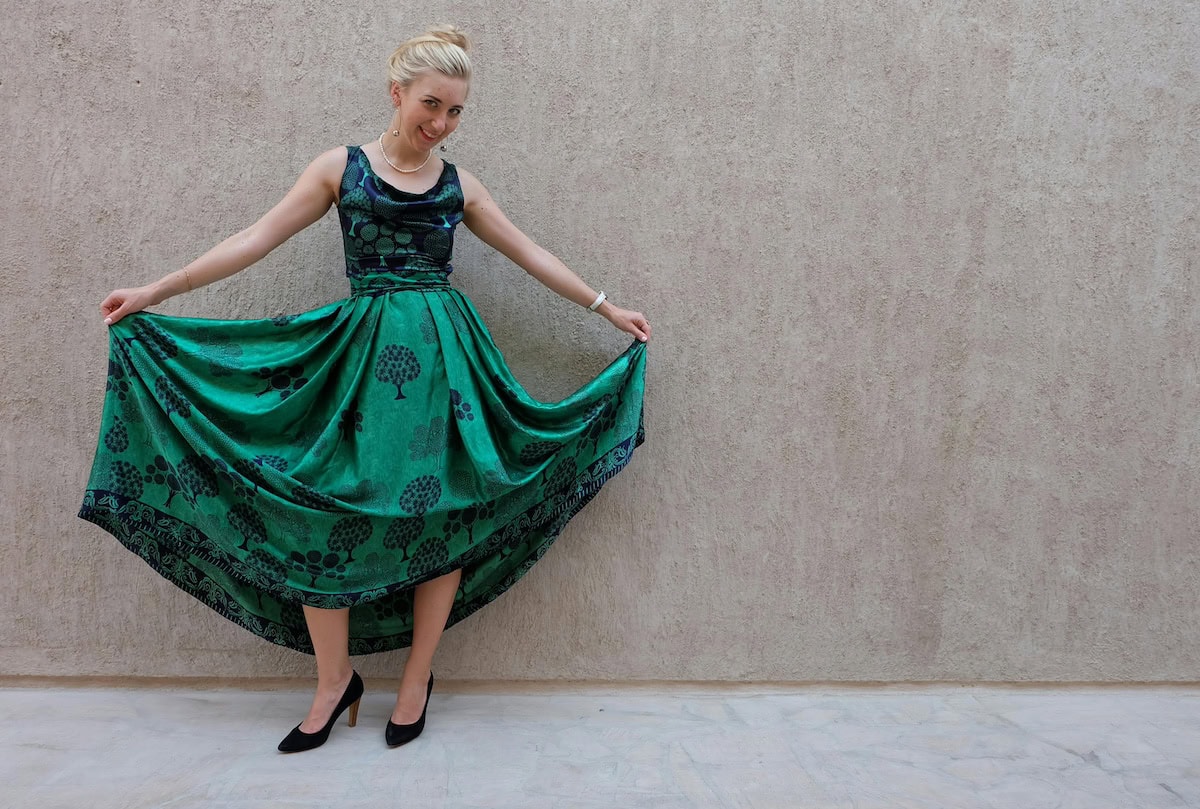
Now, let’s settle a common debate: maxi or midi? A maxi dress can feel just as formal as a gown—if the fabric and cut support it. A sleek, well-tailored maxi in a rich hue reads far more polished than a casual cotton version. Fabric makes all the difference. A flowing silhouette in satin or a heavier blend instantly raises the level of formality.
A midi dress, on the other hand, works beautifully for:
- Matinee performances
- Smaller regional opera houses
- Less formal productions
The midi length feels intentional and modern. It’s especially flattering when paired with elegant long-sleeve styling during cooler months. Sleeves add structure and subtle drama without overwhelming the look. For fall or winter performances, this option often feels both practical and polished. The deciding factor? Consider the time of day and the venue’s culture. Evening shows tend to lean dressier, while daytime performances allow a bit more flexibility.
Wrap Dress, Pleat, and Drape Styles
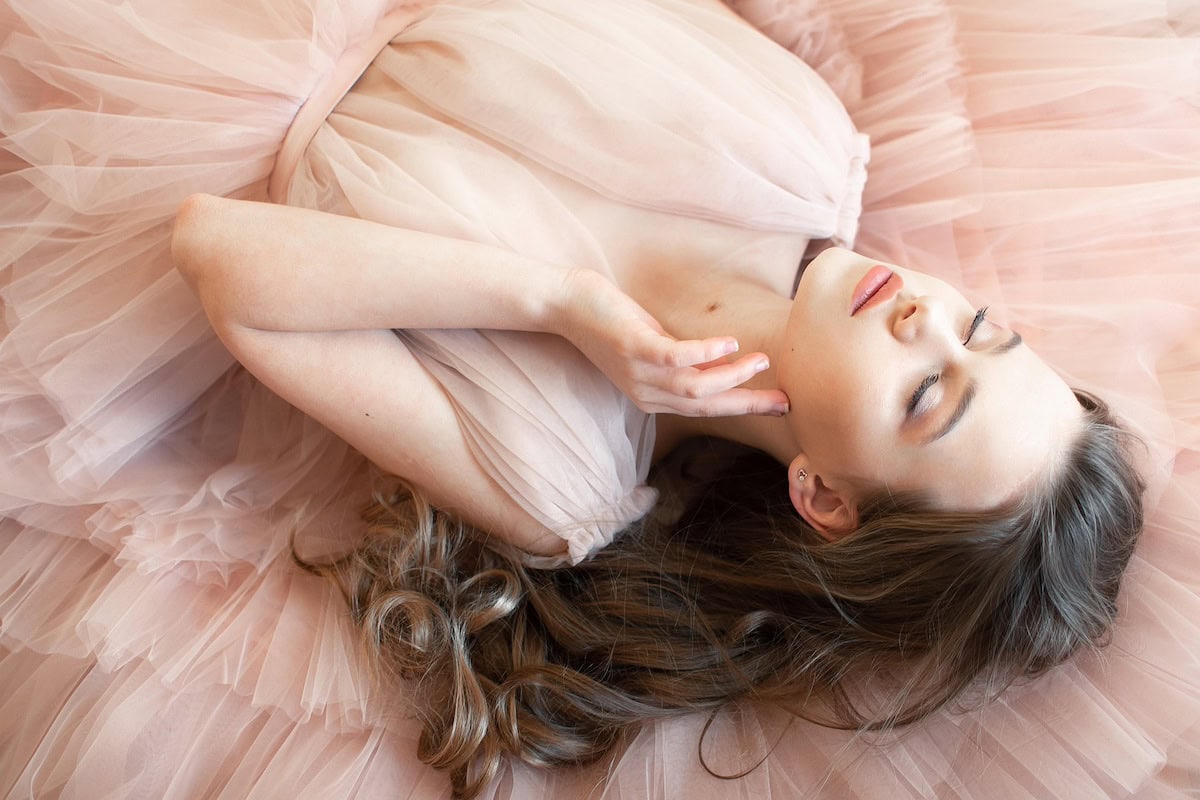
There’s something quietly powerful about a well-cut wrap dress. It flatters, defines the waist, and moves effortlessly. In a refined fabric, a wrap silhouette offers understated elegance that feels perfectly at home in the theater. Pleat detailing adds movement, which works beautifully when walking through grand foyers or ascending staircase landings. It creates visual interest without relying on heavy embellishment.
Drape elements also deserve attention. A softly draped bodice or skirt brings dimension and sophistication. These subtle design choices:
- Add texture without excess sparkle
- Enhance shape without stiffness
- Keep the look polished yet comfortable
Comfort matters more than many realize. Opera performances can last several hours. A dress that feels restrictive will distract from the music. The best formal outfit allows ease while still looking composed. Choosing an alternative to a traditional gown isn’t about dressing down. It’s about selecting a piece that aligns with the event, the season, and personal style—while still honoring the elegance of the setting.
Choosing the Right Evening Dress by Season
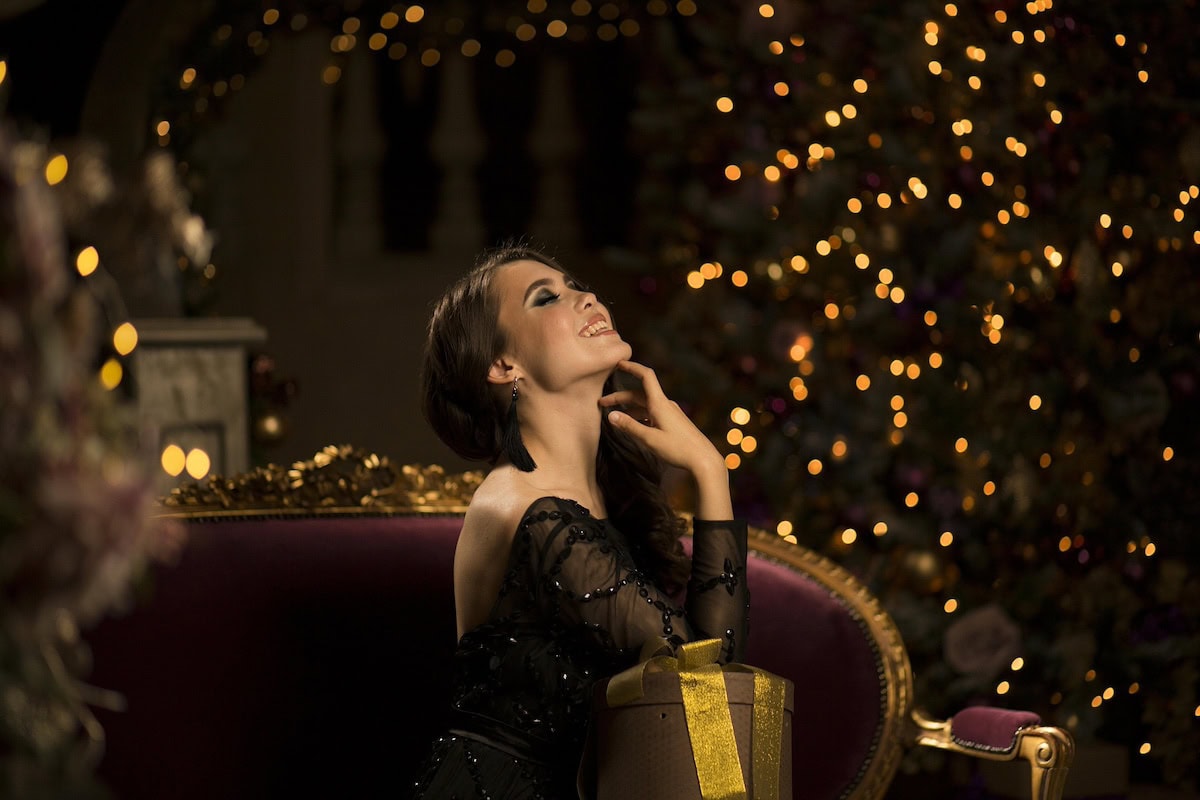
An opera house may be climate-controlled, but the walk in, the photos outside, and the overall mood of the season still influence what feels right. Fabric weight, sleeve length, and even color palette can shift the tone of an opera dress dramatically. Dressing for the season isn’t about following trends. It’s about comfort meeting elegance—so the look feels intentional rather than improvised.
Long Sleeve Maxi Dress for Fall & Winter
Cooler months practically invite richer textures and deeper shades. A long sleeve maxi dress instantly feels appropriate when temperatures drop. Beyond warmth, sleeves add structure and a certain refinement that aligns beautifully with a formal evening.
Fall and winter opera looks often lean into:
- Heavier satin or structured blends
- Darker jewel tones like emerald, navy, and garnet
- Elegant long sleeve silhouettes with subtle tailoring
- Floor-grazing hems for added drama
A long evening dress in a substantial fabric carries visual weight in the best way. It complements the grandeur of the theater without feeling excessive. For those who prefer coverage, sleeves provide polish without sacrificing style.
Layering also becomes essential. A shawl draped over the shoulders adds warmth while maintaining the integrity of the silhouette. The key is avoiding bulky outerwear that disrupts the line of the gown. A tailored wrap or structured coat keeps everything cohesive. Winter performances, especially around the holidays, often feel slightly more glamorous. A touch of refined embellishment or a fabric with subtle sheen enhances that seasonal glow without overpowering the look.
Deep V-Neck and Lightweight Styles for Spring
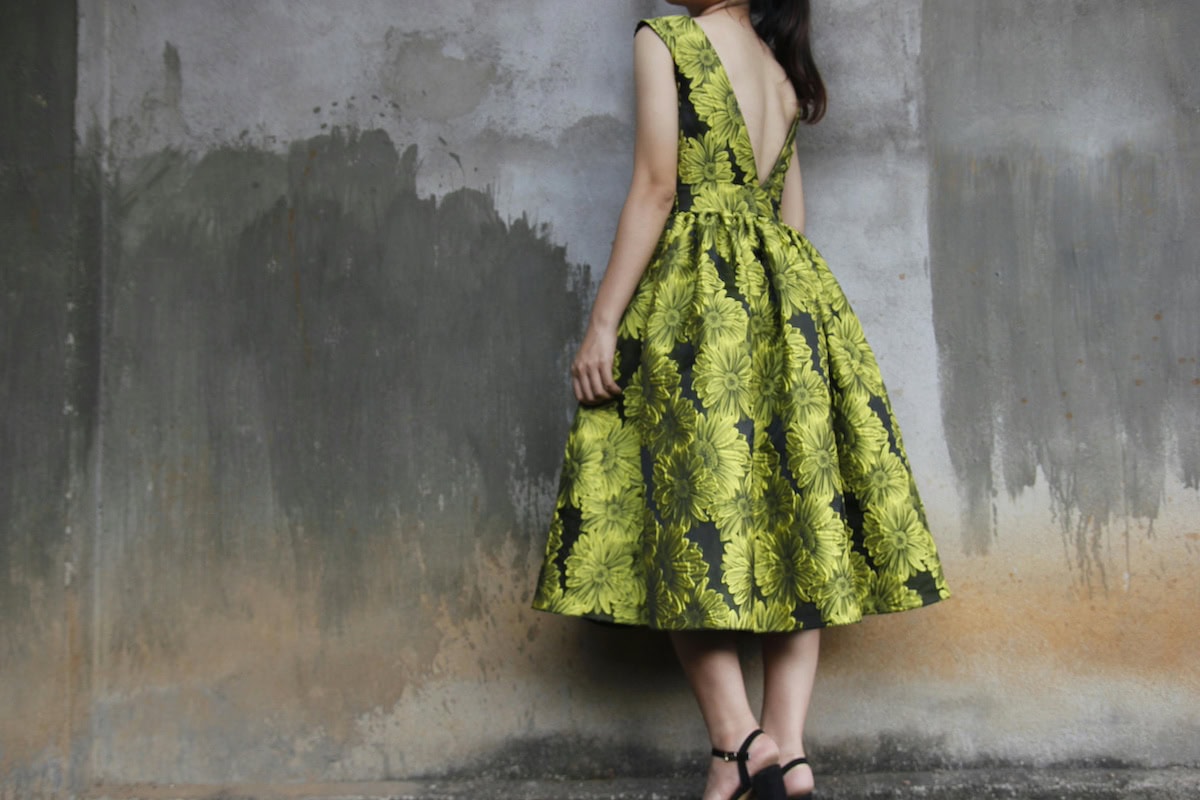
Spring shifts the mood entirely. Lighter fabrics and softer movement begin to make sense. A deep V-neck evening dress can feel fresh and elegant when balanced properly—a structured bodice, fluid skirt, nothing overly revealing.
Breathable formal wear options shine during warmer months:
- Lightweight satin or chiffon
- Soft drape that allows movement
- Sleeveless or cap-sleeve styles
- Airier color palettes alongside classic neutrals
Spring opera attire benefits from restraint. The goal isn’t summery or casual—it’s refined and breathable. A flowing maxi in a lighter-weight fabric maintains elegance without feeling heavy.
Balancing comfort with sophistication is essential here. The dress should move effortlessly from the outdoor arrival to the indoor performance without requiring constant adjustment. Thoughtful tailoring ensures the silhouette remains polished even in lighter materials. Ultimately, seasonal dressing at the opera is about harmony—matching fabric and structure to the time of year while keeping the overall impression elevated.
What Not to Wear to the Opera
For an event steeped in elegance, surprisingly few hard rules exist. Still, there are a handful of outfit choices that can feel out of sync with the atmosphere. The goal isn’t to police style—it’s to avoid looking like the dress was meant for a completely different occasion. The opera is refined, intentional, and slightly elevated. Anything that feels overly casual, costume-like, or mismatched to the setting can distract from that tone. Let’s break it down.
Prom Dress: When It Works (and When It Doesn’t)
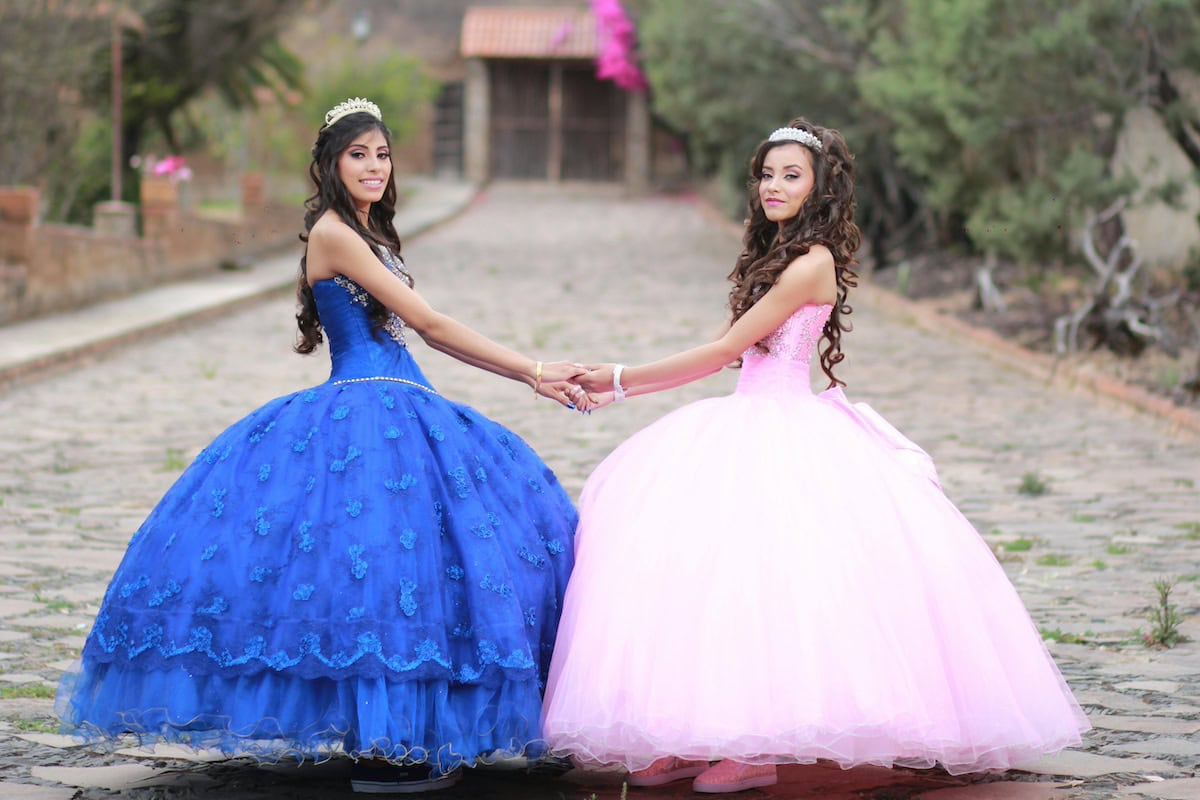
A prom dress isn’t automatically off-limits—but context matters. Many prom dresses are designed with dramatic sparkle, bold cutouts, or youthful trends that may feel a bit out of place at a traditional theater. The issue isn’t length; it’s styling. Overly flashy embellishment or ultra-trendy details can shift the vibe from polished to pageant.
If considering a prom-style gown, keep these guidelines in mind:
- Opt for clean lines over excessive glitter.
- Avoid exaggerated silhouettes unless it’s a clear black tie gala.
- Choose sophisticated fabrics rather than novelty finishes.
With refined styling, a formal dress originally marketed for prom can absolutely translate. It just needs maturity in execution.
Party Dress vs. Wedding Guest Dress
A party dress often misses the mark because it leans festive rather than formal. Sequins meant for a nightclub or bright bodycon silhouettes designed for dancing until midnight rarely align with the understated elegance of the opera.
Similarly, a wedding guest dress can be hit or miss.
A wedding guest dress works when:
- It’s crafted from elevated fabric.
- The silhouette feels structured and polished.
- The color palette is refined rather than playful.
It doesn’t work when:
- It reads overly casual or beachy.
- The hemline is extremely short.
- The design feels daytime-specific.
The difference comes down to intention. Opera attire should feel thoughtfully curated, not pulled from the back of the closet after a last-minute invitation.
Why a Wedding Dress, Bridesmaid Dress, or Masquerade Dress Usually Doesn’t Fit
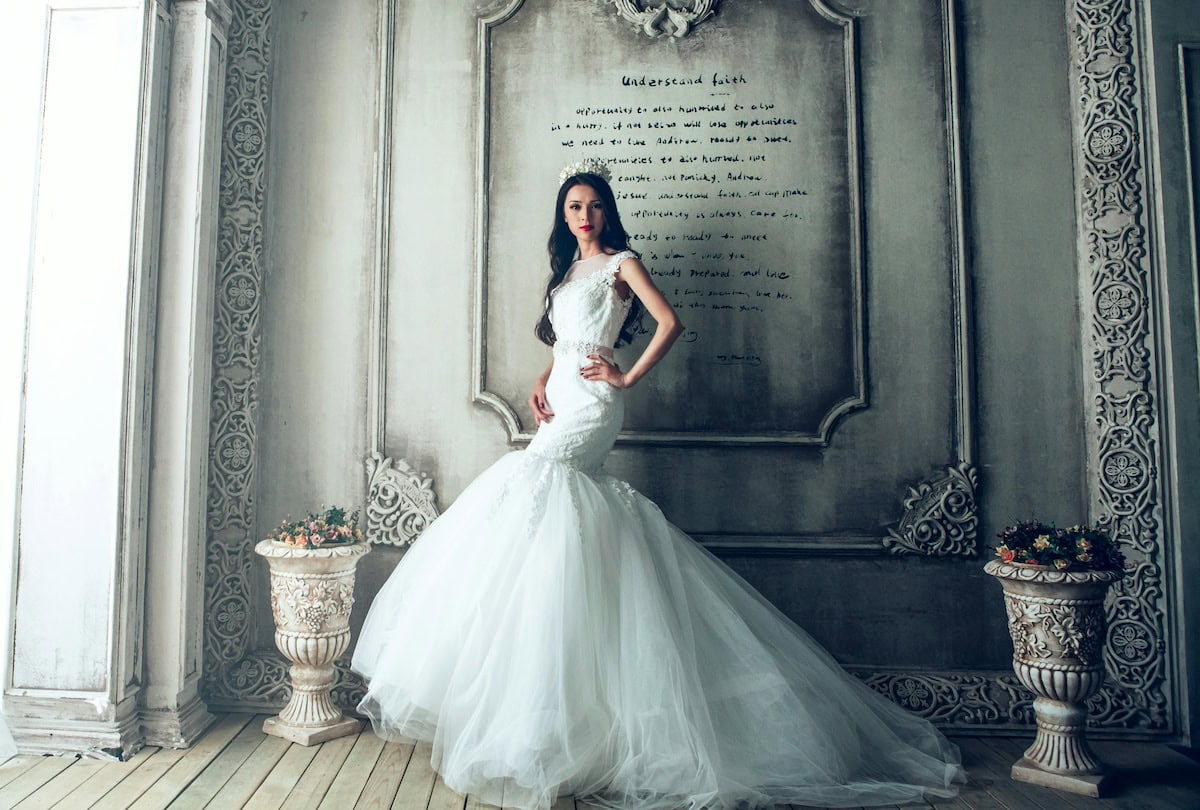
This may sound obvious, but it happens. A wedding dress is almost never appropriate—unless the opera invitation specifically says otherwise. The same goes for a bridesmaid dress that clearly reads bridal party. These pieces carry strong associations. The opera is not the place to repurpose them unless the gown is incredibly understated and styled far away from its original context.
And while the word “opera” might inspire drama, a masquerade dress with overtly theatrical themes generally feels misplaced—unless it’s a themed event. Costuming and couture are not the same thing.
A good rule of thumb:
- Avoid anything that feels like it belongs at a costume party.
- Skip dresses designed solely for club scenes.
- Leave bridal silhouettes for actual weddings.
The opera invites elegance, not exaggeration. Dressing appropriately isn’t about restriction—it’s about alignment. When the outfit matches the atmosphere, everything feels effortless.
Accessorizing Your Opera Outfit
A beautiful gown or polished formal outfit sets the foundation. Accessories are what complete the story. At the opera, details matter. The lighting is soft, the architecture is grand, and small elements—done well—have real impact. The key is balance. Accessories should enhance the look, not compete with it. Think refinement over excess.
Opera Gloves For Formal Evening: Yes or No?
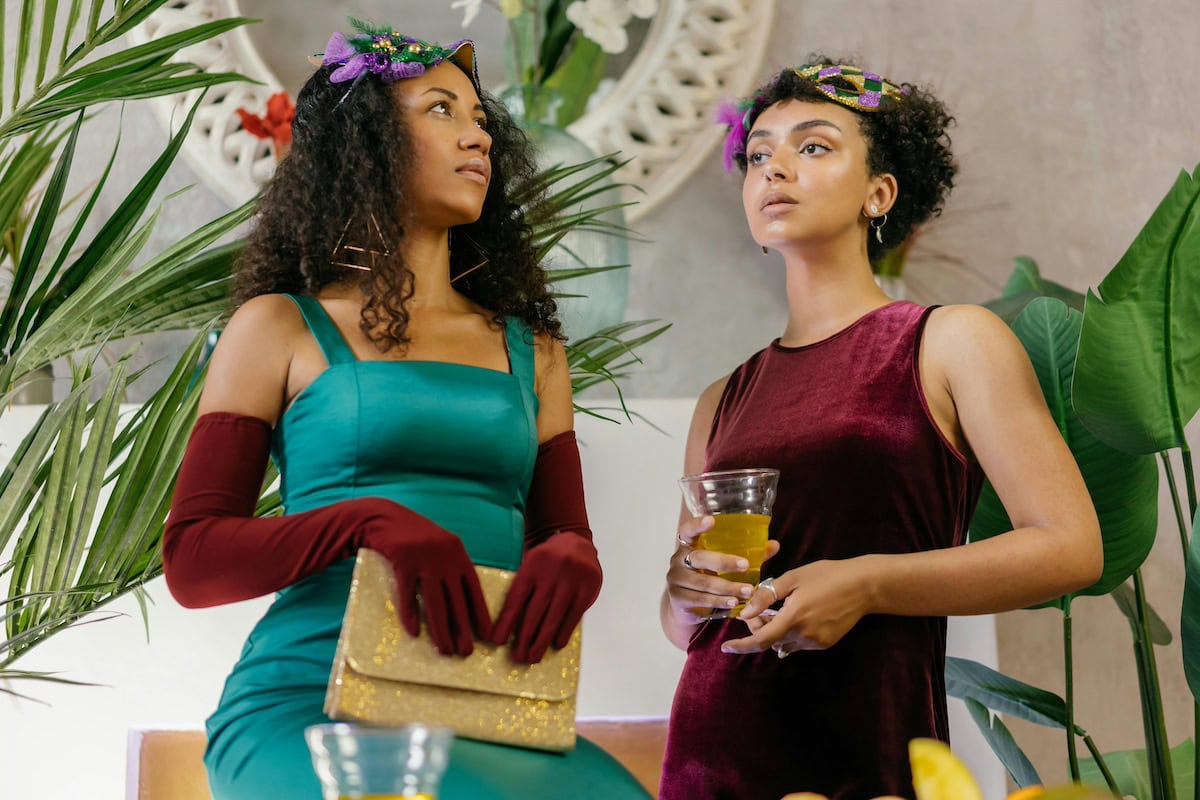
Opera gloves have made a quiet comeback, and few settings suit them better than the theater. When styled correctly, they elevate a formal evening look instantly.
Gloves work best when:
- Paired with a sleeveless or strapless gown
- The event leans black tie or gala-level formal
- The dress itself is clean and structured
Long gloves add drama without overwhelming the silhouette. In a sleek black floor-length gown, they create that old-world elegance that feels intentional rather than theatrical. That said, they aren’t mandatory. For a standard performance, gloves may feel overly formal. The decision comes down to the event’s tone and personal comfort. If the look feels complete without them, it probably is.
Shawls, Wraps, and Layers for The Theater
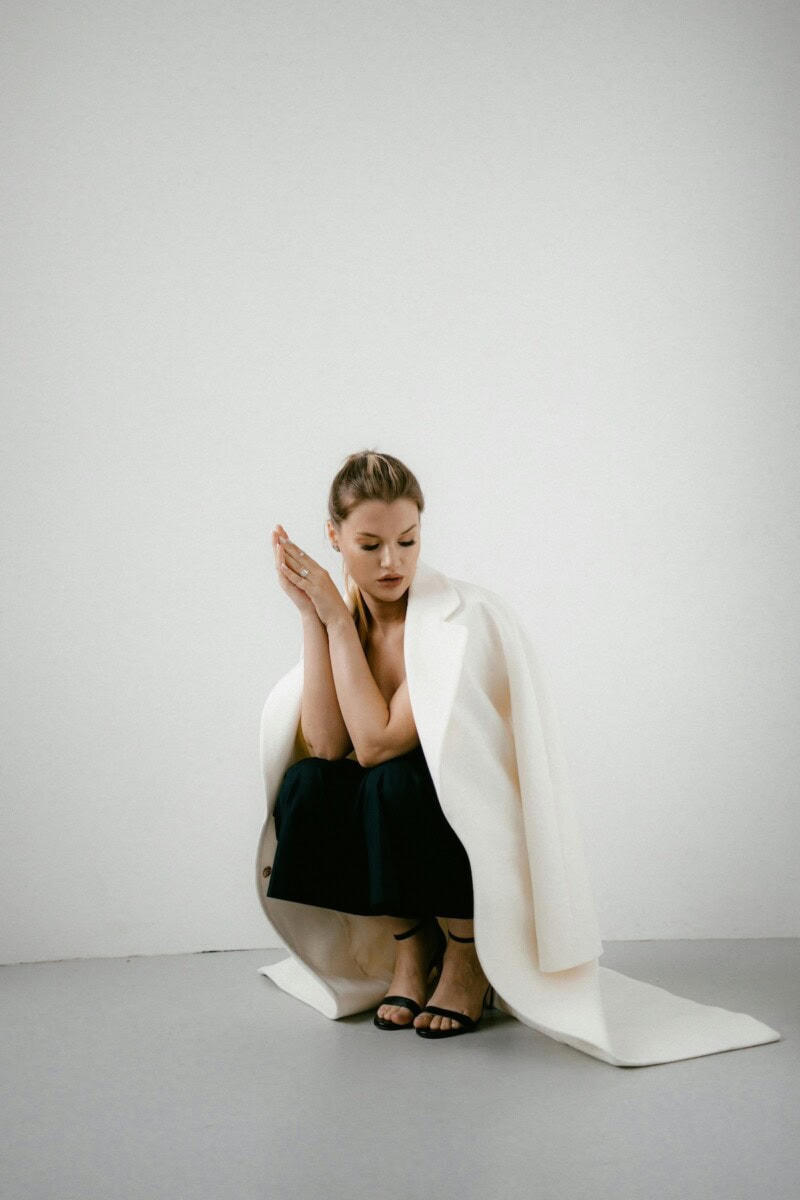
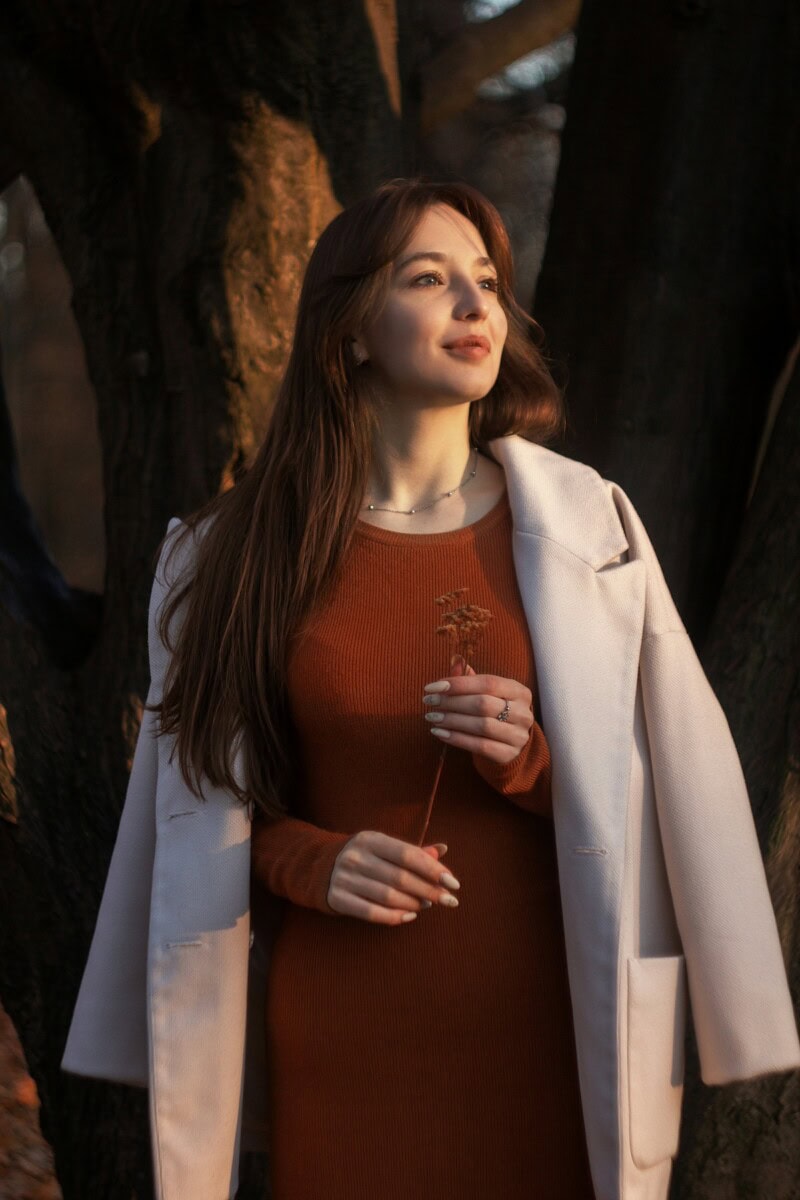
Theater interiors can run cool, and no one wants to spend the second act distracted by goosebumps. A shawl solves that problem while adding a touch of sophistication.
When choosing a wrap:
- Keep it lightweight and elegant.
- Avoid bulky knits that distort the silhouette.
- Match the fabric weight to the dress.
A structured coat or tailored cape can also work beautifully for arrival and departure. The idea is cohesion. Outer layers should complement the gown rather than clash with it. Layering well ensures the overall opera dress look remains polished from curbside to curtain call.
Jewelry and Neckline Pairings for Formal Outfits

Jewelry is where personality subtly shines. The trick is choosing pieces that align with the neckline and mood of the dress.
For example:
- Deep or open necklines pair well with delicate pendants or layered chains.
- High necklines often look best with statement earrings instead of a necklace.
- Strapless or off-shoulder styles can handle slightly bolder pieces.
A long evening gown with minimal detailing may benefit from one standout accessory. Meanwhile, a dress with embellishment often calls for restraint. The goal isn’t to outshine the performance—it’s to look cohesive and confident. Thoughtful accessorizing ensures the final result feels intentional, not accidental.
Styling for Special Opera Events
Not all opera evenings are created equal. A mid-season performance on a Thursday feels very different from a high-profile gala with photographers near the entrance. Special events raise the stakes—and the wardrobe should rise accordingly. This is where reading the room (and the invitation) becomes essential.
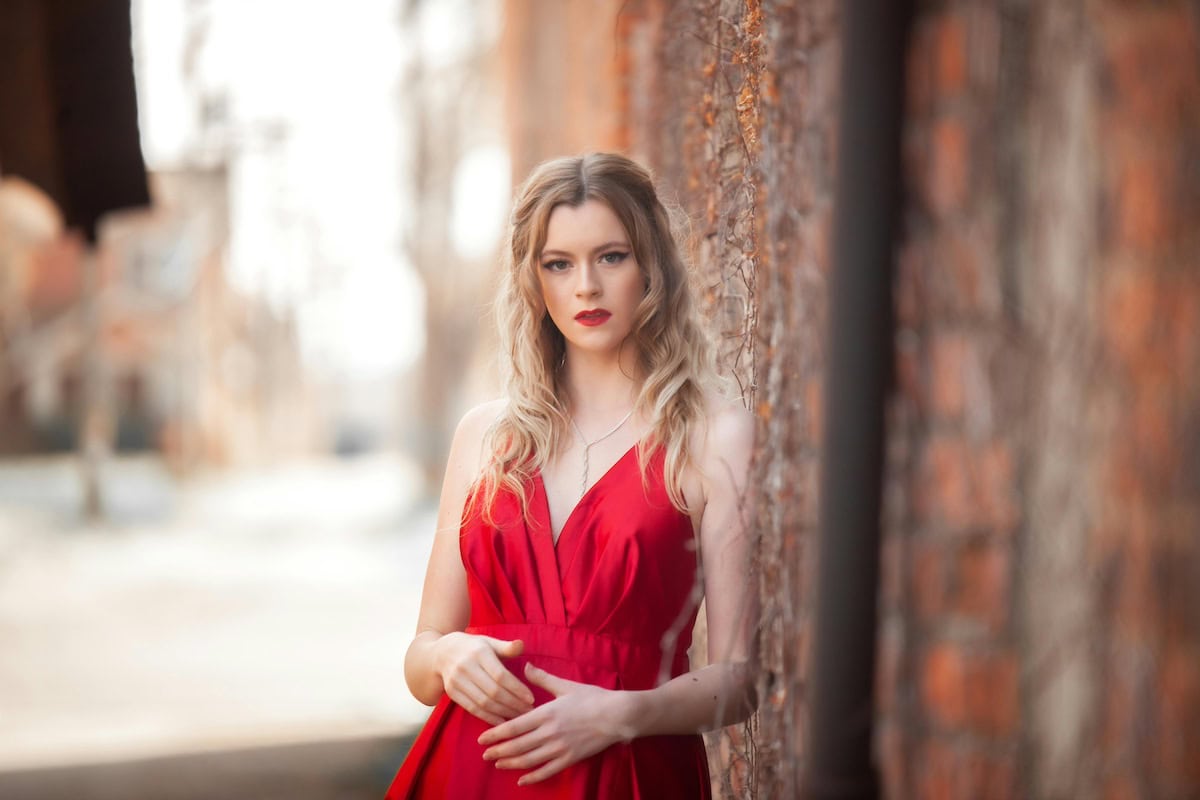
What to Wear to a Gala at the Opera
A gala at the opera typically signals full formal evening energy. Think elevated, refined, and unapologetically polished. If the invitation mentions black tie, that’s the moment to lean into a true floor-length gown.
For these occasions, the expectations often include:
- A formal gown or long evening dress
- Luxurious fabric with subtle sheen
- Tailored silhouettes that photograph beautifully
- Elevated accessories that complement—not overpower
A structured A-line or sculpted bodice creates presence without excess. Jewel tones, deep neutrals, or a sleek black statement all feel right at home. This is not the night for a semi-formal compromise. When questioning whether a floor-length gown is required, consider the tone: charity fundraisers, season openers, and anniversary performances almost always lean toward maximum elegance. Dressing slightly above the expected level of formality is rarely a mistake in these settings.
A gala is where a formal outfit becomes an experience in itself.
Meeting Guests, Dates, or Formal Events After
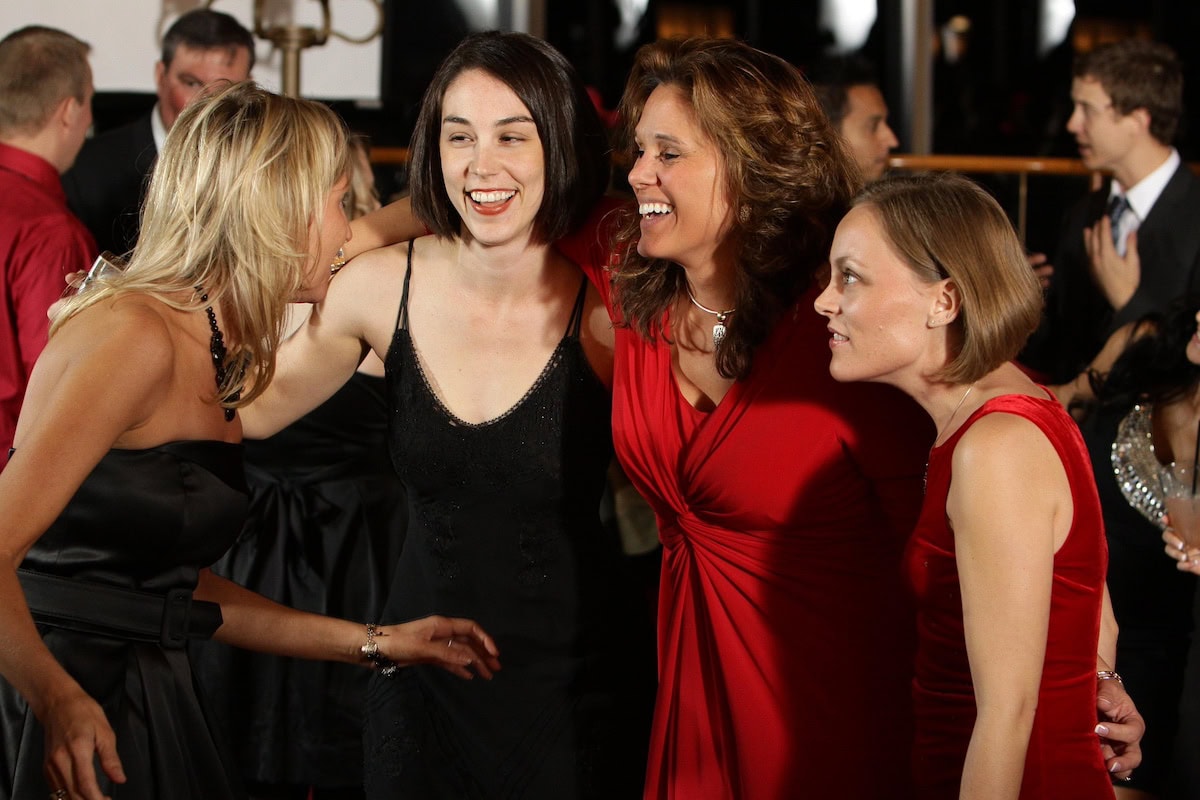
Many opera nights don’t end at curtain call. Dinner reservations, private receptions, or post-show gatherings often follow. The dress chosen should transition seamlessly from the theater to wherever the evening continues. A chic, thoughtfully styled gown makes this easy. The key is versatility.
Look for:
- A silhouette that allows comfortable movement
- Fabric that resists wrinkling during long seating periods
- Accessories that can be adjusted or simplified if needed
For example, statement earrings may carry the look through the performance, while a shawl can be removed later for a more relaxed dinner atmosphere. A long evening dress with clean lines feels just as appropriate in a candlelit restaurant as it does beneath theater chandeliers.
When planning the full evening, consider the entire flow—not just the performance itself. The most successful opera dress is one that holds its elegance from first arrival to final farewell.
Body-Flattering Opera Dress Silhouettes
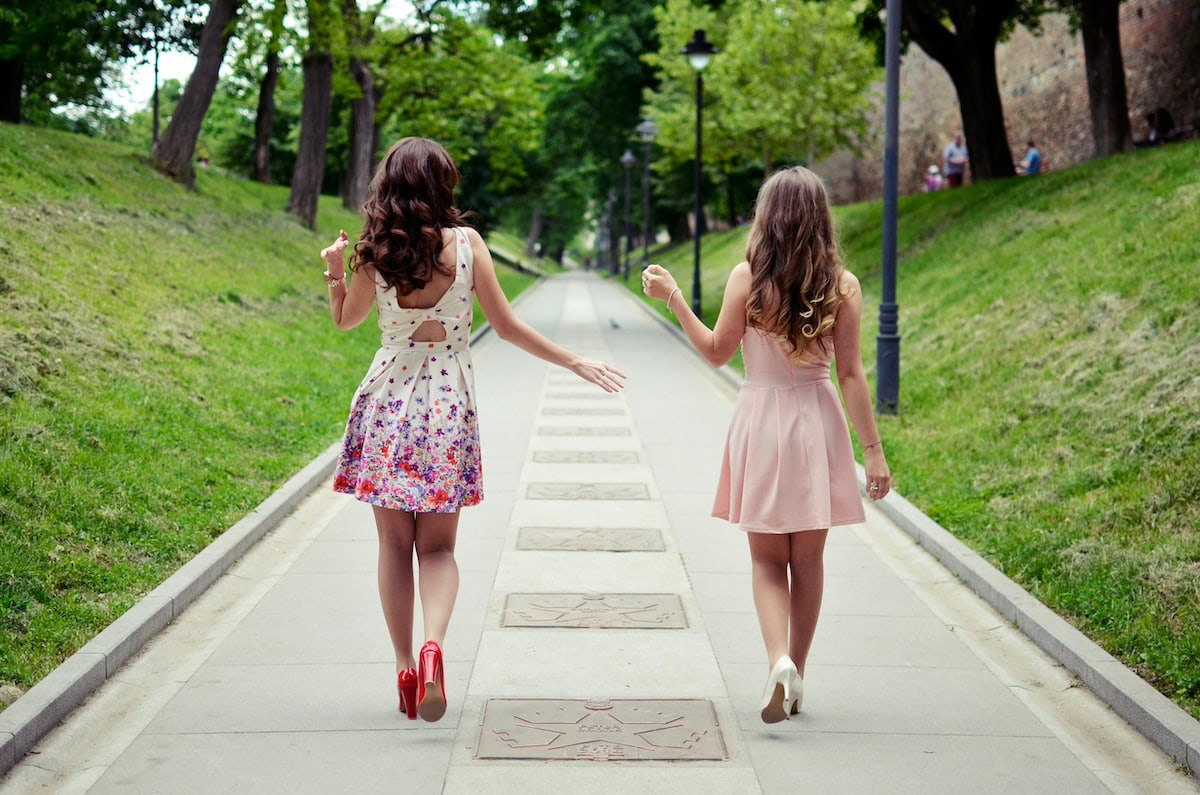
Even the most stunning gown falls flat if the fit feels off. The opera is not the place to fidget with straps, adjust hemlines, or feel restricted through three acts. The most elegant look in the room is usually the one worn with ease. Choosing the right silhouette isn’t about trends—it’s about proportion, balance, and comfort. When those three align, confidence follows naturally.
A-Line Chic: The Reliable Classic
If there were an award for most universally flattering shape, the A-line would win without debate. Fitted at the waist and gradually widening toward the hem, it creates structure without clinging.
An A-line long evening dress works beautifully because:
- It defines the waist without feeling restrictive.
- It balances proportions for many body types.
- It moves gracefully when walking through the theater lobby.
For anyone unsure where to begin, this silhouette is a strong starting point. It delivers timeless elegance without requiring dramatic styling choices.
Maxi vs. Floor-Length Formal Dress: Does Height Matter?
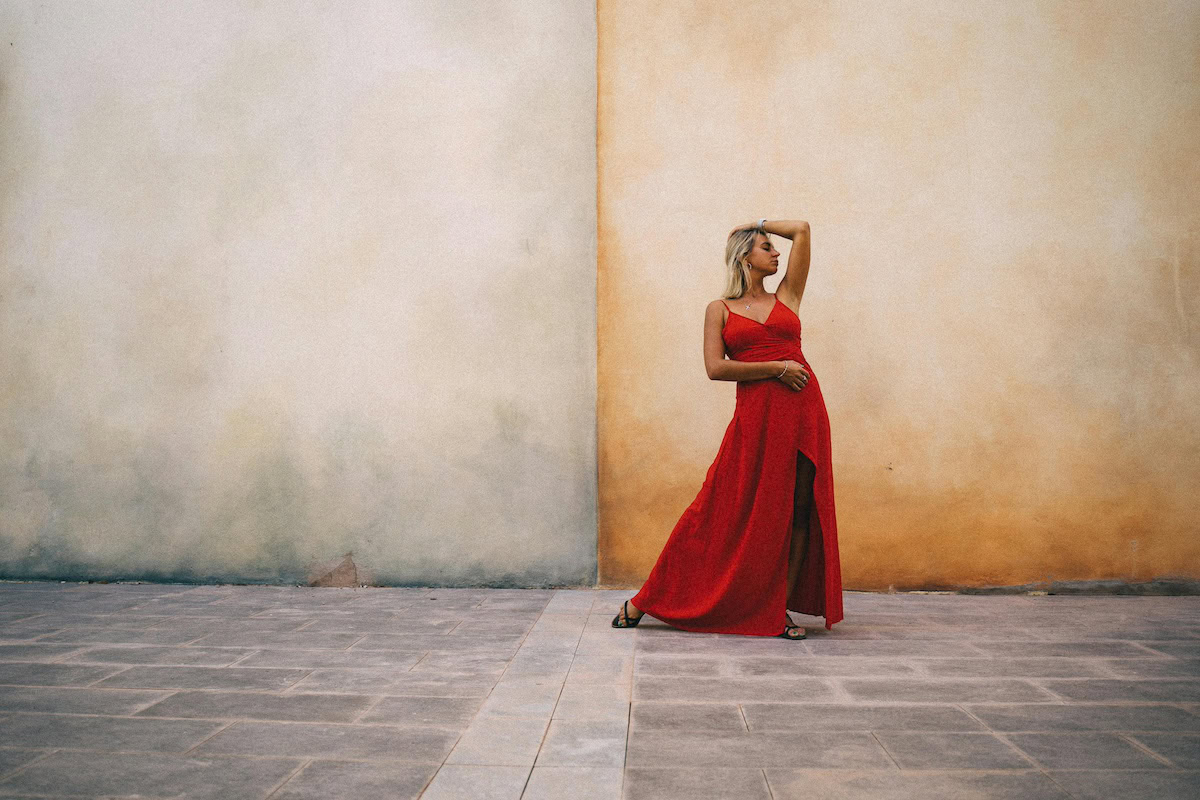
Length can subtly shift the overall effect of an opera dress. While both maxi and floor-length styles are appropriate, the way they hit the body makes a difference. A true floor-length gown that lightly grazes the floor tends to feel more formal. It creates a longer visual line and pairs especially well with evening heels. A maxi dress, which typically stops just above the floor, can feel slightly more relaxed—though still polished when tailored correctly.
To choose wisely:
- Consider heel height before hemming.
- Avoid dragging fabric that disrupts the silhouette.
- Ensure the length complements your proportions.
The goal is elongation without excess fabric overwhelming the frame.
Subtle Pleats and Structured Comfort
Pleat detailing can add movement without bulk. A long evening dress with soft pleats creates visual interest while maintaining sophistication. It also allows for comfortable sitting—an underrated feature during a long performance.
Structure matters too. A well-constructed bodice provides support so the wearer isn’t constantly adjusting throughout the night. The opera demands attention on the stage, not on wardrobe malfunctions. Ultimately, the right gown should feel secure, breathable, and balanced. When comfort meets polish, posture improves naturally—and that quiet confidence is what truly completes the look.
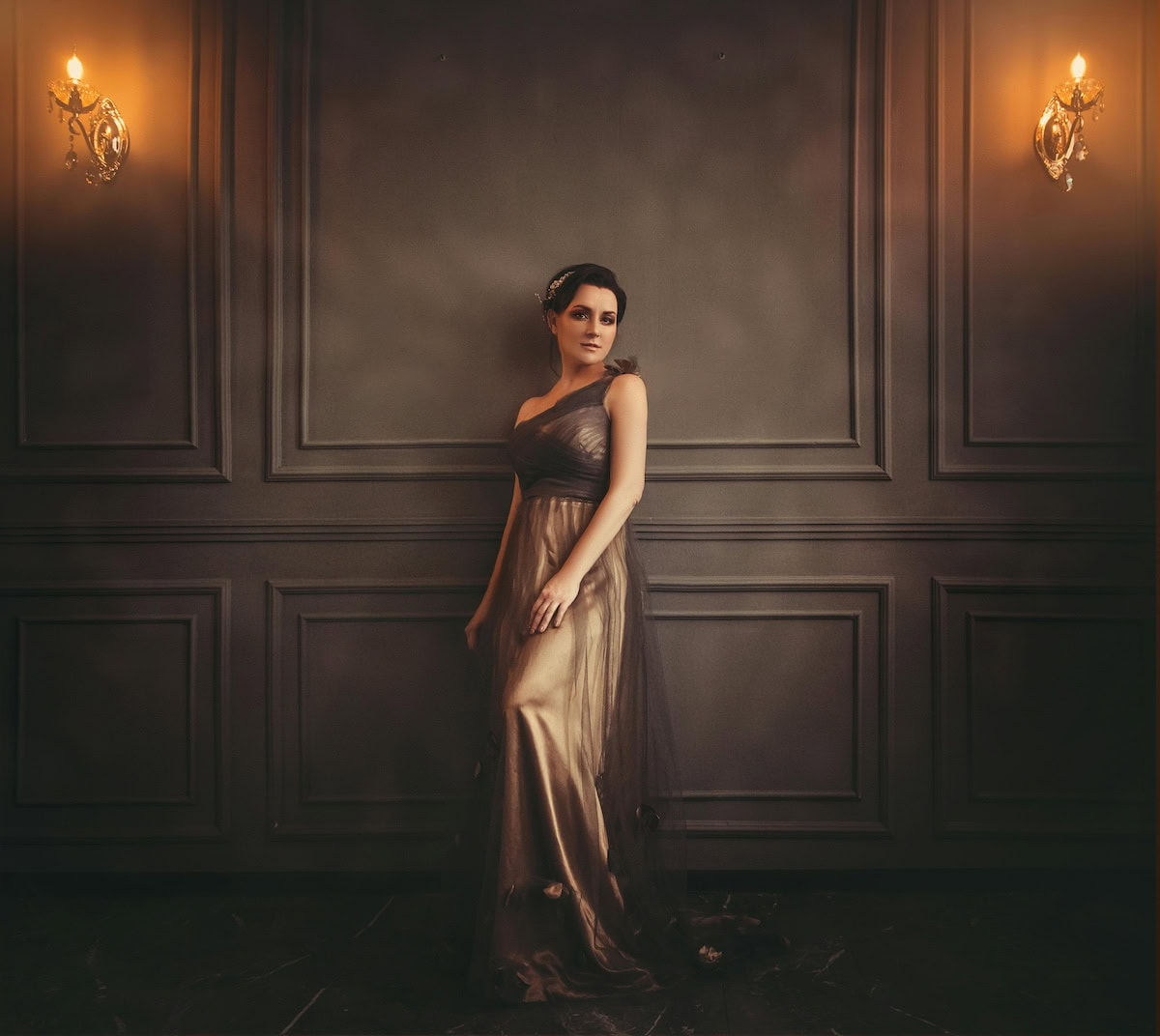
Dressing for the opera is ultimately about elegance—not costume. It’s about honoring the atmosphere of the theater without losing personal style in the process. Whether the choice is a sweeping evening gown, a refined formal dress, or a beautifully tailored long silhouette, the goal is cohesion and intention. The most memorable opera dress isn’t necessarily the most dramatic one in the room—it’s the one worn with ease. True sophistication comes from thoughtful styling, balanced details, and the quiet confidence that says the look was chosen on purpose. When elegance feels natural rather than forced, the entire evening unfolds exactly as it should—polished, effortless, and unforgettable.
Frequently Asked Questions about Opera Dress
Is satin appropriate for the opera?
Satin is a classic choice for an opera dress because its subtle shine looks refined under theater lighting. It adds elegance without requiring heavy embellishment.
Can you wear a long dress to the opera?
A long dress is always an appropriate and polished option for most opera performances. It naturally aligns with the formal atmosphere of the theater.
What does “long evening” mean in dress codes?
“Long evening” typically refers to full-length styles designed for formal nighttime events. For the opera, this usually means a gown or elongated silhouette in elevated fabric.
Is an elegant long sleeve dress suitable for the opera?
An elegant long sleeve dress works beautifully, especially for fall and winter performances. Sleeves add sophistication while keeping the look formal and balanced.
Should you choose a long evening dress for a gala?
A long evening dress is ideal for opera galas and opening nights. It meets black tie expectations and reflects the elevated nature of the event.
When is a floor-length gown required?
A floor-length gown is most appropriate for black tie performances, charity events, or formal galas at the opera. When the invitation suggests elevated formality, this is the safest choice.
What counts as evening wear for the opera?
Evening wear for the opera includes formal dresses, gowns, and refined silhouettes in luxe fabrics. The key is polished styling that matches the venue’s level of formality.
You might also be interested in…
CONNECT WITH DAILY MOM
💖 NEWSLETTER: DAILY READS IN YOUR INBOX 💖
Sign up to receive our picks for the best things to do, see and buy so you can relax and focus on more important tasks! Let us help you be the best version of yourself you can be!
BE SOCIAL WITH US
📌 LOVE IT? PIN IT!📌