



























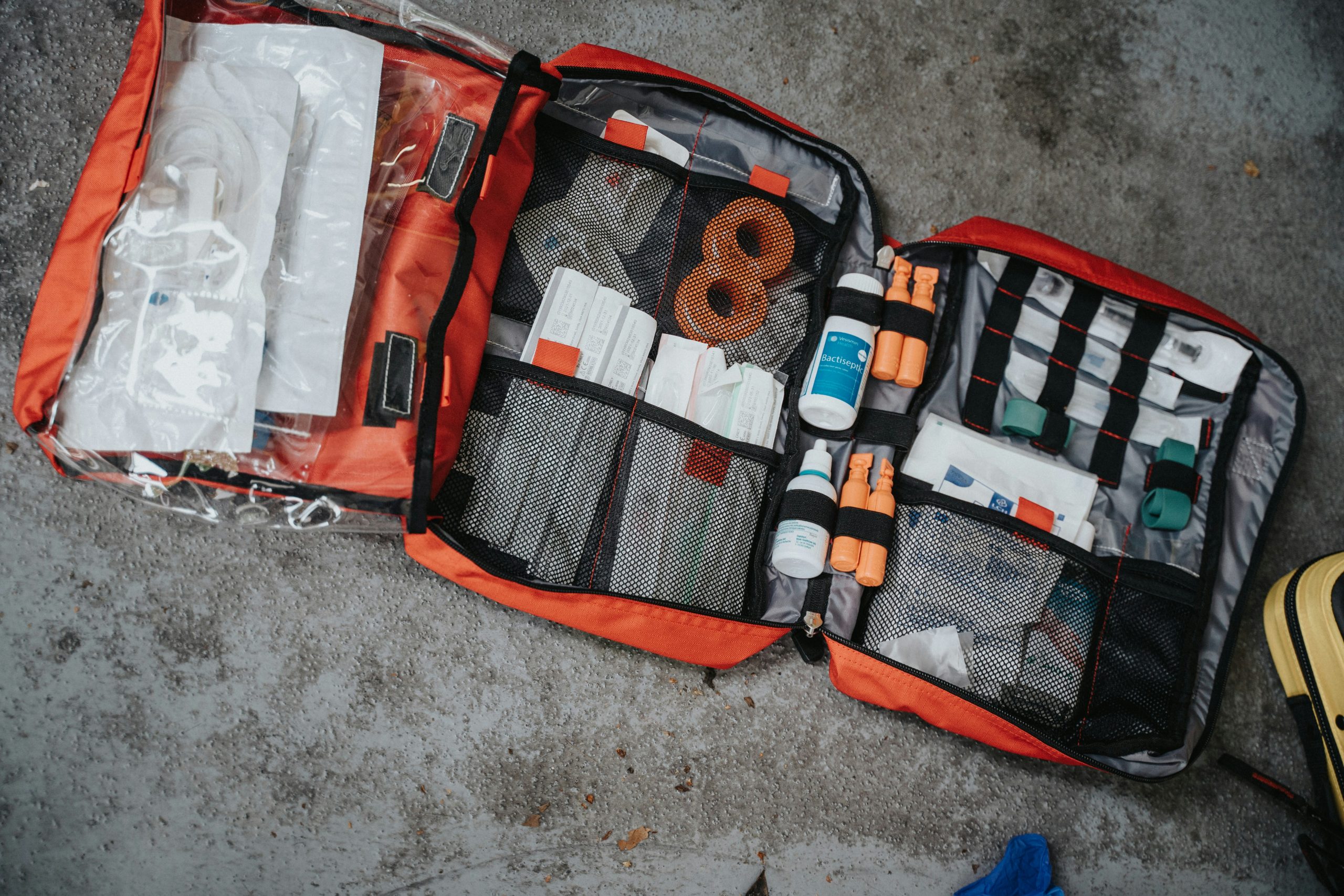
Most families have at least one drawer stuffed with flashlights that may or may not work, random batteries, and supplies that seemed like a good idea at the time. The problem is that severe weather rarely gives anyone the luxury of digging through closets or making one last trip to the store. When a hurricane or tornado is on the way, the last thing anyone wants is to wonder if everything needed is actually in one place. Taking time now to build an emergency kit turns those frantic moments into a much calmer response when every second matters.
Storms are unpredictable, but getting ready does not have to be complicated. A thoughtful emergency kit should include the essentials every household relies on while also covering your family’s unique routines and family needs. From staying comfortable during extended power outages to having supplies ready if a quick evacuation becomes necessary, smart disaster preparedness is all about planning ahead. A little effort today can help prepare your family, protect the people who matter most, and even become a true lifesaver when severe weather strikes.
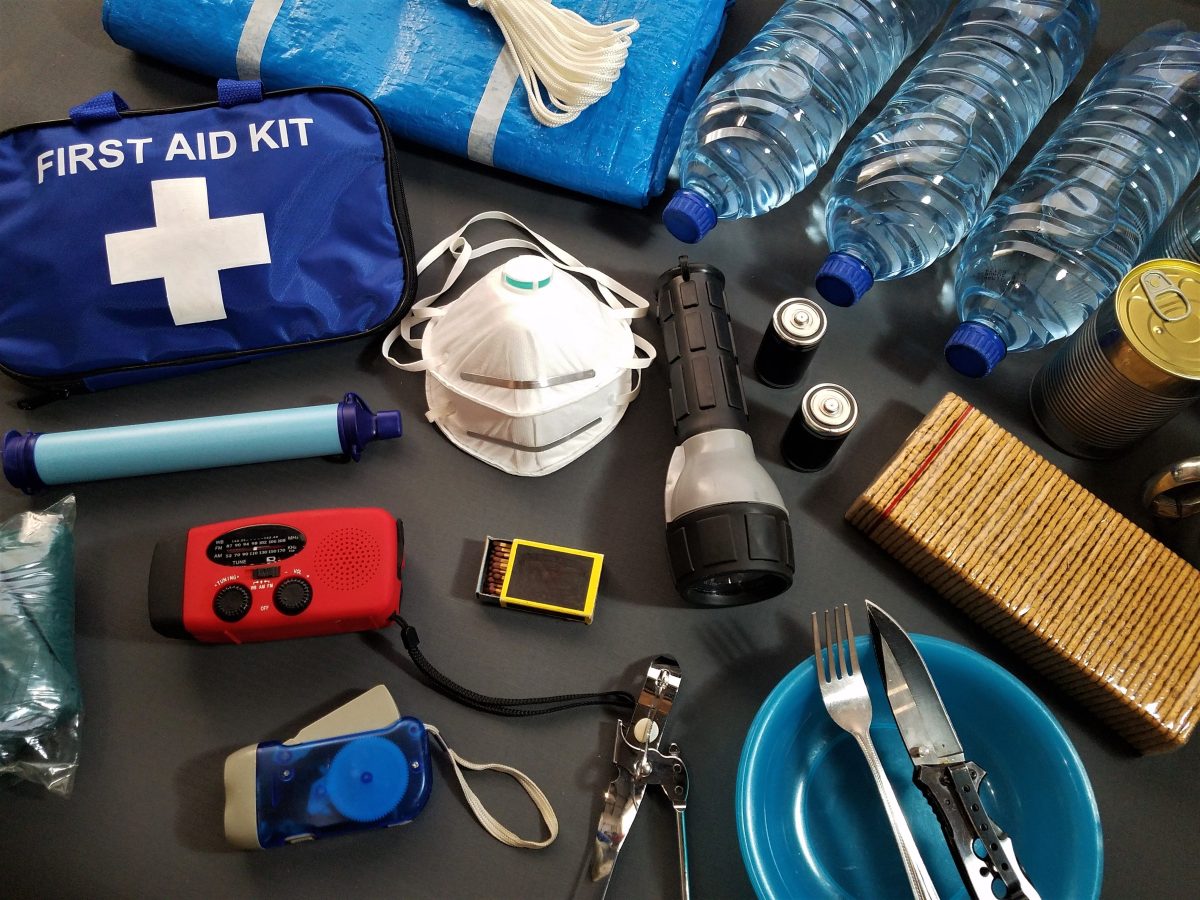
Hurricane and Tornado Emergency Preparedness Kit Essentials
A fully stocked emergency kit does more than check a box on a to-do list. It gives everyone a better chance of staying comfortable and organized if severe weather interrupts daily life. The right supplies can help your family stay put safely during a storm or make it easier to evacuate if local officials issue that order.
Every household can be a little different, but there are a few essentials that belong in nearly every emergency supply collection. Starting with the basics makes it much easier to build a kit that fits your home and your routine.
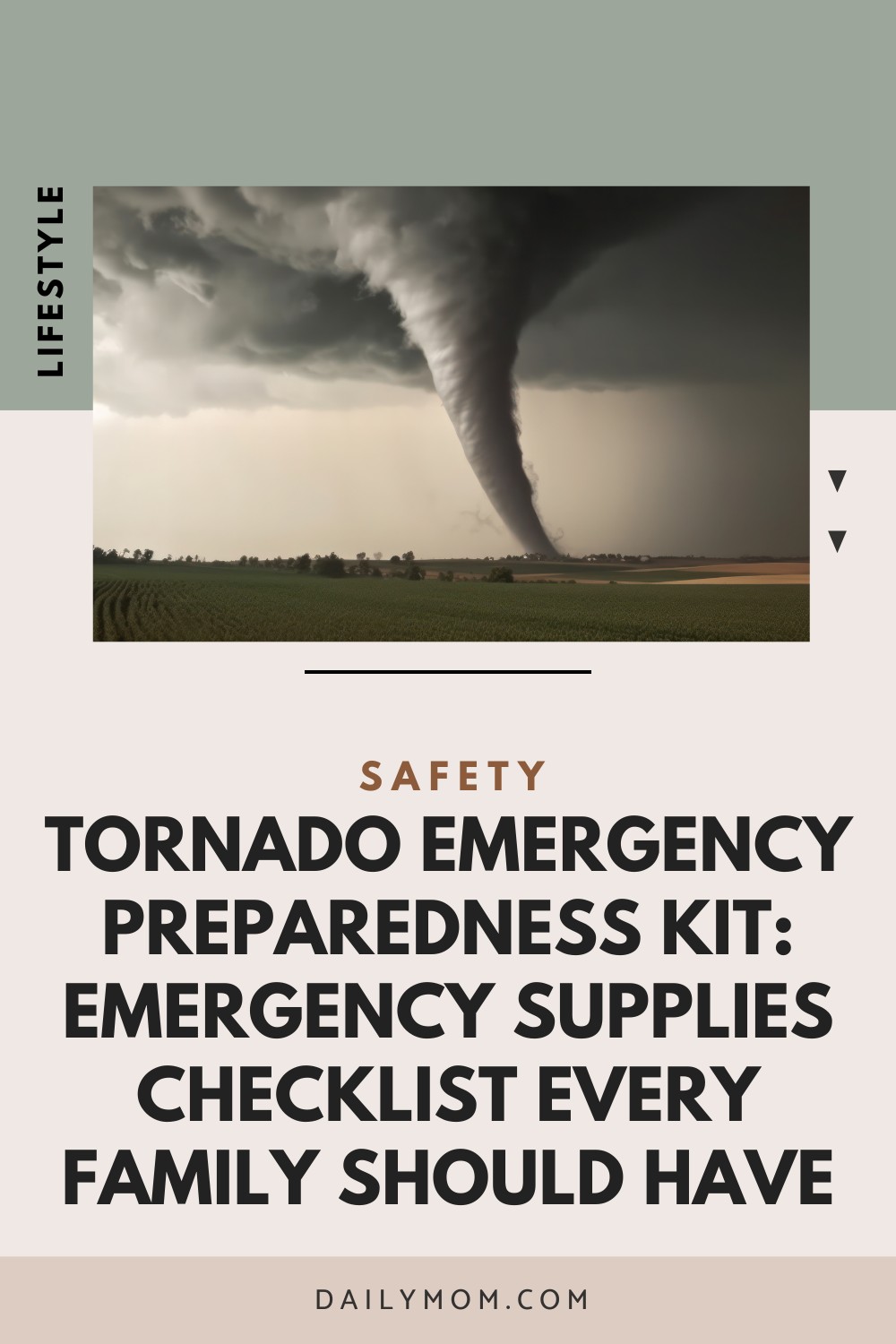
Emergency Supplies and First Aid Items Every Family Should Have
Every emergency kit should cover the basics first, then grow from there. The goal is not to pack every item imaginable. Instead, focus on supplies that help your household stay safe, comfortable, and prepared if severe weather interrupts daily life. A little prep ahead of time can make a stressful situation feel much more manageable.
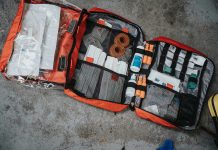
- Medical care: Keep a first aid kit ready for minor injuries and unexpected medical emergencies.
- Communication: A dependable radio helps you stay informed if phone service or the internet becomes unreliable.
- Food and hydration: Plan for enough food and water to support everyone in your household for several days.
- Important records: Protect important documents and insurance policies from water damage so they’re easy to access if needed.
- Daily essentials: Think beyond the basics and include supplies that match your family’s unique needs, including medications, mobility aids, or comfort items for children.
Getting these core categories covered creates a solid foundation that you can build on in the future. From there, it’s much easier to customize your emergency supplies and add the specific items that belong in a home kit or a grab-and-go bag.
Building a Disaster Supplies Kit for Different Situations
No two emergencies look exactly alike. A family riding out a hurricane at home will have different needs than someone who has to leave quickly ahead of rising floodwaters. Building your supplies with more than one scenario in mind makes it easier to respond instead of scrambling when a local emergency happens. The goal is to have everyday essentials organized, easy to grab, and ready for whatever the season brings.
Home Emergency Kit Checklist: What to Put in Your Go Bag
A go bag should be light enough to carry but packed with the essentials that could support your family for at least a couple of days. Think of it as your backup plan if officials recommend you leave home or if a major disaster makes staying put unsafe.
- Water and snacks: Pack bottled water and non-perishable food that is easy to eat on the go.
- Emergency lighting: Include a flashlight with extra batteries and a battery-powered phone charger.
- Weather updates: Carry a portable radio so you can receive emergency alerts if other communication methods fail.
- Important paperwork: Keep identification, bank account records, and other critical paperwork together in a waterproof file inside airtight plastic bags.
- Extra clothing: Pack a complete change of clothes, sturdy shoes, and rain gear for each family member.
- Health supplies: Bring prescription medications, hygiene products, glasses, and baby supplies for families with infants.
- Comfort items: A small blanket, favorite toy, or book can make a stressful situation a little easier for children.
- Cash and keys: Small bills, spare house keys, and vehicle keys are often overlooked but can be incredibly helpful.
Once everything is packed, choose the best place to store your bag where everyone can reach it quickly. Many families keep theirs in a closet near the main exit, while others prefer a duffel stored in the garage or entryway. The right place to store it is wherever it stays dry, organized, and ready to grab at a moment’s notice.
Storage Locations and Maintaining Your Kit

An emergency kit only helps if the supplies are in good condition when they’re needed. Taking a few minutes every few months to check your kit can save time, money, and frustration later.
- Check supplies: Replace food, water, and medications before they expire, and review expiration dates throughout the year.
- Protect important items: Store paperwork and electronics inside plastic bins or waterproof containers whenever possible.
- Rotate seasonal items: Add or remove supplies as the weather changes throughout the year.
- Update family information: Review emergency plans, meeting locations, and evacuation routes as children grow or household needs change.
- Stay informed: Download a trusted mobile app from the National Weather Service, monitor local emergency updates, and review resources from Ready.gov. Many areas also share information through community emergency response programs, local emergency management offices, and community groups.
A little routine maintenance keeps your supplies ready for survival instead of leaving you with outdated items when you need them most. It also gives everyone confidence that the essentials are already in place if a siren sounds and it’s time to seek shelter in an interior room or leave home quickly.

Teaching Kids to Prepare for Severe Weather
Preparing for severe weather is not just about gathering supplies. Kids also feel more confident when they know what to expect. Keeping conversations calm and age-appropriate helps turn emergency planning into a normal family routine instead of something scary.
Emergency Preparedness for Younger Children
Young children learn best through simple routines and practice. Repeating the same steps throughout the year helps them remember what to do if severe weather strikes. Just like in schools, performing drills throughout the year will help them remember what to do in the event of an emergency.
- Practice together: Walk to the safe area so it feels familiar.
- Make it interactive: Turn your emergency checklist into a printable chart so younger kids can help check off supplies.
- Explain in simple terms: Focus on how the family stays safe instead of talking about worst-case scenarios.
A little practice goes a long way. Kids who know the plan are often calmer when it’s time to act.
Helping Older Kids Understand Emergency Procedures
Older children can take on more responsibility and become active participants in family preparedness. Giving them a few age-appropriate jobs also helps build confidence.
- Assign simple tasks: One child can carry a small bucket with supplies while another grabs flashlights.
- Review weather basics: Talk about the natural signs of changing weather and explain why official warnings should always be taken seriously.
- Encourage questions: Let kids ask about the family plan so they understand what happens during different emergencies.
- Practice regularly: A quick family drill once or twice each year helps everyone remember the plan.
Preparing together helps everyone feel more capable, and it reminds kids that staying calm and working as a team is one of the best ways to keep the whole family safe.
Emergency Preparedness Tips for Families
Having supplies ready is a great start, but staying informed and thinking through the details can make all the difference when severe weather is approaching. A little planning ahead helps everyone react more calmly if conditions change quickly.
Staying Informed During a Hurricane or Tornado Warning
When storms are moving in, reliable information is one of the most valuable tools you have. Rumors spread fast, especially on social media, so stick with trusted sources and pay attention to official updates.
- Monitor trusted forecasts: Check local weather coverage regularly as conditions develop.
- Enable weather notifications: Turn on alerts for your area so warnings aren’t missed.
- Know when to act: Don’t wait until the last minute if local officials recommend leaving or taking shelter.
- Keep devices charged: Backup power can help you stay connected if electricity is interrupted.
Staying informed allows your family to make decisions with confidence instead of reacting at the last minute.
Planning for Pets, Medications, and Specific Needs

Every family has unique circumstances, and those details deserve just as much attention as flashlights and bottled water. Taking a few extra minutes to plan now can prevent unnecessary stress later.
- Pack for pets: Include food, water, medications, leashes, carriers, and vaccination records.
- Review prescriptions: Keep an extra supply of essential medications whenever possible.
- Think about mobility: Make plans for anyone who uses medical equipment or mobility devices.
- Plan for comfort: Include favorite toys, books, or activities to help children stay occupied during long waits.
The best emergency plans are the ones that reflect your family’s everyday life. A little personalization makes them much easier to follow when they matter most.
Additional Resources and Evacuation Preparation Steps
The strongest emergency plan is one that’s reviewed before severe weather is in the forecast. Spend a few minutes each season checking supplies, updating contact information, and making sure everyone knows where to go if plans change. Practice evacuation routes together, identify nearby shelters, and make sure every family member understands who to contact if you’re separated.
It also helps to stay connected with local organizations that share preparedness information throughout the year. Many communities offer weather awareness events, emergency planning workshops, and family-friendly safety programs that make preparedness feel less overwhelming.
No one can predict exactly when the next hurricane or tornado will hit, but a little planning today can make a stressful situation much more manageable. With the right supplies, a well-practiced plan, and everyone working together, your family will be in a much better position to face whatever the forecast brings.
You might also be interested in…
Don’t want to get caught by surprise? Check out the importance of emergency planning!
CONNECT WITH DAILY MOM
💖 Where every mom deserves a moment. 💖
FIND US ON OUR SOCIALS
LOVE IT? PIN IT!