


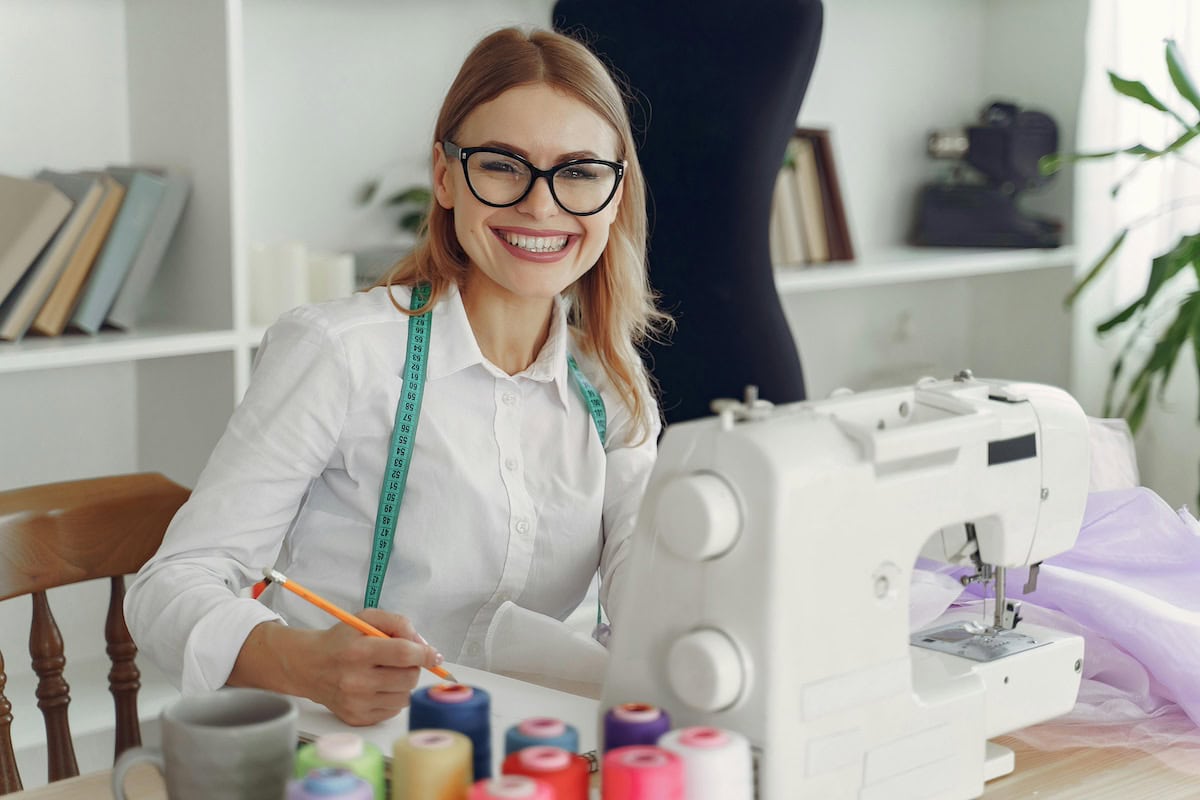
Busy mom + creative outlet + saving the planet? Sign us up. Sewing doesn’t just have to be a hobby squeezed into the rare, mythical window of “free time.” It can be a powerful way to create practical, good-looking clothes while slashing waste—yes, actual fabric waste that usually ends up in landfills or cluttering your craft corner. That’s where the zero waste sewing patterns come in. These clever designs make use of every last inch of fabric, cutting down on both clutter and guilt.
Whether it’s a breezy dress for school pick-up, a pocket-loaded jacket for playground duty, or a pair of comfortable pants that survive snack time spills, zero-waste sewing is about making garments that work hard and tread lightly. They’re sustainable, yes—but they’re also surprisingly stylish and shockingly efficient. No scraps, no weird shapes, no waste.
In this article, we’re diving into what zero-waste sewing really looks like, how it fits into the reality of modern motherhood, and why it’s not just doable—it’s kind of addictive. Expect real-talk tips, beginner-friendly ideas, pattern designer spotlights, and even how to hack your favorite traditional patterns into waste-free winners. Because if you’re going to spend nap time or post-bedtime hours making something, why not make it count—for your closet and the planet?
What Is a Zero Waste Sewing Pattern, Really?

Let’s clear this up right away: a zero waste sewing pattern is not just a regular pattern with a marketing glow-up. It’s a whole different way of thinking about how garments are designed, cut, and sewn—with zero fabric waste as the end goal. That means no awkward triangles of leftover cotton, no half-inch strips you swear you’ll use “someday,” and no overflowing bin of scraps you feel guilty tossing. It’s a method, a mindset, and a bit of a movement.
So how does it work? Unlike traditional patterns that often leave 10–20% of fabric behind as waste, zero-waste sewing is all about optimizing the pattern layout so that every inch of your fabric gets used. Designers plan the pattern pieces like a puzzle, arranging them to fit together on the fabric perfectly—no weird gaps, no leftovers. It’s like the Tetris of sewing, and when done right, it’s oddly satisfying.
Debunking the “Boxy” Myth

There’s a persistent rumor in the sewing world that zero-waste equals zero style—that all these garments must be stiff, square, or look like you’ve just walked out of a performance art piece. But let’s be honest: that’s an outdated take. Sure, some early patterns leaned toward boxy silhouettes (geometry is your friend when designing with zero waste in mind), but modern zero-waste sewing patterns are evolving fast.
Designers are now creating:
- Wrap dresses with shape and movement
- Shirts and tops with drape and interest
- Trousers and pants with actual fit and function
- Jackets that feel more high-end boutique than homemade experiment
And let’s not forget accessories and home items—all of which can be made using zero or near-zero waste strategies with tons of personality.
The Secret Sauce: Pattern Layout Overhaul


The magic happens in the layout. Traditional pattern-cutting methods often focus on how a garment looks, and the fabric waste becomes an unfortunate afterthought. With zero-waste pattern cutting, the starting point is flipped: the pattern layout is considered from the very beginning. It’s thoughtful. It’s deliberate. It’s sustainable sewing with purpose baked in.

Think of it like cooking with what’s in your fridge. You’re not just making something tasty—you’re avoiding waste and getting creative. That’s what zero-waste sewing brings to your next sewing project. It’s a better use of resources, less mess in your workspace, and yes, it’s better for the planet too.
So no, zero-waste doesn’t mean style-free. And no, you don’t need to be a fashion student or math genius to make it work. You just need a bit of curiosity, a few good patterns, and a willingness to rethink how fabric becomes fashion.
How Zero Waste Fits into Modern Motherhood

Modern motherhood is a juggling act with flaming torches and no intermission. Between wrangling small humans, managing schedules, and remembering to drink actual water (not just leftover juice box sips), adding something like “zero-waste sewing” might sound like a stretch. But here’s the thing: it’s not just another hobby—it’s a smart, intentional way to do more with less. And if there’s one thing moms excel at, it’s exactly that.
Zero-waste sewing aligns with the values a lot of modern moms already live by: reducing household waste, making sustainable choices, and stretching budgets without compromising quality or style. It also makes the sewing process less wasteful—meaning fewer fabric scraps to clean up, fewer unnecessary purchases, and fewer “oops” moments when that traditional pattern leaves you with an expensive pile of unusable remnants.
Why It Just Works for Moms

Moms are already the queens of efficiency, which makes zero-waste sewing kind of a perfect fit. Think of it as the meal-prep version of sewing—thoughtfully planned, minimal mess, and designed to save you time down the line.
Here’s where it really clicks:
- Eco-conscious parenting: Making clothes with zero waste means modeling sustainable habits to your kids from day one—without needing to preach about climate change before breakfast.
- Budget-smart sewing: You’re using every inch of that beautiful fabric you splurged on, making it a true return on investment.
- Multitask-friendly projects: Many zero-waste garments are streamlined and quicker to cut out since they’re designed with minimal waste (and minimal steps) in mind.
Practical Wins for Everyday Life


It’s not all theory and values—zero-waste sewing has super practical upsides for family life too. Need matching play clothes for the kids? Done. Want to make baby gear like bibs, burp cloths, or soft storage baskets without leftover fabric bits taking over your sewing space? Double win.
You can also make:
- Functional home items like cloth napkins, toy bags, or reusable snack pouches
- Kids’ clothes that are easy to customize as they grow (because why do they outgrow pants in three days?)
- Quick gifts for teachers, playdate swaps, or the neighbor who always returns your rogue soccer ball
And because zero-waste techniques minimize leftover fabric, it keeps your craft area—and your conscience—just a little bit clearer.
Bottom line? Zero-waste sewing fits beautifully into the life of a busy, values-driven mom. It’s not about doing more. It’s about doing what you’re already doing… smarter.
The Anatomy of a Zero-Waste Pattern


Here’s where things get juicy: how does a zero-waste pattern actually work? What’s going on behind the scenes (or seams)? Spoiler: it’s not magic—it’s math, design, and some pretty clever thinking. The anatomy of a zero-waste sewing pattern is all about maximizing what you have and eliminating the excess before you even reach for your scissors.
At its core, a zero-waste pattern is built with one goal: to produce zero waste during the cutting and sewing process. That means pattern designers are carefully mapping each pattern piece so they fit together like a game of high-stakes fabric Jenga. The goal is to use as much of the fabric’s width and length as possible, which requires a shift from how most of us learned to sew.
What Makes These Patterns Different?

In traditional pattern cutting, designers draft shapes for a garment first and worry about layout later—often resulting in dead zones on the fabric that become excess fabric (aka, scrap). With zero waste pattern cutting, the layout and garment shape are planned together from the beginning. This creates patterns that often look different on paper—but sew up beautifully in real life.
What you’ll notice:
- Square, rectangular, or modular shapes are used intentionally—not because it’s lazy, but because these shapes reduce waste when laid out.
- Multiple pieces nested together—think sleeves tucked next to necklines or waistbands doubling as facings.
- Sometimes, pattern pieces are drawn directly onto your fabric with measurements instead of printed templates, cutting down on paper waste and simplifying the prep stage.
The Benefits That Add Up Fast

Once you get the hang of it, zero-waste sewing actually feels easier. There’s less pinning. Fewer fiddly bits. And you don’t need to go full Marie Kondo to keep your space clean—because there’s barely anything left to clean up.
Why it’s a win:
- Faster prep and cutting: No waste = fewer awkward shapes = less overthinking.
- Cleaner sewing area: Say goodbye to a floor full of fabric trimmings.
- Guilt-free crafting: You’re not tossing scraps you don’t want but feel weird about throwing away.
- More fabric mileage: You can invest in better-quality materials and actually use them fully.

When your to-do list already includes “figure out dinner,” “wash everyone’s socks,” and “email the school about spirit week,” simplifying your sewing setup is a breath of fresh air. Efficient, eco-smart, and low-mess? Now that’s a pattern worth working with.
The Best Zero Waste Sewing Patterns for Moms (And Why They Work)
Let’s talk wardrobe wins. Moms don’t need more clothes—we need better clothes. Ones that fit, move, layer, wash well, and—bonus—don’t contribute to the global landfill problem. That’s why zero waste sewing patterns made with moms in mind are the ultimate multitaskers. Whether you’re chasing toddlers or juggling groceries and group chats, these pieces work with your life, not against it.
Modern zero-waste garment patterns have come a long way. We’re talking style that doesn’t scream “sack,” and functionality that doesn’t require three bathroom breaks to get out of a jumpsuit. Yes, it is possible.
What Makes a Pattern “Mom-Approved”?

Not all patterns are created equal, especially when you’re squeezing sewing time into nap windows. Here’s what moms should look for in a zero-waste sewing pattern:
- Flexible fit: Look for adjustable waists, wrap closures, or relaxed silhouettes that flatter but don’t restrict.
- Quick construction: Time is precious—patterns with fewer steps or cleverly combined pattern pieces are a win.
- Utility built in: Think pockets, nursing access, or room to layer.
- Made using zero waste design principles: So every inch of fabric you buy actually ends up on your body or in your home.
Go-To Garments That Just Make Sense


Here are a few types of sewing patterns specifically designed with busy moms—and zero-waste principles in mind—that are worth checking out:
- Wrap dresses: Stylish, forgiving, and endlessly versatile. Wear it to school drop-off, then to dinner, then to bed. No judgment.
- Utility smocks: Cute, apron-like tops that work for gardening, baking, painting with toddlers, or answering the door looking put-together.
- Wide-leg pants or trousers: Often designed with straight cuts (hello, fabric efficiency) and elastic waists, making them easy to sew and wear.
- Boxy shirts or tunics: A classic shirt silhouette adapted for zero-waste cutting still gives you shape—with comfort.
These patterns are often specifically designed with zero-waste principles, which means less thinking for you and better results every time. Some even come in a generous size range, so you can make matching pieces for yourself, your teen, or your toddler—if you’re feeling extra. No fluff, no frump, no landfill guilt. Just well-designed clothes you’ll actually want to wear—again and again.
And here’s the kicker: some of these are even free (yes, free), making them perfect for first-timers or budget-conscious sewists who still want to work with patterns that result in little to no waste.
How to Get Started with Zero-Waste Patterns
Starting something new—especially in between snack refills and surprise diaper blowouts—can feel overwhelming. But getting into zero-waste sewing doesn’t require a full lifestyle overhaul or a Pinterest-perfect craft room. You don’t need to be a pro. You don’t even need a fancy machine. You just need the right tools, a little fabric, and a zero waste sewing pattern that doesn’t make you want to cry before the first cut. This approach is different from regular sewing, so it helps to go in with fresh eyes and an open mind. And maybe a hot beverage.

Tools & Tips for First-Timers
Here’s what you actually need to begin—not what Instagram says you need:
- Clear workspace: You’ll be drawing or laying out full pattern pieces directly onto your fabric, so space matters more than gear.
- Measuring tape + ruler: Many zero-waste patterns are measurement-based, not paper-based, which cuts down on paper waste and clutter.
- Chalk or washable marker: Instead of cutting around printed pieces, you’ll often draw your pattern pieces directly on the fabric.
- Natural or re-purposed fabrics: Start with forgiving, mid-weight materials like linen, cotton blends, or upcycled fabric from old sheets or clothes.
Read the Pattern Differently
Most patterns available for home sewing follow a print-and-pin model. But when you choose patterns specifically designed with zero-waste, they often come with diagrams or layout guides instead. You’ll need to understand the pattern layout up front because the zero-waste techniques rely on cutting pieces in a very specific arrangement to eliminate scrap.
Here’s how that plays out:
- You’ll see fewer traditional-shaped pieces (no sleeve cap curves here!)
- Instructions may look more like a blueprint than a step-by-step
- But—bonus—you’ll often skip the whole “print, tape, cut, swear, reprint” ordeal
Great Beginner Projects
Don’t start with a tailored jacket or anything that makes you question your life choices. Try these beginner-friendly projects instead:
- Aprons or smocks: Functional, fast, and great for testing layout strategies
- Tote bags or slouchy market bags: Perfect for using every inch and adding a few bonus style points to grocery runs
- Simple tops: Especially patterns made from rectangles or folded designs, which are beginner-friendly
This is sewing that makes sense: low entry barrier, high impact, and a gentle introduction to a smarter way of working with fabric. You don’t need to be a sewing wizard—you just need to want to work with patterns that are designed for both your life and the planet.

Zero Waste Sewing in Real Life: Tips for Staying on Track

Alright, so you’ve downloaded a pattern, cleared the kitchen table, and maybe even pre-washed your fabric—look at you go. But then life happens. The toddler wants a snack (again), the dog’s chewing on your measuring tape, and that “quick sew” project is collecting dust. Staying consistent with zero-waste sewing can feel like one more thing on the list—but it doesn’t have to. The trick? Make it work with your life, not against it.
Realistic Ways to Make Time
No need for a dedicated craft studio or uninterrupted three-hour sessions. This isn’t Project Runway—it’s real life, with real interruptions. Try these mom-approved strategies:

- Time block like a boss: Carve out 30-minute windows—before school pickup, after bedtime, during that sacred naptime stretch. Small chunks = real progress.
- Leave your setup intact: If you can, dedicate a little corner where your project can live mid-progress. The less you have to set up and tear down, the more you’ll actually sew.
- Batch your tasks: Cut one day, sew the next. You don’t have to finish in one sitting.
Embracing the Slow Fashion Vibe

One of the quiet joys of zero-waste sewing is how it encourages a slower, more thoughtful approach to making. It’s not about rushing through ten quick makes—it’s about creating garments and items you’ll actually use and feel proud of.
This shift from fast fashion to slow, intentional garment making means:
- You’re no longer sewing just to fill space in your closet.
- You’re choosing fabrics that last, and using as little fabric as possible—efficient, sustainable, and smart.
- You’re turning sewing into something restorative, not rushed.
It also means accepting a few hiccups along the way. Yes, some complicated zero-waste sewing layouts might need a second look. Yes, your first make might be a little wonky. But the payoff? So worth it.
Bonus: Set Realistic Goals
This is not a race to become the world’s most sustainable mom overnight. Start with one make. One zero waste pattern. One Saturday afternoon. Celebrate it. Wear it. Share it with your kid, your friend, your online sewing group. The more you normalize this slower, smarter approach, the more it becomes second nature. And if all else fails? Let that half-sewn skirt sit for a bit. It’ll be there when you’re ready—and so will your stash of zero-waste ambition.
Pattern Designers to Know in the Zero Waste Space

So, who’s actually out here creating these clever, waste-free patterns? Spoiler alert: it’s not just a handful of niche hobbyists sketching out rectangles. There’s a growing group of innovative pattern designers making zero-waste sewing patterns that are practical, modern, and—dare we say—kind of chic. Whether you’re a total beginner or a seasoned sewist looking to incorporate zero-waste principles into your sewing, these designers are making it easier (and way more stylish) than ever.
Names Worth Bookmarking
Here are some standout designers and brands that deserve a spot in your sewing bookmarks folder:
- Birgitta Helmersson: A frontrunner in the zero-waste pattern world. Her patterns often use measurement-based cutting, allowing you to draw your pattern pieces directly onto fabric. They’re approachable, size-inclusive, and have that clean, minimalist look that just works.
- Liz Haywood: A former fashion industry designer turned zero-waste advocate, Liz offers some of the most thoughtfully engineered patterns on the market. Her work highlights the limitations of zero-waste sewing in a way that feels transparent, not discouraging—and she’s brilliant at making it accessible for home sewists.
- Makyla Creates: Ideal for those just dipping their toes in, Makyla’s patterns and tutorials make it easy to get started with zero-waste patterns. Her aesthetic leans simple, functional, and cozy—perfect for everyday wear.
- The Assembly Line: While not exclusively zero-waste, this Scandi-chic brand has several patterns that result in little to no waste, especially in their boxy silhouettes and straightforward garments.
What Sets Them Apart?

It’s not just that these designers offer patterns specifically designed with zero-waste principles. It’s that they’ve done the heavy lifting—reworking pattern layout, testing shapes, and ensuring you’re not left with confusing instructions and sad leftovers.
Look for these qualities:
- Clear diagrams and layout maps
- Measurement-based cutting options
- Flexible size range for a more inclusive fit
- Designs that balance form and function
These creators are changing the narrative around sustainable sewing. No burlap sacks here—just smart, wearable pieces made using zero-waste techniques. And the best part? Many offer free patterns or low-cost PDFs, so you can try before you commit. In a world full of overrated sewing notions, these designers are a breath of fresh, waste-free air.
How to Hack or Modify Traditional Patterns to Be More Zero Waste
Already have a pile of beloved paper patterns collecting dust? Good news: you don’t have to ditch your favorites to embrace zero-waste sewing. You can totally work with what you have—and tweak it to reduce fabric waste without starting from scratch. Think of this as the DIY sustainability remix.
Easy Ways to Make Existing Patterns More Sustainable

Before you swear off your entire pattern stash, try these modifications:
- Switch to rectangle-based designs: Boxy tops, kimono sleeves, gathered skirts, and even certain types of trousers can be redrafted using straight lines, which nest together better on fabric and reduce awkward cut-offs.
- Redraw with cutting layout in mind: Before you cut, experiment with how your pattern pieces can fit together more efficiently. Sometimes rotating or mirroring pieces can help you minimize waste.
- Combine pieces when possible: Skip separate facings or lining pieces by folding or doubling fabric more strategically. Less cutting = less chaos.
Remember, the idea is to work with patterns that result in little leftover material—not necessarily to force every single design into zero-waste territory. Flexibility is key.
Go Beyond the Pattern Instructions

Traditional patterns often encourage wasteful layouts simply because that’s how they’ve always been done. But with a little creativity, you can apply zero-waste techniques to just about any sewing pattern—even if it wasn’t specifically designed with zero-waste principles.
Start by:
- Measuring your fabric first, then working backwards to see how your garment can fit within it
- Making paperless adjustments—draw straight onto your fabric when it makes sense, reducing paper waste and prep time
- Sourcing reclaimed or natural materials for an extra layer of sustainability
And hey, if you love a pattern but it’s a total waste monster, consider using the scraps for small projects like scrunchies, patch pockets, or quilt blocks. That way, even if it’s not fully zero-waste, you’re still making smarter choices.
Resources to Learn More
Want to go deeper? Check out books like Zero Waste Sewing by Liz Haywood, join online communities like the “Zero Waste Sewing” Facebook group, or follow Instagram hashtags like #zerowastesewing and #sustainablesewing for real-world inspiration. No gatekeeping here—zero waste means progress, not perfection. Even small tweaks to your regular sewing practice can add up to big impact.

Sewing for Yourself, Your Family, and the Future
Choosing to embrace zero waste sewing isn’t just about fabric—it’s about mindset. It’s a way to slow down, create intentionally, and make garments that serve your real life while minimizing your environmental impact. Whether you’re sewing for yourself, your family, or that ever-growing pile of laundry that somehow always needs addressing, adopting zero waste sewing patterns brings purpose back into your projects—without sacrificing style or sanity.
From reducing clutter and cost to teaching your kids what sustainability actually looks like, zero waste sewing offers a simple, satisfying shift. It’s less about being perfect, more about being thoughtful. And once you make that first top, tote, or toddler tee with zero leftovers and maximum usefulness, don’t be surprised if you’re hooked.
Ready to try your first zero waste sewing pattern? Go for it—and when you do, come back and share! Drop a comment below, subscribe for more sustainable sewing content, or tag your makes so others can be inspired too. After all, the future of fashion doesn’t start in a factory—it starts at your sewing table.

Frequently Asked Questions About Zero Waste Sewing Patterns
What does zero waste actually mean?
Zero waste refers to a design philosophy that aims to utilize fabric efficiently, ensuring that little fabric as possible is wasted during the sewing process. This involves creating zero waste garments that are both functional and stylish.
How can I make a zero-waste sewing pattern?
To make a zero-waste sewing pattern, you should understand pattern layout and incorporate zero-waste techniques that focus on maximizing fabric use. This can include strategic cutting and planning that aligns with the principles of zero-waste sewing.
What are the principles of zero-waste sewing?
The principles of zero-waste sewing involve designing garments in a way that every piece of fabric is utilized, often by creating patterns that can be arranged without leftover scraps. Keeping zero-waste principles in mind will help you create sustainable and eco-friendly clothing.
How can I incorporate zero-waste principles into my sewing?
You can incorporate zero-waste principles into your sewing by choosing zero-waste patterns that are designed with sustainability in mind. These patterns often utilize natural and re-purposed fabrics, minimizing environmental impact.
What are some underrated sewing notions for zero-waste sewing?
Some underrated sewing notions for zero-waste sewing include fabric scraps, which can be used creatively in patchwork or as embellishments. Additionally, learning to understand pattern layout is crucial in making the most out of your fabric.
Can you give examples of no-waste garments?
Examples of no-waste garments include items like capes, ponchos, or garments designed to be reversible, allowing for multiple looks without additional fabric waste.
You might also be interested in…
CONNECT WITH DAILY MOM
💖 NEWSLETTER: DAILY READS IN YOUR INBOX 💖
Sign up to receive our picks for the best things to do, see and buy so you can relax and focus on more important tasks! Let us help you be the best version of yourself you can be!
BE SOCIAL WITH US
📌 LOVE IT? PIN IT!📌


