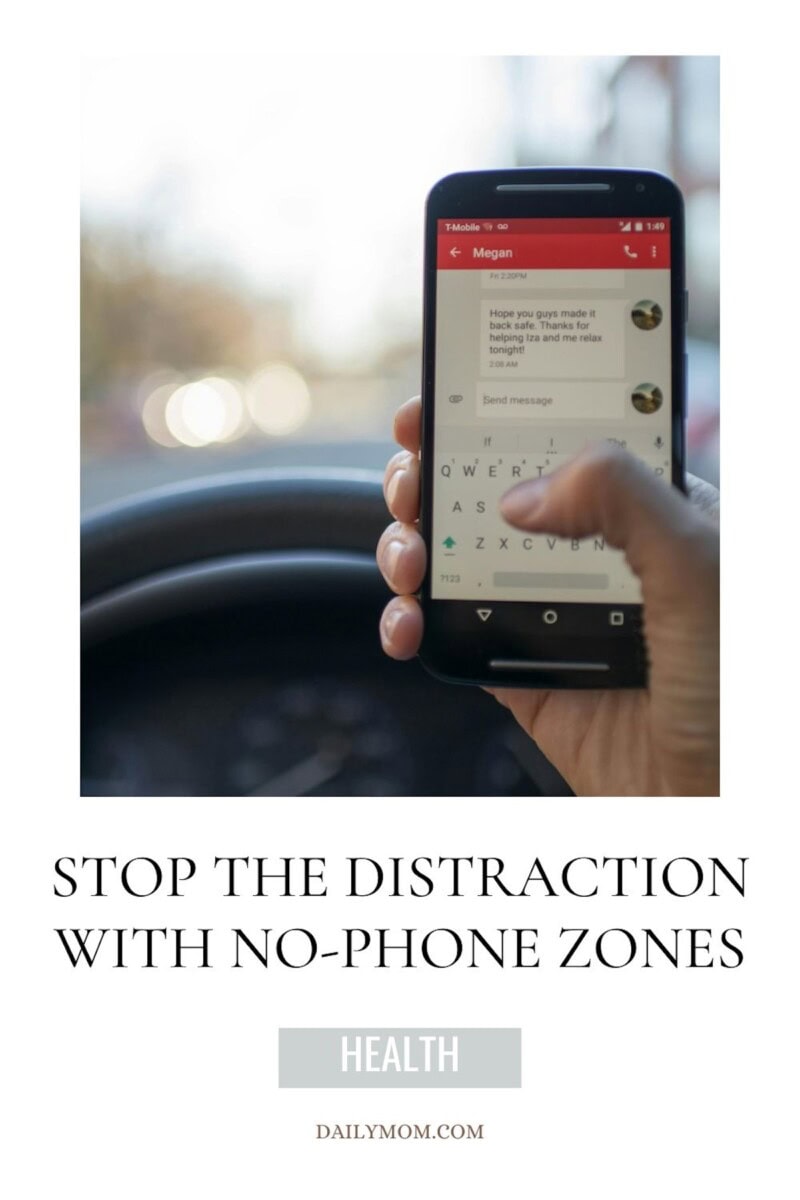




























Let’s face it: in recent years across the country, we’re all guilty of checking our phones during dinner, lying in bed scrolling through social media, or texting while trying to have a conversation with someone. Our devices have become such icons that we don’t have much time for the real-life moments unfolding around us. This is where no phone zones come in, and trust me, i’m still claiming they can be a game-changer.
Picture it: a space or time where your cell remains out of sight, giving you a chance to reconnect with the world beyond your screen. Whether it’s during mealtime, in the bedroom, or while you’re hitting the gym, these phone-free zones can help you end the digital distractions and focus on what really matters. And guess what? Your relationships, mental well-being, and overall productivity might just thank you for it! After all, when more than nine out of 10 of all cell phone owners have a smartphone, we could all use a little R&R from the ol’ phone.
What Are Phone-Free Zones?
So, what exactly are phone-free areas? In simple terms, they’re specific spaces or times where you intentionally put the phone away. Think of them as a digital detox for your daily routine—places where you commit to putting your cell down and reconnecting with the people, activities, or environment around you.
Creating phone-free areas can be a total game-changer, whether it’s at home, in the office, or even in social settings. Let’s start with home life: imagine having dinner with your family without the constant buzz of your cell interrupting the conversation. Or how about unwinding in your bedroom at night without checking your email for the hundredth time? These little spaces of phone-free bliss can help restore some peace and balance to your day.
Beyond just personal spaces, phone-free areas can also positively impact your social life. No more scrolling during hangouts, and no more texting while you’re catching up with friends. When you’re truly present, it strengthens your connections and encourages you to engage more deeply with those around you.
The beauty of these phone-free areas is that they’re all about intentional disconnection. You’re not trying to completely cut off from technology—just setting aside moments to disconnect, reset, and focus on what really matters. Whether you’re enjoying a meal with family, working on a project, or spending time with friends, phone-free zones can be the key to improving your focus, well-being, and overall sense of presence.

Why Phone-Free Zones Work: The Psychology Behind Making a Space for No Phones
Alright, let’s dive into the science behind why phone-free areas work so well. It all starts with that little gadget we carry around all day—our telephones. Every time we check our cell for a notification, whether it’s an email, a text, or a like on Instagram, our brain gains a tiny hit of dopamine, the “feel-good” chemical. This quick fix helps us feel good, so we check again… and again… and again. Before we know it, we’re addicted to that constant stream of dopamine, and it’s taking a toll on our focus, mental clarity, and productivity.
This cycle of checking and re-checking can leave us feeling mentally drained and sidetracked. That’s where phone-free areas come in. By setting aside designated times or spaces where phones aren’t allowed, you’re intentionally interrupting that cycle and allowing your brain to reset. Instead of reaching for your cell when you’re bored, you’re focusing on the present moment—whether that’s enjoying a meal with your family, gaining a good night’s sleep, or just taking a break from the digital noise.
It’s also important to consider the role of mindfulness here. Mindfulness is all about being fully present in the moment, without distractions. Phone-free areas create the perfect environment to practice this. When you remove the temptation of your telephone, you’re more likely to be engaged with what’s happening around you. Whether it’s a meaningful conversation with a friend or focusing on a task at work, these moments of mindfulness can reduce stress and increase overall well-being.

Less digital clutter = more mental clarity. When you step away from your cellphone, you give your brain the space it needs to declutter and focus on the qualities that matter most. Over time, this can lead to less stress, better sleep, and improved emotional health. Creating these intentional phone-free areas is a small change with big rewards, and it’s all about giving yourself permission to live in the moment without the constant pull of your cell.

The Danger of Driving While Using Your Cell Phone
Let’s talk about one of the most dangerous forms of phone usage: looking at our cell phones while driving. It’s not just about sending a quick text or checking a notification—it’s about the deadly consequences that can happen in mere seconds. According to the Department of Transportation, looking at our smartphones while driving is a leading cause of accidents, and it only takes a few seconds with your eyes off the road to change lives forever.
Picture this: you’re behind the wheel, your smartphone lights up, and you think, “the seconds it takes to answer this won’t take much time.” But in that second, your vehicle could travel the length of a football field. That’s a lot of distance to cover without your full attention. Those seemingly innocent seconds can lead to devastating outcomes—not just for you, but for passengers, pedestrians, and other drivers on the road.
The good news? We can put an end to distracted driving by making intentional choices:
- End looking at smartphones while driving by keeping your smartphone out of reach. Put it in the glove box, center console, or even the trunk if necessary.
- Utilize “Do Not Disturb While Driving” settings or apps that automatically silence notifications.
- If you’re a passenger, be a helpful co-pilot. Offer to send texts or navigate so the driver can remain focused.
- Take a pledge—commit to a 100% no-phone policy when driving.
Let’s all agree to focus on the road and not our screens. It’s time to end distracted driving and create a safer environment for everyone. It only takes a small effort to make a big difference, and, as Oprah Winfrey would say, that’s a step toward improving our wellness and protecting lives.

Creating Phone-Free Zones in Your Home
Now that we’ve covered why phone-free areas work, let’s talk about how to create them in your home. If you’re tired of seeing your kids scroll at the dinner table or you feel like your bedroom has turned into a tech hub, it’s time to reclaim those spaces and turn them phone-free by making a phone zone pledge! Basically, it’s a campaign where you vow to keep the phone put away so that you aren’t districted or worried about staring at your electronic device.
Start with one of the most important spaces in your home: the dining room. Mealtime is the perfect opportunity to put the telephones away and reconnect with your family. Not only does it encourage better conversation, but it also promotes mindful eating. We’ve all been guilty of scrolling while eating, but think about how much more satisfying it is to fully engage with your meal (and your loved ones) without distraction. Plus, you can utilize this phone-free time to check in with each other and talk about your day—something we all tend to skip when our attention is divided between the screen and the table.
Next up: your bedroom. This one is a biggie. If you’ve turned your bedroom into an extension of your office or living room by keeping your cell on your nightstand, it’s time to rethink that habit. Being around your phone in the bedroom—especially before bed—can mess with your sleep patterns and keep your mind active when it should be winding down. Create a phone-free areas by charging your gadgets outside of the bedroom or designating a specific area away from your bed. You’ll likely notice a significant improvement in your sleep quality and overall mood. Plus, without the distraction of wanting to get to your smartphone, you’ll have more time to unwind, read, or even have a meaningful conversation with your partner before drifting off to sleep.
But it’s not just about adults—phone-free areas can work wonders throughout the day for kids, too! Create a family space where everyone can hang out, play games, or have a movie night without the constant buzz of incoming notifications. This doesn’t have to be a strict “no phones allowed” rule, but more of a gentle reminder to put them away and be present. Consider setting up a family telephone basket where everyone can drop their cells before engaging in some quality time together.
Remember, creating phone-free areas in your home isn’t about being anti-tech; it’s about intentionally carving out space to disconnect and be present. Whether it’s mealtime, bedtime, or just hanging out as a family, these simple changes can have a huge impact on your relationships and mental well-being. So, go ahead—make your home a place where the only ordeal you need to worry about is what’s happening in the moment, not what’s popping up on your screen!

Phone-Free Zones at Work: Boosting Productivity and Focus

Creating phone-free areas isn’t just for home life—it can be a game-changer at work too! If you’ve ever struggled to focus during deep work sessions because of constant notifications or the temptation to check your cell, you know exactly how challenging it can be to jump into a productive flow. That’s where a phone-free areas at your workspace comes in.
First, let’s talk about your desk or work area. When you’re deep into a project, the last thing you need is a ping from your cell every few minutes. It’s like trying to concentrate while someone’s constantly tapping you on the shoulder. By setting it out of sight—maybe in a drawer or another room—you’re removing that temptation and allowing your brain to focus fully on the task at hand. This small action can drastically improve your concentration and efficiency. Plus, you can set clear boundaries for your cell usage during work hours—like checking your email or texting only during designated breaks, not in the middle of brainstorming sessions or meetings.
If your job involves a lot of virtual meetings or calls, try designating specific times when your cell remains off or on “Do Not Disturb” mode. You’d be surprised how much more engaged and productive you can be when you’re not constantly distracted by incoming calls or messages. And while we’re on the subject of notifications—turning off those distracting alerts during work hours can significantly reduce interruptions. You’ll realize that you’re much more focused on the task, rather than mindlessly scrolling through a notification that popped up.
It’s not just about keeping the distractions at bay—it’s also about setting clear boundaries with colleagues or clients. When you’re in the area, it’s important to communicate that your telephone is off-limits so you can be fully present in the work you’re doing. This could mean setting expectations for response times to emails or calls, letting people know you’re focused and won’t be checking your cell until later. A little transparency goes a long way in protecting your work time and ensuring you’re not constantly interrupted.
The benefits of creating phone-free areas at work are huge. Not only do you boost your productivity, but you also give yourself a chance to reset and avoid burnout. It’s all about creating space for focus and intentionality, rather than letting your cell control your day. So, next time you’re tackling that big project or working through a to-do list, consider putting your telephone away—it might just be the productivity hack you’ve been searching for.

Socializing Without the Phone: Reconnecting with People in Real Time
Let’s be real: how many times have you sat down for a meal with friends or family, only to realize everyone’s heads are buried in their screens? It’s like you’re all physically together, but mentally… not so much. If you’ve ever thought, “This would be way more fun if I cut the wifi and everyone would just look up,” then a phone-free areas for socializing is exactly what you need.
Imagine this: a dinner party or a casual hangout where the only thing people are scrolling through is the conversation. Sounds pretty amazing, right? That’s the magic of phone-free socializing. By creating these intentional phone-free moments, you’re giving yourself and everyone around you a chance to reconnect—really reconnect—without the distractions of texting, tweeting, or Googling what’s for dinner.
Now, you don’t have to go full-on “no phones allowed” to create a meaningful experience. But maybe during dinner or on a phone-free date, everyone agrees to put theirs away. It’s a great way to be sure that when you’re hanging out, you’re actually hanging out. Plus, you’ll likely have more engaging conversations that aren’t cut off by a random notification. Imagine going through a whole meal without someone suddenly exclaiming, “Oh, sorry! I was just texting my mom about something…” Yeah, it happens. But when the telephones are put away, those distractions fade away, and suddenly it’s just you and the people you care about.
But hey, phone-free socializing doesn’t have to just be about family dinners or friend hangouts. It could also mean taking your partner on a “no-phone date” where you both leave the gadgets at home and just enjoy each other’s company. Trust me, this small change can be a huge difference. Not only will it help build a deeper connection, but it also gives you a chance to actually live in the moment without the temptation of scrolling through endless memes or double-tapping pictures of dogs in Halloween costumes (though I’ll admit, I do love those).
So, whether it’s a meal, a hangout, or a fun outing, phone-free socializing can turn a regular gathering into something far more meaningful. After all, the best moments happen when you’re present—not when you’re glued to your screen. So, next time you’re planning to meet up, consider keeping them in their designated “phone-free areas” and see how much more fun you can have when you’re fully engaged in the moment.

How to Create and Stick to No Phone Zones

Okay, now that we’ve sold you on the magic of phone-free areas, let’s dive down to the nitty-gritty: how do you actually create and stick to them without feeling like you’re giving up your lifeline to the outside world?
First of all: set clear boundaries. Decide which spaces or times will be phone-free. Is it the dining room table? Your bedroom? Or maybe the first hour of your workday? Whatever it is, be sure it’s specific. If you just say, “I’m going to look at my cell less,” you might discover yourself scrolling away without even realizing it. But when you have a set plan—like, “From 6 to 7 PM, my cell is going to live in a drawer”—you have a much better shot at sticking to it.
Next, involve the people around you. If you have kids, a partner, or roommates, it helps to make the phone-free areas a family affair. Let everyone know why it matters and gain their buy-in. It’s much easier to stick to your phone-free areas when everyone is on the same page. Plus, you can hold each other accountable. “Hey, remember—we agreed no screens at the table,” is way more effective when it’s coming from someone else.
Now, let’s talk about the hard part: sticking to the rules. It’s easy to say, “I’ll leave my cell in another room,” but then, the temptation hits. You’re just sure there’s something urgent you need to check, right? It happens. You become a viewer. So, try this little trick: keep it out of sight. The less you see it, the less you’ll be tempted to check it. If you’re working at your desk, put it in a drawer. If you’re at home, charge it in another room or utilize a designated “phone basket.” It’s like out of sight, out of mind—except in this case, it’s way better for your mental health.
Another tactic? Replace the urge to check your cell with something else. If you have a habit of reaching for your cell when you’re bored or need a distraction, try filling that time with something else. Take a quick walk to grab produce, find a book, print a recipe, or have a conversation with someone nearby. It’s all about creating new habits. Think of it as a mental workout—you’re training your brain to avoid the quick dopamine hit from the screen, and your brain will thank you for it.
Lastly, utilize the tools at your disposal to help you. We’re talking about those handy “screen time” apps that track your usage or remind you to put your telephone away. You can also set specific phone-free periods with apps that limit access to certain apps or features for a set amount of time. The built-in “Do Not Disturb” feature is your friend here, too. Utilize it liberally during work or family time to remain focused and end distractions in their tracks.
Of course, everything won’t be perfect, and that’s okay. Everyone slips up now and then. Maybe you’ll check your email when you said you wouldn’t, or become lost in a scroll session. But don’t beat yourself up. Just get back on track. If you need some extra motivation, tell a friend or family member about your phone-free goals—they’ll be your cheerleader (and they’ll help remind you, too).
In short: creating phone-free areas is about introducing small, intentional changes that add up over time. With a little planning, a dash of willpower, and some accountability, you’ll be well on your way to reclaiming your time and attention from the grips of your cell. And who knows? You might just discover yourself enjoying life a little more when you don’t have your phone glued to your hand 24/7.

The Positive Changes I Experienced by Having a Phone Zone Day
Okay, let’s be real for a second. I’ll be the first to admit that I was a bit skeptical about the whole “phone-free areas” idea. I mean, my phone is practically glued to my hand, and I swear, it’s like an extra appendage at this point. But once I took the plunge and started changing a few of my daily routines phone-free, the changes were pretty eye-opening. And, spoiler alert: they were all positive.
Let’s start with the most obvious benefit: better focus. I didn’t realize how often I was sidetracked by my phone until I actively started keeping it out of sight during work. I’m talking about that weird habit of checking your phone every 30 seconds—just in case you missed something important. Turns out, when I stopped interrupting myself to check for notifications, I was able to do way more. It was like I was working at full capacity rather than pausing every five minutes to answer a message or check my email. The focus boost was a game-changer, and honestly, it felt like I had more hours in the day.
But the benefits didn’t end at work. The most surprising part was how much more present I became in my personal life. Remember those phone-free dinners I mentioned earlier? Well, guess what? They were actually really enjoyable. No one was staring at their screens, and it felt like we were really hanging out, not just sharing space in the same room. Conversations were deeper, laughter was louder, and, weirdly, I felt more connected to the people around me. It’s amazing how much we miss out on when we’re glued to our screens.
On top of that, the mental clarity was off the charts. Have you ever felt overwhelmed by all the digital clutter around you? Like, you’re juggling 10 different apps, checking messages, and keeping tabs on every notification—it’s a lot. But once I started intentionally stepping away from my phone during certain parts of the day, it was like a mental detox. The constant buzz of my phone ended, and suddenly I felt a lot less stressed. It wasn’t just that I had fewer notifications, but I also had more space in my head to think clearly, be creative, and just be.
And, oh, the sleep! You know how everyone says “no screens before bed”? I didn’t believe it, but I tried it anyway. And honestly, they weren’t kidding. The first few nights without scrolling through Instagram before bed felt weird. But after a few days, I noticed I was falling asleep faster and waking up feeling more rested. Who knew that the absence of blue light before bedtime could be such a big difference? My brain wasn’t being overstimulated, and I was gaining actual quality sleep. Imagine that.
I also discovered that I had more mental space for creativity. It’s like when you end mindlessly scrolling, your brain is free to come up with new ideas, solve problems, or even just have a random thought that doesn’t involve the latest meme or viral TikTok trend. It was like my creativity was given room to breathe again. It wasn’t just about creating more space in my day—it was about finding more room for new ways of thinking.
And finally, the relationships. The time spent with my family, friends, and partner without phones became more genuine and meaningful. We were talking rather than texting, sharing rather than scrolling, and really being in the moment with each other. My relationships deepened in ways I didn’t expect, and honestly, it was a huge reminder of just how important those real-life interactions are.
So, if you’re wondering whether phone-free areas are worth it, I can tell you: 100%. Yes, there were moments of temptation. Yes, there were times I felt like I was missing out on something (hello, FOMO). But the payoff—better focus, clearer mind, stronger relationships, and better sleep—was so worth it. It’s like hitting the “reset” button on your life and feeling more connected to everything around you. So, if you’re on the fence, give it a try. You might just be surprised by how much you enjoy it.

What Happens When You Slip Up?
Okay, let’s be real for a second—slipping up happens. Life is busy, phones are addictive (seriously, how did we ever survive without them?), and there will definitely be moments when you notice yourself checking your phone during a phone-free area. But guess what? That’s okay. It’s all part of the process. The key is how you handle those moments and get back on track.
First off, let’s acknowledge the obvious: breaking your own phone-free rules can feel a little disappointing. Maybe you were doing so well, and then, out of nowhere, you notice yourself mindlessly scrolling during dinner or checking your email for the 10th time before bed. It happens! It doesn’t mean you’ve failed or that the phone-free area idea is doomed. It just means you’re human.
So, what can you do when temptation strikes? Well, the first step is not to be too hard on yourself. We’re all juggling a million things, and your phone has a lot of ways to gain your attention. Rather than throwing in the towel, take a deep breath, give yourself a little grace, and refocus. Remind yourself why you started this in the first place—better relationships, better sleep, more focus—and give yourself permission to try again.
One of the best ways to prevent slip-ups is by setting up small, manageable goals. If you’ve committed to not looking at your phone during mealtime, but you catch yourself reaching for it anyway, don’t think, “Well, I messed it up now, might as well keep going.” As an alternative, create a mental note, put the phone back down, and return to the moment. Remember, this is about progress, not perfection. Just because you slipped doesn’t mean you’re back to square one.
Another great way to keep yourself on track is by having an accountability partner. It could be your partner, a friend, or even a family member who’s also trying to cut down on phone usage. Having someone else in the same boat will help both of you remain committed and laugh through the challenges together. Plus, they can be your gentle reminder when you start reaching for your phone during a phone-free moment.
If you’re really struggling to remain on track, try scheduling your phone-free time and treating it like an appointment. Set reminders on your phone (ironic, right?) to keep you on track, and put your phone on airplane mode or use the “Do Not Disturb” feature during your phone-free times. That way, even if you’re tempted, it’s not as easy to break the rules. And let’s be honest, it’s a lot harder to mindlessly scroll when your notifications are all but invisible.
Finally, if you do slip up, it’s important to forgive yourself and move on. Beating yourself up over one mistake isn’t going to help you move forward. What’s important is that you continue to prioritize your phone-free moments, even if they’re not perfect. Remember, this is a journey, not a race. It’s about creating lasting habits that bring more balance into your life, not achieving perfection every single day.
In the end, sticking to phone-free areas isn’t always easy, and there will be days when you slip. But with a little patience, some solid strategies, and a whole lot of self-compassion, you’ll find that remaining committed to phone-free areas becomes easier over time. And trust me, it’s totally worth it.

The Long-Term Benefits of Phone-Free Areas
So, what’s the final takeaway from all this phone-free area talk? Honestly, it’s simple: creating small changes in how you use your phone can lead to some big positive shifts in your life. The long-term benefits are real—better sleep, clearer focus, deeper relationships, and less stress. Who knew that putting down your mobile phone for a few minutes a day could actually help you feel more present in your own life?
I know it’s not always easy to commit to phone-free areas. We’re living in a world where we’re constantly connected, where every notification feels like it needs immediate attention. But here’s the deal: You don’t need to be glued to your phone to stay informed or be productive. By carving out designated phone-free moments, whether it’s during meals, at bedtime, or when you’re working on a big project, you’re giving yourself permission to be present—really present—in your life. You’re telling yourself, “Hey, I don’t need to scroll through endless emails or notifications to feel valued or connected.”
And let’s not forget the huge bonus: You’ll start to rediscover the joy of simply being without the constant distraction of your electronics. When you’re not mindlessly scrolling or texting, you open up the space to focus on what truly matters—your health, your relationships, your work, and just enjoying life in the moment. It’s like hitting a mental reset button, and trust me, it feels amazing.
So, take it one small initiative at a time. Start small—maybe one phone-free dinner a week, or a half-hour before bed with no phone. You’ll soon start seeing the benefits, and who knows? Maybe you’ll even notice yourself creating more “phone-free areas” without even thinking about it.
At the end of the day, it’s about reclaiming your time, your attention, and your mental space. So go ahead—start your phone-free zone journey today. It might just be the best undertaking you’ve done for your wellness, productivity, and peace of mind. And who knows—Oprah herself might even be proud of you.
WANT TO READ MORE?
Check out Cell Phone Safety Tips for Parents and Caregivers: A Guide on Giving a Child their First Phone
CONNECT WITH DAILY MOM
💖 NEWSLETTER: DAILY READS IN YOUR INBOX 💖
Sign up to receive our picks for the best things to do, see and buy so you can relax and focus on more important tasks! Let us help you be the best version of yourself you can be!
BE SOCIAL WITH US
📌 LOVE IT? PIN IT!📌