


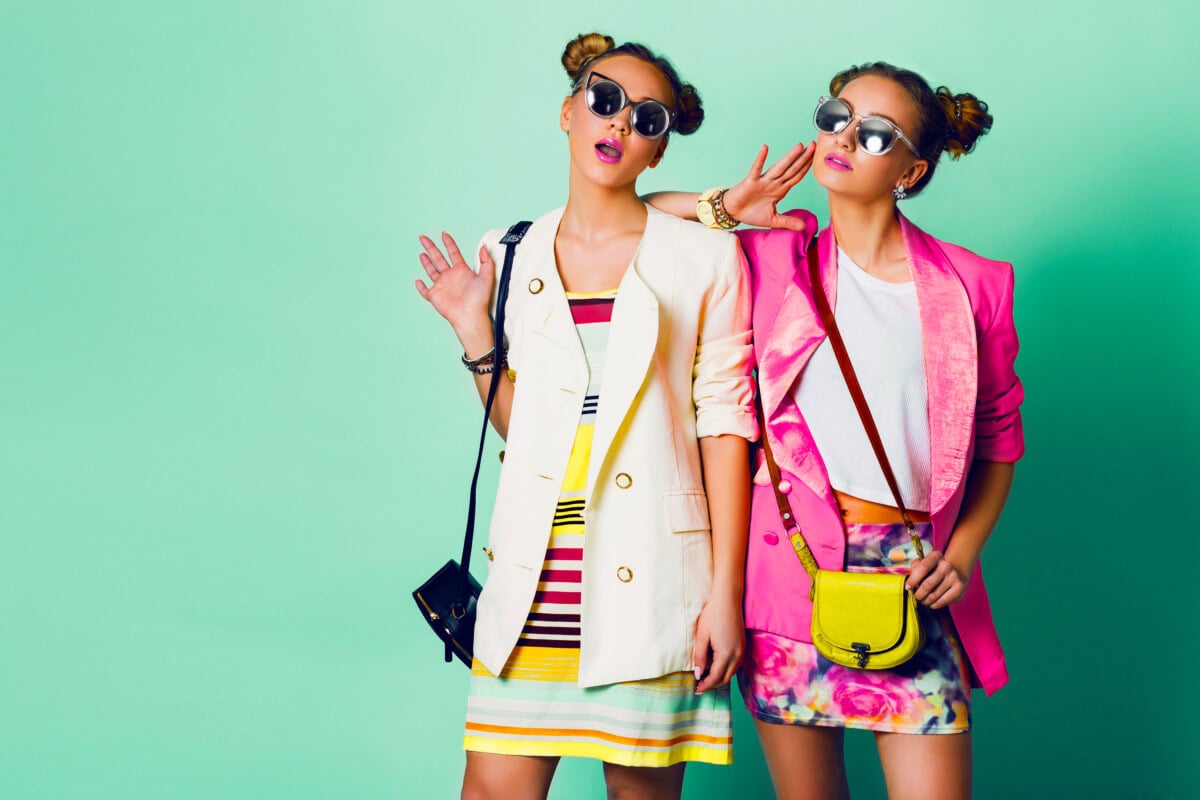
What if getting dressed could do more than make you look good—what if it could actually make you feel better too? That’s what dopamine dressing is all about. Rooted in color theory, psychology, and good old-fashioned self-expression, this feel-good fashion trend is making waves with everyone from moms running errands to influencers on your Instagram feed.
It’s about choosing clothes that spark joy, boost your mood, and make you feel confident the moment you put them on. Whether it’s a bold yellow dress that makes you smile or a soft sweater in your favorite shade of green, dopamine dressing is an easy, personal way to add a little more happiness to your everyday routine.

What Is Dopamine Dressing?
Dopamine dressing is about more than bold colors and trendy clothes—it’s a mindset shift. It’s choosing to dress in a way that sparks joy, brings out your personality, and makes you feel uplifted. While the name may sound clinical, the concept is warm, personal, and fun. It’s for anyone who’s tired of getting dressed out of obligation and wants to start using their wardrobe as a source of energy and self-expression.
This trend gained traction because it taps into something real: how our brains respond to visual cues, textures, and even nostalgia. And for moms especially, it can be a small but powerful form of self-care—putting on something that makes you feel like you, even when you’re covered in kid snacks and laundry.
The Science Behind Dopamine and Getting Dressed
There’s actual science behind why slipping into your favorite dress can brighten your whole day. Dopamine is a neurotransmitter that’s released when we experience something pleasurable—like eating chocolate, checking off a to-do list, or yes, putting on a great outfit.
When you wear something that makes you feel confident or happy, your brain responds with a little “dopamine hit.”
- Dopamine is released when we do things that trigger pleasure or reward.
- Clothing choices can influence dopamine levels, especially when they reflect our true selves or carry positive memories.
- Colors, textures, and patterns can all play a role in stimulating feel-good brain activity.
- Low dopamine levels are often associated with low mood or lack of motivation—so giving yourself little boosts through daily rituals like getting dressed can help.
That’s what dopamine dressing taps into—it uses the chemistry of your brain to help boost your mood through simple, everyday choices.
Dopamine Dressing Defined
Think of dopamine dressing as wearing clothes that feel like you at your happiest. It doesn’t have to mean neon everything or trendy fashion. It can be as simple as a soft, flowy dress you love, your favorite band tee, or a vintage cardigan that reminds you of your grandma’s house. The key is emotional connection.
- Dopamine dressing involves wearing pieces that bring you feelings of pleasure, nostalgia, or empowerment.
- It’s dressing with intention—choosing items that give you energy or calm, depending on what you need that day.
- Your outfit becomes a tool for shifting your mindset, not just covering your body.
- Wearing clothes that make you happy is a small, doable way to give your brain something to look forward to—especially on hard days.
It’s not about chasing perfection or turning into a fashion influencer overnight. It’s about adding more you into your day, one outfit at a time.
The Psychology of Color and Clothing

The clothes we wear aren’t just about how we look—they quietly influence how we feel. Color, in particular, plays a powerful role in shaping mood and behavior. From the calmness of soft blues to the pep of hot pink, the colors you choose can actually change the way your brain responds to the day.
This isn’t just fashion fluff. There’s real research showing how color can shift energy levels, impact your confidence, and even influence the way others respond to you. If you’ve ever put on a bright outfit and instantly felt more alive, that’s no coincidence—it’s biology doing its thing.
How Color Psychology Affects Your Mood
Every color carries emotional weight, often shaped by memory, culture, or personal experience. Certain colors tend to spark common feelings across the board, and once you know how they work, you can start using them like a personal mood board you actually wear.
- Red can raise your energy, perfect for days when you need to feel bold or powerful.
- Yellow gives off happy vibes, often associated with sunshine, cheer, and optimism.
- Green feels grounding, offering balance and calm—especially on stressful days.
- Blue creates calm and focus, a go-to for peace and clarity.
- Pink tends to feel nurturing, with a soft, comforting energy that’s gentle but strong.
- Black can reflect strength or sadness, depending on the associations you have with it.
Color is an easy way to add intention to your outfit. You don’t need to go head-to-toe neon—just a pop of rich color in a scarf, shoes, or even lipstick can make a difference.
How Clothes Reflect Identity and Emotion
Let’s freshen up this idea and talk about what your clothes say about you. Every piece you wear is a little window into your personality, values, and mood. Getting dressed becomes a way to express your identity—and sometimes even influence it.
This isn’t about impressing others. It’s about getting dressed for yourself.
- Clothes that make you feel like your best self help you step into the day with confidence.
- Style choices reflect how you see yourself, and how you want to show up in the world.
- Wearing something you truly love (even if it’s not “on trend”) can instantly boost your mood.
- Escapism through fashion is a healthy way to lift yourself out of a funk or break a mental routine.
Your outfit doesn’t have to be loud to make a statement. Even subtle style choices send powerful messages—to others, but more importantly, to your own mind.

The Shift in Fashion Since the Pandemic
For a long time, fashion followed certain rules—structured silhouettes, seasonal trends, neutral tones, and the unspoken pressure to “dress the part.” But after the world hit pause during the lockdown, those rules began to unravel.
Suddenly, dressing up became optional. Loungewear replaced blazers. Slippers made regular appearances on Zoom calls. The shift wasn’t just about laziness or convenience—it was about rethinking what clothing should do for us. And for many, that meant rediscovering how powerful it is to dress in ways that actually feel good. We stopped dressing for approval and started dressing for joy.
From Traditional Fashion to Feel-Good Outfits
When routines changed, so did our closets. With fewer reasons to “dress up,” people leaned into outfits that made them feel something—safe, vibrant, nostalgic, even playful.

This style evolution wasn’t about letting go. It was about tuning in.
- Dopamine fashion became a form of personal wellness, helping ease anxiety and boost focus, even for moms with ADHD juggling 12 tabs (mentally and digitally).
- Fast fashion may still dominate store shelves, but there’s a growing move toward intentional, emotionally-driven dressing.
- Bright colors, soft textures, and expressive prints began replacing the standard neutrals—and brought back feelings of happiness that were missing in sweatpants season.
- ‘Dopamine dressing’ gave people permission to wear what feels joyful, even if it breaks “the rules.”
And according to one fashion psychologist, what you wear impacts not just how others see you—but how you feel inside. Fashion is psychology, and choosing a cheerful outfit can rewire your morning more than coffee ever could.
Real People, Real Style
You don’t have to be a runway dresser to embrace dopamine dressing. The movement isn’t about being trendy or curated—it’s about being real. Real people are trading the idea of looking “put together” for feeling emotionally put together.
- Found that people wearing black tend to be viewed as powerful, but it can also depress the wearer’s mood depending on their associations.
- Karen Pine, a fashion psychology professor, even found that what you wear can influence brain function and the way we act.
- One woman shared that choosing color intentionally helped her manage seasonal blues and feel more present with her kids.
- Dressing for joy means tapping into the attributes we associate with specific styles, even when those choices feel nostalgic or silly.
The goal is to feel confident in whatever you put on—even if it’s just a robe that makes you feel like a ‘90s sitcom queen. Real style comes from dressing with feeling, not just flair.
How to Build a Dopamine Dressing Wardrobe
Creating a dopamine-friendly closet doesn’t mean tossing out everything and starting over. It’s about adding little bursts of joy to what you already own—and gradually shifting your wardrobe toward pieces that lift you up.
This is where joyful dressing really comes alive. Every small choice—every print, fabric, and fit—becomes an opportunity to feel a little better and show up as your full self.
Start with One Feel Good Thing
You don’t need an entire rainbow rack to get started. Just one piece that lights you up can shift your whole mood.
- Pick one item you love to wear—a dress, jacket, or bold pair of earrings that gives you a dopamine hit the moment you put it on.
- Use that piece as inspiration to find other textures, colors, or fits that give you the same spark.
- Don’t underestimate the power of accessories, especially if you’re still working your way into color.
- Dress like you want to feel, and let that emotion guide your next outfit.
That one joyful item can remind you how good it feels to embody that feeling throughout the day.
Balance Comfort and Style
Let’s be honest—if it’s not comfortable, you’re not wearing it. The trick is finding the sweet spot where you look and feel amazing. Being comfortable in what you’re wearing is the key to making dopamine dressing sustainable.
- Choose soft, breathable fabrics that feel nice on your skin (because scratchy seams kill the vibe).
- Look for silhouettes that flatter your lifestyle, not just your body.
- Mix casual staples with statement pieces, like rocking a bold blazer over joggers or adding a colorful top to your go-to jeans.
- Forget size labels or rules—the goal is to feel confident and totally at ease.
The best outfits let you move, breathe, and live your life—while still making you smile in the mirror.
Create Outfits That Boost Your Mood

When it comes to dopamine dressing, every day is a chance to get creative. Think less about perfection and more about how your clothes make you feel.
- Try pairing colors that feel energizing, even if they “clash” a little.
- Play with prints that make you grin, even if they’re loud or a little quirky.
- Plan outfits around your feelings—need motivation? Go for power colors. Feeling low? Add something playful.
- Remember serotonin and dopamine work together to regulate your mood, so getting dressed with intention can help stabilize emotional lows.
Building outfits that boost your mood isn’t about being matchy-matchy or Pinterest-perfect. It’s about waking up, checking in with yourself, and saying, “What do I want to feel today?” Then dressing to support that.

Making Dopamine Hits Part of Your Daily Wardrobe
Dopamine dressing isn’t a one-time thing. It’s a feel-good habit that grows over time, just like any other self-care practice. Once you start paying attention to how your clothes affect your energy and mood, getting dressed becomes less of a chore and more of a creative outlet—even on busy mornings.
This approach isn’t about ditching your current style or spending a fortune. It’s about learning to dress in a way that works for you, even if that means slowly adding pops of color or rethinking what “getting ready” looks like.
Everyday Ways to Wear Color
Color can change everything about how you move through your day. It can shift your energy, help you feel more awake, and even influence the way people interact with you. And no—it doesn’t mean you have to walk around in head-to-toe rainbow (unless you want to!).
- Try starting with one colorful piece—a sweater, shoes, or scarf you feel good in.
- Add color through layering or accessories, like bold earrings, a rich-toned handbag, or patterned socks.
- Don’t underestimate nail polish or makeup—a bright lipstick or fun nail shade still counts.
Those small style choices add up. They don’t just brighten your outfit—they help brighten your mindset too.
Build a Feel-Good Wardrobe Over Time
You don’t need to overhaul your entire closet in a weekend. Dopamine dressing is a slow shift toward clothing that feels more like you. Over time, you’ll naturally gravitate toward the pieces that energize, soothe, or empower you.
- Pay attention to what you re-wear most, especially on days you feel upbeat and confident.
- Let go of pieces that feel “meh” or that drag your energy down when you put them on.
- Choose quality over quantity, even if that means skipping a fast fashion purchase for one really meaningful item.
- Explore brands that reflect your vibe, and support small or ethical lines that celebrate color and feel-good design.
Building a wardrobe around positive emotion isn’t about perfection. It’s about intention. And your closet should reflect the kind of life you’re creating—joyful, expressive, and uniquely yours.

Dopamine Dressing Is About Joy, Not Perfection
At the heart of it, “dopamine dressing” isn’t about being trendy or perfectly polished. It’s about learning to dress with feeling—tapping into your emotions and using your wardrobe as a tool to help support your well-being.
Clothing, after all, isn’t just fabric. The associations have the power to shape how we see ourselves and how we show up. A cozy hoodie might bring back college memories. A floral dress might make you feel romantic and soft. Even color has emotional roots: studies have shown that people wearing black clothing might appear powerful to others, but it doesn’t always reflect how they feel inside.
That’s why this trend matters. It reconnects the act of getting dressed with emotion, not expectation.
- “Dopamine dressing” isn’t about chasing chemical dopamine like a fashion buzzword, but understanding how color and emotional connection influence our emotions.
- The levels of dopamine your brain releases when you wear something joyful can shift your entire day.
- As Vogue put it, dopamine dressing is about intentional joy, not passing trendiness.
- Even a well-known fashion brand is starting to market styles that support emotional wellness through bright colors and cozy fabrics.
- When we understand the way clothes influence the way we act, we become more mindful dressers—and more compassionate toward ourselves.
Joyful dressing is about dressing from the inside out. Not to impress. Not to compete. Just to feel right in your skin.
You might also be interested in…
Interested in color theory and want to bring a little joy into your wardrobe? Check out these yellow summer dresses!
CONNECT WITH DAILY MOM
💖 NEWSLETTER: DAILY READS IN YOUR INBOX 💖
Sign up to receive our picks for the best things to do, see and buy so you can relax and focus on more important tasks! Let us help you be the best version of yourself you can be!
BE SOCIAL WITH US
📌 LOVE IT? PIN IT!📌


