




























Declutter challenge, that phrase alone can stir up a mix of emotions for moms. On one hand, there’s the dream of a clutter-free home where every drawer closes without a fight and every surface isn’t hiding who-knows-what. On the other hand, there’s our love for our things, the sentimental baby clothes, the kitchen gadgets that “might come in handy,” and the drawer full of preschool art masterpieces. It’s not that moms don’t want tidier homes. It’s just that real life (and emotions) get in the way.
It could be the bin of random socks that might find a match one day or the three nearly identical mixing bowls inherited from the family. Either way, clutter sneaks in slowly until it suddenly feels like a full-time job to manage it all. And let’s be honest: overhauling the entire house can feel daunting when you’re already managing school drop-offs, dinner, laundry, and everything in between. That’s why this is a different kind of clean-up journey.
Instead of pressure, guilt, or one-size-fits-all minimalism, this 30-day declutter challenge was created for moms who want breathing room in their homes without getting rid of everything they care about. It’s a realistic, low-stress approach designed to fit into your life, not take it over. There is no need to toss anything you’re not ready to let go of. The plan gives space to breathe while slowly reclaiming the spots quietly driving you a little nuts.
And here’s the best part: each task takes less than an hour, so it’s something you can realistically do during naptime, after bedtime, or even while your toddler is playing with stickers at the kitchen table. A free printable 30-day challenge calendar breaks everything down into bite-sized wins. Just one small focus area per day, so you’ll never feel overwhelmed, just supported. Because if there’s anything moms deserve more of, it’s grace, progress, and homes that feel good to live in.
The mindset behind decluttering when you love your things
Loving your belongings and wanting a clutter-free home aren’t opposites. It’s possible to keep treasured items while creating a tidier, more functional space. The key is finding balance; decluttering isn’t about stripping life down to bare essentials, but rather about choosing what holds value and takes up space.
Letting Go Without Guilt
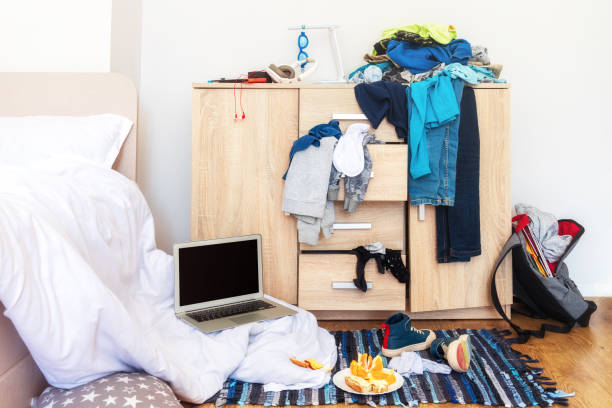
One of the most complex parts of decluttering is the emotional weight attached to particular possessions. A drawer full of mismatched baby socks, a kitchen gadget used only once but “might be handy someday”- these things accumulate, but letting go can feel like erasing memories. The truth? Removing clutter doesn’t mean losing the moments tied to those objects. Choosing what stays allows the most meaningful items to shine.
A Flexible Approach to Declutter Challenge
Decluttering isn’t all-or-nothing. This challenge is designed to ease moms into a more organized home without pressure to discard everything at once. Each small step builds momentum, making the process feel doable rather than overwhelming.
Realistic Expectations: Progress, Not Perfection
Aiming for a home that looks like a perfectly curated magazine spread is unnecessary. The goal is a space that feels good to live in, not one that meets an impossible standard. Expecting progress instead of perfection makes decluttering sustainable, removing the pressure to get everything “right.”
With the right mindset, decluttering feels less like losing things and more like reclaiming space for what truly matters.
How the 30-day declutter challenge works
The beauty of this declutter challenge is its simplicity. Instead of feeling pressured to tackle the entire house immediately, this plan breaks decluttering into manageable steps, making it easy to follow and stress-free.
One Task Per Day for a More Organized Home
Each day focuses on a specific area, helping to eliminate clutter without feeling overwhelmed. Whether clearing out expired food or tackling the junk drawer, the small daily efforts add up to a significant transformation over 30 days.
Less Than an Hour Per Day
For busy moms, time is precious. That’s why this challenge is designed to fit into even the busiest schedules. Each task takes less than an hour, meaning decluttering doesn’t have to derail an already packed day.
Flexible Approach to Decluttering
Life happens, and some days are busier than others. This plan allows for flexibility, swap tasks if needed, skip a day without guilt, and revisit tough areas when ready.
Targeting Clutter-Prone Spaces
Certain areas tend to collect clutter faster than others. The challenge is designed to tackle the most frustrating spots, such as bathroom cabinets, the kitchen counter, closets, and paper clutter, ensuring that the results are noticeable and impactful.
Decluttering doesn’t have to feel overwhelming. By breaking it down into simple, realistic steps, the process feels lighter and easier to stick with.
What you’ll need before starting the challenge
A little preparation goes a long way in making the decluttering process smooth and manageable. Before diving in, gathering a few simple supplies will help keep everything organized and efficient.
A Free Printable Challenge Calendar
Having a clear plan makes it easier to stay on track. A downloadable checklist or calendar provides structure, offering a visual guide for each day’s task. Whether printed out and stuck on the fridge or saved on a phone, this tool helps maintain consistency throughout the 30-day declutter challenge.
Essential Supplies for Decluttering
A few basic items make all the difference:
- Donation Box: For gently used items that can find a new home.
- Trash Bag: For broken, expired, or unnecessary things.
- “Not Sure Yet” Bin: Some items need extra thought before release. This bin provides a temporary holding space until a final decision is made.
Keeping Track of Items to Revisit
Certain belongings may need further evaluation before a decision is made during the decluttering process. A small notebook or notes app works well for jotting down things to reorganize later or items that might be useful in another area.
Decluttering With a Buddy or Group
Decluttering is always more fun with a bit of encouragement. Whether tackling the challenge with a friend, spouse, or a supportive online group, having accountability can motivate you to keep going.
This challenge becomes more manageable and enjoyable with simple tools and a clear plan.
30-day decluttering challenge breakdown
Decluttering feels less daunting when broken into manageable chunks. This challenge follows a structured approach, ensuring each day focuses on a specific area without overwhelming the process.
Week 1: Quick Wins Around the House
Starting with small but impactful spaces, these areas tend to collect clutter but are easy to tackle.
- Entryway catch-all zone: Shoes, bags, and random items that pile up near the door.
- Kitchen counter cleanup: Clearing unnecessary appliances, mail stacks, and decorative clutter.
- Junk drawer overhaul: Removing outdated receipts, paper clips, and misplaced items.
- Bathroom cabinet declutter: Tossing expired products, empty bottles, and unused cosmetics.
- Expired food purge: Sorting pantry staples and refrigerator items past their prime.
- Fridge refresh: Wiping down shelves and discarding forgotten leftovers.
- One overflowing shelf or basket: Tackling a single cluttered area for visible progress.
Week 2: Closet + Clothing Calm
A wardrobe reset makes everyday routines easier, eliminating clothes that no longer fit or serve a purpose.
- Coat closet check-in: Sorting out unused outerwear.
- Kids’ dresser drawers: Removing outgrown outfits and items beyond repair.
- Mom’s top drawer: Streamlining everyday essentials.
- Clothing rotation: Clearing out clothes that haven’t been worn in six months.
- Shoes and accessories: Organizing footwear and jewelry for easier access.
- Laundry area cleanup: Tidying detergents, linens, and laundry baskets.
- Donation day: Sorting and delivering items that no longer serve a purpose.
Week 3: Paper Clutter + Sentimental Items
Paper piles and emotional keepsakes often require extra attention when decluttering.
- Mail pile cleanup: Sorting and recycling unnecessary paperwork.
- Essential documents: Organizing files and discarding outdated records.
- Old schoolwork or artwork: Keep select pieces and discard excess.
- Greeting cards and keepsakes: Setting boundaries on saved sentimental items.
- Expired coupons and manuals: Disposing of unused materials that take up space.
- Digital decluttering: Cleaning out phone apps and downloaded files.
- Free day or revisiting tough spots: Allowing extra time for difficult decisions.
Week 4: Deeper Declutter and Organization
These final days address overlooked storage spaces and miscellaneous clutter zones.
- Under the bathroom sink: Tidying cleaning supplies and backup toiletries.
- Toy area reset: Sorting through playroom items.
- Linen closet refresh: Folding and organizing sheets and towels.
- Craft or hobby supplies: Discarding dried-out paints, tangled yarn, or forgotten projects.
- Major drawer cleanup: Tackling one large storage drawer.
- Kitchen gadgets evaluation: Deciding what’s truly useful.
- Sentimental item review: Setting boundaries while keeping special memories intact.
- One last lingering clutter spot: Choosing a final area for completion.
- Decluttering celebration: Enjoying the results of a simplified home.
With this structured approach, decluttering feels achievable rather than overwhelming.
What to expect after completing the challenge
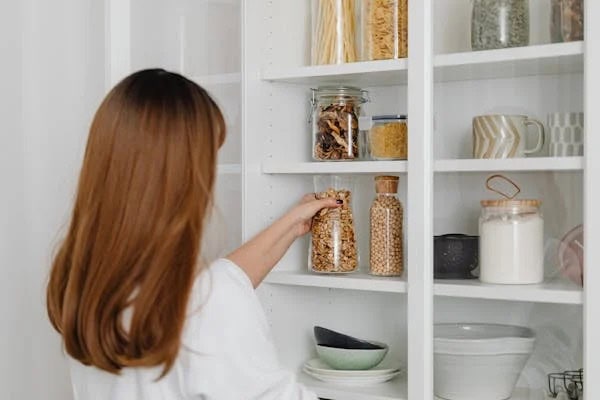
Finishing a decluttering challenge doesn’t mean every single item in the house is perfectly sorted, but it does create noticeable change. The real impact comes from learning how to make intentional choices about belongings and enjoy a more peaceful home.
A Cleaner, Calmer Space
Even if not every area was tackled, the effort put into decluttering creates breathing room. Less clutter means fewer distractions and easier daily routines, reducing stress and making the home feel lighter.
A Better Relationship With Belongings
After 30 days of decluttering, decisions about what stays and what goes become easier. Instead of feeling weighed down by excess, there’s more confidence in choosing what truly serves a purpose or brings joy.
Freedom to Keep What Matters Without Overwhelm
The goal was never about throwing everything away; it was about reclaiming space in a way that makes sense for real life. Keeping cherished items while letting go of unnecessary clutter creates balance, making the home functional and comforting at the same time.
Using This Plan Seasonally or in Busy Life Moments
Decluttering isn’t a one-time event. The challenge can be revisited whenever life feels overwhelming, whether at the start of a new season, after the holidays, or when the house needs a reset.
This challenge provides structure, but the most crucial takeaway is making decluttering feel manageable, realistic, and freeing.
Download your free printable 30-day declutter challenge calendar
To make this whole process smoother (and a little more satisfying), grab the free printable 30-day challenge tracker made just for this plan. It’s not fancy or overwhelming, just a clean, easy-to-follow declutter calendar that lays out one simple daily task. Whether you prefer to check off boxes with a pen or tap your progress in a notes app, having a visual guide keeps momentum going strong.
The calendar is a printable 30-day declutter challenge PDF. It is perfect to hang on the fridge, tuck inside a cleaning supplies caddy, or clip to your planner. Either way, it serves as your day-by-day map through the 30 days of decluttering.
If the thought “I need help cleaning and organizing my house” has been sitting in your head for weeks (or months), this printable declutter challenge might be the answer you’ve been waiting for. It doesn’t demand perfection or huge blocks of time, just a few intentional minutes each day, with a little structure and a lot of grace. Click the link below to download your 30-day challenge printable and start your journey toward a calmer, more clutter-free home.
FAQs
A: A 30-day declutter challenge is a structured approach to declutter your home over one month systematically. Daily, you focus on a specific home area to declutter and organize. This challenge will help break down the daunting task of decluttering into manageable daily tasks, making the process less overwhelming. The 30-day declutter challenge is perfect for beginners as it provides a clear roadmap with specific daily goals, which helps build momentum and creates lasting habits for maintaining an organized home.
Q: What is a 30-day declutter challenge, and how can it help me organize my home?
Q: How do I start a 30-day decluttering challenge if I’ve never decluttered before?
A: To start a 30-day decluttering challenge as a beginner, create a simple plan, or download a 30-day declutter challenge checklist or printable. Begin with small, easily manageable areas like a junk drawer or kitchen counter rather than entire rooms. Gather three containers labeled “keep,” “donate,” and “discard” to help sort items. Set a timer for 15-30 minutes each day to avoid burnout. Remember, the goal is progress, not perfection. As you complete each day of the challenge, celebrate small victories to stay motivated. Many free printables are available online to track your progress throughout the 30-day cleaning challenge.
Q: What areas of your home should I prioritize during the 30-day declutter challenge?
A: During a 30-day declutter challenge, starting with high-impact areas that cause daily stress is best. Begin with the kitchen counter and pantry (check for expired food), followed by the bathroom (especially upper cabinets where medications may have expired). By day 7, tackle the junk drawer that collects random items. Then move to closets, entryways, and essential documents. Leave more time-consuming areas like the garage or basement for weekends. The key is to balance quick wins with more challenging spaces throughout the 30 days to maintain momentum and see visible progress as you declutter and organize your home.
Q: How can I declutter my bathroom effectively during the 30-day challenge?
A: To effectively declutter your bathroom during the 30-day challenge, start by emptying the bathroom’s upper cabinets and drawers. Check all medications and toiletries for expiration dates, discard expired items, and group similar items together (dental products, hair care, skincare, etc.). Keep only what you regularly use and donate unopened, unexpired products you don’t need. Consider using small containers to organize drawer contents. Clean the surfaces before returning items. For makeup, be ruthless; most cosmetics expire within 6-24 months after opening. This focused approach will help transform your bathroom into a clean, functional space where you can easily find what you need.
Q: What should I do with my junk drawer on the designated day of the challenge?
A: When tackling your junk drawer during the 30-day declutter challenge, empty the contents onto a clean surface. Sort everything into categories: writing instruments, tools, batteries, electronics, papers, etc. Immediately discard worn-out or broken items, expired coupons, and things that don’t belong. Test all pens and markers, keeping only those that work correctly. Use small drawer dividers or repurposed containers to organize what you’re keeping. Before returning items, clean the drawer thoroughly. Only put back items that truly belong there and are used regularly. The goal is to transform this space from a chaotic catchall into an organized drawer with purposeful contents you can easily access.
Q: How do I handle expired food when decluttering my kitchen during the 30-day challenge?
A: When handling expired food during your kitchen decluttering day, empty your pantry, refrigerator, and freezer one section at a time. Check every item’s expiration date, discarding anything that has expired or shows signs of spoilage. Create a “use soon” section for items approaching their expiration date. When reorganizing, implement the “first in, first out” method by placing newer items behind older ones. Consider donating unexpired, unopened food you won’t use to local food banks. Clean shelves before restocking. In the future, maintain a regular schedule (perhaps monthly) to check for expired food. Also, review your buying habits to avoid future food waste, and purchase only what you’ll realistically consume before it expires.
Q: What’s the best approach to declutter essential documents during the challenge?
A: The best approach to declutter essential documents during your 30-day challenge is to gather all documents in one place. Create four categories: must-keep documents (birth certificates, property deeds, etc.), financial records to keep temporarily (tax returns—typically 7 years), reference documents (manuals, warranties), and items to shred/discard. Invest in a filing system with clear labels for documents you’re keeping. Consider scanning essential papers to create digital backups stored securely in the cloud. For documents containing personal information that you don’t need, use a quality shredder to protect your identity. This methodical approach will help you organize your paperwork while ensuring that essential documents remain accessible when needed.
Q: How can I maintain my progress after completing the 30-day declutter challenge?
A: To maintain your newly decluttered and organized home, implement the “one-in, one-out” rule: when you bring something new into your home, something else must go. Set aside 15 minutes daily for quick cleanup sessions and schedule monthly mini-decluttering sessions for problem areas that accumulate clutter, like the kitchen counter or junk drawer. Create designated homes for commonly used items and make sure everyone in the household knows where things belong. Regularly review your belongings, especially clothing and food, for items to donate or discard. Consider seasonal deep cleanings to prevent clutter buildup. Remember that maintaining a decluttered home is an ongoing process, but it gets easier with consistent habits established during your 30-day decluttering challenge.
You might also be interested in…
Need some home organization products to declutter your home? Check this out.
CONNECT WITH DAILY MOM
💖 NEWSLETTER: DAILY READS IN YOUR INBOX 💖
Sign up to receive our picks for the best things to do, see and buy so you can relax and focus on more important tasks! Let us help you be the best version of yourself you can be!
BE SOCIAL WITH US
📌 LOVE IT? PIN IT!📌