


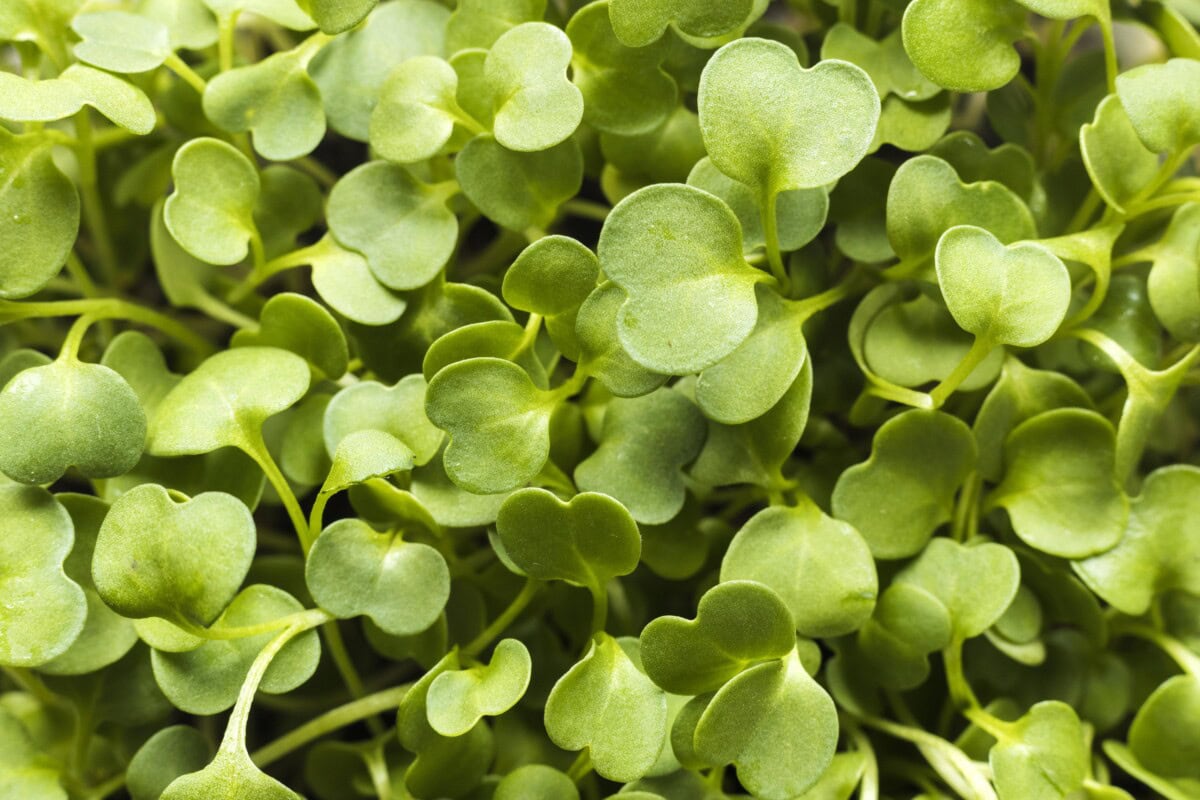
Edible Aquatic Plants: The Ultimate Guide to Water Plants You Can Grow in Your Pond
Imagine a lush, thriving pond right in your backyard — not just beautiful, but packed with plants you can actually eat. Aquatic edible plants are gaining attention for good reason. These water-loving species not only enhance the look and feel of a water garden, but they also serve as a surprising source of food. From crunchy watercress to the elegant lotus, many plants that grow in water are not only ornamental but also edible. Whether you’re hoping to supplement your meals with homegrown greens or just fascinated by aquatic plant species, there’s something deeply satisfying about watching edible plants thrive in water right before your eyes.
A well-designed pond filled with aquatic plants can become a self-sustaining oasis. Many edible aquatic plants double as natural filters, helping to keep the water clean while supporting a mini-ecosystem that may include fish and insects. And it’s not just about function — these plants offer form, color, and movement, bringing a soft dynamic to any garden. From the floating pads of water lilies to the towering blooms of nelumbo nucifera, the variety is remarkable. Growing edible water plants isn’t just smart gardening — it’s a blend of beauty, sustainability, and nutritious living.

Planning a Water Garden with Aquatic Edible Plants
Water gardens don’t have to be just for looks. With the right setup, they can also become a living pantry. Edible aquatic plants bring beauty and bounty, adding greenery while offering real, harvestable food. A thoughtful layout makes it easy to grow, maintain, and enjoy both ornamental and edible water plants year-round.
The goal is to create a healthy balance. Many plants that grow in water need different depths, sunlight, and spacing. Some float, others root deep in soil, and a few prefer to submerge entirely. Choosing the right mix ensures your pond stays clean, attractive, and productive.
Choosing and Planning Edible Aquatic Plants for Your Pond
Picking the right plants makes all the difference. You’ll want a mix that fits your pond’s size, sun exposure, and depth. Some edible plants thrive in shallow water, while others need room to spread their roots or float freely.
- Mix rooted and floating varieties to create depth and reduce algae.
- Pick fast-growing plants that can be harvested often like watercress or kangkong.
- Match plants to your local climate so they can thrive with less work.
- Stick with non-invasive species to avoid headaches down the line.
- Use layered planting so something’s always ready to harvest.
Adding variety keeps things interesting, both visually and on your plate. Many plants grow quickly, taste great, and help keep pond water balanced — a win all around.
How to Grow Edible Aquatic Plants Successfully
Growing edible plants in water may sound tricky, but it’s surprisingly manageable once the basics are covered. These plants are naturally adapted to wet environments and many actually prefer conditions that would kill typical garden vegetables. Understanding where and how each plant likes to grow helps you get the most from your pond or water garden.
Some edible aquatic plants need full sun and steady water levels. Others are fine with moist soil or partial shade. A mix of containers, submerged beds, or shallow ledges around the pond edge allows more flexibility in plant selection.
Growing in Water, Soil, or Containers
Different plants have different needs. Some float on the surface, while others root deep in the pond bottom. Containers and shallow beds make harvesting easier and help control growth.
- Use mesh containers or baskets for rooted plants to manage spread and make transplanting easy.
- Anchor floating plants to prevent wind drift and crowding.
- Stick to shallow water for many fast-growing greens like water spinach and watercress.
- Keep water levels steady so roots don’t dry out or drown.
- Plant in layers — tall varieties in the back, smaller ones near edges or in front.

Choosing the right setup makes maintenance easier and encourages steady growth. Water plants that are healthy will also help keep your pond clear and balanced.
Creating an Edible Pond Ecosystem
A successful pond isn’t just a bunch of plants floating around. It’s a small, thriving ecosystem. Edible aquatic plants can work alongside fish and insects to create a balanced, low-maintenance environment. The bonus? They naturally help clean the water as they grow.
Fish add nutrients to the water through waste, which plants absorb to fuel growth. In turn, plants provide shade, oxygen, and even food for fish — especially in ponds with species that nibble on roots or stems.
Integrating Edible Aquatic Plants with Fish
Adding fish to your pond? Smart move. Just make sure to pair them with the right edible water plants. Certain species coexist beautifully, while others can uproot or overgraze young plants.
- Use hardy aquatic plants that can handle some nibbling, like watercress or pickerelweed.
- Avoid overstocking fish — too many can lead to cloudy water and stressed plants.
- Add floating plants for extra shade and to reduce algae growth.
- Choose species like koi or goldfish carefully — they dig, so secure rooted plants well.
- Feed fish moderately so they help fertilize plants without overwhelming the system.
A balanced pond system supports itself. The right edible plants clean the water and offer food — not just for you, but for the fish too.

Popular Edible Aquatic Plants to Grow
Some water plants don’t just survive in wet conditions — they thrive. Many of them also happen to be edible, full of nutrients, and surprisingly versatile in the kitchen. Growing a mix of aquatic plant species adds variety to your pond and gives you a mix of textures, flavors, and harvest times.
Below are some favorites worth adding to your water garden. These options not only offer edible parts but often double as ornamental highlights, giving your pond a vibrant, living pantry.
Lotus and Water Lily Varieties
Lotus and water lilies are the stars of most water gardens, and they’re more than just pretty. Their seeds, stems, and roots are edible — and they grow well in full sun with calm, shallow water.
- Lotus roots (nelumbo) can be stir-fried, boiled, or pickled.
- Young leaves and stems of some water lily species are also edible.
- Water lilies (like nymphaea alba) add oxygen and shade while offering edible seeds in some varieties.
- Lotus flowers produce pollen that can be dried and used in teas or baked goods.
These tropical plants bring bold blooms and edible parts, making them both useful and beautiful.
Nelumbo Nucifera and Other Nelumbo Species
Nelumbo nucifera, often called sacred lotus, is one of the most widely grown edible aquatic plants in Asia. It’s packed with flavor and nutrients, especially in the roots.
- Large leaves are used as wraps or in cooking.
- Tuberous roots offer a crunchy texture and are rich in vitamins.
- Seeds are edible raw or cooked and can be roasted like nuts.

Growing nelumbo species requires warm weather, full sun, and still water, especially in tropical and subtropical climates.
Water-Lily and Nuphar Lutea in Edible Gardening
While not all water-lilies are edible, some — like nuphar lutea — offer roots and seeds that can be harvested and eaten when prepared correctly.
- Roots of nuphar lutea can be cooked for soups or stews.
- Pads float on the surface, adding shade and reducing algae.
- Seeds can be dried and made into flour or roasted.
These hardy aquatic plants grow in deeper sections of ponds and provide shelter for fish and insects.
Watercress (Nasturtium Officinale)
One of the easiest and fastest-growing edible aquatic plants, watercress thrives in running or clean shallow water.
- Packed with vitamins A and C, it’s great raw or tossed in soups.
- Used in salads and sandwiches, offering a peppery bite.
- Young leaves grow fast, making it easy to harvest regularly.
Nasturtium officinale works well near the pond edge or in containers with moist soil.
Kangkong or Water Spinach (Ipomoea Aquatica)
Known in many regions as kangkong, this semi-aquatic plant is a staple in tropical dishes and grows best in warm, wet climates.
- Fast-growing stems and leaves can be eaten cooked or raw.
- Used in soups or stir-fries, especially in Southeast Asian cuisine.
- Thrives in shallow water or moist soil, often growing in floating rafts.
Water spinach is considered an invasive species in some areas, so check local guidelines before planting.
Pontederia Cordata: Pickerelweed as a Food Source
Pickerelweed is often seen as ornamental, but it’s also edible. This attractive plant grows upright along pond edges and produces purple blooms.
- Leaves and stems are edible and can be eaten raw or cooked.
- Seeds are also edible — some say they taste like nuts or corn.
- Grows best in shallow, sunny pond margins, helping control erosion.
Pontederia cordata adds both color and culinary potential to the pond edge.
Colocasia Esculenta (Taro) in the Edible Pond
Taro, or colocasia esculenta, is a tropical plant with large, showy leaves and edible roots. It needs space and steady moisture.
- Roots are starchy and nutritious, ideal for roasting or boiling.
- Leaves must be cooked, as they’re toxic raw.
- Used in many traditional dishes, especially in Pacific Island and Southeast Asian cuisine.

It does best in moist soil or shallow, slow-moving water.
Chinese Water Chestnut (Eleocharis Dulcis)
A popular pond plant with edible parts that add crunch to meals, the Chinese water chestnut is grown for its corms, not the chestnut-like name.
- Crunchy texture when raw or cooked.
- Grows submerged, often in containers or pond beds.
- Tropical and subtropical plant that prefers warm climates.
Water chestnuts are easy to harvest and store well when kept cool.
Trapa Natans: The Floating Water Chestnut
Unlike the Chinese variety, Trapa natans is a floating aquatic plant with spiky seeds and broad leaves.
- Seeds are boiled or roasted, often compared to chestnuts.
- Leaves float, forming dense mats on the surface.
- Considered invasive in some regions, so check regulations.
This species adds interesting texture but needs regular management.
Sagittaria Sagittifolia: Arrowhead Root
Often called arrowhead or duck potato, this plant has tuber-like roots that are edible and fairly easy to grow.
- Roots are rich in starch and used in soups or roasted.
- Arrowhead-shaped leaves grow above water, adding structure.
- Grows in shallow water, often near pond edges.
It’s one of the most common edible pond plants in many backyard gardens.
Sparganium Erectum and Its Culinary Potential
Less known but still useful, sparganium erectum grows upright with long, grassy leaves.
- Starchy roots are edible, similar to potatoes.
- Thrives in wet, marshy spots along shallow pond margins.
- Offers cover and nesting spots for pond wildlife.
This grass-like plant adds diversity to a food-focused pond.
Butomus Umbellatus: Edible Uses of Flowering Rush
Known for its umbrella-like pink flowers, this plant grows in shallow water and has edible roots.
- Roots can be boiled or roasted.
- Works well in ornamental and edible water gardens.
- Prefers full sun and shallow planting along edges.
It’s both beautiful and functional in edible pond designs.
Acorus Calamus (Sweet Flag): Edible and Medicinal Uses
Aromatic and medicinal, sweet flag is known for its long, sword-like leaves and fragrant roots.
- Roots have a strong, spicy flavor, used in teas and remedies.
- Grows in moist soil or shallow water, ideal for pond edges.
- Used sparingly, as large amounts may be toxic.
Also known as acorus calamus, this semi-aquatic plant brings scent and historical interest to the mix.
Typha Latifolia (Bulrush): Pond Plant with Many Uses
Also called cattail or reedmace, typha latifolia is incredibly versatile.
- Many edible parts — shoots, pollen, and roots can all be eaten.
- Source of dietary fiber, and rich in vitamins.
- Used in soups or roasted, depending on which part is harvested.
It’s a staple in the list of edible water plants and grows well in both large and small ponds.
Myriophyllum Spicatum: Eurasian Watermilfoil
This submerged plant is more for function than flavor, but it plays a key role in aquatic ecosystems.
- Provides oxygen and shelter underwater.
- Sometimes used as animal fodder, though not widely eaten by humans.
- Considered invasive in some areas, so it’s best used with caution.
Even if not a major food source, it helps other edible plants thrive in water.
Cyperus Longus: Sweet Galingale in Water Gardens
A lesser-known edible, cyperus longus grows in moist soil and shallow water.
- Roots have been used in traditional medicine and flavoring.
- Grass-like leaves bring a soft texture to pond edges.
- Grows easily in wet soil, even without a full pond.
It’s a quiet but useful addition to any edible water garden.
Lacustris and Aquatica Species to Consider
Some lesser-known species in the lacustris and aquatica groups offer edible or functional qualities.
- Aquatica species often tolerate submerged conditions well.
- Lacustris types can grow in marshy edges or damp soil.
- Useful in naturalistic water gardens, blending in while supporting wildlife.
These may not be household names, but they round out a rich selection of plants for your pond.

Harvesting and Using Your Edible Water Plants
A big part of growing edible aquatic plants is knowing how and when to gather them. Timing, technique, and preparation all matter — and they can make the difference between a satisfying harvest and one that goes to waste. Since many varieties of aquatic plant have different growth cycles, harvesting isn’t always a one-size-fits-all approach.
Learning the best ways to use what you grow also means getting to know each plant’s flavor, texture, and versatility in the kitchen. Some are best eaten fresh; others shine when cooked.
When and How to Harvest Edible Aquatic Plants
Harvesting aquatic plants is generally simple — especially once you’re familiar with which parts are edible and how the plant grows. Each plant offers something unique: roots, stems, seeds, or leaves.
- Be sure to place tools nearby if you’re harvesting from deeper pond sections.
- Cut young leaves or stems early in the day when they’re most tender.
- Tubers like taro and arrowhead are best harvested once the foliage begins to die back.
- Seeds from lotus or water-lily can be gathered when mature and dried.
- Roots of plants like sagittaria or scirpus should be dug gently to avoid damaging the pond bed.
As a general rule, harvesting is less stressful on the plant when done gradually, taking only what’s needed for each use.
Cleaning and Preparing Water Plants for the Table
Most edible aquatic plants are best enjoyed fresh — but a little preparation goes a long way to keep them safe and delicious. Since these plants grow in water, thorough cleaning is especially important.
- Rinse thoroughly under clean water, especially if grown with fish or in natural ponds.
- Trim off tough stems or damaged leaves, as not all parts may be edible.
- Cook parts that can’t be eaten raw, e.g., taro or colocasia must be cooked to neutralize natural toxins.
- Many plants are edible either raw or cooked, like watercress, which adds a crisp bite in salads or mellows in soups.
Use care and common sense. If you’re unsure whether a plant is edible or which parts are safe to eat, look it up — or skip it.
Safety Tips: What to Avoid When Growing Edible Aquatic Plants
While most edible aquatic plants are safe when grown in clean water and harvested properly, there are still a few risks to watch for. Misidentification and contamination are the biggest concerns.
Toxic lookalikes are a real issue. Some plants mimic the appearance of edible ones but can be harmful — even deadly — if eaten.
- Never eat wild plants unless you are certain of their identity.
- Avoid water from polluted or chemically treated sources, which can contaminate plants.
- Lookalikes may be similar, e.g., toxic wild iris can resemble sweet flag (acorus calamus).
- Watch for mold or rot, especially on submerged or shaded plants.
- If unsure whether a plant is edible, consult a trusted edible plant guide or local extension office.
With a little caution, growing edible pond plants remains a low-risk, high-reward way to boost your diet and diversify your garden.

Final Thoughts on Growing Edible Aquatic Plants
Growing plants for food in your pond is a wonderful way to combine beauty and sustainability. These aquatic plants thrive in water, often growing quickly and providing a range of edible parts, from roots to leaves.
Many species, e.g, watercress, lotus, and water spinach, are perfect for harvesting and can be enjoyed in a variety of dishes. By adding these plants to your pond, you not only enhance its aesthetic appeal but also create a natural, productive space.
With careful planning and a bit of attention, your pond can be transformed into a self-sustaining garden that provides both nourishment and beauty, offering a steady supply of plants for food for years to come.
You might also be interested in…
Are you looking to focus on your home now that the pond is set? Check out these amazing 25 indoor plants.
CONNECT WITH DAILY MOM
💖 NEWSLETTER: DAILY READS IN YOUR INBOX 💖
Sign up to receive our picks for the best things to do, see and buy so you can relax and focus on more important tasks! Let us help you be the best version of yourself you can be!
BE SOCIAL WITH US
📌 LOVE IT? PIN IT!📌


