


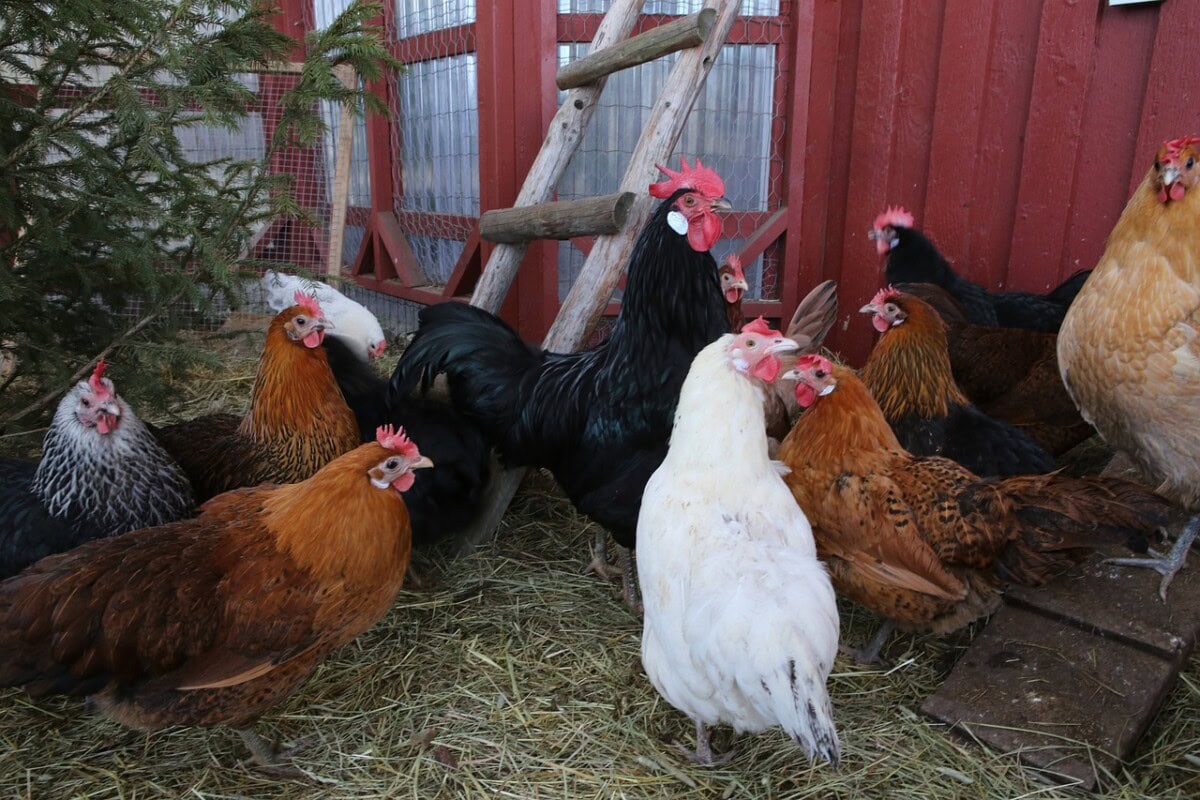
An unused playhouse in the backyard can turn into something unexpectedly perfect: a cozy home for chickens. With a little planning and a few supplies, it’s easy to convert a kid’s playhouse into a functional chicken coop that adds charm and purpose to the yard.
The size is just right for a small flock, and the existing structure saves time and materials. It’s a smart way to reuse something that might otherwise collect dust, all while setting up a safe, adorable space for gathering fresh eggs and raising happy hens.

Why Turn an Old Playhouse into a Chicken Coop?
Taking a playhouse and transforming it into a chicken coop is more than just a clever backyard project. It’s one of those win-win ideas that blends function with charm and cuts out the overwhelm of starting from scratch. For families looking to raise chickens, using a kid’s old playhouse can offer the perfect foundation. It’s already a size-friendly shelter, and with the right modifications, it becomes a comfortable and safe space for a growing flock.
Upcycling is having a major moment in the world of homesteading, and this is one of the easiest ways to jump in. Instead of tossing that plastic playhouse or letting it fade behind the shed, converting it into a chicken coop is a satisfying and budget-friendly way to get started. Plus, the finished setup is often cuter than anything you’d find pre-built.
Why It’s Smart to Repurpose and Reuse a Playhouse for Chickens
Using what’s already available just makes sense, especially when the shape and structure are already chicken-ready. Repurposing an old playhouse helps cut down on waste and gives new life to something that might otherwise end up in a landfill.
- Ready-made structure means less building from scratch
- Plastic or wooden walls are easy to clean and sanitize
- Windows and doors can be modified for ventilation and access
- Built-in charm makes for a fun and functional backyard feature
- Budget-friendly compared to buying a new pre-fab coop
- Creative freedom to decorate and design your coop however you want
It’s one of those projects that combines creativity and practicality, offering a low-cost way to start your backyard flock without sacrificing function or style.
Materials You’ll Need to Turn an Old Playhouse into a Chicken Coop
Once the plan is in place, it’s time to gather materials. Most conversions don’t require fancy tools or expensive supplies. A few basic pieces from the hardware store (and maybe a quick rummage through the garage) can cover most of what’s needed.
Even a big structure doesn’t need a big budget when it’s being repurposed. Whether starting with plastic or wooden materials, the goal is to create a safe, dry space that’s easy to clean and hard for predators to get into.
Chicken Wire, Wood Boards, and Basic Tools
Safety and structure come first. Reinforcing the walls and flooring makes a huge difference in durability, especially if the original playhouse is lightweight or wasn’t made for long-term outdoor use.
- Lumber or plywood to reinforce weak spots or build nesting areas
- Staple gun or drill for quick assembly and fast attachments
- Hinges and latches for windows, doors, or drop-down cleaning panels
- Wood screws to secure roosting bars or ladder-style perches
- Heavy-duty zip ties for temporary attachments or adjusting wire fencing

Adding ventilation near the roof or modifying a window can prevent moisture buildup. A well-ventilated coop keeps hens healthier and reduces strong odors from moisture or chicken poop.
Cute Touches for a Functional Backyard Chicken House
Making the space functional doesn’t mean it can’t be cute too. Little touches go a long way when creating a space that feels personal. Paint, signage, and thoughtful upgrades can turn a basic coop into a favorite feature in the yard.
- Paint or stain to refresh the outside and match your outdoor setup
- Add a picture frame or chalkboard with your flock’s name
- Add flower boxes or a mini flag for charm
- Upgrade an old playhouse door into a swing-open chicken door
- Use repurposed items like milk crates or wood drawers for nesting
A few creative details can give the whole setup a polished look while keeping it entirely functional for your hens — and even that noisy little rooster.
Step-by-Step: How to Transform a Playhouse into a Chicken Coop
Starting a chicken setup from a playhouse doesn’t have to feel overwhelming. The key is focusing on function first, then adding those little details that make it safe, easy to clean, and welcoming for your hens. Once the basics are in place, the transformation from backyard toy to cozy coop feels incredibly rewarding.
It’s not just about creating a home for hens—it’s about designing a space that works for both the flock and the family managing it. A thoughtful layout, strong materials, and simple modifications will help the coop last for seasons to come.
Choosing the Right Playhouse for Your Backyard Chicken Coop
Not all playhouses will be a perfect fit, but many can be made into something truly special with the right approach. Plastic, wooden, and even partially open-sided structures can work, as long as they’re sturdy and offer enough space for your hens to roam and rest comfortably.
When selecting a structure, keep an eye out for:
- Solid roof without leaks or large gaps
- Windows that open or can be modified for airflow
- Enough height for bars to roost or a nesting ladder
- Roomy interior to fit a few chicks, feeders, and nesting areas
- Strong frame that can handle the weight of hardware cloth or plywood
A plastic playhouse can be a great starting point for a first coop, especially for those just testing out the waters of raising a backyard flock. Just be sure the structure is in good condition and free from cracks that might invite moisture or unwanted critters.
Planning Your DIY Chicken Coop Using a Little Tikes Playhouse
Before making any cuts or changes, take time to plan out the setup. Measure the dimensions and sketch a rough coop design that fits both your space and your flock’s needs.
- Enclose the area with hardware cloth to protect from predators like raccoons or the occasional hawk
- Add a small pen nearby for outdoor pecking and scratching
- Attach nesting boxes to an interior wall or corner
- Install bars for roosting using scrap lumber or sturdy boards
- Map out a cleaning route so removing bedding and droppings is simple
A thoughtful setup makes daily chores easier and helps your adorable chickens stay comfortable year-round. Even a lightweight structure like a Little Tikes playhouse can become a secure coop with just a few tweaks and a little creativity.

9 Essential Steps to Prep the Inside of Your Playhouse Chicken Coop

Getting the inside just right is what makes a coop work smoothly day to day. The goal is a space that’s dry, clean, and safe for your flock—while keeping things simple for you to maintain. These nine steps cover everything from setup to comfort.
Installing Nesting Boxes and Roosting Bars
Hens need their own zones to feel secure. Nesting boxes and roosting bars help keep the flock calm, the eggs clean, and bedtime predictable.
- Mount nesting boxes along a quiet wall, raised a few inches off the ground. One box per three or four hens is usually enough.
- Fill each box with clean straw or pine shavings to cushion eggs and make hens more likely to use them.
- Install roosting bars above the height of the nesting boxes so chickens don’t sleep where they lay.
- Use smooth wooden poles or boards for roosts, spaced far enough apart to give each bird room.
Once these basics are in, the flock will naturally find its rhythm. Most will pick a favorite box, and roosting becomes routine by sunset.
Flooring, Ventilation, and Cleaning Access
The floor and airflow often get overlooked, but they make a big impact on coop health. Good ventilation and an easy-to-clean base mean less mess and better air for your flock.
- Line the floor with rubber mats, scrap vinyl, or painted plywood to keep moisture from soaking in.
- Cut vents near the top or open existing windows to keep air moving. Always cover them with hardware cloth.
- Add a hinged door or removable panel for quick cleanouts and egg access.
- Hang feeders and waterers slightly off the ground to avoid tipping, and keep them out of nesting areas.
- Use absorbent bedding like straw or hemp to soak up moisture and control odor. Replace regularly to prevent buildup.
These simple prep steps make daily care easier and set your hens up for a clean, happy life inside their new home.
Setting Up the Chicken Run and Outdoor Space
Chickens love having access to the outdoors. A connected run gives them freedom to scratch, peck, and dust bathe while staying protected. Even a small backyard can make room for a secure outdoor pen, giving your flock space to move around and enjoy fresh air.
Attaching the run to the coop keeps things simple. It allows hens to come and go while keeping predators out and keeping cleanup contained.
How to Add a Secure Chicken Run to Your Playhouse Coop
The run doesn’t have to be fancy, but it should be strong. Think of it as a safe play area where your chickens can stretch their legs. Height matters, too—especially if you want to be able to step in for cleaning or feeding.
- Use hardware cloth instead of basic chicken wire for stronger protection
- Bury the edges a few inches underground to stop digging predators
- Add a roof or netting if hawks or raccoons are in the area
- Include a latchable door for easy access
- Place it in partial shade to help with hot summer days
Connecting the run directly to the coop makes morning and evening routines much easier. Chickens can head outside on their own and come back in to roost at night.
Keeping Chickens Safe While They Play and Lay
Safety doesn’t mean sacrificing freedom. With a secure setup, hens can enjoy their time outdoors without constant supervision. A little planning goes a long way in keeping them safe and healthy.
- Lock all access points at night to keep the flock protected
- Walk the fence line often to check for gaps or digging spots
- Avoid free-ranging unless supervised in areas with known predators
- Provide a covered dust bath area inside the run for parasite control

The outdoor space becomes a favorite hangout spot once the flock feels secure. A well-built run not only gives chickens freedom but also peace of mind for the family watching over them.

Tips to Make Your Playhouse Chicken Coop Last
Building a coop is one thing. Keeping it in great shape season after season is another. A little maintenance goes a long way in keeping the space safe, dry, and comfortable for your hens.
Weather, wear and tear, and daily use all take a toll, especially in areas with hot summers or wet winters. These simple tips help keep your coop going strong.
Weatherproofing and Maintenance Must-Knows
Even repurposed structures need a little weatherproofing to hold up outdoors. Small improvements now can save a lot of time (and money) later.
- Seal any cracks or gaps with outdoor caulk or weatherstripping
- Paint or stain wood surfaces to prevent rot and fading
- Check the roof after storms for leaks or shifting panels
- Tighten screws and latches every few months to keep everything snug
Routine check-ins help you catch small issues before they become big problems. A well-kept coop stays drier, smells better, and lasts longer.
How to Keep Your Coop Clean and Collect Fresh Eggs
A clean coop keeps chickens healthy and eggs safe. Consistent upkeep prevents odor, reduces pests, and makes collecting eggs a whole lot nicer.
- Scoop out droppings daily or use a removable tray for faster cleanup
- Replace bedding weekly or more often during wet weather
- Disinfect feeders and waterers regularly to prevent illness
- Gather eggs once or twice a day to keep them clean and discourage pecking
Once a rhythm is in place, keeping things tidy doesn’t take long. A few minutes each day can keep the entire setup fresh and welcoming—for both the flock and the family caring for them.
You might also be interested in…
Ready to start building, but your city prohibits chickens? Check out these 4 steps to successfully petition for your new pet.
CONNECT WITH DAILY MOM
💖 NEWSLETTER: DAILY READS IN YOUR INBOX 💖
Sign up to receive our picks for the best things to do, see and buy so you can relax and focus on more important tasks! Let us help you be the best version of yourself you can be!
BE SOCIAL WITH US
📌 LOVE IT? PIN IT!📌


