





























Is What You’re Feeling Signs Perimenopause is Here?

Ever feel a little…off? Maybe your periods have gotten heavier or lighter. Maybe you’re waking up at 3 a.m. drenched in sweat and can’t go back to sleep. Or you’re crying at dog food commercials. If you’re in your late 30s or 40s and thinking, “What is going on with me?” you might also be wondering if this is the first sign of perimenopause.
Perimenopause is the transitional phase before menopause, and it comes with a wide range of physical and emotional symptoms. The changes you experience during perimenopause can feel strange and weird at times, but they’re also a natural part of your reproductive story. You’re definitely not alone. Talk to your friends, find support groups, and read blogs by women who have been there to remind yourself that you are not alone and that what you’re feeling is not uncommon.
The First Sign of Perimenopause
So, what is the first sign of perimenopause? Well, it usually starts subtly: a skipped period, a shift in mood, or a hot flash out of nowhere. For many, the first symptom is an irregularity in the menstrual cycle, something feels “off,” even if you can’t describe it exactly.
You might notice signs like:
- A period that’s longer, shorter, heavier, or lighter
- Feeling more emotional or reactive
- A sudden wave of heat that leaves you flushed
This is the body’s way of telling you that your hormones are changing, particularly estrogen, are beginning to fluctuate. And yes, this can start as early as your 30s (though the average age is mid to late 40s).
What Causes Perimenopause?
In one word: hormones. During perimenopause, estrogen levels start to rise and fall in unpredictable ways, sending ripple effects through your reproductive system. These changes can disrupt ovulation, shift your menstrual cycle, and bring on a mix of menopause-like symptoms that sometimes feel confusing or even overwhelming. On top of that, stress can play a big role because when cortisol runs high, it can not only intensify what you’re feeling but may even trigger perimenopause to start earlier than expected.
But here’s the truth: perimenopause is a natural stage of life, and it’s your body’s way of slowly preparing to reach menopause. You’ll officially know you’ve reached menopause once you’ve gone a full year without a period. Until then, it’s a journey that is sometimes strange, but always uniquely yours. The uncomfortable symptoms may happen at times, but they’re also a reminder that your body is wise, constantly adapting, and guiding you through this transition with its own rhythm. You’re not broken, you’re not alone, you’re simply moving into a new chapter.

Does Timing of Perimenopause Matter for Long-Term Health?
Interestingly, studies suggest that when perimenopause starts later in life, it’s often linked to better long-term health. The reason is that your body benefits from more years of protective estrogen, which supports strong bones, a healthy heart, and even brain function. Since menopausal symptoms like bone loss, cardiovascular changes, or memory issues tend to show up once estrogen levels drop, delaying that shift can bring fewer health challenges in the years ahead.
But it’s not just about estrogen. Progesterone, another key reproductive hormone, begins to decline earlier than estrogen and plays an important role in sleep, mood stability, and reducing anxiety. Meanwhile, testosterone in women, though present in smaller amounts, supports libido, muscle mass, and energy. When these hormones drop too quickly or fall out of balance, perimenopausal symptoms may feel stronger or more disruptive.
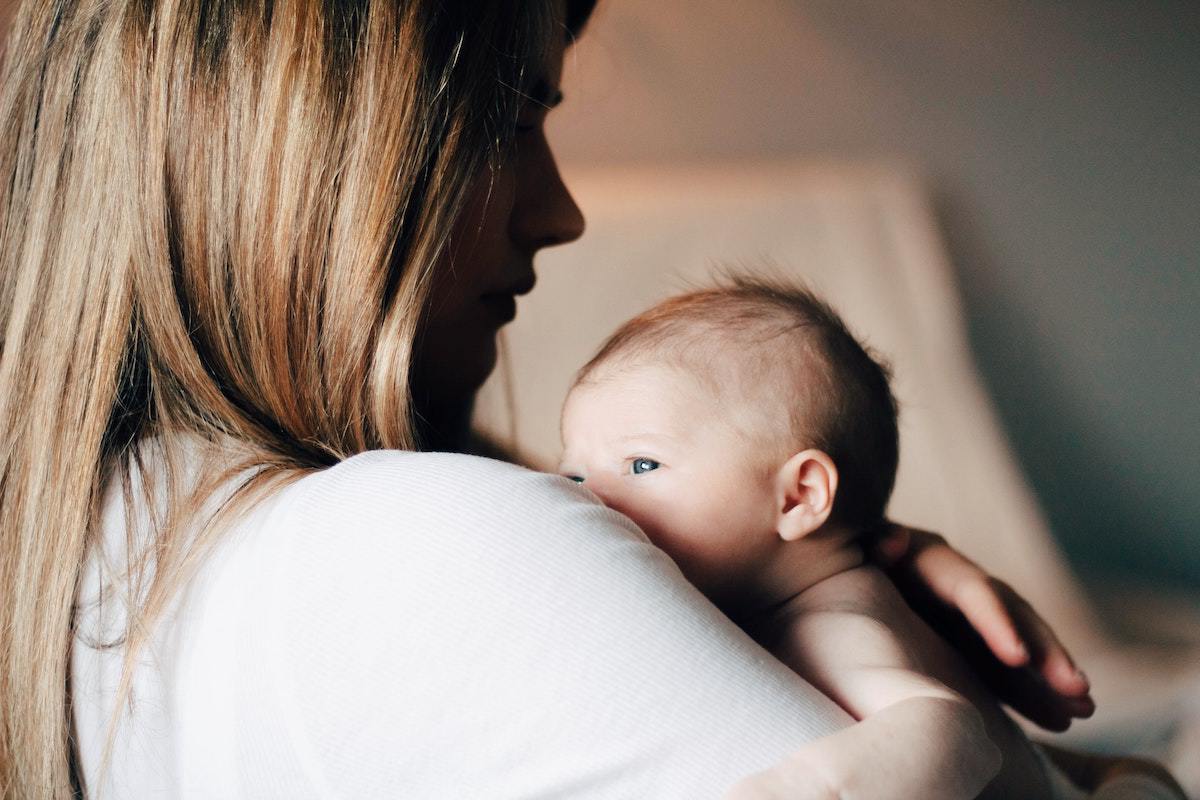
Of course, perimenopause is a natural stage, and the timing looks different for everyone. Some people have symptoms as early as 38, while others may not experience symptoms until much later. No matter when you’re in perimenopause, it’s helpful to remember that a later onset often carries hidden benefits, offering your body more years of hormonal protection as you make your way through this transition and into perimenopause and beyond.
First Symptoms of Perimenopause: Known Symptoms You May Experience
The list of perimenopausal symptoms is lengthy and no, you don’t have to check every box to be going through it. There are some common signs to look out for. But just because you see them, doesn’t mean you are powerless! Far from it! There are ways to take control of how you feel, even as your body slowly ages naturally.
When these symptoms arise, try these tips to help get you through them:
- Irregular periods: Track your menstrual cycle with an app (or if you are an iPhone user, the Health app that comes with your phone will track your cycle) or journal to spot patterns; discuss heavy or unusual changes with your provider.
- Mood swings: Gentle exercise, mindfulness practices, and balanced meals help stabilize your hormones and ease emotional ups and downs. Don’t forget that granny hobbies have been shown to help your brain relax. That’s the perfect excuse to make time for your favorite hobby.
- Sleep disturbances: Create a calming bedtime routine, limit caffeine and screens at night, and try herbal teas like chamomile to promote rest. Making sure you eat enough protein for dinner also helps your body get the rest it needs.
- Fatigue: Prioritize rest, keep blood sugar steady with nourishing snacks, and pace your day instead of pushing through constant exhaustion. Taking a high quality vitamin B and other vitamins and minerals can keep you from crashing midday.
- Breast tenderness: Wear supportive bras, apply warm or cool compresses, and reduce caffeine, which can sometimes worsen sensitivity.
- Lower libido: Focus on intimacy beyond intercourse, practice self-care to reduce stress, and talk openly with your partner (or provider) about changes.
- Anxiety or irritability: Breathing exercises, yoga, and grounding practices can calm the nervous system; adaptogens or magnesium may also help, with guidance from a healthcare professional.
There are also some lesser-known symptoms that people often overlook, like joint pain, a racing heart, or even feelings of doom (yes, really). You may have symptoms like PMS, but they’re stronger and louder and can kinda make you feel like a crazier person than normal PMS that you’re used to.

Vaginal Dryness and Irregular Periods
Two of the more common yet frustrating changes? Vaginal dryness and irregular periods. Dryness occurs because estrogen levels are low, which affects natural lubrication. This can make intimacy uncomfortable, and it’s one of those lesser-discussed but very real symptoms.
Try these things to help find some relief from dryness:
- Stay hydrated: Drinking enough water supports overall tissue health and may ease dryness.
- Use natural lubricants: Opt for water- or aloe-based, fragrance-free lubricants during intimacy to reduce discomfort.
- Moisturize regularly: Vaginal moisturizers (different from lubricants) can be used several times a week to keep tissue supple.
- Eat more nutrients: Omega-3 fatty acids, vitamin E, and flaxseed may support mucous membranes and hormone balance. Reducing refined sugar, caffeine and alcohol intake can also be a huge help.
- Limit irritants: Avoid harsh soaps, scented products, or long hot baths that can worsen dryness.
- Talk with your provider: For persistent dryness, options like low-dose estrogen therapy or other hormone therapy may help relieve symptoms safely.
Meanwhile, your periods may become heavier or lighter, come closer together or further apart. You might even spot between cycles. These are all signs your body is adjusting its hormonal rhythm and while they can be annoying, they’re part of the peri to menopause journey.

Hot Flashes and Night Sweat, Oh My!
The classic duo! Who doesn’t love waking up in a puddle of sweat at night, or flushing at the weirdest times while awake? Hot flashes and night sweats are some of the most recognizable (and annoying) symptoms of perimenopause. One moment you’re fine, the next you feel like a furnace. But you don’t have to stay in the furnace! Here are some practical things you can do to try and stay cool all day:
- Dress in layers: Lightweight, breathable fabrics make it easier to cool down quickly when a hot flash hits.
- Cool your sleep space: Keep the bedroom temperature lower, use a fan, or switch to moisture-wicking sheets to stay comfortable at night.
- Avoid common triggers: Spicy foods, caffeine, alcohol, and even stress can make symptoms worse, so paying attention to what your personal triggers can help.
- Practice calming techniques: Deep breathing, meditation, gentle yoga or a calming hobby can help regulate the nervous system and reduce the intensity of hot flashes.
- Stay hydrated: Sipping cool water throughout the day supports your body’s natural cooling system.
- Support hormonal balance: Some women find relief with herbs like black cohosh or sage tea, so ask your healthcare provider about how to incorporate those if you want to try.
Hot flashes and night sweats are triggered by your body trying to regulate temperature during hormonal changes. They’re disruptive and inconvenient, but they’re known signs that your hormone levels are fluctuating. So don’t let yourself stress over it! Find ways to laugh about it, and find friends you can go through this time with.
Why Do I Have Mood Swings and Weight Gain?
If you’ve been more irritable or crying over minor things, you’re not losing it. It’s not just in your head because these are real, physical and emotional symptoms many women experience! Mood swings are often tied to hormonal shifts, particularly low estrogen. And yes, so is weight gain. Both of these are part of the frustrating reality of perimenopause and menopause. Changes in metabolism, hormone levels, and even birth control use can all play a big role in these changes.
- Focus on hormone balance: Fluctuating hormones, especially declining estrogen, can make weight management trickier. Gentle movement, stress reduction, and nourishing foods help support balance naturally.
- Eat enough protein: Adequate protein keeps you feeling full longer, supports muscle mass (which declines with age), and helps stabilize blood sugar, all of which are important for preventing excess weight gain.
- Prioritize nutrients and minerals: Magnesium, zinc, calcium, and B vitamins play a big role in metabolism, energy, and mood. A nutrient-dense diet can help your body cope with the physical and emotional symptoms of perimenopause.
- Be mindful with birth control: Some forms of hormonal birth control may add to hormone imbalances or even deplete minerals, which can make weight gain or fatigue worse. If you suspect this, bring it up with your healthcare provider.
- Move your body consistently: Strength training, walking, and yoga all support metabolism, bone health, and overall wellbeing. It doesn’t have to be intense, as consistency matters more than perfection.
- Stay kind to yourself: Remember, this is a natural stage, and weight changes are part your body’s changes . Small, mindful adjustments can help you feel back in balance. The words you think about yourself impact your physical body, so try and speak to your inner self like you would to a friend.

Can You Test for Perimenopause?

There’s no single “yes or no” test, but some doctors will test your hormone levels, especially estrogen and FSH (follicle-stimulating hormone), to see what’s going on.
But because levels can fluctuate daily, a normal reading doesn’t necessarily mean you’re not in perimenopause. What’s more important is paying attention to the symptoms you’re experiencing and sharing your story with your doctor.
How to Diagnose Perimenopause Symptoms and Causes
A diagnosis is often made based on a combination of:
- Your age (especially late 30s or 40s)
- Your menstrual cycle history
- Your symptoms (from vaginal dryness to hot flashes)
Talk about your symptoms with your healthcare provider honestly. Track what’s happening and how often. This helps them understand the severity of your symptoms, which can guide how to treat symptoms or support you holistically.
Are There Treatment Options?
Absolutely, and they don’t all involve medication. Some women experience relief through hormone therapy, especially when estrogen levels are very low. But there are also natural ways to relieve symptoms, including:
- Herbal supplements and essential oils (check with your doctor to make sure which option is best)
- Acupuncture or chiropractic care
- Yoga, meditation, and stress reduction
- Nutritional changes and exercise
- Avoiding triggers like alcohol or caffeine
There’s no one-size-fits-all solution. The key is finding what supports your body and helps you manage symptoms in a way that aligns with your lifestyle and values. And never forget that you know your body best!
Reduce Environmental Burdens: Simple Swaps
It’s not just your hormones that influence perimenopausal symptoms, because your environment matters, too. Everyday exposures like synthetic fragrance, processed foods, excess sugar, preservatives, and even certain plastics can act as endocrine disruptors, putting extra strain on your body’s delicate hormonal balance. When your endocrine system is burdened, symptoms may feel more intense, such as stronger mood swings, worse hot flashes, or deeper fatigue. Supporting your body by choosing cleaner products, whole foods, and reducing chemical exposures can go a long way in helping you manage symptoms and feel more balanced during this natural transition.
- Scented candles & air fresheners: Use premium essential oils or beeswax candles to make your house smell good.
- Processed snacks & sugary drinks: Stock whole foods and herbal teas in your pantry or fridge for when you feel peckish.
- Plastic food containers: Invest in glass or stainless steel storage containers and drink ware.
- Conventional cleaning products: Swap out products under your sink with plant-based, fragrance-free cleaners.
- Preservative-laden packaged foods: Find and try new recipes with fresh and minimally processed ingredients.
- Synthetic personal care products: A woman uses so many products on her body each day, so make sure yours are natural and fragrance-free.
Making small, consistent swaps like these can lighten the load on your endocrine system and may help ease hot flashes, mood swings, and other perimenopausal symptoms.
Trying to Conceive and Pregnancy During Perimenopause
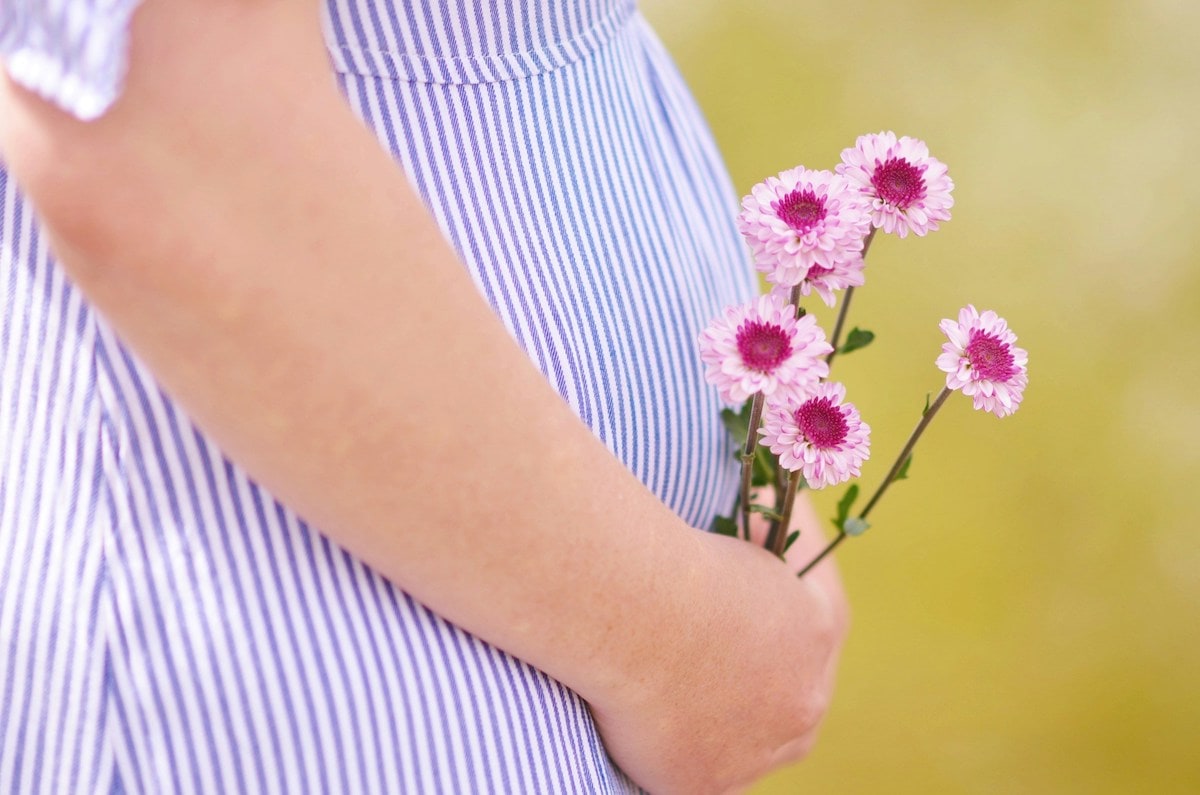
One of the lesser talked about aspects of perimenopause is that you can still become pregnant. Even though your hormone levels are shifting and ovulation becomes less predictable, your reproductive system doesn’t shut down overnight. Some women in their late 30s or 40s are surprised to learn that being pregnant during perimenopause is still possible.
That said, conception during this stage can be more challenging because of declining estrogen, progesterone, and testosterone, all of which play a role in fertility, energy, and overall reproductive health. Perimenopause may also bring heavier or lighter cycles, making it more difficult to know when you are ovulating. For women who are hoping to conceive, it’s important to be gentle with yourself and to talk openly with your healthcare provider about your goals.

If you’re not trying to get pregnant, this is also a reminder that tracking your cycle and testing for ovulation is a good idea, since it can be irregular but not entirely absent. Whether you’re trying to conceive or to prevent pregnancy, being mindful of your body’s signals, tracking your cycles, and supporting hormone balance with nutrition, stress management, and rest can all make this journey feel a little steadier.
The Meaning of Perimenopause: Preparing for Menopause
Perimenopause is a transitional time and affects every aspect of a woman’s life: physically, emotionally, and hormonally. It’s a phase that invites you to slow down, tune in, and honor the changes your body is naturally going through as it prepares for menopause and beyond. While some symptoms may feel strange, odd, or even horrible, they are part of the body’s natural rhythm, and you’re not broken. Far from it! You’re simply moving through a stage that many women experience.
This is also a time to be proactive about your long-term health. Supporting your hormone balance with nourishing foods, fiber, flax, and cruciferous vegetables, staying active, managing stress, and caring for your gut with probiotics can all help your body process estrogen safely. Herbal allies may help ease hormonal fluctuations, while minimizing exposure to environmental toxins can lighten the load on your endocrine system and reduce symptom severity.
Perimenopause is the time when your body may feel foreign to you, and it’s normal to feel thrown off at times. Tracking your menstrual cycle, eating enough protein and nutrients, staying active, and seeking support can make a big difference. Remember, small daily habits add up to lasting wellness.
Whatever your symptoms are, this is your personal transition to menopause. Be your own best friend, and remember that you’re not alone. By tuning in to your body and supporting it wisely, you can thrive while navigating this journey with confidence, grace, and resilience.
WANT TO READ MORE?
Best Female Fitness Watches and Trackers for Women
CONNECT WITH DAILY MOM
💖 NEWSLETTER: DAILY READS IN YOUR INBOX 💖
Sign up to receive our picks for the best things to do, see and buy so you can relax and focus on more important tasks! Let us help you be the best version of yourself you can be!
BE SOCIAL WITH US
📌 LOVE IT? PIN IT!📌