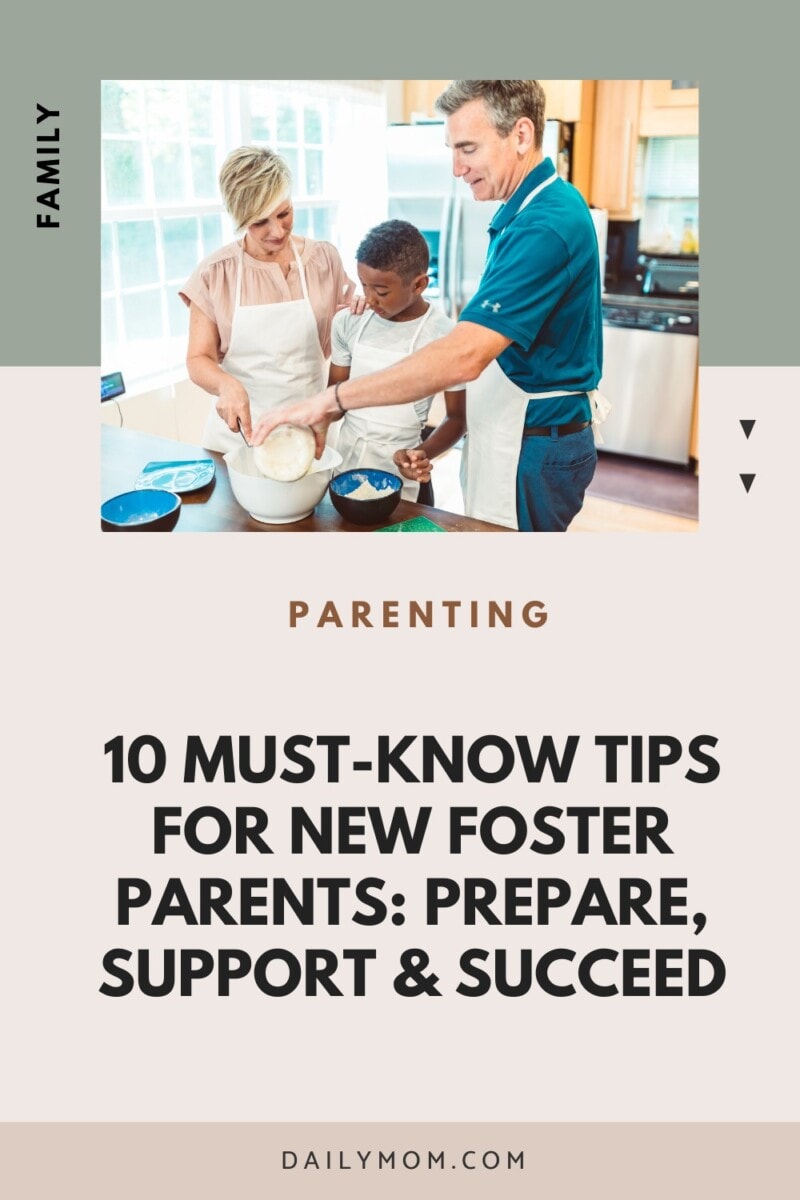
































The best advice for foster parents is to approach each child with patience, empathy, and a willingness to grow alongside them. It’s a journey filled with excitement, nerves, and sometimes overwhelming emotions. Stepping into this role means opening your home and heart to a child in foster care, providing the love and stability they need to thrive. Here we will discuss practical suggestions for fostering parents and thoughtful insights for first-time foster parents. Support, preparation, and patience will guide you as you begin this rewarding adventure.

Tip on What It Means to Become a Foster Family Parent
Becoming a foster parent is an act of incredible compassion and commitment. It involves welcoming a child in foster care into your home, often during one of the most challenging times in their lives. Here’s what the role entails:
Foster parent and their role in the life of a child in foster care
A foster parent opens their home, and more importantly, their heart, to a child or youth who cannot currently live with their biological parents. The reasons vary, but the need is real. A foster child may stay for days, months, or even years, depending on the case plan developed by their social worker and the courts.
Being a foster carer doesn’t mean replacing a child’s parents. Instead, it means providing the care, consistency, and support the child needs while their family works through the challenges that brought them into the foster care system.
The difference between fostering and adoption
Not quite. Though the two paths can intersect, fostering and adoption have different purposes:
- Foster care is typically temporary, intending to reunify the child with the family when safe and possible.
- Adoption is permanent. When a child cannot safely return home, a foster family may be asked to consider adoption, but it’s not guaranteed or expected.
Emotional, logistical, and legal aspects of fostering a child into your home
To become a foster parent, there are legal, emotional, and logistical pieces to prepare for. The process often includes:
- Attending foster parent training through your local foster care agency
- Passing background checks and a home study
- Learning how to navigate the child welfare system
- Understanding the needs of children in their care, including trauma, grief, and attachment issues
This isn’t just about having space in your home, it’s about having space in your heart. The role comes with real responsibilities, but also unforgettable rewards.
The impact of a good foster parent on a foster child’s well-being
- A good foster parent can be life-changing, offering stability, encouragement, and a sense of belonging.
- Foster children often thrive when provided with love, structure, and understanding, even for a short time.
Stepping into the role of a foster carer isn’t just about providing a roof over a minor’s head; it’s about giving them hope, security, and the tools to envision a brighter future. As you take this first step, remember that every small gesture of care makes a lasting difference.
Preparing Recent Foster Parents as a Foster Carer
The journey of fostering starts long before your first placement. Preparation is necessary, not just for your home, but also for your heart. Here are key ways to ensure you’re ready to welcome a child into your home and embrace this fresh role.
Preparing your home and heart for a new foster child
- Ensure your home is child-friendly by organizing a bedroom or space tailored to their age and interests.
- Incorporate comforting items like stuffed animals, nightlights, or personalized decor to help foster children feel secure in their fresh environment.
- Stock up on necessities, including hygiene products, clothing options, and snacks for when the child arrives. Small efforts can make a big difference in helping them feel cared for.
Key things to do before your first placement

Before your first placement, there’s a lot to juggle, but don’t worry, it doesn’t all need to be perfect. Focus on getting the basics covered, like:
- A dedicated sleeping space with clean sheets and some clothing essentials.
- Child-proofing (depending on age) and basic safety supplies.
- A list of local emergency contacts, doctors, and your foster care agency.
- Notes on routines or house rules should be kept simple and easy to explain.
- A welcome basket with small, age-appropriate items they can call their own.
It’s not about fancy things, it’s about offering dignity, comfort, and a little control in a new environment.

How to make a child feel safe and welcome when they first enter your home
- Be mindful of their initial experience in your home. Introduce yourself calmly and reassuringly to help ease their nerves.
- Ask open-ended questions to learn their likes and dislikes, such as favorite foods, hobbies, or TV shows, and incorporate those into their daily lives.
- Allow them space to adjust. Some children may need time before opening up or feeling at home.
Managing expectations and understanding trauma
- Not every foster placement will go exactly as you imagine. Understand that progress, trust, and healing take time.
- Be flexible and ready to adapt to the youth’s unique needs, whether they require additional emotional support or adjustments in daily routines.
You must ask, and Things to know
When stepping into the role of a foster parent, asking the right questions and gathering necessary information is key to being fully prepared. These conversations with your foster care agency or caseworker will help you understand the kid’s background, needs, and the fostering process.
Vital foster care questions to ask your agency or case worker
Don’t be afraid to ask for help or clarification from your social worker. They expect your questions and want you to feel equipped to provide the best care. Here are the top foster care questions to ask before a child arrives:
- Why was the child removed from their home?
- How old is the child, and what is their current emotional and developmental level?
- Are there any known behavioral, emotional, or medical needs?
- Is the child in therapy or receiving any specialized services?
- What school does the child attend? Are there any educational plans in place?
- What is the plan for parental visits or reunification with biological parents?
You might not get answers to every question right away. But even partial information can help you prepare your home and mindset.
Things that help you understand a kid’s background and needs
- Ask about the kid’s emotional and medical history. This will give you a clearer picture of their needs and potential challenges.
- Inquire about their interests, routines, and comfort items to help them adjust to a new environment.
- Learn about educational details, such as their current grade level or school performance, and how to support their learning.
Legal, medical, and educational info to gather
- Ensure you have all necessary documents, including health records and legal paperwork related to the foster care system.
- Clarify expectations regarding medical appointments, therapy sessions, and schooling.
- Ask how to advocate for the child if additional support is needed.
Asking questions isn’t just about preparation—it’s about building a relationship with the professionals and support system to guide you through the fostering journey. It shows that you are proactive and committed to providing the best possible care for the child.
Advice for Foster Parents: How to Build Your Support System

No foster parent should ever feel like they must navigate this journey alone. Building a strong support system is crucial for your and the minors’ well-being in your care. A reliable network can provide the guidance, encouragement, and practical help as you face the highs and lows of fostering.
People should be in your support system—family, friends, professionals
- Family and Friends: Involve trusted loved ones who can step in as a listening ear, lend a helping hand, or even provide respite care when needed.
- Foster Families: Connect with other foster parents who understand your unique challenges. Their experience and advice can be invaluable as you grow into your role.
- Professionals: Rely on caseworkers, therapists, and educators who can support the specific needs of the foster child in your care.
Local and national foster care resources
Beyond personal connections, many foster care resources are available to help you navigate this journey. Your local foster care agency offers some, while others are national programs designed to provide ongoing education and support for foster families.
Look into:
- Respite care options (temporary help when you need a break)
- Parenting workshops or trauma-informed care training
- Clothing closets or supply drives for foster homes
- Counseling services for you and the child in your care
- Helplines or chat-based resources for urgent questions
Connecting with these resources early can make you feel less isolated and more empowered, especially when unsure what to do next.

Surrounding yourself with people who genuinely understand and care makes a difference in the fostering experience.
First Weeks of Fostering for a New Foster
The initial weeks with a new placement set the tone for the fostering experience. During this critical adjustment period, focus on establishing routines while remaining flexible to accommodate your foster kid’s needs.
Helpful strategies for the early days include:
- Create a simple, visual schedule of daily activities
- Keep mealtimes consistent and low-pressure
- Establish clear, age-appropriate expectations about house rules
- Allow choice whenever possible (what to wear, eat, play with)
- Minimize additional activities and visitors initially
- Document behaviors, preferences, and victories, even small ones
Making time for one-on-one connection is necessary, even if it’s just 15 minutes of undivided attention daily. This dedicated time shows your foster child that they matter to you. For younger children, this might involve reading together, playing a simple game, or walking. For teens, it could be cooking together, watching a show they enjoy, or driving lessons. The activity matters less than the consistent investment of your attention.
Good foster parents recognize that patience yields better results than pressure. Many children in foster care have experienced broken trust and need time to feel secure. Responding with encouragement rather than frustration when progress seems slow helps build confidence. Celebrate small wins enthusiastically. A child who makes it through bedtime without crying, completes homework independently, or shares a feeling appropriately deserves recognition.
Remember that behaviors are communications. When a child acts out, they often express fear, grief, or test whether you’ll still care for them when they’re at their worst. Responding with calm consistency teaches them they’re safe even during emotional storms. This doesn’t mean allowing harmful behavior, but addressing the need behind the behavior while maintaining appropriate boundaries.
Things to Know About a Child in Foster Care (But You Need to Hear)
Fostering comes with its share of challenges, some that no training or preparation can fully prepare you for. But within those moments of uncertainty and difficulty, there are also incredible opportunities for growth, connection, and transformation. Here’s the honest, real-world advice every foster parent needs.
The challenging moments when a child feels and how to get through them
- No one can sugarcoat it, and there will be tough days. A child may struggle to adjust, lash out due to past trauma, or test your patience in ways you didn’t anticipate.
- It’s important to remember that these behaviors do not reflect your parenting ability but are often a product of the kid’s experiences.

The beauty of progress, even if it’s slow
Healing doesn’t happen on a schedule. Sometimes the progress is slow, subtle, and easy to overlook if you’re not paying attention.
But then, one day…
- They ask for a hug.
- They laugh out loud.
- They tell you about their day.
That’s when you realize that the challenging moments were worth it. And the foster care journey you’re on is changing not just their life but yours, too.
You will make mistakes, but you’re still a good foster parent
- Nobody is perfect, and fostering is a continual learning experience. You might react in ways you regret or second-guess your decisions, but those moments are part of the process.
- A good foster parent learns from these experiences and uses them to improve.
It’s okay (and smart) to ask for help

Don’t hesitate to ask for help when needed. New foster parents sometimes must prove their capability by handling everything perfectly. Recognizing when you need support is a strength, not a weakness. Whether calling another foster parent for advice, requesting additional services for your child, or arranging respite care to prevent burnout, asking for help ultimately benefits everyone involved.
Encouragement for the Journey Ahead And Making Time To Feel Good
The decision to enter the world of foster care demonstrates remarkable compassion and courage. Even on the hardest days, especially on the hardest days, remember that your presence provides fundamental stability to a child experiencing upheaval. Your consistent care creates ripples extending far beyond what you can see.
Foster families who thrive long-term share specific characteristics:
- They practice rigorous self-care without guilt
- They celebrate progress rather than expecting perfection
- They maintain perspective about behaviors, separating the child from their actions
- They build connections with other caregiver who understand their reality
- They find meaning in the journey, regardless of outcomes
The impact of foster care extends beyond the children served. Many foster parents report profound personal growth through the challenges they face. Learning to navigate complex systems, advocate effectively, and love through challenging behaviors develops skills that enrich all aspects of life. The compassion, patience, and resilience cultivated through fostering create positive changes within families and communities.
When discouragement comes—and it will—reach back to your initial motivation for fostering. Connect with supportive people who can encourage without judgment. Remember that even short periods of safety and attachment can create lasting positive effects in a kid’s development. You may not always see the fruits of the seeds you’re planting, but that doesn’t diminish their importance.
Above all, know that you are not alone in this journey. Thousands of temporary caregivers navigate similar challenges and experience similar joys. Your willingness to open your home makes you part of a special community committed to supporting vulnerable children during difficult transitions. That community stands ready to help you, too.
Becoming a foster parent represents one of the most challenging and rewarding paths. While the journey includes inevitable difficulties, the proper preparation, support, and mindset make successful fostering possible. Remember that every experienced foster parent was once in your position—nervous, hopeful, and stepping into the unknown.
Key takeaways for new foster parents include:
- Preparation matters, both practical home readiness and emotional/educational groundwork
- Information is power, ask questions and keep detailed records
- Support is necessary to build your network before you desperately need it
- Progress takes time, patience, and celebration of small steps yields results
- Self-care isn’t selfish, maintaining your wellbeing enables you to care for others
- Perfection isn’t the goal, learning and growing together is
The fostering journey transforms the lives of children and those who open their homes. You’ll develop the resilience needed for this critical work by connecting with other foster parents, continuing to educate yourself, and utilizing available foster care resources.
Whether you foster for a few months or many years, each day you provide safety, consistency, and care creates positive ripples that extend far beyond what you can see. Thank you for having the courage to begin this journey—the children who will find refuge in your home are fortunate indeed.
FAQs
Q: What are some crucial tips for new caregiver parents?
A: Some crucial tips for new caregiver parents include being patient, maintaining open communication with your foster child, and seeking advice from experienced foster parents. Creating a supportive and understanding environment for the child to adjust to their new situation is essential.
Q: How can I get started on your foster care journey?
A: To get started on your foster care journey, you should research the process of fostering, attend an orientation, and complete the required training. Speaking with foster parent peer groups can also provide valuable insights and guidance.
Q: What advice for new caregiver parents is most helpful when a new child is placed in your home?
A: When a new child is placed in your home, it’s crucial to be patient and allow the child time to adjust. Know their likes and dislikes, establish a routine, and ensure they feel safe and comfortable. Communicate openly and listen to their needs and concerns.
Q: How can foster parents care for their mental health while fostering?
A: Foster parenting can be emotionally demanding, so it’s essential to prioritize your mental health. Take time for self-care activities, talk to other foster parents, and consider joining community organizations to share experiences and advice.
Q: What are the top 10 tips for fostering a foster daughter?
A: Some top 10 tips for fostering a foster daughter include building trust, respecting her privacy, being a positive role model, encouraging her interests, and providing a stable and nurturing environment. Also, communicate openly and involve her in family activities.
Q: Why is it important to communicate with your foster child regularly?
A: Regular communication with your foster child is crucial to understanding their needs, building trust, and helping them feel valued and heard. It also aids in their adjustment to their fresh surroundings and addresses any concerns they might have.
Q: How do support groups benefit foster parents, and when should they ask for help?
A: Support groups offer foster parents a platform to share experiences, seek advice, and receive emotional support. They can be invaluable in navigating the challenges of foster parenting and provide a sense of community and understanding.
Q: What should you know you’re prepared for when fostering a child into your home?
A: When fostering, you should be prepared for emotional ups and downs, the need for flexibility, and the importance of being patient and understanding. It’s also crucial to be ready to support children in need and help them adjust to their new home.
Q: How can foster parents help children adjust to their unfamiliar space
A: Foster parents can help children adjust to unfamiliar spaces by creating a welcoming and safe atmosphere, establishing consistent routines, getting to know their likes, and encouraging open communication. Providing reassurance and emotional support is also key.
Q: What role does the process of fostering play in foster care and adoption?
A: Fostering plays a critical role in providing temporary care for children and families in need, often leading to adoption if reunification with biological families isn’t possible. It offers children stability and a chance to experience family life while decisions about their permanent future are made.
You might also be interested in…
Need more tips for Foster Parents? Check this out
CONNECT WITH DAILY MOM
💖 NEWSLETTER: DAILY READS IN YOUR INBOX 💖
Sign up to receive our picks for the best things to do, see and buy so you can relax and focus on more important tasks! Let us help you be the best version of yourself you can be!
BE SOCIAL WITH US
📌 LOVE IT? PIN IT!📌